Seven Affordable, Nutrient-Dense Foods to Stockpile For Survival

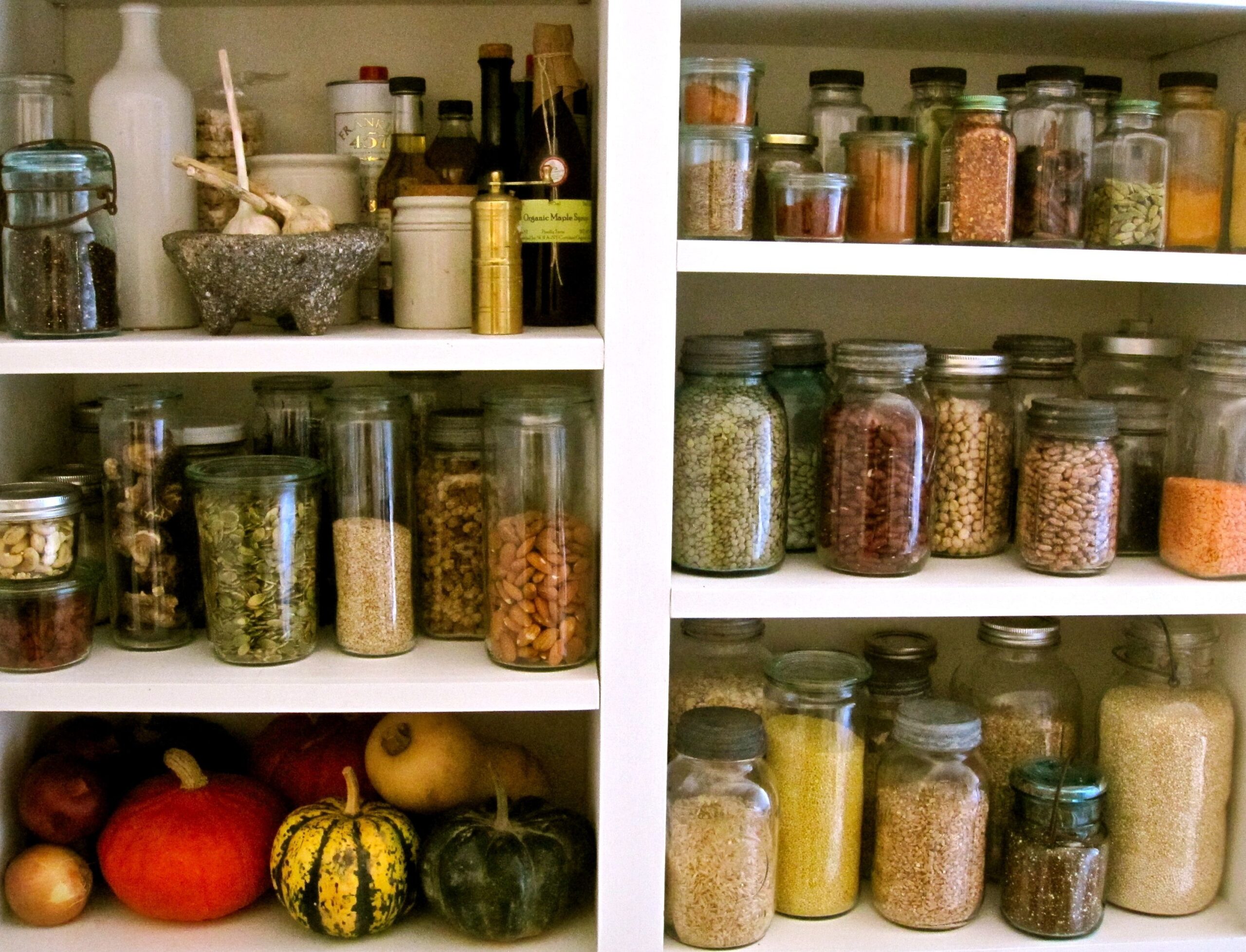
(NaturalNews – Jonathan Benson) As the stability of both the nation and the world becomes increasingly more precarious and uncertain, stocking up on long-term food supplies that will keep you and your family nourished in the event of a major supply chain disruption is more important than ever. To help make sure you are prepared for the unknown, here are seven affordable, nutrient-dense foods that are worth stocking up on for long-term survival:

1) Raw almonds, almond butter. Though they are somewhat difficult to find since the Almond Board of California decided in 2007 to mandate that all domestic almonds be pasteurized, seeking out truly raw almonds for long-term storage is a good bet for survival. When vacuum-sealed in dry form, almonds can be stored for many months in the refrigerator or freezer, providing you with instant access to one of the best plant-based sources of protein, healthy fats, and immune-boosting nutrients.

Almond butter is an excellent long-term survival food as well, as vacuum-sealed jars of almond butter can last on the shelf for nine months or even longer, and for up to three months after being opened. The Gourmet Survivalist has created a very helpful page on long-term storage options for both almonds and almond butter.

2) Brown rice. When most people think of long-term storage foods, the quintessential beans and rice probably come to mind, as both of these foods last an incredibly long time when stored dry. Though it will not last as long as white rice, brown rice is a complete food that will provide real nourishment in the event that the food supply becomes disrupted. When stored in dry-sealed containers, brown rice stays fresh for around five years, and potentially even longer, without going rancid, which is why storable superfood companies like StorableOrganics.com include it in their kits.

3) Chia, hemp, and other “superfood” seeds. An absolutely essential food category you will want to keep handy in anticipation of social upheaval are superfood seeds. Chia, hemp, and various other varieties of superfood seeds will last several years on the shelf without going rancid. Chia seeds in particular are an excellent survival food, as they are loaded with complete protein, omega-3 fatty acids, and a host of vitamins, minerals, and other nutrients. And even more impressive is the fact that chia seeds can very easily be added to water or other liquids to almost instantly maximize their nutrient bioavailability. Organic chia seed is available at the Natural News Store.

4) Fresh, unwashed farm eggs. It may come as a surprise to some to see eggs on this list, but fresh, unwashed eggs obtained directly from a farm or from backyard chickens possess a unique outer coating that will actually keep them fresh for up to a year when stored in the refrigerator. This outer coating, known as a bloom, will even protect eggs from spoilage and contamination for up to three months when stored at room temperature, which means rotating a steady supply of fresh eggs and always having new ones on hand is a great way to ensure access to eggs in the event of food shortages.

5) Carrots. Carrots are somewhat similar, in that they can be stored somewhat long-term when unwashed and covered with sand or mulch, which act as a type of earth-based “bloom.” According to Sweetwater Organic Farm, carrots stored in this manner in dark, cool, and well-ventilated areas will last for up to five or six months, ensuring the availability of fresh, nutrient-dense produce no matter how limited the food supply becomes on a societal scale. Carrots can also be stored in the freezer for up to a year when peeled, cut, and blanched.

6) Apples. Like carrots, apples can be stored for many months as well, if properly prepared. Tart, thick-skinned, unwashed apple varieties can last for many months when wrapped individually in newspaper and stored in cardboard boxes. Apples, as well as a host of other fruits, can also be cut up, dried, and vacuum-sealed for long-term storage.

7) Quinoa. The grain-like superfood food quinoa, which contains a roughly 14 percent protein content, will serve you and your family well in the event of an emergency. Easily reconstituted with water, quinoa in dried form will last an astounding 25 years or more, which makes it an excellent long-term storage food. And since it is considered a complete food, bearing all the essential amino acids and an impressive fatty acid profile, quinoa is a near-perfect survival food for providing both sustenance and balanced nutrition, even when other food options have run dry.

Warning—BPA-Free Plastic Containers May Be Just as Hazardous

In the past, plastic was thought of as an inert substance. Now we know that plastic chemicals can and do leach from plastic containers, thereby contaminating the foods and beverages they hold.

Among the most hazardous of these chemicals known to date are bisphenol-A (BPA) and phthalates, both of which mimic hormones in your body. Even tiny concentrations can cause problems, and you’re likely being exposed from a wide variety of sources.

Aside from canned goods, they’re found in reusable food containers, plastic wraps, water bottles, personal care products—you name it. In response to consumer demand for BPA-free products, many manufacturers have switched to using a different chemical called bisphenol-S (BPS).

Alas, BPS appears to be just as toxic, if not more so, than BPA… A Mother Jones report1 published earlier this year accused the plastics industry with using a tobacco-style campaign to bury findings linking their products with health problems. More recently, Scientific American2 noted that:

“BPS was a favored replacement because it was thought to be more resistant to leaching. If people consumed less of the chemical, the idea went, it would not cause any or only minimal harm.

Yet BPS is getting out. Nearly 81 percent of Americans have detectable levels of BPS in their urine. And once it enters the body it can affect cells in ways that parallel BPA.”

Health Hazards of BPA

BPA, which mimics the hormone estrogen, has been linked to a number of health concerns, including:

Structural damage to your brain Changes in gender-specific behavior, and abnormal sexual behavior
Hyperactivity, increased aggressiveness, and impaired learning Early puberty, stimulation of mammary gland development, disrupted reproductive cycles, ovarian dysfunction, and infertility3
Increased fat formation and risk of obesity Stimulation of prostate cancer cells
Altered immune function Increased prostate size and decreased sperm production

Endocrine Disrupting Chemicals Can Affect Sexual Development and Fertility

Ovarian toxicity appears to be a particularly strong feature of BPA. Harvard researchers have found that higher BPA levels in women are linked to a reduced number of fertile eggs. According to the New York Times:4

“The accumulating research fuels rising concern among scientists that childhood exposure to BPA may well contribute to female infertility, and that adult exposure may result in a shorter reproductive life span.

‘I think most scientists working today agree that BPA is an ovarian toxicant,’ Dr. Flaws said. A review of research into BPA, published this summer in the journal Environmental Health Perspectives,5 noted that ovarian toxicity is among the most consistent and strongest effects found ‘in both animal models and in women.’” 

Meanwhile, in Sweden, a rise in the number of boys born with deformed penises—a condition known as hypospadias—has researchers “stumped.” A notable increase appears in children born after 1990, nearly doubling compared to previous decades.6

Hypospadias is a birth defect in which the opening of the urethra is on the underside of the penis instead of at the end, which affects both urination and sexual function. Scientists are speculating whether endocrine disrupting chemicals such as BPA and phthalates may be at fault.

Researchers have also pointed out links between phthalates and infertility. A report in Chemical and Engineering News7 discusses recent findings8 suggesting a mechanism of action for this link. The researchers found that exposure to phthalates correlate with a biomarker for oxidative damage to DNA.

While this held true in both men and women, the effect was stronger in women. Women also had higher urine concentrations of all but one phthalate metabolite. Cosmetics are suspected of being the chief culprit, accounting for the different levels in men and women.

BPS Appears to Be Just as Harmful as BPA

As mentioned, many manufacturers are simply switching BPA for BPS, which allows them to slap the much-sought after “BPA-free” label on their wares. But BPS, it turns out, appears to have many of the same concerns as BPA.

Last year, researchers at the University of Texas Medical Branch discovered that even minute concentrations—less than one part per trillion—of BPS can disrupt cellular functioning. Metabolic disorders like obesity, diabetes, and even cancer, are potential ramifications of such disruptions.

Basically, while manufacturers are not lying by stating their products are “BPA-free,” they’re not necessarily telling the whole truth either. Many have simply traded one endocrine-disrupting chemical for another, and health-conscious consumers may be lulled into a false sense of security by the BPA-free label. According to the featured article:9

“A 2011 study published in Environmental Health Perspectives10 found that almost all of the 455 commercially available plastics that were tested leached estrogenic chemicals. 

This study lead to a bitter legal battle between Eastman Chemical Co. and the study’s author, George Bittner, professor of neurobiology at The University of Texas at Austin and founder of CertiChem and PlastiPure, two companies designed to test and discover nonestrogenic plastics.

Bittner claimed in the peer-reviewed report that Eastman’s product Tritan, marketed to be completely free of estrogenic leaching, showed such activity. 

Eastman claimed otherwise and filed a suit. A federal jury ruled in favor of the latter, saying Bittner’s testing methods were inadequate because the tests were done in vitro—in a petri dish rather than in vivo, in a live animal.”

Animal Tests Show BPS Affects Brain and Heart Function

Having learned their lesson, researchers are now focusing their investigations on live animal testing,11 and results show BPS is hardly a healthier alternative to BPA:

  • Researchers studying the effects of BPS on zebra fish embryos found that fish exposed to BPS in similar concentrations as that found in the water of a nearby river experienced explosive neuronal growth, which led to hyperactive and erratic behavior as the fish grew. Fish embryos exposed to BPS had a 170 percent increase in neuronal growth; while those exposed to BPA had a 240 percent increase.
  • Another study using rats found that exposure to either BPA or BPS caused heart arrhythmia in the females. Here, the dose used was similar to concentrations found in humans. The researchers discovered that BPS blocked an estrogen receptor found only in the females, which disrupted the calcium channels. This is also a common cause of heart arrhythmia in humans.

The root of the problem goes back to a lack of regulation—there’s no proper agency testing for toxicity before a chemical is allowed on the market. Banning BPS will not solve this problem, as there are many types of bisphenols, and simply switching from one to another is nothing but a game of toxic musical chairs. At present, you may be paying more for a “BPA-free” product that is no safer than the old BPA-containing variety… You’re also exposed to a number of other chemicals courtesy of food and beverage containers,12 most of which have no warning labels at all.

Another chemical high on the list of concern is styrene, found in Styrofoam cups. According to scientists with the National Research Council, styrene can be “reasonably anticipated to be a human carcinogen.”13 Heat and prolonged storage increases the leaching of most if not all of these plastic chemicals from their respective plastic containers, and this may be of particular concern when it comes to Styrofoam, as foam cups are almost exclusively used for hot drinks.

Phthalates: Industrial Strength Gender-Benders

Then of course there are the phthalates, which are used as plasticizers in everything from vinyl flooring to detergents and toys. This hormone disrupter can also be found in soaps, shampoos, and cosmetics of all kinds. They’re even used as food additives!14 Research has linked phthalates with the feminization of males of all species. These chemicals have disrupted the endocrine systems of wildlife, causing testicular cancer, genital deformations, low sperm counts, and infertility in polar bears, deer, whales, and otters, just to name a few. Scientists believe phthalates are responsible for a similar pattern in humans as well. As you can see, the effects of phthalate exposure, listed below, are very similar to that of bisphenols (BPA and BPS), which isn’t surprising considering they all affect your endocrine system and sex hormones:

Disturbed lactation “Decreased dysgenesis syndrome”: A syndrome involving cryptorchidism (undescended testicles), hypospadias, and oligospermia (low sperm count)
Interference with sexual differentiation in utero Enlarged prostate glands
Impaired ovulatory cycles and polycystic ovary disease (PCOS) Numerous hormonal disruptions
Early or delayed puberty Breast cancer, uterine fibroids, and testicular cancer

Chemical Industry Is Reusing the Tobacco Industry’s Playbook…

The Democracy Now video above reveals how the chemical industry uses the same playbook that the tobacco industry became notorious for. The only difference is that they have not been exposed yet, whereas the tobacco industry finally had to admit to the health hazards of its products. For example, many of the studies that found no adverse health effects of BPA were funded by the chemical industry, and as noted in the video, there’s a hidden network here; industry-funded studies get published in certain journals that in many cases have links to the tobacco industry. The chemical industry has also relied on scientists that previously helped discredit the science linking smoking and second-hand smoke exposure to disease.

So, not only has the chemical industry borrowed the tobacco industry’s strategies to keep their products on the market, they’re also relying on the tobacco industry’s “experts” to back up their safety claims. It is now a historical fact that the tobacco industry purposely buried evidence linking tobacco smoking to health problems such as lung cancer, and the chemical industry is now doing the exact same thing; using the same tactics and experts as the tobacco industry once relied on.

As an example, one chemical in particular became the focus of Mariah Blake’s investigation for Mother Jones: Tritan, made by Eastman Chemical. According to Blake, a number of independent scientists have tested this product, and found it has estrogenic activity—in fact, it is MORE estrogenic than polycarbonate, a BPA-containing plastic. Internal documents released during the course of a lawsuit against Eastman Chemical reveals that the company suppressed evidence showing that Tritan is in fact estrogenic. Shocking but true, there are about 80,000 chemicals used in various products sold in the US, and only a tiny fraction of them have undergone safety testing.

And, because of lack of regulation, when a chemical like BPA is taken out of production, the industry simply replaces it with another untested chemical… It’s like a never-ending vicious circle where as soon as one chemical is found to be hazardous, another takes its place and is allowed to wreak havoc for decades until someone realizes the hazard that one poses… As crazy as it sounds, the chemical industry is a largely unregulated field, and as such it poses a tremendous danger to human health. Leaked minutes from a 2009 meeting of the BPA Joint Trade Association are also revealing.

Members of this association include the American Chemical Council, the American Chemistry Council, Coca-Cola, Del Monte, and many others. In this meeting, they explored a variety of messaging strategies, including what they called “fear tactics.” An example of a fear tactic would be to use statements like “Do you want to have access to baby food anymore?” The attendees agreed that “the holy grail spokesperson” would be “a pregnant young mother who would be willing to speak around the country about the benefits of BPA.” As noted by Mariah Blake, one of the most disturbing aspects of the chemical industry’s efforts to hide hazardous effects is that they purposely target those who are the most vulnerable to damage, such as young children and pregnant women.

Tips to Reduce Your Exposure to Endocrine Disrupting Plastic Chemicals

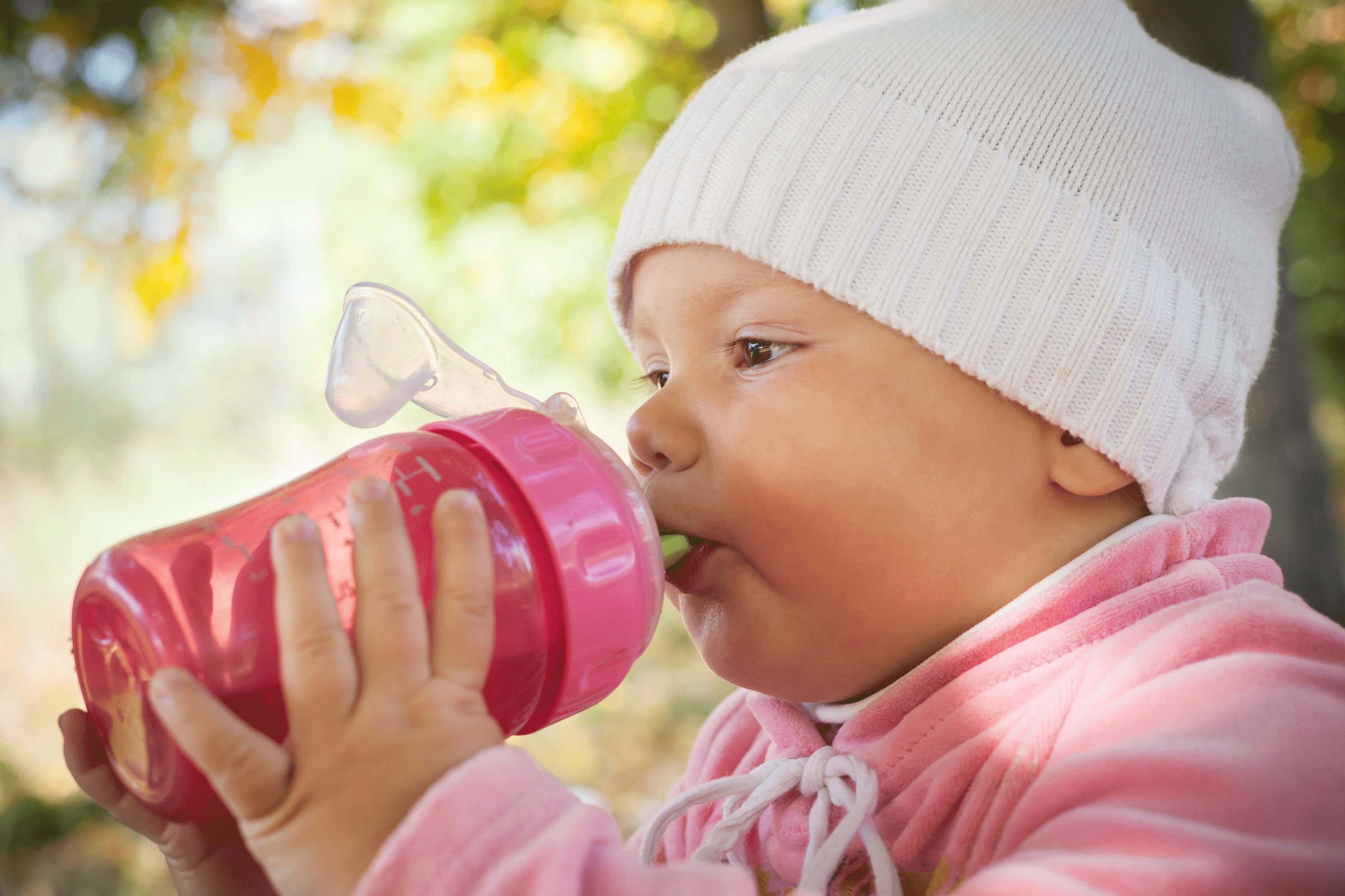
To avoid any number of chemical toxins leaching into your food and beverages, choose glass over plastic, especially when it comes to products that will come into contact with food or beverages, or those intended for pregnant women, infants, and children. This applies to canned goods as well, which are a major source of BPA, so whenever you can, choose jarred goods over canned goods, or opt for fresh whole foods instead. I also recommend avoiding plastic teething toys for your little ones. Considering their pervasiveness, it may be next to impossible to avoid all sources of exposure to BPA, BPS, phthalates, and similar toxins, but you can certainly reduce your exposure dramatically by making more informed choices. To limit your exposure, please consider the following suggestions:

Only use glass baby bottles and dishes for your baby
Get rid of your plastic dishes and cups, and replace them with glass varieties
Give your baby natural fabric toys instead of plastic ones
Store your food and beverages in glass containers
If you choose to use a microwave, microwave food in glass containers, not plastic
Use glass, ceramic, or stainless steel travel coffee mugs rather than plastic or Styrofoam coffee cups
Avoid using plastic wrap (and never microwave anything covered in it)
If you opt to use plastic kitchenware, at least get rid of the older, scratched-up varieties, avoid putting them in the dishwasher, and don’t wash them with harsh detergents, as these things can cause more chemicals to leach into your food
Avoid using bottled water; filter your own using a reverse osmosis filter instead
Before allowing a dental sealant to be applied to your, or your children’s, teeth, ask your dentist to verify that it does not contain BPA

Maybe We Just Shouldn’t Ever Buy Grocery Store Chicken

(Cornucopia – Modern Farmer – Dan Nosowitz) The latest scandal in supermarket chicken comes from Canada. This time, a supermarket was reported to be re-labeling its chicken to have a later sell-by date, based on nothing more than a smell test. Should we maybe just stop buying supermarket chicken altogether?

It seems like every week there’s a new study or a new scandal around the danger of pre-packaged supermarket chickens and chicken parts. This week’s comes from Canada, where Radio-Canada reports that IGA, a huge international grocery store chain very popular up north, has actually been re-labeling chicken to indicate that it’s fresher than it is.

An IGA employee, who chose to remain anonymous, told Radio-Canada that his store routinely re-labels chickens:

“When the product is expired, when it’s three days old, we check to see if it looks OK and smells OK. Then we repackage it, and put it back on the shelf,” he said. “In our IGA, we stretch it one more day. Depending on the store, depending on the managers, sometimes they stretch it by another three days.”

This practice is actually illegal in Canada, for obvious reasons: a smell test by a supermarket employee is not an adequate examination to make sure the sell-by date can be extended. Radio-Canada proceeded to buy some IGA chicken and have it tested, where some of it tested extremely highly for bacteria. Many types of bacteria found in poultry can be killed by normal cooking temperatures, but improper cooking of mislabeled chicken could make for a much scarier bird than properly labeled chicken.

Here in the States, it’s actually legal to re-label chicken, which strikes us as completely insane; there was a case at a New York Key Foods just a few years back in which that loophole was revealed to the public.

For its part, IGA says re-labeling chicken sell-by dates is not store policy, and they will try harder to make sure it doesn’t happen, which, okay, we guess.

7 Simple Strategies to Reduce Holiday Stress

(DrFrankLipman – Frank Lipman) ‘Tis the season to be jolly – or is it? With all the stresses of the season headed towards us like a runaway (toy) train, now’s a good time to take a step back and put together a plan to help navigate the next few weeks so this year you won’t collapse in a stressed-out heap. Here are some thoughts and gentle reminders on how to manage the season, with more joy and less stress:

1. Eat Wisely and Well

As in, yes, even though there are lots of holiday treats on offer, you really do need to think of your body as a temple. Over doing it with big doses of alcohol and sugar will weaken your ability to fight off winter ills at exactly the time your exposure is peaking. So instead of weakening the castle walls, remember to fortify them at every meal, with the goal of keeping optimal levels of nutrients coursing through your veins throughout the season. To do that, start with a morning Smoothie to fill up on good fats, protein and phytonutrients.  Eat or drink plenty of greens, fill up on protein and healthy fats, and snack on low-sugar fruits like blueberries, blackberries and raspberries. Eat mindfully and consciously just as you would during the non-holiday season, and always have a healthy snack before going out to parties to cut cravings and limit the temptation to over-indulge. 

2. Be Kind to Your Body – And Give It a Rest

The holidays are a marathon. To finish strong, you’ve got to treat your body in ways that will support health and allow for rest, repair and relaxation. At this time of the year, gift yourself with a weekly body tune-up, be it a massage, steam room session or sauna time at the gym. All will to reduce stress, relax muscles and boost circulation in a quiet, cell phone-free environment, so your brain gets a break too! If you’re short on time, you can also try this DYI massage when you get home at night: dig out a few tennis balls and treat yourself to an ultimate foot massage or try a neck and shoulder release to help soothe aches and release tension. Another simple, stay-healthy tip: don’t cut corners on sleep –it’s a non-negotiable if you plan to stay well through the holidays. If you’re going to be out late frequently, try to arrange it so that at least every other night you’re hitting the hay at close to the usual time. Keeping a somewhat normal schedule will help keep your defenses strong – three or four late nights in a row won’t.

3. Take Your Brain on Vacation

Every day, step off the holiday merry-go-round for a few minutes to quiet your mind and boost well-being to boot. Be it a 5-minute yoga or meditation moment in the morning, a sunny park bench (soak up a little vitamin D!) or a church pew for a few moments in the afternoon or an evening group meditation, turning down the noise in and outside of your head will help keep stress levels from boiling over. To unwind at home, instead of a glass of wine, try doing 15-minutes of Restorative Yoga. Think of it as a vacation for mind and body, and one you can enjoy as often as needed, no reservations required.

4. Move and Groove!

I know it’s tough to stay on an exercise routine during the holidays, but it’s easier if you schedule it like you would any other important event – just block out the time. Exercise is great for stress relief and can help put you in mildly euphoric state when mood and energy starts to flag. Add a great playlist to help carry you along on the treadmill or the bike. You can also keep extra weight at bay, so just do it! Need some extra motivation and a party-like atmosphere? Try a hi-energy Zumba, urban rebounding or spin class to lift your spirits and heart rate. If time is tight, just do a 15 or 20-minute workout to take advantage of the endorphins and the feeling of accomplishment you’ll have earned. On non-gym days, grab someone you love and bond over a brisk walk around the neighborhood after dinner. Too snowy to stroll? Then put on some music and dance around the living room to get in a few minutes of mood-boosting, stress-busting, low-impact cardio. (Anything by Bob Marley is a favorite in my house!)

5. Plot Your Course and Don’t Fear the “No”

The addition of nightly social obligations, holiday cards, gift shopping and giving etc., on top of an already demanding work and family life, can bring out the bah-humbug in even the best of us. My advice for the stressed-out masses? Take several deep breaths and take a long hard look at the next month. Draw up a list of the events and must-dos. Identify what you can jettison, do less elaborately or graciously decline. Set aside nights for festivities and nights off, alternating every other night if possible. By plotting out the month in advance with built-in breaks and time-outs, you’ll be able to maintain more control over the season and have more time to enjoy it. Concerned about hurting feelings when declining invitations? When declining, try to book a date in early January to make good on the holiday no-show. 

6. Know Your Triggers – And Work Around Them

Before the holiday season gets underway, take a few moments to identify what makes you unhappy during the holiday season – and figure out how to restructure the season so the things that get you down are less of a presence. For those who have lost loved ones or perhaps have a few too many toxic relatives, leave town. Sounds extreme but instead of bracing yourself for a rough few days, enjoy them at a spa or meditation retreat to rejuvenate yourself for the new year. If overspending is a problem or money is tight, streamline your holiday gift list and/or agree to not exchange gifts with close friends or family. Simplify by giving gift cards, particularly to teens and college age kids. Give smaller gifts to minimize January remorse, and recognize that the best gifts of all are usually free.

7. Remember Kindness Spreads Joy – So Practice Ubuntu

What’s Ubuntu? It’s a Xhosa concept that means, “I am because you are.” In other words, be conscious of how you treat others and how your behavior impacts theirs – remember, we are all in this life it together. Create brief moments of simple, positive connection with others to spread good feeling that can lift spirits far beyond a single interaction (the opposite is true too, so be aware!). As Bishop Tutu once said, “My humanity is caught up in your humanity, and when your humanity is enhanced mine is enhanced as well,” and to me, that embodies the essence of the holiday season.

For more thoughts on how to manage the holidays and beyond, check out 14 Ways to Stay Sane for the Holidays

Have a healthy and peaceful holiday season.

Beetroot Juice Improves Athletic Performance and Cardiovascular Health

(NaturalNews – David Gutierrez) Many studies have shown that beetroot juice can improve athletic performance. Now, a study conducted by scientists at Kansas State University and published in the Journal of Nitric Oxide, Biology and Chemistry has shown that the beverage could also provide an important quality of life boost to people suffering from heart failure.

“Remember, for every one football player in the United States, there are many thousands of heart failure patients that would benefit from this therapy,” researcher David Poole said. “It’s a big deal because even if you can only increase oxygen delivery by 10 percent, that can be the difference between a patient being wheelchair-bound versus getting up and walking around and interacting with his or her family.”

Improves patients’ ability to exercise

Prior research by the same team, published in the journal Physiology in 2013, showed that due to its high nitrate content, beetroot juice increases blood flow to skeletal muscles that are engaged in exercise. This, in turn, increases the oxygen flow to those muscles.

In the new study, the researchers found that, after drinking beetroot juice, participants experienced a 38 percent increase in blood flow to their skeletal muscles while exercising. Significantly, blood flow increased most to the fast-twitch muscles that are used for explosive running. These muscles are typically less oxygenated than other skeletal muscles.

The increased oxygen flow would be enough to significantly improve quality of life in heart failure patients, the researchers said.

“Heart failure is a disease where oxygen delivery to particular tissues, especially working skeletal muscles, is impaired, decreasing the capacity to move the arms or legs and be physically active,” Poole said.

By enabling heart failure patients to get more exercise, beetroot juice could be the first step in producing deeper, more permanent health improvements.

“The best therapy for these patients is getting up and moving around,” Poole said. “However, that is often difficult. Increasing the oxygen delivery to these muscles through beetroot can provide a therapeutic avenue to improve the quality of life for these patients.”

The researchers have already begun a clinical trial to directly test the effects of beetroot juice in heart failure patients. The research is being conducted in collaboration with the University of Exeter and is funded by the National Institutes of Health.

Increases athletic speed, stamina and power

Why does beetroot juice have such a dramatic effect on blood flow? The answer lies in the drink’s high concentration of a chemical known as nitrate. Indeed, just 70 milliliters of beetroot juice contains as much nitrate as 100 grams of spinach.

In the body, nitrate is transformed into nitrite, which has been shown to help protect blood vessels from injury. The nitrite is eventually transformed into nitric oxide, which dilates blood vessels and thereby increases blood flow. Because more oxygen is delivered to muscle cells, these cells are therefore able to produce more power and perform for longer without tiring.

Beetroot juice has been shown to increase both speed and endurance in athletes. For example, one study found that athletes who drank beetroot juice used 19 percent less oxygen and performed for 17 percent longer. Another, published in the journal Medicine & Science in Sports & Exercise in 2011, found that cyclists who drank beetroot juice completed a track faster than cyclists given a placebo. A pair of similar studies, conducted by researchers from Maastricht University Medical Centre in the Netherlands and published in the International Journal of Sport Nutrition and Exercise Metabolism in 2012, found that consumption of beetroot juice improved not just the cyclists’ speed but also their power output.

Sources: 
http://www.k-state.edu
http://www.ncbi.nlm.nih.gov
http://www.naturalnews.com
http://science.naturalnews.com