Microplastics On Beaches Now Recorded At Insane Levels

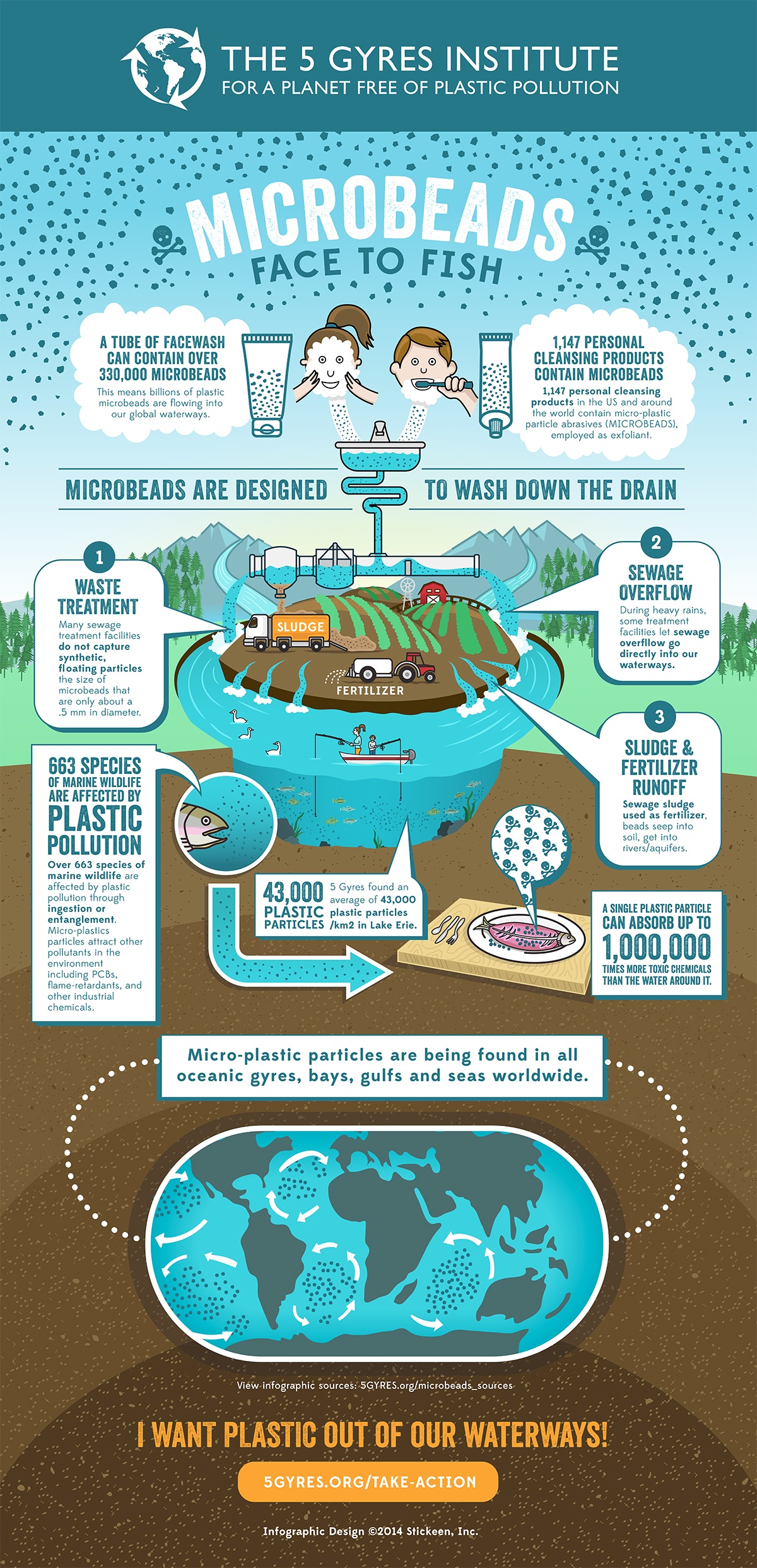
(Natural Blaze By Jason Erickson) More attention is finally being given to determining the ill effects that microplastics (microbeads) are having on human health and the environment. Previous concerns have been raised in everything from toothpaste to beer to the wider ecosystem where it was found to threaten juvenile fish that were becoming addicted to them.

Perhaps even worse is that “an investigation by Orb Media revealed that microplastics were present in 83 percent of drinking water samples. The study encompassed more than a dozen countries, including the U.S., the U.K., France, Germany, Lebanon, Indonesia, Equator, and India.” (Source)

Related: How to Detoxify and Heal the Lymphatic System

Recommended: Start Eating Like That and Start Eating Like This – Your Guide to Homeostasis Through Diet

In a startling case of “the more you seek, the more you find,” a new study orchestrated by a bachelor student and her supervisor from the Leiden University, the Netherlands, along with help from citizen investigators, began collecting samples of European beach sand. It turns out that plastic particles abound in outlandish concentrations right under our feet as we walk among apparently clean and beautiful sand:

They found that every kilogram of sand on European beaches contained on average 250 fragments of microplastic. In some locations the number can be even higher, a spot in Iceland had 700 microplastics per kilogram, in Italy it was as high as 1,500 per kilogram. Bosker has already found relatively high levels in the Netherlands, with 500 fragments per kilo on the beach near to The Hague.

While their findings varied, they found microplastics in every sample taken from 23 locations in 13 European countries.

‘If you fill an espresso cup with sand, it will contain easily twentyfive pieces of plastic, with the number of fragments changing according to the location.’

The researchers have taken steps to standardize their collection process so that even more help can be solicited from the public. In subsequent studies they will be looking at other regions of the world, as well as determining the true nature of the impact that living among pervasive plastic might have on human health and the environment.

Related: Microplastics in Sea Salt – A Growing Concern

You can visit the University website and contact Professor Thijs Bosker if you’d like to inquire about how you can help contribute to this important scientific investigation.

Source: “Plastic Between Your Toes”

Jason Erickson writes for NaturalBlaze.com. This article (Microplastics on European Beaches Recorded at Insane Levels) may be republished in part or in full with author attribution and source link.

Wildfire Smoke and Health: 5 Questions Answered

(The Conversation) Editor’s note: The federal government has declared a public health emergency in Northern California due to wildfires burning across 10 counties. One major threat is smoke, which is causing unhealthy air levels across a wide area, including San Francisco. Atmospheric chemist Richard Peltier explains why smoke from wildfires is hazardous and what kinds of protection are effective.

What substances in wildfire smoke are most dangerous to human health? What kinds of impacts can they have?

Wood smoke contains a mixture of microscopic droplets and particles and invisible gases that spread downwind from the fire source. Surprisingly, relatively few studies have investigated the types of exposures we are now seeing in California. Most studies focus on very controlled laboratory experiments, or forest firefighters who are working on controlled burning, or exposures people in developing nations experience when they use primitive cookstoves. None of these accurately reflects conditions that Californians are experiencing now.

Wood smoke is a very complicated mixture of material in the air, and much of it is known to affect human health. It comes from lots of different fuel sources, including mature trees, dried leaves, forest litter and, unfortunately, local homes. The emissions vary depending on what material is burning and whether it is smoldering or in flames.

For the most part, wildfire smoke is a mixture of carbon monoxide, volatile organic carbon and particles that include alkaline ash, black carbon and organic carbon, which usually contains polyaromatic hydrocarbon, a known cancer-causing agent.

Recommended Reading: Cure Cancer Naturally

Smoke from wildfires in Northern California, Oregon, Washington, Idaho and Montana blankets much of the Pacific Northwest on Sept. 5, 2017. NASA

Is a brief exposure, say for a few hours, dangerous, or is smoke mainly a concern if it lingers for days? How does distance from the fire affect risk?

We don’t fully know how the size and length of the dose affect risks, but the longer you are exposed to pollutants from wood smoke, the higher the risk of developing smoke-related illnesses. Short-term exposures to intense smoke can lead to lung and cardiovascular problems in some people, especially if they are already susceptible to these diseases. Longer-term exposure over a few days or weeks increases the risk and the chance of health impacts as your cumulative dose increases.

Smoke tends to become more diluted with distance from the source, but there really isn’t any way to estimate a safe distance where the pollutants are so diluted that they pose no risk. Eventually rainfall will clean all of this pollution from the atmosphere, but that can take days or even weeks. In the meantime, these pollutants can travel thousands of miles. That means air pollution from wildfires may threaten people who are far downwind.

Image of a plume of high-altitude smoke from a forest fire near Alaska, observed in northern Quebec, Canada, more than 2,000 miles away. Richard PeltierCC BY-ND

How do the worst pollution levels from the wildfires in California compare to bad air days in a megacity like Beijing or Mumbai?

The concentrations of pollution in communities downwind of these fires are on par with what we see in rapidly growing cities such as Mumbai and Beijing. But there is an important difference. In California these pollutants affect a relatively small geographic area, and the affected areas can rapidly shift with changing weather patterns. In locations like Mumbai and Beijing, high concentrations are sustained across the entire region for days or even weeks. Everyone in the community has to endure them, and there is no practical escape. For now, though, Californians are experiencing what it’s like to live in a developing country without strong air pollution controls.

How should people in smoky areas protect themselves? Are there remedies they should avoid?

The most effective way to protect yourself is by staying with friends or family who live far away from the smoke. People who can’t leave the area should close windows and doors, and apply weather sealing if they detect smoke leaking in. Even masking tape can be reasonably effective. But most houses leak outside air indoors, so this strategy isn’t foolproof.

Recommended Reading: How Himalayan Salt Lamps Work

Portable high-efficiency filter devices – often marketed as HEPA – can remove indoor air pollution, but often are too small to be effective for an entire house. They are best used in individual rooms where people spend a great deal of time, such as a bedroom. And they can be very expensive.

N95 mask. Max-Leonhard von SchaperCC BY

Products marketed as air fresheners that use odorants, such as scented candles or oil vaporizers that plug into an outlet, do nothing to improve air quality. They can actually make it worse. Similarly, products that “clean” the air using ozone can release ozone into your home, which is very hazardous.

Personal face mask respirators can also be effective, but not the cheap paper or cloth masks that many people in developing countries commonly use. The best choice is an N95-certified respirator, which is designed to protect workers from hazardous exposures on the job.

These masks are made of special fabric that is designed to catch particles before they can be inhaled. Paper masks are meant to protect you from contact with large droplets from someone who might be ill. N95 respirators block particles from entering your mouth and nose. They can be a little uncomfortable to wear, especially for long periods, but are pretty effective, and many retailers sell them.

What else do scientists want to know about wildfire smoke?

We have a pretty good understanding of the pollutants that wildfires emit and how they change over time, but we don’t have a firm grasp of how different health effects arise, who is most susceptible or what the long-term effects may be. It is not easy to predict where and when wildfires will occur, which makes it hard for scientists to evaluate individuals who have been exposed to smoke. Controlled laboratory studies give us some clues about what happens in the human body, but these exposures often are quite different from what happens in the real world.

The California fires are affecting thousands of people, and it is good to see that firefighters are starting to contain them. But there will be more wildfires, so we need to learn more about how smoke exposure affects people long after the fires end.

Medical Mistakes Affect 1 in 5 People

sad doctor with mask over white background

(Dr. Mercola) Medical mistakes are made in the operating room, in the emergency room and in the doctor’s office. And, unfortunately, the mistakes made by doctors, nurses and pharmaceutical companies still are the third leading cause of death in the U.S. Statistics from a study originally published in 20001 have not changed in the 17 years since its publication.

Authors in the Canadian Journal of Surgery believe medical errors represent a serious public health problem and a threat to patient safety.2 The definition of a medical error often rests on patient outcome, or rather if there was a negative outcome from a medication or procedure.

Recommended Reading: Start Eating Like That and Start Eating Like This – Your Guide to Homeostasis Through Diet

Some research suggests 250,000 people die each year from medical errors and millions more who are harmed by drug-related mistakes.3 However, as frightening as the number of people dying from medical error is, some suggest it is only the tip of the iceberg.4

The purpose of understanding the numbers is not to scare you, but rather to help you understand how you can take control of your health even inside the health care system. Making informed choices and using proven tools to reduce your risk of illness by maintaining optimal health are strategies you may use to reduce your personal risk of injury at the hand of another.

Some medical errors have resulted in drastic changes in the standards of medical care, but often only after tragedies and long years of work to change an ingrained system. For instance, in 1982, ABC highlighted cases of anesthesia mistakes that resulted in injury or death, but it wasn’t until 1985 before a program of standardized anesthesia care and monitoring was put into place to avert those errors.5

As a general rule, one of your best ways of preventing unnecessary injury or death is to stay healthy and out of the hospital. This is why I am so passionate about sharing preventive health strategies with you, such as eating right, exercising, reducing stress and getting quality sleep. The exception is in cases of accidental trauma or surgical emergencies when modern medicine can be truly lifesaving.

Survey Reveals 1 in 5 Patients Has Experienced a Medical Error

In a nationwide survey of more than 2,500 people, researchers found that 1 in every 5 adults had been on the receiving end of a medical error and 1 in every 3 said someone whose care they were closely involved in had experienced a medical error.6 The results from this survey found most of the errors were involved with diagnosis of a medical condition and occurred in an outpatient setting. The press release begins:7

“The vast majority of Americans are having positive experiences with the health care system, but 21 percent of adults report having personally experienced a medical error, according to a new national survey released today by the IHI/NPSF Lucian Leape Institute and NORC at the University of Chicago.”

Other notable findings from this survey included:

Recommended Reading: 10 Circumcision Myths – Let’s Get the Facts Straight
  • Almost half of the participants who discovered an error brought it to the attention of medical personnel or other staff
  • Most believed that although the medical staff are predominantly responsible for safety, patients and families also have a role to play
  • People identified on average seven different factors that played into the medical error

While the survey does demonstrate a willingness to be involved in patient safety, it is also important to note the average rate of error was 21 percent in this sample size, and medical mistakes continue to rank as the third leading cause of death in the U.S. Dr. Tejal K. Gandhi, chief clinical and safety officer and president of the IHI/NPSF Lucian Leape Institute, commented on the results of the study:

“The survey results show that Americans recognize that patient safety is a critically important, but complex, issue. The focus on diagnostic errors and the outpatient settings closely parallels other research in this area and confirms that health care improvers need to take a systems approach to safety that encompasses all settings of care, not just hospitals.

I think one of the most valuable findings is the degree to which patients are willing, and expect, to be involved in their care. The fact that many people who experienced an error spoke up about it confirms that patients and families are vital to informing health care organizations about harm and how to prevent it in the future.”

What’s Acceptable Human Error?

Any time humans are involved in an equation, there is room for error. No human is error free. And, like most other human behaviors, the average rate of human error has also been picked apart, studied, analyzed and discussed. Human error rate tables confirm that the “human factor” is real and unavoidable. Human performance falters when tasks require great care, or are complicated and nonroutine, in much the same way medical care functions.

Recommended Reading: Common Bad Parenting Advice You Should Ignore

However, in most human error rate tables, the highest percentage of error is 10 percent performing complicated, nonroutine tasks.8Mechanical error rates outside of medical care average 0.5 percent to 1 percent.9 Researchers measured pharmacist error in a busy VA hospital where 1.9 million medications were dispensed over one year and found a 0.0048 percent error rate during the busiest shifts when verification of over 400 medications was done in one eight-hour shift.10

IHS Automotive, an auto industry research firm, reports there are nearly 253 million cars on U.S. roads.11 There are an estimated 5.8 million car accidents each year.12 Of those car accidents, 94 percent are caused by human error.13 If each car drove just once each day, accidents occurring as the result of human error in the 253 million cars is equal to 2.1 percent. Each of these statistics is a far cry from the 21 percent of patients in the U.S. health care system that experience medical errors.

You May Be Shocked by These Medical Mistakes

In many instances, medical error is preventable as it’s often the result of human error. Patients and family members may help reduce these mistakes by staying vigilant when receiving medical care.14

Getting the wrong treatment

Recommended Reading: Considering Home Birth

To give you medication, radiation, physical therapy or even surgery, medical staff are required to verify your identity. Most hospitals use identification bands with your name, birthdate and a unique barcode. Make sure this is checked before you receive any medication or treatment.

Waiting in the emergency room

Hospitals and emergency rooms have a finite amount of space, so when they are full, you may be forced to wait for medical care. Most hospitals will prioritize patient care based on the extent of the trauma or urgency of the medical situation. Be sure the staff is aware of any changes to your medical condition while you’re waiting.

Waking up during surgery

If you receive an underdose of anesthesia, your brain may be “awake” even if you can’t move your muscles. Unable to move or speak, you may still feel the surgery taking place. Express any concerns you have with your surgeon and anesthesiologist before surgery, including asking about options for local anesthesia in lieu of being put to sleep.

Surgical mistakes

Surgeons may perform a procedure on the wrong body part, or leave a “souvenir” inside. Between 2005 and 2012, nearly 800 instruments were left inside patients after surgery, drastically increasing their risk for infection and necessitating a second surgery.15

This number doesn’t include other potential objects, such as sponges or electrodes. Alert your surgeon and attendants you are aware of these issues, confirming with the surgeon the body part on which surgery is planned and asking them to be especially careful when counting instruments and sponges at the end of the surgery.

Fake doctors

Not all medical mistakes are made by medical professionals. In some cases, con artists pretend to be doctors or therapists to scam you of your hard-earned money. They sell potions, braces or exercise programs advertised to make you healthier, faster, better or prevent surgery without the research or expertise to back up those claims.

CNN gave the example of Sarafina Gerling, who wore a back brace advertised online by a man found guilty of insurance fraud. Gerling thought the brace would help her scoliosis, but it only made the condition worse.

Recommended Reading: Dying to Cut – Unnecessary Surgeries You May Want to Avoid, and Why

Iatrogenic Infections Result in Nearly 50,000 Deaths Each Year

Iatrogenic (caused by a medical treatment, diagnostic procedure or physician) and hospital-acquired infections kill more people each year than diabetes. Each year 1.7 million are infected at the doctor’s office or hospital and 99,000 die from health care-associated (HAI) infections.16 These infections affect up to 10 percent of all patients hospitalized each year and add an estimated $20 billion in additional health care costs.

Also called nosocomial infections, the most commonly acquired in-hospital type of infection include infections in central line IV catheters, urinary tract infections from Foley catheters, surgical site infections and diarrheal illness from Clostridium difficile (C. diff). In many cases, these infections can be prevented using simple handwashing techniques required of hospital personnel when coming into contact with patients.

Unfortunately, many of these infections are triggered by superbugs or bacteria that have become antibiotic-resistant. Inappropriate use of antibiotics and overuse have contributed to the development of antibiotic-resistant superbugs, but the largest source of exposure is actually through antibiotic use in your food. Nearly 80 percent of all antibiotics sold in the U.S. are given to livestock to reduce disease and make the animals grow bigger faster.

Residue from antibiotics is then passed along to you in the meat and dairy products you eat. For example, at least 80 different antibiotics are currently allowed and may be detected in cow’s milk. The Centers for Disease Control and Prevention (CDC)17 has concluded that as much as 22 percent of antibiotic-resistant illness in humans is linked to food.

Recommended Reading: Circumcision, the Primal Cut – A Human Rights Violation

Death Certificates Hide the Real Numbers

At this point, no one knows the real number of deaths that may be attributed to medical mistakes as most death certificates do not list the trigger. For example, Dr. Barbara Starfield, author of the Journal of the American Medical Association study that documented a staggering 225,000 deaths from medical mistakes in 2000, was herself a victim. Her husband, Dr. Neil Holtzman, attributed her death to an interaction between aspirin and Plavix, which was not mentioned on her death certificate.18

Researchers from Johns Hopkins Medicine believe these shortcomings in how vital statistics are recorded hinder research and keep the issue out of the public eye. They wrote an open letter to the CDC, calling for medical errors to become a recognizable and reportable cause of death.19 The data analysis showed the coding system used to categorize death certificate data doesn’t capture information that may have led to unrecognized surgical complications, inappropriate medications, diagnostic errors or poor judgment.

The inability to capture the full picture of medical errors may stunt research and public knowledge of a problem that continues to grow inside the health care system. The researchers have recommended a number of different strategies that increase transparency following an error and communication within the health care system and with reporting agencies, such as the CDC.

Recommended Reading: A History of Bad Medical Advice

These types of changes may help researchers evaluate the issues and find solutions to reduce patient injury and death. As long as providers and administrators don’t acknowledge the severity of the problem, very few corrections are likely to be made. Dr. Martin Makary, professor of surgery at Johns Hopkins University School of Medicine, led the research and commented on the irony in the results, saying,20 “It boils down to people dying from the care that they receive rather than the disease for which they are seeking care.”

Staying Safe in the Hospital

In this interview with Dr. Andrew Saul, who has written a book on the issue of safeguarding your health while hospitalized, we discuss the importance of being your own advocate. Once you have walked through your doctor’s office door or have been checked into a hospital, you are immediately at risk for becoming the recipient of medical mistakes. You and your family are the best safeguards against experiencing a medical error. This is particularly important for children and senior citizens.

Recommended Reading: Scientists Against Vaccines – Hear From Those Who Have Done the Research

Anytime you are hospitalized, be sure you have a personal advocate present with you to ask questions and take notes. It helps reduce the likelihood of mistakes when someone can ask, “What is this medication? What is it for? Who is supposed to get it? What’s the dose? Are there side effects?” Another step you may consider if someone you know is scheduled for surgery is to print out the World Health Organization surgical safety checklist.21

The checklist can be downloaded free of charge here. If a loved one is in the hospital, print it out and bring it with you, as this can help you protect your family member or friend from preventable errors in care. Needless to say, avoiding hospitalization is your safest bet. You may be able to reduce your risk of hospitalization by maintaining optimal health following specific strategies you’ll find in my previous article, “Medical Errors: STILL the Third Leading Cause of Death.”

Recommended Reading: 7 Practical Tips to Help You Avoid Being the Victim of Medical Malpractice

Flu Vaccines In Pregnancy And Childhood: What You Need To Know

(NaturalBlaze by The World Mercury Project Team) Download and print our flu vaccine brochure. Share with your family, friends, doctors and community leaders.

Visit this flu vaccine web page. It’s full of flu facts to help you make informed decisions about your family’s healthcare.

You want to do everything right for your child, and would never knowingly allow someone to inject a neurotoxin into your infant. Before getting a flu shot, you need to know this: MERCURY is a NEUROTOXIN.

Related: Doctors Against Vaccines – Hear From Those Who Have Done the Research

What You Need to Know

The Food and Drug Administration (FDA) warns pregnant women and young children not to eat fish containing high levels of methylmercury. Yet the Centers for Disease Control and Prevention (CDC) recommends pregnant women and infants get influenza vaccines, many of which contain ethylmercury from the preservative thimerosal. Receiving them may result in mercury exposures exceeding the Environmental Protection Agency (EPA) recommended maximum levels.

World Mercury Project is deeply concerned that the risks of getting mercury-containing seasonal influenza vaccines may outweigh the benefits for pregnant women, infants and children. Mercury is known to be highly toxic to brain tissue and can impact critical stages of brain development.

2017 CDC study links miscarriage to flu vaccines, particularly in the first trimester. Pregnant women vaccinated in the 2010/2011 and 2011/2012 flu seasons had two times greater odds of having a miscarriage within 28 days of receiving the vaccine. In women who had received the H1N1 vaccine in the previous flu season, the odds of having a miscarriage within 28 days were 7.7 times greater than in women who did not receive a flu shot during their pregnancy.

study published in 2016 that looked at the safety of flu vaccines found a moderately elevated risk for major birth defects in infants born to women who had received a flu vaccine during the first trimester of pregnancy. A study published in 2017 found an elevated risk of autism spectrum disorders in children whose mothers had a first trimester flu shot.

Related: How To Detoxify and Heal From Vaccinations – For Adults and Children

Flu vaccine administration is documented to cause an inflammatory response in pregnant women. Recent research found inflammation during pregnancy is associated with the development of autism spectrum disorders.

large study in approximately 50,000 pregnant women over five flu seasons found no difference in the risk for developing influenza or similar illnesses between those who received the influenza vaccine during pregnancy and those who did not.

An independent 2014 review found no randomized controlled trials assessing vaccination in pregnant women. It states, “The only evidence available comes from observational studies with modest methodological quality. On this basis, vaccination shows very limited effects.”

Scientific studies have documented that ethylmercury used in vaccines crosses into the infant brain and could impact critical stages of brain development.

Know the Facts

2017-2018 Flu Vaccines

TABLE 1. Influenza vaccines — United States, 2017–18 influenza season*

Trade name Manufacturer Presentation Age Indication Mercury (from thimerosal, µg/0.5 mL)
Inactivated influenza vaccines, quadrivalent (IIV4s), standard-dose
Afluria Quadrivalent Seqirus 0.5 mL prefilled syringe ≥18 years NR
5.0 mL multidose vial ≥18 years (by needle/syringe) 24.5
18 through 64 years (by jet injector)
Fluarix Quadrivalent GlaxoSmithKline 0.5 mL prefilled syringe ≥3 years NR
FluLaval Quadrivalent ID Biomedical Corp. of Quebec (distributed by GlaxoSmithKline) 0.5 mL prefilled syringe ≥6 months NR
5.0 mL multidose vial ≥6 months <25
Fluzone Quadrivalent Sanofi Pasteur 0.25 mL prefilled syringe 6 through 35 months NR
0.5 mL prefilled syringe ≥3 years NR
0.5 mL single-dose vial ≥3 years NR
5.0 mL multidose vial ≥6 months 25
Inactivated influenza vaccine, quadrivalent (ccIIV4), standard-dose,† cell culture-based
Flucelvax Quadrivalent Seqirus 0.5 mL prefilled syringe ≥4 years NR
5.0 mL multidose vial ≥4 years 25
Inactivated influenza vaccine, quadrivalent (IIV4), standard-dose, intradermal
Fluzone Intradermal Quadrivalent Sanofi Pasteur 0.1 mL single-dose prefilled microinjection system 18 through 64 years NR
Inactivated Influenza Vaccines, trivalent (IIV3s), standard-dose
Afluria Seqirus 0.5 mL prefilled syringe ≥5 years NR
5.0 mL multidose vial ≥5 years (by needle/syringe) 24.5
18 through 64 years (by jet injector)
Fluvirin Seqirus 0.5 mL prefilled syringe ≥4 years ≤1
5.0 mL multidose vial ≥4 years 25
Adjuvanted inactivated influenza vaccine, trivalent (aIIV3), standard-dose
Fluad Seqirus 0.5 mL prefilled syringe ≥65 years NR
Inactivated Influenza Vaccine, trivalent (IIV3), high-dose
Fluzone High-Dose Sanofi Pasteur 0.5 mL prefilled syringe ≥65 years NR
Recombinant Influenza Vaccine, quadrivalent (RIV4)
Flublok Quadrivalent Protein Sciences 0.5 mL prefilled syringe ≥18 years NR
Recombinant Influenza Vaccine, trivalent (RIV3)
Flublok Protein Sciences 0.5 mL single-dose vial ≥18 years NR

*NR = not relevant (does not contain thimerosal).

If You Are Pregnant or Have Small Children . . .

  • If you decide to vaccinate, insist on mercury–free influenza vaccines for yourself and your children and do not get a flu vaccine the same day as other vaccines.
  • Do not let yourself be pressured into receiving a vaccine that you don’t want; should you choose to vaccinate, insist that your doctor or pharmacist find you a mercury-free vaccine.
  • If mercury-free vaccines are unavailable, look at the evidence and decide if the influenza virus is a significant concern for your family.
  • Also, consider the evidence regarding the effectiveness of the flu vaccine in actually preventing influenza. For information visit www.summaries.cochrane.org
According to flu vaccine package inserts, “Safety and effectiveness has not been established in pregnant women or nursing mothers and should only be given to a pregnant woman if clearly needed.

More Vaccine Facts to Know…

All vaccines, with or without mercury, pose health risks. However, the influenza vaccine is of great concern, as many brands contain high levels of mercury in their multi-dose vials. Be sure to read package inserts for any vaccine prior to getting vaccinated.

According to flu vaccine package inserts, “Safety and effectiveness has not been established in pregnant women or nursing mothers and should only be given to a pregnant woman if clearly needed.”

A study that compared children who received flu vaccine to those who did not found no significant difference in the rate of influenza between the active and placebo groups. It also found that the group of children who received the flu vaccine had a 4.4 times relative risk of non-influenza respiratory tract infections.

An Australian study found one in every 110 children under the age of 5 had convulsions following vaccination with the FLUVAX H1N1 vaccine in 2009. Additional research found a spike in cases of narcolepsy in children associated with the H1N1 vaccine.

review in the medical journal The Lancet found a lack of health benefits from influenza vaccine in children under two along with significantly increased rates of vaccine-related adverse events.

Tips for Preventing the Flu

Simple techniques such as avoiding those with flu-like illnesses, eating a healthy diet and good hand washing can prevent many cases of flu. If you do contract influenza, optimizing vitamin D levels, fluid intake and rest can boost immune function.

For complete list of references, articles on flu vaccines and more, please visit our website at www.worldmercuryproject.org/flufacts

Sign up for free news and updates from Robert F. Kennedy, Jr. and the World Mercury Project. Your donation will help to support us in our efforts.

Related Reading:

New Study Shows Artificial Sweeteners Lead to Diabetes

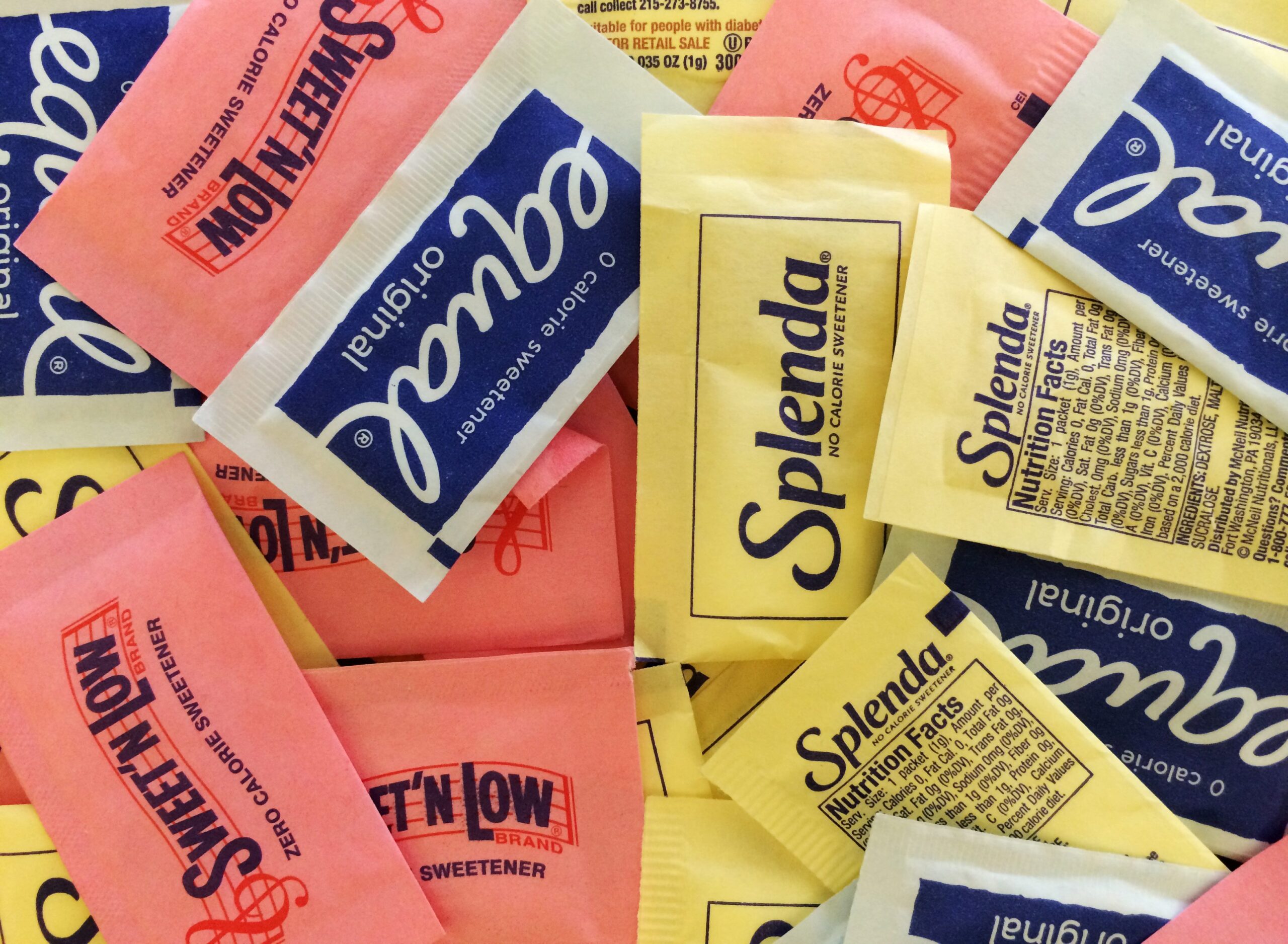
Artificial sweeteners are displayed, on Wednesday, Sept. 17, 2014, in New York. Artificial sweeteners may set the stage for diabetes in some people by hampering the way their bodies handle sugar, according to results of a study released Wednesday by the journal Nature. (AP Photo/Jenny Kane)

(Dr. Mercola)

The American Diabetes Association states foods and drinks that use artificial sweeteners are an option that “may help curb your cravings for something sweet” if you have diabetes. They’re among a number of public health organizations spreading the deceptive and incorrect message that artificial sweeteners make a sensible alternative to sugar for diabetics even as the research continues to accumulate to the contrary.

In a small, preliminary study presented at the European Association for the Study of Diabetes in Lisbon, Portugal, researchers at the University of Adelaide in Australia revealed that artificial sweeteners impair the body’s response to glucose, reducing control of blood sugar levels.1,2 The study involved 27 healthy participants who were given either capsules of the artificial sweeteners sucralose (brand name Splenda) and acesulfame K in an amount equivalent to consuming 1.5 liters of diet drinks a day or a placebo.

It took just two weeks for the artificial sweetener group to show adverse effects to their blood sugar levels, including a reduction in numbers of the gut peptide GLP-1, which limits the rise in blood sugar after eating. Lead study author Richard Young, associate professor at the University of Adelaide, said in a news release, “This highlights the potential for exaggerated post-meal glucose levels in high habitual NAS [noncaloric artificial sweeteners] users, which could predispose them to developing Type 2 diabetes.”3

Related: Healthy Alternative Sugars & More

Science Increasingly Suggests Artificial Sweeteners Contribute to Glucose Intolerance, Diabetes

Critics of the University of Adelaide study suggested it was too small and “impossible from the data available” to conclude that the observed changes would lead to diabetes.4 However, it’s not the first study to suggest such a link. For instance, drinking aspartame-sweetened diet soda daily increased the risk of Type 2 diabetes by 67 percent (regardless of whether the participants gained weight or not) and the risk of metabolic syndrome 36 percent in one study.5

Artificial sweeteners may increase your risk of weight gain, obesity, metabolic syndrome and other related problems like Type 2 diabetes by inducing “metabolic derangements,” according to a report published in the journal Trends in Endocrinology and Metabolism.6 Research published in Applied Physiology, Nutrition and Metabolism also found aspartame intake is associated with greater glucose intolerance in people with obesity.7

Glucose intolerance is a condition in which your body loses its ability to cope with high amounts of sugar, and it’s a well-known precursor to Type 2 diabetes. It also plays a role in obesity, because the excess sugar in your blood ends up being stored in your fat cells. This means obese individuals who use aspartame may have higher blood sugar levels, which in turn will raise insulin levels, leading to related weight gain, inflammation and an increased risk of diabetes.

Artificial Sweetener in Four Cans of Diet Soda Daily May Increase Fat Production, Inflammation

As far as sucralose goes, in April 2017 research presented at ENDO 2017, the Endocrine Society’s 99th annual meeting in Orlando, Florida, also found that this artificial sweetener promotes metabolic dysfunction that may promote the accumulation of fat.8

Sucralose was tested on stem cells taken from human fat tissue, which revealed that a dose similar to what would be found in the blood of someone who drinks four cans of diet soda a day increased the expression of genes linked to fat production and inflammation, as well as increased fat droplets on cells.9

Related: Holistic Guide to Healing the Endocrine System and Balancing Our Hormones

The study’s lead author, Dr. Sabyasachi Sen, associate professor of medicine and endocrinology at George Washington University in Washington, D.C., noted in a press release, “From our study, we believe low-calorie sweeteners promote additional fat formation by allowing more glucose to enter the cells, and promotes inflammation, which may be more detrimental in obese individuals.”10

The fact that the artificial sweetener was associated with increased glucose uptake in the cells was particularly concerning, as it could have detrimental effects for people with elevated blood sugar levels, like those with diabetes or prediabetes.11

Consuming Artificial Sweeteners Alters Gut Flora, Exacerbating Metabolic Disease

It’s a little-known fact that artificial sweeteners have been shown to induce glucose intolerance by altering gut microbiota.12 Research led by Eran Elinav of the Weizmann Institute of Science in Rehovot, Israel, first showed that mice fed artificial sweeteners developed glucose intolerance after 11 weeks. They then revealed that altering the animals’ gut bacteria influenced their glucose response.

Related: Candida, Gut Flora, Allergies, and Disease

Specifically, when they transplanted feces from glucose-intolerant mice consuming saccharin to mice with sterile intestines, the latter group developed glucose intolerance, “indicating that saccharin was causing the microbiome to become unhealthy,” Scientific American reported.13 Perhaps the most revealing part of the experiments came when the researchers tested artificial sweeteners on people. Scientific American continued:14

“[Elinav’s] team recruited seven lean and healthy volunteers, who did not normally use artificial sweeteners, for a small prospective study. The recruits consumed the maximum acceptable daily dose of artificial sweeteners for a week. Four became glucose intolerant, and their gut microbiomes shifted towards a balance already known to be associated with susceptibility to metabolic diseases.”

Splenda has also been found to reduce the amount of beneficial bacteria in rat intestines by 50 percent15 and depending on which ones are affected it could certainly affect your diabetes risk. Studies have found that the microbial composition in diabetics differ from nondiabetics.16

In particular, diabetics tend to have fewer firmicutes and more plentiful amounts of bacteroidetes and proteobacteria compared to nondiabetics. A positive correlation for the ratios of bacteroidetes to firmicutes and reduced glucose tolerance has also been found.

A researcher in Amsterdam, Dr. Max Nieuwdorp, has published a number of studies looking at changes in the microbiome that are characteristic of Type 2 diabetes.17 In one trial, he was able to reverse Type 2 diabetes in all of the 250 study participants by doing fecal transplantations on them. Remarkable as it may sound, by changing the makeup of the gut bacteria, the diabetes was resolved, so it’s not a stretch to think that the opposite could also hold true.

Diet Drinks May Trigger a Greater Metabolic Response Than Sugary Drinks

Part of the problem with artificial sweeteners is that the sweet taste they provide (in many cases even hundreds of times sweeter-tasting than sugar) does not match up with the energy (or calories) the food provides.

Your body, however, is designed to relate the two, and a recent study by Yale University School of Medicine researchers revealed that the mismatch that occurs when consuming artificially sweetened foods and beverages leads to disruptions to metabolism.18,19 In a Yale University press release, senior author and psychiatry professor Dana Small said:20

“The assumption that more calories trigger greater metabolic and brain response is wrong. Calories are only half of the equation; sweet taste perception is the other half … Our bodies evolved to efficiently use the energy sources available in nature. Our modern food environment is characterized by energy sources our bodies have never seen before.”

The study found that an artificially sweetened, lower-calorie drink that tastes sweet can trigger a greater metabolic response than a drink with a higher number of calories.21 Your body uses the drink’s sweetness to help determine how it should be metabolized. When sweetness matches up with the calories, your brain’s reward circuits are duly satisfied. However, when the sweet taste is not followed by the expected calories, your brain doesn’t get the same satisfying message.22

This may explain why diet foods and drinks have been linked to increased appetite and cravings, as well as an increased risk of diabetes and other metabolic diseases.23,24 When you eat something sweet, your brain releases dopamine, which activates your brain’s reward center. The appetite-regulating hormone leptin is also released, which eventually informs your brain that you are “full” once a certain amount of calories have been ingested.

However, when you consume something that tastes sweet but doesn’t contain any calories, your brain’s pleasure pathway still gets activated by the sweet taste, but there’s nothing to deactivate it, since the calories never arrive. Artificial sweeteners basically trick your body into thinking that it’s going to receive sugar (calories), but when the sugar doesn’t come, your body continues to signal that it needs more, which results in carb cravings.

Yale Cardiologist — and Ex-Diet Soda Fiend — Speaks Out Against Them

Dr. Harlan Krumholz is a cardiologist at Yale University School of Medicine who openly states, “I used to pound down diet drinks.”25 Like so many Americans, he believed the low-calorie, sugar-free drinks to be a guilt-free source of caffeine that helped him keep his weight down. Now he feels betrayed, and he’s speaking out against them. Krumholz cited a recent systematic review and meta-analysis of randomized controlled trials (RCTs) — the gold standard of research — which found:26

“Evidence from RCTs does not clearly support the intended benefits of nonnutritive sweeteners for weight management, and observational data suggest that routine intake of nonnutritive sweeteners may be associated with increased BMI [body mass index] and cardiometabolic risk.”

He also mentioned other concerning studies, like one that found artificial sweeteners activate different areas in the brain than regular sugar,27 which could ultimately influence feelings of hunger and reward pathways.

Another, conducted by his Yale University colleagues, found artificial sweeteners “are not physiologically inert compounds” and may “impact energy balance and metabolic function, including actions on oral and extra-oral sweet taste receptors, and effects on metabolic hormone secretion, cognitive processes (e.g., reward learning, memory, and taste perception), and gut microbiota.”28 Krumholz wrote in The Wall Street Journal that he’s stopped his daily diet drinks and is removing them from the rest of his diet as well.

It is reasonable to ask why these substances were not evaluated as drugs in the first place,” he says. “Millions of people are exposed to them every day, and yet their long-term effect is uncertain. Could they be actually causing the health problems they were intended to prevent? I don’t know the answer at this point, but it seems to me that the burden of proof is on the manufacturers to show benefit and demonstrate safety through clinical trials …

If, in the end, we discover that large-scale consumption of diet drinks and foods helped fuel the obesity epidemic, it would be more than ironic. It would be tragic.”29

Are You Ready to Ditch ‘Diet’ Foods From Your Diet?

I would not recommend waiting for public health agencies to catch up to the science and change their stance on artificial sweeteners before making changes to your diet. If you’re currently an artificial sweetener fanatic, or even if you consume them in moderation, ditching them from your diet is a smart move for your health. Be aware that they’re found not only in diet sodas but also in many low-calorie and reduced-calorie foods, from yogurt and ice cream to bread and salad dressing.

Stevia is an acceptable replacement, but I also suggest curbing your sweet cravings by eating fermented vegetables or drinking water with lemon or lime juice added — the sour taste helps reduce cravings, as does organic black coffee.30,31 To learn more, my book “Sweet Deception” has the details about why artificial sweeteners are so hazardous for your health as well as common artificial sweetener-related side effects to watch out for.