The Health Benefits of Ashwagandha

Ashwagandha, also known as winter cherry, is a powerful medicinal herb that has incredible adaptogenic properties that can significantly reduce stress related conditions such as adrenal fatigue, adrenal exhaustion, and heart and kidney problems.

Ashwagandha is a rich source of minerals including zinc, iron, calcium, magnesium, vanadium, copper, and cobalt. It is an effective immune boosting herb that has the ability to increase white blood cell count and prepare the body to produce antigens to fight against different infections and allergies. Ashwagandha is also excellent for improving the function of the brain and neurotransmitters which can aid neurological conditions such as brain fog, migraines, tremors, tics & spasms, restless leg syndrome, chronic nerve pain, and shingles.

Ashwagandha also is beneficial for the thyroid as it helps the body produce thyroid hormones which can increase energy, metabolism, and promote a balanced sleep cycle. Ashwagandha has been shown to improve oxygen flow and usage on a cellular level which is very beneficial for those suffering with breathing problems such as COPD and asthma as well as for athletes looking to increase there endurance and strength while training. It is also highly beneficial for depression, anxiety, insomnia, anemia, candida, type 2 diabetes, and autoimmune disorders such as fibromyalgia, lyme disease, chronic fatigue syndrome, and Guillain-barre syndrome.

Historically, ashwagandha has also been used as a natural infertility treatment. Ashwagandha can be taken as a tea by adding 2 tsp of dried to herb to 1 cup of boiling water and allowed to steep for 10 minutes or more. Ashwagandha can also be found online or at your local health food store in tincture, capsule, extract, powder, or tea form.


Organic Lawn Care: Season by Season

A guide on how to care for your lawn without using any harmful chemicals and materials.

Organic lawn care is growing in popularity, and when done correctly, you should create a hostile environment for weeds and encourage grass to grow and thicken enough to naturally overpower and discourage weed growth.

Spring

Remove any debris that has been left by the snows and winds of winter. If you rake your grass at the start of spring, it will lift your lawn and ready it for trimming, as well as lifting out any weak weeds that need to be dealt with. After raking, deal with any (small) bare patches by re-sowing seeds. Cover the bare patches with a fleece fabric to protect from pests, and make sure the patches  are regularly watered during dry spells. Your lawn will be fully recovered by the end of spring.

Fertilizing your lawn naturally is easier than you think. Natural fertilizers are available in most garden centres and home improvement stores. Non-organic fertilizer is very salt heavy and will damage your soil and it will kill creatures in the soil that are naturally helping you with the upkeep of your lawn! Fertilization should happen from early spring, when your lawn wakes up from the winter hungry for nutrients!

Summer

Persistent hot and dry summer weather can affect the health of your lawn, bringing in a whole host of problems when your lawn is most used. Mowing your lawn once a week will keep it looking neat and fight off any weeds that are starting to grow. You should also apply some feed every time you mow your lawn to keep your grass lush, green, and healthy.

Remember not to cut the lawn too short – this puts stress on your grass and encourages weed growth. If you “mow high” and trim your grass rather than cut it short, you block sunlight and water from weeds and get healthier grass throughout the summer. You should also throw your lawn cuttings back onto the grass, as this organic matter will really help the health of your lawn.

The best way to fight weeds is to spot them and pull them out when they are young and easier to pull. Weeds can destroy your lawn by stealing nutrients and moisture from your grass, so make sure you deal with them swiftly. Check your lawn every few days for any new attacks.

Lawns don’t actually need regular watering over the summer period, as water washes away nutrients and encourages weed growth. The recommended method for organic lawn care is to give your grass a lot of water but very infrequently. A lack of water causes grass roots to dig deeper in search for water in the soil. You then need to use a lot of water to reach those roots when you do water it (depending on the depth of your soil, of course!).

Autumn

As the leaves are falling, a weekly rake of dead matter from the lawn will help prevent the spread of moss and allow for better drainage. It is also recommended that you scarify your lawn using a motorised or hand powered scarifier. This encourages strong growth and will make your lawn look thicker and lusher the following spring.

Compaction, poor drainage, acidity, shade, close mowing, underfeeding, and drought can all encourage moss to take over. Maintaining the lawn in autumn will help to treat this problem and will give the lawn a head start in spring.

September is also the best month to aerate your lawn by covering your lawn with holes using a garden fork. This only need to be done every three years. It will improve your lawn’s drainage and is a natural approach to lowering the risk of weeks and moss.

Winter

When the sunny days are truly over and your lawn won’t be in use, it’s time for topdressing, an organic method where the lawn is covered in natural organic matter. This is a mix of compost, organic materials, and sometimes sawdust and sand. There is a lot of variety in topdressing materials. Do your research and make sure which is compatible with your grass.

Topdressing is very labour intensive. The mixture needs to be worked into the grass with a rake for the best effects. Topdressing improves the structure of your lawn while filling it with nutrients and preparing it to look its lushest when spring arrives!

The Benefits of Apples

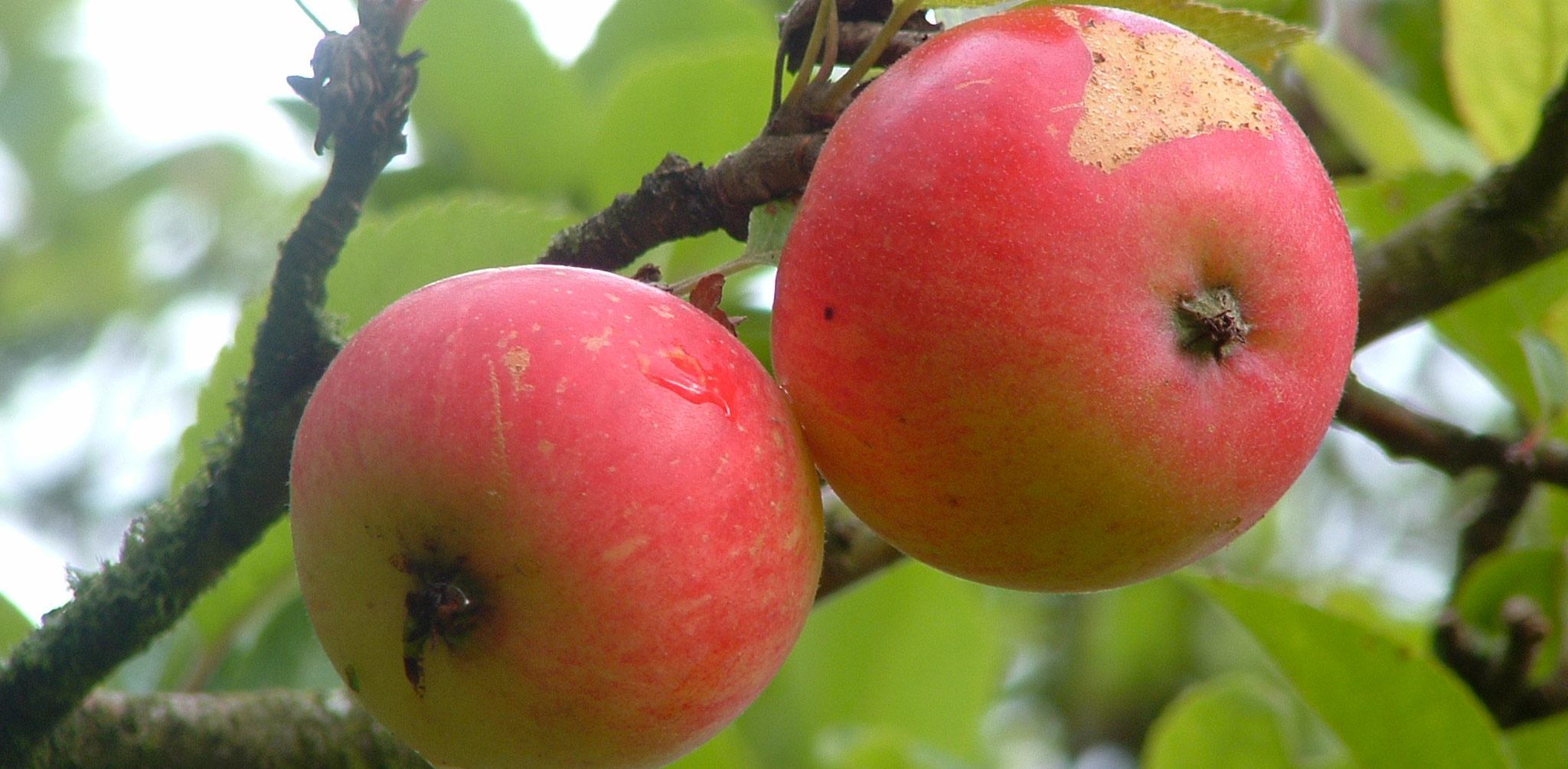
Apples are a crunchy, sweet, and satisfying snack that have immune boosting and disease preventing properties. They are a highly alkaline fruit that have the ability to quench both an immediate and cellular-level thirst. Apples are also an amazing detoxifier and contain both malic and tartaric acids that help remove impurities from the liver and gallbladder. Eating two apples or more a day can aid in the prevention of colon, liver, breast, prostate, and lung cancer and can also dramatically decrease the risk of a stroke.

Apples are especially rich in phytonutrients and antioxidants. They have been shown to be beneficial for neuro-degenerative problems such as Alzheimer’s and Parkinson’s disease as well as for bronchial problems such as asthma. Apples have wonderful anti-inflammatory properties and provide significant results for those suffering with autoimmune disorders such as Addison’s disease, Cardiomyopathy, Celiac disease, Lupus, and Multiple Sclerosis.

Apples contain pectin which is a gel-like fiber that can prevent the putrefaction of protein in the digestive tract. Pectin works like an intestinal broom to clean and sweep out debris from the colon. This is particularly beneficial for those who suffer from constipation or impactions. Apple pectin has also been shown to bind with radioactive residues and toxic heavy metals such as lead and mercury and safely remove them from the body.

One more benefit of apple pectin is that it has the ability to limit the amount of fat our adipose cells can absorb by building a barrier that naturally controls the buildup of fat in the body which makes it a great choice for any weight loss program. Try making a super quick and easy nutritious applesauce by blending 2 raw apples with 3 dates and a pinch of cinnamon in the food processor. It is a vibrant, healthy treat that both kids and adults will love.


The Benefits of Aloe Vera Leaf

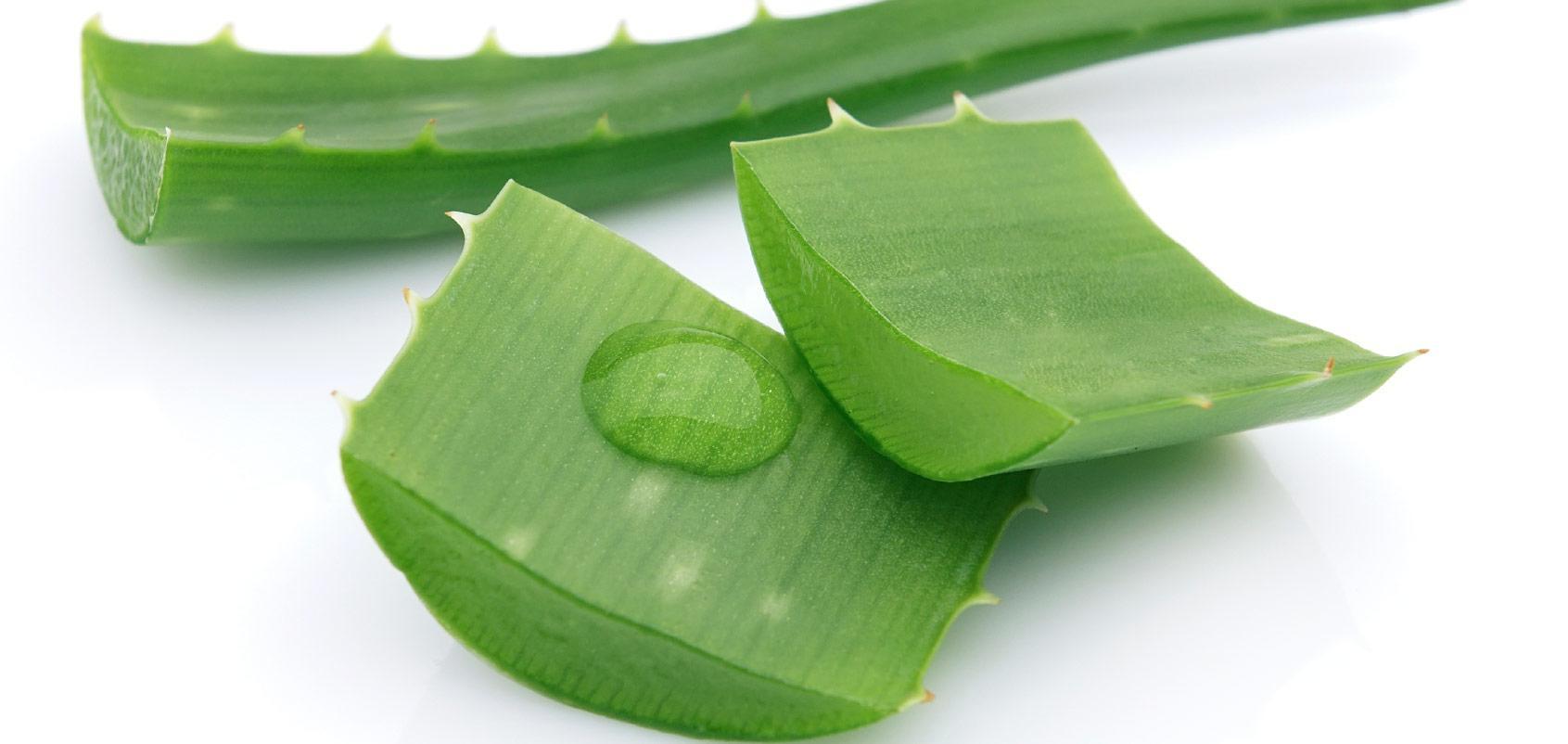
Aloe vera leaf is a miraculous healing food that is one of the oldest healing remedies and natural antibiotics in the world. Taken internally, aloe works wonders for assimilation, circulation, and elimination. It is known to purify the blood, reduce inflammation, ease arthritis pain, prevent kidney stones, lower high cholesterol, prevent Candida, boost physical endurance, benefit cardiovascular health, and protect the body from oxidative stress. It also soothes ulcers, hemorrhoids, gastritis, diverticulitis, colitis, irritable bowel syndrome, and other digestive disorders.

Aloe provides recovery from fatigue and aids in muscle function as well as optimal utilization of several vitamins, minerals, and enzymes. It’s alkaline nature, helps to soothe acidosis and alkalinize the whole body. Aloe’s clear gel can be applied externally to soothe and relieve pain from sun burn, rashes, bug bites, scratches, and wounds as well as deeply hydrate the skin to prevent wrinkles and aging. It can also be massaged into the hair and scalp to stimulate hair growth and can be used as a toothpaste or mouthwash to keep the mouth healthy, clean, and free from plaque producing bacteria.

For best results, purchase whole Aloe leaves in the produce section of the grocery store. Cut a 2 inch piece off the leaf and scoop out the clear gel inside. This gel can be blended in water, juice, or smoothies to be taken internally or used externally and applied directly to the skin for quick relief and healing.