Monsanto Sues Arkansas Board For Its Ban On Controversial Pesticide

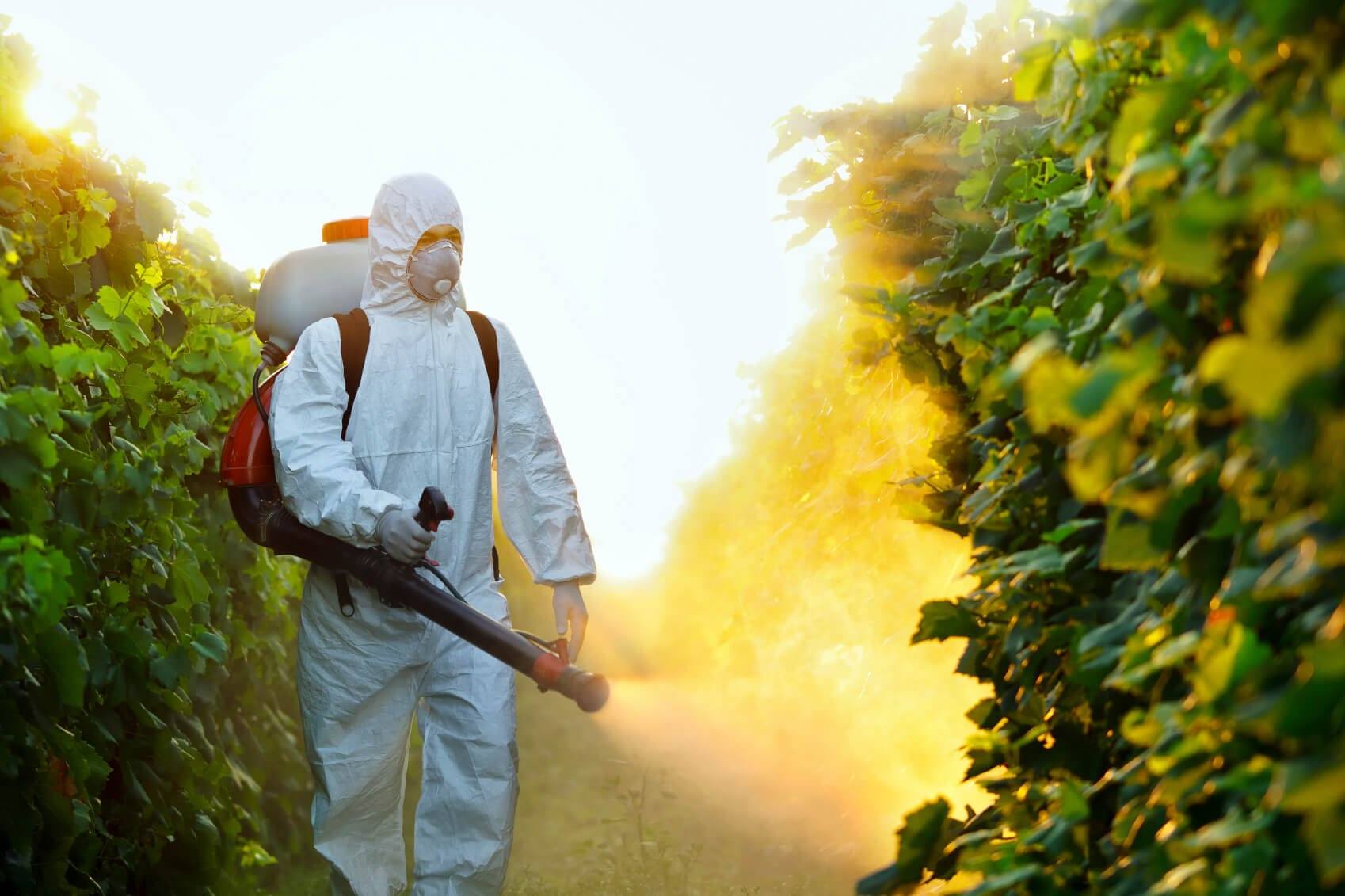
(Natural Blaze By Aaron Kesel) Monsanto sued Arkansas regulators of the Plant Board last Friday for banning another one of its controversial herbicides, this time it’s the company’s Dicamba product, not Roundup, Associated Press reported.

Dicamba is an herbicide that selectively kills weeds. It is commonly used in combination with other herbicides, such as glyphosate, and according to the National Pesticide Information Center is currently found in about 1,100 herbicide products. The chemical mimics natural plant hormones which cause unnatural growth and eventually death.

Dicamba is sold under a diversity of names including Banvel, Diablo, Oracle, and Vanquish, and is found in products used for both agricultural and home landscape purposes.

 Must Read: Detox Cheap and Easy Without Fasting – Recipes Included

Several farmers from different states say the weed killer has drifted onto their crops and caused widespread damage within the past few years this has caused a stir for debate on whether or not to use the product.

The 18-member board approved the restriction on Monsanto’s XtendiMax herbicide in November and adopted a wider temporary ban several months later that included other Dicamba weed killers in response to the farmers’ complaints. Last month, they further rejected a petition to by Monsanto to allow its herbicide to be used.

Related: Understanding and Detoxifying Genetically Modified Foods

Monsanto’s lawsuit accuses the Arkansas board of acting outside its authority in prohibiting its herbicide’s use and failing to consider research Monsanto had submitted to federal regulators. The suit also asks the judge to prevent the board from requiring it to submit research by University of Arkansas researchers in order to gain approval for herbicides in the state.

“The Plant Board’s arbitrary approach also has deprived, and if left unchecked will continue to deprive, Arkansas farmers of the best weed management tools available – tools that are available to farmers in every other soybean- and cotton-producing state in the nation,” Monsanto said in a lawsuit filed in Pulaski County Circuit Court.

The board’s regulations prohibit the use of Dicamba from April 16 through Oct. 31, 2018. The agriculture community is holding a public hearing on the new restrictions next month before the plan goes to lawmakers to be finalized as law.

Recommended: How to Detoxify and Heal the Lymphatic System
The lawsuit comes a week after President Donald Trump’s Environmental Protection Agency announced it had reached a deal with Monsanto along with BASF and DuPont, which also make Dicamba herbicides, for new voluntary restrictions for the weed killer’s use. Under the deal, Dicamba products will be labeled as “restricted use” beginning with the 2018 growing season, requiring additional training and certifications for workers applying the product to crops.

Dicamba is considered more toxic than glyphosate, but less toxic than 2,4-D, the third most common broadleaf herbicide. (Monsanto is working on crops that are resistant to 2,4-D, as well.) Yet when used properly, Dicamba is considered only mildly toxic to people, pollinators, wildlife, and aquatic organisms. There is no scientific consensus on whether it has cancer-causing properties, though the EPA says “Dicamba is not likely to be a human carcinogen.”

Belly Fat Really Is A Killer: Here’s How It Can Increase Your Cancer Risk

Obesity waistline diet concept as a group of unhealthy fast food as hamburgers,fries and hot dogs bulging out as a fat stomach with a tape measure wrapped around the greasy food.

(Natural Blaze) It’s no secret that obesity is harmful to health, and recent studies have debunked the myth that one can be “fat but fit.”

Also well-established is the link between obesity and increased cancer risk, but how it actually causes cancer has yet to be fully explained.

A recent study offers more details on the association. Researchers at Michigan State University found that a certain protein released from fat in the body can cause a non-cancerous cell to turn into a cancerous one.

The research also found that a lower layer of abdominal fat, when compared to fat just under the skin, is the more likely culprit, releasing even more of this protein and encouraging tumor growth.

It is estimated that at least one-third of the population is obese. Obesity has been linked to several types of cancers including breast, colon, prostate, uterine, and kidney.

Recommended Reading: Food, Vitamins, and Herbs That Kill Cancer

But Jamie Bernard, the study’s lead author and an assistant professor in pharmacology and toxicology, said that just being overweight isn’t necessarily the best way to assess risk:

“Our study suggests that body mass index, or BMI, may not be the best indicator. It’s abdominal obesity, and even more specifically, levels of a protein called fibroblast growth factor-2 that may be a better indicator of the risk of cells becoming cancerous.”

There are two layers of belly fat. The top layer, known as subcutaneous fat, lies right under the skin. The layer under that, called visceral fat, is the one she found to be more harmful.

In the article Do You Need a Reason to Stop Drinking Soda? Here it Is, I explained what visceral fat is and why it is so dangerous:

Visceral fat – also known as “deep fat” – wraps around your internal organs, including your liver, pancreas, kidneys, and intestines. It is much more dangerous than subcutaneous fat (the fat that you can see – the “inch you can pinch”). That’s because visceral fat (which gets its name from viscera, which refers to the internal organs in the abdomen) affects how our hormones function and is thought to play a larger role in insulin resistance – which may increase Type 2 diabetes and heart disease risk.

Excess visceral fat is also linked to an increased risk of developing cancer, stroke, dementia, depression, arthritis, obesity, sexual dysfunction, and sleep disorders.

You don’t have to be visibly overweight to be at risk. Even relatively thin people can have too much visceral fat, which is why it is often referred to as “hidden” belly fat.

Recommended Reading: Healthy Fats the Healthy Way

Back to the study.

Here’s how Bernard and her team conducted their research:

Bernard and her co-author Debrup Chakraborty, a postdoctoral student in her lab, studied mice that were fed a high-fat diet and discovered that this higher-risk layer of fat produced larger amounts of the fibroblast growth factor-2, or FGF2, protein when compared to the subcutaneous fat. They found that FGF2 stimulated certain cells that were already vulnerable to the protein and caused them to grow into tumors.

She also collected visceral fat tissue from women undergoing hysterectomies and found that when the fat secretions had more of the FGF2 protein, more of the cells formed cancerous tumors when transferred into mice. (source)

What does this mean?

Bernard explains,

“This would indicate that fat from both mice and humans can make a non-tumorigenic cell malignantly transform into a tumorigenic cell.”

There are several other factors released from fat, Bernard said, including the hormone estrogen, that could influence cancer risk, but many of those studies have only been able to show an association and not a direct cause of cancer. She added that genetics also play a role.

“There’s always an element of chance in whether a person will get cancer or not. But by making smarter choices when it comes to diet and exercise and avoiding harmful habits like smoking, people can always help skew the odds in their favor.”

The study is published in the journal Oncogene and was funded by the National Institutes of Health.

Microplastics On Beaches Now Recorded At Insane Levels

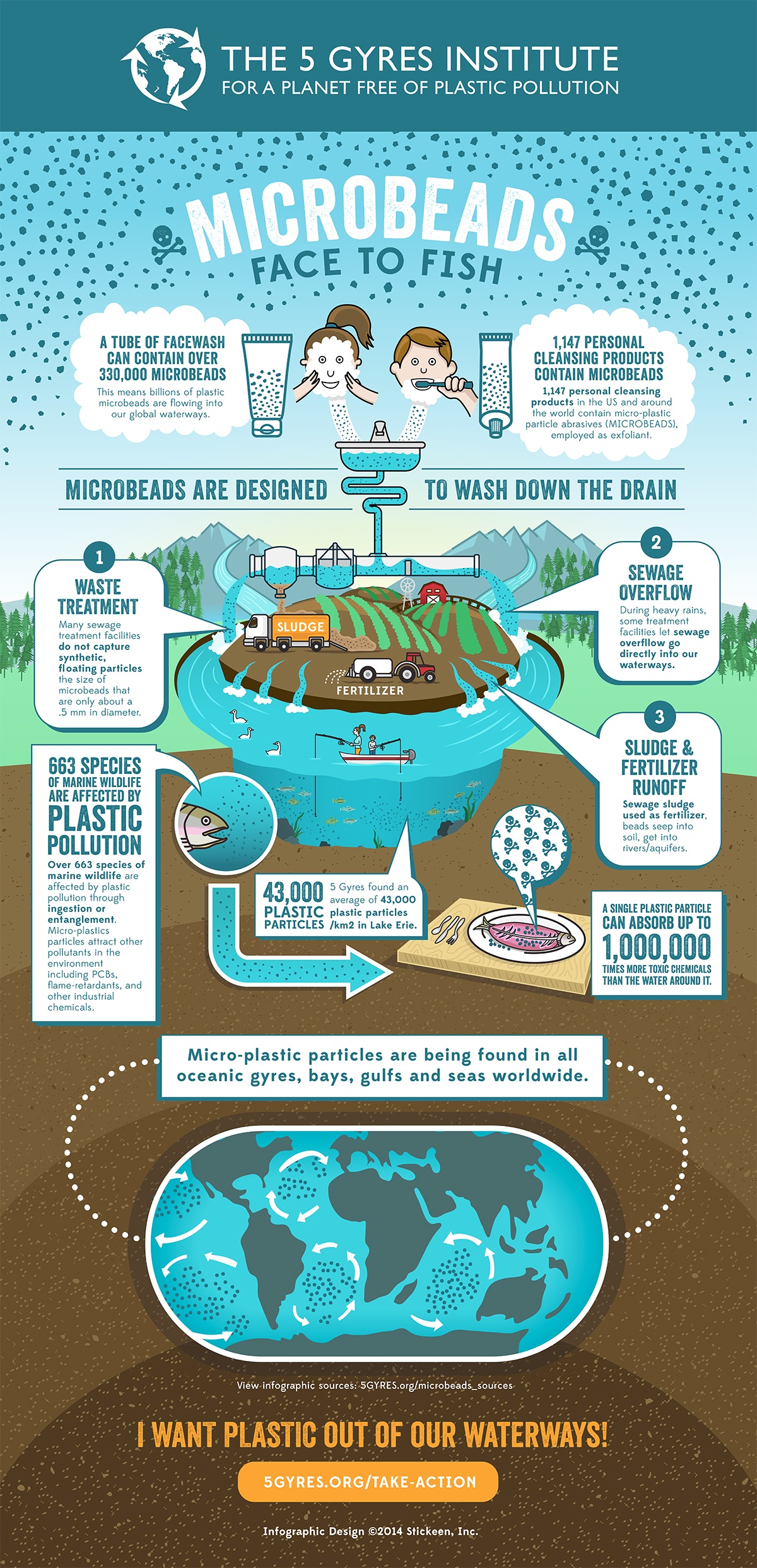
(Natural Blaze By Jason Erickson) More attention is finally being given to determining the ill effects that microplastics (microbeads) are having on human health and the environment. Previous concerns have been raised in everything from toothpaste to beer to the wider ecosystem where it was found to threaten juvenile fish that were becoming addicted to them.

Perhaps even worse is that “an investigation by Orb Media revealed that microplastics were present in 83 percent of drinking water samples. The study encompassed more than a dozen countries, including the U.S., the U.K., France, Germany, Lebanon, Indonesia, Equator, and India.” (Source)

Related: How to Detoxify and Heal the Lymphatic System

Recommended: Start Eating Like That and Start Eating Like This – Your Guide to Homeostasis Through Diet

In a startling case of “the more you seek, the more you find,” a new study orchestrated by a bachelor student and her supervisor from the Leiden University, the Netherlands, along with help from citizen investigators, began collecting samples of European beach sand. It turns out that plastic particles abound in outlandish concentrations right under our feet as we walk among apparently clean and beautiful sand:

They found that every kilogram of sand on European beaches contained on average 250 fragments of microplastic. In some locations the number can be even higher, a spot in Iceland had 700 microplastics per kilogram, in Italy it was as high as 1,500 per kilogram. Bosker has already found relatively high levels in the Netherlands, with 500 fragments per kilo on the beach near to The Hague.

While their findings varied, they found microplastics in every sample taken from 23 locations in 13 European countries.

‘If you fill an espresso cup with sand, it will contain easily twentyfive pieces of plastic, with the number of fragments changing according to the location.’

The researchers have taken steps to standardize their collection process so that even more help can be solicited from the public. In subsequent studies they will be looking at other regions of the world, as well as determining the true nature of the impact that living among pervasive plastic might have on human health and the environment.

Related: Microplastics in Sea Salt – A Growing Concern

You can visit the University website and contact Professor Thijs Bosker if you’d like to inquire about how you can help contribute to this important scientific investigation.

Source: “Plastic Between Your Toes”

Jason Erickson writes for NaturalBlaze.com. This article (Microplastics on European Beaches Recorded at Insane Levels) may be republished in part or in full with author attribution and source link.

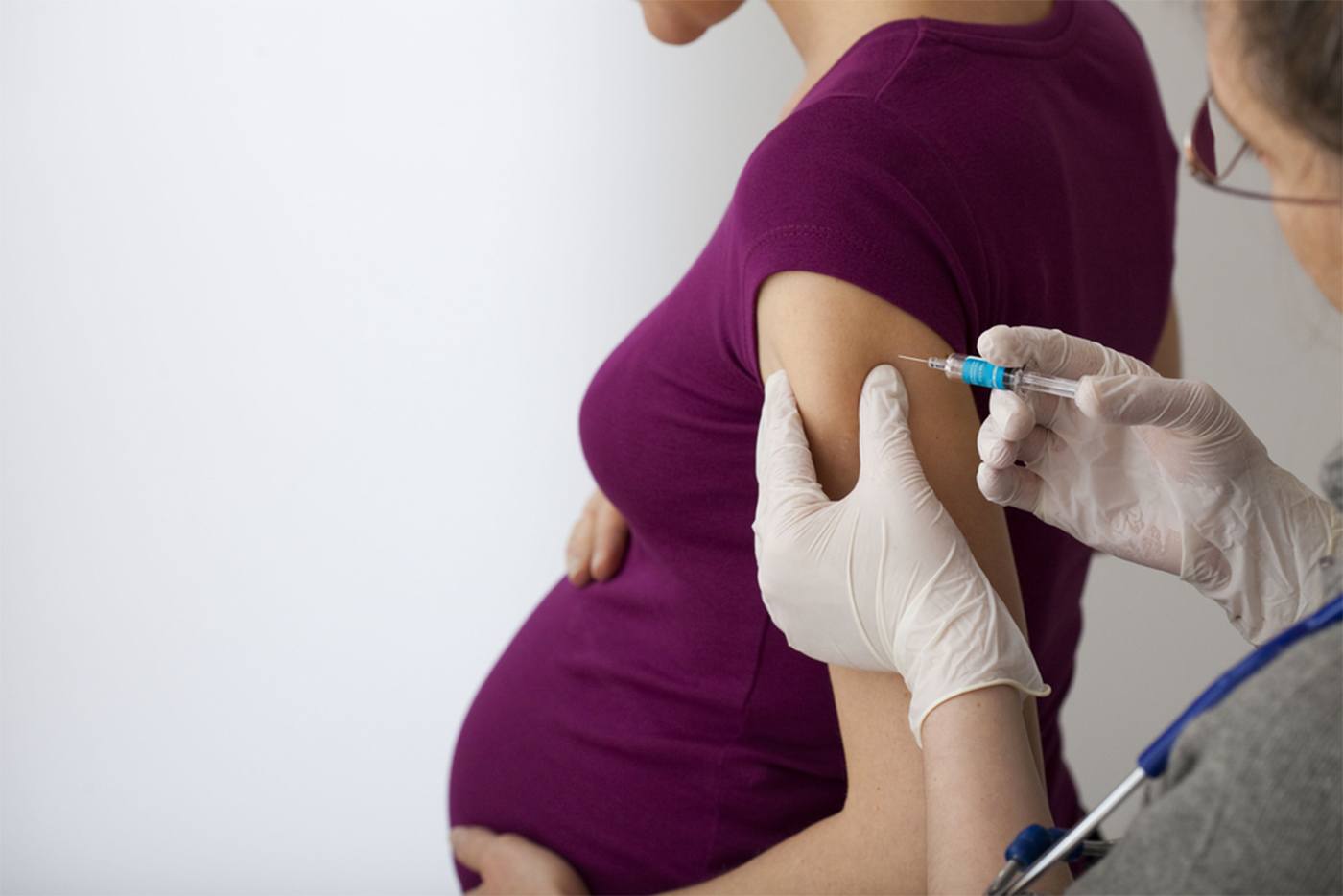
Flu Vaccines In Pregnancy And Childhood: What You Need To Know

(NaturalBlaze by The World Mercury Project Team) Download and print our flu vaccine brochure. Share with your family, friends, doctors and community leaders.

Visit this flu vaccine web page. It’s full of flu facts to help you make informed decisions about your family’s healthcare.

You want to do everything right for your child, and would never knowingly allow someone to inject a neurotoxin into your infant. Before getting a flu shot, you need to know this: MERCURY is a NEUROTOXIN.

Related: Doctors Against Vaccines – Hear From Those Who Have Done the Research

What You Need to Know

The Food and Drug Administration (FDA) warns pregnant women and young children not to eat fish containing high levels of methylmercury. Yet the Centers for Disease Control and Prevention (CDC) recommends pregnant women and infants get influenza vaccines, many of which contain ethylmercury from the preservative thimerosal. Receiving them may result in mercury exposures exceeding the Environmental Protection Agency (EPA) recommended maximum levels.

World Mercury Project is deeply concerned that the risks of getting mercury-containing seasonal influenza vaccines may outweigh the benefits for pregnant women, infants and children. Mercury is known to be highly toxic to brain tissue and can impact critical stages of brain development.

2017 CDC study links miscarriage to flu vaccines, particularly in the first trimester. Pregnant women vaccinated in the 2010/2011 and 2011/2012 flu seasons had two times greater odds of having a miscarriage within 28 days of receiving the vaccine. In women who had received the H1N1 vaccine in the previous flu season, the odds of having a miscarriage within 28 days were 7.7 times greater than in women who did not receive a flu shot during their pregnancy.

study published in 2016 that looked at the safety of flu vaccines found a moderately elevated risk for major birth defects in infants born to women who had received a flu vaccine during the first trimester of pregnancy. A study published in 2017 found an elevated risk of autism spectrum disorders in children whose mothers had a first trimester flu shot.

Related: How To Detoxify and Heal From Vaccinations – For Adults and Children

Flu vaccine administration is documented to cause an inflammatory response in pregnant women. Recent research found inflammation during pregnancy is associated with the development of autism spectrum disorders.

large study in approximately 50,000 pregnant women over five flu seasons found no difference in the risk for developing influenza or similar illnesses between those who received the influenza vaccine during pregnancy and those who did not.

An independent 2014 review found no randomized controlled trials assessing vaccination in pregnant women. It states, “The only evidence available comes from observational studies with modest methodological quality. On this basis, vaccination shows very limited effects.”

Scientific studies have documented that ethylmercury used in vaccines crosses into the infant brain and could impact critical stages of brain development.

Know the Facts

2017-2018 Flu Vaccines

TABLE 1. Influenza vaccines — United States, 2017–18 influenza season*

Trade name Manufacturer Presentation Age Indication Mercury (from thimerosal, µg/0.5 mL)
Inactivated influenza vaccines, quadrivalent (IIV4s), standard-dose
Afluria Quadrivalent Seqirus 0.5 mL prefilled syringe ≥18 years NR
5.0 mL multidose vial ≥18 years (by needle/syringe) 24.5
18 through 64 years (by jet injector)
Fluarix Quadrivalent GlaxoSmithKline 0.5 mL prefilled syringe ≥3 years NR
FluLaval Quadrivalent ID Biomedical Corp. of Quebec (distributed by GlaxoSmithKline) 0.5 mL prefilled syringe ≥6 months NR
5.0 mL multidose vial ≥6 months <25
Fluzone Quadrivalent Sanofi Pasteur 0.25 mL prefilled syringe 6 through 35 months NR
0.5 mL prefilled syringe ≥3 years NR
0.5 mL single-dose vial ≥3 years NR
5.0 mL multidose vial ≥6 months 25
Inactivated influenza vaccine, quadrivalent (ccIIV4), standard-dose,† cell culture-based
Flucelvax Quadrivalent Seqirus 0.5 mL prefilled syringe ≥4 years NR
5.0 mL multidose vial ≥4 years 25
Inactivated influenza vaccine, quadrivalent (IIV4), standard-dose, intradermal
Fluzone Intradermal Quadrivalent Sanofi Pasteur 0.1 mL single-dose prefilled microinjection system 18 through 64 years NR
Inactivated Influenza Vaccines, trivalent (IIV3s), standard-dose
Afluria Seqirus 0.5 mL prefilled syringe ≥5 years NR
5.0 mL multidose vial ≥5 years (by needle/syringe) 24.5
18 through 64 years (by jet injector)
Fluvirin Seqirus 0.5 mL prefilled syringe ≥4 years ≤1
5.0 mL multidose vial ≥4 years 25
Adjuvanted inactivated influenza vaccine, trivalent (aIIV3), standard-dose
Fluad Seqirus 0.5 mL prefilled syringe ≥65 years NR
Inactivated Influenza Vaccine, trivalent (IIV3), high-dose
Fluzone High-Dose Sanofi Pasteur 0.5 mL prefilled syringe ≥65 years NR
Recombinant Influenza Vaccine, quadrivalent (RIV4)
Flublok Quadrivalent Protein Sciences 0.5 mL prefilled syringe ≥18 years NR
Recombinant Influenza Vaccine, trivalent (RIV3)
Flublok Protein Sciences 0.5 mL single-dose vial ≥18 years NR

*NR = not relevant (does not contain thimerosal).

If You Are Pregnant or Have Small Children . . .

  • If you decide to vaccinate, insist on mercury–free influenza vaccines for yourself and your children and do not get a flu vaccine the same day as other vaccines.
  • Do not let yourself be pressured into receiving a vaccine that you don’t want; should you choose to vaccinate, insist that your doctor or pharmacist find you a mercury-free vaccine.
  • If mercury-free vaccines are unavailable, look at the evidence and decide if the influenza virus is a significant concern for your family.
  • Also, consider the evidence regarding the effectiveness of the flu vaccine in actually preventing influenza. For information visit www.summaries.cochrane.org
According to flu vaccine package inserts, “Safety and effectiveness has not been established in pregnant women or nursing mothers and should only be given to a pregnant woman if clearly needed.

More Vaccine Facts to Know…

All vaccines, with or without mercury, pose health risks. However, the influenza vaccine is of great concern, as many brands contain high levels of mercury in their multi-dose vials. Be sure to read package inserts for any vaccine prior to getting vaccinated.
According to flu vaccine package inserts, “Safety and effectiveness has not been established in pregnant women or nursing mothers and should only be given to a pregnant woman if clearly needed.”

A study that compared children who received flu vaccine to those who did not found no significant difference in the rate of influenza between the active and placebo groups. It also found that the group of children who received the flu vaccine had a 4.4 times relative risk of non-influenza respiratory tract infections.

An Australian study found one in every 110 children under the age of 5 had convulsions following vaccination with the FLUVAX H1N1 vaccine in 2009. Additional research found a spike in cases of narcolepsy in children associated with the H1N1 vaccine.

review in the medical journal The Lancet found a lack of health benefits from influenza vaccine in children under two along with significantly increased rates of vaccine-related adverse events.

Tips for Preventing the Flu

Simple techniques such as avoiding those with flu-like illnesses, eating a healthy diet and good hand washing can prevent many cases of flu. If you do contract influenza, optimizing vitamin D levels, fluid intake and rest can boost immune function.

For complete list of references, articles on flu vaccines and more, please visit our website at www.worldmercuryproject.org/flufacts

Sign up for free news and updates from Robert F. Kennedy, Jr. and the World Mercury Project. Your donation will help to support us in our efforts.

Related Reading:
High Noon In Arkansas As They Stand Up Against Monsanto

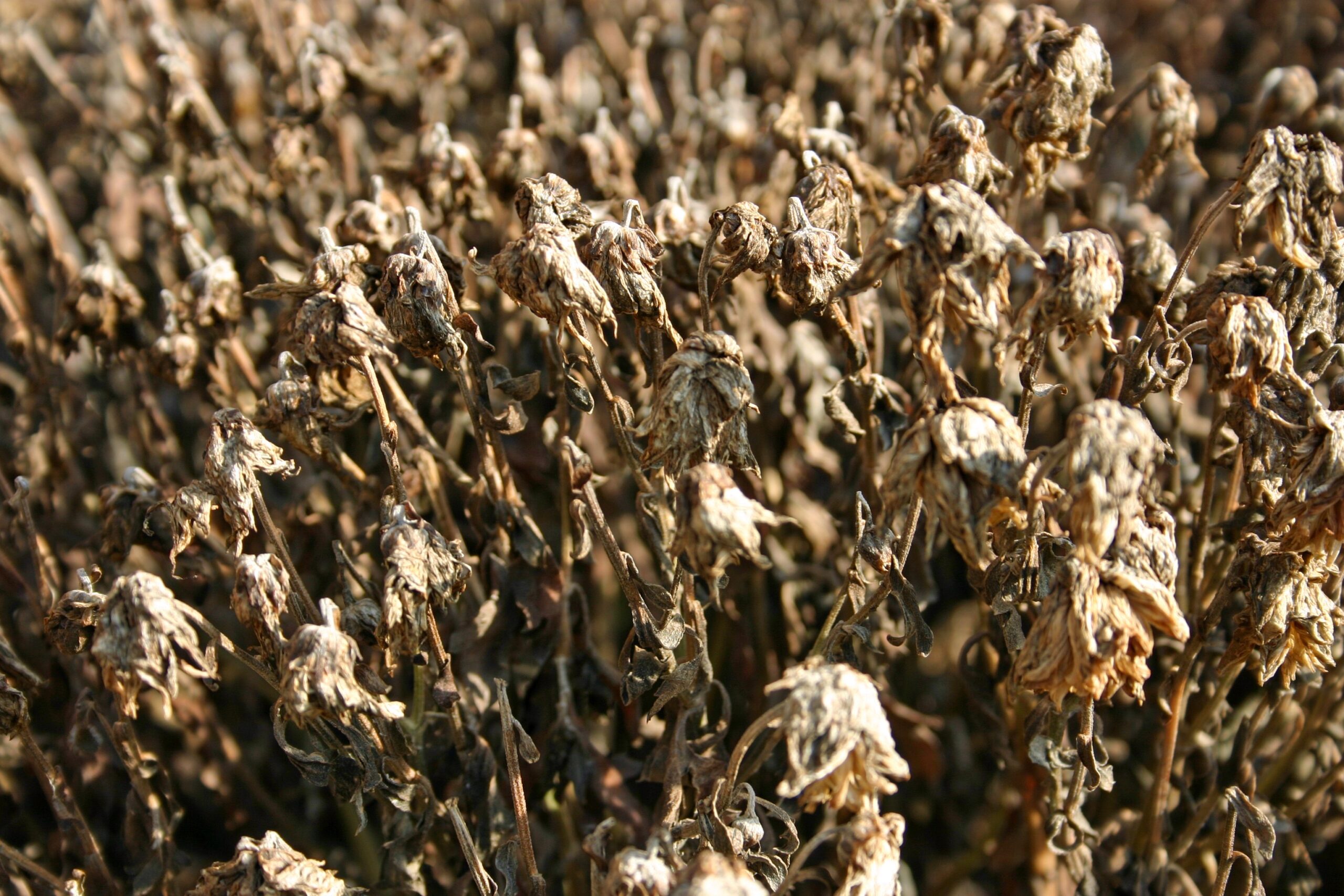
A dried up dead plant in the middle of winter

(Natural Blaze  by Heather CallaghanIf we don’t get a handle on it, our natural environment will not be the same. – Beekeeper, Richard Coy

Farmers across the Midwest are being divided – neighbor against neighbor as the dicamba crisis continues to mushroom.

Dicamba is an old herbicide, but it’s only recently that it’s been used on crops like soy and cotton thanks to biotech companies developing new genetically engineered crops able to withstand it. This year is the first that it has been legal to use dicamba during the summer, and this is the problem…

The pesticide drift travels far and is shriveling up non-GMO crops like soy, cotton, cucumbers, melons and wild vegetation. Sadly, the drift is destroying weeds and vines and that subsequently cuts supplies for bees to make honey. One Arkansas farmer saw his honey production drop to only 30-50 percent with the introduction of dicamba approval this year.

While ten states are currently affected by crop damage from drift (and 17 states are investigating), Arkansas has over 1,000 cases of crop damage. Millions of American acres are suspected to be damage by the vaporization of dicamba.

NPR reports:

The Arkansas State Plant Board now has taken the lead in cracking down on the problem. [Last] Thursday, it voted unanimously to ban the use of dicamba on the state’s crops from mid-April until November. This amounts to a ban on the use of dicamba in combination with Monsanto’s genetically engineered crops. It’s not a final decision: The governor and a group of legislative leaders have to sign off on the Plant Board’s regulatory decisions, but they usually do so. That won’t happen, however, until after a public hearing set for Nov. 8.

The board also approved a steep increase in fines — up to $25,000 — for farmers who use dicamba and similar herbicides illegally.

Monsanto insists that its version of dicamba, which the company has mixed with an additive that’s supposed to make it less volatile, does not drift from the fields where it is sprayed if farmers use it correctly. The company sent a delegation of five people, including Ty Vaughn, a top executive, to this week’s meeting of the Plant Board. They passed out binders and thumb drives filled with data from the company’s own tests — tests that convinced the U.S. Environmental Protection Agency to approve the chemical on crops.

Monsanto has been fond of passing the buck of accountability to farmers and blaming them for misuse or not getting the “learning curve.” The problem is – how many times can a company do this before people realize that it’s the product? Despite Monsanto’s tired old lines, field tests conducted by University of Arkansas this summer showed that even new formulations of dicamba (also made by BASF) do indeed vaporize and travel to other land.

(To be fair, there were some farmers that used dicamba illegally last year, which even led to a murder case. But we aren’t talking about willful misuse.)

Monsanto has a lot riding on their product working – they already sold enough dicamba-tolerant soybeans to cover 20 million acres this year. They expect that number to rise and the monolithic company has raised eyebrows that this whole thing – scandal included – was a ruse to get farmers to flock to the new dicamba-resistant GM crops in order to be “saved.” It is still anyone’s guess if Monsanto expected this much backlash – enough for states to outright ban an entire pesticide…

Still, Monsanto is defiant about the board’s vote and there’s talk of the corporation suing the state, showing what lengths they will go to once they grapple their roots into paying farmers.

Related Reading: