Six FDA Approved Sweeteners Proven Toxic To Human Digestion

(Prevent Disease) Using artificial sweeteners causes biochemical changes in the body and actually throw off the body’s ability to monitor how many calories we consume. FDA-approved artificial sweeteners and sport supplements have now been found to be toxic to digestive gut microbes, according to a new paper published in Molecules.

Artificial sweeteners are one of the most common food additives worldwide, frequently consumed in diet and zero-calorie sodas and other products. Large examinations have tracked biochemical changes in the body using high-throughput metabolomics.

Related: Sugar Leads to Depression – World’s First Trial Proves Gut and Brain are Linked (Protocol Included)

The collaborative study by researchers at Ben-Gurion University of the Negev (BGU) in Israel and Nanyang Technological University in Singapore examined the relative toxicity of six artificial sweeteners:

1. aspartame
2. sucralose
3. saccharine
4. neotame
5. advantame
6. acesulfame potassium-k

And 10 sport supplements containing these artificial sweeteners. The bacteria found in the digestive system became toxic when exposed to concentrations of only one mg./ml. of the artificial sweeteners.

“We modified bioluminescent E. coli bacteria, which luminesce when they detect toxicants and act as a sensing model representative of the complex microbial system,” says Prof. Ariel Kushmaro, John A. Ungar Chair in Biotechnology in the Avram and Stella Goldstein-Goren Department of Biotechnology Engineering, and member of the Ilse Katz Institute for Nanoscale Science and Technology and the National Institute for Biotechnology in the Negev. “This is further evidence that consumption of artificial sweeteners adversely affects gut microbial activity which can cause a wide range of health issues.”

Related: Healthy Sugar Alternatives & More

Artificial sweeteners are used in countless food products and soft drinks with reduced sugar content. Many people consume this added ingredient without their knowledge. Moreover, artificial sweeteners have been identified as emerging environmental pollutants, and can be found in drinking and surface water, and groundwater aquifers.

According to the U.S. Food and Drug Administration, 11 to 27 percent of ingested sucralose is absorbed by the human body (FDA 1998). Research published by the manufacturer of sucralose (Roberts 2000) shows that when 8 healthy male adults where given sucralose (in 1 mg/kg amounts), between 10.4% and 30.6% of the sucralose was absorbed. In addition, 1.6% to 12.2% of the sucralose accumulates in the body.

Related: Foods That Promote Candida Overgrowth and Lead To Leaky Gut

Aspartame is a multi-potential carcinogen, even consumed daily at 20 milligrams per kilogram of body weight. That is a lower quantity than the maximum recommended by the FDA (50 mg/kg of body weight) and the European Union (40 mg/kg).

It increases the incidence of malignant tumours in rats. In the females it increases leukaemia and lymphomas, as well as cancerous cells in the pelvis and urethra. In the males, it especially increases the incidence of malignant tumours in peripheral nerves.

“The results of this study might help in understanding the relative toxicity of artificial sweeteners and the potential of negative effects on the gut microbial community as well as the environment.

Furthermore, the tested bioluminescent bacterial panel can potentially be used for detecting artificial sweeteners in the environment,” says Prof. Kushmaro.

Also Read: Exposed: 85 Percent of Major Brands of Chewing Gum Still Contain Aspartame and Sucralose

Marco Torres writes for Prevent Disease, where this article first appeared.

Journal Admits Monsanto Role In Reviews Of Glyphosate Cancer Risks

(Natural Blaze) The scientific journal Critical Reviews in Toxicology has issued a rare “Expression of Concern” and requested corrections to articles it published that failed to fully disclose Monsanto’s role in reviews of glyphosate’s cancer risks.

The journal said all five articles it published in a 2016 supplemental issue titled “An Independent Review of the Carcinogenic Potential of Glyphosate” failed to include an accurate disclosure of the pesticide-maker’s involvement.

The five articles at issue were all highly critical of the 2015 finding by the World Health Organization’s International Agency for Research on Cancer that glyphosate, the main ingredient in Roundup, is a probable human carcinogen.

“It’s deplorable that Monsanto was the puppet master behind the supposedly ‘independent’ reviews of glyphosate’s safety,” said Nathan Donley, a senior scientist at the Center for Biological Diversity. “These papers were manufactured as a way to counteract the World Health Organization’s findings on glyphosate’s cancer risks. They could mislead the public in dangerous ways and should be completely retracted.”

Recommended: How to Avoid GMOs in 2018 – And Everything Else You Should Know About Genetic Engineering

The documents revealing Monsanto’s role in the reviews came to light during a trial that culminated last month when a jury found that exposure to glyphosate products was a “substantial” contributing factor to the terminal cancer of a California groundskeeper, who was subsequently awarded $289 million in damages.

Those documents exposed that Monsanto improperly edited the articles and directly paid some of the authors a consulting fee for their work.

In an October 2017 letter to the publisher, the Center for Biological Diversity and three other national environmental health groups demanded the articles be retracted.

Recommended: New Study Shows Glyphosate Does Cause Tumors and Birth Defects, and More

The Declaration of Interest statement that was originally published with the papers:

  • Failed to disclose that at least two panelists who authored the review worked as consultants for, and were directly paid by, Monsanto for their work on the paper;
  • Failed to disclose that at least one Monsanto employee extensively edited the manuscript and was adamant about retaining inflammatory language critical of the IARC assessment — against some of the authors’ wishes; the disclosure falsely stated that no Monsanto employee reviewed the manuscript.

Additionally, multiple internal emails from Monsanto indicated the pesticide maker’s willingness to ghostwrite or compile information for the authors of the reviews, dictate the scope of one of the reviews, and identify which scientists to engage or list as authors of the reviews.

In an email sent yesterday to the Center, a representative from the publisher of the articles, Taylor and Francis, wrote: “We note that, despite requests for full disclosure, the original Acknowledgements and Declaration of Interest statements provided to the journal did not fully represent the involvement of Monsanto or its employees or contractors in the authorship of the articles.”

Recommended: GMO Rice Approved While Other GMO Grasses Cannot Be Contained

Several of the authors issued apologies in the updated Declaration of Interest sections of three of the five review papers, including:

  • Keith R. Solomon (has worked as consultant for Monsanto)
  • David Brusick (has worked as consultant for Monsanto)
  • Marilyn Aardema
  • Larry Kier (has worked as consultant for Monsanto)
  • David Kirkland (has worked as consultant for Monsanto)
  • Gary Williams (has worked as consultant for Monsanto)
  • John Acquavella (former Monsanto employee, has worked as consultant for Monsanto)
  • David Garabrant
  • Gary Marsh
  • Tom Sorahan (former Monsanto employee, has worked as consultant for Monsanto)
  • Douglas L. Weed (has worked as consultant for Monsanto)

Some of the details of the corrections include:

  • Another correction states that Monsanto scientist William Heydens “pointed out some typographical errors.” Based on the documents we have, Heydens was far more involved in drafting, editing and organizing the reviews than the correction indicates. In an email correspondence with Dr. Ashley Roberts of Intertek, Heydens admits to writing “a draft introduction chapter” for the series of reviews, then asks Roberts “who should be the ultimate author” of the introduction chapter he ghostwrote. Dr. Heydens’ full involvement in these reviews remains uncorrected despite the fact that many of his edits and revisions can be found in the published final manuscript.
  • The reviews were conceived as part of a company plan to discredit IARC well before the agency came to its conclusion that glyphosate is a probable human carcinogen. One of the plan’s stated goals was to “orchestrate outcry with IARC decision, ”while another plan made clear that the company sought a “WHO Retraction” and made it a priority to “invalidate relevance of IARC.” A Monsanto “Post-IARC Meeting” details several scientists that Monsanto pegged as potential authors. The meeting presentation also asks the question, “How much writing can be done by Monsanto scientists to help keep costs down?” In an email under the subject “Post-IARC Activities to Support Glyphosate,” Monsanto executive Michael Koch wrote that the review on animal data cited by IARC should be “initiated by MON as ghost writers,” and “this would be more powerful if authored by non-Monsanto scientists (e.g., Kirkland, Kier, Williams, Greim and maybe Keith Solomon.)
  • The authors of these papers cited previous reviews that were ghostwritten by Monsanto. In an email discussing the plan for the review papers, Heydens wrote, “An option would be to add Greim and Kier or Kirkland to have their names on the publication, but we would be keeping the cost down by us doing the writing and they would just edit & sign their names so to speak. Recall that is how we handled Williams, Kroes & Munro, 2000.”

Despite the misconduct that Taylor and Francis acknowledged in the Expression of Concern, the publisher has refused to issue a retraction for the papers, in contradiction to its own Corrections Policy, and has allowed the title of the supplemental issue to retain the phrase “an independent review.”

“This peek behind the Monsanto curtain raises serious questions about the safety of glyphosate,” said Donley. “Monsanto’s unethical behavior and the publisher’s response undermine scientific integrity and ultimately public health.”

Evidence continues to mount about the toxicity of glyphosate, not only to humans, but to the broader environment. Glyphosate was recently found to make honeybees more susceptible to infection from pathogens, implicating it as a contributing factor in worldwide bee declines.

Glyphosate Box [No Naturalblaze affiliation]

Glyphosate Residue Free Certification for Food Brands – Click Here

Test Your Food and Water at Home for Glyphosate – Click Here

Test Your Hair for Glyphosate and other Pesticides – Click Here to Find Our Your Long-Term Exposure

Dr. Wakefield Talks Candidly About The Documentary “Vaxxed From Cover-Up To Catastrophe”

(Natural Blaze by Catherine J. Frompovich) Why weren’t the producers, et al, who were involved in the production and distribution of the dramatic vaccine documentary film VAXXED From Cover-up To Catastrophe, not sued in a court of law?

Dr. Wakefield talks candidly about the strategies that brought a remarkable, fact-based CDC whistleblower exposé into the light of day, and for the entire world to learn about.

After watching Dr. Wakefield, the movie’s director, tell a few “road stories” regarding his world-wide tour with the film, I thought my readers truly would enjoy hearing the “tales from vaccine la-la land.”

Related: How To Heal Your Gut

Please enjoy!

https://www.youtube.com/watch?v=m2V6p6riQ8o

Here is the official website for VAXXED, where you can find either how to see the movie or how to purchase the DVD.

Related: How To Detoxify and Heal From Vaccinations – For Adults and Children

Catherine J Frompovich (website) is a retired natural nutritionist who earned advanced degrees in Nutrition and Holistic Health Sciences, Certification in Orthomolecular Theory and Practice plus Paralegal Studies. Her work has been published in national and airline magazines since the early 1980s. Catherine authored numerous books on health issues along with co-authoring papers and monographs with physicians, nurses, and holistic healthcare professionals. She has been a consumer healthcare researcher 35 years and counting.

Catherine’s latest book, published October 4, 2013, is Vaccination Voodoo, What YOU Don’t Know About Vaccines, available on Amazon.com.

Her 2012 book A Cancer Answer, Holistic BREAST Cancer Management, A Guide to Effective & Non-Toxic Treatments, is available on Amazon.com and as a Kindle eBook.

Two of Catherine’s more recent books on Amazon.com are Our Chemical Lives And The Hijacking Of Our DNA, A Probe Into What’s Probably Making Us Sick (2009) and Lord, How Can I Make It Through Grieving My Loss, An Inspirational Guide Through the Grieving Process (2008)

Bob’s Red Mill Faces Class Action Lawsuit Over Glyphosate Weedkiller Contamination

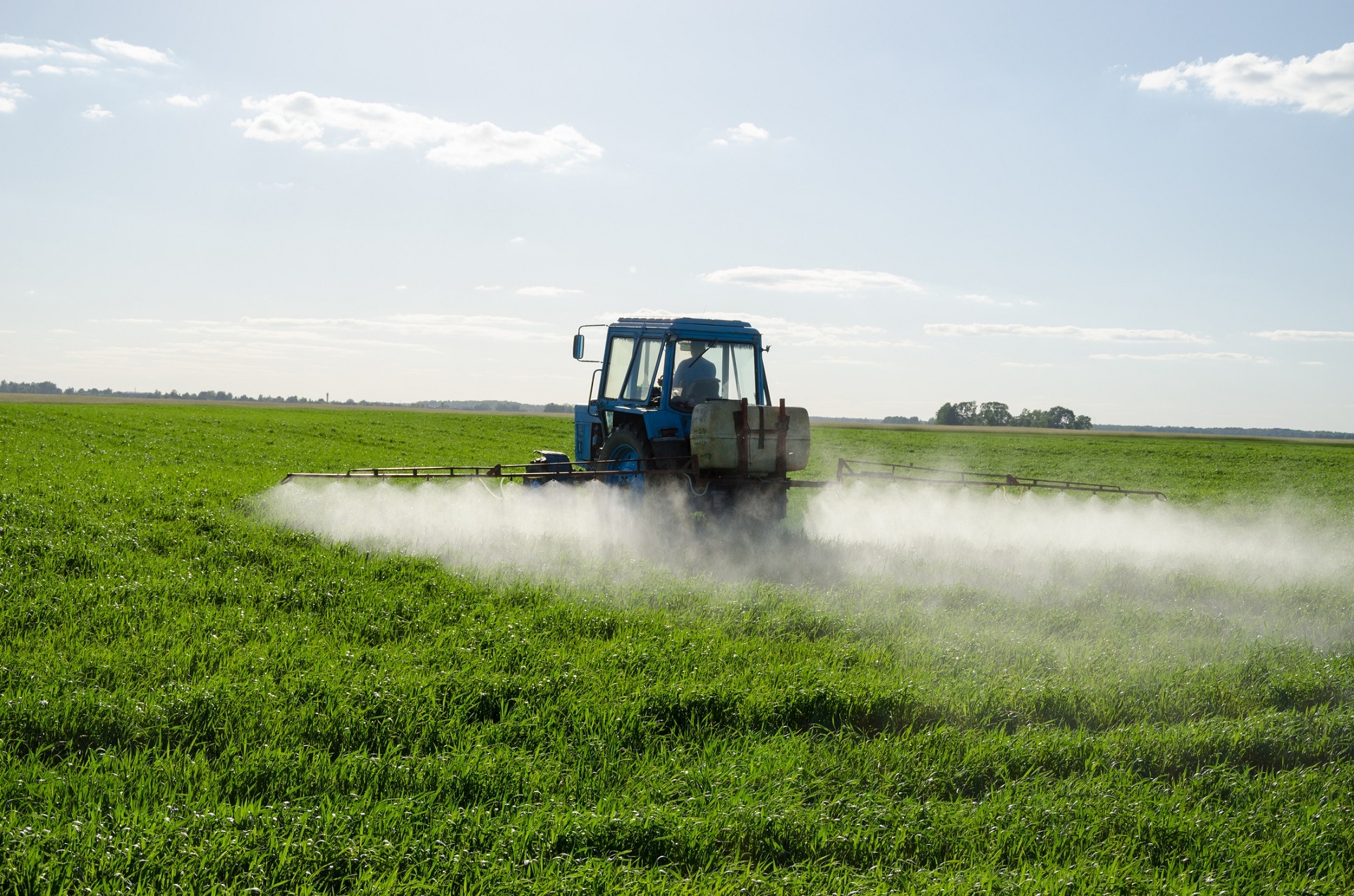
Tractor spray fertilize green field with pesticide insecticide herbicide chemicals in agriculture field in evening sunlight. Farmer care plants.

(NaturalBlaze) Citing a recent report by the Environmental Working Group finding traces of the ‘known carcinogen’ glyphosate in Cheerios, Quaker Oats and other oat-based breakfast foods, plaintiffs Tamara Frankel and Natasha Paracha said Friday that Bob’s Red Mill knew its oat products contain or likely contain the chemical, but didn’t disclose it on the label.

Instead, they say, the Oregon-based company labeled the products with phrases such as “gluten free,” “wheat free” and “purity tested,” leading consumers to believe them to be healthy.

“Consumers have a reasonable expectation that material product information, such as the presence of a probable carcinogen like glyphosate, will be provided by a product manufacturer, especially when the manufacturer affirmatively identifies the health-related attributes of its products such as “Gluten Free”, “Whole Grain”, and “Friend of the Heart,” the complaint states, adding that the labeling amounts to “misleading half-truths.”

Related: How to Avoid GMOs in 2018 – And Everything Else You Should Know About Genetic Engineering

Frankel and Paracha say Bob’s Red Mill had a duty to disclose the presence of glyphosate in its oats and that glyphosate is a probable human carcinogen, because consumers don’t have easy access to the information. They want a court order blocking the company from continuing to advertise the products as healthy.

They seek to certify classes of consumers in California, Florida, Illinois, Massachusetts, Michigan, Minnesota, Missouri, New Jersey, New York and Washington. In the alternative, they seek to certify a California-only class.

Patricia Syverson with Bonnett, Fairbourn, Friedman & Balint in San Diego represents Frankel and Paracha.

In late August, it was also announced that General Mills is facing a potentially damaging class action lawsuit after a Florida woman accused it of engaging in deceptive business practices, by not alerting the public that their Cheerios and Honey Nut Cheerios cereals contain glyphosate.

Related: Gluten Intolerance, Wheat Allergies, and Celiac Disease – It’s More Complicated Than You Think

A 2016 testing project on glyphosate residues in popular American foods by Sustainable Pulse’s partner The Detox Project and Food Democracy Now! is one of the main pieces of evidence being used in the case, according to the court documents, after it found levels of glyphosate in both Cheerios and Honey Nut Cheerios as well as many other products.

This wave of class actions against food companies has caused many food brands to start seeking The Detox Project’s Glyphosate Free certification, according to their Director, Henry Rowlands;  “The Detox Project has received a massive rise in enquiries from food brands regarding Glyphosate Residue Free certification, ranging from baby food to honey to supplement brands. So far we have 15 brands from around the world fully certified but over 50 brands have been in touch during the last week.”

The lawsuits against food brands also follow the landmark cancer trial verdict in San Francisco very closely, in which Monsanto was ordered by a jury to pay over USD $289 Million in total damages to the former school groundskeeper Dewayne Johnson, a California father who has non-Hodgkin’s lymphoma, which was caused by Monsanto’s glyphosate-based weedkiller Roundup.

Pesticides In Cannabis: 5 Facts

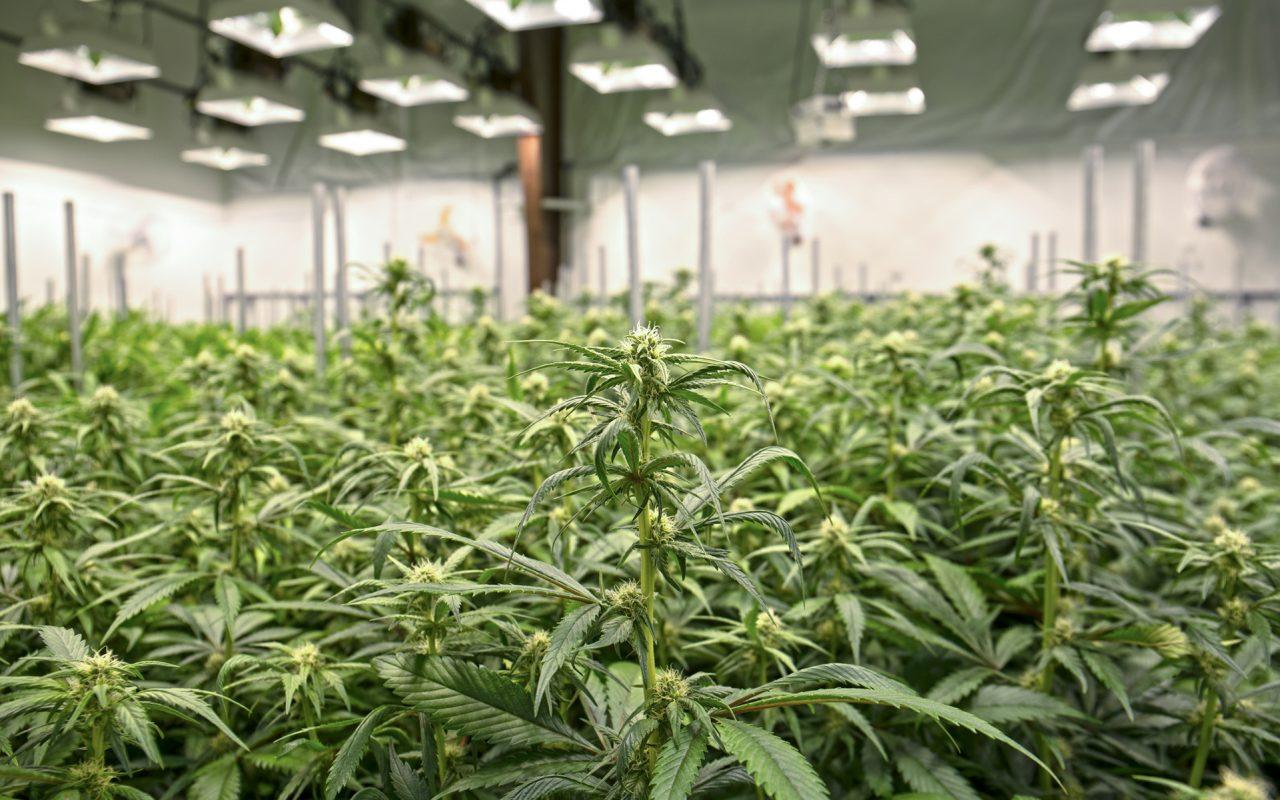
(Natural Blaze by Wes Annac, Editor, Karma Yoga DailyPesticide contamination in cannabis is a big problem. Careless growing methods have been the norm for decades due to marijuana’s illegality, and sadly, this is just as much of a problem in legal states as it’s always been. High-profile cannabis users are speaking out against the widespread use of pesticides to grow the plant, and laboratory studies on samples from legal states have produced unsettling results.

This is an unfortunate and unacceptable symptom of marijuana’s decades-long criminalization. Had it been legal for the past century, this would have likely stopped being a problem a long time ago. Although its legalization in various U.S. states is a sign of much-needed change, there are growers who still aren’t subject to any federal regulation because the plant is still federally illegal. It’s like the wild west in terms of what chemicals can and can’t be used to grow weed commercially.

Related: How to Avoid GMOs in 2018 – And Everything Else You Should Know About Genetic Engineering

This article scratches the surface of a problem that’s worse than we all thought. With that said, here are five facts about pesticide contamination in cannabis.

  1. 69% of pesticide residues can remain in cannabis

WeGrow reports that a 2013 Journal of Toxicology study found that “up to 69.5% of pesticide residues can remain in smoked cannabis, which inhaled, goes directly to your bloodstream.” Pesticides can be detrimental, with hazardous “side effects” that include cancer, weakened muscles, and damage to the liver. (1)

Obviously, cannabis cultivation is not subject to any FDA regulations that could eliminate these hazards. (1)

  1. 84% of California medical marijuana samples were found to contain pesticides

Alicia Lozano at LA Weekly writes that a laboratory in Berkeley discovered that “84 percent of medical marijuana samples contained large amounts of pesticides”. The discovery concerned the researchers at the lab, known as Steep Hill, because they’d expected a much lower level. They think consumers in California should also be concerned. (2)

The results aren’t much better in other states with legal marijuana.

Steep Hill president and CEO Jmichaele Keller explains that this makes cannabis much less safe than we assume it to be. He points out the obvious: smoking or vaping cannabis tainted with pesticides could put the body at the mercy of hazardous chemicals. He encourages the cannabis community to do something about it now. (2)

  1. Pesticides in marijuana have been a problem for a long time

Bruce Barcott at Leafly writes that this has been a problem for “years”, with the Los Angeles city attorney’s office discovering seven years ago that samples from area dispensaries contained “exceedingly high levels of bifenthrin”. This is a pesticide that’s harmful to bees but relatively safe for humans. Although it’s not as much of a risk (unless you’re a bee), the L.A. city attorney found that a “cannabis flower” sample had 1,600 times the lawful amount of it. (3)

Related: Monsanto Lost! Ordered to Pay $289 million in California Roundup Cancer Trial

Chris Van Hook, founder of Clean Green (cited by Bruce at Leafly) explains that “pesticide regulators” have never been involved with marijuana because its production and sale have been illegal. Black market growers use the easiest and most successful methods no matter how harmful they are to humans or the environment. (3)

To Chris, the difference between organic and pesticide-tainted cannabis is akin to the difference between organically grown and mass-produced basil. The latter looks prettier and retains freshness, but at the cost of consumer health. He points out that ultimately, we don’t know what chemicals cannabis users are consuming. (3)

  1. Contamination is worse with concentrates

Bruce at Leafly writes that a study done by the Cannabis Safety Institute found 10 times the amount of pesticides in cannabis-derived concentrates compared to the herb itself. Among other causes, this is attributed to the concentration process bringing in pesticides along with the desired cannabinoids. The results were nonetheless “surprising”, because the process only provides 2-5 times more cannabinoids in comparison to 10 times the amount of pesticides. (3)

Bruce writes that there are several potential reasons concentrates contain so many of these harmful chemicals. Among them are:

  • The methods used to extract cannabinoids might concentrate pesticides more effectively (3)
  • The “extraction equipment” could get contaminated and cause cross-contamination (3)
  • The trim used to make concentrates could contain more pesticides than the flower (3)

Bruce recommends this paper for anyone looking for more information.

  1. Reggae musician Ziggy Marley recently spoke out against pesticides in cannabis

On April 16, reggae musician Ziggy Marley (son of Bob Marley) wrote an article for Rolling Stone decrying the use of pesticides for marijuana and urging consumers to take action. (4)

The Marleys are no strangers to cannabis. It would require a separate article on this blog to cover all the cannabis and hemp-based products and businesses attributed to the family, from a legal pot farm in a former prison to a line of organic hemp foods and even a marijuana cookbook.

Related: In Shocking Development, Chemicals in Food and Packaging are Toxic to Children

In the article, Ziggy wrote that consumers must hold everyone in the industry to “high moral and business standards” to ensure the health of users everywhere. He also wrote that in the face of marijuana’s industrialization, we must “stay vigilant” regarding pesticide use. (4)

He pointed out that if we let the cannabis industry go the way of other industries that became more about profit than consumer “welfare”, then marijuana will become another “mass-produced product” that causes a variety of health problems. (4)

Concerned Consumers: Grow Your Own

The best solution for consumers in legal states is to grow their own cannabis. Ziggy Marley recommended it in the aforementioned article, and WeGrow recommends it as well:

“The appeal of home grown cannabis continues to increase as the transparency of the legislation behind the use of pesticides within commercial cultivation operations remains blurry and unclear. Growing your own cannabis indoors gives you ability to control all factors and produce clean, safe, and ultimately quality cannabis for your personal use.” (1)

Most consumers rely heavily on growers and dispensaries, and with legalization in its infancy, growers can get away with a lot more than if we’d reformed our drug laws decades ago. Until we can ensure that they meet the necessary standards, the best bet for consumers is to grow it themselves. This is the only way to ensure that what you’re consuming is safe.

You can spread the word by sharing this or any article, video, etc. raising awareness of this problem. The more people who become aware, the more who’ll fight for standards that should already be in place but have yet to materialize thanks to Uncle Sam. Change is happening, but we must be present every step of the way to ensure it’s a positive change.

Sources:

  1. “Impact of Pesticides on Cannabis”, WeGrow – https://wegrowapp.com/impact-pesticides-on-cannabis/
  2. Alicia Lozano, “Pesticides in Marijuana Pose a Growing Problem for Cannabis Consumers”, La Weekly, October 27, 2016 – https://www.laweekly.com/news/pesticides-in-marijuana-pose-a-growing-problem-for-cannabis-consumers-7526808
  3. Bruce Barcott, “Pesticides 101: Questions and Answers for Cannabis Patients and Consumers”, Leafly, March 21, 2016 – https://www.leafly.com/news/cannabis-101/pesticides-101-questions-and-answers-for-cannabis-patients-and-co
  4. Ziggy Marley, “We Need to Ban Pesticides in Pot”, Rolling Stone, April 16, 2018 – https://www.rollingstone.com/culture/culture-news/ziggy-marley-we-need-to-ban-pesticides-in-pot-628401/

About the author: 

31287220_1930589003619961_7591073383912046592_nI’m a twenty-something writer & blogger with an interest in spirituality, the environment, activism, music, and other awesome stuff. I run Karma Yoga Daily, a news blog dedicated to sharing daily wisdom.

This personal blog I run is pretty great, too.

Follow me on Facebook (Wes AnnacKarma Yoga Daily) and Twitter (Wes Annac,https://twitter.com/love_rebellion)

If you enjoyed this post and want to support my work, consider a donation by sending funds via PayPal to wesremal@yahoo.com.

Recent articles and videos:

No copyright. Share freely with attribution to Wes Annac and Karma Yoga Daily

Thanks for reading!