Your neighbour is planting a garden. Another is installing solar panels on his or her house, and you saw a segment about rain barrels on your favourite morning talk show the other day. What is going on? Has everyone gone green or just gone nuts?
The fact is that sustainability is the newest trend, and it’s here to stay. Sustainability simply means surviving without creating problems for future generations. It seems like everyone is trying to do their part to make the planet a little healthier for generations to come, and they’re doing it on a variety of different budgets and spaces.
You might not know it, but you probably have several unused spaces that can be transformed into sustainable spaces, ones where you and your family can do your part to be more eco-friendly and help the environment. Check out these cool ways to use your currently vacant spaces.
The Kitchen
There are so many great ways to be sustainable in the kitchen. If you have an extra cabinet or countertop space, then you have plenty of room to implement some of these good sustainable practices that will help save the planet and your wallet.
You should be using your own fabric tote bags when you shop at the grocery store, but if you use paper or plastic bags, you should have a spot for them in your kitchen. Store extra paper bags along with envelops and small zipper bags in the same cabinet, drawer, or basket. Envelops are so easy to reuse, and a plastic baggie just needs to be washed before it’s used again, assuming it hasn’t had anything like raw chicken in it.
Now take a look at your cleaning area under the sink. You probably have some cleaning solutions and maybe a few paper towels and rags under there. If the label on your cleaning solutions don’t specifically say they’re friendly to the environment, consider getting rid of them and replacing them with getting environmentally-friendly products.
You can also make your own cleaning products using common household items like vinegar, lemon, and baking soda. These products are safe to use on your countertops and windows and they do just as good a job as the cleaners you buy at the store. You can also use mason and jelly jars to store your DIY cleaning solutions. Another save for the environment!
You probably have a little bit of space near your trash can or out in the garage so set up some baskets or bins and start sorting your recyclables. Don’t forget to sort non-kitchen items as well, such as plastic shampoo and conditioner bottles.
The Bathroom
Everyone spends some portion of their day in the bathroom , so it should be a little more sustainable. As bathrooms aren’t really known for their size, you have to work with the space you have. You’d be surprised at what you could do with spaces reserved for other purposes.
Consider installing low-flow toilets and showerheads. Most toilets use about six gallons of water with one flush. Use the bathroom even three times a day, and you’ve used 18 gallons of water. A low-flow toilet only uses one and a half gallons each flush. Think of the money you’ll save on your water bill and, if you have one, the wear and tear on your septic tank.
A low-flow showerhead doesn’t mean it’s low pressure. They function like regular shower heads, but rather than using five to eight gallons of water per minute, they use at least two gallons less. Combine that with the water you’re saving on a low-flush toilet, and you’ve got a home that knows how to be sustainable.
If you want to go for the gold, install faucet aerators. They work just like low-flow showerheads and can save you more money on your water bill.
Living Room and Bedroom
Do you have a hard time keeping these two rooms warm in the winter? Do you avoid going near the windows because you know they’re always so cold? They’re hard to avoid, especially if you have beautiful picture windows that provide plenty of natural light.
Don’t let the draft spoil these windows. Be sure you have sturdy weather stripping around your big windows, all windows for that matter. If you have any cracks along the windows, fill them in with caulk. Then set up a loveseat or a window seat where you can watch the snow fall without being so cold.
Now that your living room and bedroom are a little warmer in the evening, you can spend time in there, reading a book or playing a family game. Did you know those lamps that will help you see the words on the page can be made a little more sustainable? By using fluorescent light bulbs, you’ll use far less electricity and save on your electric bill.
Some homes are even installing motion-sensing switches in their homes. You’ll never leave a light on again because all of the lights turn off when motion is no longer detected.
Your living room or bedroom might also have some old furniture you’re sick of looking at. Rather than getting rid of it, fix it up. If there’s a broken leg, mend it. If you’re tired of the couch pattern or colour, reupholster it, and give the whole room a fresh new look.
The Yard
Though you may have beautiful flower beds and a healthy garden, chances are there is still some unused space around your yard. Rather than plant another tree, why not create sustainable spaces?
A new tree would make a great home for a family of birds or squirrels, but a compost pile helps the environment in a more unique way. For one thing, it keeps paper and scraps out of landfills so you’re throwing away a little less each time garbage day rolls around. You also get the nutrient-rich soil that comes from a carefully cultivated compost pile.
Make use of that empty space behind the shed or on the side of your home and create a compost pile using vegetable scraps (stems, peels, rinds, whatever), yard scraps (leaves, twigs, small branches) and cardboard or paper shreds. After six or nine months, you’ll have soil teeming with awesome nutrients that will help your plants grow stronger in the spring.
Homes are meant to make a family feel safe, secure, and together. While many people take steps to ensure that their homes are clean and healthy places, there are several considerations you may be overlooking in your endeavors to keep your family healthy. Check out these six areas in your home that might accidentally be causing problems for your family.
Carpeting is a household staple. But carpeting might be making your family feel sick. For one, carpet traps pollen, pet dander, dust mites, and other allergens. Some carpet materials also give off volatile organic compounds. These compounds evaporate and are inhaled, which can cause respiratory problems. Volatile organic compounds don’t just appear in carpeting, either.
To eliminate the problem, furnish your home with items that don’t contain volatile organic compounds by asking at the furniture store. Buy thinner carpeting and keep your home well ventilated.
Dust Mites
Most people with dust allergies are actually allergic to dust mites. The microscopic critters like warm weather and high humidity. When they die, they tend to collect in fabric-based furniture and accessories, like beds, pillows, couches, and the like. So if you or anyone in your family experiences allergy symptoms outside of the typical allergy season, the reaction may be to a dust mite allergy.
There are several steps you can take to reduce the number of dust mites in your home, including keeping your humidity down, regularly washing your linens in hot water, and getting rid of bedroom carpeting.
Drinking Water
The EPA regulates and protects clean drinking water, so most people feel it’s safe to drink straight from the tap. But even with the EPA’s involvement, drinking water may not be as clear of contaminates as we’d like to believe. Trace amounts of pharmaceuticals, like ibuprofen and anticonvulsants, have been found in metropolitan water supplies.
The simple workaround might appear to be to drink water out of bottles, but a lot of water bottles are actually filled with tap water that hasn’t been filtered for these specific contaminates. Consider instead water filtration for the whole house, which has the added bonus of preventing the plastic waste that comes from drinking water out of bottles.
Carbon Monoxide
Most homes have smoke detectors that alert you to the presence of smoke in your house. But unless your smoke alarm specifically also features a carbon monoxide detection system, the dangerous gas might be present in your home without your knowledge. Carbon monoxide is odorless, colorless, and has many common household sources like gas heaters, furnaces, dryers, fireplaces, motor vehicles, and more. To protect your family, make sure carbon monoxide producing devices are properly ventilated, and purchase a detector.
Mothballs
Fumigants are what make mothballs so useful against pests. Mothballs contain chemicals that release into the air and kill pests at high enough doses. But these high doses of chemicals can also be harmful to humans. The side-effects of inhaling these chemicals include dizziness, headaches, vomiting, difficulty breathing, and red blood cell loss. Next time you need to take care of creepy crawly pests, safer ways to treat the problem exist. You can eliminate moths without resorting to mothballs.
Refrigerator
Your refrigerator might also contribute to making your family ill. A packed fridge with incorrectly stored food can end up growing things that cause food poisoning. Plus, if the temperature is off, by even a little bit, it only makes matters worse. Keep your cooked and uncooked foods well away from each other, especially meats. Clean the interior of your fridge regularly. Find out what temperature your fridge should be and check it often.
While checking for mold and having a working smoke detector seem like obvious ways to keep your house clean and your family healthy, you may be overlooking some subtler aspects of the equation. Some of these issues, like dust mites, the refrigerator, and carpeting, aren’t deathly serious, others like carbon monoxide and mothballs can cause serious health problems, especially with prolonged exposure. Thankfully most of these areas are easy to take care of with a little diligence.
When I was growing up, the health of the environment was far from top of mind. The world I knew and played in every day was taken for granted. When I had my own children, I became a little more environmentally astute. I started with recycling, hoping that engaging my children in that practice, might have an impact. As my awareness evolved, I realized the important role parents play in educating their children on ways to preserve their future and their world.
Environmental educator David Sobel said, “One transcendent experience in nature is worth a thousand nature facts.” Studies have shown that when children are connected to nature between the ages of 5 and 10, they’re more likely to develop more compassion about their environment, a compassion they’ll likely carry throughout their lives. So what can you do to help your child develop an interest in environmental preservation? The following steps show how easy it can be!
Create a Nature Trip
Go for a nature walk, picking up cans, bottles, paper along the way, all of which can be recycled. This exercise will raise awareness about the damage from littering and encourage personal responsibility for keeping the earth clean. A nature field trip is also a great way to motivate children to ask questions about flowers, birds, trees, and more. The more children know about the life cycle, the more interested they will become in preserving it.
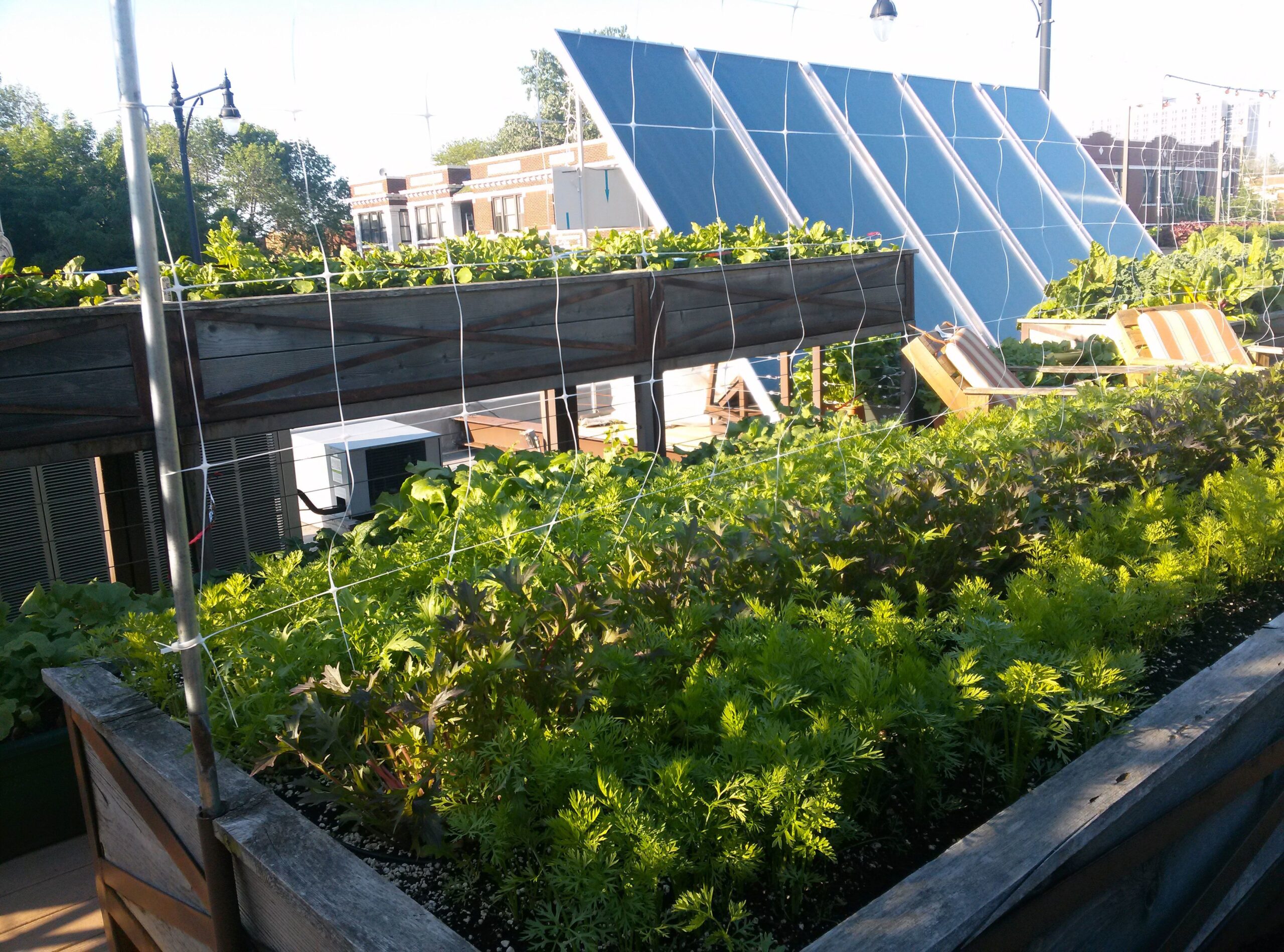
Start a Garden
Getting kids involved in the food that comes into the house naturally improves their food choices, thus reducing the risk of obesity. Further, teaching kids to garden and allowing them to choose what vegetables they would like to grow, encourages healthy eating habits and a dedication to locally grown, seasonal foods.
Visit a Recycling Plant
Try taking your children to a recycling plant where they can witness the recycling process from garbage to product. Many plants offer tours, so check your local community. Kids will find it fascinating, and they will better understand the importance of recycling.
Create a Compost Bin
Composting is an ideal way to instill a sense of environmental advocacy in children. No matter where you live, you can compost. Plus, kids love it! Composting is such a great exercise for kids because they can witness the entire cycle of the food off their plate (that would normally go into a landfill) into useful soil that is garden ready. By composting, children will learn to value organic wastes as a resource instead of thinking it is useless garbage. Composting is a great way to empower your children by helping them understand how their actions can have a positive effect on the environment.
Turn Off Lights and Preserve Water
Kids are notorious for leaving lights on, and as they advance into the junior high years, showers go on forever. The best way to teach children the value of saving resources is to make a game of it. For example, every time a light is left on or a shower goes beyond a certain limit, they have to put 5 cents in a jar for each slip-up. Conversely, if they haven’t left any lights on and have honored the water limitation, 5 cents goes in to the family jar. At the end of the month, the family can select a fun way to spend the money, maybe even donate it to an environmental effort.
Remember, children want to help. And if they can do something that grownups do, they’re in. Not only will you be teaching by example, you’ll be allowing them to get involved and connected to Mother Earth. They’re never too young or too old to for you to teach them about the value of preserving their planet for their future.
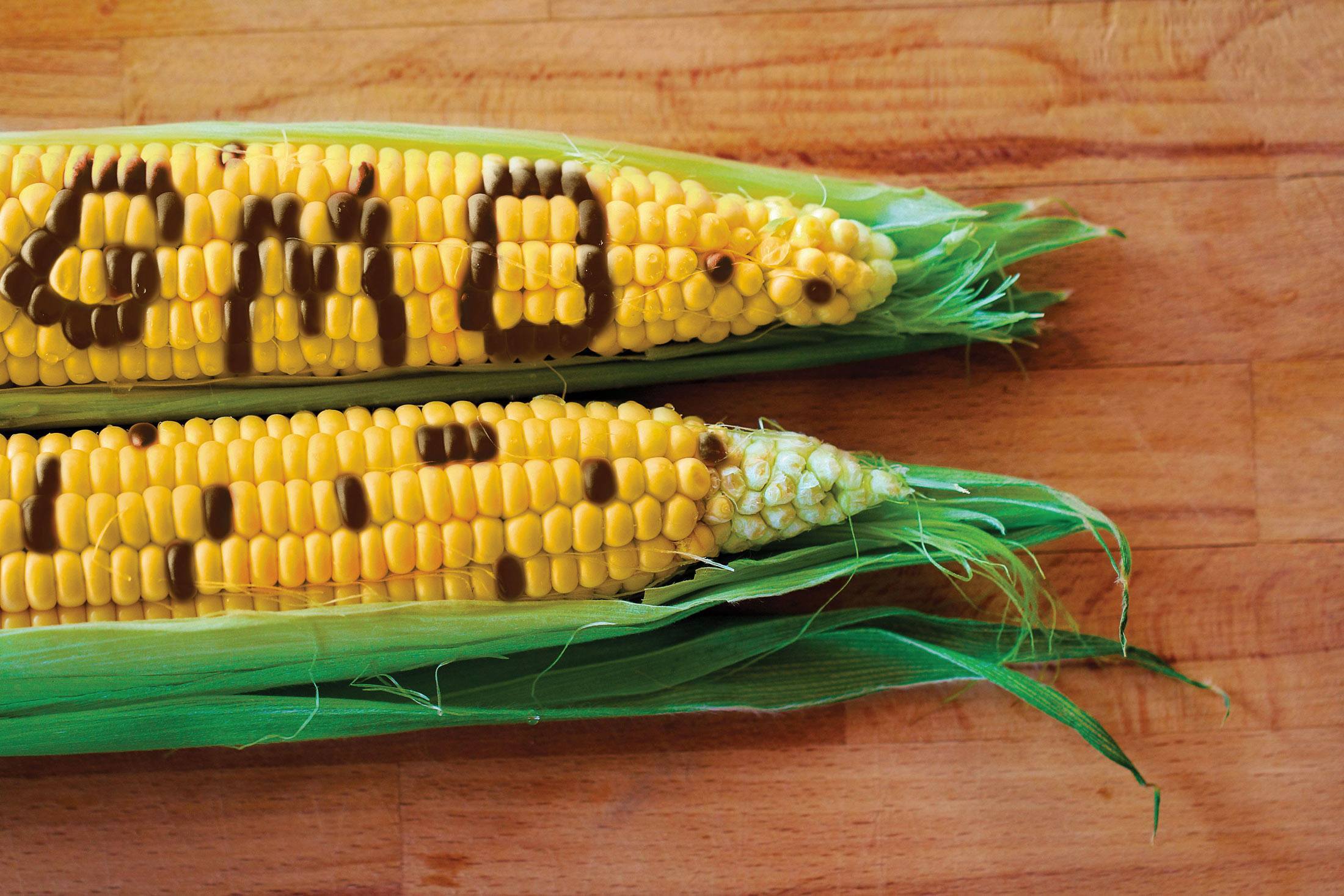
It’s really awesome to see a growing concern over genetically modified foods. People seem to be waking up to this issue. They don’t want genetically modified foods in their diets. And for good reason!
Are GMOs Safe?
While many studies claim no correlation to any health issues with GMO consumption, there are a number of studies that do show frightening correlations including multi-organ damage and reproductive disruption. The serious health risks are becoming harder to dismiss.
How to Avoid GMOs
It’s not easy. It is estimated that 60 to 70 percent of processed food contains a GMO ingredient, according to the Colorado State University Extension. As for produce, buying organic is one very good way to avoid GMOs. There are times when organic crops have been contaminated, but for the most part, buying organic keeps you free of genetically modified foods. We prefer to purchase most of our food from local farmer’s markets where we can get to know the farmers. Besides growing it yourself, local farmer’s markets are typically the best way to get the freshest, healthiest produce. And buy heirloom produce as much as possible! It’s funny looking, but much healthier and much tastier! Read The Difference Between Heirlooms, Hybrids, and GMOs for more information on heirlooms. Another way to avoid GMOs is to avoid the foods that are most often genetically modified.
What Foods are Genetically Modified?
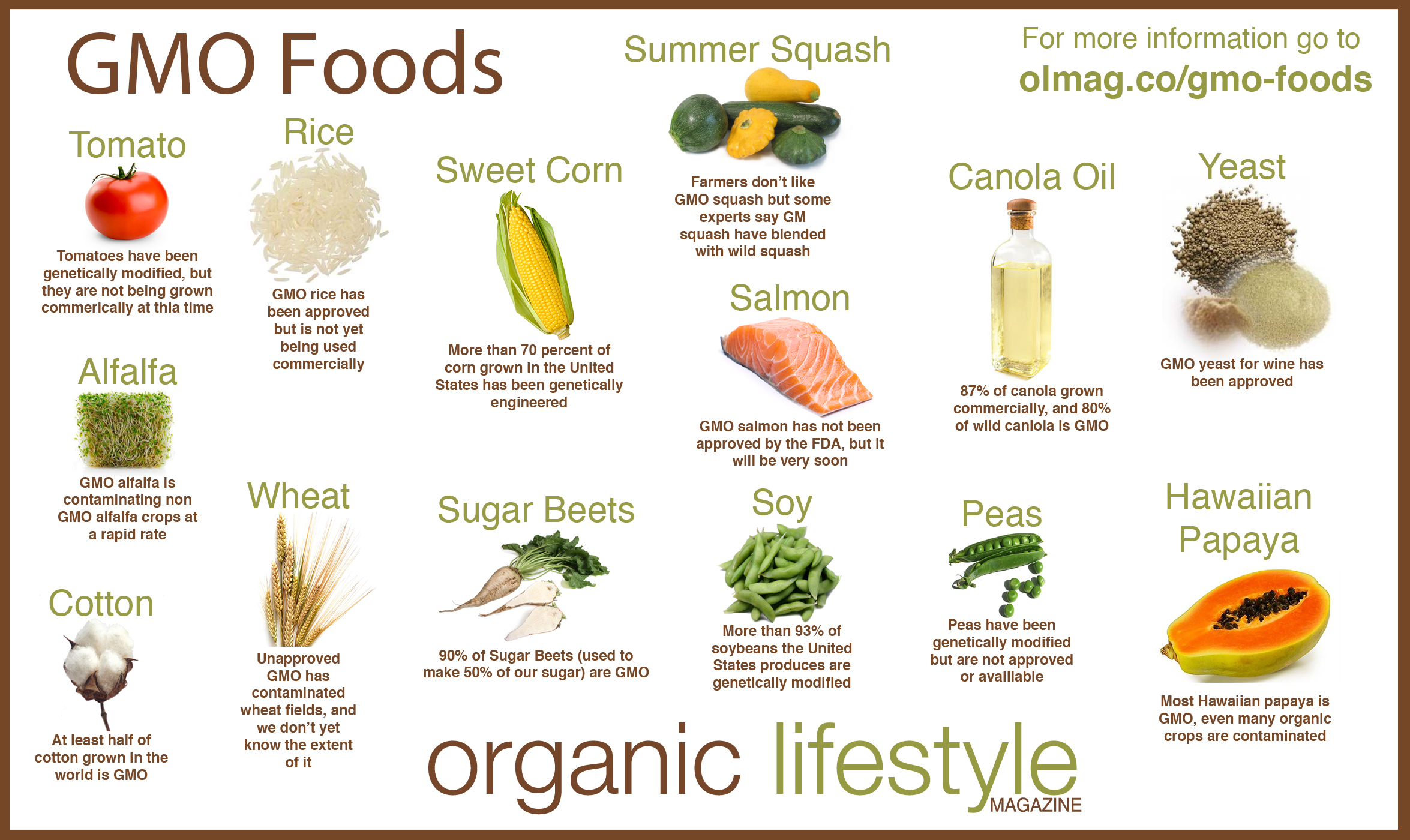
The foods most likely to be GMO are corn, soybeans, cotton (for oil), canola (also a source of oil), squash, papaya, and sugar beets, which are refined into sugar. There’s also GMO alfalfa, but that is used for animal feed, not for sprouts that people eat. That leaves quite a lot of your garden untouched.
Click for full size and feel free to use this image
GMO versions of tomatoes, potatoes, and rice have been created and approved by government regulators, but they aren’t commercially available.
GM Corn
According to the U.S. Department of Agriculture, more than 70 percent of corn grown in the United States has been genetically engineered. The two most common genetically modified corns are BT corn and herbicide resistant corn. BT corn is genetically altered to contain the bacterial Bt toxin, an insecticide. Herbicide resistant corn varieties are resistant to glyphosate herbicides, Liberty and Roundup. Now fourteen countries grow herbicide-resistant GM corn. Corn hybrids have been marketed with tolerance to imidazoline herbicides under the trademark “Clearfield.” Not to be confused with GMOs, the herbicide-tolerance trait was bred into the corn by using a tissue culture selection and the chemical mutagen ethyl methanesulfonate. For those who eat a conventional, modern diet, GM corn seems to be in everything! It’s prevalent in most processed foods. Look out for the following ingredients which are either made directly from GM corn or are processed using GM corn:
Artificial Sweeteners (many are derived from corn in one way or another)
Artificial Flavors
Ascorbic Acid (most vitamin C is made from GMO corn)
Honey (High fructose corn syrup is often fed to bees to increase production. In addition, honey is often mixed with corn syrup by unscrupulous companies). Lactic Acid (often made using corn fermentation)
Maltodextrin
Modified Food Starch
Monosodium Glutamate (MSG) (often made from corn)
Natural Flavors
Sodium
Vitamin E (Tocopherols)
Xanthan Gum
Xylitol
And believe it or not, this is an incomplete list. As you may have figured out, this means breads, cereals, baby foods, baby formulas, sauces (ketchup, BBQ sauce, etc.) veggies burgers, soy cheese, protein powders, supplements, candies, instant dinners, peanut butters, pastas, and even hospital IV’s are likely to contain genetically modified corn. Almost anything packaged! This is one of many reasons to prepare your own food and avoid anything processed. Even organic corn has been shown to be contaminated by pollination. The farther away non GMO corn is from GMO corn fields, the less likely it will be contaminated, but it seems to be spreading.
GM Soy
The first genetically modified soybeans were planted in the United States in 1996. Now, more than 93% of soybeans the United States produces are genetically modified, according to the USDA. GM soybeans are planted all over the world. The most commonly used GM soybeans are Roundup Ready soybeans. Soybeans have natural protection against pests. But weeds are a major problem for farmers growing soy. Roundup Ready soybeans possess a gene, agrobacterium sp. strain CP4, a bacteria, that causes the soybean to be herbicide resistance. Now the farmers can spray massive amounts of herbicides onto the crop fields without harming the soybeans. Fortunately, since soy is well known to cause severe allergic reactions in people (and we suspect that the number of people allergic to soy is on the rise partly due to the GM soy), it’s fairly common for packaged foods to be labeled as having soy, or labeled to show they were processed in facilities that also process soy. But there are lots of food manufactures who do not label soy or that use soy and label it under a different name. Below is a list of both common names for soy and ingredients that are often derived from or contain soy. So watch out for these ingredients:
Daidzéine
Edamame
Estrogène Végétal
Fermented Soy
Flavoring (including natural and artificial)
Génistéine
Glycine
High Protein Flour (possibly)*
Hydrolyzed Plant, Soy or Vegetable Protein*
Hydrolyzed Soy Protein
Isoflavens
Isoflavone
Isolated Soy Protein
Isolated Soybean Protein
Kinnoko Flour
Kyodofu (freeze dried tofu)
Lecithin
Legume
Many vegetable broths
Miso
MSG
Natto
Phytoestrogen
Phytosterol
Plant Esters
Plant Estrogen
Shoyu
Shoyu sauce
Soja
Soya
Stanol
Sterol
Tamari
Tempeh
Textured Vegetable Protein (TVP)
Tofu
Vitamin E
Xanthan Gum
GMO soy is found in pastries, infant formulas, supplements, protein powders, cereals, vitamin E, bread, cheese, dough, candy… Once again, pretty much anything and everything processed and packaged as convenient food.
Meat, Dairy, and Eggs
While scientists are beginning to genetically modify animals, the current problem with GMOs from meat comes from the foods we feed our livestock. Chickens, cows, and pigs (as well as many “free range” livestock) are fed genetically modified corn and soy. You are what you eat (and drink, and are injected with). So conventional meat, eggs, and dairy are essentially made up of GMO corn and soy.
Farmers who want to avoid genetically modified feed can purchase corn and soy feed that is labeled GMO free. But the feed is often contaminated with GMOs. Even organic animal feed is not free from contamination! In 2006, Albert Straus, owner of the Straus Family, wanted to make sure the food he was producing was completely free of genetically modified foods. He made the decision to test the feed he used for his 1,600 cows and found that nearly 6% of the corn feed he used, labeled organic, was contaminated by GMOs (read the Times article, When Organic Isn’t Really Organic). While dairy shares the same problem as meat and eggs, as it is essentially created in large part from genetically modified animal feed, Recombinant Bovine Growth Hormone, also known as RBGH, is another problem with conventional milk. This Monsanto hormone artificially forces cows to increase their milk production by 15 percent. While not a genetic modification, it’s worth mentioning that this is nasty stuff that should be avoided at all costs. The easiest way to avoid meat contaminated with GMOs is to go vegan or to know the farmer that raised the meat so you can be assured that precautions are taken. Regardless of where one’s ethics are when it comes to eating meat, animals should be allowed to roam freely and eat what nature intended. This produces healthier meat that is generally completely GMO free. But with the spread of genetically modified pollen, it may eventually become harder and harder to insure animals don’t eat GM plants.
GM Beets/Sugar
More than 50% of sugar sold in America comes from sugar beets. Genetically modified, Roundup Ready sugar beets account for more than 90 percent of the crop. This figure is likely to increase since the USDA granted non-regulated status for genetically engineered beets just last year, and the FDA approved them to be to be sold on the market under the name “sugar.” If the ingredients say “cane sugar,” there should not be GM beet sugar in the food.
GM Papaya
The only currently commercially-produced GM fruit is the Hawaiian papaya. In the late 1980s, the University of Hawaii developed a papaya genetically engineered to be resistant to Papaya Ringspot Virus. They did it by transferring viral genes encoded with capsid proteins into the papaya genome. The capsid proteins cause something similar to an “immune response” from the plant. The genetically modified papaya plants are no longer susceptible to infection, allowing farmers to cultivate the fruit even when the virus is widespread. The GM papaya is often held up by GMO proponents as proof of how genetically engineering food can benefit us. The first GMO papayas were grown in Hawaii commercially in 1999. Now these Transgenic papayas account for more than three quarters of Hawaiian papaya crops and they are contaminating the organic crops. NW Resistance Against Genetic Engineering reported thatindependent laboratory testing results showed widespread GM contamination.
Nearly 20,000 papaya seeds from across the Big Island, 80% of which came from organic farms and the rest from backyard gardens or wild trees, showed a contamination level of 50%.
Fortunately GM papayas can be avoided if you buy the large Caribbean or Mexican red papayas, which are not genetically modified.
GM Canola/Rapeseed
Accordning to Wikipedia, “A genetically engineered rapeseed that is tolerant to herbicide was first introduced to Canada in 1995. In 2009, 90% of the Canadian crop was herbicide-tolerant. As of 2005, 87% of the canola grown in the US was genetically modified. A 2010 study conducted in North Dakota found glyphosate- or glufosinate-resistance transgenes in 80% of wild natural rapeseed plants, and a few plants that were resistant to both herbicides.” If it’s not labeled Organic or certified GMO free, canola oil is almost definitely genetically modified.
GM Squash
Summer squash and zucchini were genetically modified to become more resistant to viruses and bacteria. But there was a problem. Cucumber cockroaches love GMO squash. They wound the leaves, leaving open holes in them. The cockroaches’ feces get absorbed into the stem causing bacterial diseases. Some experts say that genetically modified squash have blended with wild squash species. Farmers generally do not want to use GMO squash seeds for the aforementioned issues, and most experts say that conventional store bought squashes are very unlikely to be GM squash.
GM Fish
The AquAdvantage salmon has been created by adding a growth hormone regulating gene from a Pacific Chinook salmon and a promoter gene from an ocean pout to the Atlantic salmon’s genes. These genes enable the salmon to grow all year (as opposed to growing only during the spring and summer). The AquAdvantage salmon grows much faster than wild salmon and matures to twice the size of regular salmon. Many environmentalists and scientists are worried that GMO salmon could have negative impact on the environment and mutate over time.
The application for FDA approval requires land-based tank cultivation. There are no sea-based pens under discussion at this time. But if there was ocean contamination, consider the ramifications. The contamination would be impossible to stop once it starts, and the changes to the salmon population, as well as any species that foods on the salmon,, would be irrevocable. The good news is that as of this writing AquAdvantage salmon has not been approved by the FDA. The bad news is that it is likely to be approved very soon. Whole Foods and Trader Joes have vowed that they will not sell genetically modified seafood. It would seem that farm raised seafood would be good for the environment, considering the toxins such as mercury in the seafood and the deviational effects our fishing industry has had on our oceans. But with the way fish are farmed, there are significant environmental and health concerns. From dyes being used in the feed, to much higher levels of toxins in farm raised fish, we cannot recommend consuming any farm raised seafood at this time. For more information on these environmental and health concerns read Top 10 Problems from Food and Water Watch.
Artificial Sweeteners, Preservatives, Artificial Flavors, and Artificial Colors
Many of these additives are derived from genetically modified organisms, as if we need another reason to stay away from them.
GM Cotton
Like corn and soy, cotton has been genetically engineered to handle pesticides. At least half of the cotton grown in the world has been genetically modified to resist pests and pesticides. GM cotton has been blamed for many farming issues in India including soil infertility and a rise in farmer suicides. Cottonseed oil is used to make vegetable oil and margarine, but cotton itself has gossypol, a toxin that makes it inedible. But scientist have recently been able to silence the gene that produces the toxin, so cotton may end up being a food crop for more than just oil. To avoid wearing clothing made from GMO cotton, buy organic cotton clothing or look for a GMO free label.
Wheat
Recently an Oregon farmer sprayed a patch of wheat with Roundup. Some of the wheat survived. The farmer then sent samples to be analyzed by a laboratory. The wheat was a genetically engineered Monsanto Roundup Ready wheat that had never been approved anywhere in the world. But there are many other reasons to avoid wheat. Artificial selection over many years has changed the proteins in wheat, which is causing massive health issues. Check out 5 Things You Didn’t Know About Gluten for more information.
GM Potatoes
There are no transgenic potatoes marketed for human consumption at this time. That may soon change. BASF requested cultivation and marketing approval in 2011 for its Fortuna potato, genetically modified to be resistant to late blight. Many consumers concerned about GMO foods believe that conventional potatoes will not sprout because they are genetically modified. But this is not the case. Potatoes are treated with fungicides while they grow, then they are sprayed with herbicides to kill off the fibrous vines for easier harvesting. Finally, after the potatoes are extracted from the ground they are treated on order to prevent them from sprouting. It’s been said that many farmers have separate plots where they grow potatoes for themselves without the chemicals.
GM Tomatoes
In 1994, the transgenic Flavr Savr tomato was approved by the FDA for marketing in the U.S. The modification allowed the tomato to delay ripening after picking. But these GM tomatoes have disappeared. Transgenic tomato (FlavrSavr) had a “deactivated” gene (Antisense approach). This meant that the tomato plant was no longer able to produce polygalacturonase, an enzyme involved in fruit softening. The premise was that tomatoes could be left to ripen on the vine and still have a long shelf life, thus allowing them to develop their full flavor. These GM tomatoes, however, did not meet expectations. Although they were approved in the US and several other countries, tomatoes with delayed ripening have disappeared from the market after peaking in 1998. At this point, no genetically modified tomatoes are being grown commercially in North America or in Europe. The nearly perfectly round and bright red tomatoes you see in the grocery stores, lacking in flavor and nutrition, are hybrids. For more information, check out The Difference Between Heirlooms, Hybrids, and GMOs.
GM Peas
Australian scientists genetically modified peas with genes from kidney beans, creating a protein that functions as a pesticide. Studies have shown strong evidence that these genetically modified peas may create significant health issues including immune system disruption. The good news is that these genetically modified peas are not approved for human consumption and are not available.
GM Rice
Currently, there is no large scale production of genetically modified rice. Bayer has developed a strain of rice they call LL62 with increased tolerance to glufosinate-containing herbicides. This genetically modified rice has been approved in the United States, but farmers are not yet using it. There is a wide variety of genetically modified rice not yet approved in any country. GM research for rice includes making rice resistant to herbicides, diseases, and pests; increasing nutritional value; eliminating rice allergies; producing human blood protein; increasing yield; improving tolerance to drought and salinity; and enhancing nitrogen use efficiency.
GM Yeast
Genetically modified yeast is approved in the United States for making wine. In the United Kingdom genetically modified yeasts were approved a few years ago. The yeasts are a bakers’ yeast that displays a shorter rising time and a brewers’ yeast that is used in diet beer. Neither of the GM yeasts are used commercially on a large scale at this time.
Bananas
Despite what you read online in many uninformed websites, bananas are not genetically modified. The bananas we eat are a result of selective breeding. Wild bananas have a large, woody seed in the middle of the fruit. They also have much less edible fruit.
GM Alfalfa
In January of 2007 Agriculture Secretary Tom Vilsack announced that he would authorize the unrestricted commercial cultivation of genetically modified alfalfa developed by Monsanto and Forage Genetics. Experts who are not in the pockets of Monsanto agree that massive GM contamination of alfalfa, more so than any other GM crop, is only a matter of time. GMO alfalfas are treated with Monsanto’s Roundup ready that have been related to many health problems and crop failures, including a mysterious unknown organism discovered last summer in Midwestern fields that is connected to seemingly healthy fields are suddenly littered with yellowed leaves and dead plants (check out More Details on the Strange Organism That Could Destroy Monsanto). From my research, alfalfa is the most freighting GMO on the market (though I would pick salmon if it were on the market today). It’s a shame. Alfalfa is an amazing plant with awesome health benefits (Read more about alfalfa and its health benefits).
GM Contaminated Honey
Canadian honey was banned by Europe after it was found that the honeybees in Canada were feeding off of genetically modified canola. Bees are often fed high fructose corn syrup to increase their honey production. In addition, testing has shown that conventional honey imported into the U.S. is sometimes mixed with high fructose corn syrup and is usually processed to filter out the pollen or heated, which destroys its nutrients. Only use organic raw honey, and do not cook with it (it destroys the health benefits).
Other Ways to Avoid GM Foods
A common myth is that you can tell which produce is genetically modified by its bar code. Five-digit numbers that start with a “9″ signify that the product is organic, while a five-digit number starting with “8″ implies that it is a GMO. The problem is that there are no labeling requirements for GM foods. And since consumers have shown that they don’t particularly want GMOs in their diets, the companies don’t want to label as such. But there will be a way we can tell which foods are GMO and which are not regardless of whether or not we get labeling laws passed. A handheld device that detects pesticides, heavy metals, and genetic modifications will soon be available. We are very excited about this and cannot wait for it to hit the market!
In the not too distant future, consumers will be able to run on-the-spot tests for environmental toxins, GMOs, pesticides, food safety, and more with their smartphones and other hand-held devices.
There is a lot of misinformation about GMOs. I’ve tried to dispel some of it, but there are a few other issues that should be addressed that don’t fit into the scope of this article. Please do take the time to check out Top Five Myths Of Genetically Modified Seeds, Busted, an NPR article by Dan Charles. We need to label genetically modified foods. Personally, I feel that organic foods should be our staple. Organic food is real food. It should be the food that doesn’t require labeling, while everything else should. But then again, in a perfect world, we wouldn’t even have GMOs, pesticides, herbicides, etc. The truth is, if we take time to cultivate nutrient dense soil and look at growing food from a long term perspective, toxic chemicals aren’t needed at all. And we would all be healthier for it. But with the way things are now, we can’t rely on big business to do this. Organic standards are consistently dwindling. And whether or not GMO foods get labeled, we need to take back our health, stand up to big agriculture business, and start growing our own food and supporting small local farmers we know and trust. Marching on the streets against Monsanto is great. It needs to happen. But money talks. Vote with your wallets. And spread the word. I do believe that we are on the cusp of some radical changes with our food system. I’m just not yet sure which way the change is happening.
Click for full size and feel free to use this image


 Getting kids involved in the food that comes into the house naturally improves their food choices, thus reducing the risk of obesity. Further, teaching kids to garden and allowing them to choose what vegetables they would like to grow, encourages healthy eating habits and a dedication to locally grown, seasonal foods.