5 Reasons You Should Never Eat Tilapia Again

Fish Feeding at the temple Thailand

(Natural Blaze) Eating tilapia can be toxic to your health and can cause all sorts of health problems.

Here are at least 5 reasons why you should probably avoid consuming the 4th most consumed fish in America according to the National Institute of Fisheries.

1.) Eating tilapia is worse than eating bacon (HIGH INFLAMMATORY LEVELS) according to nutritionists
You may be surprised, but some nutritionists believe that an average serving of tilapia has more fatty acid than bacon

The quantity of omega-6s in tilapia is higher than in a hamburger or bacon.

In 2008, researchers at the Wake Forest University School of Medicine released a study comparing fatty acid levels among popular farm fish. The researchers found that tilapia contained far less omega-3 fatty acid than other fish, such as salmon and mackerel.

The report stated that the “inflammatory potential of hamburger (80 percent lean) and pork bacon is lower than the average serving of farmed tilapia (100 g).” In theory, scientists believe this may contribute to heart disease, cancer, and other chronic health problems.

Related: What Causes Chronic Inflammation, and How To Stop It For Good

2.) Tilapia are fed a diet of feces

A 2009 study conducted by the Economic Research Service of the U.S. Department of Agriculture stated Chinese farm-raised fish are fed poultry and livestock feces.

“It is common practice to let livestock and poultry roam freely in fields and to spread livestock and poultry waste on fields or use it as fish feed,” the report said.

Researchers noted that “many of China’s farms and food processors are situated in heavily industrialized regions where water, air, and soil are contaminated by industrial effluents and vehicle exhaust.”

So how much tilapia in the U.S. actually comes from China?

You would be shocked to know the answer. According to Monterey Bay Aquarium Seafood Watch, over 95 percent of tilapia consumed in the U.S. came from overseas with a whopping 70% from China.

3) Tilapia Could Cause Alzheimer’s and Cancer

Tilapia can carry up to 10 times the amount of carcinogens as other farm raised fish. This is because of the “food” the farmers typically feed the fish is — feces, pesticides, and industrial-grade chemicals.

Additionally, the fish may contain high levels of arachidonic acid, which, in excess, has been linked to conditions like Alzheimer’s.

Related: How to Improve Brain Health and Reduce the Risk of Alzheimer’s

4) Antibiotics are used to modify the fish to grow faster

Tilapia are fed antibiotics, malachite green and methyl testosterone hormones to keep the population safe and to grow them faster. The chemical dye malachite green is banned for food use since 1983 because it is a suspected carcinogen.

In 2007, the FDA halted imports of farmed fish from China after finding antimicrobials — nitrofuran, malachite green, gentian violet, and fluoroquinolone.

Nitrofuran, malachite green and gentian violet are chemicals that are known to treat fungal infection and have been shown to be carcinogenic with long-term exposure, while fluoroquinolones are used to increase antibiotic resistance.

Related: How to Detoxify From Antibiotics and Other Chemical Antimicrobials

5) Tilapia contains the harmful chemical dioxin

Researchers have found that dioxin, which is linked to the development and progression of cancer is found within Tilapia due to the food farmers feed it. However, that doesn’t mean that Tilapia as a whole all contains contaminants it all depends on where it was raised and harvested over all.

So what are your alternatives to tilapia?

It is always best to eat wild-caught fish. If you choose to buy farmed fish, then you should look for fish that are free of hormones, antibiotics, pesticides, and are certified by the Marine Stewardship Council.

Even so, the best solution is to avoid tilapia altogether. I wouldn’t want to eat feces or antibiotics, would you?

Of Mice, Monsanto and a Mysterious Tumor

(U.S. Right to Know) Call it the case of the mysterious mouse tumor. It’s been 34 years since Monsanto Co. presented U.S. regulators with a seemingly routine study analyzing the effects the company’s best-selling herbicide might have on rodents. Now, that study is once again under the microscope, emerging as a potentially pivotal piece of evidence in litigation brought by hundreds of people who claim Monsanto’s weed killer gave them cancer.

This week tissue slides from long-dead mice in that long-ago research study are being scrutinized by fresh eyes as an expert pathologist employed by lawyers for cancer victims looks for evidence the lawyers hope will help prove a cover-up of the dangers of the weed killer called glyphosate.

Glyphosate, which is the active ingredient in Monsanto’s branded Roundup products, is the most widely used herbicide in the world, and is applied broadly in the production of more than 100 food crops, including wheat, corn and soy, as well as on residential lawns, golf courses and school yards.

Residues have been detected in food and human urine, and many scientists around the world have warned that exposure through diet as well as through application can potentially lead to health problems. The World Health Organization’s International Agency for Research on Cancer (IARC) declared glyphosate a probable human carcinogen in 2015 based on a review of scientific literature, triggering the wave of lawsuits against Monsanto, and pushing California regulators to announce they would add glyphosate to a list of known carcinogens.

What the expert finds, or doesn’t find, is expected to be key evidence in hearings slated for the week of Dec. 11 in dozens of consolidated cases being overseen by a federal judge in San Francisco.

Related: Understanding and Detoxifying Genetically Modified Foods

Rewind to 1983

Monsanto, as well as many other scientists and regulatory bodies, have defended glyphosate’s safety. They say research showing a cancer connection is flawed and hundreds of studies support its safety.

And yet—rewind to July 1983 and a study titled “A Chronic Feeding Study of Glyphosate (Roundup Technical) in Mice.” Following the document trail that surrounds the study offers an illuminating look into how science is not always clear-cut, and the lengths Monsanto has had to go to in order to convince regulators to accept scientific interpretations that support the company’s products.

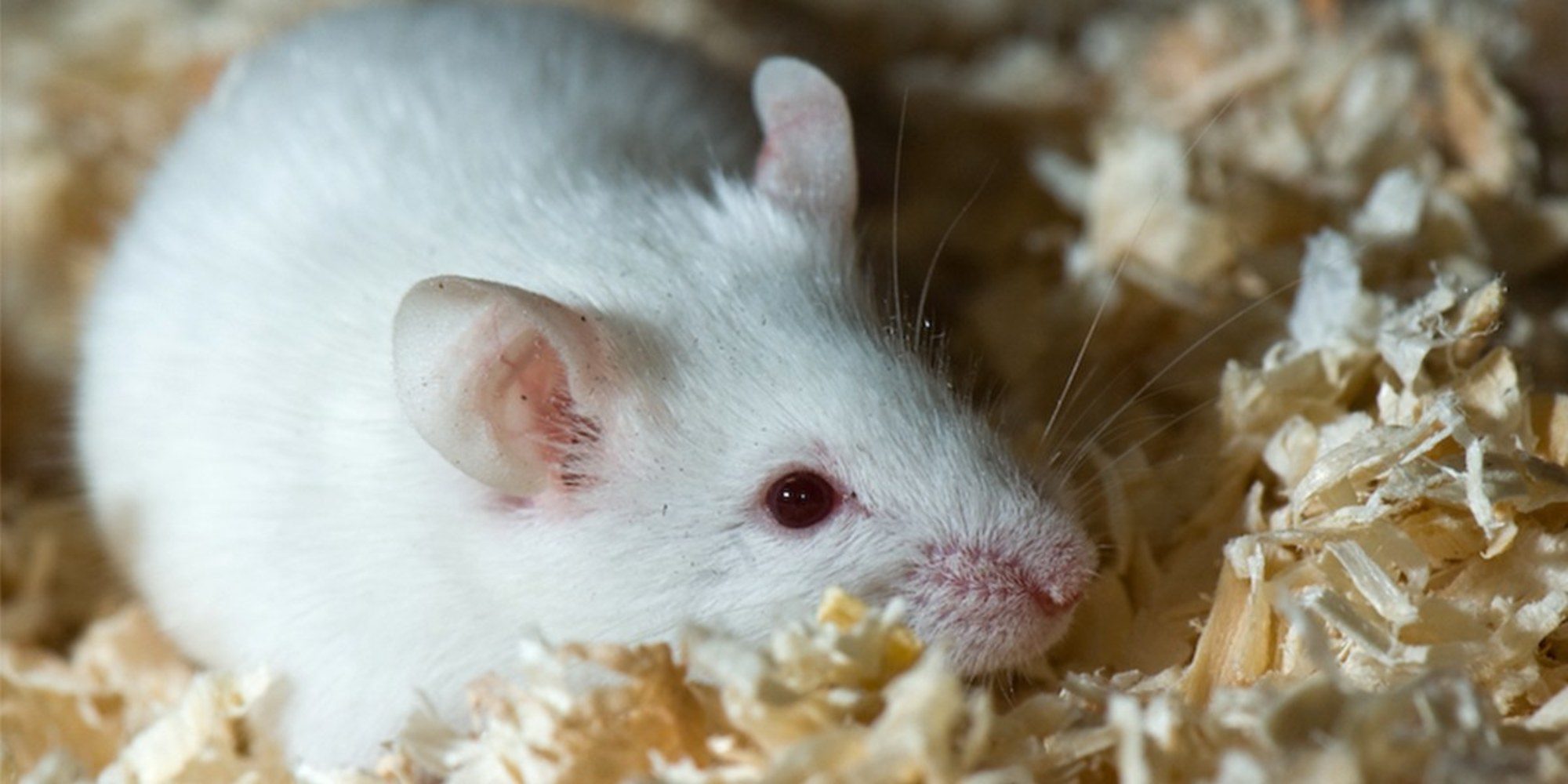
The two-year study ran from 1980-1982 and involved 400 mice divided into groups of 50 males and 50 females that were administered three different doses of the weed killer or received no glyphosate at all for observation as a control group. The study was conducted for Monsanto to submit to regulators. But unfortunately for Monsanto, some mice exposed to glyphosate developed tumors at statistically significant rates, with no tumors at all in non-dosed mice.

February 1984 memo from Environmental Protection Agency toxicologist William Dykstra stated the findings definitively: “Review of the mouse oncogenicity study indicates that glyphosate is oncogenic, producing renal tubule adenomas, a rare tumor, in a dose-related manner.” Researchers found these increased incidences of the kidney tumors in mice exposed to glyphosate worrisome because while adenomas are generally benign, they have the potential to become malignant, and even in noncancerous stages they have the potential to be harmful to other organs. Monsanto discounted the findings, arguing that the tumors were “unrelated to treatment” and showing false positives, and the company provided additional data to try to convince the EPA to discount the tumors.

But EPA toxicology experts were unconvinced. EPA statistician and toxicology branch member Herbert Lacayo authored a February 1985 memo outlining disagreement with Monsanto’s position. A “prudent person would reject the Monsanto assumption that Glyphosate dosing has no effect on kidney tumor production,” Lacayo wrote. ”Glyphosate is suspect. Monsanto’s argument is unacceptable.”

Eight members of the EPA’s toxicology branch, including Lacayo and Dykstra, were worried enough by the kidney tumors in mice that they signed a consensus review of glyphosate in March 1985 stating they were classifying glyphosate as a Category C oncogen, a substance “possibly carcinogenic to humans.”

Must Read: Gluten, Candida, Leaky Gut Syndrome, and Autoimmune Diseases

Research rebuttal

That finding did not sit well with Monsanto, and the company worked to reverse the kidney tumor concerns. On April 3, 1985, George Levinskas, Monsanto’s manager for environmental assessment and toxicology, noted in an internal memorandum to another company scientist that the company had arranged for Dr. Marvin Kuschner, a noted pathologist and founding dean of the medical school at the State University of New York at Stony Brook, to review the kidney tissue slides.

Kushner had not yet even accessed the slides but Levinskas implied in his memo that a favorable outcome was assured: “Kuschner will review kidney sections and present his evaluation of them to EPA in an effort to persuade the agency that the observed tumors are not related to glyphosate,” Levinskas wrote. Notably, Levinskas, who died in 2005, was also involved in efforts in the 1970s to downplay damaging findings from a study that found rats exposed to Monsanto’s PCBs developed tumors, documents filed in PCB litigation revealed.

Kuschner’s subsequent re-examination did —as Monsanto stated it would—determine the tumors were not due to glyphosate. Looking over slides of the mouse tissue from the 1983 study, Kuschner identified a small kidney tumor in the control group of the mice – those that had not received glyphosate. No one had noted such a tumor in the original report. The finding was highly significant because it provided a scientific basis for a conclusion that the tumors seen in the mice exposed to glyphosate were not noteworthy after all.

Additionally, Monsanto provided the EPA with an October 1985 report from a “pathology working group” that also rebutted the finding of the connection between glyphosate and the kidney tumors seen in the 1983 study. The pathology working group said “spontaneous chronic renal disease” was “commonly seen in aged mice.” Monsanto provided the report to the EPA stamped as a “trade secret” to be kept from the prying eyes of the public.

The EPA’s own scientists still did not agree, however. An EPA pathologist wrote in a December 1985 memo that additional examination of the tissue slides did not “definitively” reveal a tumor in the control group. Still, the reports by the outside pathologists brought into the debate by Monsanto helped push the EPA to launch a reexamination of the research.

And by February 1986 an EPA scientific advisory panel had dubbed the tumor findings equivocal; saying that given the tumor identified in the control group by some pathologists, the overall incidences of tumors in the animals given glyphosate were not statistically significant enough to warrant the cancer linkage.

The panel did say there may be reason for concern and noted that the tumor incidences seen in the mice given glyphosate were “unusual.”

The advisory panel told the EPA the studies should be repeated in hopes of more definitive findings, and that glyphosate be classified into what the agency at that time called Group D—“not classifiable as to human carcinogenicity.” The EPA asked Monsanto for a repeat of the mouse oncogenicity study but Monsanto refused to do so.

The company argued “there is no relevant scientific or regulatory justification for repeating the glyphosate mouse oncogenicity study.” Instead, the company provided EPA officials with historical control data that it argued supported its attempt to  downplay the tumor incidences seen in the worrisome 1983 study.

The company said the tumors in mice appear “with some regularity” and were probably attributable to “genetic or environmental” factors. “It is the judgement of Monsanto scientists that the weight-of-evidence strongly supports a conclusion that glyphosate is not oncogenic in the mouse.” Monsanto said repeating the mouse study would “require the expenditure of significant resources… and tie-up valuable laboratory space.”

Feds fold

The discussions between Monsanto and the EPA dragged on until the two sides met in November 1988 to discuss the agency’s request for a second mouse study and Monsanto’s reluctance to do so. Members of the EPA’s toxicology branch continued to express doubts about the validity of Monsanto’s data, but by June of 1989, EPA officials conceded, stating that they would drop the requirement for a repeated mouse study.

By the time an EPA review committee met on June 26, 1991, to again discuss and evaluate glyphosate research, the mouse study was so discounted that the group decided that there was a “lack of convincing carcinogenicity evidence” in relevant animal studies. The group concluded that the herbicide should be classified far more lightly than the initial 1985 classification or even the 1986 classification proposed by the advisory panel. This time, the EPA scientists dubbed the herbicide a Group E chemical, a classification that meant “evidence of non-carcinogenicity for humans.” At least two members of the EPA committee refused to sign the report, stating that they did not concur with the findings. In a memo explaining the decision, agency officials offered a caveat. They wrote that the classification “should not be interpreted as a definitive conclusion that the agent will not be a carcinogen under any circumstances.”

Despite the EPA’s ultimate conclusion, the mouse study was among those cited by IARC for classifying glyphosate as a probable human carcinogen. Indeed, many other animal studies have similarly had questionable results, including a 1981 rat study that showed an increase in incidences of tumors in the testes of male rats and possible thyroid carcinomas in female rats exposed to glyphosate and a 1990 studythat showed pancreatic tumors in exposed rats. But none have swayed the EPA from its backing of glyphosate safety.

Christopher Portier, who was an invited specialist to the IARC review of glyphosate and is former director of the National Center for Environmental Health and Agency for Toxic Substances and Disease Registry at the U.S. Centers for Disease Control and Prevention, believes the evaluations applied to glyphosate data by regulators are “scientifically flawed” and putting public health at risk.

“The data in these studies strongly supports the ability of glyphosate to cause cancer in humans and animals; there is no reason to believe that all of these positive studies arose simply by chance,” Portier said.

Monsanto fought the plaintiffs’ request to view the mouse tissue slides, calling it a “fishing expedition,” but was overruled by U.S. District Judge Vince Chhabria who is overseeing the roughly 60 combined lawsuits under his purvey. Monsanto has confirmed that roughly 900 additional plaintiffs have cases pending in other jurisdictions. All make similar claims – that Monsanto manipulated the science, regulators and the public in ways that hid or minimized the danger posed by its herbicide.

“The importance of the original kidney slides and the re-cut kidney slides is immense to the question of general causation and played a critical role in the EPA’s decision to re-categorize glyphosate…” the plaintiffs’ attorneys stated in a court filing.

Plaintiffs’ attorney Aimee Wagstaff reiterated that in a recent court hearing, telling Judge Chhabria that the events surrounding the 1983 mouse study “sort of dominoed,” and potentially are “extremely relevant” to the cancer litigation.

(First published in Environmental Health News)

Recommended Reading:

First Urban ‘Agrihood’ In America Feeds 2,000 Households For Free

(True Activist) The agrihood is located in Detroit, Michigan, and feeds thousands of families in the area. Children and adults can learn about sustainable agriculture when they take part in the food forest’s development.

Have you ever contemplated the fact that humans are the only species on Earth that pays to live on the planet? This continues, despite the fact that there is presently more than enough resources to care for every citizen.

As a matter of fact, enough food is produced around the world to feed 10 billion people. However, because 70% of the mono crops which are grown are  feed livestock intended for slaughter, a distribution problem exists. In effect, 795 million people go to bed hungry each evening.

Solving the conundrum of world hunger has been many peoples’ dream. Hopefully, it will be remedied within the next century or two. Perhaps one of the ways inspired activists will make this ambition a reality is to install more community gardens which can offer nutrient-dense food to local civilians for free!

If it sounds too good to be true, look no further than what has developed in Michigan. Inhabitat reports that in the city of Detroit – which is recognized as a location where many families are affected by economic imbalance, America’s first urban ‘Agrihood’ exists and it feeds approximately 2,000 households.

The Michigan Urban Farming Initiative (MUFI) is responsible for implementing the three-acre project. Two acres of the land is devoted to growing crops, such as fruits and vegetables, and the remaining one acre allows for a fruit orchard with 200 trees. Additionally, a sensory garden has been constructed for kids to experience and learn more about sustainable agriculture.

MUFI explains its project as an alternative neighborhood growth model which centers around urban agriculture. Co-founder and president of the non-profit, Tyson Gersh, explained in a statement:

“Over the last four years, we’ve grown from an urban garden that provides fresh produce for our residents to a diverse, agricultural campus that has helped sustain the neighborhood, attracted new residents and area investment.”

Volunteers are essential for MUFI to flourish. Reportedly, plans are in the works to construct a 3,200 square-foot Community Resource Center at the agrihood. The building will serve as a colorful headquarters and education center. Nearby, a health food cafe will also be built, and it will likely utilize crops grown in the urban food forest.

Every individual and family deserve to have abundant access to nutrient-dense, life-saving foods. Please like, comment on, and share this article if you think more cities need similar initiatives.

More Details Emerge in Organic Dairy Fraud

(Dr. Mercola) U.S. prices of wholesale organic milk have dropped significantly — in some cases by more than 30 percent — in the last year. While this might seem like welcome news for consumers looking for a price break on this premium milk, it comes at a cost to small farmers — some of whom are selling organic grass fed milk at non-organic prices or, worse, being forced to dump it.1

Small farmers risk being forced out of business in this market, even as the organic dairy industry has grown in size. The problem is that as larger industrialized farms have entered the organic market, it’s increasingly pushed the small players by the wayside. The Washington Post reported a glaring reason why: The number of organic cows rose by 13 percent from 2008 to 2015, but the amount of organic milk products produced rose by 35 percent.2

The Northeast Organic Dairy Producers Alliance (NODPA) attributed some of the increase to “better practices,” but others, including an investigation by The Washington Post, suggest skimping on organic practices may be a better description.3 Even NODPA noted the reason behind the large jump is “the increase in those mostly larger herds where the cows are fed in the barn instead of going out to pasture as the organic regulations require.”4

Large Organic Dairies Skimping on Grazing Time

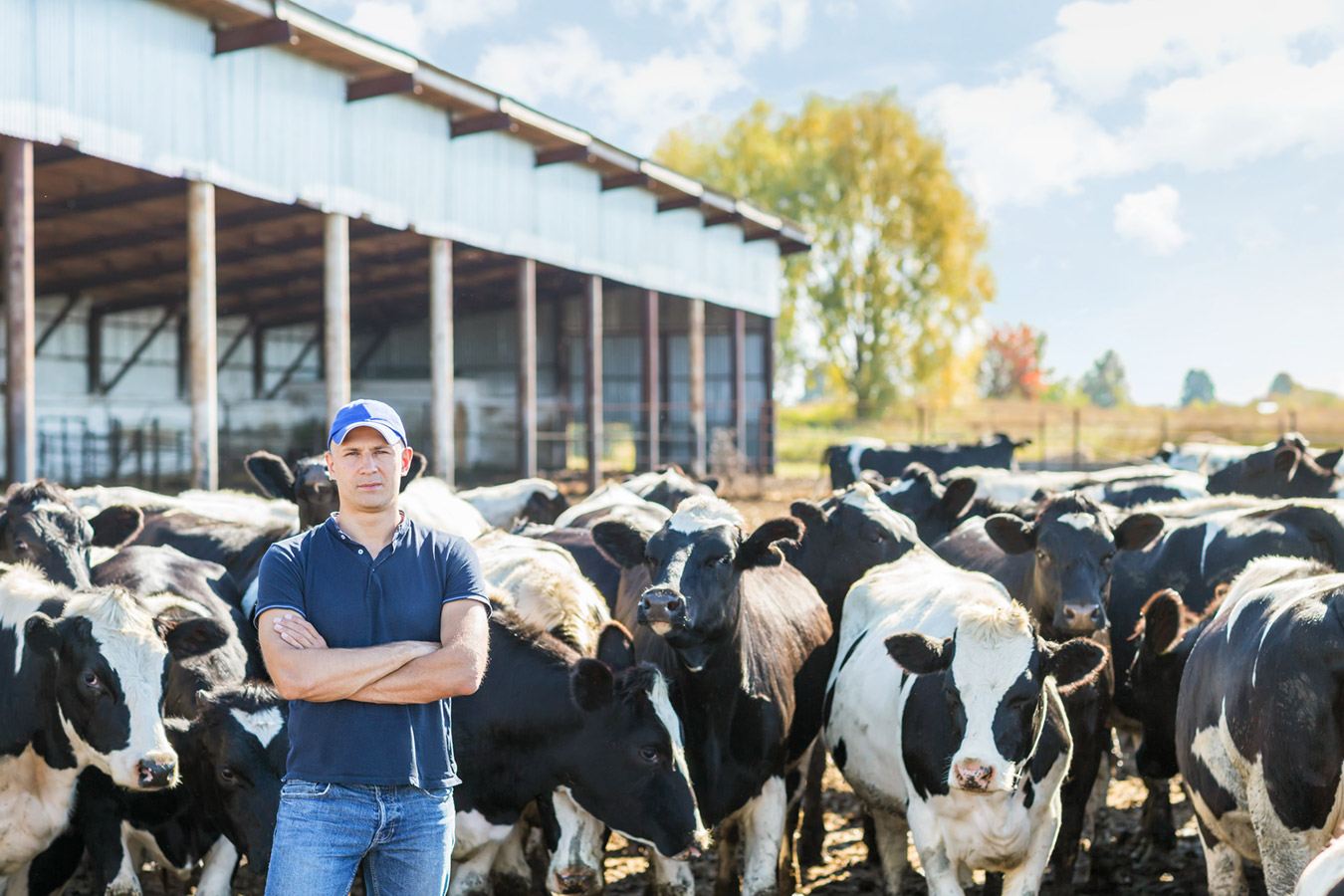
Cows produce more milk, faster, when they’re fed grain in the barn, as opposed to grazing on grass on pasture. Industrialized organic dairies are capitalizing on this by skimping on grazing time, raising thousands of cows in veritable CAFOs (concentrated animal feeding operations), yet still gaining the USDA organic label that suggests otherwise.

When the Post visited Aurora Organic Dairy in Colorado, the company that provides organic store brands to corporations like Wal-Mart, Target and Costco, a few problems were evident right off the bat. For starters, the farm is massive, housing 15,000 cows, “making it more than 100 times the size of a typical organic herd,” the Post noted. Further, organic standards require that cows have free access to certified organic pasture for the entire grazing season, but there are large loopholes in the requirement.

The Post investigation revealed that Aurora Organic Dairy appears to be stretching the limits of the rule, noting that “signs of grazing were sparse, at best” and “at no point was any more than 10 percent of the herd out.”5

The Post even had samples of Aurora’s organic milk tested for “a key indicator of grass-feeding” (its fatty acid profile), which revealed the milk matched conventional, not organic milk. When raised correctly, organic milk contains about 25 percent less omega-6 fats and 62 percent more omega-3 fats than conventional milk, along with more vitamin E, beta-carotene and beneficial conjugated linoleic acid (CLA).6

Organic Violators Allowed to Keep Operating

Unfortunately, the U.S. Department of Agriculture (USDA) is not doing nearly enough to protect the integrity of its organic label. Farmers hire their own inspection agencies to comply with USDA rules, and even when violations are found, they typically amount to only a slap on the wrist in terms of punishment.

In 2007, for instance, while the USDA sanctioned Aurora Organic Dairy for willfully violating organic standards, the farm was allowed to continue operating after a settlement was reached. Mark Kastel of the Cornucopia Institute told the Post:7

“The USDA has shown a remarkable lack of interest in whether these big organic dairies are really organic … Most times, they don’t even investigate. And when they find a problem, there’s very little punishment, if any. It’s a gross betrayal of the spirit of the organic law.”

The latest Post investigation did prompt some of Aurora’s wholesale customers to look into their practices but so far none, including Wal-Mart and Costco, have decided to change suppliers. Meanwhile, small farmers who allow their herds to graze the right way are unable to compete with the industrialized organic farms that are cutting corners, yet both get rewarded with the same USDA organic label.

Organic Amish farmer James Swantz told the Post, “We know with that high concentration of cows that it’s impossible to meet the grazing rule … They’re not organic. No way.”8

The Cornucopia Institute has engaged with two law firms that are investigating Aurora’s role in creating a glut of organic milk that has driven prices down and pushed many small farmers out of the business. Kastel told Sustainable Food News the law firms are investigating “the gross amount of milk [Aurora Organic Dairy] creates and … the marketplace pressure their customers place on the balance of participants in the industry.” He continued:9

“We are in the exploratory stage right now … It appears that there is a good legal basis to pursue this and we are attempting to develop a plaintiff pool. We just need to have solid and creditable plaintiffs with standing. We have already had a number of farmers who have expressed a willingness to pursue this legal action prior to our outreach …”

Dairy Industry Forced to Make ‘Grass Fed’ & ‘Free-Range’ Claims as Organic Label Damaged

With the organic dairy label under increased scrutiny, the U.K.’s Arla Foods has changed the name of its Arla Organic Farm Milk to Arla Organic Free Range Milk. Studies have shown that many people in the U.K. are unaware that organic milk comes from cows with free access to pasture (or at least is supposed to), which is why Arla is highlighting the fact on its label.

The company claims that its cows are outside for an average of 200 days per year.10 Likewise, in the U.S., Organic Valley also offers a separate Grassmilk brand promoting 100 percent grass fed milk and cows fed no grain. According to the company:11

“Since grazing is a bedrock principle of our organic farming practices, all Organic Valley farmer-owners nationwide do their utmost to maximize fresh and dried forages to maintain the health and well-being of their animals, and because they know that milk produced from grazing cows contains increased levels of beneficial omega-3 and (CLA) fatty acids.”

As for why some Organic Valley milk is 100 percent grass fed and some is not, they explained that not all farms have the land base available to produce enough forage for cows when grains are removed from their diet. In addition, they noted some farms’ soils “are not ready for full conversion to pasture” while “cows must be transitioned slowly from a grain diet, to less grain, to no grain.”12

Similarly, Organic Pastures calls their milk “grass-grazed” as opposed to “grass fed,” the latter of which they point out could mean virtually anything, like “grazed at some point,” leading to milk with questionable nutritional value.13 Unfortunately, even with a claim of grass fed, it’s still a buyer beware market when it comes to choosing dairy. As it stands, dairy can be sold as “grass fed” whether the cows ate solely grass or received silage, hay or even grains during certain times.

Fortunately, the American Grassfed Association (AGA) recently introduced much-needed grass fed standards and certification for American-grown grass fed dairy,14 which will allow for greater transparency and conformity.15 I would strongly advise you to ensure your dairy is AGA certified as grass fed. As reported by Organic Authority:16

The new regulations are the product of a year’s worth of collaboration amongst dairy producers like Organic Valley as well as certifiers like Pennsylvania Certified Organic and a team of scientists.

‘We came up with a standard that’s good for the animals, that satisfies what consumers want and expect when they see grass fed on the label, and that is economically feasible for farmers,’ says AGA’s communications director Marilyn Noble of the new regulations.”

Non-Organic Ben & Jerry’s Continues to Stall on Cleaning Up Dairy

A recent commentary written by Will Allen and Michael Colby, co-founders of the organic advocacy group Regeneration Vermont, for Vermont Digger reveals that ice cream maker Ben & Jerry’s, which is owned by Unilever, is still not living up to their natural and socially responsible reputation. Ben & Jerry’s does some things right, like supporting GMO labeling, and their environmentally friendly image has propelled the ice-cream maker to a $600 million-a-year enterprise — slated to be a billion-dollar-a-year corporation by 2020.17

However, Ben & Jerry’s is a non-organic dairy, and they source their milk largely from CAFOs. In Vermont, more than 200 dairy farms have transitioned to organic and returned their cows to a grass-based diet. Regeneration Vermont is dedicated to bringing sustainable, regenerative agriculture back to Vermont and that includes bringing Ben & Jerry’s into the discussion.

Regeneration Vermont has urged the ice cream maker to source milk from organic/regenerative farmers, which would signal to desperate dairy farmers that there’s another, viable option to the destructive GMO, CAFO method that’s currently considered the norm. Allen’s and Colby’s commentary explains:18

We shared all of our research on labor abuse, animal abuse, farm bankruptcy, water pollution and damaged rural communities with Ben & Jerry’s. We also introduced them to consultants and resources in an effort to convince them that going organic would not only be good for them — practicing what they preach and all — but it would also be an essential lifeline for farmers in the state who wanted to convert to organic but had no market.

Instead of greenwashing, we argued that they could finally advertise their decision to completely clean up their supply chain. They said they would get back to us.”

As of July 2017, however, they have not, and they continue to profit immensely off cheap, inhumanely produced and environmentally destructive milk while passing themselves off as a natural, environmentally responsible company. Allen and Colby continue:

Stalling has been refined to an art form with Ben & Jerry’s social mission and dairy teams. In April 2016, they felt that they would have a decision on changing their dairy sourcing by September/October 2016. When October came, they felt that they would have a decision by December. In December, we were told that February or March would be when they made their sourcing decision …

Finally, April or May was to be the target date for making sourcing decisions. It is now July — still no decision, still no meeting with the CEO. Still stalling … It’s time to stop pretending that Ben & Jerry’s is a socially or environmentally conscious corporation. They know how damaging their milk supply chain is. They know that labor is being abused. They know that cows are burning out before they are [5] years old.

They know that antibiotics were being misused. They know that the dairies that supply their milk are polluting our drinking water and most of the rivers and lakes in Vermont. They can’t pretend that they didn’t know how damaging their supply chain is, because we shared all this data with them. Yet they refuse to act.”

Cornucopia’s Organic Dairy Scorecard Helps Level the Playing Field

How can you tell if your organic milk comes from grass fed cows being raised humanely on a small family farm — or from a pseudo-organic CAFO? Getting your raw milk from a local organic grass fed farm or co-op is best, but if you’re considering milk from another source, check out Cornucopia’s Organic Dairy Scorecard.19 The Cornucopia Institute is an organic industry watchdog whose core constituencies are family farmers across the U.S. and consumers concerned about the availability and quality of organic foods.

Their goal is to empower you to make informed purchasing decisions. You might be surprised to see many big-name organic brands ranking near the bottom of the list, even receiving a “zero” rating. In this case, it’s not worth your money to pay for an “organic” product that’s likely no better than conventional. You’d be better served by supporting the ethical farms that received a “4- or 5-cow” rating instead (meaning their farming practices are either excellent or outstanding).

While you’ll certainly notice the difference in flavor when purchasing truly grass fed, organic dairy, you can even see the difference. Grass fed organic milk tends to be yellowish, not pure white. The coloration comes from the natural antioxidant carotenoids found in the grass, which is a precursor to vitamin A. When cows are raised on dried grass or hay, as opposed to fresh-growing grass, you end up with a whiter product, which is an indication of reduced carotenoid and antioxidant content.

The increased coverage about certain big-name organic brands putting out a sub-par product is important news for consumers, but please don’t let it deter you from supporting the organic farmers raising truly grass fed cows. For more information about finding high-quality farm-fresh foods near you, see the links below:

American Grassfed Association

The goal of the American Grassfed Association is to promote the grass fed industry through government relations, research, concept marketing and public education.

Their website also allows you to search for AGA approved producers certified according to strict standards that include being raised on a diet of 100 percent forage; raised on pasture and never confined to a feedlot; never treated with antibiotics or hormones; and born and raised on American family farms.

EatWild.com

EatWild.com provides lists of farmers known to produce raw dairy products as well as grass fed beef and other farm-fresh produce (although not all are certified organic). Here you can also find information about local farmers markets, as well as local stores and restaurants that sell grass fed products.

Weston A. Price Foundation

Weston A. Price has local chapters in most states, and many of them are connected with buying clubs in which you can easily purchase organic foods, including grass fed raw dairy products like milk and butter.

Grassfed Exchange

The Grassfed Exchange has a listing of producers selling organic and grass fed meats across the U.S.

Local Harvest

This website will help you find farmers markets, family farms and other sources of sustainably grown food in your area where you can buy produce, grass fed meats and many other goodies.

Farmers Markets

A national listing of farmers markets.

Eat Well Guide: Wholesome Food From Healthy Animals

The Eat Well Guide is a free online directory of sustainably raised meat, poultry, dairy and eggs from farms, stores, restaurants, inns, hotels and online outlets in the United States and Canada.

Community Involved in Sustaining Agriculture (CISA)

CISA is dedicated to sustaining agriculture and promoting the products of small farms.

FoodRoutes

The FoodRoutes “Find Good Food” map can help you connect with local farmers to find the freshest, tastiest food possible. On their interactive map, you can find a listing for local farmers, CSAs and markets near you.

The Cornucopia Institute

The Cornucopia Institute maintains web-based tools rating all certified organic brands of eggs, dairy products and other commodities, based on their ethical sourcing and authentic farming practices separating CAFO “organic” production from authentic organic practices.

RealMilk.com

If you’re still unsure of where to find raw milk, check out Raw-Milk-Facts.com and RealMilk.com. They can tell you what the status is for legality in your state, and provide a listing of raw dairy farms in your area. The Farm to Consumer Legal Defense Fund also provides a state-by-state review of raw milk laws. California residents can also find raw milk retailers using the store locator available at www.OrganicPastures.com.

USDA Drops Plan to Test for Monsanto Weed Killer in Food

The U.S. Department of Agriculture has quietly dropped a plan to start testing food for residues of glyphosate, the world’s most widely used weed killer and the key ingredient in Monsanto Co.’s branded Roundup herbicides.

(U.S. Right To Know – By Carey Gillam)

The agency spent the last year coordinating with the Environmental Protection Agency (EPA) and the Food and Drug Administration (FDA) in preparation to start testing samples of corn syrup for glyphosate residues on April 1, according to internal agency documents obtained through Freedom of Information Act requests. Documents show that at least since January 2016 into January of this year, the glyphosate testing plan was moving forward. But when asked about the plan this week, a USDA spokesman said no glyphosate residue testing would be done at all by USDA this year.

The USDA’s plan called for the collection and testing of 315 samples of corn syrup from around the United States from April through August, according to the documents. Researchers were also supposed to test for the AMPA metabolite, the documents state. AMPA (aminomethylphosphonic acid) is created as glyphosate breaks down. Measuring residues that include those from AMPA is important because AMPA is not a benign byproduct but carries its own set of safety concerns, scientists believe.

On Jan. 11, USDA’s Diana Haynes wrote to colleagues within USDA: “Based on recent conversations with EPA, we will begin testing corn syrup for glyphosate and its AMPA metabolite April 1, 2017 with collection ending August 31, 2017. This program change will need to be announced at the February PDP Conference Call.” Haynes is director of a USDA Agricultural Marketing Service division that annually conducts the Pesticide Data Program (PDP), which tests thousands of foods for hundreds of different pesticide residues.

The USDA spokesman, who did not want to be named, acknowledged there had been a glyphosate test plan but said that had recently changed: “The final decision for this year’s program plan, as a more efficient use of resources, is to sample and test honey which covers over 100 different pesticides.” Glyphosate residue testing requires a different methodology and will not be part of that screening in honey, he said.

The USDA does not routinely test for glyphosate as it does for other pesticides used in food production. But that stance has made the USDA the subject of criticism as controversy over glyphosate safety has mounted in recent years. The discussions of testing this year come as U.S. and European regulators are wrestling with cancer concerns about the chemical, and as Monsanto, which has made billions of dollars from its glyphosate-based herbicides, is being sued by hundreds of people who claim exposures to Roundup caused them or their loved ones to suffer from non-Hodgkin lymphoma. Internal Monsanto documents obtained by plaintiffs’ attorneys in those cases indicate that Monsanto may have manipulated research regulators relied on to garner favorable safety assessments, and last week, Congressman Ted Lieu called for a probe by the Department of Justice into Monsanto’s actions.

Along with the USDA, the Food and Drug Administration also annually tests thousands of food samples for pesticide residues. Both agencies have done so for decades as a means to ensure that traces of weed killers, insecticides, fungicides and other chemicals used in farming do not persist at unsafe levels in food products commonly eaten by American families. If they find residues above the “maximum residue level” (MRL) allowed for that pesticide and that food, the agencies are supposed to inform the EPA, and actions can be taken against the supplier. The EPA is the regulator charged with establishing MRLs, also called “tolerances,” for different types of pesticides in foods, and the agency coordinates with USDA and FDA on the pesticide testing programs.

But despite the fact that glyphosate use has surged in the last 20 years alongside the marketing of glyphosate-tolerant crops, both USDA and FDA have declined to test for glyphosate residues aside from one time in 2011 when the USDA tested 300 soybean samples for glyphosate and AMPA residues. At that time the agency found 271 samples contained glyphosate, but said the levels were under the MRL – low enough not to be worrisome. The Government Accountability Office took both agencies to task in 2014 for the failure to test regularly for glyphosate.

Europe and Canada are well ahead of the United States when it comes to glyphosate testing in food. In fact, the Canadian Food Inspection Agency (CFIA) is preparing to release its own findings from recent glyphosate testing. The CFIA also routinely skipped glyphosate in annual pesticide residue screening for years. But it began collecting data in 2015, moving to address concerns about the chemical that were highlighted when the World Health Organization’s International Agency for Research on Cancer (IARC) classified glyphosate as a probable human carcinogen in March 2015.

Canadian food activist and researcher Tony Mitra obtained more than 7,000 records from CFIA about its glyphosate testing last year, and claims that results are alarming, showing glyphosate pervasive in many foods. CFIA would not respond to requests for comment about its glyphosate testing.

One of the USDA’s explanation’s for not testing for glyphosate over the years has been cost – the agency has said that it is too expensive and inefficient to look for glyphosate residues in food headed for American dinner tables. And because glyphosate is considered so safe, testing would be a waste of time, the USDA has stated. That argument mimics Monsanto’s own – the company, which patented glyphosate in 1974 and has been a dominant provider of glyphosate ever since, says if the USDA did seek to test for glyphosate residues in food it would be a “misuse of valuable resources.”

FDA TESTS REMAIN IN LIMBO

The FDA began its own limited testing program for glyphosate residues – what it called a “special assignment” – last year. But the effort was fraught with controversy and internal difficulties and the program was suspended last fall. Before the suspension, one agency chemist found alarming levels of glyphosate in many samples of U.S. honey, levels that were technically illegal because there have been no allowable levels established for honey by the EPA. That revelation caused angst in the beekeeping industry and at least one large honey company was sued by consumer organizations over the glyphosate contamination. The same chemist also found glyphosate levels in many samples of oatmeal, including infant oat cereal. The FDA did not publicize those findings, but they were revealed in internal records obtained through a FOIA request.

Officially, the FDA was only looking for glyphosate residues in corn, soy, eggs and milk in last year’s testing assignment, though internal records discussed tests on sugar beets, popcorn, wheat and other foods or grains. Newly obtained FDA documents show the agency is engaged now in a “glyphosate collaboration” designed to validate the testing methodology to be used by multiple FDA laboratories.

“Once the first phase of this collaboration is completed and approved by quality control reviewers, the special assignment can be restarted,” said FDA spokeswoman Megan McSeveney.

CropLife America, an industry organization that represents the interests of Monsanto and other agrichemical companies, keeps a close eye on the government’s pesticide residue testing. Last year the organization sought to diffuse potential legal problems related to glyphosate and other pesticides in honey by asking EPA to set a blanket tolerance that would cover inadvertent contamination of honey by pesticides. Records show regulators have found 26 different pesticides in honey samples in past tests.

CropLife also has complained to USDA that data from its testing program is used by proponents of organic agriculture to promote organics over conventional foods. The group last year sent USDA a series of questions about its testing, and asked USDA: “What can we do to assist you in fighting these scaremongering tactics?”

The USDA’s most recent published report on pesticide residues in food found that for 2015 testing, only 15 percent of the 10,187 samples tested were free from any detectable pesticide residues. That’s a marked difference from 2014, when the USDA found that over 41 percent of samples were “clean” or showed no detectable pesticide residues. But the agency said the important point was that most of the samples, over 99 percent, had residues below the EPA’s established tolerances and are at levels that “do not pose risk to consumers’ health and are safe.”

Many scientists take issue with using MRLs as a standard associated with safety, arguing they are based on pesticide industry data and rely on flawed analyses. Much more research is needed to understand the impact on human health of chronic dietary exposures to pesticides, many say.

(First appeared in The Huffington Post.)

Related Reading: