Environmental Emphasis: The Sustainable Home Recycled

The American dream of a large, palatial home filled with possessions is dying. Simply put, this concept is no longer a sustainable option. Rethinking dreams and ideals is what environmental consciousness is all about, a spur to something brand-new and exciting.

Many of us really ‘live’ in only a portion of our spacious homes. Usually, those rooms will be the kitchen and living room area. Do we need all that extra space that we are paying to heat, cool and maintain? A small home constructed with eco-friendly living space has multiple advantages. First of all, small living quarters can give the illusion of light and space to rest the soul without large actual size. Manageability in heating and cooling will grant freedom from high monthly overhead, not to mention real estate taxes and maintenance.

The key to smallness is design. Proper design can give efficient kitchen, bathroom and storage space without the appearance of crowding.

A practical component to smaller living space is the need divest oneself of excessive possessions. Emancipation from the care and purchase of multiple wanted items can be revolutionary. Lifestyle simplification is a very positive benefit of smaller living spaces.

Location, location, location. This is the realtor’s rallying cry, an especially important issue when the goal is an eco-friendly lifestyle. The wrong location can put the kibosh on an environmentally efficient living plan.
For instance, will there be an area of routine sunlight for solar panels? Is the soil and location suitable to grow some food? Will there be proper air circulation and drainage to provide some natural cooling for the home? Is there a way to walk or take public transportation when leaving the home for school or work?

Choices of building materials for the ecologically-friendly house are so diverse and creative that they are mind-boggling. We will begin with some concepts to keep in mind. Builder-speak specifies the need for a ‘tight envelope’. Simply put, the better a building keeps out rain, wind, cold and heat, the better the envelope.

An unusual recommendation for tight insulating material is recycled steel. At least 65 tons of steel are scrapped and recycled every year, and it can be used economically in the place of forest products for beams and structural support.

Insulated concrete buildings reportedly saved 20 percent more energy than homes constructed with wood framing in cold climates. The secret is in pouring the concrete into walls with insulation material sandwiched between. Creativity with cement and its forms is practically limitless.

Straw is a by-product of the grain industry that is well-known for its isolative qualities. Animals are bedded with straw. Today, people take advantage of straw by building homes from square bales.At first, this concept may seem a lesson in disaster. What if it becomes wet, or filled with insects?

At first, this concept may seem a lesson in disaster. What if it becomes wet, or filled with insects?
Good questions.

According to the California Straw Building Association, straw will last for thousands of years if kept dry. Dryness is paramount. The key is bonding the straw with stucco and plaster for walls and the outside surface. When that is accomplished, straw bales provide structure and good isolative qualities.
Local building ordinances do not often account for straw construction, but, on a case-by-case basis, authorities can manage the situation positively.

Plastic bags seem the quintessential environmental plague. However, if you have recycled them, they may just turn up as a building resource. Brightly coloured bricks are made from plastic bags, which are very difficult to recycle in other ways. The bags are compressed and placed in a heat mould and forced into blocks of plastic. They are too lightweight to be used as outside or bearing walls for a home but are just right to use for room dividers or outside patios.

Bottles become bricks with just a little bit of attention to their design. The Heineken company originated this concept. The owner of the brewery, Alfred Henry Heineken, visited an island in the Caribbean in the 1960’s and was appalled at the lack of housing. Forthwith the company embarked upon a new, brick-shaped bottle that could be reused and built into housing walls.

Some people think that recycling already-used building products will result in derelict design or poor durability. Nothing could be farther than the truth! Though going through old construction waste and configuring it to meet new construction needs is difficult and time-consuming, it can result in a truly unique tribute to home artistry and design.

An internet service called freecycle.org is a site for people wanting to buy or trade construction materials. Habitat for Humanity retails outlets called ReStores that have used and surplus building supplies for sale. The money garnered from the sales is used to financially aid Habitat’s building endeavours for those in need.

Recycling is truly a momentous endeavour today. The technology to recycle just about everything has geared up and produces products from recycled carpet to reformed glass for windows. Agricultural by-products, cardboard, and paper are routinely shredded into home insulation and pressed into particle board. Recycled plastic foam and concrete are formed into Rasta building blocks, lightweight and extremely durable.

The sustainable home concept is thriving through new technologies and the creativity and innovation of builders everywhere.

Sources:

Top Five Benefits of Turmeric

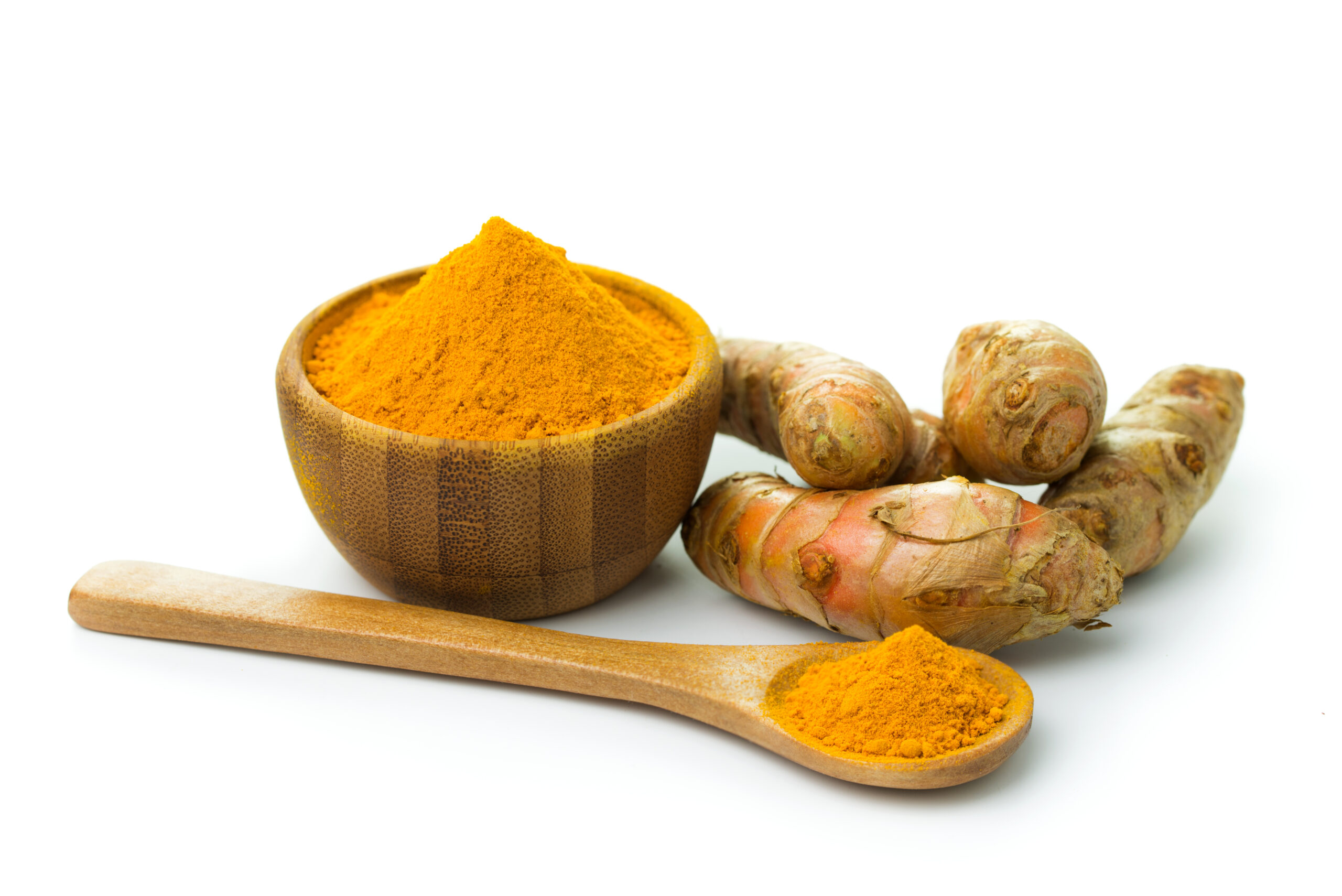
Turmeric and turmeric powder on white background

If you are on the lookout for natural, effective remedies to end your pain or whatever it is that ails you, one chemical compound, curcumin, stands out from the rest. Curcumin is found in turmeric, a yellow to orange colored, herbaceous plant that is a member of the ginger family. Turmeric has been used in Asia for thousands of years due to its medicinal properties. It has also been used as a fabric dye. Today, it is used as spice.

Curcumin, a curcuminoid, is well known for its anti-inflammatory and antioxidant properties. It may even reduce swelling and ease the pain and inflammation associated with osteoarthritis and rheumatoid arthritis.

It is Anti-inflammatory

Inflammation is created when the body fights off foreign invaders. Low-level inflammation is okay, but once inflammation becomes chronic, it’s another story. Chronic inflammation has been a contributor to many diseases including heart disease, metabolic syndrome, cancer, Alzheimer’s, and other degenerative diseases. Curcumin’s anti-inflammatory properties are strong enough to mimic the effects of anti-inflammatory drugs without the side effects. Curcumin fights off inflammation at a molecular level by blocking NF-kB, which plays a major role in most chronic diseases.

Increases Antioxidants in the Body

Oxidative damage, caused by the overproduction of free radicals, contributes to premature aging and other diseases. Antioxidants are important in fighting oxidative damage and providing protection to the body. Curcumin is a very effective antioxidant that can neutralize free radicals and stimulate the body’s own antioxidant enzymes at the same time.

Improves Brain Function and Lowers the Risk for Diseases of the Brain

Curcumin is known to increase the levels of a hormone known as BDNF (Brain-Derived Neurotrophic Factor) that is essential in brain functioning such as growing new neurons and fighting off degenerative brain diseases. Once BDNF levels rise, they will effectively reverse or delay brain disease and decrease age-related brain conditions. Curcumin might also help improve memory. Because of this effect, it can possibly make you smarter.

Curcumin may also help clear up plaques that are responsible for the development of Alzheimer’s disease. It is capable of getting across the blood-brain barrier and may improve the pathological process that leads to Alzheimer’s disease.

Lowers Risk of Heart Disease

Curcumin can help lower the risk of heart disease as it reverses the heart disease process. It also improves the endothelium that lines the blood vessels. The endothelium is responsible for different cardiac functions such as regulating blood pressure, blood clotting, and more. Curcumin is said to improve these functions and is just as effective as exercise. Its effects are also believed to be like the drug Atorvastatin. Curcumin’s antioxidant and anti-inflammatory properties help prevent heart disease, too.

Helps Prevent and Even Treat Cancer

Curcumin can reduce the growth of new blood vessels in tumors and can prevent the growth of new cancer cells. With an absorption enhancer like pepper, curcumin may be the best cancer treatment there is. It is a much safer alternative to pharmaceuticals and does not have any side effects that may cause harm. However, the use of curcumin in cancer treatment and prevention may need further studies.

Related Products:
Related Reading:

Healthy Immune System Improved from Cinnamon Oil


Cinnamon is an aromatic spice that is made from the peeled and dried bark of cinnamon trees. It has been used not only as a spice, but also as a medicine and as a trade commodity for hundreds of years.

Benefits of Cinnamon Oil

Anti-inflammatory

Cinnamon oil is well-known for its anti-inflammatory properties that can help relieve stiff muscles and joints. It is also recommended for people suffering from arthritis and can even alleviate headaches caused by colds.

Treatment for Type II Diabetes

Cinnamon has been found to decrease blood glucose concentration and enhance insulin sensitivity.

Chemopreventive drug

Cinnamon has become one of the most common herbal medicines used for inhibiting tumor growth, particularly in cervical cancer. The reports have shown that cinnamon can cause apoptosis, or cell death, of cervical cancer cells.

Improves Blood Circulation

Cinnamon contains blood thinning properties, which makes the blood circulate in the body effectively. Good blood circulation helps transport the oxygen through all parts of the body. This will result in the proper functioning of all the body systems. It will also prevent heart attacks and stroke.

Antibacterial Properties

Cinnamon oil also has antibacterial properties, as well as anti-fungal, antiviral and antiseptic properties. It is effective in treating infections outside the body and can penetrate deeper into the body as well. Cinnamon oil has also been found to destroy staph infections and germs in the gall bladder.

Different Healthy Ways to Include Cinnamon with Food

  • Add cinnamon to cereal and rice pudding.
  • Ground cinnamon is a great spice for fruit pies such as pear, peach, apple, prune, and apricot.
  • Ground cinnamon can be added to beef or lamb marinades.
  • Cinnamon tea with honey has added health benefits.
  • Boiled milk with a cinnamon stick improves sleep.
  • Make a healthier cinnamon toast without sugar – substitute honey.

Different Types of Cinnamon

Saigon Cinnamon

Saigon cinnamon or Vietnamese cinnamon has superior flavor and odor. It is used mainly in ground form. It is often found in baked goods and processed foods.

Ceylon Cinnamon

It has a subtle and mild scent and is slightly sweeter. It is often seen rolled as a cigar and is soft and crumbly to the touch. It also appears lighter in color. Ceylon cinnamon has low coumarin levels, which are linked to liver failure. So, for those who want to take cinnamon as a daily supplement, Ceylon is the perfect choice.

Cassia Cinnamon

Cassia cinnamon, also known as Chinese cinnamon, is hard, hollow and has only one layer.

Korintje Cinnamon

An intense and spicy cinnamon it is smoother than the others, which is why it is a common choice for bakeries. It is also cheaper, but has a great flavor.

Conclusion

The flavor of cinnamon oil has always been unique. Its aroma is one of the most fragrant and addictive. A daily dose of this spice has many health benefits that will help improve your immune system. So why don’t you try some now?

What’s New With Aldi? The Low-cost Supermarket is Making Green and Healthy Moves

The German grocers, Aldi Süd, made the news a few days ago due to their new ban on pesticides. As of January 1, they are requiring their German and Dutch suppliers to phase out the following eight chemical pesticides that are legal but hazardous to bees:

  • Thiamethoxam
  • Chlorpyrifos
  • Clothianidin
  • Cypermethrin
  • Deltamethrin
  • Fipronil
  • Imidacloprid
  • Sulfoxaflor

Aldi’s ban was in response to a Greenpeace campaign supporting ecological farming. Christiane Huxdorff, Ecological Farming Campaigner at Greenpeace Germany, said, “Aldi Süd shows that the toxic dependency on pesticides can be broken and in this sense becomes a pioneer in the retail sector. Other European supermarkets are now called upon to follow this first step.”

Unfortunately, this ban does not extend to the United States nor does is extend throughout Europe. Ms. Huxdorff confirms that the ban is limited in scope, applying only to German and Swiss production.

Aldi, owned by the Albrecht family, is one of the world’s largest privately owned companies. The company does seem to be moving in the right direction, in more ways than one. Aldi told Business Insider that it has removed “…certified synthetic colors, partially hydrogenated oils, and added MSG from all its private-label products,” which make up 90% of its sales. Aldi is also expanding its selection of organic meat and produce along with its gluten-free brand, liveGfree, and its SimplyNature line, which is free of 125 artificial ingredients. The milk Aldi sells does not contain rBGH. Aldi is in the process of assuring its other dairy products do not contain this growth hormone.

Unlike their sister company, Trader Joe’s, (Trader Joe’s is also owned by the Albrecht family and is in our opinion the Willy Wonka of grocery stores. Where else can you buy chocolate covered potato chips?), Aldi is removing candy from its checkout lanes. Candy will be replaced with healthier options like nuts and trail mix.

If you’ve never shopped at Aldi before, go prepared. You will have to pay a quarter to rent a shopping cart and either bring your own bags or pay for them. You will find items displayed in their boxes in an atmosphere more like a farmer’s market or wholesale mart than a traditional grocery store. Aldi does not accept WIC or checks. Be prepared to pay with cash, debit, or EBT and to bag your own groceries. But be prepared for savings as well. Many bloggers and reporters claim Aldi beats Walmart on price.

If there is no Aldi near you, one may be coming soon. Currently, Aldi operates nearly 1,400 stores in the U.S. but plans to expand to nearly 2,000 stores by 2018. Aldi will open its first stores in Southern California in March 2016. If there is one near you, check it out. We need to support efforts to bring clean, safe, organic foods to market.

Recommended Reading:
Sources:

Inulin – Natural Dietary Fiber

Inulin is a type of fiber consisting of naturally occurring polysaccharides and storage carbohydrates that can be found in 36,000 types of plants and vegetables. If you read the labels on processed foods, you will find that most of them list inulin. Yes, you have eaten inulin many times in your life.

What exactly is inulin? How does it benefit your body?

What You Need To Know About Inulin

Inulin is a non-digestible, natural, soluble dietary fiber that can be found in many varieties of vegetables, fruits, and other food products. It is composed of several simple sugars linked together and is a naturally occurring oligosaccharide that belongs to a group of fructans (carbohydrates).

Inulin is used as a prebiotic agent to stimulate the development of healthy intestinal bacteria. Inulin can be found in common food products such as fruits, vegetables, dietary supplements, and other health supplements.

What Are the Benefits of Inulin?

Inulin has many health benefits especially for those who are having digestion problems. Other benefits include:

  • It controls blood sugar levels. This is especially helpful for diabetes patients. Inulin has natural antioxidant properties that help with balancing the glucose level of the blood.  People who take inulin report better  responses to sugar with blood sugar levels.
  • It lowers risks of hypertension and heart diseases. Research confirms that inulin lowers levels of fats in the body, specifically triglycerides. Patients with heart conditions are given supplements containing inulin. It can prevent high blood pressure and heart problems.
  • It helps with digestion. Studies show that inulin is used to help with bowel movement and digestion. It is used for constipation and irregular bowel movement. It is widely used with elders who have problems with digestion.
  • It can help with weight loss. Although it is rich in fibre and all signs pinpoint to inulin being a weight loss agent, it should be paired with exercise and a healthy diet.

For users with high triglycerides, the recommended dose is 10 to 15 grams every day. For digestion treatments, the recommended dose is 20 to 40 grams every day until the digestion becomes regular again.

Foods Rich in Inulin

Inulin can be found in many food products but some specific foods that are rich in this dietary fibre include:

  • oats
  • wheat
  • bananas
  • berries
  • pineapple
  • asparagus
  • onions
  • radish

Inulin can aid in cleansing and detoxification. Regular use can eliminate digestive problems and remove fats from the body. Thus, this dietary fibre is an absolutely healthy part of your diet.

Recommended Reading: