The Health Benefits of Celery

Celery is a strongly alkaline food that helps to counteract acidosis, purify the bloodstream, aid in digestion, prevent migraines, relax the nerves, reduce blood pressure, and clear up skin problems. Celery contains compounds called coumarins which are known to enhance the activity of certain white blood cells and support the vascular system.

Celery’s rich organic sodium content has the ability to dislodge calcium deposits from the joints and holds them in solution until they can be eliminated safely from the kidneys. Celery is a well known natural diuretic and has ample ability to flush toxins out of the body. Celery also has significant anti-inflammatory properties making it an essential food for those who suffer from auto-immune illnesses. It also contains significant amounts of calcium and silicon which can aid in the repair of damaged ligaments and bones.

Celery is rich in vitamin A, magnesium, and iron which all help to nourish the blood and aid those suffering from rheumatism, high blood pressure, arthritis, and anemia. Fresh celery juice is one of the most powerful and healing juices one can drink. Just 16 oz of fresh celery juice a day can transform your health and digestion in as little as one week.
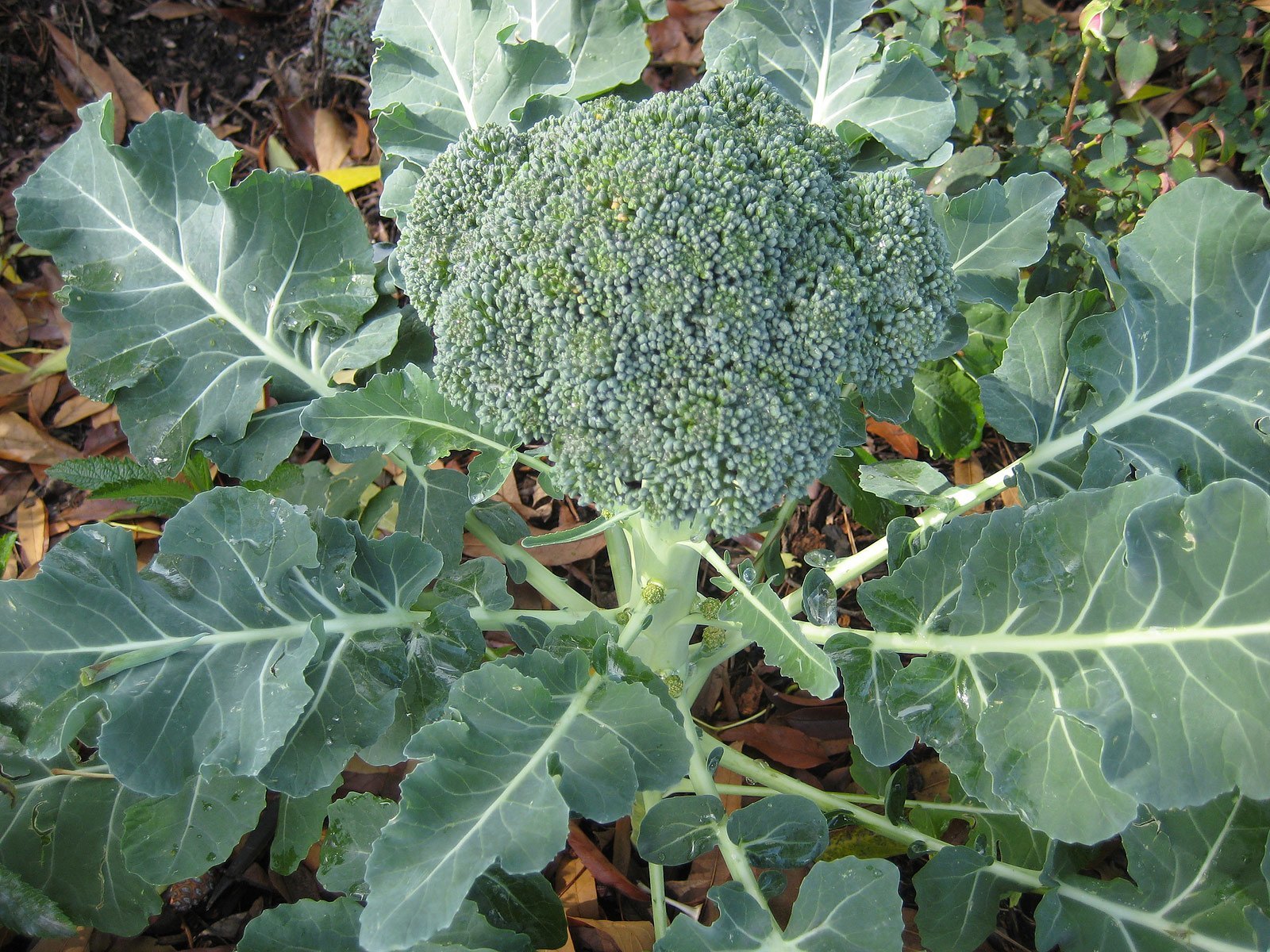

The Health Benefits of Broccoli

Broccoli is a nutrient rich vegetable that has several proven health benefits. It is very high in vitamins, minerals, and phyto-nutrients such as vitamins A, C, K, & B-complex, calcium, magnesium, selenium, zinc, & iron, and beta carotene.

Broccoli is packed with anti-cancer compounds such as sulforaphane and indole-3-carbinol, which are known to help prevent stomach, colon, liver, breast, skin, and prostate cancers. It also has the ability to fight against H.Pylori bacteria that can cause a great amount of discomfort in the digestive tract.

Broccoli is excellent for strengthening and sharpening cognitive abilities such as memory, focus, and concentrations skills. It is also great for helping to prevent Alzheimer’s disease and dementia. Broccoli is highly beneficial for the nervous system and is known to ease migraines, hypertension, anxiety, and nervous ticks. It contains natural antihistamine properties and is fantastic for warding off seasonal allergies, watery eyes, sinusitis, sinus infections, colds, flu, and bronchitis. Broccoli is well known for its ability to protect against heart disease and reduce the risk of atherosclerosis, strokes, and heart attacks. It can also help to lower high blood pressure and maintain good cardiovascular health.

Broccoli is also great for building strong muscles and bones as well as for helping to prevent injury or future osteoporosis. Broccoli is high in fiber which makes it helpful for regulating blood sugar, preventing constipation, and curbing overeating. Broccoli is known to be excellent for vision and eye health and can significantly reduce the risk of macular generation and the need for cataracts. Broccoli is high in protein and contains more protein per cup, than that of rice, while only having half the calories.

Broccoli is most nutritious when eaten raw or steamed and can be easily made into a delicious creamy fat-free soup by adding fully steamed broccoli, carrots, and onions to a blender with a pinch of salt and pepper. Blend until smooth for a nutrient rich and satisfying meal. Steamed potatoes can also be added for a heartier, creamier version, if desired. Broccoli can readily be found at your local supermarket, health food store, and/or farmer’s markets.


The Health Benefits of Mache

Mache is an exceptionally nutritious salad green that is soft, buttery, creamy, and nutty. This delicious flavor profile is due to its high omega-3 content making it one of the most enjoyable and healthy green leafy vegetables available today.

Plant based omega-3’s, like those found in mache, are easily assimilated and allow the body to immediately utilize the nutrition and put it to good use by lowering triglycerides, improving HDL, reducing inflammation, maintaining healthy cognitive function, and reducing the risk of heart disease, cancer, and digestive disorders. Mache has 30% more iron than spinach and is also packed with folic acid which helps to alleviate the effects of depression, fatigue, and stress.

Once a rare speciality green, mache is now found in most major supermarkets in the packaged salad section of the produce department. It is a wonderful base for your salads or can be eaten as a tasty snack straight from the bag.


The Health Benefits of Green beans

Green beans are a nutritious vegetable that are rich in vitamins, minerals, and phytonutrients such as vitamins A & C, calcium, iron, manganese, beta-carotene, and protein. Green beans provide signifiant cardiovascular benefits due to their omega-3 (alpha-linolenic acid) content.

Green beans also contain ant-inflammatory compounds which make them highly beneficial for individuals who suffer with auto-immune disorders such as fibromyalgia, arthritis, COPD, chronic fatigue syndrome, irritable bowl syndrome, chronic sinusitis, bursitis, Raynaud’s syndrome and lupus. They are also known to help prevent type 2 diabetes.

Green beans are an excellent source of dietary fiber and can aid the digestive tract by promoting regular peristaltic action and aid in the removal toxic, cancer-causing substances in the digestive tract. Green beans contain a wide variety of carotenoids such as lutein and neoxanthin and flavonoids such asquercetin and procyanidins which make them excellent for eye health and for preventing disease. Green beans can be snacked on raw, added to salads or soups, or steamed.

Consider trying fresh green beans drizzled with olive oil, seasoned with your favorite spices, and roasted in the oven for 30 minutes for a healthy alternative to french fries. This crispy, savory snack is a great way to get kids and adults to love their vegetables.

Fresh green beans are readily available at your local supermarket in the produce section. Also, keep a lookout at your local farmer’s markets for heirloom varieties of green beans that contain the ultimate in nutritional and health benefits.


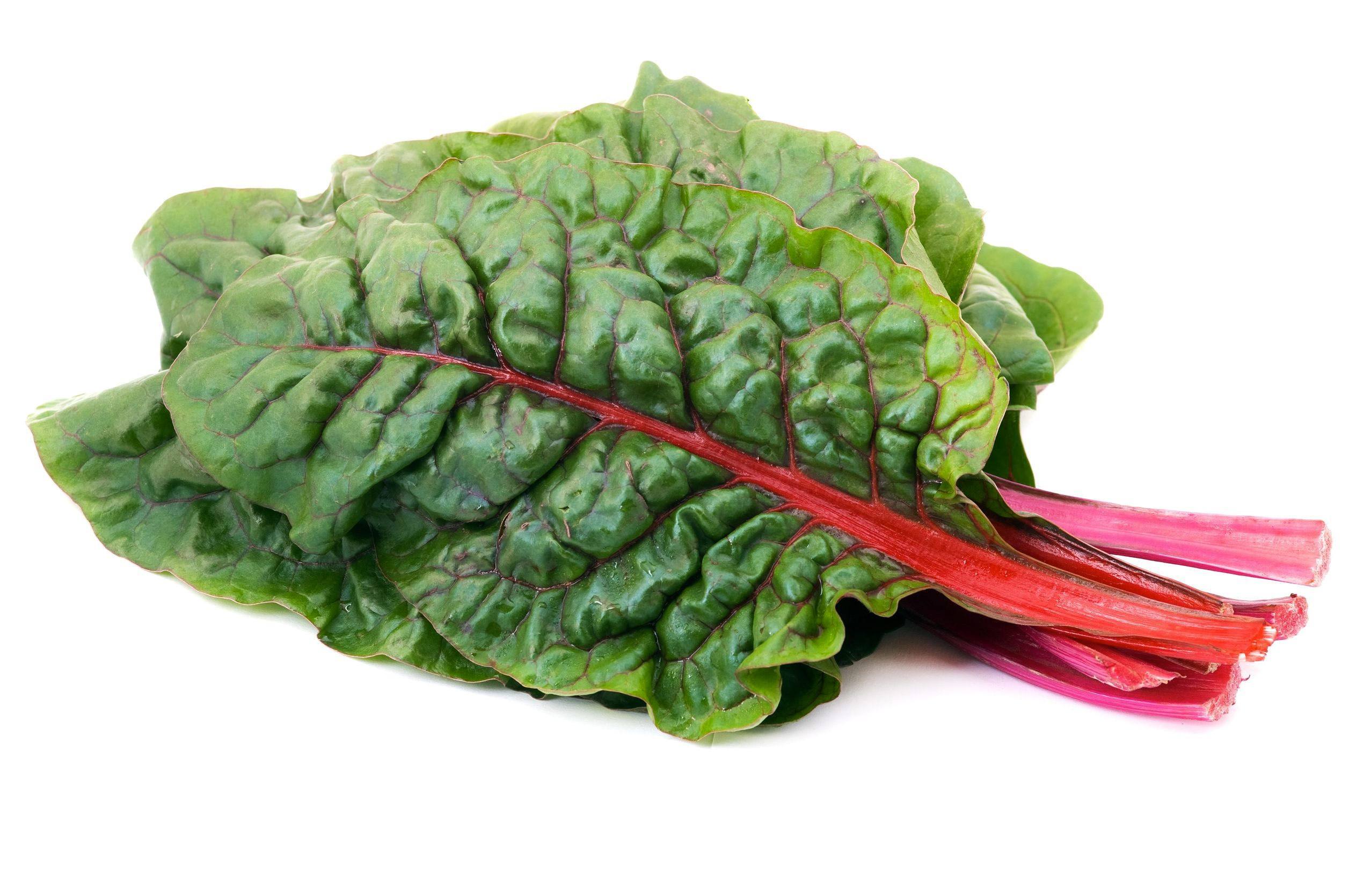
The Health Benefits of Swiss Chard

Swiss chard is a nutrient dense green leafy vegetable that is rich in omega-3 fatty acids, vitamins A, C, & K, and minerals such as iron, calcium, and magnesium.

Swiss chard is incredibly important for bone health and to help prevent breakage, fractures, and osteoporosis.

Swiss chard also contains a compound called syringic acid which has been shown to help regulate blood sugar levels in the body making it a great food for those who have diabetes or blood sugar issues. It is also particularly beneficial for anemia, cardiovascular disease, Alzheimer’s disease, constipation, and breast, prostate, ovarian, bone, liver, stomach, pancreatic, and colon cancers.

Swiss chard has powerful anti-inflammatory properties making it an ideal food for those who suffer with autoimmune disorders such as cardiomyopathy, fibromyalgia, lupus, chronic fatigue syndrome, arthritis, lyme disease, and type 2 diabetes.

It also contains a large number of phytonutrient antioxidants such as betalains which have been shown to help protect the body from chronic illnesses such as heart disease, multiple sclerosis, and COPD.

The nutritional benefits of swiss chard are most readily available when eaten raw or juiced. Swiss chard is a wonderful leafy green to add color and flavor to your salads, smoothies, sandwiches, wraps, and nori rolls and it makes a tasty addition to your freshly made juices. It is also a relatively easy vegetable to grow in containers and in the garden for the freshest variety. Swiss chard can be readily found in your local supermarket, health food store, and farmer’s market.