The Health Benefits of Ashwagandha

Ashwagandha, also known as winter cherry, is a powerful medicinal herb that has incredible adaptogenic properties that can significantly reduce stress related conditions such as adrenal fatigue, adrenal exhaustion, and heart and kidney problems.

Ashwagandha is a rich source of minerals including zinc, iron, calcium, magnesium, vanadium, copper, and cobalt. It is an effective immune boosting herb that has the ability to increase white blood cell count and prepare the body to produce antigens to fight against different infections and allergies. Ashwagandha is also excellent for improving the function of the brain and neurotransmitters which can aid neurological conditions such as brain fog, migraines, tremors, tics & spasms, restless leg syndrome, chronic nerve pain, and shingles.

Ashwagandha also is beneficial for the thyroid as it helps the body produce thyroid hormones which can increase energy, metabolism, and promote a balanced sleep cycle. Ashwagandha has been shown to improve oxygen flow and usage on a cellular level which is very beneficial for those suffering with breathing problems such as COPD and asthma as well as for athletes looking to increase there endurance and strength while training. It is also highly beneficial for depression, anxiety, insomnia, anemia, candida, type 2 diabetes, and autoimmune disorders such as fibromyalgia, lyme disease, chronic fatigue syndrome, and Guillain-barre syndrome.

Historically, ashwagandha has also been used as a natural infertility treatment. Ashwagandha can be taken as a tea by adding 2 tsp of dried to herb to 1 cup of boiling water and allowed to steep for 10 minutes or more. Ashwagandha can also be found online or at your local health food store in tincture, capsule, extract, powder, or tea form.


The Benefits of Apples

Apples are a crunchy, sweet, and satisfying snack that have immune boosting and disease preventing properties. They are a highly alkaline fruit that have the ability to quench both an immediate and cellular-level thirst. Apples are also an amazing detoxifier and contain both malic and tartaric acids that help remove impurities from the liver and gallbladder. Eating two apples or more a day can aid in the prevention of colon, liver, breast, prostate, and lung cancer and can also dramatically decrease the risk of a stroke.

Apples are especially rich in phytonutrients and antioxidants. They have been shown to be beneficial for neuro-degenerative problems such as Alzheimer’s and Parkinson’s disease as well as for bronchial problems such as asthma. Apples have wonderful anti-inflammatory properties and provide significant results for those suffering with autoimmune disorders such as Addison’s disease, Cardiomyopathy, Celiac disease, Lupus, and Multiple Sclerosis.

Apples contain pectin which is a gel-like fiber that can prevent the putrefaction of protein in the digestive tract. Pectin works like an intestinal broom to clean and sweep out debris from the colon. This is particularly beneficial for those who suffer from constipation or impactions. Apple pectin has also been shown to bind with radioactive residues and toxic heavy metals such as lead and mercury and safely remove them from the body.

One more benefit of apple pectin is that it has the ability to limit the amount of fat our adipose cells can absorb by building a barrier that naturally controls the buildup of fat in the body which makes it a great choice for any weight loss program. Try making a super quick and easy nutritious applesauce by blending 2 raw apples with 3 dates and a pinch of cinnamon in the food processor. It is a vibrant, healthy treat that both kids and adults will love.


The Benefits of Aloe Vera Leaf

Aloe vera leaf is a miraculous healing food that is one of the oldest healing remedies and natural antibiotics in the world. Taken internally, aloe works wonders for assimilation, circulation, and elimination. It is known to purify the blood, reduce inflammation, ease arthritis pain, prevent kidney stones, lower high cholesterol, prevent Candida, boost physical endurance, benefit cardiovascular health, and protect the body from oxidative stress. It also soothes ulcers, hemorrhoids, gastritis, diverticulitis, colitis, irritable bowel syndrome, and other digestive disorders.

Aloe provides recovery from fatigue and aids in muscle function as well as optimal utilization of several vitamins, minerals, and enzymes. It’s alkaline nature, helps to soothe acidosis and alkalinize the whole body. Aloe’s clear gel can be applied externally to soothe and relieve pain from sun burn, rashes, bug bites, scratches, and wounds as well as deeply hydrate the skin to prevent wrinkles and aging. It can also be massaged into the hair and scalp to stimulate hair growth and can be used as a toothpaste or mouthwash to keep the mouth healthy, clean, and free from plaque producing bacteria.

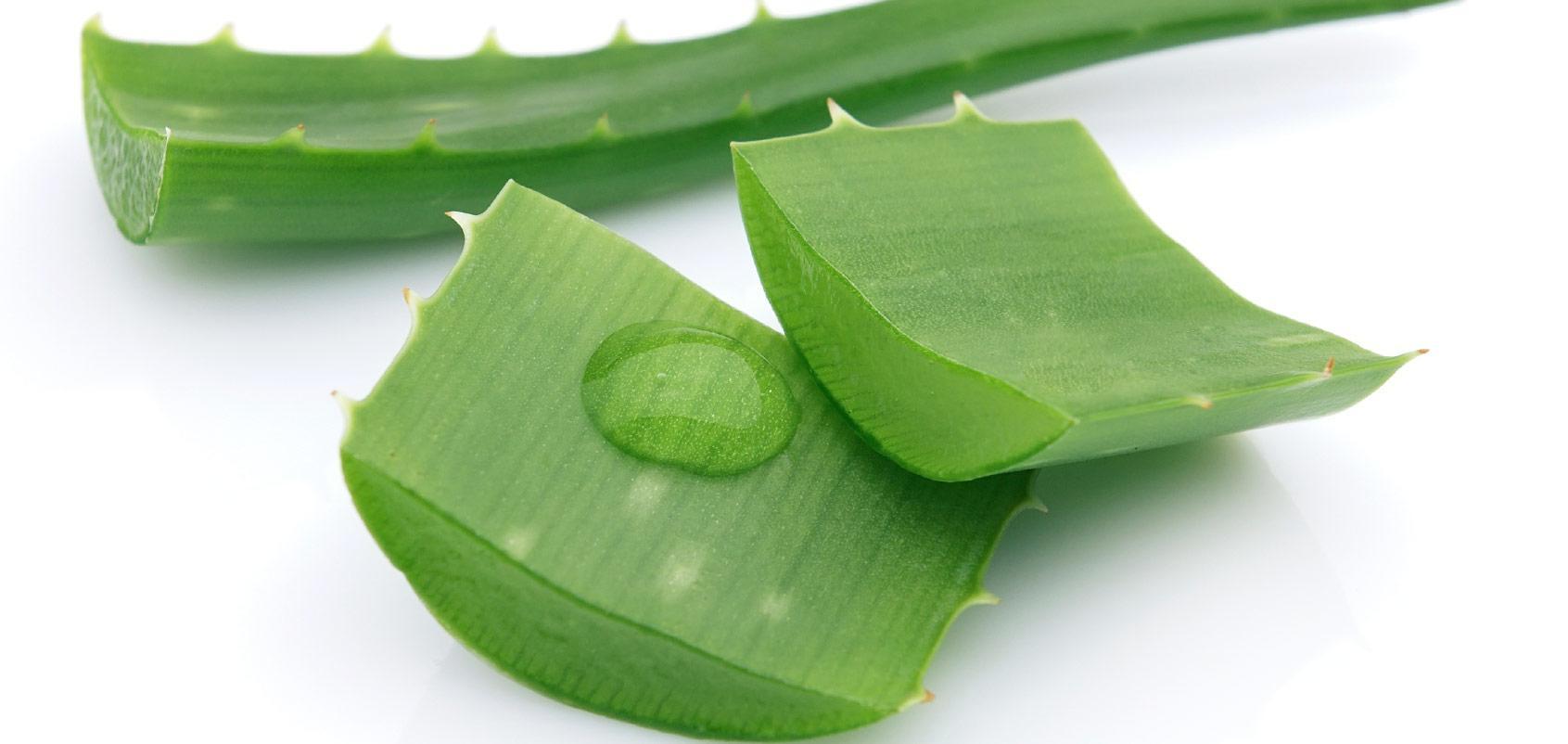
For best results, purchase whole Aloe leaves in the produce section of the grocery store. Cut a 2 inch piece off the leaf and scoop out the clear gel inside. This gel can be blended in water, juice, or smoothies to be taken internally or used externally and applied directly to the skin for quick relief and healing.

Pet Care Tips for Urban Dog Owners

In an ideal world, every dog owner would be able to open his or her back door onto a wide-open field, surrounded by forest, where the pup could run, play and freely interact with nature for hours at a time. Unfortunately, that’s just not the case for many dog owners, especially those who live in apartments in major urban areas.  That’s why it’s so important for urban dwellers to be conscientious pet caretakers whose actions respect their fellow human residents as well as the true nature of their dogs. If you’re willing to make a few changes to your normal pet care routines, you can improve the life and wellbeing of your dog.

Safety

Cities can be pretty dangerous places for dogs, so it’s critical that your first priority is safety.  When you go out for walks, there are several things to keep in mind to make sure no harm comes to your furry friend.

  • Be constantly scanning the sidewalk for objects that could hurt your dog’s paws or cause problems if ingested.  Unfortunately, things like broken glass and plastic debris are common sights on city streets, so it’s your job to be vigilant about where you walk and what you allow your pet to inspect, smell or eat.
  • No matter how friendly your pup is, you should be careful about letting him greet other people or dogs you come across on your walks.  Even the most docile dogs can sometimes react unexpectedly, so whenever another person or pet approaches, be attentive and ready to react in case of an issue.
  • Unless you’re in a safe, enclosed area that allows dogs to be off leashes, you should never let your beloved canine walk around the city on his own.  Even if he’s great about responding to your voice, you would never want to risk him running out into a busy street.
  • I hate to see how frequently people leave their dogs tied up outside of a shop or restaurant.  Not only is it cruel, but there are many dangerous risks involved, including other dogs and people with ill intentions.  Tempting as it may be, you should avoid combining a walk with running errands.

Off the Leash

Leashes are a necessary reality for dog owners, but you should seek off-the-leash opportunities as much as possible.  Dogs are meant to be active without restraint, and having consistent time to do so is very important to their emotional wellbeing.  Most cities now have several dog parks where owners can let their furry friends run around on their own.  And if you don’t have your own backyard, you might have friends or family members who would let you use theirs occasionally. Some urban areas even have dog beaches or forest preserves where dogs are allowed to roam freely – these are ideal as they offer them opportunities to interact with nature, as opposed to just the same old patch of grass.  If possible, you should aim to give your pooch some off-the-leash recreation time every day.

Socialization

If you have more than one dog, they get to socialize all the time, which is great.  But, especially in cities, single dogs are the norm.  You would go crazy if you were rarely given the chance to socialize with peers, right?  Well, just like us, dogs are extremely social creatures and usually love playing with other dogs. If you frequent dog parks or dog-friendly nature areas, you’ll likely come across other owners who are looking to give their dogs a little social play time too.  Otherwise, it might be a good idea to make doggy play dates with other owners you know.  Just make sure that the dogs get along with one another – respect the fact that they have the same type of varied reactions to other dogs as you have to other people.  

Dog Walkers

Though I would never advise for a dog to be left alone for long stretches of time, I know that it’s a reality for many working pet owners.  If that’s the case for you, it’s important to minimize the time your pet is on his own.  First, avoid scheduling other engagements directly after work – even if you go to the gym or out for dinner, make sure to build in time to come home and spend a bit of time with your dog before you head back out. For many urban dog owners, hiring a dog walker is a great solution.  Having someone stop by midway through your work day to pet, walk and comfort your pup is well worth the cost.  As some walkers take a few dogs out at once, this will also give your pup an added social opportunity. “It’s obvious how excited the dogs are to see me.  And I do everything I can to stimulate them – go to different parks, explore new neighborhoods and just generally find ways to let the dogs be dogs, even in the city” said Ryan Fischer, owner of Waggedu, a Manhattan dog walking and sitting service.  Giving your canine friend this social break in the day helps his emotional wellbeing a great deal. As an urban-dwelling dog owner, it’s your responsibility to do whatever you can to accommodate your pet’s instinctual needs and inherent nature.  To do so, you’ll probably need to get a bit creative and invest a little more time and money, but these changes will contribute significantly to the improved health and happiness of your pooch in the long run.

6 Things in Your Home That Are Unintentionally Making Your Family Sick

Carpet

Homes are meant to make a family feel safe, secure, and together. While many people take steps to ensure that their homes are clean and healthy places, there are several considerations you may be overlooking in your endeavors to keep your family healthy. Check out these six areas in your home that might accidentally be causing problems for your family.

Carpeting is a household staple. But carpeting might be making your family feel sick. For one, carpet traps pollen, pet dander, dust mites, and other allergens. Some carpet materials also give off volatile organic compounds. These compounds evaporate and are inhaled, which can cause respiratory problems. Volatile organic compounds don’t just appear in carpeting, either.

To eliminate the problem, furnish your home with items that don’t contain volatile organic compounds by asking at the furniture store. Buy thinner carpeting and keep your home well ventilated.

Dust Mites

Most people with dust allergies are actually allergic to dust mites. The microscopic critters like warm weather and high humidity. When they die, they tend to collect in fabric-based furniture and accessories, like beds, pillows, couches, and the like. So if you or anyone in your family experiences allergy symptoms outside of the typical allergy season, the reaction may be to a dust mite allergy.

There are several steps you can take to reduce the number of dust mites in your home, including keeping your humidity down, regularly washing your linens in hot water, and getting rid of bedroom carpeting.

Drinking Water

The EPA regulates and protects clean drinking water, so most people feel it’s safe to drink straight from the tap. But even with the EPA’s involvement, drinking water may not be as clear of contaminates as we’d like to believe. Trace amounts of pharmaceuticals, like ibuprofen and anticonvulsants, have been found in metropolitan water supplies.

The simple workaround might appear to be to drink water out of bottles, but a lot of water bottles are actually filled with tap water that hasn’t been filtered for these specific contaminates. Consider instead water filtration for the whole house, which has the added bonus of preventing the plastic waste that comes from drinking water out of bottles.

Carbon Monoxide

Most homes have smoke detectors that alert you to the presence of smoke in your house. But unless your smoke alarm specifically also features a carbon monoxide detection system, the dangerous gas might be present in your home without your knowledge. Carbon monoxide is odorless, colorless, and has many common household sources like gas heaters, furnaces, dryers, fireplaces, motor vehicles, and more. To protect your family, make sure carbon monoxide producing devices are properly ventilated, and purchase a detector.

Mothballs

Fumigants are what make mothballs so useful against pests. Mothballs contain chemicals that release into the air and kill pests at high enough doses. But these high doses of chemicals can also be harmful to humans. The side-effects of inhaling these chemicals include dizziness, headaches, vomiting, difficulty breathing, and red blood cell loss. Next time you need to take care of creepy crawly pests, safer ways to treat the problem exist. You can eliminate moths without resorting to mothballs.

Refrigerator

Your refrigerator might also contribute to making your family ill. A packed fridge with incorrectly stored food can end up growing things that cause food poisoning. Plus, if the temperature is off, by even a little bit, it only makes matters worse. Keep your cooked and uncooked foods well away from each other, especially meats. Clean the interior of your fridge regularly. Find out what temperature your fridge should be and check it often.

While checking for mold and having a working smoke detector seem like obvious ways to keep your house clean and your family healthy, you may be overlooking some subtler aspects of the equation. Some of these issues, like dust mites, the refrigerator, and carpeting, aren’t deathly serious, others like carbon monoxide and mothballs can cause serious health problems, especially with prolonged exposure. Thankfully most of these areas are easy to take care of with a little diligence.