Healthy 90 Year-Olds Have The Same Gut Bacteria As 30 Year-Olds

(Natural Blaze by Karen Foster) In one of the largest microbiota studies conducted in humans, scientists have shown a potential link between healthy aging and a healthy gut — finding that the overall microbiome composition of healthy elderly people was similar to that of people decades younger, and that the gut microbiota differed little between individuals from the ages of 30 to over 100.

There are over 400 species of bacteria in your belly right now that can be the key to health or disease.

Health care of the future may include personalized diagnosis of an individual’s “microbiome” to determine what probiotics are needed to provide balance and prevent disease. They’re thought to encode more than 3 million genes in the body, and this complexity of bugs may also be responsible for immune dysfunction that begins with a “failure to communicate” in the human gut, scientists say.

Must Read: Gluten, Candida, Leaky Gut Syndrome, and Autoimmune Diseases

Led by researchers from the Lawson Health Research Institute at Western University, Canada, and Tianyi Health Science Institute in Zhenjiang, Jiangsu, China the study analysed gut bacteria in a cohort of more than 1,000 Chinese individuals in a variety of age-ranges from 3 to over 100 years-old who were self-selected to be extremely healthy with no known health issues and no family history of disease.

The results showed a direct correlation between health and the microbes in the intestine.

”The main conclusion is that if you are ridiculously healthy and 90 years old, your gut microbiota is not that different from a healthy 30 year old in the same population,” said lead researcher Greg Gloor at the Lawson Health Research Institute.

“The aim is to bring novel microbiome diagnostic systems to populations, then use food and probiotics to try and improve biomarkers of health,” added Professor Gregor Reid, also of the Lawson Health Research Institute. “It begs the question – if you can stay active and eat well, will you age better, or is healthy ageing predicated by the bacteria in your gut?”

Cause or Effect?

Whether the findings are the result of cause or effect is unknown, but the team behind the study point out that it is the diversity of the gut microbiota that remained the same through their study group.

Must Read: Autism, Gut Health, Obesity, the MMR Vaccine, and Andrew Wakefield

“This demonstrates that maintaining diversity of your gut as you age is a biomarker of healthy aging, just like low-cholesterol is a biomarker of a healthy circulatory system,” said Gloor.

However, the team go further, by suggest that resetting an elderly microbiota to that of a 30-year-old might help promote health.

“By studying healthy people, we hope to know what we are striving for when people get sick,” said Reid.

The team noted that the present findings suggest that the microbiota of the healthy aged differ little from that of the healthy young in the same population, although the minor variations that do exist depend upon the comparison cohort.

“This baseline will serve for comparison for future cohorts with chronic or acute disease,” wrote the team. “We speculate that this similarity is a consequence of an active healthy lifestyle and diet, although cause and effect cannot be ascribed in this (or any other) cross-sectional design.”

They added that one surprising result was that the gut microbiota of persons in their 20s was distinct from those of other age cohorts.

“This result was replicated, suggesting that it is a reproducible finding and distinct from those of other populations,” said the team — who noted that further work will now investigate this unexpected finding.

Must Read: Candida, Gut Flora, Allergies, and Disease

“This observation may result from an altered diet, altered energy requirements, or an unknown cohort effect, although if the latter, it must have occurred countrywide as the same effect was observed in a population of university age students from Jiangsu Province and from police and military recruits originating from all provinces in China,” the Canadian and Chinese team concluded.

6 SURPRISING FACTS ABOUT MICROBES IN YOUR GUT

1. What’s in Your Gut May Affect the Size of Your Gut

Need to lose weight? Why not try a gut bacteria transplant?

New research published in the journal Science suggests that the microbes in your gut may play a role in obesity.

2. Probiotics May Treat Anxiety and Depression

Scientists have been exploring the connection between gut bacteria and chemicals in the brain for years. New research adds more weight to the theory that researchers call “the microbiome–gut–brain axis.”

Research published in Proceedings of the National Academy of Science shows that mice fed the bacterium Lactobacillus rhamnosus showed fewer symptoms of anxiety and depression. Researchers theorize that this is because L. rhamnosus acts on the central gamma-aminobutyric acid (GABA) system, which helps regulate emotional behavior.

L. rhamnosus, which is available as a commercial probiotic supplement, has also been linked to the prevention of diarrhea, atopic dermatitis, and respiratory tract infections.

Related: Gut Health

3. The More Bacteria the Better

While bacteria on the outside of your body can cause serious infections, the bacteria inside your body can protect against it. Studies have shown that animals without gut bacteria are more susceptible to serious infections.

Bacteria found naturally inside your gut have a protective barrier effect against other living organisms that enter your body. They help the body prevent harmful bacteria from rapidly growing in your stomach, which could spell disaster for your bowels.

To do this, they develop a give-and-take relationship with your body.

“The host actively provides a nutrient that the bacterium needs, and the bacterium actively indicates how much it needs to the host,” according to research published in The Lancet.

4. Gut Bacteria Pass from Mother to Child in Breast Milk

It’s common knowledge that a mother’s milk can help beef up a baby’s immune system. New research indicates that the protective effects of gut bacteria can be transferred from mother to baby during breastfeeding.

Work published in Environmental Microbiology shows that important gut bacteria travels from mother to child through breast milk to colonize a child’s own gut, helping his or her immune system to mature.

5. Lack of Gut Diversity Is Linked to Allergies

Too few bacteria in the gut can throw the immune system off balance and make it go haywire with hay fever.

Researchers in Copenhagen reviewed the medical records and stool samples of 411 infants. They found that those who didn’t have diverse colonies of gut bacteria were more likely to develop allergies.

But before you throw your gut bacteria a proliferation party, know that they aren’t always beneficial.

6. Gut Bacteria Can Hurt Your Liver

Your liver gets 70 percent of its blood flow from your intestines, so it’s natural they would share more than just oxygenated blood.

Related: After Taking Antibiotics, This Is What You Need To Do To Restore Healthy Intestinal Flora

Italian researchers found that between 20 and 75 percent of patients with chronic fatty liver disease–the kind not associated with alcoholism–also had an overgrowth of gut bacteria. Some believe that the transfer of gut bacteria to the liver could be responsible for chronic liver disease.

How Do Probiotics Work?

Probiotics work in many different ways by their production of antimicrobial substances (organic acids, hydrogen peroxide, and bacteriocins) that inhibit pathogen adhesion and degrade toxins produced by microbial invaders. Probiotics resist colonization by competing for binding sites as well as for nutrients with pathogens. In other words, they crowd out pathogens like candida and harmful E. Coli.

Probiotics secrete various proteins that stimulate the immune system both locally and throughout the body, boost intestinal brush border enzyme activity and increase secretory-IgA (a family of antibodies lining mucous membranes). Enzymes like lactase, sucrase, maltase, alpha-glucosidase, and alkaline phosphatase are enhanced by probiotics. Cholesterol and triglyceride blood levels are metabolized and lowered by healthy probiotic populations. Probiotics are able to resist translocation, defined as the passage of pathogens from the GI tract to extraintestinal sites such as the mesenteric lymph node (MLN), spleen, liver, kidneys, and blood.

Does Sickness Smell?

(Dr. Mercola) Your olfactory sense, or the ability to smell, is integral to your health. Inside your nasal passages are two patches of cells designed to detect odors. They are made up of nearly 6 million olfactory receptor cells that allow you to detect and differentiate thousands of different scents. Although impressive, other animals have an even more acute sense of smell as often their survival is dependent on being able to smell enemies or their food.1

Your sense of smell is also intimately tied to your emotions, memories, ability to taste and even to sexual attraction. Research demonstrates that your ability to smell may peak at age 8. According to different studies, you may begin to lose sensitivity to scent between age 15 and your early 20s.2 However, that loss in sensitivity to scent is not consistent from person to person as some 80-year-olds have a sense of smell as keen as that of a young adult.

Some degradation of your sense of smell, and therefore your ability to taste food, may be related to air pollution.3 A combination of solvents, pesticides, disinfectants, pharmaceuticals, and perfumes may have a negative effect over the years on your ability to discern scent and on your sensitivity to smell.4 Loss of this ability may affect your capacity to pull up memories from the past.

Research shows odors are an effective reminder of experience,5 which may be tied to the way your brain processes odors and memories. Researchers have also found your sense of smell may predict your longevity, and you may be able to smell the scent of illness. In other words, the relationship between your sense of smell and your health is a two-way street.

Recommended: Candida, Gut Flora, Allergies, and Disease

Illness Has a Smell

From the early days of medical practice, doctors have used smell and taste to determine if their patients had a disease. Examples may be found from the late 1600s when English physician Thomas Willis observed the relationship between sweet-tasting urine and diabetes,6 to physicians today who may note a fruity scent on the breath of a diabetic whose blood sugar is too high.7 Over the years physicians have moved away from smell and taste to using more reliable methods of diagnosis.

However, a sensitive sense of smell may still give physicians a unique advantage. Some diseases have a particular scent. You may have even detected the scent of a sinus infection on the breath of a loved one. Researchers have described several scents related to diseases,8 including the smell of baked bread on someone with typhoid fever, boiled cabbage in someone unable to metabolize methionine, and the scent of a butcher’s shop on someone who suffers from yellow fever.

It appears that animals use this ability to maintain the health of the group.9 For instance, mice can determine through scent if another is sick, thus avoiding them. After testing this behavior, researchers concluded an inflammatory process in the body of a mouse had a profound impact on social behavior of the individual, reducing the motivation to engage in social interaction. At the same time, illness-related odor cues from a sick mouse inhibited social investigation by healthy members, thus impacting the transmission of disease.

Researchers tested this same response in human behavior and found you likely can smell if an immune response was activated.10Researchers injected participants with an endotoxin and found within a few hours they had a more aversive body odor compared to when they were exposed to a placebo. The researchers believed this chemosensory detection may represent the first experimental evidence that sickness smells.

Recommended: How to Detoxify and Heal the Lymphatic System

The researchers also noted the individuals who were sick did not sweat more. The smell from their body was not only stronger but also had a different odor.11 The smell coming from your body emanates from a variety of different areas, not just sweat or your breath. The scent that is “normal” for you will depend on your age, diet, metabolism, health and gender.12

Mats Olsson, Ph.D., lead researcher evaluating scent change in humans after exposure to an endotoxin, continued this work and found the feelings of disgust individuals experienced after smelling unpleasant smells activated a mild immune reaction.13 This, in turn, may help protect you from getting sick. He also explored other sources of scent, such as breath and urine, and found an inflammatory process was indicated by these odors and was a good indicator of some diseases.

How Does Illness Affect Body Odor?

In the original research, Olsson’s participants rated the scent of body odor, or the scent your body produces after bacteria on your skin breaks down proteins from your sweat into acids.14 Your sweat alone is virtually odorless, but the bacteria on your skin that multiply rapidly in the presence of sweat, and the subsequent breakdown of sweat into acids is what triggers the odor. Your sweat is specific to the individual, which is how dogs and other animals can identify different people.

Recommended: Holistic Guide to Healing the Endocrine System and Balancing Our Hormones

The genes that control your immune response also influence your body odor and scent production. An activated immune response may also change your excretion of metabolic byproducts that may also change your body odor.15 For instance, during stress your cortisol levels are higher, and during an immune response your androgen excretion is lower.16

Another example of body odor changing with different levels of hormones in your body is stress sweat. You likely have experienced this phenomenon at some point in your life — your body odor becomes strikingly different and worse when you are stressed. As cortisol and adrenaline, released when you’re stressed, flood your body, they may cause an increase in sweat production.17

However, this type of sweat is released from two different types of glands under your arms. Eccrine glands secrete sweat when you’re overheated, while apocrine glands contribute sweat when you’re stressed.

The difference is that sweat secreted from your apocrine glands contain more of the nutrients bacteria on your skin require to grow and multiply. These added nutrients increase the byproduct of the bacterial metabolism and change the smell and strength of the odor coming from your sweat. In the same way that a “sick smell” triggers an immune response in others, this type of sweat changes the way you’re perceived.18

Man’s Best Friend May Help Detect Disease

Dogs have been used to help people with diabetes detect abnormally high or low blood sugar before they can feel it and predict seizures before they happen. Today, researchers are working with canines to help detect the scent of cancer. Several demonstrations of how dogs are being used to detect medical changes, including the diagnosis of cancer, are shown in this short news video.

Recommended: How to Make the Healthiest Smoothies – 4 Recipes

A dog’s ability to smell is far greater than a human’s. While you have 6 million olfactory receptor cells, dogs have 300 million, and the part of the brain that is devoted to analyzing those odors is proportionally 40 times larger than yours.19 Dogs in the study in Britain detected bladder and prostate cancer 90 percent of the time or greater. In another study, dogs could detect lung cancer with up to 85 percent accuracy.20

In yet another example, a Labrador retriever was trained to detect the scent of colorectal cancer from breath and stool samples with greater than 90 percent accuracy.21 Using breath samples, the dog could detect colorectal cancer with 91 percent accuracy and had an amazing 97 percent accuracy with stool samples. The researchers concluded:22

“This study shows that a specific cancer scent does indeed exist and that cancer-specific chemical compounds may be circulating throughout the body. These odor materials may become effective tools in colorectal cancer screening.”

Even without training, dogs can detect differences in their owners and warn them of impending problems. In a study of 212 dog owners with medically diagnosed Type 1 diabetes, researchers found 65 percent reported their untrained dogs had warned them of an impending hypoglycemic event by barking and growling.23

Researchers have known that malignant tumors exude tiny amounts of alkanes and benzene derivatives that are not found in healthy tissue.24 In another study using dogs to detect either lung or breast cancers, the researchers found the animals were 88 percent accurate with breast cancer and 99 percent accurate with lung cancer detection, with no false positives.25 However, while the dogs provide a noninvasive way of screening for disease, many medical professionals find the practice controversial.26

Not all studies demonstrate the same accuracy, although the scent may be confounded by other odors present in the area, such as hospital odors when tests are done in the hospital. Accuracy is also slightly different between individual dogs, in much the same way that behaviors between most trained animals occur. Some researchers are interested in isolating the exact compounds detected by the dogs so training may be standardized.

Next-Gen Dog Noses

Since some studies have not been able to replicate the results, and the animals do not perform the same way 100 percent of the time, scientists have been investigating the use of electronic noses. The concept is similar to the devices built to detect explosive components used in bomb making.27 Early use of electronic noses was undertaken by police departments to identify and quantify alcohol use in drivers.

However, for electronic devices to function, researchers must first identify the chemical components of the disease that are causing the smell. Scientists believe this may standardize the process and improve diagnosis using noninvasive methods. Using an electronic method may also overcome skepticism of physicians who may not want dogs participating in the diagnosis of disease, but may be more comfortable with an electronic device similar to one in use since 1967 to test alcohol levels on your breath.28

Recommended: Start Eating Like That and Start Eating Like This – Your Guide to Homeostasis Through Diet

While electronic devices may be more acceptable in the medical community for diagnosis, dogs continue to be an important adjunct to the management of several metabolic and neurological disorders. According to George Preti, Ph.D., organic chemist at Monell Chemical Senses Center:29

“There are groups looking to fund research with dogs as detectors because dogs can pick up the odors in people, particularly children who are not properly regulating themselves, Type 1 diabetic children. They can be trained to pick up this peculiar odor on the breath at an early stage and warn people that they are having a low or going into a high of blood sugar.”

Importance of Smell to Your Health and Predicting Death

Your sense of smell may also have predictive value in determining your longevity, and changes in your sense of smell may indicate the early stages of dementia.30 Smell is inextricably linked to memories formed in the limbic area of your brain. In a study of nearly 3,000 people ages 57 to 85, researchers found that nearly all the participants who could identify only one or two of five different scents had evidence of dementia five years after the test was completed.31

The olfactory nerve is located deep in the base of the brain. When you have problems with smell, it may indicate a higher likelihood you may develop Parkinson’s disease or other neurological disorders, such as Alzheimer’s disease. According to the U.S. Centers for Disease Control and Prevention, Alzheimer’s is the sixth leading cause of death in the U.S. and has an annual research budget of $480 million.32

Recommended: Detox Cheap and Easy Without Fasting – Recipes Included

Researchers hope that by using a simple and inexpensive smell test for early identification, patients may be saved the cost of an MRI and offered early intervention to slow the progression of the disease. In an analysis of similar data from the National Social Life, Health and Aging Project,33 researchers found an inability to perceive odor was associated with a four times greater risk of death in the following five years, compared to those who had a healthy sense of smell.

The researchers took into account potential confounding factors, such as nutrition, smoking, cognitive function and alcohol abuse. The researchers concluded that your olfactory sense was one of the strongest predictors of five-year mortality. As reported in the Guardian:34

“The olfactory nerve is the only part of the nervous system that is exposed to the open air. As such, it offers poisons and pathogens a quick route into the brain, and so losing smell could be an early warning of something that will ultimately cause death.”

The loss of sense of smell is also a symptom of zinc deficiency. You can read more about this deficiency, how to test for it and the foods that may balance your zinc levels in my previous article, “Study Warns That Losing Your Sense of Smell May Mean You May Not Live Much Longer.”

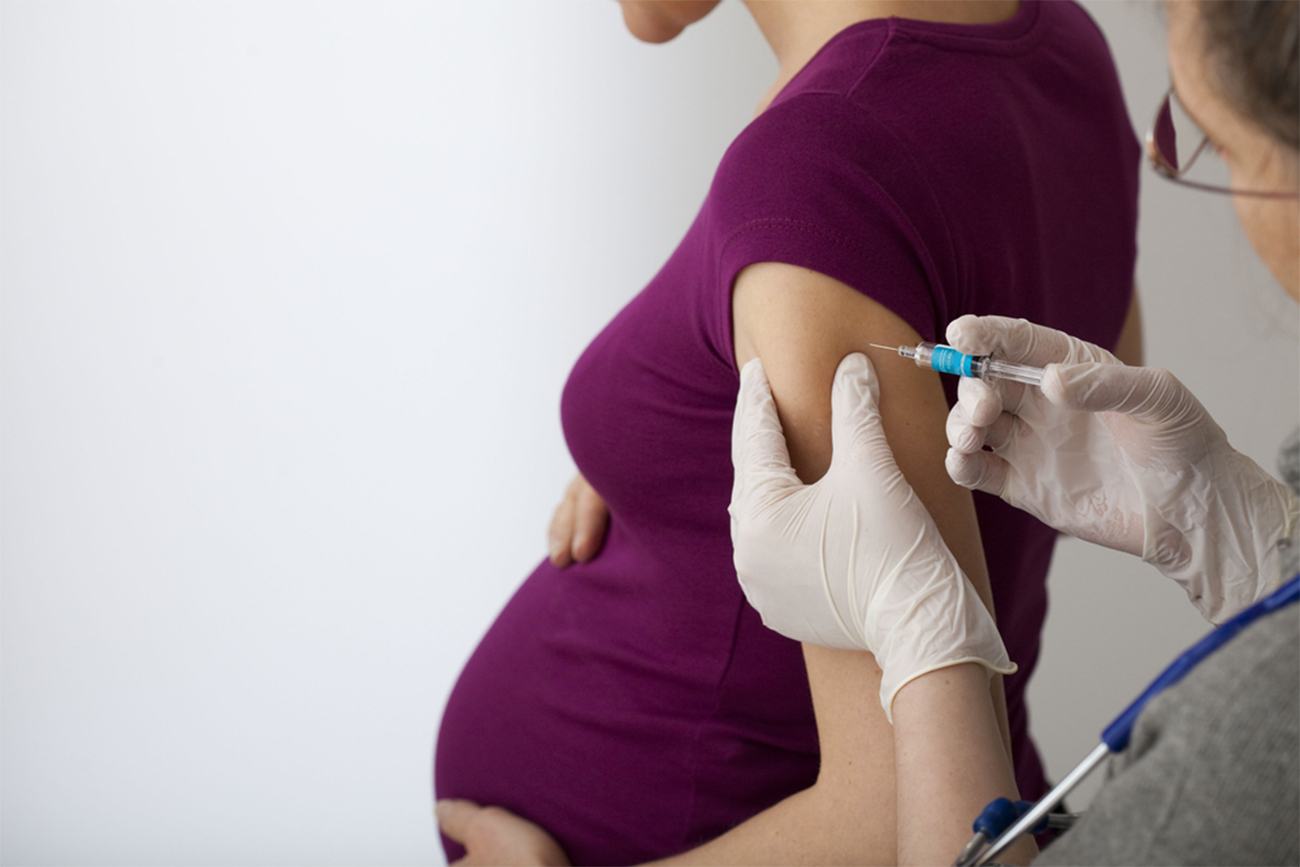
Pregnant Women Who Receive Flu shots at Increased Risks of miscarriages, CDC-funded study finds

(Natural News) If you were told that obediently getting your flu shot every year would give you a 40 to 60 percent shot at avoiding the flu (or zero, if the experts get it wrong that year), but would double your chances of having a miscarriage one day, would you find those odds acceptable? Many women would be appalled if that were true, and would avoid getting the flu shot at all costs. Well, a recent study, published in the journal Vaccine, has reached exactly that conclusion (though everyone seems to be doing their level best to deny the study’s results).

Related:  How To Detoxify and Heal From Vaccinations – For Adults and Children

It is incredibly important to note right at the outset that this study was funded by the Centers for Disease Control and Prevention (CDC) – the very body that determines the country’s annual vaccination schedule, and the biggest vaccine pusher out there. (Related: Flu facts they don’t want you to know about.)

The Center for Infectious Disease Research and Policy (CIDRAP), which is pro-vaccines, recently reported:

A study published today in Vaccine suggests a strong association between receiving repeated doses of the seasonal influenza vaccine and miscarriage. [Emphasis added]

This is an unambiguous warning about repeated doses of the flu vaccine for women planning to have a baby. Nonetheless, the article’s author very quickly tried to soften the blow and protect vaccine industry interests. (Related: Discover the truth at Vaccines.news)

Related: Influenza Vaccine – A Comprehensive Overview of the Potential Dangers and Effectiveness of the Flu Shot

Almost immediately, Stephanie Soucheray, who wrote the CIDRAP article, quoted the lead author of the study as saying that this is not a “causal relationship.” She then interpreted his comment, claiming that “the data don’t necessarily show that the flu vaccine causes miscarriages.”

This is a direct contradiction of her opening remarks, as quoted above.

The study, which was led by James Donahue, DVM, PhD, MPH, a senior epidemiologist at the Marshfield Clinic in Wisconsin, was conducted over the 2010 to 2012 flu seasons, and compared 485 women who had experienced early miscarriage to a number of women who had carried babies to term (either born alive or stillborn).

The research team’s aim was to investigate whether miscarriage was more likely to occur within 28 days of a woman receiving the flu vaccine.

The results were startling.

Related: The MMR Vaccine – A Comprehensive Overview of the Potential Dangers and Effectiveness

For women who had not received a flu shot in the previous year, there was no increased risk of miscarriage. However, women who received back-to-back shots, one of which was the vaccine against the 2009 H1N1 virus, had an adjusted odds ratio (aOR) of 7.7 compared to an aOR of just 1.3 for women who had not been vaccinated during the previous flu season.

The CIDRAP propaganda piece went on to note, “The overall aOR in the 28-day window was 2.0, or double the risk,” but then went on to claim that these results were “not statistically significant.” [Emphasis added]

Soucheray then claimed that the study should essentially not be taken seriously because:

  1. Previous research into a correlation between the flu vaccine and miscarriage did not find the same link; and
  2. It’s likely that only women who would get the flu shot would report it if they had experienced a miscarriage. This, she claims, would skew the results towards an association that isn’t really there. i.e. If you don’t get the flu shot you’re likely ignorant and uneducated and unlikely to report something as massive as a miscarriage to your attending physician.

The CIDRAP article closed off neatly with an admonition to still get your flu shot, and stressed that there was “no change to recommendations.”

Related: Doctors Against Vaccines – Hear From Those Who Have Done the Research

The thing is, even the CDC, which stresses the need for pregnant women to be vaccinated against the flu because of its myriad complications in pregnancy, only promises:

Studies in young healthy adults show that getting a flu shot reduces the risk of illness by 40% to 60% during seasons when the flu vaccine is well-matched to circulating viruses.

What that essentially means is that getting the flu shot gives a pregnant woman a 50/50 shot at preventing the virus, and then only if the vaccine is “well-matched to circulating viruses.”

Before every flu season, experts have to essentially guess which three flu strains are likely to dominate and create a vaccine accordingly. This process is random at best, and with only a 50/50 chance of success, but a 200 percent risk of increased miscarriage, it is something that those hoping to fall pregnant in the future need to weigh very carefully.

Sources:

Microplastics On Beaches Now Recorded At Insane Levels

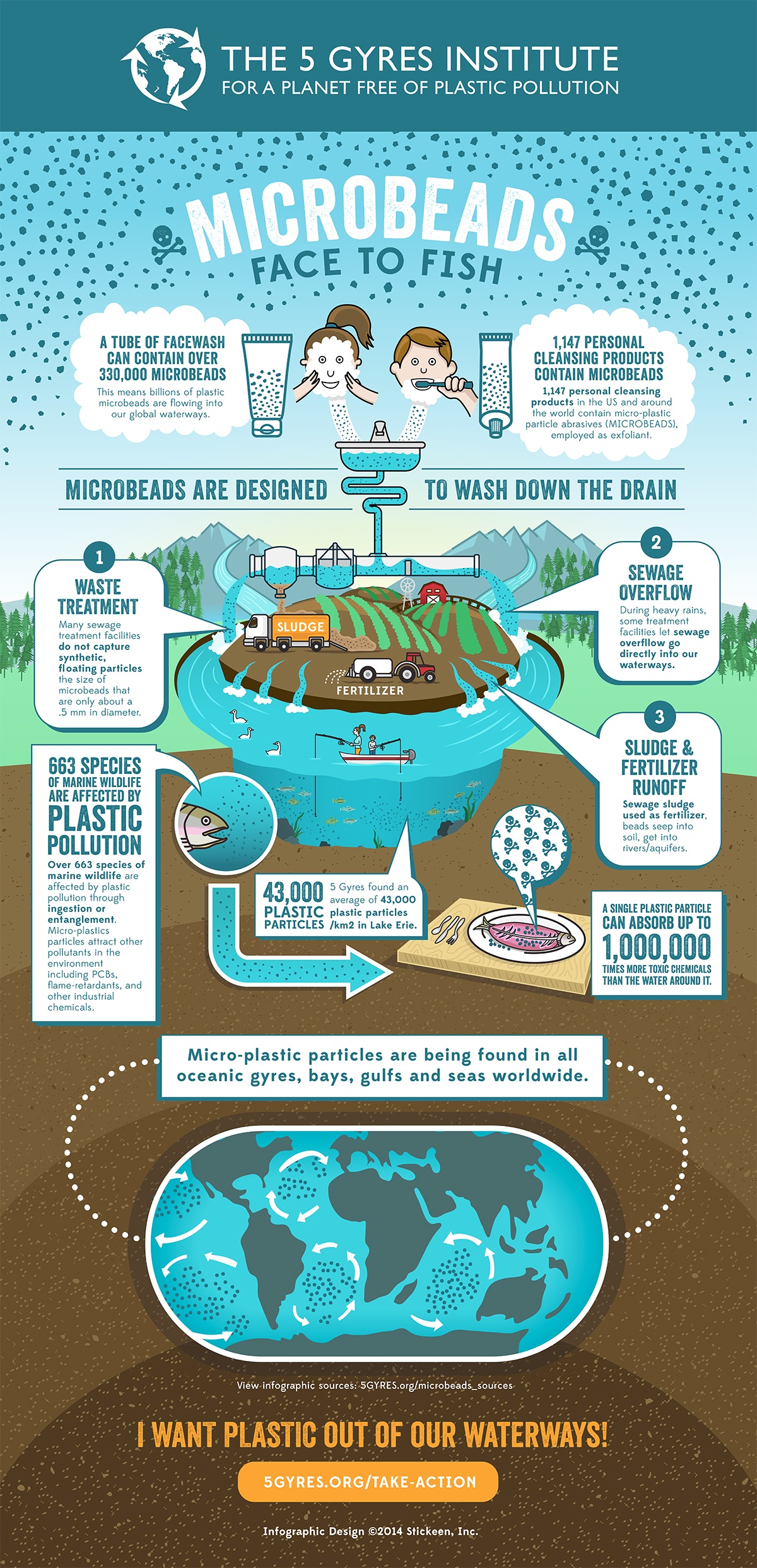
(Natural Blaze By Jason Erickson) More attention is finally being given to determining the ill effects that microplastics (microbeads) are having on human health and the environment. Previous concerns have been raised in everything from toothpaste to beer to the wider ecosystem where it was found to threaten juvenile fish that were becoming addicted to them.

Perhaps even worse is that “an investigation by Orb Media revealed that microplastics were present in 83 percent of drinking water samples. The study encompassed more than a dozen countries, including the U.S., the U.K., France, Germany, Lebanon, Indonesia, Equator, and India.” (Source)

Related: How to Detoxify and Heal the Lymphatic System

Recommended: Start Eating Like That and Start Eating Like This – Your Guide to Homeostasis Through Diet

In a startling case of “the more you seek, the more you find,” a new study orchestrated by a bachelor student and her supervisor from the Leiden University, the Netherlands, along with help from citizen investigators, began collecting samples of European beach sand. It turns out that plastic particles abound in outlandish concentrations right under our feet as we walk among apparently clean and beautiful sand:

They found that every kilogram of sand on European beaches contained on average 250 fragments of microplastic. In some locations the number can be even higher, a spot in Iceland had 700 microplastics per kilogram, in Italy it was as high as 1,500 per kilogram. Bosker has already found relatively high levels in the Netherlands, with 500 fragments per kilo on the beach near to The Hague.

While their findings varied, they found microplastics in every sample taken from 23 locations in 13 European countries.

‘If you fill an espresso cup with sand, it will contain easily twentyfive pieces of plastic, with the number of fragments changing according to the location.’

The researchers have taken steps to standardize their collection process so that even more help can be solicited from the public. In subsequent studies they will be looking at other regions of the world, as well as determining the true nature of the impact that living among pervasive plastic might have on human health and the environment.

Related: Microplastics in Sea Salt – A Growing Concern

You can visit the University website and contact Professor Thijs Bosker if you’d like to inquire about how you can help contribute to this important scientific investigation.

Source: “Plastic Between Your Toes”

Jason Erickson writes for NaturalBlaze.com. This article (Microplastics on European Beaches Recorded at Insane Levels) may be republished in part or in full with author attribution and source link.

Wildfire Smoke and Health: 5 Questions Answered

(The Conversation) Editor’s note: The federal government has declared a public health emergency in Northern California due to wildfires burning across 10 counties. One major threat is smoke, which is causing unhealthy air levels across a wide area, including San Francisco. Atmospheric chemist Richard Peltier explains why smoke from wildfires is hazardous and what kinds of protection are effective.

What substances in wildfire smoke are most dangerous to human health? What kinds of impacts can they have?

Wood smoke contains a mixture of microscopic droplets and particles and invisible gases that spread downwind from the fire source. Surprisingly, relatively few studies have investigated the types of exposures we are now seeing in California. Most studies focus on very controlled laboratory experiments, or forest firefighters who are working on controlled burning, or exposures people in developing nations experience when they use primitive cookstoves. None of these accurately reflects conditions that Californians are experiencing now.

Wood smoke is a very complicated mixture of material in the air, and much of it is known to affect human health. It comes from lots of different fuel sources, including mature trees, dried leaves, forest litter and, unfortunately, local homes. The emissions vary depending on what material is burning and whether it is smoldering or in flames.

For the most part, wildfire smoke is a mixture of carbon monoxide, volatile organic carbon and particles that include alkaline ash, black carbon and organic carbon, which usually contains polyaromatic hydrocarbon, a known cancer-causing agent.

Recommended Reading: Cure Cancer Naturally

Smoke from wildfires in Northern California, Oregon, Washington, Idaho and Montana blankets much of the Pacific Northwest on Sept. 5, 2017. NASA

Is a brief exposure, say for a few hours, dangerous, or is smoke mainly a concern if it lingers for days? How does distance from the fire affect risk?

We don’t fully know how the size and length of the dose affect risks, but the longer you are exposed to pollutants from wood smoke, the higher the risk of developing smoke-related illnesses. Short-term exposures to intense smoke can lead to lung and cardiovascular problems in some people, especially if they are already susceptible to these diseases. Longer-term exposure over a few days or weeks increases the risk and the chance of health impacts as your cumulative dose increases.

Smoke tends to become more diluted with distance from the source, but there really isn’t any way to estimate a safe distance where the pollutants are so diluted that they pose no risk. Eventually rainfall will clean all of this pollution from the atmosphere, but that can take days or even weeks. In the meantime, these pollutants can travel thousands of miles. That means air pollution from wildfires may threaten people who are far downwind.

Image of a plume of high-altitude smoke from a forest fire near Alaska, observed in northern Quebec, Canada, more than 2,000 miles away. Richard PeltierCC BY-ND

How do the worst pollution levels from the wildfires in California compare to bad air days in a megacity like Beijing or Mumbai?

The concentrations of pollution in communities downwind of these fires are on par with what we see in rapidly growing cities such as Mumbai and Beijing. But there is an important difference. In California these pollutants affect a relatively small geographic area, and the affected areas can rapidly shift with changing weather patterns. In locations like Mumbai and Beijing, high concentrations are sustained across the entire region for days or even weeks. Everyone in the community has to endure them, and there is no practical escape. For now, though, Californians are experiencing what it’s like to live in a developing country without strong air pollution controls.

How should people in smoky areas protect themselves? Are there remedies they should avoid?

The most effective way to protect yourself is by staying with friends or family who live far away from the smoke. People who can’t leave the area should close windows and doors, and apply weather sealing if they detect smoke leaking in. Even masking tape can be reasonably effective. But most houses leak outside air indoors, so this strategy isn’t foolproof.

Recommended Reading: How Himalayan Salt Lamps Work

Portable high-efficiency filter devices – often marketed as HEPA – can remove indoor air pollution, but often are too small to be effective for an entire house. They are best used in individual rooms where people spend a great deal of time, such as a bedroom. And they can be very expensive.

N95 mask. Max-Leonhard von SchaperCC BY

Products marketed as air fresheners that use odorants, such as scented candles or oil vaporizers that plug into an outlet, do nothing to improve air quality. They can actually make it worse. Similarly, products that “clean” the air using ozone can release ozone into your home, which is very hazardous.

Personal face mask respirators can also be effective, but not the cheap paper or cloth masks that many people in developing countries commonly use. The best choice is an N95-certified respirator, which is designed to protect workers from hazardous exposures on the job.

These masks are made of special fabric that is designed to catch particles before they can be inhaled. Paper masks are meant to protect you from contact with large droplets from someone who might be ill. N95 respirators block particles from entering your mouth and nose. They can be a little uncomfortable to wear, especially for long periods, but are pretty effective, and many retailers sell them.

What else do scientists want to know about wildfire smoke?

We have a pretty good understanding of the pollutants that wildfires emit and how they change over time, but we don’t have a firm grasp of how different health effects arise, who is most susceptible or what the long-term effects may be. It is not easy to predict where and when wildfires will occur, which makes it hard for scientists to evaluate individuals who have been exposed to smoke. Controlled laboratory studies give us some clues about what happens in the human body, but these exposures often are quite different from what happens in the real world.

The California fires are affecting thousands of people, and it is good to see that firefighters are starting to contain them. But there will be more wildfires, so we need to learn more about how smoke exposure affects people long after the fires end.