Government Study: Higher Levels Of Urinary Fluoride Associated With ADHD In Children

(Natural Blaze) Higher levels of urinary fluoride associated with Attention Deficit Hyperactivity Disorder (ADHD) in children, a government-funded study has just found.

The study looked at both Canadian and United States communities and included researchers from Harvard School of Public Health. 

Higher levels of urinary fluoride during pregnancy are associated with more ADHD-like symptoms in school-age children, according to University of Toronto and York University researchers.

“Our findings are consistent with a growing body of evidence suggesting that the growing fetal nervous system may be negatively affected by higher levels of fluoride exposure,” said Dr. Morteza Bashash, the study’s lead author and researcher at the Dalla Lana School of Public Health.

Recommended: Detox Cheap and Easy Without Fasting – Recipes Included

The study, “Prenatal Fluoride Exposure and Attention Deficit Hyperactivity Disorder (ADHD) Symptoms in Children at 6-12 Years of Age in Mexico City,” published today in Environment International, analyzed data from 213 mother-child pairs in Mexico City that were part of the Early Life Exposures in Mexico to Environmental Toxicants (ELEMENT) project, which recruited pregnant women from 1994 to 2005 and has continued to follow the women and their children ever since.

Tap water and dental products have been fluoridated in communities in Canada and the United States (as well as milk and table salt in some other countries) by varying amounts for more than 60 years to prevent cavities. In recent years, fierce debate over the safety of water fluoridation — particularly for children’s developing brains — has fueled researchers to explore the issue and provide evidence to inform national drinking water standards.

The research team — including experts from the University of Toronto, York University, the National Institute of Public Health of Mexico, University of Michigan, Indiana University, the University of Washington and Harvard School of Public Health — analyzed urine samples that had been obtained from mothers during pregnancy and from their children between six and 12 years of age to reconstruct personal measures of fluoride exposure for both mother and child.

The researchers then analyzed how levels of fluoride in urine related to the child’s performance on a variety of tests and questionnaires that measure inattention and hyperactivity, and provide overall scores related to ADHD. Analyses were adjusted for other factors known to impact neurodevelopment, such as gestational age at birth, birthweight, birth order, sex, maternal marital status, smoking history, age at delivery, education, socioeconomic status and lead exposure.

“Our findings show that children with elevated prenatal exposure to fluoride were more likely to show symptoms of ADHD as reported by parents. Prenatal fluoride exposure was more strongly associated with inattentive behaviours and cognitive problems, but not with hyperactivity,” said Bashash.

Recommended: Foods Most Likely to Contain Glyphosate

This work builds off of previous research the team published on this population demonstrating that higher levels of urine fluoride during pregnancy are associated with lower scores on tests of IQ and cognition in the school-age children.

ADHD is the most common psychiatric disorder diagnosed in childhood, affecting between five and nine per cent of all school-aged children.

“The symptoms of ADHD often persist into adulthood and can be impairing in daily life,” said Christine Till, Associate Professor of Psychology at York University and co-author on the study.

“If we can understand the reasons behind this association, we can then begin to develop preventive strategies to mitigate the risk,” said Till, who is also the principal investigator of another National Institutes of Health-funded grant examining fluoride exposure in a large Canadian sample of pregnant women.

This article (Government Study: Higher Levels of Urinary Fluoride Associated with ADHD In Children) appeared at Natural Blaze and can be republished with attribution/link back to the homepage.

Just 10 Streams Carry 95 Percent of Plastic Into Oceans

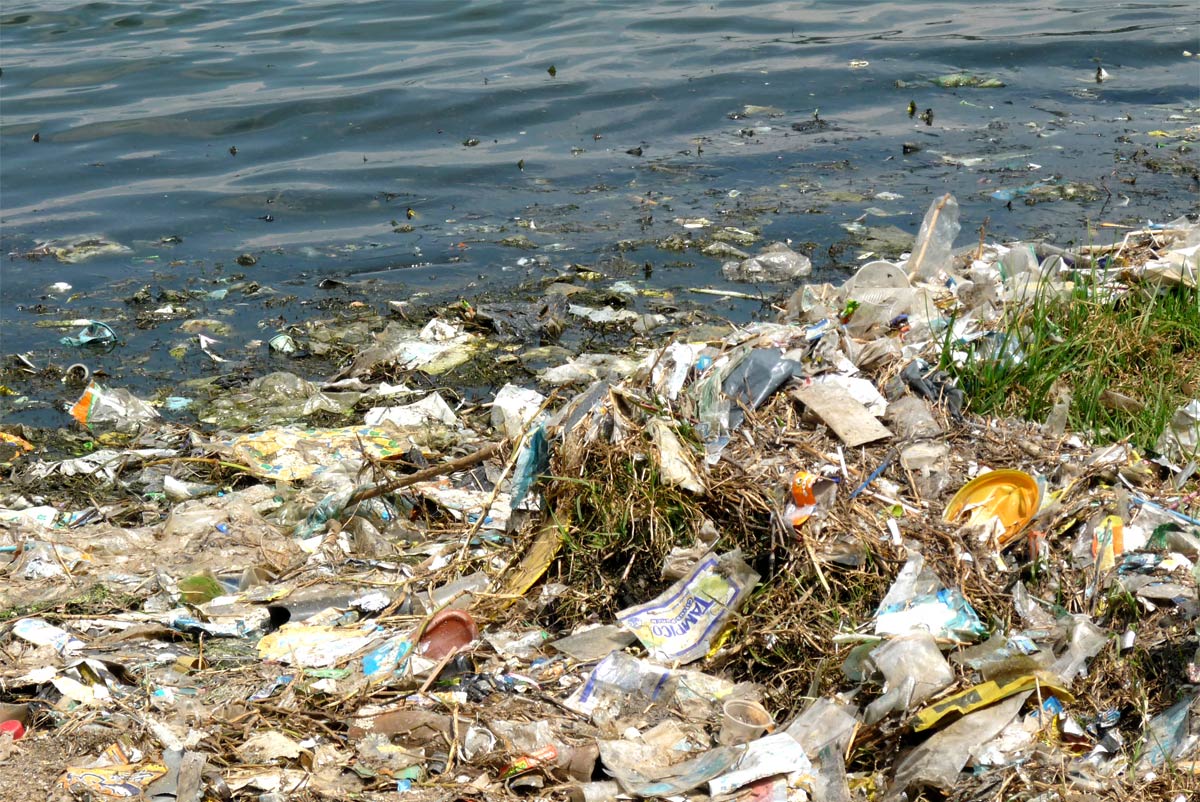
(Dr. Mercola) Every minute, another truckload’s worth of plastic trash ends up in the ocean, amounting to 8 million tons every year.1 That plastic is ending up in sea turtle and whale stomachs, strangling seabirds and, perhaps even worse, being broken down into microplastics that are consumed by fish and plankton — with unknown consequences.

How to clean up the swirling garbage patches in the world’s oceans is a daunting question. At least one organization, The Ocean Cleanup, is tackling it from a practical standpoint, using a passive trash-collecting system that they estimate may remove half the plastic from the Great Pacific Garbage Patch (which covers 1.6 million square kilometers (nearly 618,000 square miles) of the Pacific Ocean’s surface) in just five years.

Another option is to tackle the garbage at its source, a task that may be more achievable than it seems because 95 percent of the riverborne plastic flowing into the ocean comes from just 10 rivers.2

Related: How to Detox From Plastics and Other Endocrine Disruptors

10 Rivers Carry Almost All Plastic Into the Ocean

Researchers from the Helmholtz Center for Environmental Research in Leipzig, Germany, looked at the concentration of plastic in 57 rivers throughout the world.

Data on both microplastics (particles less than 5 millimeters (mm), such as microfibers and microbeads) and macroplastics (particles greater than 5 mm, such as plastic bags and bottles) were analyzed, with researchers multiplying the concentrations of plastic in the river with water discharge to figure out how much plastic (by weight) was entering the oceans.

“They then fed these data into a model that compared them with the estimated weight of plastic litter generated per person per day along each river,” Scientific American reported.3 The study authors added, “A substantial fraction of marine plastic debris originates from land-based sources and rivers potentially act as a major transport pathway for all sizes of plastic debris.”4

Their analysis revealed that large rivers with dense populations along their shores delivered a disproportionate amount of mismanaged plastic waste into the ocean. “The 10 top-ranked rivers transport 88 to 95 percent of the global load into the sea,” the researchers concluded.5

Eight of the rivers (the Yangtze, Yellow, Hai, Pearl, Amur, Mekong, Indus and Ganges Delta) are found in Asia while two (the Niger and Nile) are in Africa. The worst polluter of the bunch, by far, is the Yangtze, located in China, which releases 1.5 million tons of plastic waste into the Yellow Sea annually (more than is released by the other nine rivers combined6).

Related: Ocean Plastic to Triple Within a Decade

Together, the 10 rivers are responsible for dumping 0.47 to 2.75 million tons of plastic into the world’s oceans every year.7 The silver lining to the finding, if there is one, is that better waste-management practices targeting these 10 rivers could have a major effect in curbing the amount of plastic flowing into the ocean.

The Top-Polluting Rivers Are Located in Asia, With the Yangtze River Topping the List

A similar study published in 2017 in Nature Communications created a global model of plastic inputs from rivers into oceans, based on waste management, population density and hydrological information.8 The model estimated that between 1.15 and 2.41 million tons of plastic waste enter the ocean every year from rivers, with 74 percent of the emissions occurring between May and October.

The researchers, from The Ocean Cleanup, also found that rivers account for a hefty share of ocean plastic, in this case revealing that the 20 top-polluting rivers, most of them located in Asia, accounted for 67 percent of the global total of river plastic emissions into the ocean.

Again, the Yangtze River in China, which is the third-longest river in the world, earned the dubious moniker of top polluter. The Ocean Cleanup researchers stated:9

“Most of this river plastic input is coming from Asia, which emphasizes the need to focus on monitoring and mitigation efforts in Asian countries with rapid economic development and poor waste management … there is very little data to document these assumptions and thoroughly verify the validity of our model.

Yet, the relatively high concentrations of ocean plastic found at the surface of the North Pacific Ocean where buoyant plastics originating from Asia can accumulate, suggest that our assumptions are plausible.”

Fisheries, fishing vessels and other ships contribute less than 20 percent of plastic debris in the oceans. The rest, more than 80 percent, starts off on land. Once in the ocean, it’s known that nearly 700 species (and probably many more) are negatively impacted by such debris.

According to environmental advocacy group Ocean Conservancy, some plastic products persist for so long, even in salty ocean water, that they’ll still be recognizable after 400 years.10

In the U.S., one of the top waste-generating countries, littering is a major issue, especially in the form of single-use plastics, like soda bottles, drinking straws and potato chip bags. In much of Asia and Africa, however, plastic debris ends up in rivers due to lack of proper disposal and handling of general waste as well as that from landfills and industry.

Efforts to Curb Plastic Pollution Should Target Freshwater Environments

Rivers, being a major source of transport of plastic into oceans, should be a major focus of cleanup and prevention efforts, not only to curb the transport but also because, as Martin Wagner, an associate professor at the Norwegian University of Science and Technology’s (NTNU) department of biology, “Rivers are wonderful and complex ecosystems in themselves.”11

In a book on the topic titled “Freshwater Microplastics: Emerging Environmental Contaminants?” Wagner points out that there are more than 5,300 grades of synthetic polymers, each with different physicochemical properties. As such, each is likely to exert very unique effects once in the environment.

Related: Microplastics in Sea Salt – A Growing Concern

“In light of this, treating microplastics as a single pollutant does not make sense,” he writes. The book continues:12

“Due to the chemical makeup of plastic materials, receiving environments are potentially exposed to a mixture of micro- and nano-sized particles, leached additives and subsequent degradation products, which will become bioavailable for a range of biota.

The ingestion of MPs [microplastics] by aquatic organisms has been demonstrated, but the long-term effects of continuous exposures are less well understood.”

Further, much of the study on plastics in the environment has centered on the ocean, while little is known about plastics in freshwater systems. As of the book’s writing, less than 4 percent of publications referred to plastics in freshwater, “reflecting the idea that streams, rivers and lakes are mere transport routes transferring plastics to the oceans similar to a sewer … this is too simplistic,” the books preface notes.13

Wagner believes that focusing on removing plastic from the ocean is a shortsighted solution because in order to stop it in the long run, it has to be traced back to its source, which in most cases is land and the rivers that transport it. “We have to go to the source of the problem to stop it, and the source is on land,” he said in an NTNU news release, adding:14

“We also don’t know how much plastic there is in rivers and lakes. This is crucial knowledge to be able to identify and understand the most important sources of plastic litter — which in turn is essential to find effective solutions to the problem … Plastics break down into microplastics.

We know very little about the impact of microplastics on ecosystems, whether we’re talking about freshwater or oceans … Long-term experiments and new methods are needed to find out how microplastics affect nature — and us.”

Majority of Fish in Freshwater Environments May Contain Plastic

What little research that has been done on plastics in freshwater environments is not reassuring. In one such study, 83 percent of the fish had plastic debris in their gut, mostly microplastics, particularly microfibers.15

The fish appeared to consume more microplastics near urbanized sections of the river and when fish ate a lot of the plastics, they appeared to eat a less diverse variety of other food items. Microfibers have also been found in most water samples collected from the Hudson River,16 and studies show concentrations of fibers tend to be particularly high in beach sediment near wastewater treatment plants.17

So, ironically, the practice of recycling plastic bottles into clothing items, which is done by certain outdoor companies as a way to reduce waste, may ultimately end up being environmentally destructive, as microfibers from clothing are released during washing.

These microscopic plastic fibers soak up toxins like a sponge, concentrating PCBs, flame retardant chemicalspesticides and anything else found in the water. It could be that the longer the particles stay inside the fish, the more chemicals may leach into its body. So the microfibers may be harming marine life via two mechanisms: physical blockage and chemical poisoning.

One solution to the microfiber pollution problem would be to install filters in washing machines — similar to lint traps in dryers — that could catch the fibers prior to their being released with the wastewater. Special coatings may also help to stop the loss of microfibers during washing, but the apparel industry has been slow to respond in taking steps to stop microfiber pollution.18

Doing Your Part to Curb Plastic Pollution

Efforts to improve waste management in Asia are urgently needed to help curb plastic pollution, but you can also make a dent in the waste by using less plastic in your daily life, especially in the case of single-use disposable items like straws, bottles, bags and cutlery.

Data obtained by The Guardian suggests 1 million plastic bottles are purchased every minute worldwide. Worse still, this is expected to increase by 20 percent by 2021 and reach more than half a trillion sold every year by 2020.19

Fewer than half of the plastic bottles purchased in 2016 were recycled, and only 7 percent were made into new bottles,20 which means the rest end up in landfills or marine environments. Don’t underestimate the impact even one person can have by making simple tweaks to their routine.

Will you really miss that plastic straw with your water? Do you really need a throwaway bag to carry home one or two items from the store? It’s time to rethink our throwaway society and choose reusable over single-use whenever possible (and it’s usually possible).

Following are some of the most straightforward steps you can take to cut down on plastics usage in your life. Share them with a friend or two and the positive impacts will only continue to be magnified:

Use reusable shopping bags for groceries Take your own leftovers container to restaurants
Bring your own mug for coffee, and bring drinking water from home in glass water bottles instead of buying bottled water Request no plastic wrap on your newspaper and dry cleaning
Store foods in glass containers or mason jars rather than plastic containers and plastic freezer bags Avoid disposable utensils and straws and buy foods in bulk when you can
Opt for nondisposable razors, washable feminine hygiene products for women, cloth diapers, handkerchiefs instead of paper tissues, rags in lieu of paper towels, and infant toys made of wood rather than plastic

Study Finds Disinfectant Cleaners May Alter Children’s Gut Microbiome

(Natural Blaze) The right balance of good and bad bacteria in our gut affects our ability to extract nutrients from our food, supports our immune system function and affects mental health. Yet it seems the microbiome of children is potentially compromised by common household products, such as disinfectant cleaners.

The Study of Children’s Microbiome

A new Canadian study analyzed the microbiome of 757 babies. Using the Canadian Healthy Infant Longitudinal Development birth cohort, the scientists studied the microbes in these children’s fecal matter.

The researchers initially assessed infants at age of 3-4 months. Then, they checked the weight of these your subjects at ages 1 and 3 years. In addition, the researchers used the World Health Organization growth charts to compare the participants’ body mass index to peers their age.

Furthermore, the scientists assessed how often common household products were used in the home of these children. The study included products such as detergents, disinfectant cleaners, and eco-friendly products.

Related: How To Heal Your Gut

Household Disinfectant Cleaners Impact Home Environment

The findings of the study confirmed that using household disinfectants affects much more than germs living on household surfaces. Researchers discovered that babies 3-4 months old who lived in homes where disinfectants were frequently used had the biggest associations with altered gut flora. The same trend was found in homes that cleaned with disinfectants more frequently.

Specifically, infants from these households had lower levels of Haemophilus and Colstridium bacteria, while levels of Lachnospiraceae were higher.

Anita Kozyrskyj, a University of Alberta pediatrics professor, studies how alterations of the gut microbiome impact long-term health. As the principal investigator on this project, she shares:

We found that infants living in households with disinfectants being used at least weekly were twice as likely to have higher levels of the gut microbes Lachnospiraceae at age 3-4 months; when they were 3 years old, their body mass index was higher than children not exposed to heavy home use of disinfectants as an infant

Eco-friendly Cleaning Products

Interestingly, the Canadian study did not report the same gut biome association with detergents and eco-friendly products. The researchers reported that infants in homes that used eco-friendly cleaners were less likely to be overweight at age 1 and 3, compared to the disinfectant group.

Related: Sugar Leads to Depression – World’s First Trial Proves Gut and Brain are Linked (Protocol Included)

Kozyrskyj explains:

Those infants growing up in households with heavy use of eco cleaners had much lower levels of the gut microbes Enterobacteriaceae. However, we found no evidence that these gut microbiome changes caused the reduced obesity risk.

Of course, it is possible that homes that use eco-friendly products are more conscious in general about living healthy. One must consider that the general health of the parents and the family’s food choices may have also contributed to some of the subjects’ healthier weight.

Conclusion

Clearly, the study brings up a very important point: whatever chemicals you use within your home could end up in your gut. Using antibacterial cleaning products, as well as personal care products such as antibacterial soap, may help keep your home germ-free…but are you willing to risk your family’s long-term health?

Epidemiologists Dr. Noel Mueller and Moira Differding of the Johns Hopkins Bloomberg School of Public Health share their findings from another study:

There is biologic plausibility to the finding that early-life exposure to disinfectants may increase risk of childhood obesity through the alterations in bacteria within the Lachnospiraceae family.

Let’s be realistic. It will likely take many more studies for the word to spread about the dangers of the overuse of disinfectant cleaners. As such, it is up to you to make an educated decision that is best for your family and your health.

Related: How to Use Vinegar and Baking Soda to Clean Your Home

There are many perfectly safe and effective ways to clean your home naturally. Click here for some simple ideas on how to make your own DIY household cleaners. As well, there are plenty of eco-friendly brands offering a variety of safe home cleaning products.

Read more articles by Anna Hunt.

Anna Hunt is writer, yoga instructor, mother of three, and lover of healthy food. She’s the founder of Awareness Junkie, an online community paving the way for better health and personal transformation. She’s also the co-editor at Waking Times, where she writes about optimal health and wellness. Anna spent 6 years in Costa Rica as a teacher of Hatha and therapeutic yoga. She now teaches at Asheville Yoga Center and is pursuing her Yoga Therapy certification. During her free time, you’ll find her on the mat or in the kitchen, creating new kid-friendly superfood recipes.

This article (Study Finds Disinfectant Cleaners May Alter Children’s Gut Microbiomewas originally created and published by Waking Times and is published here under a Creative Commons license with attribution to Anna Hunt and WakingTimes.com. It may be re-posted freely with proper attribution, author bio, and this copyright statement.

Six FDA Approved Sweeteners Proven Toxic To Human Digestion

(Prevent Disease) Using artificial sweeteners causes biochemical changes in the body and actually throw off the body’s ability to monitor how many calories we consume. FDA-approved artificial sweeteners and sport supplements have now been found to be toxic to digestive gut microbes, according to a new paper published in Molecules.

Artificial sweeteners are one of the most common food additives worldwide, frequently consumed in diet and zero-calorie sodas and other products. Large examinations have tracked biochemical changes in the body using high-throughput metabolomics.

Related: Sugar Leads to Depression – World’s First Trial Proves Gut and Brain are Linked (Protocol Included)

The collaborative study by researchers at Ben-Gurion University of the Negev (BGU) in Israel and Nanyang Technological University in Singapore examined the relative toxicity of six artificial sweeteners:

1. aspartame
2. sucralose
3. saccharine
4. neotame
5. advantame
6. acesulfame potassium-k

And 10 sport supplements containing these artificial sweeteners. The bacteria found in the digestive system became toxic when exposed to concentrations of only one mg./ml. of the artificial sweeteners.

“We modified bioluminescent E. coli bacteria, which luminesce when they detect toxicants and act as a sensing model representative of the complex microbial system,” says Prof. Ariel Kushmaro, John A. Ungar Chair in Biotechnology in the Avram and Stella Goldstein-Goren Department of Biotechnology Engineering, and member of the Ilse Katz Institute for Nanoscale Science and Technology and the National Institute for Biotechnology in the Negev. “This is further evidence that consumption of artificial sweeteners adversely affects gut microbial activity which can cause a wide range of health issues.”

Related: Healthy Sugar Alternatives & More

Artificial sweeteners are used in countless food products and soft drinks with reduced sugar content. Many people consume this added ingredient without their knowledge. Moreover, artificial sweeteners have been identified as emerging environmental pollutants, and can be found in drinking and surface water, and groundwater aquifers.

According to the U.S. Food and Drug Administration, 11 to 27 percent of ingested sucralose is absorbed by the human body (FDA 1998). Research published by the manufacturer of sucralose (Roberts 2000) shows that when 8 healthy male adults where given sucralose (in 1 mg/kg amounts), between 10.4% and 30.6% of the sucralose was absorbed. In addition, 1.6% to 12.2% of the sucralose accumulates in the body.

Related: Foods That Promote Candida Overgrowth and Lead To Leaky Gut

Aspartame is a multi-potential carcinogen, even consumed daily at 20 milligrams per kilogram of body weight. That is a lower quantity than the maximum recommended by the FDA (50 mg/kg of body weight) and the European Union (40 mg/kg).

It increases the incidence of malignant tumours in rats. In the females it increases leukaemia and lymphomas, as well as cancerous cells in the pelvis and urethra. In the males, it especially increases the incidence of malignant tumours in peripheral nerves.

“The results of this study might help in understanding the relative toxicity of artificial sweeteners and the potential of negative effects on the gut microbial community as well as the environment.

Furthermore, the tested bioluminescent bacterial panel can potentially be used for detecting artificial sweeteners in the environment,” says Prof. Kushmaro.

Also Read: Exposed: 85 Percent of Major Brands of Chewing Gum Still Contain Aspartame and Sucralose

Marco Torres writes for Prevent Disease, where this article first appeared.

Journal Admits Monsanto Role In Reviews Of Glyphosate Cancer Risks

(Natural Blaze) The scientific journal Critical Reviews in Toxicology has issued a rare “Expression of Concern” and requested corrections to articles it published that failed to fully disclose Monsanto’s role in reviews of glyphosate’s cancer risks.

The journal said all five articles it published in a 2016 supplemental issue titled “An Independent Review of the Carcinogenic Potential of Glyphosate” failed to include an accurate disclosure of the pesticide-maker’s involvement.

The five articles at issue were all highly critical of the 2015 finding by the World Health Organization’s International Agency for Research on Cancer that glyphosate, the main ingredient in Roundup, is a probable human carcinogen.

“It’s deplorable that Monsanto was the puppet master behind the supposedly ‘independent’ reviews of glyphosate’s safety,” said Nathan Donley, a senior scientist at the Center for Biological Diversity. “These papers were manufactured as a way to counteract the World Health Organization’s findings on glyphosate’s cancer risks. They could mislead the public in dangerous ways and should be completely retracted.”

Recommended: How to Avoid GMOs in 2018 – And Everything Else You Should Know About Genetic Engineering

The documents revealing Monsanto’s role in the reviews came to light during a trial that culminated last month when a jury found that exposure to glyphosate products was a “substantial” contributing factor to the terminal cancer of a California groundskeeper, who was subsequently awarded $289 million in damages.

Those documents exposed that Monsanto improperly edited the articles and directly paid some of the authors a consulting fee for their work.

In an October 2017 letter to the publisher, the Center for Biological Diversity and three other national environmental health groups demanded the articles be retracted.

Recommended: New Study Shows Glyphosate Does Cause Tumors and Birth Defects, and More

The Declaration of Interest statement that was originally published with the papers:

  • Failed to disclose that at least two panelists who authored the review worked as consultants for, and were directly paid by, Monsanto for their work on the paper;
  • Failed to disclose that at least one Monsanto employee extensively edited the manuscript and was adamant about retaining inflammatory language critical of the IARC assessment — against some of the authors’ wishes; the disclosure falsely stated that no Monsanto employee reviewed the manuscript.

Additionally, multiple internal emails from Monsanto indicated the pesticide maker’s willingness to ghostwrite or compile information for the authors of the reviews, dictate the scope of one of the reviews, and identify which scientists to engage or list as authors of the reviews.

In an email sent yesterday to the Center, a representative from the publisher of the articles, Taylor and Francis, wrote: “We note that, despite requests for full disclosure, the original Acknowledgements and Declaration of Interest statements provided to the journal did not fully represent the involvement of Monsanto or its employees or contractors in the authorship of the articles.”

Recommended: GMO Rice Approved While Other GMO Grasses Cannot Be Contained

Several of the authors issued apologies in the updated Declaration of Interest sections of three of the five review papers, including:

  • Keith R. Solomon (has worked as consultant for Monsanto)
  • David Brusick (has worked as consultant for Monsanto)
  • Marilyn Aardema
  • Larry Kier (has worked as consultant for Monsanto)
  • David Kirkland (has worked as consultant for Monsanto)
  • Gary Williams (has worked as consultant for Monsanto)
  • John Acquavella (former Monsanto employee, has worked as consultant for Monsanto)
  • David Garabrant
  • Gary Marsh
  • Tom Sorahan (former Monsanto employee, has worked as consultant for Monsanto)
  • Douglas L. Weed (has worked as consultant for Monsanto)

Some of the details of the corrections include:

  • Another correction states that Monsanto scientist William Heydens “pointed out some typographical errors.” Based on the documents we have, Heydens was far more involved in drafting, editing and organizing the reviews than the correction indicates. In an email correspondence with Dr. Ashley Roberts of Intertek, Heydens admits to writing “a draft introduction chapter” for the series of reviews, then asks Roberts “who should be the ultimate author” of the introduction chapter he ghostwrote. Dr. Heydens’ full involvement in these reviews remains uncorrected despite the fact that many of his edits and revisions can be found in the published final manuscript.
  • The reviews were conceived as part of a company plan to discredit IARC well before the agency came to its conclusion that glyphosate is a probable human carcinogen. One of the plan’s stated goals was to “orchestrate outcry with IARC decision, ”while another plan made clear that the company sought a “WHO Retraction” and made it a priority to “invalidate relevance of IARC.” A Monsanto “Post-IARC Meeting” details several scientists that Monsanto pegged as potential authors. The meeting presentation also asks the question, “How much writing can be done by Monsanto scientists to help keep costs down?” In an email under the subject “Post-IARC Activities to Support Glyphosate,” Monsanto executive Michael Koch wrote that the review on animal data cited by IARC should be “initiated by MON as ghost writers,” and “this would be more powerful if authored by non-Monsanto scientists (e.g., Kirkland, Kier, Williams, Greim and maybe Keith Solomon.)
  • The authors of these papers cited previous reviews that were ghostwritten by Monsanto. In an email discussing the plan for the review papers, Heydens wrote, “An option would be to add Greim and Kier or Kirkland to have their names on the publication, but we would be keeping the cost down by us doing the writing and they would just edit & sign their names so to speak. Recall that is how we handled Williams, Kroes & Munro, 2000.”

Despite the misconduct that Taylor and Francis acknowledged in the Expression of Concern, the publisher has refused to issue a retraction for the papers, in contradiction to its own Corrections Policy, and has allowed the title of the supplemental issue to retain the phrase “an independent review.”

“This peek behind the Monsanto curtain raises serious questions about the safety of glyphosate,” said Donley. “Monsanto’s unethical behavior and the publisher’s response undermine scientific integrity and ultimately public health.”

Evidence continues to mount about the toxicity of glyphosate, not only to humans, but to the broader environment. Glyphosate was recently found to make honeybees more susceptible to infection from pathogens, implicating it as a contributing factor in worldwide bee declines.

Glyphosate Box [No Naturalblaze affiliation]

Glyphosate Residue Free Certification for Food Brands – Click Here

Test Your Food and Water at Home for Glyphosate – Click Here

Test Your Hair for Glyphosate and other Pesticides – Click Here to Find Our Your Long-Term Exposure