Canadians Are Unknowingly Eating GM Salmon

(Natural Blaze) Ottawa – August 7, 2017 – AquaBounty revealed on August 4, in its quarterly financial results, that it has sold approximately five tonnes of genetically modified (GM or genetically engineered) Atlantic salmon fillets in Canada. (1) This is the world’s first sale of GM fish for human consumption and has occurred without GM product labeling for Canadian consumers.

Related: Genetically Modified Salmon Is On Its Way To Your Store

“No one except AquaBounty knows where the GM salmon are,” said Lucy Sharratt of the Canadian Biotechnology Action Network (CBAN). “The company did not disclose where the GM salmon fillets were sold or for what purpose, and we’re shocked to discover that they’ve entered the market at this time.”

Without mandatory labeling in Canada, CBAN works to track GM foods to keep Canadians informed.

“The immediate remedy is for grocery stores to commit to keeping GM salmon out,” said Sharratt. So far, two grocery companies in Canada have published statements online responding to consumer concerns over GM salmon: IGA Quebec states that it only orders non-GM salmon, and Costco’s website states that it does not intend to sell it.(2)

“We clearly need mandatory labeling of all GM foods,” said Thibault Rehn of the Quebec network Vigilance OGM, a member group of CBAN.

Related: What Do Natural, Organic, and Non-GMO Actually Mean?

There is no federal government tracking of GM products in the market and Members of Parliament voted down a Private Members Bill for mandatory GM food labeling in May. GM salmon is approved for human consumption in the US and Canada, but there is an import ban in the US until labeling guidelines are published.

“When it comes to GM foods, Canadian consumers are shopping blind,” said Sharratt.

NOTES:
(1) AquaBounty Technologies, Inc. Quarterly Filing, 10-Q, 08/04/17  http://phx.corporate-ir.net/phoenix.zhtml?c=197553&p=irol-sec#15145522

(2) IGA Quebec: “Non-GMO salmon: At IGA, we order only non-GMO salmon from our suppliers, even though genetically modified salmon is legal and approved by the Canadian Food Inspection Agency (CFIA).” https://www.iga.net/en/in_the_community/buying/sustainable_fishing
Costco: “Costco does not intend to sell genetically modified salmon.” https://www.costco.com/sustainability-fisheries.html

Depression Doubles the Risk of Death From Coronary Artery Disease, Finds Research

(Independent) Depression appears to double the chance of dying in any given year for patients with coronary artery disease, according to a new study.

 The researchers said such mental distress was a “stronger risk factor” than age, having had a heart attack, or diabetes.
Related: Lower Cholesterol and prevent Heart Disease Without Drugs
The effect was seen if the person was depressed before or after diagnosis of the disease.

Dr. Heidi May, a cardiovascular epidemiologist at Intermountain Medical Centre Heart Institute in Salt Lake City, said: No matter how long or how short it was, patients were found to have twice the risk of dying compared to those who didn’t have a follow-up diagnosis of depression.

Depression was the strongest risk factor for dying, compared to any other risk factors we evaluated. That included age, heart failure, diabetes, high blood pressure, kidney failure, or having a heart attack or stroke.

We’ve completed several depression-related studies and been looking at this connection for many years.

The data just keeps building on itself, showing that if you have heart disease and depression and it’s not appropriately treated in a timely fashion, it’s not a good thing for your long-term wellbeing.”

Of more than 2,600 patients who became clinically depressed about 27 per cent did so within a year of being diagnosed with the disease. The figure was 37 per cent after five years.

And while depression seems to make the condition worse, being diagnosed is also a reason why some patients become depressed.

The reason why the chance of dying increased was not revealed by the study, but Dr. May said it was possible patients were not following their treatment plans as closely as people in good mental health. She said,

We know people with depression tend to be less compliant with medication on average and probably in general aren’t following healthier diets or exercise regimens.

They tend to do a poorer job of doing things that are prescribed than people without depression. That certainly doesn’t mean you’re depressed so you’re going to be less compliant, but in general, they tend to follow those behaviours.”

 She added that depression can also cause physiological changes to the body, which could also be a factor.
Related: Natural Approaches to Combat Depression

Dr. May urged the medical community to take depression seriously when treating coronary artery disease.

Patients who have depression need to be treated to improve not only their long-term risks but their quality of life.”

The American Council on Science and Health is a Corporate Front Group

(U.S. Right to Know) The American Council on Science and Health is a front group for the tobacco, agrichemical, fossil fuel, pharmaceutical and other industries.

A leaked ACSH financial summary, released in 2013 by Mother Jones, revealed that the American Council on Science and Health receives funding from a large number of corporations and industry groups with a financial stake in the messaging ACSH promotes. The internal document further revealed that ACSH solicits corporate donations for specific product-defense science messaging campaigns. For example, the document outlines:

  • plans to pitch the Vinyl Institute which “previously supported chlorine and health report”;
  • plans to pitch food companies for a messaging campaign to oppose GMO labeling, and cosmetic companies to counter “reformulation pressures”; and
  • efforts to court tobacco and electronic cigarette (e-cig) companies.

Personnel

  • ACSH’s longtime “Medical/Executive Director” was Dr. Gilbert Ross.[2] In 1993, according to United Press International, Dr. Ross was “convicted of racketeering, mail fraud and conspiracy,” and was “sentenced to 47 months in jail, $40,000 in forfeiture and restitution of $612,855” in a scheme to defraud the Medicaid system.[3]
  • ACSH’s Dr. Ross was found to be a “highly untrustworthy individual” by a judge who sustained the exclusion of Dr. Ross from Medicaid for ten years.[4]
  • Hank Campbell took over ACSH leadership from convicted felon Dr. Gil Ross in June 2015. Campbell is a former software developer who started the website Science 2.0 in 2006. In his book, “Science Left Behind: Feel Good Fallacies and the Rise of the Anti Science Left” (2012), Campbell describes his background: “six years ago… I decided I wanted to write science on the Internet” and, “Six years ago, with nothing but enthusiasm and a concept, I approached world famous people about helping me reshape how science could be done, and they did it for free.”

Funding

ACSH has often billed itself as an “independent” group, and has been referred to as “independent” in the press. However, according to the internal ACSH financial documents obtained by Mother Jones:

  • “ACSH planned to receive a total of $338,200 from tobacco companies between July 2012 and June 2013. Reynolds American and Phillip Morris International were each listed as expected to give $100,000 in 2013, which would make them the two largest individual donations listed in the ACSH documents.”[5]
  • “ACSH donors in the second half of 2012 included Chevron ($18,500), Coca-Cola ($50,000), the Bristol Myers Squibb Foundation ($15,000), Dr. Pepper/Snapple ($5,000), Bayer Cropscience ($30,000), Procter and Gamble ($6,000), agribusiness giant Syngenta ($22,500), 3M ($30,000), McDonald’s ($30,000), and tobacco conglomerate Altria ($25,000). Among the corporations and foundations that ACSH has pursued for financial support since July 2012 are Pepsi, Monsanto, British American Tobacco, DowAgro, ExxonMobil Foundation, Philip Morris International, Reynolds American, the Koch family-controlled Claude R. Lambe Foundation, the Dow-linked Gerstacker Foundation, the Bradley Foundation, and the Searle Freedom Trust.”[6]
  • ACSH has received $155,000 in contributions from Koch foundations from 2005-2011, according to Greenpeace.[7]

ACSH features prominently in a July 11, 2017 article in the Progressive by Paul Thacker detailing the chemical industry’s PR campaign to spin journalists on GMOs and discredit environmental health concerns.  Although Monsanto denied funding other groups, Thacker reported, “Monsanto ignored repeated questions about their financial support for the American Council on Science and Health.” ACSH Director Hank Campbell responded with this comment about his corporate funding, “I don’t care. If a large food corporation, like Whole Foods, or a smaller one, like Monsanto, wants to buy an ad here, they can. We will cash that check.”

Ties to Monsanto

A 2017 Le Monde investigation into Monsanto’s “war on science” describes the American Council on Science and Health as a key player in Monsanto’s communication and lobbying network.

Plaintiffs’ attorneys suing Monsanto over glyphosate cancer concerns stated in a May 2017 brief that:

  • “Monsanto quietly funnels money to ‘think tanks’ such as the “Genetic Literacy Project” and the “American Council on Science and Health,” organizations intended to shame scientists and highlight information helpful to Monsanto and other chemical producers.

According to emails obtained by US Right to Know, Monsanto tapped ACSH to publish a series of pro-GMO papers written by professors and assigned by Monsanto.

  • In an August 2013 email, Monsanto executive Eric Sachs wrote to the professors: “To ensure that the papers have the greatest impact, the American Council for Science and Health is partnering with CMA Consulting to drive the project. The completed policy briefs will be offered on the ACSH website … CMA and ACSH also will merchandize the policy briefs, including the development of media specific materials, such as op-eds, blog postings, speaking engagements, events, webinars, etc.” The papers were eventually published and merchandized by Jon Entine’s Genetic Literacy Project.

Ties to Syngenta

In 2011, ACSH published the book “Scared to Death: How Chemophobia Threatens Public Health,” by Jon Entine, a longtime PR messenger for chemical industry interests. Entine’s book defends atrazine, a pesticide manufactured by Syngenta, which was funding ACSH.

A 2012 Mother Jones article about Entine describes the circumstances leading up to the publication of the book. The article, by Tom Philpott, is based in part on internal company documents, obtained by the Center for Media and Democracy, describing Syngenta’s PR efforts to get third-party allies to spin media coverage of atrazine.

In one email from 2009, ACSH staff asked Syngenta for an additional $100,000 – “separate and distinct from general operating support Syngenta has been so generously providing over the years” – to produce an atrazine-friendly paper and “consumer-friendly booklet” to help educate media and scientists.

A year and a half later, ACSH published Entine’s book with this release:

“The American Council on Science and Health is pleased to announce a new book and companion friendly, abbreviated position paper … authored by Jon Entine, a scholar with the American Enterprise Institute and highly regarded science journalist … ACSH compiled this resource book and position to educate legislators, industry, media, consumers and parents on the actual risks of chemical exposure and use in everyday products.”

Entine denied any relationship with Syngenta and told Philpott he had “no idea” Syngenta was funding ACSH.

Indefensible and incorrect statements on science 

ACSH has:

  • Claimed that “There is no evidence that exposure to secondhand smoke involves heart attacks or cardiac arrest.”[8]
  • Argued that “there is no scientific consensus concerning global warming. The climate change predictions are based on computer models that have not been validated and are far from perfect.”[9]
  • Argued that fracking “doesn’t pollute water or air.”[10]
  • Claimed that “The scientific evidence is clear. There has never been a case of ill health linked to the regulated, approved use of pesticides in this country.”[11]
  • Declared that “There is no evidence that BPA [bisphenol A] in consumer products of any type, including cash register receipts, are harmful to health.”[12]
  • Argued that the exposure to mercury, a potent neurotoxin, “in conventional seafood causes no harm in humans.”[13]

ACSH in the Media 

February 2017 letter to USA Today: Thirty health, environmental, labor and public interest groups wrote to the editors of USA Today expressing concerns that the paper is publishing science columns by members of the American Council on Science and Health without identifying  them as a corporate front group. The editors have so far declined to stop publishing the column or provide accurate disclosures about ACSH’s ties to corporations.

Recommended Reading:
Sources:

[2] “Meet the ACSH Team,” American Council on Science and Health website.

[3] “Seven Sentenced for Medicaid Fraud.” United Press International, December 6, 1993. See also correspondence from Tyrone T. Butler, Director, Bureau of Adjudication, State of New York Department of Health to Claudia Morales Bloch, Gilbert Ross and Vivian Shevitz, “RE: In the Matter of Gilbert Ross, M.D.” March 1, 1995. Bill Hogan, “Paging Dr. Ross.” Mother Jones, November 2005. Martin Donohoe MD FACP, “Corporate Front Groups and the Abuse of Science: The American Council on Science and Health (ACSH).” Spinwatch, June 25, 2010.

[4] Department of Health and Human Services, Departmental Appeals Board, Civil Remedies Division, In the Cases of Gilbert Ross, M.D. and Deborah Williams M.D., Petitioners, v. The Inspector General. June 16, 1997. Docket Nos. C-94-368 and C-94-369. Decision No. CR478.

[5] Andy Kroll and Jeremy Schulman, “Leaked Documents Reveal the Secret Finances of a Pro-Industry Science Group.” Mother Jones, October 28, 2013. “American Council on Science and Health Financial Report, FY 2013 Financial Update.” Mother Jones, October 28, 2013.

[6] Andy Kroll and Jeremy Schulman, “Leaked Documents Reveal the Secret Finances of a Pro-Industry Science Group.” Mother Jones, October 28, 2013. “American Council on Science and Health Financial Report, FY 2013 Financial Update.” Mother Jones, October 28, 2013.

[7] “Koch Industries Climate Denial Front Group: American Council on Science and Health (ACSH).” Greenpeace. See also Rebekah Wilce, “Kochs and Corps Have Bankrolled American Council on Science and Health.” PR Watch, July 23, 2014.

[8] Richard Craver, “The Effects of the Smoking Ban.” Winston-Salem Journal, December 12, 2012.

[9] Elizabeth Whelan, “’Global Warming’ Not Health Threat.” PRI (Population Research Institute) Review, January 1, 1998.

[10] Elizabeth Whelan, “Fracking Doesn’t Pose Health Risks.” The Daily Caller, April 29, 2013.

[11] “TASSC: The Advancement of Sound Science Coalition,” p. 9. Legacy Tobacco Documents Library, University of California, San Francisco. November 21, 2001. Bates No. 2048294227-2048294237.

[12] “The Top 10 Unfounded Health Scares of 2012.” American Council on Science and Health, February 22, 2013.

[13] “The Biggest Unfounded Health Scares of 2010.” American Council on Science and Health, December 30, 2010.
Ben & Jerry’s Ice Cream Found With Active Ingredient From Roundup Weedkiller

(Natural Blaze) Not even Ben & Jerry’s ice cream is safe from Monsanto’s herbicide Roundup. Glyphosate, the main ingredient in Roundup, has been discovered in small amounts to be tainting Ben & Jerry’s ice cream.

The Organic Consumers Association announced Tuesday that it had found traces of glyphosate in 10 of 11 samples of Ben & Jerry’s ice cream, despite the company’s previous pledge in 2014 to not use GMO products for its ice cream.

The results originated from independent lab testing by Health Research Institute Laboratories of these flavors — Peanut Butter Cup, Peanut Butter Cookie, Vanilla (2 samples), Cherry Garcia, Phish Food, The Tonight Dough, Half Baked, Chocolate Fudge Brownie, Americone Dream and Chocolate Chip Cookie Dough. Cherry Garcia was the only flavor that tested negative for glyphosate out of the 11 samples.

The group also calls on natural and organic food stores to drop the Ben & Jerry’s brand unless the company commits to transitioning to organic.

OCA International Director Ronnie Cummins said:

Ben & Jerry’s falsely advertises its products as ‘natural’ and its brand as ‘sustainable’ and ‘socially responsible.’ Nothing could be further from the truth.

Ben & Jerry’s profits are built on the back of an industrial dairy system that poisons the environment and produces pesticide-contaminated food products. Ben & Jerry’s sales, driven in large part by its deceitful claims, damage the organic industry by cutting into the sales of authentic natural, grass-fed and organic producers.

Ben and Jerry’s global director of social mission responded Rob Michalak stating they were working to transition away from GMOs,” The New York Times reported.

“We’re working to transition away from G.M.O., as far away as we can get,” Rob Michalak, said. “But then these tests come along, and we need to better understand where the glyphosate they’re finding is coming from. Maybe it’s from something that’s not even in our supply chain, and so we’re missing it.”

In March of 2015 the International Agency for Research on Cancer, which is apart of the World Health Organization, classified glyphosate as a ‘Group 2A’ carcinogen stating it’s “probably carcinogenic to humans.” On July 7 of this year California’s Office of Environmental Health Hazard Assessment (OEHHA) added glyphosate to its Prop 65 list of chemicals known to cause cancer.

Related: Cure Cancer Naturally

Another organization, PAN, the Pesticide Action Network International, issued a 96-page report stating that glyphosate contaminates the Global Ecosystem. That same year the FDA suspended testing for glyphosate residues in food. Those foods, according to a subsequent report by Food Democracy Now! and the Detox Project, included many of America’s most popular foods including — cookies, crackers, popular cold cereals, and chips. The chemical was also found in several wines including organic wines, baby food and formulabreast milk and even tampons.

Related: Understanding and Detoxifying Genetically Modified Foods

In research published earlier this year in Scientific Reports, a journal from the publishers of Nature, scientist found that rats that consumed very low doses of glyphosate each day showed early signs of fatty liver disease within three months. This corroborates a previous study of rats fed glyphosate done in France in 2012 that was later retracted then republished.

The French scientists found that the rats fed on a diet containing the herbicide-tolerant GM maize, or given water containing a “safe level” of Roundup in drinking water and GM crops in the U.S., died sooner than rats fed just a standard diet.

In 2015, a French court found Monsanto responsible for poisoning a French farmer Paul François. Earlier this year, France completely banned the public use of pesticides.

It seems like Monsanto is finally being held responsible for its dangerous poison.

Read more from Aaron

This article (Ben & Jerry’s Ice Cream Found With Active Ingredient from Roundup Weedkiller) appeared first on Natural Blaze and can be shared with this message, bio and links intact. Image source

Aaron Kesel writes for Natural Blaze and Activist Post. He is an independent journalist and researcher you can also check out more of his work on Steemit.

Big Food starts anti-coconut oil campaign again, despite studies showing its great for your health

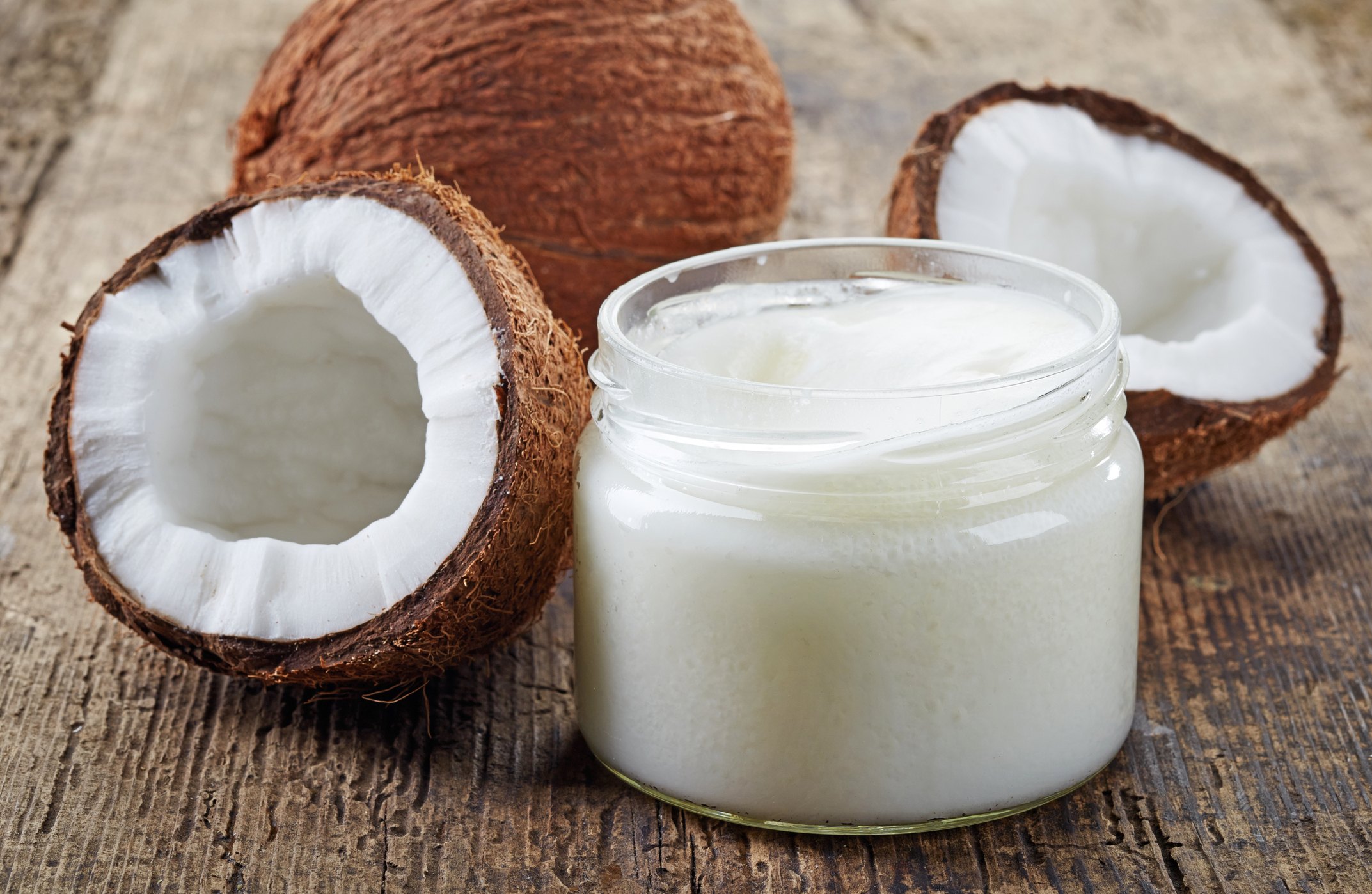
coconut oil and fresh coconuts on old wooden table

(Natural News) Coconut oil is highly regarded for its wide array of uses: From moisturizing skin and clearing up acne to cooking your favorite foods, there’s plenty of reasons why people love coconut oil. But, as you may have noticed, this versatile fat has been getting a lot of bad press lately. For example, the United Kingdom’s Telegraph recently published a hit piece that declared the saturated fat in coconut oil makes it bad for you.

Now, the logic here actually has little to do with the actual composition of coconut oil. When making the claim that coconut oil is bad for you, the Telegraph falls back on the American Heart Association’s general stance on saturated fat as a whole. The argument against saturated fat has been highly contested — and when it comes to coconut oil specifically, this generalization falls short. Why? In addition to the fact that saturated fat is not the enemy it has been made out to be, coconut oil also features a highly beneficial type of saturated fats, called medium-chain fatty acids.

Related: 35 Things You Could Do With Coconut Oil – From Body Care to Health to Household

Saturated fat is not the enemy

Yes, coconut oil does contain a high amount of saturated fat: 87 grams of saturated fat per 100-gram serving. That much is true. First and foremost, saturated fat has long been demonized as a harbinger of any number of diseases. While the war on saturated fat began in the 1950’s thanks to a cherry-picked study by Ancel Keys, the fact is that there is much evidence to the contrary. Saturated fat is not explicitly bad, as we’ve been lead to believe. For example, it is actually very important to keeping your brain healthy.

When it comes to brain health, it’s easy to understand why saturated fat is so important. The myelin sheath, which surrounds nerves and is key to their functionality, is made up almost entirely of saturated fat. The brain itself is primarily made of fat.  As sources explain, in addition to protecting the brain, studies have shown that saturated fat offers protective benefits to the liver, heart, skin and immune system.

Related: Fight Cavities and Gingivitis Naturally With Homemade DIY Oral Health

And, as this 2010 study from the American Journal of Clinical Nutrition concludes, “there is no significant evidence for concluding that dietary saturated fat is associated with an increased risk of CHD [coronary disease] or CVD [cardiovascular disease].” It’s worth noting that the meta-analysis in question featured nearly 350,000 people who were followed for 5 to 23 years; a fairly substantial data set, to say the least.

more recent study, from 2016, also showed that saturated fats could be beneficial for heart health. Norwegian researchers found that in addition to not increasing study subjects’ risk of heart disease, those on a diet high in fat exhibited “substantial improvements in several important cardiometabolic risk factors, such as ectopic fat storage, blood pressure, blood lipids (triglycerides), insulin and blood sugar.” How about that? The fat sources the test patients primarily consumed were also foods with low amounts of processing: Butter, cream and cold-pressed oils. Study subjects on the high-fat diet also exhibited an increase in the “good” cholesterol — HDL. No significant changes were observed in LDL cholesterol levels in the high-fat group, which is contrary to commonly held beliefs.

Coconut oil and medium-chain fatty acids

Medium-chain fatty acids (also known as medium-chain triglycerides) are a specific type of saturated fat that have become highly regarded for their health benefits. Medium-chain triglycerides (MCTs)  are metabolized differently than the long-chain triglycerides seen in animal fats. MCTs are known for being metabolized more readily than long-chain fats. Research has shown that MCTs can help to bolster endurance during exercise, speed up metabolism and help with weight loss and appetite control.

Related: Personal Care Recipes With Coconut Oil

Studies have also indicated that MCTs may play a beneficial role in preventing atherosclerosis, supporting the immune system and more. [RELATED: Learn more about health maintenance at Prevention.news]

To sum it up: Medium-chain fatty acids seem to have a host of health benefits that are not afforded by other types of saturated fats. Approximately 60 percent of the fats in coconut oil are MCTs. Lauric acid, a specific type of MCT in coconut oil, is known for its antimicrobial effects and is a huge component of human breast milk that helps prevent infections in newborn babies.

In addition to modern science getting things wrong about saturated fat as a whole, it is clear that coconut oil has a myriad of health benefits for a number of different reasons. Not only is saturated fat not as bad for you as the media would have you believe, coconut oil in particular has a number of properties that make it stand out from the crowd.