More Details Emerge in Organic Dairy Fraud

(Dr. Mercola) U.S. prices of wholesale organic milk have dropped significantly — in some cases by more than 30 percent — in the last year. While this might seem like welcome news for consumers looking for a price break on this premium milk, it comes at a cost to small farmers — some of whom are selling organic grass fed milk at non-organic prices or, worse, being forced to dump it.1

Small farmers risk being forced out of business in this market, even as the organic dairy industry has grown in size. The problem is that as larger industrialized farms have entered the organic market, it’s increasingly pushed the small players by the wayside. The Washington Post reported a glaring reason why: The number of organic cows rose by 13 percent from 2008 to 2015, but the amount of organic milk products produced rose by 35 percent.2

The Northeast Organic Dairy Producers Alliance (NODPA) attributed some of the increase to “better practices,” but others, including an investigation by The Washington Post, suggest skimping on organic practices may be a better description.3 Even NODPA noted the reason behind the large jump is “the increase in those mostly larger herds where the cows are fed in the barn instead of going out to pasture as the organic regulations require.”4

Large Organic Dairies Skimping on Grazing Time

Cows produce more milk, faster, when they’re fed grain in the barn, as opposed to grazing on grass on pasture. Industrialized organic dairies are capitalizing on this by skimping on grazing time, raising thousands of cows in veritable CAFOs (concentrated animal feeding operations), yet still gaining the USDA organic label that suggests otherwise.

When the Post visited Aurora Organic Dairy in Colorado, the company that provides organic store brands to corporations like Wal-Mart, Target and Costco, a few problems were evident right off the bat. For starters, the farm is massive, housing 15,000 cows, “making it more than 100 times the size of a typical organic herd,” the Post noted. Further, organic standards require that cows have free access to certified organic pasture for the entire grazing season, but there are large loopholes in the requirement.

The Post investigation revealed that Aurora Organic Dairy appears to be stretching the limits of the rule, noting that “signs of grazing were sparse, at best” and “at no point was any more than 10 percent of the herd out.”5

The Post even had samples of Aurora’s organic milk tested for “a key indicator of grass-feeding” (its fatty acid profile), which revealed the milk matched conventional, not organic milk. When raised correctly, organic milk contains about 25 percent less omega-6 fats and 62 percent more omega-3 fats than conventional milk, along with more vitamin E, beta-carotene and beneficial conjugated linoleic acid (CLA).6

Organic Violators Allowed to Keep Operating

Unfortunately, the U.S. Department of Agriculture (USDA) is not doing nearly enough to protect the integrity of its organic label. Farmers hire their own inspection agencies to comply with USDA rules, and even when violations are found, they typically amount to only a slap on the wrist in terms of punishment.

In 2007, for instance, while the USDA sanctioned Aurora Organic Dairy for willfully violating organic standards, the farm was allowed to continue operating after a settlement was reached. Mark Kastel of the Cornucopia Institute told the Post:7

“The USDA has shown a remarkable lack of interest in whether these big organic dairies are really organic … Most times, they don’t even investigate. And when they find a problem, there’s very little punishment, if any. It’s a gross betrayal of the spirit of the organic law.”

The latest Post investigation did prompt some of Aurora’s wholesale customers to look into their practices but so far none, including Wal-Mart and Costco, have decided to change suppliers. Meanwhile, small farmers who allow their herds to graze the right way are unable to compete with the industrialized organic farms that are cutting corners, yet both get rewarded with the same USDA organic label.

Organic Amish farmer James Swantz told the Post, “We know with that high concentration of cows that it’s impossible to meet the grazing rule … They’re not organic. No way.”8

The Cornucopia Institute has engaged with two law firms that are investigating Aurora’s role in creating a glut of organic milk that has driven prices down and pushed many small farmers out of the business. Kastel told Sustainable Food News the law firms are investigating “the gross amount of milk [Aurora Organic Dairy] creates and … the marketplace pressure their customers place on the balance of participants in the industry.” He continued:9

“We are in the exploratory stage right now … It appears that there is a good legal basis to pursue this and we are attempting to develop a plaintiff pool. We just need to have solid and creditable plaintiffs with standing. We have already had a number of farmers who have expressed a willingness to pursue this legal action prior to our outreach …”

Dairy Industry Forced to Make ‘Grass Fed’ & ‘Free-Range’ Claims as Organic Label Damaged

With the organic dairy label under increased scrutiny, the U.K.’s Arla Foods has changed the name of its Arla Organic Farm Milk to Arla Organic Free Range Milk. Studies have shown that many people in the U.K. are unaware that organic milk comes from cows with free access to pasture (or at least is supposed to), which is why Arla is highlighting the fact on its label.

The company claims that its cows are outside for an average of 200 days per year.10 Likewise, in the U.S., Organic Valley also offers a separate Grassmilk brand promoting 100 percent grass fed milk and cows fed no grain. According to the company:11

“Since grazing is a bedrock principle of our organic farming practices, all Organic Valley farmer-owners nationwide do their utmost to maximize fresh and dried forages to maintain the health and well-being of their animals, and because they know that milk produced from grazing cows contains increased levels of beneficial omega-3 and (CLA) fatty acids.”

As for why some Organic Valley milk is 100 percent grass fed and some is not, they explained that not all farms have the land base available to produce enough forage for cows when grains are removed from their diet. In addition, they noted some farms’ soils “are not ready for full conversion to pasture” while “cows must be transitioned slowly from a grain diet, to less grain, to no grain.”12

Similarly, Organic Pastures calls their milk “grass-grazed” as opposed to “grass fed,” the latter of which they point out could mean virtually anything, like “grazed at some point,” leading to milk with questionable nutritional value.13 Unfortunately, even with a claim of grass fed, it’s still a buyer beware market when it comes to choosing dairy. As it stands, dairy can be sold as “grass fed” whether the cows ate solely grass or received silage, hay or even grains during certain times.

Fortunately, the American Grassfed Association (AGA) recently introduced much-needed grass fed standards and certification for American-grown grass fed dairy,14 which will allow for greater transparency and conformity.15 I would strongly advise you to ensure your dairy is AGA certified as grass fed. As reported by Organic Authority:16

The new regulations are the product of a year’s worth of collaboration amongst dairy producers like Organic Valley as well as certifiers like Pennsylvania Certified Organic and a team of scientists.

‘We came up with a standard that’s good for the animals, that satisfies what consumers want and expect when they see grass fed on the label, and that is economically feasible for farmers,’ says AGA’s communications director Marilyn Noble of the new regulations.”

Non-Organic Ben & Jerry’s Continues to Stall on Cleaning Up Dairy

A recent commentary written by Will Allen and Michael Colby, co-founders of the organic advocacy group Regeneration Vermont, for Vermont Digger reveals that ice cream maker Ben & Jerry’s, which is owned by Unilever, is still not living up to their natural and socially responsible reputation. Ben & Jerry’s does some things right, like supporting GMO labeling, and their environmentally friendly image has propelled the ice-cream maker to a $600 million-a-year enterprise — slated to be a billion-dollar-a-year corporation by 2020.17

However, Ben & Jerry’s is a non-organic dairy, and they source their milk largely from CAFOs. In Vermont, more than 200 dairy farms have transitioned to organic and returned their cows to a grass-based diet. Regeneration Vermont is dedicated to bringing sustainable, regenerative agriculture back to Vermont and that includes bringing Ben & Jerry’s into the discussion.

Regeneration Vermont has urged the ice cream maker to source milk from organic/regenerative farmers, which would signal to desperate dairy farmers that there’s another, viable option to the destructive GMO, CAFO method that’s currently considered the norm. Allen’s and Colby’s commentary explains:18

We shared all of our research on labor abuse, animal abuse, farm bankruptcy, water pollution and damaged rural communities with Ben & Jerry’s. We also introduced them to consultants and resources in an effort to convince them that going organic would not only be good for them — practicing what they preach and all — but it would also be an essential lifeline for farmers in the state who wanted to convert to organic but had no market.

Instead of greenwashing, we argued that they could finally advertise their decision to completely clean up their supply chain. They said they would get back to us.”

As of July 2017, however, they have not, and they continue to profit immensely off cheap, inhumanely produced and environmentally destructive milk while passing themselves off as a natural, environmentally responsible company. Allen and Colby continue:

Stalling has been refined to an art form with Ben & Jerry’s social mission and dairy teams. In April 2016, they felt that they would have a decision on changing their dairy sourcing by September/October 2016. When October came, they felt that they would have a decision by December. In December, we were told that February or March would be when they made their sourcing decision …

Finally, April or May was to be the target date for making sourcing decisions. It is now July — still no decision, still no meeting with the CEO. Still stalling … It’s time to stop pretending that Ben & Jerry’s is a socially or environmentally conscious corporation. They know how damaging their milk supply chain is. They know that labor is being abused. They know that cows are burning out before they are [5] years old.

They know that antibiotics were being misused. They know that the dairies that supply their milk are polluting our drinking water and most of the rivers and lakes in Vermont. They can’t pretend that they didn’t know how damaging their supply chain is, because we shared all this data with them. Yet they refuse to act.”

Cornucopia’s Organic Dairy Scorecard Helps Level the Playing Field

How can you tell if your organic milk comes from grass fed cows being raised humanely on a small family farm — or from a pseudo-organic CAFO? Getting your raw milk from a local organic grass fed farm or co-op is best, but if you’re considering milk from another source, check out Cornucopia’s Organic Dairy Scorecard.19 The Cornucopia Institute is an organic industry watchdog whose core constituencies are family farmers across the U.S. and consumers concerned about the availability and quality of organic foods.

Their goal is to empower you to make informed purchasing decisions. You might be surprised to see many big-name organic brands ranking near the bottom of the list, even receiving a “zero” rating. In this case, it’s not worth your money to pay for an “organic” product that’s likely no better than conventional. You’d be better served by supporting the ethical farms that received a “4- or 5-cow” rating instead (meaning their farming practices are either excellent or outstanding).

While you’ll certainly notice the difference in flavor when purchasing truly grass fed, organic dairy, you can even see the difference. Grass fed organic milk tends to be yellowish, not pure white. The coloration comes from the natural antioxidant carotenoids found in the grass, which is a precursor to vitamin A. When cows are raised on dried grass or hay, as opposed to fresh-growing grass, you end up with a whiter product, which is an indication of reduced carotenoid and antioxidant content.

The increased coverage about certain big-name organic brands putting out a sub-par product is important news for consumers, but please don’t let it deter you from supporting the organic farmers raising truly grass fed cows. For more information about finding high-quality farm-fresh foods near you, see the links below:

American Grassfed Association

The goal of the American Grassfed Association is to promote the grass fed industry through government relations, research, concept marketing and public education.

Their website also allows you to search for AGA approved producers certified according to strict standards that include being raised on a diet of 100 percent forage; raised on pasture and never confined to a feedlot; never treated with antibiotics or hormones; and born and raised on American family farms.

EatWild.com

EatWild.com provides lists of farmers known to produce raw dairy products as well as grass fed beef and other farm-fresh produce (although not all are certified organic). Here you can also find information about local farmers markets, as well as local stores and restaurants that sell grass fed products.

Weston A. Price Foundation

Weston A. Price has local chapters in most states, and many of them are connected with buying clubs in which you can easily purchase organic foods, including grass fed raw dairy products like milk and butter.

Grassfed Exchange

The Grassfed Exchange has a listing of producers selling organic and grass fed meats across the U.S.

Local Harvest

This website will help you find farmers markets, family farms and other sources of sustainably grown food in your area where you can buy produce, grass fed meats and many other goodies.

Farmers Markets

A national listing of farmers markets.

Eat Well Guide: Wholesome Food From Healthy Animals

The Eat Well Guide is a free online directory of sustainably raised meat, poultry, dairy and eggs from farms, stores, restaurants, inns, hotels and online outlets in the United States and Canada.

Community Involved in Sustaining Agriculture (CISA)

CISA is dedicated to sustaining agriculture and promoting the products of small farms.

FoodRoutes

The FoodRoutes “Find Good Food” map can help you connect with local farmers to find the freshest, tastiest food possible. On their interactive map, you can find a listing for local farmers, CSAs and markets near you.

The Cornucopia Institute

The Cornucopia Institute maintains web-based tools rating all certified organic brands of eggs, dairy products and other commodities, based on their ethical sourcing and authentic farming practices separating CAFO “organic” production from authentic organic practices.

RealMilk.com

If you’re still unsure of where to find raw milk, check out Raw-Milk-Facts.com and RealMilk.com. They can tell you what the status is for legality in your state, and provide a listing of raw dairy farms in your area. The Farm to Consumer Legal Defense Fund also provides a state-by-state review of raw milk laws. California residents can also find raw milk retailers using the store locator available at www.OrganicPastures.com.

Top baby food brand found LOADED with sugar

(Natural News) An investigation carried out by Channel 4’s Supershoppers program in the U.K. revealed that the country’s top selling baby food brand Ella’s Kitchen manufactures products that may contain up to five teaspoons of sugar per packet. Ella’s Kitchen has been the number one choice for middle-class mothers who want to wean their babies in a “nutritious” way.

The investigation noted that while the company’s red pepper, sweet potato, and apple pouch seemed to be a healthy vegetable product, it was in fact 78 percent apple puree. According to the investigation, Ella’s Purple One smoothie contained more than three teaspoons of sugar. In addition, Ella’s Banana and Apricot baby rice was found to contain nearly five teaspoons of naturally occurring sugar.

Related: Galactagogues Foods, Herbs, and other Ways to Increase Breast Milk Production

Experts have previously cautioned that while natural sugar is healthier than white sugar when eaten as fruit, processing the natural sugar makes it just as unhealthy. Dietician Anna Daniels quipped that once natural sugar is processed, blended, or made into smoothie, it is no longer encapsulated within the plant cell wall. This meant that processed natural sugar could be easily broken down and released into the bloodstream quicker. According to Daniels, processing natural sugars converts them into free sugars, which have a detrimental effect on the body once taken in excess.

However, Ella’s Kitchen dismissed the results of the television investigation and maintained that their products do not contain added sugars. The company also maintained that their products were made from 100 percent whole fruit or vegetable. In addition, Ella’s Kitchen stressed that it never uses fruit juice or concentrates. Moreover, the company questioned the investigation’s use of teaspoon value to measure their products’ sugar content.

Related: 10 Circumcision Myths – Let’s Get the Facts Straight

“Expressing the sugar content in terms of teaspoons is misleading. Using this rationale, 100 ml of breast milk would contain nearly two teaspoons of sugar. The Purple One Smoothie Fruit pouch is a blend of 100 percent fruit and contains the same amount of sugar as if you’d made it at home using fruit from the fruit bowl. Likewise, Banana and Apricot Baby Rice is made from only organic bananas, apricots and rice with a squeeze of lemon juice. A banana from the fruit bowl contains 20 g sugar per 100 g, so again, the sugar content would be similar if you made the product at home,” the company said on The Daily Mail.

Related: How To Detoxify and Heal From Vaccinations – For Adults and Children

Previous study finds baby food products questionable

The recent investigation was not the first one to question the nutritional value of Ella’s Kitchen’s products. In fact, a 2013 study carried out by a team of researchers University of Glasgow revealed that commercial baby foods produced by Ella’s Kitchen, Cow and Gate and Heinz were significantly less nutritious than home-made meals. The study also revealed that many commercial baby food products contain high levels of sugar. (Related: Babies that eat fresh foods instead of processed foods have fewer allergies)

Likewise, the research team found that the products were typically promoted for use from four months of age, a time when babies’ diets should be primarily based on breast or formula milk. In addition, the study revealed that babies should eat twice as many commercial baby foods in order to get the same energy and protein levels found in home-made meals. Moreover, the study showed that commercial baby foods have significantly lower levels of essential minerals such as iron.

Related: Common Bad Parenting Advice You Should Know

“Manufacturers have been dragging their feet, lagging behind current thinking and research evidence that babies don’t generally need solid foods before about six months. It’s time they stopped labelling foods ‘from 4 months. If babies are spoon-fed pureed fruit and vegetables before this time, it can replace the nutrients from milk. Many parents do find jars of food convenient when they are out and about, but babies can eat family foods most of the time. Buying commercial baby foods is also much more expensive than using family foods,” said Rosemary Dodds, senior policy adviser at the National Childbirth Trust.

Related:
Sources:

Chemotherapy found to SPREAD cancer throughout the body

(Natural News) Though conventional medicine claims to be winning the war against cancer, along with the holistic health community, we at Natural News have consistently been trying to expose one of the biggest frauds known in human history: CHEMOTHERAPY.

Brainwashed by doctors, oncologists, and the mainstream media, most cancer patients think their only hope for survival is chemotherapy. In America, treating cancer is BIG business. Since the cancer industry makes billions of dollars each year, a cure is not what they are after.

Did you know that the number one side effect of chemotherapy is cancer? Conventional cancer treatments not only fail miserably, they are also designed to make cancer patients sicker. Though chemotherapy may shrink the initial tumor(s), what is happening in the background is far more important. It is the one dark and criminal truth nobody seems to knows about.

Related: How to Detoxify From Chemotherapy and Repair the Body

A new study published in the journal Science Translational Medicine earlier this month proved what we have been saying for decades; conventional cancer treatments cause more cancer. A team of scientists at New York’s Albert Einstein College of Medicine has found compelling evidence that chemotherapy is only a short-term solution.

Eventually, the drugs will make you sick again, pushing patients towards a second round of expensive treatments. Clever money generating trick: Instead of helping patients to get rid of the disease, they temporarily put it on hold so they can take the dollars twice.

Chemotherapy kills more patients than cancer itself

In 2017, an estimated 1,688,780 new cancer cases are expected to be diagnosed and about 600,920 people will die from the disease in the United States, according to the annual report by the American Cancer Society.

The New York scientists explained that while shrinking the tumors, chemotherapy simultaneously opens new doorways for tumors to spread into the blood system, triggering more aggressive tumors which often result in death.

The researchers believe toxic chemo drugs switch on repair mechanisms in the body that allow tumors to grow back faster. Furthermore, Dr. George Karagiannis, lead author of the study, and his team found that two common chemo drugs increased the number of “doorways” on blood vessels which allowed cancer cells to spread to other parts of the body. The team also discovered that chemotherapy increased the number of cancer cells circulating the body and lungs of mice.

Related: Chemotherapy vs Placebo

Though this study only investigated the effects of chemotherapy on breast cancer, the researchers are currently experimenting with other types of cancer to see if similar effects occur, reported The Telegraph.

Dr. Karagiannis noted that women receiving preoperative chemotherapy to treat breast cancer should be monitored to check if the cancer isn’t circulating or creating more possibilities to spread. He recommends taking a small amount of tumor tissue after a few doses of preoperative chemotherapy. If the markers are increased, the therapy should be terminated immediately.

This study is not the first to demonstrate the ways in which chemotherapy can trigger secondary or metastatic cancers. In 2010, researchers at the University of Alabama at Birmingham (UAB) Comprehensive Cancer Center and UAB Department of Chemistry were awarded a $805,000 grant from the U.S. Department of Defense Breast Cancer Research Program to investigate the question whether chemo encourages cancer to spread throughout the body.

Many studies later, we can no longer ignore the answer to that question. YES, patients are dying from chemotherapy, not cancer itself. It has been shown to not only cause secondary cancers but also accelerates tumor growth and causes cancer cells to become resistant to treatment.

Seventy-five percent of physicians and scientists would refuse chemotherapy for themselves or their family

What does this number say about the effectiveness and risks of therapy? Do these people know more? And what is the mainstream media hiding from us?

Due to the devastating effects on the entire body and the immune system, and an extremely low success rate, three of every four doctors and scientists would refuse chemotherapy, according to polls taken by the McGill Cancer Center. Additionally, an estimated 97 percent of cancers don’t respond to chemotherapy, yet it remains the go-to treatment for nearly every cancer type.

Think about it. When your body is fighting cancer, the last thing it needs is more cancer-inducing, immune suppressing chemicals, right? Though all scientists and doctors know that chemotherapy is pure poison and can make things worse, the U.S. Food and Drug Administration (FDA) outlaws doctors from choosing non-chemical routes, such as vitamins, supplements, herbs, superfoods, and other natural cancer solutions, for their patients.

Over the past few years, one study after another has been coming out, linking chemotherapy to cancer. Yet authorities fail to make the healthy call. How much more proof do they need before they start to acknowledge that there are far better, less expensive real cures out there?

Related:
Sources:

GOP health care bill would make rural America’s distress much worse

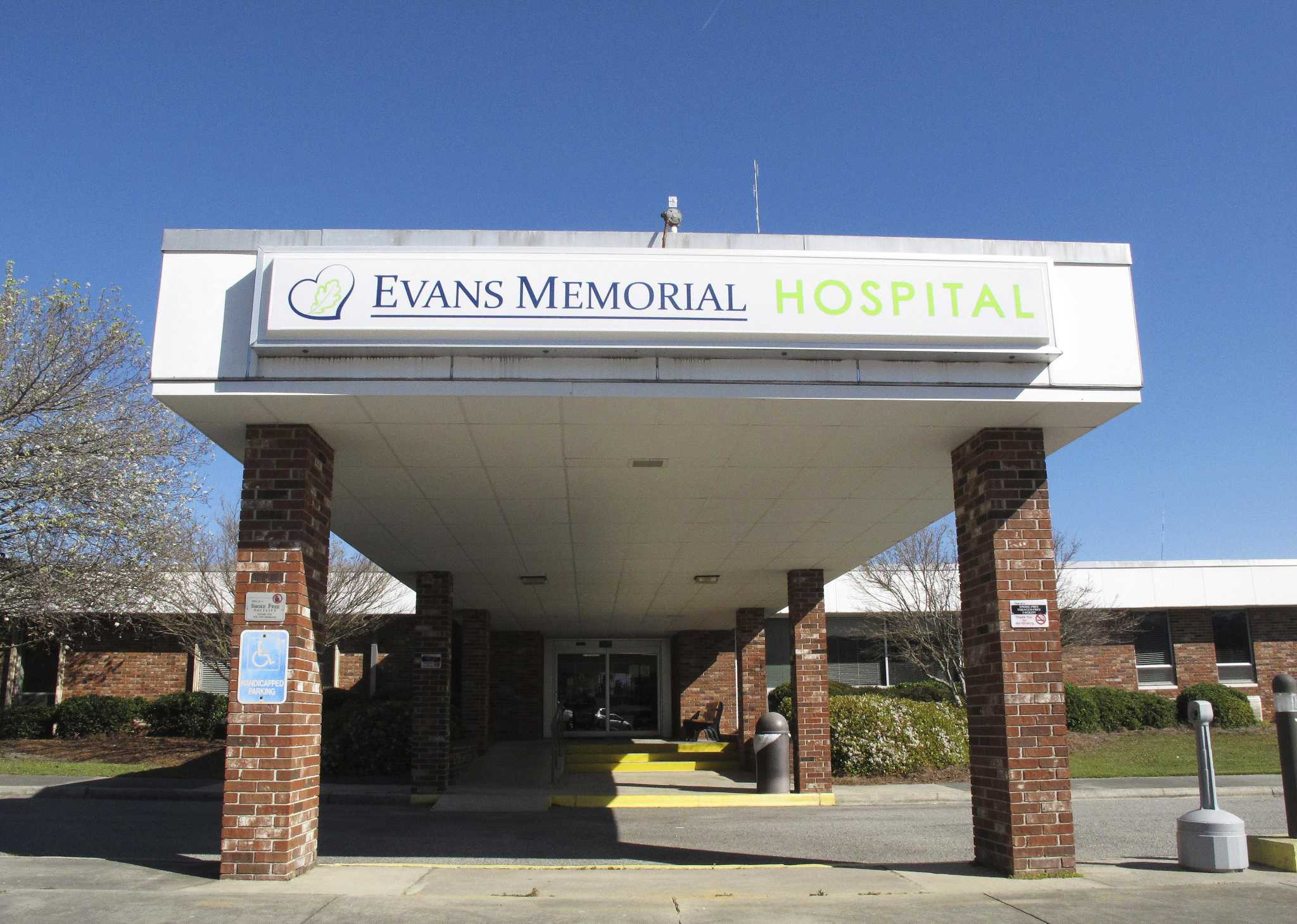
This Thursday, March 9, 2017, photo shows the main entrance to Evans Memorial Hospital in Claxton, Ga. Like many other rural hospitals in the U.S., Evans Memorial has struggled to keep its doors open while treating patients who tend to be older, poorer and often uninsured. (AP Photo/Russ Bynum)

(The Conversaton) Much has been made of the distress and discontent in rural areas during the 2016 U.S. presidential election. Few realize, however, this is also felt through unequal health.

Researchers call it the “rural mortality penalty.” While rates of mortality have steadily fallen in the nation’s urban areas, they have actually climbed for rural Americans. And the picture is even bleaker for specific groups, such as rural white women and people of color, who face persistent disparities in health outcomes. In every category, from suicide to unintentional injury to heart disease, rural residents’ health has been declining since the 1990s.

While some have blamed these gaping disparities on “culture” or “lifestyle” factors – such as a supposed fatalism or overconsumption of unhealthy products like Mountain Dew – the truth is that the biggest culprit is limited access to health care and challenging economic circumstances.

The passage of the Affordable Care Act (ACA) in 2010 began to change this as more rural Americans gained insurance coverage and the government invested more money into regional health facilities and training.

This progress is now at risk, however, as the Republican Congress inches closer to repealing Obamacare and replacing it with a feeble alternative that greatly weakens rural health care access. As researchers who study the mental and physical health of rural Americans, we believe this would have disastrous consequences.

A protester is escorted away by police as they arrested 43 health care and disability activists at a demonstration outside Senate Majority Leader Mitch McConnell’s constituent office in Washington. Reuters/Kevin Lamarque

The travails of rural America

Even as rural America feeds the country, hunger is on the rise in rural areas.

Some 98 percent of rural residents live in food deserts – defined as counties in which one must drive more than 10 miles to get to the nearest supermarket. This makes it challenging to maintain healthy and nutritious diets, leading to higher rates of obesity in rural areas that greatly increase the risk for diabetes, heart disease and certain cancers.

As rural workers struggle to sustain employment in a shifting economy, the increasing poverty is contributing to mental distress and substance use. On a larger scale, the economic changes that have hit rural areas have resulted in a declining tax base, lower incomes and strained educational institutions. Together, they challenge rural residents’ health not just in the immediate term but cumulatively over their lives.

Barriers to accessing health care

Yet, despite all these medical issues, rural residents have a tough time getting the health care they need.

The nature of rural employment, for example, is characterized by self-employment, seasonal work and lower-than-average pay. This means rural workers are less likely to get insurance through their jobs and thus face higher premiums when buying their own policies.

The lack of public transportation in most rural areas is also a major hurdle to seeing a doctor, particularly as residents have to travel much farther than those in urban areas to reach health care providers.

Rural residents get most of their services through primary care providers, who take on the work of other practitioners, like behavioral health clinicians, due to longstanding specialist shortages. When handling numerous complaints during a single medical encounter, primary care providers may concentrate on the most acute health concerns of their patients, undermining the ability to diagnose all their conditions and meaningfully discuss their larger health risks, such as exercise, weight and substance use. When providers are rushed or deliver sub-par care, rural residents may wonder if seeking it out is worth the challenge, opting to struggle on their own.

These and other constraints make it tougher for rural Americans to get the screenings necessary to spot serious diseases such as cancer early or to maintain adequate followup on conditions like hearing loss. Finding the regular medical care necessary to manage chronic conditions, such as diabetes, depression or opioid disorders, is even more challenging.

Rural health care has at times been characterized as patchwork. In part, that’s because the costs of sustaining health care infrastructure in rural areas are higher thanks to the large service areas, the inability to negotiate bulk pricing and lack of financial incentives to fill in provider gaps.

Susan Collins is one of a handful of Republican senators who may stand in the way of passage of current legislation to repeal and replace Obamacare. Reuters/Joshua Roberts

The ACA and the AHCA

The ACA, intended to turn this around, has in fact led to dramatic gains in insurance coverage among rural Americans.

Broadly speaking, insurance rates in rural areas reached almost 86 percent in early 2015, up from an estimated 78 percent in 2013.

In Kentucky – a state with high poverty, a large rural population (42 percent of residents) and a successful Medicaid expansion initiative – tens of thousands of newly insured low-income adults began using preventative services after previously being unable to afford it. The state’s uninsured fell by half and, as a result, fewer people skipped taking their medications due to financial hardships relative to other states that didn’t expand Medicaid.

The ACA also strengthened rural health care institutions by investing in upgrades to hospitals and clinics, preventative health programs and support for providers to stay in rural areas. While rural hospitals are often laden with the expense of providing extensive care without payment to indigent patients, rural hospitals in states that expanded Medicaid under the ACA finally were able to better balance their books when caring for this vulnerable group. At the same time, the ACA supported innovative models ideal for rural areas that prioritized outreachintegration of services and collaboration between safety-net players.

Both the House and Senate bills to repeal and replace Obamacare would drastically reduce rural Americans’ insurance coverage and significantly threaten the ability of many rural hospitals and clinics to keep their doors openAnalysts show that the bill would provide insufficient tax credits to pay for rural premium costs, drastically increase the price of rural premiums and increase uncompensated care in rural hospitals.

What rural areas need from health care reform

Previous efforts at health care reform show us that rural areas are uniquely vulnerable. Efforts need to take account not only of coverage and access – as has been the focus of the current debate – but also how reform affects rural health care institutions and the larger social factors shaping overall health.

The particular economic factors affecting rural health care institutions make rural areas particularly vulnerable to political shifts that disrupt services for existing patients and for those newly insured, creating immense challenges for rural providers. Steps that fail to account for the impact of financial hardship on these institutions not only hurt their bottom line but contribute to poor morale and workforce turnover and larger-scale decisions to reduce services, which decrease their ability to address patient needs.

At the same time, commitment to improving the health of rural Americans requires attention to the so-called upstream factors shaping rural health. That means preserving the safety net programs so vital in rural areas with underemployment and low-paying jobs, strengthening rural economies and investing in high-quality education.

If our leaders are serious about reform that will lessen the rural-urban mortality gap, they should recognize the unique needs of rural America and ensure health care policy reflects how vital access to quality care is to their financial success – not to mention their well-being.

FDA now wants to eliminate side effect warnings from drug ads

(Natural News) We’ve all seen those drug commercials on TV with pleasant-looking grandparents frolicking in a grassy field with an adorable puppy, living life to the fullest while an announcer talks about how Big Pharma’s latest poison is going to make your life every bit as joyful. Then comes the obligatory rushed reading of a list of side effects. When the commercial is over, the general impression is a positive one: This drug is going to make your life better, but you might have a few minor problems like drowsiness.

Related: If You’re on Prescription Drugs, Don’t Kid Yourself

Drug companies might be required to tell you their side effects, but they have invested a lot of money in finding ways to present this information in the most positive light possible, and when that approach won’t work, they do their best to deliver it in a forgettable manner. These efforts appear to be paying off in more ways than one because now the FDA is considering scrapping them altogether on the grounds that TV viewers simply don’t listen to the side effect lists. With this move, it appears the FDA cares less and less about making their collusion with Big Pharma obvious.

Related: How to Detoxify From Chemotherapy and Repair the Body

In an effort to make the process seem reasoned, health officials proposed a study that will assess whether people actually read the ad warnings. They claim they are worried that critical information is getting lost in the shuffle, causing people to overlook the more serious warnings. Should the study confirm this suspicion, the FDA could scrap the list entirely as they find other ways to “safely” market medication.

In fact, they say that people are more likely to read a medication’s risks on a page-long full summary of safety information than they are to read it in the type of brief summary used in an ad on TV. Of course, you won’t have that information in your hands in the first place until after you’ve “talked to your doctor” as these commercials suggest and somehow convinced him or her to prescribe you the medication. In other words, you’ve already bought and paid for it by the time you can see the drawbacks, which means you’re more likely to take your chances and simply take the meds – and even if you don’t ultimately take the drug, they’ve already got your money.

Must Read: How To Detoxify and Heal From Vaccinations – For Adults and Children

The director of PharmedOut, a project run by Georgetown Medical Center, Adriane Fugh-Berman believes that allowing drug companies to choose the limited list of side effects they include in ads is highly problematic. She pointed out: “That’s why ads for erectile dysfunction say ‘may cause four-hour erection,’ because that doesn’t sound too bad to guys! Unlike other side effects such as heart attack.”

FDA lets Big Pharma use tricks to distract you from side effects

The U.S. is one of only two countries that allow pharmaceutical companies to place direct-to-consumer TV ads, and Big Pharma has found lots of ways to make the required side effect warnings more palatable. For example, some ads will have one narrator tell viewers about the drug’s benefits and then use a different voice actor to run through the risks using a less engaging voice. Another trick they employ is reading the list of warnings using more complex grammatical structures so it’s not as readily absorbable by viewers. Keeping the voice actor who lists the risks off screen is another common tactic as research shows people absorb more information when they can see a speaker. In addition, they sometimes show distracting images while this list is read so people won’t focus on the words.

Must Read: After Taking Antibiotics, This Is What You Need To Do To Restore Healthy Intestinal Flora

The FDA does not approve ads before they are aired, but they claim they will stop ads that violate the law after their release. Their guidelines do not require drug makers to tell people if lifestyle changes like diet and exercise could help improve their condition, nor do they ban ads for medications that pose serious risks. Now the FDA is poised to remove yet another obstacle for drug makers and make it easier than ever for them to convince people that their poisons are harmless.

Sources: