Is Your Gut Causing Sleepless Nights?

(Dr. Mercola) You share your body with trillions of microorganisms, the bulk of which reside in your gut, including your stomach and small and large intestines. There, however, they are not restricted to influencing only the goings-on of your digestive process.

Far from it, these microorganisms, collectively known as your microbiome, influence your body’s homeostasis daily and are intricately tied to other body systems via a number of complex pathways, including the gut-brain axis and a recently revealed gut-brain-bone marrow axis, the latter of which may influence your blood pressure, mood and more.

One of the most compelling avenues of study relating to your microbiome is how it relates to your sleep. It’s already known that sleep influences your gut health, in part because lack of it makes it harder for you to control your impulses and manipulates hormones linked to food intake, causing you to eat more and crave unhealthy foods.

So skimping on sleep is a remarkably good bellwether of a poor diet, the latter of which can quickly take a toll on your gut health. Now researchers are asking whether the opposite also holds true and perhaps your microbiome influences your ability to sleep as well.

Can Your Microbiome Keep You Up at Night?

Although the science is in its early stages, researchers are looking into whether improving gut health could act as a new form of sleep therapy. Michael Breus, Ph.D., a clinical psychologist and fellow of the American Academy of Sleep Medicine, told The Guardian:1

“There is no question in my mind that gut health is linked to sleep health, although we do not have the studies to prove it yet. Scientists investigating the relationship between sleep and the microbiome are finding that the microbial ecosystem may affect sleep and sleep-related physiological functions in a number of different ways: shifting circadian rhythms, altering the body’s sleep-wake cycle, affecting hormones that regulate sleep and wakefulness.”

For instance, writing in the journal Chest, researchers pointed out that changes in gut microbiota have long been linked to lifestyle behaviors such as diet, travel, exercise and disturbances to circadian rhythm.2 Meanwhile, diseases once primarily attributed to lifestyle, such as obesityheart disease and depression, are turning out to have increasing links to microbiota. In this case, they believe that “microbial-immune cross-talk” may be playing a role in obstructive sleep apnea (OSA), particularly in fatal cases.

“[W]e posit that altered patterns of sleep and oxygenation, as seen in OSA, will promote specific alterations in gut microbiota which in turn will elicit the immunological alterations that lead to OSA-induced end-organ morbidities,” they stated. Likewise, in the Journal of Clinical Gastroenterology, researchers evaluated the interplay between sleep dysfunction, gastrointestinal health and disease, with particular focus on how the effects of sleep and circadian rhythm disruption could affect the microbiota.3

Yet another study pointed out that partial sleep deprivation is known to alter gut microbiome, and its composition is linked to cognitive flexibility. Their study found that there could be a link between sleep quality, composition of gut microbiome and cognitive flexibility in older adults, such that “improving microbiome health may buffer against sleep-related cognitive decline in older adults.”4

Prebiotics Affect REM and Non-REM Sleep

Prebiotics, which act as food for the beneficial bacteria, or probiotics, in your gut, have already been found to influence sleep in animal studies. When young rats were fed a diet containing prebiotic fiber or a control diet for four weeks, the prebiotic group spent more time in restful and restorative non-rapid eye movement (NREM) sleep cycles.5

In addition, rats eating prebiotics had an increase in beneficial gut bacteria as compared to the control group and spent more time in REM sleep after being stressed, which is important for promoting recovery. The researchers noted:6

“The results of the current study demonstrate that a … diet rich in prebiotics … started in early life increases the growth of Lactobacillus rhamnosus and alleviates the stress-induced disruption of REM sleep, diurnal physiology and gut microbial alpha diversity.

Rats on the test diet exhibited decreased impact of the stressor, including increased REM sleep rebound following stress, attenuated disruption of the diurnal rhythm of CBT [core body temperature], and prevention of dysbiosis in all three measures of alpha diversity …

Given that sufficient NREM sleep and proper nutrition can impact brain development and function and that sleep problems are common in early-life, it is possible that a diet rich in prebiotics started in early-life could help improve sleep, support the gut microbiota and promote optimal brain/psychological health.”

Dr. Michael Mosley, a doctor-journalist with BBC News, conducted a similar trial on himself, taking prebiotics for five days, and noticed a remarkable improvement in his sleep. Prior to the prebiotics, he spent 21 percent of his time in bed awake but this dropped to 8 percent after the prebiotics.7

Related: Insomnia – A Comprehensive Look with Natural Remedies

This isn’t definitive proof that prebiotics improve sleep, but considering the many other benefits they add to your health, there’s little harm, and potentially great gain, in adding them to your diet. If you’re interested in adding more prebiotic fiber to your diet to improve the health of your microbiome, and possibly your sleep, the following foods are good sources:8

Apples Asparagus Banana
Beetroot Breast milk Burdock root
Cashews Chicory root Couscous
Fennel bulb Garlic Grapefruit
Green peas Jerusalem artichokes Jicama
Konjac root Leeks Nectarines
Onion Persimmon Pistachios
Pomegranate Savoy cabbage Seaweed
Shallots Snow peas Tamarillo

Too Little Sleep Alters the Bacteria in Your Gut

The many ties between your microbiota, your sleep and your overall health only continue to grow. For instance, melatonin, the sleep hormone, is made from serotonin, and is normally found in abundance in your gut — even more so than in your brain. Gut bacteria affect both serotonin and melatonin production.

Related: Holistic Guide to Healing the Endocrine System and Balancing Our Hormones

Further, the composition and functions of your gut microbiome is affected by circadian rhythm disruptions, including jet lag. Researchers believe circadian rhythms play a key role in regulating the gut microbiome as well as its responses to gastrointestinal pathogens.9

If you skimp on sleep, you also prompt changes in your body’s microbial community. When men slept for just four hours a night for two nights in a row, the balance of bacteria in their gut shifted.10 Specifically, they had increased firmicutes to bacteroidetes ratio, higher abundances of the families Coriobacteriaceae and Erysipelotrichaceae and lower abundance of Tenericutes, changes that have previously been linked to metabolic disturbances. The researchers concluded:11

“Our findings demonstrate that short-term sleep loss induces subtle effects on human microbiota. To what extent the observed changes to the microbial community contribute to metabolic consequences of sleep loss warrants further investigations in larger and more prolonged sleep studies.”

The Link Between Sleep, Depression and Your Gut

Your gut microbiome plays an intricate role in your mood, and sleep plays a role in depression, raising intriguing questions about how all three — microbiome, sleep and depression — are related. Tim Spector, professor of genetic epidemiology at King’s College London, told The Guardian:12

“We know that people who live with depression and people who sleep poorly both have abnormal microbes in the gut, which would suggest there is a very real connection here between all three … I’ve always found that if you help someone sleep, it improves their depression, and vice versa. If we can also look after the gut, this may have an impact on both sleep disturbances and mood disorders.”

Also intriguing, a small study involving adults diagnosed with irritable bowel syndrome (IBS) and depression found the probiotic Bifidobacterium longum provided depression relief. At six weeks, 64 percent of the treatment group had reduced depression scores compared to 32 percent of the control group that received a placebo.13

Related: Natural Remedies for Depression

Those receiving the probiotic also reported fewer symptoms of IBS and improved overall quality of life. At the end of 10 weeks, approximately twice as many in the treatment group were still reporting lower levels of depression.

Interestingly, functional MRI scans revealed a link between reductions in depression score and actual changes in brain activity, specifically in areas involved in mood regulation, such as the amygdala. As noted by Dr. Roger McIntyre, professor of psychiatry and pharmacology at the University of Toronto, who was not involved in the study:14

“We know that one part of the brain, the amygdala, tends to be red-hot in people with depression, and it seemed to cool down with this intervention. It provides more scientific believability that something in the brain, at a very biological level, seems to be affected by this probiotic.”

Could Your Diet Improve Both Your Sleep and Your Gut Health?

Another common thread affecting both your sleep and your gut is your diet. One study evaluating the diets and sleep patterns of more than 4,500 people found distinct patterns:15

  • Very short sleepers (less than five hours a night): Had the least food variety, drank less water and consumed fewer total carbohydrates and lycopene (an antioxidant found in fruits and vegetables).
  • Short sleepers (five to six hours): Consumed the most calories but ate less vitamin C and selenium, and drank less water. Short sleepers tended to eat more lutein and zeaxanthin than other groups.
  • Normal sleepers (seven to eight hours): Had the most food variety in their diet, which is generally associated with a healthier way of eating.
  • Long sleepers (nine or more hours): Consumed the least calories as well as less theobromine (found in chocolate and tea), choline and total carbs. Long sleepers tended to drink more alcohol.

Further, Spector told The Guardian, “[I]f we eat badly, we sleep badly … If you wanted to improve sleep, you could try a gut-friendly regime by eating a broad and inclusive diet with real food, not processed.”16 Indeed, it’s likely that eating a varied, whole food diet is one key to normal, healthy sleep and gut health alike. If you need some help in this area, check out my nutrition plan for a step-by-step guide to optimizing your eating habits.

As for how to support a healthy microbiota, which could do more to improve your sleep than is currently appreciated, it isn’t very complicated, but you do need to take proactive steps to encourage its health while avoiding factors known to cause harm. This includes:

Do Avoid
Eat plenty of fermented foods. Healthy choices include lassi, fermented grass-fed kefir, natto (fermented soy) and fermented vegetables. Antibiotics, unless absolutely necessary, and when you do, make sure to reseed your gut with fermented foods and/or a high-quality probiotic supplement.
Take a probiotic supplement. Although I’m not a major proponent of taking many supplements (as I believe the majority of your nutrients need to come from food), probiotics are an exception if you don’t eat fermented foods on a regular basis Conventionally raised meats and other animal products, as CAFO animals are routinely fed low-dose antibiotics, plus GE grains loaded with glyphosate, which is widely known to kill many bacteria.
Boost your soluble and insoluble fiber intake, focusing on vegetables, nuts and seeds, including sprouted seeds. Chlorinated and/or fluoridated water. Especially in your bathing such as showers, which are worse than drinking it.
Get your hands dirty in the garden. Exposure to bacteria and viruses can help to strengthen your immune system and provide long-lasting immunity against disease.

Getting your hands dirty in the garden can help reacquaint your immune system with beneficial microorganisms on the plants and in the soil.

Processed foods. Excessive sugars, along with otherwise “dead” nutrients, feed pathogenic bacteria.

Food emulsifiers such as polysorbate 80, lecithin, carrageenan, polyglycerols, and xanthan gum also appear to have an adverse effect on your gut flora.

Unless 100 percent organic, they may also contain GMOs that tend to be heavily contaminated with pesticides such as glyphosate. Artificial sweeteners have also been found to alter gut bacteria in adverse ways.17

Open your windows. For the vast majority of human history, the outside was always part of the inside, and at no moment during our day were we ever really separated from nature.

Today, we spend 90 percent of our lives indoors. And, although keeping the outside out does have its advantages it has also changed the microbiome of your home.

Research shows that opening a window and increasing natural airflow can improve the diversity and health of the microbes in your home, which in turn benefit you.18

Agricultural chemicals, glyphosate (Roundup) in particular is a known antibiotic and will actively kill many of your beneficial gut microbes if you eat foods contaminated with it.
Wash your dishes by hand instead of in the dishwasher.

Research has shown that washing your dishes by handleaves more bacteria on the dishes than dishwashers do, and eating off these less-than-sterile dishes may actually decrease your risk of allergies by stimulating your immune system.

Is the MMR Vaccine a Fraud or Does It Just Wear Off Quickly?

(Dr. Mercola) In 1986, public health officials stated that MMR vaccination rates for kindergarten children were in excess of 95 percent and that one dose of live attenuated measles, mumps and rubella vaccine (MMR) would eliminate the three common childhood diseases in the U.S.1In 1989, parents were informed that a single dose of MMR vaccine was inadequate for providing lifelong protection against these common childhood diseases and that children would need to get a second dose of MMR.2

Today, 95 percent of children entering kindergarten3 have received two doses of MMR vaccine, as have 92 percent of school children ages 13 to 17 years.4

In some states, the MMR vaccination rate is approaching 100 percent.5 Despite achieving the sought-for MMR vaccination rate for more than three decades, which theoretically should ensure “herd immunity,” outbreaks of both measles and mumps keep occurring — and many of those who get sick are children and adults who have been vaccinated.

Mumps Is Making a Comeback

As recently reported by Science Magazine6 and The New York Times,7 mumps is making a strong comeback among college students, with hundreds of outbreaks occurring on U.S. campuses over the past two decades. Last summer, the Minnesota Department of Health reported its largest mumps outbreak since 2006.8

According to recent research,9 the reason for this appears to be, at least in part, waning vaccine-acquired immunity. In other words, protection from the MMR vaccine is wearing off quicker than expected. Science Magazine writes:

“[Epidemiologist Joseph Lewnard and immunologist Yonatan Grad, both at the Harvard T. H. Chan School of Public Health in Boston] compiled data from six previous studies of the vaccine’s effectiveness carried out in the United States and Europe between 1967 and 2008. (None of the studies is part of a current fraudulent claims lawsuit against U.S. vaccine maker Merck.)

Based on these data, they estimated that immunity to mumps lasts about 16 to 50 years, or about 27 years on average. That means as much as 25 percent of a vaccinated population can lose immunity within eight years, and half can lose it within 19 years … The team then built mathematical models using the same data to assess how declining immunity might affect the susceptibility of the U.S. population.

When they ran the models, their findings lined up with reality. For instance, the model predicted that 10- to 19-year-olds who had received a single dose of the mumps vaccine at 12 months were more susceptible to infection; indeed, outbreaks in those age groups happened in the late 1980s and early 1990s. In 1989, the Centers for Disease Control and Prevention added a second dose of the vaccine at age 4 to 6 years. Outbreaks then shifted to the college age group.”

Related: MMR Vaccine Causes Seizures in 5,700 U.S. Children Annually, Says Study

A Third Booster Shot May Be Added

According to public health officials, the proposed solution to boosting vaccine-acquired mumps immunity in the U.S. population is to add a third booster shot of MMR vaccine at age 18.

Unfortunately, adding a booster for mumps means giving an additional dose of measles and rubella vaccines as well, as the three are only available in the combined MMR vaccine or combined MMR-varicella (MMRV) vaccine. At present, a third MMR shot is routinely recommended during active mumps outbreaks, even though there is no solid proof that this strategy is effective.

Considering two doses of the vaccine are failing to protect young adults from mumps, adding a third dose, plus two additional doses of measles and rubella vaccines, seems like a questionable strategy, especially in light of evidence that the mumps vaccine’s effectiveness may have been exaggerated to begin with.

According to a lawsuit filed eight years ago, the manufacturer of mumps vaccine — which is also the sole provider of MMR vaccine in the U.S. — is accused of going to illegal lengths to hide the vaccine’s ineffectiveness. So, might this resurgence of mumps simply be the result of using a vaccine that doesn’t provide immunity to begin with?10 And, if so, why add more of something that doesn’t work? After all, the MMR vaccine is not without its risks, as you’ll see below.

Still-Pending Lawsuit Alleges MMR Fraud

In 2010, two Merck virologists filed a federal lawsuit against their former employer, alleging the vaccine maker lied about the effectiveness of the mumps portion of its MMR II vaccine.11 The whistleblowers, Stephen Krahling and Joan Wlochowski, claimed they witnessed “firsthand the improper testing and data falsification in which Merck engaged to artificially inflate the vaccine’s efficacy findings.”

According to Krahling and Wlochowski, a number of different fraudulent tactics were used, all with the aim to “report efficacy of 95 percent or higher regardless of the vaccine’s true efficacy.”12 For example, the MMR vaccine’s effectiveness was tested against the virus used in the vaccine rather than the natural, wild mumps virus that you’d actually be exposed to in the real world. Animal antibodies were also said to have been added to the test results to give the appearance of a robust immune response.13

Related: How To Detoxify and Heal From Vaccinations – For Adults and Children

For details on how they allegedly pulled this off, read Suzanne Humphries’ excellent summary,14 which explains in layman’s terms how the tests were manipulated. Merck allegedly falsified the data to hide the fact that the vaccine significantly declined in effectiveness.15By artificially inflating the efficacy, Merck has been able to maintain its monopoly over the mumps vaccine market.

This was also the main point of contention of a second class action lawsuit, filed by Chatom Primary Care16 in 2012, which charged Merck with violating the False Claims Act. Both of these lawsuits were given the green light to proceed in 2014,17,18 and are still pending.

In 2015, Merck was accused of stonewalling, “refusing to respond to questions about the efficacy of the vaccine,” according to a court filing by Krahling and Wlochowski’s legal team.19 “Merck should not be permitted to raise as one of its principal defenses that its vaccine has a high efficacy … but then refuse to answer what it claims that efficacy actually is,” they said.

There’s No Such Thing as Vaccine-Acquired Herd Immunity

This certainly isn’t the first time vaccine effectiveness has been questioned. While herd immunity is thrown around like gospel, much of the protection vaccines offer has actually been shown to wane rather quickly. The fact is, vaccine-acquired artificial immunity does not work the same way as the naturally-acquired longer-lasting immunity you get after recovering from the disease.

A majority of adults do not get booster shots, so most of the adult population is, in effect, “unvaccinated.” This calls into question the idea that a 95 percent-plus vaccination rate among children achieves vaccine-acquired “herd immunity” in a population. While there is such a thing as naturally acquired herd immunity, vaccine-induced herd immunity is a total misnomer.

Vaccine makers have simply assumed that vaccines would provide the same kind of longer-lasting natural immunity as recovery from viral and bacterial infections, but the science and history of vaccination clearly shows that this is not the case.

Related: The MMR Vaccine – A Comprehensive Overview

Vaccination and exposure to a given disease produce two qualitatively different types of immune responses. To learn more about this, please see my previous interview with Barbara Loe Fisher, cofounder and president of the National Vaccine Information Center (NVIC). As explained by Fisher: 

“Vaccines do not confer the same type of immunity that natural exposure to the disease does … [V]accines only confer temporary protection… In most cases natural exposure to disease would give you a longer-lasting, more robust, qualitatively superior immunity because it gives you both cell mediated immunity and humoral immunity.

Humoral is the antibody production. The way you measure vaccine-induced immunity is by how high the antibody titers are. (How many antibodies you have.) The problem is, the cell mediated immunity is very important as well. Most vaccines evade cell mediated immunity and go straight for the antibodies, which is only one part of immunity.”

MMR Does Not Work as Advertised

It’s quite clear the MMR vaccine does not work as well as advertised in preventing mumps, even after most children in the U.S. have gotten two doses of MMR for several decades. Public health officials have known about the problem with mumps vaccine ineffectiveness since at least 2006, when a nationwide outbreak of mumps occurred among older children and young adults who had received two MMR shots.20

In 2014, researchers investigated a mumps outbreak among a group of students in Orange County, New York. Of the more than 2,500 who had received two doses of MMR vaccine, 13 percent developed mumps21 — more than double the number you’d expect were the vaccine to actually have a 95 percent efficacy.

Now, if two doses of the vaccine have “worn off” by the time you enter college, just how many doses will be needed to protect an individual throughout life? And, just how many doses of MMR are safe to administer in a lifetime? Clearly there is far more that needs to be understood about mumps infection and the MMR vaccine before a third dose is added to the already-packed vaccine schedule recommended by federal health officials for infants, children and adolescents through age 18.

Must Read: Sugar Leads to Depression – World’s First Trial Proves Gut and Brain are Linked (Protocol Included)

Mumps Virus May Have Mutated to Evade the Vaccine

Poor effectiveness could also be the result of viral mutations. There are a number of different mumps virus strains included in vaccines produced by different vaccine manufacturers in different countries. The U.S. uses the Jeryl-Lynn mumps strain in the MMR vaccine developed and sold in the U.S. by Merck. There’s significant disagreement among scientists and health officials about whether the mumps virus is evolving to evade the vaccine.

Two years ago, Dr. Dirk Haselow, an epidemiologist with the Arkansas Department of Health said,22 “We are … worried that this vaccine may indeed not be protecting against the strain of mumps that is circulating as well as it could. With the number of people we’ve seen infected, we’d expect 3 of 400 cases of orchitis, or swollen testicles in boys, and we’ve seen 5.”

A 2014 paper written by U.S. researchers developing a new mumps vaccine also suggested that a possible cause of mumps outbreaks in vaccinated Americans could be due to ” … the antigenic differences between the genotype A vaccine strain and the genotype G circulating wild-type mumps viruses.”23

Be Aware of MMR Vaccine Risks

If a vaccine is indeed highly effective, and avoiding the disease in question is worth the risk of the potential side effects from the vaccine, then many people would conclude that the vaccine’s benefits outweigh the risks. They may even be in favor of an additional dose.

However, if the vaccine is ineffective, and/or if the disease doesn’t pose a great threat to begin with, then the vaccine may pose an unacceptable risk. This is particularly true if the vaccine has been linked to serious side effects. Unfortunately, that’s the case with the MMR vaccine, which has been linked to thousands of serious adverse events and hundreds of deaths. According to NVIC:24

“As of March 1, 2018, there had been 1,060 claims filed in the federal Vaccine Injury Compensation Program for injuries and deaths following MMR or MMR-Varicella (MMRV) vaccinations … Using the MedAlerts search engine, as of February 4, 2018, there had been 88,437 adverse events reported to the Vaccine Adverse Events Reporting System (VAERS) in connection with MMR or MMRV vaccines since 1990.

Over half of those MMR and MMRV vaccine-related adverse events occurred in babies and young children 6 years old and under. Of the MMR and MMRV vaccine related adverse events reported to VAERS, 403 were deaths, with over 60 percent of the deaths occurring in children under 3 years of age.”

Keep in mind that less than 10 percent of vaccine adverse events are ever reported to VAERS.25 According to some estimates, only about 1 percent are ever reported, so all of these numbers likely vastly underestimate the true harm.

A concerning study published in Acta Neuropathologica in February 2017 also describes the first confirmed report of vaccine-strain mumps virus (live-attenuated mumps virus Jeryl Lynn, or MuVJL) found in the brain of a child who suffered “devastating neurological complications” as a result. According to the researchers:26

“This is the first confirmed report of MuVJL5 associated with chronic encephalitis and highlights the need to exclude immunodeficient individuals from immunization with live-attenuated vaccines. The diagnosis was only possible by deep sequencing of the brain biopsy.”

New Insight Into How “Gut Feelings” Affect Mental Health, Depression And Anxiety

(Natural Blaze by Alex Pietrowski) In recent years, the study of causes and treatments of depression has uncovered a link to the health of the microbiome within the body’s digestive system. The hypothesis is that the presence or absence of healthy digestive bacteria affects the way the brain functions, and new research by a Florida State University neuroscientist sheds more insight into this.

The findings by research and psychology professor Linda Rinaman point to a very important connection between the gut and the brain, identifying pathways that help to understand why so-called ‘gut feelings’ have a powerful influence on emotions, mood and decision-making.

Related: Sugar Leads to Depression – World’s First Trial Proves Gut and Brain are Linked (Protocol Included)

We expect these lines of research will help us better understand how gastrointestinal functions contribute to both normal and disordered mental function. ~Linda Rinaman

Her research looked at pathways between the gut and the brain in mammals, noting how feelings generated within the gut move into the brain, indicating that some ‘gut-feelings’ are a red flag and thereby may be a fair indicator of healthy mood and mental states.

In the human body, the vagus nerve acts as the pathway between the brain and gut. The nerve is the body’s largest and most extensive nerve, translating and carrying messages between the gastrointestinal tract and the brain. If the gut is operating optimally, the brain is cued to respond more positively. Food and proper supplementation are important factors.

Related: Candida, Gut Flora, Allergies, and Disease

Scientific and anecdotal evidence suggests a poor diet can cause those protective, cautionary signals to get out of whack, leading to altered mood and behavior. For example, Rinaman said, a high-fat diet can promote a low-grade inflammatory response in the GI tract, changing vagal signals and possibly exacerbating symptoms of anxiety, depression or other disturbed mental states.

Rinaman said the types of bacteria within your gut are shaped by your diet, and those bacteria can affect your emotional and cognitive state. [Source]

The emotional significance of the vagus nerve is discussed further:

Research indicates that a healthy vagus nerve is vital in experiencing empathy and fostering social bonding, and it is crucial to our ability to observe, perceive, and make complex decisions. Tests have revealed that people with impaired vagal activity have also been diagnosed with depression, panic disorders, Post Traumatic Stress Disorder (PTSD), irritable bowel syndrome, anxiety, panic disorders, violent mood swings, fibromyalgia, early Alzheimer’s and obesity. Given the state of society today and the vast array of dis-eases associated with unhealthy Vagus Nerves, it doesn’t take a medical doctor to conclude that by healing our collective Vagus Nerves, we can heal a lot of societies woes.

Scientists have discovered that artificial Vagus Nerve Stimulation (VNS), through electrical impulses via a surgically implanted pacemaker like device, shows promising results in reducing depression, anxieties and even conditions such as epilepsy and obesity. VNS has also shown positive effects in promoting weight-loss as the signals to the brain of ‘fullness’ are more easily transmitted. But what if there were a less intrusive and more natural way to stimulate and heal the Vagus Nerve? ~Frank Huguenard

Related: Gluten, Candida, Leaky Gut Syndrome, and Autoimmune Diseases

The important takeaway here is that supporting healthy gut function along with healthy function of the vagus nerve is being demonstrated to be a potentially very potent way of holistically approaching treatment of depression and anxiety.

Evidence shows that modifying the diet, perhaps by consuming probiotics, can impact your mood and behavioral state. That’s very clear in animal and human studies. ~Linda Rinaman

Keto Vs. Paleo – Here’s What Science Says About Which Low Carb Diet Is Best

(Natural Blaze by Anna Hunt) There will always be some type of low carb diet that gets the wellness community excited. Remember when Atkins and South Beach diets were the talk of the town? Pretty much most of these fad diets focus on decreasing intake sugar and carbohydrates. Today, two most popular low carb diets are the ketogenic diet and the paleo, or caveman, diet.

I’ve written quite a bit lately about the ketogenic diet because I’ve been inspired by this free keto diet cookbook. When I compared it to the paleo diet, I found that they are actually quite similar. So, does it matter which one you choose? Here are some comments from the scientific community that may help you decide which one (if either) is best for you.

Recommended: Detox Cheap and Easy Without Fasting – Recipes Included

Ketogenic Diet

A study published in Experimental & Clinical Cardiology examined the effects of a 24-week ketogenic diet. Researchers conducted the study on obese participants. The diet consisted of 30 g carbohydrate, 1 g/kg body weight protein, 20% saturated fat, and 80% polyunsaturated and monounsaturated fat. Here are the results:

The weight and body mass index of the patients decreased significantly (P<0.0001). The level of total cholesterol decreased from week 1 to week 24. HDL cholesterol levels significantly increased, whereas LDL cholesterol levels significantly decreased after treatment. The level of triglycerides decreased significantly following 24 weeks of treatment. The level of blood glucose significantly decreased.

Marcelo Campos, MD at Harvard Medical School, claims:

We have solid evidence showing that a ketogenic diet reduces seizures in children, sometimes as effectively as medication. Because of these neuroprotective effects, questions have been raised about the possible benefits for other brain disorders such as Parkinson’s, Alzheimer’s, multiple sclerosis, sleep disorders, autism, and even brain cancer.

He does add that the keto diet can be heavy on red meat and fatty, high-sodium, processed foods. Going keto doesn’t mean you can gorge on sausage and bacon! Be aware of where you’re getting your protein, and try to eat red meat in moderation. Also, get your healthy fats from live foods such as oils, nuts, seeds, fish, and avocados.

Recommended: Start Eating Like That and Start Eating Like This – Your Guide to Homeostasis Through Diet

Animal studies offer additional insights. One study evaluated the effects of a ketogenic diet on mice. The researchers published their finding in the journal Cell Metabolism. Here’s their conclusion:

A low-carbohydrate, ketogenic diet extends longevity in adult male mice.

Motor function, memory, and muscle mass are preserved in aged ketogenic mice.

Furthermore,  Scientific American reports:

Emerging evidence from animal models and clinical trials suggest keto may be therapeutically used in many other neurological disorders, including head ache, neurodegenerative diseases, sleep disorders, bipolar disorder, autism and brain cancer. With no apparent side effects.

Paleolithic Diet

A study in Nutrition Research examined if the paleo diet had a favorable effect on adults with high blood cholesterol levels. They compared it with the effects of the grain-based heart-healthy diet that the American Heart Association recommends.

Twenty volunteers who were not taking any cholesterol-lowering medications, participated. They adhered to a traditional heart-healthy diet for 4 months, followed by a Paleolithic diet for 4 months. The researchers concluded:

Paleolithic nutrition offers promising potential for nutritional management of hyperlipidemia in adults whose lipid profiles have not improved after following more traditional heart-healthy dietary recommendations.

Recommended: How to Make the Healthiest Smoothies – 4 Recipes

Another study took to understanding if the paleo diet has any effect on the risk of colon cancer. Researchers compared paleo to DASH (Mediterranean) diet, which many scientists believe can mitigate the risk of colon cancer. The researchers published their study in American Journal of Epidemiology. Here’s their conclusion:

These findings suggest that greater adherence to the Paleolithic diet pattern and greater adherence to the Mediterranean diet pattern may be similarly associated with lower risk of incident, sporadic colorectal adenomas.

Finally, the Journal of Diabetes Science and Technology published a review of several studies researching the effects of the paleo diet on Type 2 diabetes and cardiovascular disease. Here are some of the research findings:

The effect of a Paleolithic diet on a variety of metabolic risk factors for cardiovascular disease in an uncontrolled trial was reported in August 2009 in the European Journal of Clinical Nutrition. Compared with the usual diet, nine sedentary subjects receiving the intervention diet experienced (a) significant reductions in blood pressure, (b) improved arterial distensibility, (c) significant reduction in plasma insulin versus time in the area under the curve during oral glucose tolerance testing, and (d) significant reductions in total cholesterol, low-density lipoproteins, and triglycerides.

In terms of Type 2 diabetes, here is what one study revealed:

The Paleolithic diet compared to the diabetes diet resulted in a higher percentage of protein intake as a percentage of total daily calories. Therefore, the greater protein intake during a Paleolithic diet might confer an additional benefit (beyond weight reduction) in its favorable effects on risk reduction for metabolic disease.

Keto vs Paleo – What You Can & Can’t Eat

Below is a table that highlights the different foods you can and can’t eat when following the paleo and ketogenic dietary protocols.

Any Low Carb Diet Beats Typical Western Diet

I’ve been writing quite a bit lately about the ketogenic diet because I personally used it as a detox method for the new year. The goal is to help people realize that we do not need 50% to 80% of our diet to be made up of carbs.

Related: The Way We Used To Eat – The Real Paleo Diet

Many readers have taken offense to the idea that I would suggest people eat “so much meat.” Some have claimed that meat causes cancer. Then, there are the issues that factory farms are inhumane and a resource drain on the planet.

These are important issues. Yes, processed foods and overcooked red meat have been shown to be carcinogenic. I have written about this topic here.

The quality of the foods that you buy is very important. I would highly recommend growing as much as you can in your garden, including raising chickens. If you don’t have a back yard, then support local farms. Many of such farms raise their animals humanely and organically. If you are a vegan or vegetarian, these diets are clearly not for you.

In addition, people love to assert their beliefs that fats are only going to make you gain weight. Although there are now many studies showing the benefits of eating healthy fats, it’s a proven fact that people don’t easily let go of their old beliefs.

I know from personal experience that one can eat high-fat whole foods and still lose weight. This may not work for everyone, but it does work for some especially if you have an active lifestyle.

The real culprits in obesity are sugar and processed foods. With processed foods, people end up consuming many poor-quality fats. If you eat lots of greasy fries as part of your keto diet, then no, you probably won’t be any lighter or healthier.

If a person stopped eating high-fat processed foods, like cookies, chips and fried fast foods, the changes in their health and body would be quite noticeable. Eliminate sugary drinks and alcohol to boot, and you have yourself a very healthy diet. Even if you eat spaghetti once in a while.

What I’m getting at is that it doesn’t really matter what low carb diet, or no carb or some carb diet you choose. If you replace processed, fast and dead foods with nutrient-dense, live, real foods, your health will benefit.

Picking What Works for You

My goal here is not to talk you into going on any type of diet. Yet, many people find themselves unhealthy and overweight. Therefore, it is important to understand that there are many dietary options that have worked for others in terms of helping them improve their overall health and lose weight.

If you’re considering any dietary change, it is vital that you listen to your body. You are the primary person that will know if something is working or not. If you are taking medication or currently have an illness, you may want to discuss your dietary plan with your current medical provider.

Paleo, keto and even Whole 30 diets are a great way to reset the body. They all adhere to the idea that we need to stop eating so much sugar, processed foods, fried foods and grains (i.e. wheat products). Even if you eliminate these foods for a period of 4 to 8 weeks, your digestive system gets an opportunity to heal and reboot.

Finally, I want to congratulate anyone who has made the changes in their life and eats a keto or a paleo diet. It is a difficult process to let go of poor eating habits, and the Western culture does not make it easy. Please share with us your experiences, and any health benefits that you’ve observed.

Read more articles by Anna Hunt.

Anna Hunt is writer, yoga instructor, mother of three, and lover of healthy food. She’s the founder of Awareness Junkie, an online community paving the way for better health and personal transformation. She’s also the co-editor at Waking Times, where she writes about optimal health and wellness. Anna spent 6 years in Costa Rica as a teacher of Hatha and therapeutic yoga. She now teaches at Asheville Yoga Center and is pursuing her Yoga Therapy certification. During her free time, you’ll find her on the mat or in the kitchen, creating new kid-friendly superfood recipes.

This article (Keto vs Paleo – Here’s What Science Says About which Low Carb Diet is Best) was originally created and published by Waking Times and is published here under a Creative Commons license with attribution to Anna Hunt and WakingTimes.com. It may be re-posted freely with proper attribution, author bio, and this copyright statement.

Disclaimer: This article is not intended to provide medical advice, diagnosis or treatment. Views expressed here do not necessarily reflect those of Waking Times or its staff.

Pharma Co Has License Suspended as Vaccine Blamed For Sterilization of 500,000 Women & Children

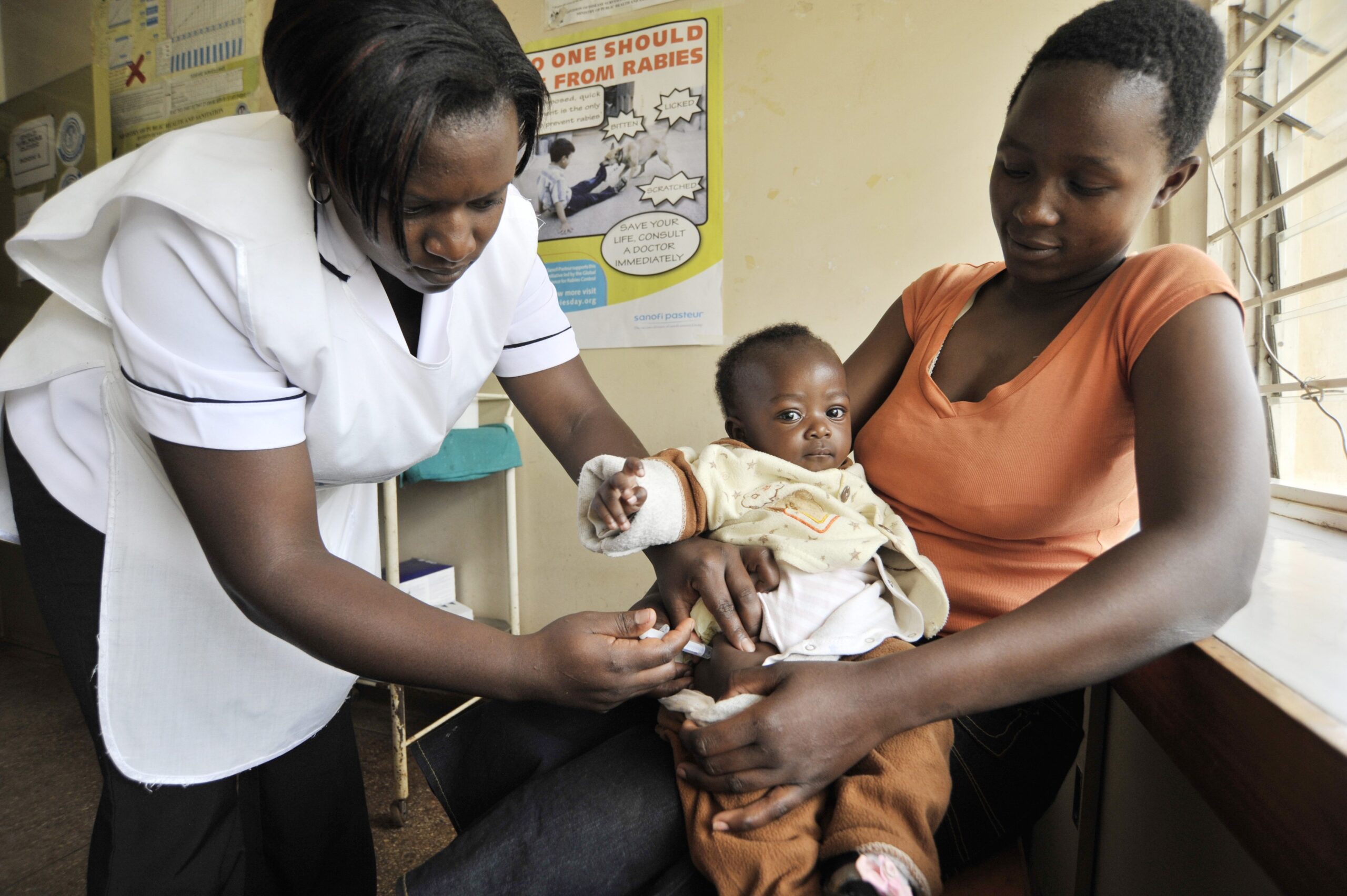
Juliet Akini, 21 years old, with her baby daughter Kathryn, born 5 July 2010, get new pneumococcal vaccine for her baby at the Langata Health Center on Tuesday February 15, 2011.

A state-sponsored forced sterilization on a massive scale has allegedly taken place in Africa according to opposition leaders and the public who are railing against the government. An industrial pharmaceutical laboratory has since had its license suspended by the Kenya Accreditation Service as a result of the controversy.

Kenya’s opposition leader Raila Odinga—who swore himself in as president on Tuesday—claimed that at least 500,000 young girls and women may be infertile, following a tetanus vaccine administered by the government in 2014 and 2015.

Related: We Consume Livestock Vaccines When We Ingest Meat

The controversy began coming to a head in 2016 when Agriq-Quest Ltd, a Nairobi-based pharmaceutical company got in a dispute with Kenya’s Ministry of Health over their tetanus and polio vaccinations. A group of Catholic doctors originally made the accusations claiming that the vaccines may contain a hormone that is dangerous to young women and can cause potential sterilization.

Odinga said girls and women aged between 14 and 49 from the fastest growing populations in the country will not have children, because of a state-sponsored sterilization exercise that was sold to the country as a tetanus vaccination.

The Catholic Church was ignored when it mounted a strong but lonely campaign against the mass tetanus vaccination, after it raised concerns about the safety of the vaccine that was being used, he said.

At the time, the Catholic Church in Kenya claimed that the tetanus vaccine used by the government of Kenya and UN agencies was contaminated with a hormone (hCG) that can cause miscarriages and render some women sterile.

“The Church’s position was informed by what had happened in Mexico, Nicaragua and Philippines, where the various governments together with WHO/UNICEF had conducted similar campaigns using tetanus toxoid impregnated with beta human chorionic gonadotropin (BhCG) that causes permanent infertility among girls and women,” Odinga continued.

Odinga says they confirmed through analysis of samples that the vaccines used were tainted with the hormone.

“Today, we can confirm to the country that the Catholic Church was right. Hundreds of thousands of our girls and women, aged between 14 and 49, from the fastest growing populations in the country will not have children, because of the state-sponsored sterilization that was sold to the country as tetanus vaccination,” he declared.

Related: Steps To Help Minimize Vaccine Side Effects

After Agriq-Quest’s license was suspended, the company pointed the finger at the government. They claimed that the government’s decision to suspend their license was due to the fact that Agriq-Quest refused to doctor the tests for them.

According to Business Dailly Africa, when Agriq-Quest conducted the tests on the vaccines, they found the Catholic Church’s suspicions to be correct.

As BDA reported, “The company’s results from tests carried out on the vials showed that the samples of the vaccines were contaminated as had been claimed by the Catholic Church and Agriq-Quest claimed the government wanted the results altered to show that they were fit to be administered to women and children.”

Related: How To Detoxify and Heal From Vaccinations – For Adults and Children

According to Odinga, as reported by APA, the government, for some mysterious reason, was hell-bent on misleading the country, while intentionally sterilizing Kenyan girls and women.

“The vaccines were a great crime committed against women. Women should choose when to have children and how to space them,” he said.

It is important to point out that the belief that tetanus vaccinations sterilizing citizens has been a long time controversy in Kenya and has been disproven prior to these claims.

Related: How Plumbing (Not Vaccines) Eradicated Disease

Also, after the discussion came to a head, in spite of claims of tests showing contamination, UNICEF and the World Health Organization later said that the vaccines were safe and procured from a pre-qualified manufacturer.

However, according to Odinga, they accessed the analysis from four highly-regarded institutions, such as Agriq Quest Ltd, the Nairobi Hospital Laboratories, the University of Nairobi and Lancet Kenya.

“These results all indicate that the Tetanus Toxoid Vaccine had high contents of beta human chorionic gonadotropin hormone (BhCG) that causes sterility in women.”