(Natural Blaze By Aaron Kesel) Monsanto sued Arkansas regulators of the Plant Board last Friday for banning another one of its controversial herbicides, this time it’s the company’s Dicamba product, not Roundup, Associated Press reported.
Dicamba is an herbicide that selectively kills weeds. It is commonly used in combination with other herbicides, such as glyphosate, and according to the National Pesticide Information Center is currently found in about 1,100 herbicide products. The chemical mimics natural plant hormones which cause unnatural growth and eventually death.
Dicamba is sold under a diversity of names including Banvel, Diablo, Oracle, and Vanquish, and is found in products used for both agricultural and home landscape purposes.
Several farmers from different states say the weed killer has drifted onto their crops and caused widespread damage within the past few years this has caused a stir for debate on whether or not to use the product.
The 18-member board approved the restriction on Monsanto’s XtendiMax herbicide in November and adopted a wider temporary ban several months later that included other Dicamba weed killers in response to the farmers’ complaints. Last month, they further rejected a petition to by Monsanto to allow its herbicide to be used.
Monsanto’s lawsuit accuses the Arkansas board of acting outside its authority in prohibiting its herbicide’s use and failing to consider research Monsanto had submitted to federal regulators. The suit also asks the judge to prevent the board from requiring it to submit research by University of Arkansas researchers in order to gain approval for herbicides in the state.
“The Plant Board’s arbitrary approach also has deprived, and if left unchecked will continue to deprive, Arkansas farmers of the best weed management tools available – tools that are available to farmers in every other soybean- and cotton-producing state in the nation,” Monsanto said in a lawsuit filed in Pulaski County Circuit Court.
The board’s regulations prohibit the use of Dicamba from April 16 through Oct. 31, 2018. The agriculture community is holding a public hearing on the new restrictions next month before the plan goes to lawmakers to be finalized as law.
The lawsuit comes a week after President Donald Trump’s Environmental Protection Agency announced it had reached a deal with Monsanto along with BASF and DuPont, which also make Dicamba herbicides, for new voluntary restrictions for the weed killer’s use. Under the deal, Dicamba products will be labeled as “restricted use” beginning with the 2018 growing season, requiring additional training and certifications for workers applying the product to crops.
Dicamba is considered more toxic than glyphosate, but less toxic than 2,4-D, the third most common broadleaf herbicide. (Monsanto is working on crops that are resistant to 2,4-D, as well.) Yet when used properly, Dicamba is considered only mildly toxic to people, pollinators, wildlife, and aquatic organisms. There is no scientific consensus on whether it has cancer-causing properties, though the EPA says “Dicamba is not likely to be a human carcinogen.”
Obesity waistline diet concept as a group of unhealthy fast food as hamburgers,fries and hot dogs bulging out as a fat stomach with a tape measure wrapped around the greasy food.
(Natural Blaze) It’s no secret that obesity is harmful to health, and recent studies have debunked the myth that one can be “fat but fit.”
Also well-established is the link between obesity and increased cancer risk, but how it actually causes cancer has yet to be fully explained.
A recent study offers more details on the association. Researchers at Michigan State University found that a certain protein released from fat in the body can cause a non-cancerous cell to turn into a cancerous one.
The research also found that a lower layer of abdominal fat, when compared to fat just under the skin, is the more likely culprit, releasing even more of this protein and encouraging tumor growth.
It is estimated that at least one-third of the population is obese. Obesity has been linked to several types of cancers including breast, colon, prostate, uterine, and kidney.
But Jamie Bernard, the study’s lead author and an assistant professor in pharmacology and toxicology, said that just being overweight isn’t necessarily the best way to assess risk:
“Our study suggests that body mass index, or BMI, may not be the best indicator. It’s abdominal obesity, and even more specifically, levels of a protein called fibroblast growth factor-2 that may be a better indicator of the risk of cells becoming cancerous.”
There are two layers of belly fat. The top layer, known as subcutaneous fat, lies right under the skin. The layer under that, called visceral fat, is the one she found to be more harmful.
Visceral fat – also known as “deep fat” – wraps around your internal organs, including your liver, pancreas, kidneys, and intestines. It is much more dangerous than subcutaneous fat (the fat that you can see – the “inch you can pinch”). That’s because visceral fat (which gets its name from viscera, which refers to the internal organs in the abdomen) affects how our hormones function and is thought to play a larger role in insulin resistance – which may increase Type 2 diabetes and heart disease risk.
Excess visceral fat is also linked to an increased risk of developing cancer, stroke, dementia, depression, arthritis, obesity, sexual dysfunction, and sleep disorders.
You don’t have to be visibly overweight to be at risk. Even relatively thin people can have too much visceral fat, which is why it is often referred to as “hidden” belly fat.
Here’s how Bernard and her team conducted their research:
Bernard and her co-author Debrup Chakraborty, a postdoctoral student in her lab, studied mice that were fed a high-fat diet and discovered that this higher-risk layer of fat produced larger amounts of the fibroblast growth factor-2, or FGF2, protein when compared to the subcutaneous fat. They found that FGF2 stimulated certain cells that were already vulnerable to the protein and caused them to grow into tumors.
She also collected visceral fat tissue from women undergoing hysterectomies and found that when the fat secretions had more of the FGF2 protein, more of the cells formed cancerous tumors when transferred into mice. (source)
What does this mean?
Bernard explains,
“This would indicate that fat from both mice and humans can make a non-tumorigenic cell malignantly transform into a tumorigenic cell.”
There are several other factors released from fat, Bernard said, including the hormone estrogen, that could influence cancer risk, but many of those studies have only been able to show an association and not a direct cause of cancer. She added that genetics also play a role.
“There’s always an element of chance in whether a person will get cancer or not. But by making smarter choices when it comes to diet and exercise and avoiding harmful habits like smoking, people can always help skew the odds in their favor.”
The study is published in the journal Oncogene and was funded by the National Institutes of Health.
(Dr. Mercola) Your olfactory sense, or the ability to smell, is integral to your health. Inside your nasal passages are two patches of cells designed to detect odors. They are made up of nearly 6 million olfactory receptor cells that allow you to detect and differentiate thousands of different scents. Although impressive, other animals have an even more acute sense of smell as often their survival is dependent on being able to smell enemies or their food.1
Your sense of smell is also intimately tied to your emotions, memories, ability to taste and even to sexual attraction. Research demonstrates that your ability to smell may peak at age 8. According to different studies, you may begin to lose sensitivity to scent between age 15 and your early 20s.2 However, that loss in sensitivity to scent is not consistent from person to person as some 80-year-olds have a sense of smell as keen as that of a young adult.
Some degradation of your sense of smell, and therefore your ability to taste food, may be related to air pollution.3 A combination of solvents, pesticides, disinfectants, pharmaceuticals, and perfumes may have a negative effect over the years on your ability to discern scent and on your sensitivity to smell.4 Loss of this ability may affect your capacity to pull up memories from the past.
Research shows odors are an effective reminder of experience,5 which may be tied to the way your brain processes odors and memories. Researchers have also found your sense of smell may predict your longevity, and you may be able to smell the scent of illness. In other words, the relationship between your sense of smell and your health is a two-way street.
From the early days of medical practice, doctors have used smell and taste to determine if their patients had a disease. Examples may be found from the late 1600s when English physician Thomas Willis observed the relationship between sweet-tasting urine and diabetes,6 to physicians today who may note a fruity scent on the breath of a diabetic whose blood sugar is too high.7 Over the years physicians have moved away from smell and taste to using more reliable methods of diagnosis.
However, a sensitive sense of smell may still give physicians a unique advantage. Some diseases have a particular scent. You may have even detected the scent of a sinus infection on the breath of a loved one. Researchers have described several scents related to diseases,8 including the smell of baked bread on someone with typhoid fever, boiled cabbage in someone unable to metabolize methionine, and the scent of a butcher’s shop on someone who suffers from yellow fever.
It appears that animals use this ability to maintain the health of the group.9 For instance, mice can determine through scent if another is sick, thus avoiding them. After testing this behavior, researchers concluded an inflammatory process in the body of a mouse had a profound impact on social behavior of the individual, reducing the motivation to engage in social interaction. At the same time, illness-related odor cues from a sick mouse inhibited social investigation by healthy members, thus impacting the transmission of disease.
Researchers tested this same response in human behavior and found you likely can smell if an immune response was activated.10Researchers injected participants with an endotoxin and found within a few hours they had a more aversive body odor compared to when they were exposed to a placebo. The researchers believed this chemosensory detection may represent the first experimental evidence that sickness smells.
The researchers also noted the individuals who were sick did not sweat more. The smell from their body was not only stronger but also had a different odor.11 The smell coming from your body emanates from a variety of different areas, not just sweat or your breath. The scent that is “normal” for you will depend on your age, diet, metabolism, health and gender.12
Mats Olsson, Ph.D., lead researcher evaluating scent change in humans after exposure to an endotoxin, continued this work and found the feelings of disgust individuals experienced after smelling unpleasant smells activated a mild immune reaction.13 This, in turn, may help protect you from getting sick. He also explored other sources of scent, such as breath and urine, and found an inflammatory process was indicated by these odors and was a good indicator of some diseases.
How Does Illness Affect Body Odor?
In the original research, Olsson’s participants rated the scent of body odor, or the scent your body produces after bacteria on your skin breaks down proteins from your sweat into acids.14 Your sweat alone is virtually odorless, but the bacteria on your skin that multiply rapidly in the presence of sweat, and the subsequent breakdown of sweat into acids is what triggers the odor. Your sweat is specific to the individual, which is how dogs and other animals can identify different people.
The genes that control your immune response also influence your body odor and scent production. An activated immune response may also change your excretion of metabolic byproducts that may also change your body odor.15 For instance, during stress your cortisol levels are higher, and during an immune response your androgen excretion is lower.16
Another example of body odor changing with different levels of hormones in your body is stress sweat. You likely have experienced this phenomenon at some point in your life — your body odor becomes strikingly different and worse when you are stressed. As cortisol and adrenaline, released when you’re stressed, flood your body, they may cause an increase in sweat production.17
However, this type of sweat is released from two different types of glands under your arms. Eccrine glands secrete sweat when you’re overheated, while apocrine glands contribute sweat when you’re stressed.
The difference is that sweat secreted from your apocrine glands contain more of the nutrients bacteria on your skin require to grow and multiply. These added nutrients increase the byproduct of the bacterial metabolism and change the smell and strength of the odor coming from your sweat. In the same way that a “sick smell” triggers an immune response in others, this type of sweat changes the way you’re perceived.18
Man’s Best Friend May Help Detect Disease
Dogs have been used to help people with diabetes detect abnormally high or low blood sugar before they can feel it and predict seizures before they happen. Today, researchers are working with canines to help detect the scent of cancer. Several demonstrations of how dogs are being used to detect medical changes, including the diagnosis of cancer, are shown in this short news video.
A dog’s ability to smell is far greater than a human’s. While you have 6 million olfactory receptor cells, dogs have 300 million, and the part of the brain that is devoted to analyzing those odors is proportionally 40 times larger than yours.19 Dogs in the study in Britain detected bladder and prostate cancer 90 percent of the time or greater. In another study, dogs could detect lung cancer with up to 85 percent accuracy.20
In yet another example, a Labrador retriever was trained to detect the scent of colorectal cancer from breath and stool samples with greater than 90 percent accuracy.21 Using breath samples, the dog could detect colorectal cancer with 91 percent accuracy and had an amazing 97 percent accuracy with stool samples. The researchers concluded:22
“This study shows that a specific cancer scent does indeed exist and that cancer-specific chemical compounds may be circulating throughout the body. These odor materials may become effective tools in colorectal cancer screening.”
Even without training, dogs can detect differences in their owners and warn them of impending problems. In a study of 212 dog owners with medically diagnosed Type 1 diabetes, researchers found 65 percent reported their untrained dogs had warned them of an impending hypoglycemic event by barking and growling.23
Researchers have known that malignant tumors exude tiny amounts of alkanes and benzene derivatives that are not found in healthy tissue.24 In another study using dogs to detect either lung or breast cancers, the researchers found the animals were 88 percent accurate with breast cancer and 99 percent accurate with lung cancer detection, with no false positives.25 However, while the dogs provide a noninvasive way of screening for disease, many medical professionals find the practice controversial.26
Not all studies demonstrate the same accuracy, although the scent may be confounded by other odors present in the area, such as hospital odors when tests are done in the hospital. Accuracy is also slightly different between individual dogs, in much the same way that behaviors between most trained animals occur. Some researchers are interested in isolating the exact compounds detected by the dogs so training may be standardized.
Next-Gen Dog Noses
Since some studies have not been able to replicate the results, and the animals do not perform the same way 100 percent of the time, scientists have been investigating the use of electronic noses. The concept is similar to the devices built to detect explosive components used in bomb making.27 Early use of electronic noses was undertaken by police departments to identify and quantify alcohol use in drivers.
However, for electronic devices to function, researchers must first identify the chemical components of the disease that are causing the smell. Scientists believe this may standardize the process and improve diagnosis using noninvasive methods. Using an electronic method may also overcome skepticism of physicians who may not want dogs participating in the diagnosis of disease, but may be more comfortable with an electronic device similar to one in use since 1967 to test alcohol levels on your breath.28
While electronic devices may be more acceptable in the medical community for diagnosis, dogs continue to be an important adjunct to the management of several metabolic and neurological disorders. According to George Preti, Ph.D., organic chemist at Monell Chemical Senses Center:29
“There are groups looking to fund research with dogs as detectors because dogs can pick up the odors in people, particularly children who are not properly regulating themselves, Type 1 diabetic children. They can be trained to pick up this peculiar odor on the breath at an early stage and warn people that they are having a low or going into a high of blood sugar.”
Importance of Smell to Your Health and Predicting Death
Your sense of smell may also have predictive value in determining your longevity, and changes in your sense of smell may indicate the early stages of dementia.30 Smell is inextricably linked to memories formed in the limbic area of your brain. In a study of nearly 3,000 people ages 57 to 85, researchers found that nearly all the participants who could identify only one or two of five different scents had evidence of dementia five years after the test was completed.31
The olfactory nerve is located deep in the base of the brain. When you have problems with smell, it may indicate a higher likelihood you may develop Parkinson’s disease or other neurological disorders, such as Alzheimer’s disease. According to the U.S. Centers for Disease Control and Prevention, Alzheimer’s is the sixth leading cause of death in the U.S. and has an annual research budget of $480 million.32
Researchers hope that by using a simple and inexpensive smell test for early identification, patients may be saved the cost of an MRI and offered early intervention to slow the progression of the disease. In an analysis of similar data from the National Social Life, Health and Aging Project,33 researchers found an inability to perceive odor was associated with a four times greater risk of death in the following five years, compared to those who had a healthy sense of smell.
The researchers took into account potential confounding factors, such as nutrition, smoking, cognitive function and alcohol abuse. The researchers concluded that your olfactory sense was one of the strongest predictors of five-year mortality. As reported in the Guardian:34
“The olfactory nerve is the only part of the nervous system that is exposed to the open air. As such, it offers poisons and pathogens a quick route into the brain, and so losing smell could be an early warning of something that will ultimately cause death.”
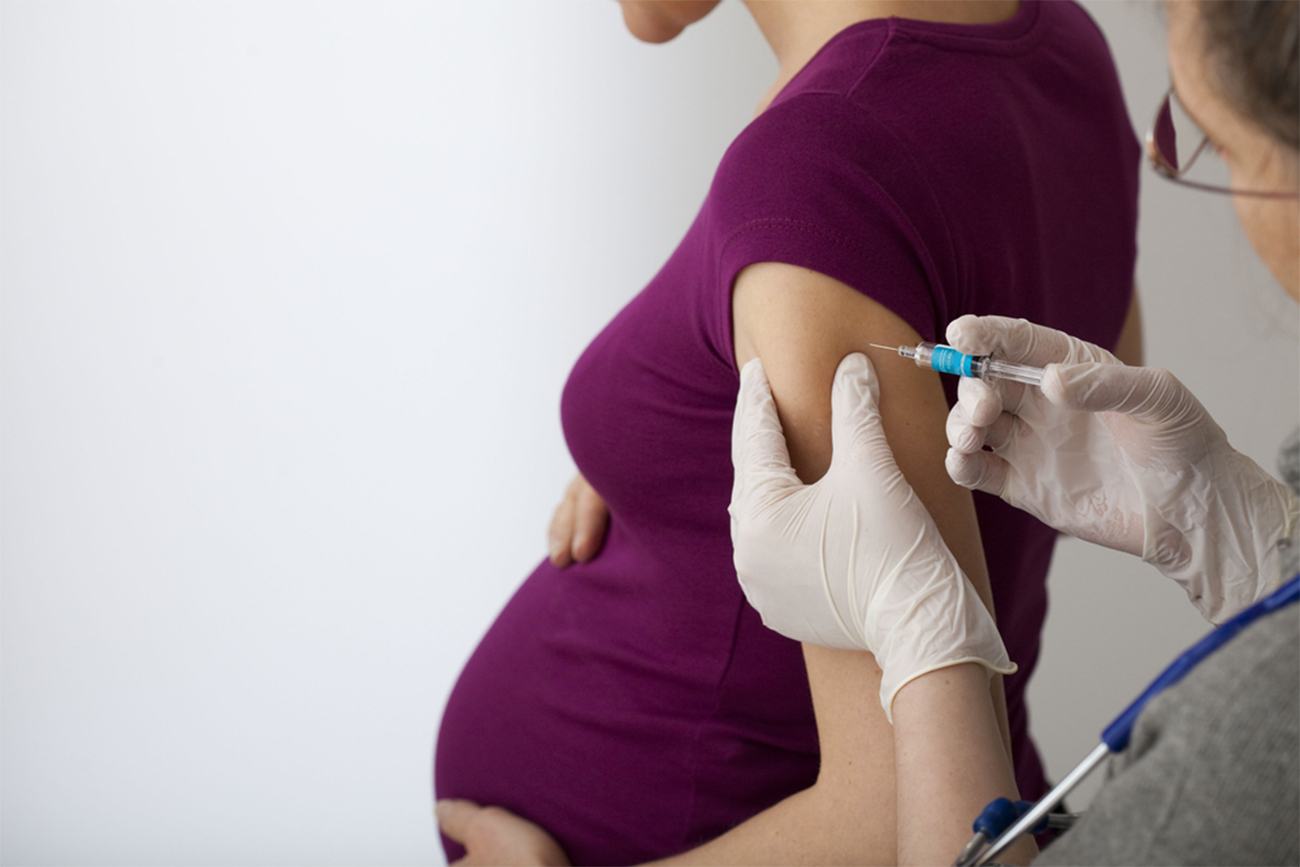
(Natural News) If you were told that obediently getting your flu shot every year would give you a 40 to 60 percent shot at avoiding the flu (or zero, if the experts get it wrong that year), but would double your chances of having a miscarriage one day, would you find those odds acceptable? Many women would be appalled if that were true, and would avoid getting the flu shot at all costs. Well, a recent study, published in the journal Vaccine, has reached exactly that conclusion (though everyone seems to be doing their level best to deny the study’s results).
It is incredibly important to note right at the outset that this study was funded by the Centers for Disease Control and Prevention (CDC) – the very body that determines the country’s annual vaccination schedule, and the biggest vaccine pusher out there. (Related: Flu facts they don’t want you to know about.)
The Center for Infectious Disease Research and Policy (CIDRAP), which is pro-vaccines, recently reported:
A study published today in Vaccine suggests a strong association between receiving repeated doses of the seasonal influenza vaccine and miscarriage. [Emphasis added]
This is an unambiguous warning about repeated doses of the flu vaccine for women planning to have a baby. Nonetheless, the article’s author very quickly tried to soften the blow and protect vaccine industry interests. (Related: Discover the truth at Vaccines.news)
Almost immediately, Stephanie Soucheray, who wrote the CIDRAP article, quoted the lead author of the study as saying that this is not a “causal relationship.” She then interpreted his comment, claiming that “the data don’t necessarily show that the flu vaccine causes miscarriages.”
This is a direct contradiction of her opening remarks, as quoted above.
The study, which was led by James Donahue, DVM, PhD, MPH, a senior epidemiologist at the Marshfield Clinic in Wisconsin, was conducted over the 2010 to 2012 flu seasons, and compared 485 women who had experienced early miscarriage to a number of women who had carried babies to term (either born alive or stillborn).
The research team’s aim was to investigate whether miscarriage was more likely to occur within 28 days of a woman receiving the flu vaccine.
For women who had not received a flu shot in the previous year, there was no increased risk of miscarriage. However, women who received back-to-back shots, one of which was the vaccine against the 2009 H1N1 virus, had an adjusted odds ratio (aOR) of 7.7 compared to an aOR of just 1.3 for women who had not been vaccinated during the previous flu season.
The CIDRAP propaganda piece went on to note, “The overall aOR in the 28-day window was 2.0, or double the risk,” but then went on to claim that these results were “not statistically significant.” [Emphasis added]
Soucheray then claimed that the study should essentially not be taken seriously because:
Previous research into a correlation between the flu vaccine and miscarriage did not find the same link; and
It’s likely that only women who would get the flu shot would report it if they had experienced a miscarriage. This, she claims, would skew the results towards an association that isn’t really there. i.e. If you don’t get the flu shot you’re likely ignorant and uneducated and unlikely to report something as massive as a miscarriage to your attending physician.
The CIDRAP article closed off neatly with an admonition to still get your flu shot, and stressed that there was “no change to recommendations.”
The thing is, even the CDC, which stresses the need for pregnant women to be vaccinated against the flu because of its myriad complications in pregnancy, only promises:
Studies in young healthy adults show that getting a flu shot reduces the risk of illness by 40% to 60% during seasons when the flu vaccine is well-matched to circulating viruses.
What that essentially means is that getting the flu shot gives a pregnant woman a 50/50 shot at preventing the virus, and then only if the vaccine is “well-matched to circulating viruses.”
Before every flu season, experts have to essentially guess which three flu strains are likely to dominate and create a vaccine accordingly. This process is random at best, and with only a 50/50 chance of success, but a 200 percent risk of increased miscarriage, it is something that those hoping to fall pregnant in the future need to weigh very carefully.
(Natural News) To anyone who doesn’t frequently engage in exercise, just mentioning the word brings up images of exhaustion, pain, and lots of sweat. These are more than enough to turn plenty of us off from physical activity. Yet according to one Harvard doctor, the best exercises may actually be the easiest ones.
Forget long-distance running: Dr. I-Min Lee, a professor of medicine at Harvard Medical School, says that this can do a number on your joints and digestive system. There are five low-impact exercises you can do to lose weight, build muscle, and strengthen your bones, all of which Lee has extensively discussed in a Harvard Medical School report entitled “Starting to Exercise”. These exercises are:
Swimming: Lee has called this “the perfect workout” since it requires you to use all the muscles in your body. Swimming has plenty of other health benefits too, and these run the gamut from improved brain and heart health to decreased risk of chronic illness to better helping you keep your weight under control. Plus, being in water takes a huge load off your joints, so people who have arthritis can easily do swimming and enjoy the benefits it has to offer. Swimming regularly for 30 to 45 minutes is the ideal.
Tai chi: Also known as tai chi chuan, this centuries-old Chinese martial art involves performing a series of slow, rhythmic movements while paying special attention to deep breathing. Although gentle and relaxing in appearance, tai chi can actually enhance your upper- and lower-body strength, boost flexibility, and help you develop a greater sense of balance. Furthermore, practitioners of tai chi typically go at their own pace, so they aren’t left struggling for breath at the end of each session. This makes tai chi perfect for all kinds of people regardless of their fitness level or age. In fact, Lee has gone on to state that tai chi “is particularly good for older people because balance is an important component of fitness, and balance is something we lose as we get older.” (Related: Tai chi benefits people with chronic health problems like Parkinsons, arthritis and fibromyalgia)
Strength training: If your goal is to build muscle and lose weight, then strength training is for you. This type of physical exercise basically involves using weight to create resistance against gravity, resulting in improved strength and endurance. Barbells, dumbbells, elastic bands, weighted ankle bracelets, and even your own body can serve as weights during strength training. You can begin strength training by performing a single set of eight to 12 movement repetitions per session. From here, build up to a greater number of sets and more intense training sessions. Just keep in mind that consistency is the key to getting positive results from strength training.
Walking: Perhaps the easiest exercise to pull off, walking is one of the most beneficial as well. Brisk walking daily for a solid 20 minutes has been found to add years to your life. Even leisurely walking for 30 minutes can do wonders for your brain and body. If you’ve never engaged in walking as an exercise before, then start off with 10- to 15-minute treks around your neighborhood. Gradually build up your walking routine to 30- or 60-minute hikes, and soon enough you’ll be feeling better than before.
Kegel exercises: Doing Kegel exercises will basically have you clenching and releasing the muscles that make up your pelvic floor, which are the muscles that support your pelvic organs. Kegel exercises are usually encouraged as a treatment against urinary stress incontinence, particularly among women. But both men and women can benefit from these exercises since the muscles in our pelvic floor weaken with age and make us more prone to bladder leakage and passing gas at inappropriate moments. To perform Kegel exercise, squeeze the muscles of your pelvic floor in the same way you’d hold in pee and hold these contractions for two to three seconds. Release and repeat 10 more times.
As Lee has shown, you don’t need to push your body until it breaks to be healthy. Making time, putting in the effort, and keeping at it is what exercise is all about. And whether you choose tai chi or brisk walking, you’ll come out looking and feeling your best ever.
Visit Slender.news for more tips and tricks to achieving your best state of health.