Flu Vaccines In Pregnancy And Childhood: What You Need To Know

(NaturalBlaze by The World Mercury Project Team) Download and print our flu vaccine brochure. Share with your family, friends, doctors and community leaders.

Visit this flu vaccine web page. It’s full of flu facts to help you make informed decisions about your family’s healthcare.

You want to do everything right for your child, and would never knowingly allow someone to inject a neurotoxin into your infant. Before getting a flu shot, you need to know this: MERCURY is a NEUROTOXIN.

Related: Doctors Against Vaccines – Hear From Those Who Have Done the Research

What You Need to Know

The Food and Drug Administration (FDA) warns pregnant women and young children not to eat fish containing high levels of methylmercury. Yet the Centers for Disease Control and Prevention (CDC) recommends pregnant women and infants get influenza vaccines, many of which contain ethylmercury from the preservative thimerosal. Receiving them may result in mercury exposures exceeding the Environmental Protection Agency (EPA) recommended maximum levels.

World Mercury Project is deeply concerned that the risks of getting mercury-containing seasonal influenza vaccines may outweigh the benefits for pregnant women, infants and children. Mercury is known to be highly toxic to brain tissue and can impact critical stages of brain development.

2017 CDC study links miscarriage to flu vaccines, particularly in the first trimester. Pregnant women vaccinated in the 2010/2011 and 2011/2012 flu seasons had two times greater odds of having a miscarriage within 28 days of receiving the vaccine. In women who had received the H1N1 vaccine in the previous flu season, the odds of having a miscarriage within 28 days were 7.7 times greater than in women who did not receive a flu shot during their pregnancy.

study published in 2016 that looked at the safety of flu vaccines found a moderately elevated risk for major birth defects in infants born to women who had received a flu vaccine during the first trimester of pregnancy. A study published in 2017 found an elevated risk of autism spectrum disorders in children whose mothers had a first trimester flu shot.

Related: How To Detoxify and Heal From Vaccinations – For Adults and Children

Flu vaccine administration is documented to cause an inflammatory response in pregnant women. Recent research found inflammation during pregnancy is associated with the development of autism spectrum disorders.

large study in approximately 50,000 pregnant women over five flu seasons found no difference in the risk for developing influenza or similar illnesses between those who received the influenza vaccine during pregnancy and those who did not.

An independent 2014 review found no randomized controlled trials assessing vaccination in pregnant women. It states, “The only evidence available comes from observational studies with modest methodological quality. On this basis, vaccination shows very limited effects.”

Scientific studies have documented that ethylmercury used in vaccines crosses into the infant brain and could impact critical stages of brain development.

Know the Facts

2017-2018 Flu Vaccines

TABLE 1. Influenza vaccines — United States, 2017–18 influenza season*

Trade name Manufacturer Presentation Age Indication Mercury (from thimerosal, µg/0.5 mL)
Inactivated influenza vaccines, quadrivalent (IIV4s), standard-dose
Afluria Quadrivalent Seqirus 0.5 mL prefilled syringe ≥18 years NR
5.0 mL multidose vial ≥18 years (by needle/syringe) 24.5
18 through 64 years (by jet injector)
Fluarix Quadrivalent GlaxoSmithKline 0.5 mL prefilled syringe ≥3 years NR
FluLaval Quadrivalent ID Biomedical Corp. of Quebec (distributed by GlaxoSmithKline) 0.5 mL prefilled syringe ≥6 months NR
5.0 mL multidose vial ≥6 months <25
Fluzone Quadrivalent Sanofi Pasteur 0.25 mL prefilled syringe 6 through 35 months NR
0.5 mL prefilled syringe ≥3 years NR
0.5 mL single-dose vial ≥3 years NR
5.0 mL multidose vial ≥6 months 25
Inactivated influenza vaccine, quadrivalent (ccIIV4), standard-dose,† cell culture-based
Flucelvax Quadrivalent Seqirus 0.5 mL prefilled syringe ≥4 years NR
5.0 mL multidose vial ≥4 years 25
Inactivated influenza vaccine, quadrivalent (IIV4), standard-dose, intradermal
Fluzone Intradermal Quadrivalent Sanofi Pasteur 0.1 mL single-dose prefilled microinjection system 18 through 64 years NR
Inactivated Influenza Vaccines, trivalent (IIV3s), standard-dose
Afluria Seqirus 0.5 mL prefilled syringe ≥5 years NR
5.0 mL multidose vial ≥5 years (by needle/syringe) 24.5
18 through 64 years (by jet injector)
Fluvirin Seqirus 0.5 mL prefilled syringe ≥4 years ≤1
5.0 mL multidose vial ≥4 years 25
Adjuvanted inactivated influenza vaccine, trivalent (aIIV3), standard-dose
Fluad Seqirus 0.5 mL prefilled syringe ≥65 years NR
Inactivated Influenza Vaccine, trivalent (IIV3), high-dose
Fluzone High-Dose Sanofi Pasteur 0.5 mL prefilled syringe ≥65 years NR
Recombinant Influenza Vaccine, quadrivalent (RIV4)
Flublok Quadrivalent Protein Sciences 0.5 mL prefilled syringe ≥18 years NR
Recombinant Influenza Vaccine, trivalent (RIV3)
Flublok Protein Sciences 0.5 mL single-dose vial ≥18 years NR

*NR = not relevant (does not contain thimerosal).

If You Are Pregnant or Have Small Children . . .

  • If you decide to vaccinate, insist on mercury–free influenza vaccines for yourself and your children and do not get a flu vaccine the same day as other vaccines.
  • Do not let yourself be pressured into receiving a vaccine that you don’t want; should you choose to vaccinate, insist that your doctor or pharmacist find you a mercury-free vaccine.
  • If mercury-free vaccines are unavailable, look at the evidence and decide if the influenza virus is a significant concern for your family.
  • Also, consider the evidence regarding the effectiveness of the flu vaccine in actually preventing influenza. For information visit www.summaries.cochrane.org
According to flu vaccine package inserts, “Safety and effectiveness has not been established in pregnant women or nursing mothers and should only be given to a pregnant woman if clearly needed.

More Vaccine Facts to Know…

All vaccines, with or without mercury, pose health risks. However, the influenza vaccine is of great concern, as many brands contain high levels of mercury in their multi-dose vials. Be sure to read package inserts for any vaccine prior to getting vaccinated.
According to flu vaccine package inserts, “Safety and effectiveness has not been established in pregnant women or nursing mothers and should only be given to a pregnant woman if clearly needed.”

A study that compared children who received flu vaccine to those who did not found no significant difference in the rate of influenza between the active and placebo groups. It also found that the group of children who received the flu vaccine had a 4.4 times relative risk of non-influenza respiratory tract infections.

An Australian study found one in every 110 children under the age of 5 had convulsions following vaccination with the FLUVAX H1N1 vaccine in 2009. Additional research found a spike in cases of narcolepsy in children associated with the H1N1 vaccine.

review in the medical journal The Lancet found a lack of health benefits from influenza vaccine in children under two along with significantly increased rates of vaccine-related adverse events.

Tips for Preventing the Flu

Simple techniques such as avoiding those with flu-like illnesses, eating a healthy diet and good hand washing can prevent many cases of flu. If you do contract influenza, optimizing vitamin D levels, fluid intake and rest can boost immune function.

For complete list of references, articles on flu vaccines and more, please visit our website at www.worldmercuryproject.org/flufacts

Sign up for free news and updates from Robert F. Kennedy, Jr. and the World Mercury Project. Your donation will help to support us in our efforts.

Related Reading:

New Study Shows Artificial Sweeteners Lead to Diabetes

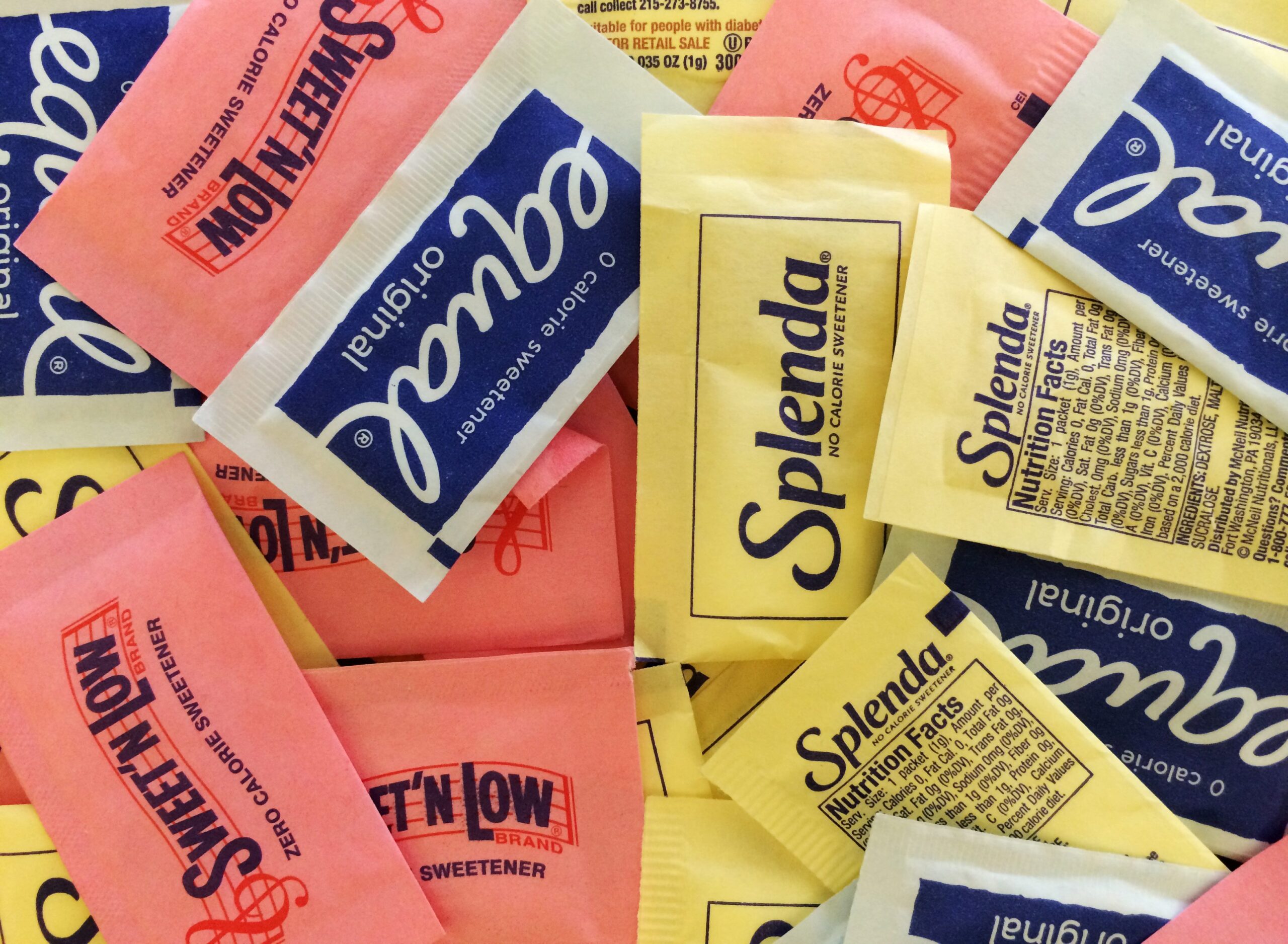
Artificial sweeteners are displayed, on Wednesday, Sept. 17, 2014, in New York. Artificial sweeteners may set the stage for diabetes in some people by hampering the way their bodies handle sugar, according to results of a study released Wednesday by the journal Nature. (AP Photo/Jenny Kane)

(Dr. Mercola)

The American Diabetes Association states foods and drinks that use artificial sweeteners are an option that “may help curb your cravings for something sweet” if you have diabetes. They’re among a number of public health organizations spreading the deceptive and incorrect message that artificial sweeteners make a sensible alternative to sugar for diabetics even as the research continues to accumulate to the contrary.

In a small, preliminary study presented at the European Association for the Study of Diabetes in Lisbon, Portugal, researchers at the University of Adelaide in Australia revealed that artificial sweeteners impair the body’s response to glucose, reducing control of blood sugar levels.1,2 The study involved 27 healthy participants who were given either capsules of the artificial sweeteners sucralose (brand name Splenda) and acesulfame K in an amount equivalent to consuming 1.5 liters of diet drinks a day or a placebo.

It took just two weeks for the artificial sweetener group to show adverse effects to their blood sugar levels, including a reduction in numbers of the gut peptide GLP-1, which limits the rise in blood sugar after eating. Lead study author Richard Young, associate professor at the University of Adelaide, said in a news release, “This highlights the potential for exaggerated post-meal glucose levels in high habitual NAS [noncaloric artificial sweeteners] users, which could predispose them to developing Type 2 diabetes.”3

Related: Healthy Alternative Sugars & More

Science Increasingly Suggests Artificial Sweeteners Contribute to Glucose Intolerance, Diabetes

Critics of the University of Adelaide study suggested it was too small and “impossible from the data available” to conclude that the observed changes would lead to diabetes.4 However, it’s not the first study to suggest such a link. For instance, drinking aspartame-sweetened diet soda daily increased the risk of Type 2 diabetes by 67 percent (regardless of whether the participants gained weight or not) and the risk of metabolic syndrome 36 percent in one study.5

Artificial sweeteners may increase your risk of weight gain, obesity, metabolic syndrome and other related problems like Type 2 diabetes by inducing “metabolic derangements,” according to a report published in the journal Trends in Endocrinology and Metabolism.6 Research published in Applied Physiology, Nutrition and Metabolism also found aspartame intake is associated with greater glucose intolerance in people with obesity.7

Glucose intolerance is a condition in which your body loses its ability to cope with high amounts of sugar, and it’s a well-known precursor to Type 2 diabetes. It also plays a role in obesity, because the excess sugar in your blood ends up being stored in your fat cells. This means obese individuals who use aspartame may have higher blood sugar levels, which in turn will raise insulin levels, leading to related weight gain, inflammation and an increased risk of diabetes.

Artificial Sweetener in Four Cans of Diet Soda Daily May Increase Fat Production, Inflammation

As far as sucralose goes, in April 2017 research presented at ENDO 2017, the Endocrine Society’s 99th annual meeting in Orlando, Florida, also found that this artificial sweetener promotes metabolic dysfunction that may promote the accumulation of fat.8

Sucralose was tested on stem cells taken from human fat tissue, which revealed that a dose similar to what would be found in the blood of someone who drinks four cans of diet soda a day increased the expression of genes linked to fat production and inflammation, as well as increased fat droplets on cells.9

Related: Holistic Guide to Healing the Endocrine System and Balancing Our Hormones

The study’s lead author, Dr. Sabyasachi Sen, associate professor of medicine and endocrinology at George Washington University in Washington, D.C., noted in a press release, “From our study, we believe low-calorie sweeteners promote additional fat formation by allowing more glucose to enter the cells, and promotes inflammation, which may be more detrimental in obese individuals.”10

The fact that the artificial sweetener was associated with increased glucose uptake in the cells was particularly concerning, as it could have detrimental effects for people with elevated blood sugar levels, like those with diabetes or prediabetes.11

Consuming Artificial Sweeteners Alters Gut Flora, Exacerbating Metabolic Disease

It’s a little-known fact that artificial sweeteners have been shown to induce glucose intolerance by altering gut microbiota.12 Research led by Eran Elinav of the Weizmann Institute of Science in Rehovot, Israel, first showed that mice fed artificial sweeteners developed glucose intolerance after 11 weeks. They then revealed that altering the animals’ gut bacteria influenced their glucose response.

Related: Candida, Gut Flora, Allergies, and Disease

Specifically, when they transplanted feces from glucose-intolerant mice consuming saccharin to mice with sterile intestines, the latter group developed glucose intolerance, “indicating that saccharin was causing the microbiome to become unhealthy,” Scientific American reported.13 Perhaps the most revealing part of the experiments came when the researchers tested artificial sweeteners on people. Scientific American continued:14

“[Elinav’s] team recruited seven lean and healthy volunteers, who did not normally use artificial sweeteners, for a small prospective study. The recruits consumed the maximum acceptable daily dose of artificial sweeteners for a week. Four became glucose intolerant, and their gut microbiomes shifted towards a balance already known to be associated with susceptibility to metabolic diseases.”

Splenda has also been found to reduce the amount of beneficial bacteria in rat intestines by 50 percent15 and depending on which ones are affected it could certainly affect your diabetes risk. Studies have found that the microbial composition in diabetics differ from nondiabetics.16

In particular, diabetics tend to have fewer firmicutes and more plentiful amounts of bacteroidetes and proteobacteria compared to nondiabetics. A positive correlation for the ratios of bacteroidetes to firmicutes and reduced glucose tolerance has also been found.

A researcher in Amsterdam, Dr. Max Nieuwdorp, has published a number of studies looking at changes in the microbiome that are characteristic of Type 2 diabetes.17 In one trial, he was able to reverse Type 2 diabetes in all of the 250 study participants by doing fecal transplantations on them. Remarkable as it may sound, by changing the makeup of the gut bacteria, the diabetes was resolved, so it’s not a stretch to think that the opposite could also hold true.

Diet Drinks May Trigger a Greater Metabolic Response Than Sugary Drinks

Part of the problem with artificial sweeteners is that the sweet taste they provide (in many cases even hundreds of times sweeter-tasting than sugar) does not match up with the energy (or calories) the food provides.

Your body, however, is designed to relate the two, and a recent study by Yale University School of Medicine researchers revealed that the mismatch that occurs when consuming artificially sweetened foods and beverages leads to disruptions to metabolism.18,19 In a Yale University press release, senior author and psychiatry professor Dana Small said:20

“The assumption that more calories trigger greater metabolic and brain response is wrong. Calories are only half of the equation; sweet taste perception is the other half … Our bodies evolved to efficiently use the energy sources available in nature. Our modern food environment is characterized by energy sources our bodies have never seen before.”

The study found that an artificially sweetened, lower-calorie drink that tastes sweet can trigger a greater metabolic response than a drink with a higher number of calories.21 Your body uses the drink’s sweetness to help determine how it should be metabolized. When sweetness matches up with the calories, your brain’s reward circuits are duly satisfied. However, when the sweet taste is not followed by the expected calories, your brain doesn’t get the same satisfying message.22

This may explain why diet foods and drinks have been linked to increased appetite and cravings, as well as an increased risk of diabetes and other metabolic diseases.23,24 When you eat something sweet, your brain releases dopamine, which activates your brain’s reward center. The appetite-regulating hormone leptin is also released, which eventually informs your brain that you are “full” once a certain amount of calories have been ingested.

However, when you consume something that tastes sweet but doesn’t contain any calories, your brain’s pleasure pathway still gets activated by the sweet taste, but there’s nothing to deactivate it, since the calories never arrive. Artificial sweeteners basically trick your body into thinking that it’s going to receive sugar (calories), but when the sugar doesn’t come, your body continues to signal that it needs more, which results in carb cravings.

Yale Cardiologist — and Ex-Diet Soda Fiend — Speaks Out Against Them

Dr. Harlan Krumholz is a cardiologist at Yale University School of Medicine who openly states, “I used to pound down diet drinks.”25 Like so many Americans, he believed the low-calorie, sugar-free drinks to be a guilt-free source of caffeine that helped him keep his weight down. Now he feels betrayed, and he’s speaking out against them. Krumholz cited a recent systematic review and meta-analysis of randomized controlled trials (RCTs) — the gold standard of research — which found:26

“Evidence from RCTs does not clearly support the intended benefits of nonnutritive sweeteners for weight management, and observational data suggest that routine intake of nonnutritive sweeteners may be associated with increased BMI [body mass index] and cardiometabolic risk.”

He also mentioned other concerning studies, like one that found artificial sweeteners activate different areas in the brain than regular sugar,27 which could ultimately influence feelings of hunger and reward pathways.

Another, conducted by his Yale University colleagues, found artificial sweeteners “are not physiologically inert compounds” and may “impact energy balance and metabolic function, including actions on oral and extra-oral sweet taste receptors, and effects on metabolic hormone secretion, cognitive processes (e.g., reward learning, memory, and taste perception), and gut microbiota.”28 Krumholz wrote in The Wall Street Journal that he’s stopped his daily diet drinks and is removing them from the rest of his diet as well.

It is reasonable to ask why these substances were not evaluated as drugs in the first place,” he says. “Millions of people are exposed to them every day, and yet their long-term effect is uncertain. Could they be actually causing the health problems they were intended to prevent? I don’t know the answer at this point, but it seems to me that the burden of proof is on the manufacturers to show benefit and demonstrate safety through clinical trials …

If, in the end, we discover that large-scale consumption of diet drinks and foods helped fuel the obesity epidemic, it would be more than ironic. It would be tragic.”29

Are You Ready to Ditch ‘Diet’ Foods From Your Diet?

I would not recommend waiting for public health agencies to catch up to the science and change their stance on artificial sweeteners before making changes to your diet. If you’re currently an artificial sweetener fanatic, or even if you consume them in moderation, ditching them from your diet is a smart move for your health. Be aware that they’re found not only in diet sodas but also in many low-calorie and reduced-calorie foods, from yogurt and ice cream to bread and salad dressing.

Stevia is an acceptable replacement, but I also suggest curbing your sweet cravings by eating fermented vegetables or drinking water with lemon or lime juice added — the sour taste helps reduce cravings, as does organic black coffee.30,31 To learn more, my book “Sweet Deception” has the details about why artificial sweeteners are so hazardous for your health as well as common artificial sweetener-related side effects to watch out for.

Federal Officials Alerting Consumers About Dangerous Mattress Chemicals

OLYMPUS DIGITAL CAMERA

(Dr. Mercola) In 2015, Earthjustice and Consumer Federation of America, on behalf of a group of more than 20 firefighter, health, science and consumer groups, including the American Academy of Pediatrics, the National Hispanic Medical Association and the International Association of Fire Fighters, asked the U.S. Consumer Product Safety Commission (CPSC) to ban organohalogen flame retardants (OFRs), which have been linked to reduced IQ, cancer, hormone disruption and reproductive system damage.1

The petition called for sales of four categories of consumer products — children’s products, furniture, mattresses and electronic casings — to be prohibited if they contain the chemicals, and in a major victory for environmental and public health, in September 2017 CPSC voted to grant the petition to remove the toxic chemicals from the product categories mentioned.

Organohalogen Flame Retardants May Leave a Toxic Legacy Similar to PCBs

At a public hearing held prior to the vote, Genna Reed, science and policy analyst at the Center for Science and Democracy at the Union of Concerned Scientists, testified that OFRs should be urgently banned, comparing their use to the “earliest form of flame retardants, polychlorinated biphenyls (PCBs),” which are also organohalogens, along with DDT.

PCBs, which have been linked to cancer, reproductive problems and impaired fetal brain development, accumulate in the environment, leaving a lasting toxic legacy that, unfortunately, may be very similar to that left by flame retardants, even after they’re banned. Reed testified:2

“Despite being banned in 1977, these chemicals [PCBs] are still found in dangerously high amounts all over industrial hotspots of the country, and continue to bioaccumulate in a range of species. The ban of PCBs happened decades ago and we are still managing the damaging impacts of the chemical’s prevalence across the country.

The next generation of these chemicals, organohalogen flame retardants, are inside of our own homes in a range of products, thanks largely in part to the disinformation campaign sowed by special interests. The fact remains that the science does not support their continued use.”

Related: What’s Ailing You? Could it be Your Mattress?

The U.S. Environmental Protection Agency (EPA) is also evaluating OFRs, but it could be 10 years or more before they make a decision to ban or restrict their use.3 Part of what makes OFRs so toxic is their semivolatile nature, which allows them to migrate from consumer products into household dust, where every household member, from children to pets, is easily exposed.

In a U.S. study conducted by the Environmental Working Group (EWG), flame retardants were detected in every sample of household dust they tested, at concerning levels.

“The average level of brominated fire retardants measured in dust from nine homes was more than 4,600 parts per billion (ppb) … [while] a tenth sample contained more than 41,000 ppb of the chemicals — twice as high as the maximum level previously reported by any dust study worldwide,” EWG reported.4 As Reed noted, OFRs easily meet the definition of “toxic” under the Federal Hazardous Substances Act (FHSA) because ample evidence shows they have the “capacity to cause personal illness.”

“[E]xposure has been associated with a range of health impacts including reproductive impairment, neurological impacts, endocrine disruption, genotoxicity, cancer and immune disorders,” she said at the public hearing, adding that, “perhaps most egregiously, biomonitoring data have revealed that communities of color and low-income communities are disproportionately exposed to and bear high levels of flame retardant chemicals, adding to the cumulative chemical burden that these communities are already experiencing.”5

American Chemistry Council Deceived the Public About Flame Retardants’ Toxicity, Effectiveness

In 2012, the Chicago Tribune published a revealing investigation, “Playing With Fire,” showing how the chemical industry used tobacco-industry tactics to deceive Americans into accepting flame-retardant chemicals into their homes. In fact, Big Tobacco was involved in their pervasive spread because when the chemicals were developed in the 1970s, nearly half of Americans smoked and cigarettes were a common cause of fires.

Related: Charges Brought upon Doctor and Advocate for Toxic Flame Retardant Chemicals

As revealed in Toxic Hot Seat, a documentary based on the Tribune’s investigation, rather than create self-extinguishing cigarettes to cut down on fire hazards, the tobacco industry created a front group called the National Association of State Fire Marshals, which pushed for federal standards for fire-retardant furniture.

It worked, and in 1975 California Technical Bulletin 117 (TB117) was passed, which required furniture sold in California to withstand a 12-second exposure to a small flame without igniting — and it basically became a national standard.

The chemical industry then engaged in a deceitful battle to ensure the chemicals stayed front-and-center in Americans’ homes, from establishing phony front groups to funding biased research to meet their agenda, despite evidence showing the chemicals limited effectiveness and health risks. Reed testified in September 2017:6

“The companies that manufacture OFRs have put significant time and money into distorting the scientific truth about these chemicals. As a 2012 Chicago Tribune investigative series noted, the chemical industry ‘has twisted research results, ignored findings that run counter to its aims and passed off biased, industry-funded reports as rigorous science.’

In one case, manufacturers of flame retardants repeatedly pointed to a decades-old government study, arguing the results showed a 15-fold increase in time to escape fires when flame retardants were present.

The lead author of the study, however, said industry officials ‘grossly distorted’ the results and that ‘industry has used this study in ways that are improper and untruthful,’ as the amount of flame retardant used in the tests was much greater than would be found in most consumer items.

The American Chemistry Council has further misrepresented the science behind flame retardants by creating an entire website to spread misleading ideas about flame retardants as safe and effective, even though research has consistently shown their limited effectiveness. In doing so, the American Chemistry Council and its member companies have promoted the prevalent use of OFRs at the expense of public health.”

Related: Naturally Relieve a Dust Mite Allergy Without Medication

The chemical industry also engaged in a tactic known as “regrettable substitution,” in which they removed certain flame retardants from products only to replace them with similar, less regulated chemicals that pose many of the same health risks.7

On a positive note, California revised TB117 so that an open flame test is no longer required. As of January 1, 2015, compliance with the updated TB117-2013 became mandatory, which requires upholstered furniture sold in the state to no longer smolder 45 minutes after a lit cigarette is placed on it. This requirement can be met without the use of flame-retardant chemicals (although the law does not ban their use).

Maine Passes Law to Phase Out Flame Retardants in Furniture

It seems the die may have been cast when it comes to the future of flame retardants in the U.S., with both the CPSC’s recent stance against them as well as an August 2017 vote in Maine, in which lawmakers passed a law to phase out all flame retardant chemicals in home furniture—overriding a veto from the governor to do so. While existing inventories of furniture will be allowed to be sold, this ends after January 1, 2019 — the date which furniture containing flame retardants may no longer be sold in the state of Maine.

As for the CPSC vote, it’s encouraging that the agency finally took a stand against toxic flame retardants. As EWG said, “The CPSC’s decision is the most sweeping action to date by the federal government to reduce Americans’ exposure to these chemicals,” although “[r]emoving these chemicals from products will not happen overnight, as the commission will appoint an expert panel of toxicologists to guide the agency on rulemaking.”8

In Washington, meanwhile, the Toxic-Free Kids and Families Act, which bans five flame retardants and gives the state Department of Health the ability to ban additional flame retardants in children’s products and residential furniture, took effect in July 2017. It includes the first ban on tetrabromobisphenol A (TBBPA), which is a flame retardant often found in children’s car seats.9

Related: Insomnia – A Comprehensive Look with Natural Remedies

New TVs Loaded With Flame Retardants

While CPSC has begun the conversation to ultimately ban the use of OFRs in children’s products, mattresses, furniture and electronic casings, research released by Toxic-Free Future revealed that high levels of the chemicals are still being added to new products, namely televisions. Eleven of the 12 TVs tested contained flame retardant chemicals at levels up to 33 percent by weight in the plastic.10 Eight of them also contained flame retardants of “high concern.”

Toxic-Free Future reported, “Two of the TVs — one made by Element and one made by Samsung — contained the PBDE flame retardant deca-BDE, despite its being banned in five states. Those states are Washington, Maine, Oregon, Vermont, and Maryland. The TVs in the study were purchased in Washington. Only one TV, made by Insignia, did not contain any of the flame retardants tested for.”11

It’s a concerning finding because it means the chemicals will continue to contaminate household dust and bioaccumulate in the environment and people’s bodies for many years to come. While CPSC has urged manufacturers to stop using the chemicals, they’re likely not going to give in without a fight.

Protect Yourself and Your Children From Flame Retardant Chemicals

If you have older furniture in your home but aren’t ready to replace it, consider replacing the foam cushions with flame-retardant-free foam. If you’re not sure whether your furniture’s foam contains these chemicals, Duke University scientists will test it for you. All you need to remove is a sample the size of a marble and it will be tested for the presence of seven common flame retardants.

Related: Sleep More, Sleep Better

The research lab only has the capacity to analyze 50 samples per month, and they close submissions once the quota is reached. Before sending in your sample, check with the Duke University Superfund Submit a Sample website to see if they’re still accepting submissions (for best results, check in on the first of the month). In addition, there are steps you can take to reduce your exposure, including these tips from the Green Science Policy Institute:12

  • Avoid upholstered furniture with the TB117 label. If the label states, “This article meets the flammability requirements of California Bureau of Home Furnishings Technical Bulletin 117 … ” it most likely contains flame retardants. However, even upholstered furniture that’s unlabeled may contain flame retardants.
  • Furniture products filled with cotton, wool or polyester tend to be safer than chemical-treated foam; some products also state that they are “flame-retardant free.” Organic wool (100 percent) is naturally flame-resistant.
  • Avoid baby products with foam. Nursing pillows, high chairs, strollers and other products containing polyurethane foam most likely contain flame retardants.
  • Avoid foam carpet padding. If possible, minimize the use of foam carpet padding, which often contains flame retardants. If removing carpeting, take precautions to avoid exposures. You’ll want to isolate your work area from the rest of your house to avoid spreading it around and use a HEPA filter vacuum to clean up.
  • PBDEs are often found in household dust, so clean up with a HEPA-filter vacuum and/or a wet mop often. Washing your hands regularly can also help.

As far as mattresses go, if you want to avoid flame retardants and other chemicals in your mattress, you can have a licensed health care provider write you a prescription for a chemical-free mattress, which can then be ordered without flame retardants from certain retailers. You can also find certain natural mattresses on the market that don’t contain them. For instance, most wool mattresses do not have flame retardant chemicals added because wool is a natural flame retardant.

Related: Why Your Couch Is Killing You

Another option is to look for an organic mattress that meets the Global Organic Textile Standard (GOTS), which means at least 95 percent of the mattress materials must be certified organic and certain substances, including flame retardants and polyurethane (common in memory foam products), are prohibited.

Since you spend from six to nine-plus hours every night with your face in close proximity to your mattress, breathing in these chemicals, choosing a flame-retardant-free mattress is an excellent first step toward reducing your exposure.

Related Products:
Related Reading:

High Noon In Arkansas As They Stand Up Against Monsanto

A dried up dead plant in the middle of winter

(Natural Blaze  by Heather CallaghanIf we don’t get a handle on it, our natural environment will not be the same. – Beekeeper, Richard Coy

Farmers across the Midwest are being divided – neighbor against neighbor as the dicamba crisis continues to mushroom.

Dicamba is an old herbicide, but it’s only recently that it’s been used on crops like soy and cotton thanks to biotech companies developing new genetically engineered crops able to withstand it. This year is the first that it has been legal to use dicamba during the summer, and this is the problem…

The pesticide drift travels far and is shriveling up non-GMO crops like soy, cotton, cucumbers, melons and wild vegetation. Sadly, the drift is destroying weeds and vines and that subsequently cuts supplies for bees to make honey. One Arkansas farmer saw his honey production drop to only 30-50 percent with the introduction of dicamba approval this year.

While ten states are currently affected by crop damage from drift (and 17 states are investigating), Arkansas has over 1,000 cases of crop damage. Millions of American acres are suspected to be damage by the vaporization of dicamba.

NPR reports:

The Arkansas State Plant Board now has taken the lead in cracking down on the problem. [Last] Thursday, it voted unanimously to ban the use of dicamba on the state’s crops from mid-April until November. This amounts to a ban on the use of dicamba in combination with Monsanto’s genetically engineered crops. It’s not a final decision: The governor and a group of legislative leaders have to sign off on the Plant Board’s regulatory decisions, but they usually do so. That won’t happen, however, until after a public hearing set for Nov. 8.

The board also approved a steep increase in fines — up to $25,000 — for farmers who use dicamba and similar herbicides illegally.

Monsanto insists that its version of dicamba, which the company has mixed with an additive that’s supposed to make it less volatile, does not drift from the fields where it is sprayed if farmers use it correctly. The company sent a delegation of five people, including Ty Vaughn, a top executive, to this week’s meeting of the Plant Board. They passed out binders and thumb drives filled with data from the company’s own tests — tests that convinced the U.S. Environmental Protection Agency to approve the chemical on crops.

Monsanto has been fond of passing the buck of accountability to farmers and blaming them for misuse or not getting the “learning curve.” The problem is – how many times can a company do this before people realize that it’s the product? Despite Monsanto’s tired old lines, field tests conducted by University of Arkansas this summer showed that even new formulations of dicamba (also made by BASF) do indeed vaporize and travel to other land.

(To be fair, there were some farmers that used dicamba illegally last year, which even led to a murder case. But we aren’t talking about willful misuse.)

Monsanto has a lot riding on their product working – they already sold enough dicamba-tolerant soybeans to cover 20 million acres this year. They expect that number to rise and the monolithic company has raised eyebrows that this whole thing – scandal included – was a ruse to get farmers to flock to the new dicamba-resistant GM crops in order to be “saved.” It is still anyone’s guess if Monsanto expected this much backlash – enough for states to outright ban an entire pesticide…

Still, Monsanto is defiant about the board’s vote and there’s talk of the corporation suing the state, showing what lengths they will go to once they grapple their roots into paying farmers.

Related Reading:

Most Milk Substitutes are Low in Iodine – Here’s Why it Matters

(The Conversation) Milk and dairy products are the main source of iodine in many diets, and an important iodine source in many countries. However, our latest research found that the iodine concentration of most alternatives to cows’ milk – such as soy and almond “milk” – is very low. This matters because deficiency of iodine, especially during pregnancy, affects brain development and is linked to lower intelligence.

As people increasingly switch from cows’ milk to alternative drinks, and their sales grow, we wanted to know if consumers of these products would be able to match the amount of iodine in cows’ milk. To do this we measured the iodine concentration of 47 milk substitutes available in the UK, including a range of different types: soya, almond, oat, rice, coconut, hazelnut and hemp (but excluding those marketed for infants and children).

Related: Homemade, Vegan Nut Milk Recipes and More

We found that most milk substitutes were naturally low in iodine; their concentration was around 2% of that of cows’ milk. And only three of the 47 drinks were fortified with iodine. While some manufacturers replace the calcium found in cows’ milk, the vast majority, including big brands, do not replace the iodine.

We are aware that consumers may choose these alternatives for a variety of reasons, including allergy or intolerance to cows’ milk, so it is important that they are aware of the low iodine content of milk substitutes and the potential health consequences.

Iodine matters

Most people don’t know that iodine is found in cows’ milk and are unaware that they need a certain amount in their diet. In the UK, iodine is not listed on the nutrition information labels on milk containers, and there is little knowledge that iodine intake matters – even among pregnant women.

Cows’ milk is an excellent source of iodine, with a glass (200g) providing around 70μg (micrograms), a considerable proportion of the 150μg iodine intake recommended for European adults every day. By contrast, our study found that a glass of milk substitute would provide only around two micrograms.

The drinks with added iodine (as stated on the ingredients label) provided a reasonable amount of iodine (between 45μg and 60μg per glass). But, as these drinks were not from a market leader, most consumers will probably not get enough iodine in their diet from this source.

Severe iodine deficiency during pregnancy is well known to cause impaired brain development and lead to lower IQ in the infant. It is for that reason that many countries have added iodine to table salt (iodised salt) in order to improve iodine intake and reduce the impact of deficiency on population health. As a result, the number of countries with severe iodine deficiency has been reduced, but some countries are still classified as mildly-to-moderately iodine deficient.

But as our earlier research has shown, even mild-to-moderate iodine deficiency in pregnant women is linked to lower IQ and reading scores in their children, up to nine years of age.

Other dietary sources

Of course, milk is not the only source of iodine. Other rich sources include seafood – particularly white fish, such as cod. Eggs are also a good source of iodine.

Cod is a good source of iodine. TunedIn by Westend61/Shutterstock

For people who cannot or will not eat these alternative sources – such as vegans or those who dislike fish – it can be hard to meet the recommended iodine intake. Some people may, therefore, need to consider a suitable iodine supplement to ensure that their intake is adequate.

Related:  Four Easy Ways to Improve Your Thyroid Function

It is very important that kelp supplements – often sold as an iodine source in health food shops – are not used, as they can provide excessive amounts of iodine.

Unfortunately, there is no test for iodine deficiency. To know if you’re getting enough iodine, you need to consider whether iodine sources are part of your diet. We have written a fact sheet on iodine, available through the British Dietetic Association, that can help you understand how to meet the recommendations.