Sugar During Pregnancy Linked to Allergies

(Mercola) Allergies are your body’s reaction to a protein (allergen) and are a sign your immune system is working overtime. According to the Allergy and Asthma Foundation of America,1 nasal allergies affect nearly 50 million people in the U.S., and that number is growing. As many as 30 percent of adults and 40 percent of children suffer from allergic diseases, including asthma.

These conditions are the fifth leading chronic disease in the U.S. and the third chronic disease in children under 18. In 2010, Americans with allergic rhinitis spent nearly $17.5 billion on health care related to the condition, lost more than 6 million work and school days and had nearly 16 million doctor visits.2

During the second encounter with an allergen, your body is ready to react, sending a powerful cocktail of histamine, leukotrienes and prostaglandins to protect your body. They trigger a cascade of symptoms associated with allergies, such as sneezing, sore throat, runny nose and itchy, watery eyes. Histamine may also cause your airways to constrict, triggering an asthma response or hives.

Pollen is one common allergen that triggers this reaction, but other protein molecules may as well, including mold spores, dust mites, pet dander, cockroaches, and cleaning and personal care products. The activation of this allergic response may be related to your dietary intake and your gut microbiome. Recent research has identified a higher risk of allergies and asthma in children born to mothers who ate high amounts of sugar during their pregnancy.3

Related: Candida, Gut Flora, Allergies, and Disease

Sugar During Pregnancy Increases Your Child’s Risk of Allergies

Researchers at Queen Mary University of London evaluated survey data from nearly 9,000 mother-child pairs in the ongoing Avon Longitudinal Study of Parents and Children, tracking the health of families with children born between April 1, 1991, and December 31, 1992.4 Lead author Annabelle Bedard, Ph.D., commented on what triggered the researchers to evaluate the association between sugar and allergies:5

“The dramatic ‘epidemic’ of asthma and allergies in the West in the last 50 years is still largely unexplained — one potential culprit is a change in diet. Intake of free sugar and high fructose corn syrup has increased substantially over this period. We know that the prenatal period may be crucial for determining risk of asthma and allergies in childhood and recent trials have confirmed that maternal diet in pregnancy is important.”

Using self-reported estimates of sugar intake from questionnaires, the researchers calculated the amount of sugar the mothers ate during their pregnancy and compared this against the number of children diagnosed with allergies or asthma by age 7. Sixty-two percent of the children did not have allergic reactions, 22 percent had common allergies and 12 percent had asthma.

As a comparison, 10 percent of children in the U.S. were diagnosed with asthma in 2010, six years prior to this analysis.6 When the children were grouped into those with the lowest sugar intake during pregnancy (less than 34 grams or 7 teaspoons) and those with the greatest (over 82 grams or 16 teaspoons) the researchers discovered that children whose mothers ate the highest amounts had a 38 percent increased risk of allergies and a 73 percent higher risk of becoming allergic to two or more allergens.7

Related: Allergy Free in Five Days (foods, dander, dust, seasonal, etc.)

Women who ate high amounts of sugar were also twice as likely to have children who developed allergic asthma.8 Co-author Seif Shaheen, Ph.D., said:9

“We cannot say on the basis of these observations that high intake of sugar by mothers in pregnancy is definitely causing allergy and allergic asthma in their offspring. However, given the extremely high consumption of sugar in the West, we will certainly be investigating this hypothesis further with some urgency.”

Impact of Asthma on Your Community

Asthma is a chronic lung disease that inflames the lining of your lung tissue and narrows the airways. The inflammation in your lung tissue is sensitive to environmental stimuli, also called triggers, which differ from person to person.10 Allergy triggers include dust mites, cockroaches, mold, pet dander and pollen.11

However, you may develop an asthma exacerbation from triggers other than allergic proteins. For instance, strong irritants, such as chemical sprays, perfumes and tobacco smoke or scented products may irritate your lung tissue and narrow your airways. Other triggers include cold weather, exercise, upper respiratory infections, food sensitivities and stress.

In the featured study, researchers found children whose mothers ate high amounts of sugar while pregnant developed asthma triggered by allergens and not by fragrances, cold weather, exercise, infections or food sensitivities. In the past 30 years, the incidence of asthma has increased worldwide. While the condition is generally accepted as costly, some countries do not consider it a health care priority.12

The total cost of treatment and lost work and school to society is difficult to estimate, due in part to different definitions and characterizations of the conditions and different assessments of the socioeconomic impact on society. Although variable from country to country, an average cost per patient in Europe is $1,900, while in the U.S. the cost hovers near $3,100.13

Vitamin D During Pregnancy Helps Reduce Asthma Risk

Low vitamin D levels in children who have asthma may increase the number of severe exacerbations they suffer, including the need for a trip to the hospital.14 A previous study, which followed over 1,000 children for nearly four years, found vitamin D insufficiency was linked to a 50 percent increased risk of a severe asthmatic attack necessitating a visit to the emergency room or hospitalization.

Related: Vitamin D and Sunlight

A more recent study15 published in the Journal of Allergy and Clinical Immunology also links low vitamin D levels in pregnant women to a higher risk of asthma in their children.16 This study supports similar findings from Harvard Medical School,17 in which vitamin D intake in over 1,100 mothers from the Northeastern U.S. was assessed. Children from mothers whose intake was higher during pregnancy had a decreased risk of recurrent wheezing by age 3, whether the vitamin D was from diet or a supplement.

The Journal of Allergy and Clinical Immunology study evaluated the effect of using an oral supplement of vitamin D-3 during the second and third trimester of pregnancy at nearly 4,000 IUs higher than the recommended daily intake of 400 IUs.18 After birth, researchers took a sample of the cord blood, testing the newborn’s innate immune system response known to provide the baby with long-term protection against environmental pathogens.

The samples from babies whose mothers had taken the higher supplemental dose of 4,400 IUs of vitamin D-3 responded with a healthier innate cytokine response and greater IL-17A production after T lymphocyte stimulation. The researchers believe this would likely lead to improved respiratory health as the child grows, since past research has linked a strong immune response with a reduction in asthma.

The lead researcher, Catherine Hawrylowicz, Ph.D., professor of immune regulation in allergic disease at King’s College London, commented on the importance of the results as it relates to both the health of future children and the importance of investigating further links between vitamin D and immunity:19

“The majority of all asthma cases are diagnosed in early childhood implying that the origin of the disease stems in fetal and early life. Studies to date that have investigated links between vitamin D and immunity in the baby have been observational.

For the first time, we have shown that higher vitamin D levels in pregnancy can effectively alter the immune response of the newborn baby, which could help to protect the child from developing asthma. Future studies should look at the long-term impact on the immunity of the infant.”

Impact of Sugar on Your Body

Sugar is 50 times more potent than total calories in explaining the rising rates of diabetes worldwide, explains Dr. Robert Lustig in this short video. While both glucose and fructose are sweet, they are two different molecules.

Research demonstrates not only the detrimental effect sugar has on your developing baby and their future health, but also on your own health. Despite the American Heart Association’s seal of approval on products that meet or exceed their own recommended daily limit on sugar, there is no nutritional reason to eat foods with added sugar.

In fact, the opposite is true. Diets high in net carbohydrates and added sweeteners may do far more than spike your blood glucose and insulin levels. Sugar will overload and damage your liver. High levels of sugar in your body will also trigger metabolic syndrome, a combination of weight gain, abdominal obesity, rising cholesterol levels and elevated triglycerides.

Eating a diet rich in net carbohydrates and excess sugars has also been linked to hypertension. As your insulin and leptin levels rise in response to sugars, your blood pressure also rises. Your body uses magnesium to fully relax your blood vessels, but your body is unable to store magnesium as you become resistant to insulin from a diet rich in sugar. When your body doesn’t have enough magnesium to relax your blood vessels, your blood pressure also rises.

Eating high amounts of sugar is also linked to brain-related health issues, such as depression, learning disorders, memory problems and food addiction. Sugars trigger the reward center in your brain, leading to cravings that may rival cocaine addiction in some individuals.20 However, not all sugars have identical effects. For instance, fructose may activate your brain to increase your interest in food, while glucose triggers your brain’s satiation signal.

Your Gut Microbiome and Allergies

High sugar intake also affects the growth of bacteria in your gut. In an evaluation of data from market research firm Euromonitor, researchers found people in the U.S. ate more sugar per person than any other country evaluated.21 The average person in the U.S. consumes more than 126 grams of sugar each day, nearly twice the amount consumed by 54 monitored countries and twice the amount recommended by the World Health Organization.

Related: Healthy Sugar Alternatives & More

Researchers have demonstrated that diets rich in sugar will alter your gut microbiome,22,23 likely since your beneficial bacteria thrive on fiber and pathogenic bacteria thrive on sugar. Increasing the amount of sugar to the diet of mice transplanted with human fecal material demonstrated the gut microbiome would change dramatically within 24 hours of adding sugar to their diet.24

Scientists have found infants who go on to develop allergies start with early-life abnormalities in their gut microbiome and microbial function.25 While research continues to find links between healthy gut microbiota and a reduction in allergic response in adults and children, the evidence to date suggests that your gut microbiome is a significant target in the prevention and management of allergic asthma.26

In a recent scientific review, scientists found an association between immune-regulated epigenetic imprinting from mother to child during pregnancy that may support the immune system of the growing child after birth.27

However, if your gut microbiome is altered from high intake of sugar and net carbohydrates, this may alter your body’s ability to support the growing immune system of your child. In yet another study, doctors were able to associate altered intestinal microbiota with the development of asthma and allergies in children, suggesting the mother’s immune system may also play a role.28

Break Free From Sugar

Research supports making a break from processed foods and added sugars in your diet to optimize your health and the health of your children. While sugar is an additive that can be challenging to reduce or eliminate from your diet, the benefits to your overall health, energy level and brain function may become rapidly evident, helping to motivate your efforts.

If you currently eat a lot of sugar, there’s a good chance you’re struggling with sugar addiction. If so, I highly recommend trying an energy psychology technique called Turbo Tapping. It has helped many “soda addicts” kick their sweet habit, and it should work for any type of sweet craving you may have.

As you begin eliminating sugar from your diet, be sure to avoid most processed foods, as added sugar can be found in nearly 74 percent of processed foods under more than 60 different names.29 If you’re already fighting diabetes, heart disease, high blood pressure or are overweight, you would be wise to limit your total fructose and sugar intake to 15 grams per day until your condition has normalized.

For all others, I recommend limiting your total fructose to 25 grams or less per day. As you move toward limiting your sugar intake, here are several tips to help reduce cravings and help you on your journey to good health:

Exercise: Anyone who exercises intensely on a regular basis will know a significant amount of cardiovascular exercise is one of the best “cures” for food cravings. It always amazes me how my appetite, especially for sweets, dramatically decreases after a good workout. I believe the mechanism is related to the dramatic reduction in insulin levels that occurs after exercise.

Organic, black coffeeCoffee is a potent opioid receptor antagonist, and contains compounds such as cafestol — found plentifully in both caffeinated and decaffeinated coffee — which can bind to your opioid receptors, occupy them and essentially block your addiction to other opioid-releasing food.30,31 This may profoundly reduce the addictive power of other substances, such as sugar.

Sour taste:  Simply tasting something sour, such as cultured vegetables, helps reduce sweet cravings, too. This is doubly beneficial, as fermented vegetables also promote gut health. You can also try adding lemon or lime juice to your water.
Related: Galactagogues Foods, Herbs, and other Ways to Increase Breast Milk Production

Exposing the truth about painkillers: The warnings and solutions

(Natural News) More than 25 million American adults – roughly 11.2 percent of the population – report having chronic pain, according to the National Institutes of Health. This epidemic has triggered an unprecedented national spike in the use (and abuse) of painkillers – including over-the-counter drugs and prescription opioid medications.

Tragically, 44 people die in the United States every day as a result of prescription opioid overdose – while non-narcotic medications such as acetaminophen and ibuprofen carry risks of their own, including damage to the stomach and liver. But, according to Charles Gant, MD, PhD, the solution to the problem of chronic pain and painkiller use could lie within our own bodies.

On the next NaturalHealth365 Talk Hour, Dr. Gant will expose the entire truth about painkillers and outline a better way to eliminate chronic pain.

To hear this FREE show – visit http://www.naturalhealth365.com/free-shows and enter your email address for show details.

Related: NSAIDs Warning – These Drugs Are Not Safe (Motrin, Advil, Naproxen…)

Neurotransmitters hold the key to relief from chronic pain and addiction

According to Dr. Gant, drugs simply mimic the actions and effects of neurotransmitters, or chemical messengers in the brain. But depletion and deficiency of these neurotransmitters can cause increased awareness of pain, and trigger cravings and addictive behavior. The key to relief, says Dr. Gant, is restoring proper biochemical balance in the brain – which can break the cycle of addiction.

For instance, proper levels of serotonin in the brain can ensure stable mood and restful sleep. The neurotransmitter GABA also has a calming effect – which is mimicked by Valium and other benzodiazepines.

Endorphins and enkephalins, which are mimicked by opiate drugs such as oxycodone, help with relief of pain and create a sense of well-being.

According to Dr. Gant, there is even a “natural nicotine” – acetylcholine – in the body, as well as a form of “natural marijuana,” the endocannabinoid system.

When we take the actual drugs that mimic the neurotransmitters, says Dr. Gant, the brain no longer feels impelled to create them. As a result, it produces less and less of them. “Physical substances cause physical changes in the brain,” Dr. Gant reports.

On the next NaturalHealth365 Talk Hour, Dr. Gant reveals WHY painkillers can be ineffective (and dangerous) plus a more natural way to feel better.

To hear this FREE show – visit http://www.naturalhealth365.com/free-shows and enter your email address for show details.

Related: An Alternative to Prescription Painkillers: A New Epidemic

Better nutrition is the key to ending addiction for life

Dr. Gant, who has helped over 7,500 patients, says that his comprehensive approach – which combines neuro-nutritional protocols, detoxification and genetic interventions – has led to a clinical outcome rate of 83 percent – as opposed to the traditional rate of 10 to 30 percent achieved by many detoxification and rehabilitation facilities.

Proper supplementation of nutrients such as herbs, vitamins and amino acids can help replenish neurotransmitters, thereby normalizing and restoring deficiencies that spur cravings.

For example, phenylalanine helps to restore enkephalins and endorphins, deficiencies of which can trigger the abuse of opiate painkillers – as well as of sweets, starches and nicotine. Both phenylalanine and the amino acid tyrosine also help to restore dopamine and norepinephrine – shortages of which can lead to cravings for stimulants such as caffeine, cocaine and amphetamines.

In addition to rebuilding neurotransmitters, Dr. Gant has developed a detoxification program built on proper nutrition. It’s a safe (and effective) way to restore your health. Join us for a great show.

This week’s guest: Charles Gant, MD, PhD, integrative doctor and expert on nutrition, addiction and chronic pain

Discover the truth about painkillers and how to end addiction naturally – Sun. Jul. 23

Charles Gant, MD, PhD is an integrative physician, author and educator. Practicing contemporary/alternative and functional medicine for over 30 years, Dr. Gant focuses on finding the root cause of disorders, while assisting patients in maximizing their genetic potential. He received his M.D. from the University of Virginia Medical School, and received postgraduate training in family practice, psychiatry and psychology.

Currently the chief science officer of the Academy of Functional Medicine, Dr. Gant is a leader in Precision Medicine, a cutting-edge medical system of prevention and treatment that takes into account individual differences in genomics, environmental stressors and lifestyles. Dr. Gant is also the author of several books including, “End Your Addiction Now: The Proven Nutritional Supplement Program that Can Set You Free.”

Recommended:
Sources:

Big Food starts anti-coconut oil campaign again, despite studies showing its great for your health

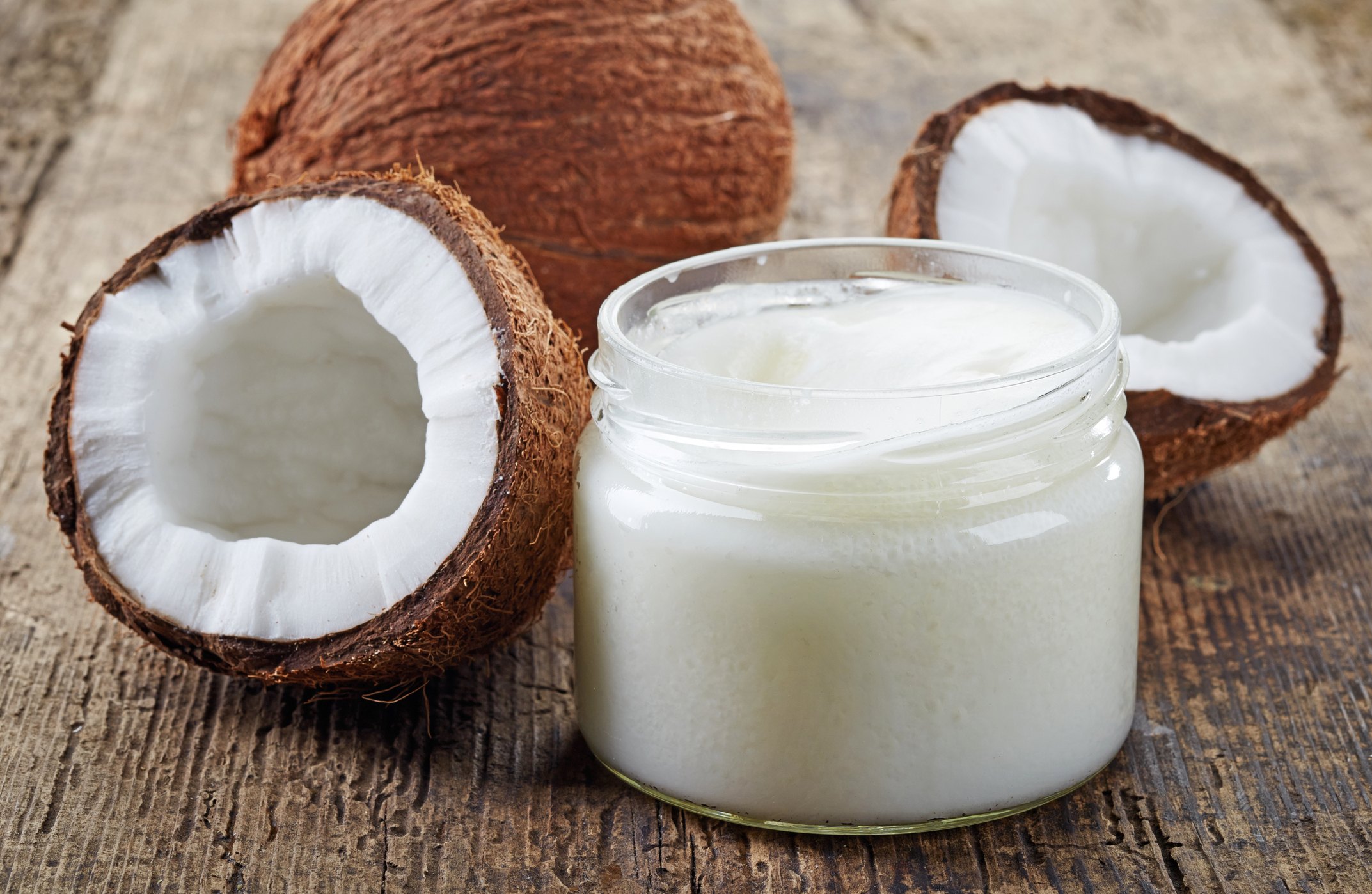
coconut oil and fresh coconuts on old wooden table

(Natural News) Coconut oil is highly regarded for its wide array of uses: From moisturizing skin and clearing up acne to cooking your favorite foods, there’s plenty of reasons why people love coconut oil. But, as you may have noticed, this versatile fat has been getting a lot of bad press lately. For example, the United Kingdom’s Telegraph recently published a hit piece that declared the saturated fat in coconut oil makes it bad for you.

Now, the logic here actually has little to do with the actual composition of coconut oil. When making the claim that coconut oil is bad for you, the Telegraph falls back on the American Heart Association’s general stance on saturated fat as a whole. The argument against saturated fat has been highly contested — and when it comes to coconut oil specifically, this generalization falls short. Why? In addition to the fact that saturated fat is not the enemy it has been made out to be, coconut oil also features a highly beneficial type of saturated fats, called medium-chain fatty acids.

Related: 35 Things You Could Do With Coconut Oil – From Body Care to Health to Household

Saturated fat is not the enemy

Yes, coconut oil does contain a high amount of saturated fat: 87 grams of saturated fat per 100-gram serving. That much is true. First and foremost, saturated fat has long been demonized as a harbinger of any number of diseases. While the war on saturated fat began in the 1950’s thanks to a cherry-picked study by Ancel Keys, the fact is that there is much evidence to the contrary. Saturated fat is not explicitly bad, as we’ve been lead to believe. For example, it is actually very important to keeping your brain healthy.

When it comes to brain health, it’s easy to understand why saturated fat is so important. The myelin sheath, which surrounds nerves and is key to their functionality, is made up almost entirely of saturated fat. The brain itself is primarily made of fat.  As sources explain, in addition to protecting the brain, studies have shown that saturated fat offers protective benefits to the liver, heart, skin and immune system.

Related: Fight Cavities and Gingivitis Naturally With Homemade DIY Oral Health

And, as this 2010 study from the American Journal of Clinical Nutrition concludes, “there is no significant evidence for concluding that dietary saturated fat is associated with an increased risk of CHD [coronary disease] or CVD [cardiovascular disease].” It’s worth noting that the meta-analysis in question featured nearly 350,000 people who were followed for 5 to 23 years; a fairly substantial data set, to say the least.

more recent study, from 2016, also showed that saturated fats could be beneficial for heart health. Norwegian researchers found that in addition to not increasing study subjects’ risk of heart disease, those on a diet high in fat exhibited “substantial improvements in several important cardiometabolic risk factors, such as ectopic fat storage, blood pressure, blood lipids (triglycerides), insulin and blood sugar.” How about that? The fat sources the test patients primarily consumed were also foods with low amounts of processing: Butter, cream and cold-pressed oils. Study subjects on the high-fat diet also exhibited an increase in the “good” cholesterol — HDL. No significant changes were observed in LDL cholesterol levels in the high-fat group, which is contrary to commonly held beliefs.

Coconut oil and medium-chain fatty acids

Medium-chain fatty acids (also known as medium-chain triglycerides) are a specific type of saturated fat that have become highly regarded for their health benefits. Medium-chain triglycerides (MCTs)  are metabolized differently than the long-chain triglycerides seen in animal fats. MCTs are known for being metabolized more readily than long-chain fats. Research has shown that MCTs can help to bolster endurance during exercise, speed up metabolism and help with weight loss and appetite control.

Related: Personal Care Recipes With Coconut Oil

Studies have also indicated that MCTs may play a beneficial role in preventing atherosclerosis, supporting the immune system and more. [RELATED: Learn more about health maintenance at Prevention.news]

To sum it up: Medium-chain fatty acids seem to have a host of health benefits that are not afforded by other types of saturated fats. Approximately 60 percent of the fats in coconut oil are MCTs. Lauric acid, a specific type of MCT in coconut oil, is known for its antimicrobial effects and is a huge component of human breast milk that helps prevent infections in newborn babies.

In addition to modern science getting things wrong about saturated fat as a whole, it is clear that coconut oil has a myriad of health benefits for a number of different reasons. Not only is saturated fat not as bad for you as the media would have you believe, coconut oil in particular has a number of properties that make it stand out from the crowd.

Of Mice, Monsanto and a Mysterious Tumor

(U.S. Right to Know) Call it the case of the mysterious mouse tumor. It’s been 34 years since Monsanto Co. presented U.S. regulators with a seemingly routine study analyzing the effects the company’s best-selling herbicide might have on rodents. Now, that study is once again under the microscope, emerging as a potentially pivotal piece of evidence in litigation brought by hundreds of people who claim Monsanto’s weed killer gave them cancer.

This week tissue slides from long-dead mice in that long-ago research study are being scrutinized by fresh eyes as an expert pathologist employed by lawyers for cancer victims looks for evidence the lawyers hope will help prove a cover-up of the dangers of the weed killer called glyphosate.

Glyphosate, which is the active ingredient in Monsanto’s branded Roundup products, is the most widely used herbicide in the world, and is applied broadly in the production of more than 100 food crops, including wheat, corn and soy, as well as on residential lawns, golf courses and school yards.

Residues have been detected in food and human urine, and many scientists around the world have warned that exposure through diet as well as through application can potentially lead to health problems. The World Health Organization’s International Agency for Research on Cancer (IARC) declared glyphosate a probable human carcinogen in 2015 based on a review of scientific literature, triggering the wave of lawsuits against Monsanto, and pushing California regulators to announce they would add glyphosate to a list of known carcinogens.

What the expert finds, or doesn’t find, is expected to be key evidence in hearings slated for the week of Dec. 11 in dozens of consolidated cases being overseen by a federal judge in San Francisco.

Related: Understanding and Detoxifying Genetically Modified Foods

Rewind to 1983

Monsanto, as well as many other scientists and regulatory bodies, have defended glyphosate’s safety. They say research showing a cancer connection is flawed and hundreds of studies support its safety.

And yet—rewind to July 1983 and a study titled “A Chronic Feeding Study of Glyphosate (Roundup Technical) in Mice.” Following the document trail that surrounds the study offers an illuminating look into how science is not always clear-cut, and the lengths Monsanto has had to go to in order to convince regulators to accept scientific interpretations that support the company’s products.

The two-year study ran from 1980-1982 and involved 400 mice divided into groups of 50 males and 50 females that were administered three different doses of the weed killer or received no glyphosate at all for observation as a control group. The study was conducted for Monsanto to submit to regulators. But unfortunately for Monsanto, some mice exposed to glyphosate developed tumors at statistically significant rates, with no tumors at all in non-dosed mice.

February 1984 memo from Environmental Protection Agency toxicologist William Dykstra stated the findings definitively: “Review of the mouse oncogenicity study indicates that glyphosate is oncogenic, producing renal tubule adenomas, a rare tumor, in a dose-related manner.” Researchers found these increased incidences of the kidney tumors in mice exposed to glyphosate worrisome because while adenomas are generally benign, they have the potential to become malignant, and even in noncancerous stages they have the potential to be harmful to other organs. Monsanto discounted the findings, arguing that the tumors were “unrelated to treatment” and showing false positives, and the company provided additional data to try to convince the EPA to discount the tumors.

But EPA toxicology experts were unconvinced. EPA statistician and toxicology branch member Herbert Lacayo authored a February 1985 memo outlining disagreement with Monsanto’s position. A “prudent person would reject the Monsanto assumption that Glyphosate dosing has no effect on kidney tumor production,” Lacayo wrote. ”Glyphosate is suspect. Monsanto’s argument is unacceptable.”

Eight members of the EPA’s toxicology branch, including Lacayo and Dykstra, were worried enough by the kidney tumors in mice that they signed a consensus review of glyphosate in March 1985 stating they were classifying glyphosate as a Category C oncogen, a substance “possibly carcinogenic to humans.”

Must Read: Gluten, Candida, Leaky Gut Syndrome, and Autoimmune Diseases

Research rebuttal

That finding did not sit well with Monsanto, and the company worked to reverse the kidney tumor concerns. On April 3, 1985, George Levinskas, Monsanto’s manager for environmental assessment and toxicology, noted in an internal memorandum to another company scientist that the company had arranged for Dr. Marvin Kuschner, a noted pathologist and founding dean of the medical school at the State University of New York at Stony Brook, to review the kidney tissue slides.

Kushner had not yet even accessed the slides but Levinskas implied in his memo that a favorable outcome was assured: “Kuschner will review kidney sections and present his evaluation of them to EPA in an effort to persuade the agency that the observed tumors are not related to glyphosate,” Levinskas wrote. Notably, Levinskas, who died in 2005, was also involved in efforts in the 1970s to downplay damaging findings from a study that found rats exposed to Monsanto’s PCBs developed tumors, documents filed in PCB litigation revealed.

Kuschner’s subsequent re-examination did —as Monsanto stated it would—determine the tumors were not due to glyphosate. Looking over slides of the mouse tissue from the 1983 study, Kuschner identified a small kidney tumor in the control group of the mice – those that had not received glyphosate. No one had noted such a tumor in the original report. The finding was highly significant because it provided a scientific basis for a conclusion that the tumors seen in the mice exposed to glyphosate were not noteworthy after all.

Additionally, Monsanto provided the EPA with an October 1985 report from a “pathology working group” that also rebutted the finding of the connection between glyphosate and the kidney tumors seen in the 1983 study. The pathology working group said “spontaneous chronic renal disease” was “commonly seen in aged mice.” Monsanto provided the report to the EPA stamped as a “trade secret” to be kept from the prying eyes of the public.

The EPA’s own scientists still did not agree, however. An EPA pathologist wrote in a December 1985 memo that additional examination of the tissue slides did not “definitively” reveal a tumor in the control group. Still, the reports by the outside pathologists brought into the debate by Monsanto helped push the EPA to launch a reexamination of the research.

And by February 1986 an EPA scientific advisory panel had dubbed the tumor findings equivocal; saying that given the tumor identified in the control group by some pathologists, the overall incidences of tumors in the animals given glyphosate were not statistically significant enough to warrant the cancer linkage.

The panel did say there may be reason for concern and noted that the tumor incidences seen in the mice given glyphosate were “unusual.”

The advisory panel told the EPA the studies should be repeated in hopes of more definitive findings, and that glyphosate be classified into what the agency at that time called Group D—“not classifiable as to human carcinogenicity.” The EPA asked Monsanto for a repeat of the mouse oncogenicity study but Monsanto refused to do so.

The company argued “there is no relevant scientific or regulatory justification for repeating the glyphosate mouse oncogenicity study.” Instead, the company provided EPA officials with historical control data that it argued supported its attempt to  downplay the tumor incidences seen in the worrisome 1983 study.

The company said the tumors in mice appear “with some regularity” and were probably attributable to “genetic or environmental” factors. “It is the judgement of Monsanto scientists that the weight-of-evidence strongly supports a conclusion that glyphosate is not oncogenic in the mouse.” Monsanto said repeating the mouse study would “require the expenditure of significant resources… and tie-up valuable laboratory space.”

Feds fold

The discussions between Monsanto and the EPA dragged on until the two sides met in November 1988 to discuss the agency’s request for a second mouse study and Monsanto’s reluctance to do so. Members of the EPA’s toxicology branch continued to express doubts about the validity of Monsanto’s data, but by June of 1989, EPA officials conceded, stating that they would drop the requirement for a repeated mouse study.

By the time an EPA review committee met on June 26, 1991, to again discuss and evaluate glyphosate research, the mouse study was so discounted that the group decided that there was a “lack of convincing carcinogenicity evidence” in relevant animal studies. The group concluded that the herbicide should be classified far more lightly than the initial 1985 classification or even the 1986 classification proposed by the advisory panel. This time, the EPA scientists dubbed the herbicide a Group E chemical, a classification that meant “evidence of non-carcinogenicity for humans.” At least two members of the EPA committee refused to sign the report, stating that they did not concur with the findings. In a memo explaining the decision, agency officials offered a caveat. They wrote that the classification “should not be interpreted as a definitive conclusion that the agent will not be a carcinogen under any circumstances.”

Despite the EPA’s ultimate conclusion, the mouse study was among those cited by IARC for classifying glyphosate as a probable human carcinogen. Indeed, many other animal studies have similarly had questionable results, including a 1981 rat study that showed an increase in incidences of tumors in the testes of male rats and possible thyroid carcinomas in female rats exposed to glyphosate and a 1990 studythat showed pancreatic tumors in exposed rats. But none have swayed the EPA from its backing of glyphosate safety.

Christopher Portier, who was an invited specialist to the IARC review of glyphosate and is former director of the National Center for Environmental Health and Agency for Toxic Substances and Disease Registry at the U.S. Centers for Disease Control and Prevention, believes the evaluations applied to glyphosate data by regulators are “scientifically flawed” and putting public health at risk.

“The data in these studies strongly supports the ability of glyphosate to cause cancer in humans and animals; there is no reason to believe that all of these positive studies arose simply by chance,” Portier said.

Monsanto fought the plaintiffs’ request to view the mouse tissue slides, calling it a “fishing expedition,” but was overruled by U.S. District Judge Vince Chhabria who is overseeing the roughly 60 combined lawsuits under his purvey. Monsanto has confirmed that roughly 900 additional plaintiffs have cases pending in other jurisdictions. All make similar claims – that Monsanto manipulated the science, regulators and the public in ways that hid or minimized the danger posed by its herbicide.

“The importance of the original kidney slides and the re-cut kidney slides is immense to the question of general causation and played a critical role in the EPA’s decision to re-categorize glyphosate…” the plaintiffs’ attorneys stated in a court filing.

Plaintiffs’ attorney Aimee Wagstaff reiterated that in a recent court hearing, telling Judge Chhabria that the events surrounding the 1983 mouse study “sort of dominoed,” and potentially are “extremely relevant” to the cancer litigation.

(First published in Environmental Health News)

Recommended Reading:

Mac And Cheese And Real Food Cheeses Have Hidden Ingredient Used To Make Plastic

Mac and Cheese and Real Food Cheeses Have Hidden Hormone Disruptors and Carcinogens

(Natural Blaze) Phthalates are a class of chemicals used as plasticizers to make plastic more flexible and as solvents in cosmetics, personal care, soaps, perfumes and office products like ink, adhesives and rubber. Theoretically, shampoo could give you a double dose of phthalates – one in the bottle and one in the fragrance. If you drank a bottled water before stepping in to the shower, you’ve had a third dose of chemical.

The most troubling thing about them besides the fact that they are everywhere is that they are infamous for attacking the reproductive system and lungs in animal studies. If you are having hormonal problems, you will definitely want to cut back on your exposure. Some of them are known to cause cancer!

A new analysis by the Coalition for Safer Food Processing & Packaging published this week found high concentrations of phthalates in the cheese powder of macaroni and cheese – hidden. Totally unlisted in the ingredients.

The study checked 30 different cheese products including whole food cheese. While natural cheeses had the least amount of chemicals, 29 of the 30 products contained phthalates!

Related: Heal the Endocrine System and Balance Hormones

Unsurprisingly, processed cheese products contained the most chemicals. Surprisingly, some of the products with chemicals were organic. Nine of the products were from Kraft Heinz and the Coalition is petitioning them to find the source, but they claim the levels are lower than scientific standards.

According to KDVR, the chemicals aren’t intentionally added, but make their way into processed foods by the manufacturing process.

Mike Belliveau, executive director of the Environmental Health Strategy Center, one of the groups in the coalition said that diet is a major route of exposure and that,

They are used in the plastic tubing, the plastic gloves, the gaskets all along the food supply chain.

High levels of phthalates are linked to infertility and get stored into fat cells. Some of them cause neurodevelopmental issues in children who were exposed in the womb.

Related: Microplastics in Sea Salt – A Growing Concern

Eat Low On the Food Chain

A source of phthalates is in the fat of the animal since they are stored in fat. A Belgium lab found 13 different kinds of phthalates in the fatty ingredients.

  • 10 of the products tested were boxed macaroni and cheese powders
  • 5 were sliced cheese
  • The last 15 products were natural cheese products like block cheese, shredded, string and cottage cheese

From KDVR,

When looking at the fat alone, the powdered cheese mix had a concentration of phthalates more than 4 times that of the natural cheeses, and more than 1.5 times the amount in processed cheeses. To approximate a more realistic serving, the survey calculated levels of phthalates based on the fat content of each product. When doing so, the level of phthalate in a package of powdered cheese was about twice the level in the natural cheeses, and similar to sliced cheese.

The impact of low-level exposure isn’t fully known but recent animal studies have caused consumers to once again wonder why these chemicals weren’t fully tested before reaching food and drink supplies, and why we only find out about 3 decades after the damage is done.

Related: Microbeads – They’re In Face Wash, Body Scrubs, Toothpaste, and Our Food