Study Shows BPA Substitutes May Cause Same Health Issues As The Original

(The Conversation) The credibility of scientific findings hinges on their reproducibility. As a scientist, it is therefore disastrous when you are unable to replicate your own findings. Our laboratory has found itself in just this situation several times; in each instance, unintended environmental exposure distorted our data. Our first accidental foray into toxicology 20 years ago convinced us of the need to understand the reproductive effects of environmental chemical contaminants. The latest twist in our journey down that road adds a new dimension to an old concern, BPA.

Bisphenol A, or BPA, is a man-made chemical that has become a household word. It is a plasticizer used in such a wide range of consumer products that daily exposure is inevitable. People absorb BPA through our skin – from receipts and contamination of personal care products and water. We ingest it via contamination from plastic food containers, and food and beverage liners. We even inhale it as a contaminant in dust. Studies of this chemical number in the thousandsbut whether BPA is hazardous to our health remains “controversial.” Here’s why: Although data from traditional toxicology testing provide little or no evidence of harm, independent investigators like us have reported effects induced by very low doses thought to be in the realm of human exposure.

Related: How to Detox From Plastics and Other Endocrine Disruptors

The implications of these low-dose effects for human health and reproduction captured media attention and increased consumer unease. In response, manufacturers introduced BPA replacements by producing structurally similar bisphenols. As a result, it no longer is simply BPA contaminating our environment but an ever-increasing array of bisphenols. Our recent studies of several replacements suggest effects on the production of eggs and sperm similar to those induced by BPA.

We stumbled into the BPA world 20 years ago when cages housing mice for our studies were damaged when inadvertently washed with a detergent intended for the floor. Unbeknownst to us the detergent caused BPA to leach out of the cages. We happened to be studying eggs from young females and saw an immediate increase in eggs with scrambled chromosomes that would give rise to chromosomally abnormal embryos. In the intervening 20 years, our studies and those of colleagues have described the effects of BPA exposure on the developing brain, heart, lung, prostate, mammary gland and other tissuesand our studies have described serious effects on the production of both eggs and sperm. Together these findings inflamed debate about the safety of BPA and resulted in the rapid appearance of “BPA free” products.

Remarkably, almost exactly 20 years after the BPA exposure of our mice, we recently found ourselves, once again, victim of an environmental contamination that halted our research. We were working to pinpoint the critical windows of BPA exposure when we noticed that something was interfering with our experiments. This time the effect was harder to run to ground: Again, it appeared to be due to cage damage, but the damage was milder, limited to a subset of cages, and the effect on our results was evident in some animals and not others.

Related: Microplastics in Sea Salt – A Growing Concern

The major culprit this time was not BPA but the replacement bisphenol, BPS, leaching from damaged polysulfone caging. Knowing what it was didn’t make eliminating it easy. We tried several less expensive methods to solve the problem, but ultimately had to replace all the cages and water bottles in the facility. When we could resume our studies, we experimentally tested four common replacement bisphenols and found effects on sperm and egg production in our mice analogous to those that result from BPA exposure.

The possibility that exposure effects may span generations has been a growing concern. Our recent experience with accidental exposure allowed us to ask if BPS exposure effects persisted across generations, and if so, for how long. Our data suggest persistence of effects for up to three generations, with full recovery evident in great-grandsons.

Widespread use of BPA-like chemicals

Do we simply have bad lab karma? No, we think we have supersensory powers. The process of making eggs and sperm is tightly controlled by complex hormone signals. This makes it vulnerable to endocrine-disrupting chemicals like bisphenols – chemicals that can interfere with our body’s hormones. Bisphenol contaminants cause a seismic shift in our data, but it’s not that the research of others isn’t also affected, but most remain blissfully ignorant.

Importantly, our laboratory knew what data from unexposed animals should look like. What if we hadn’t? We would have misinterpreted our results. If we had been asking if BPA had an effect, background bisphenol contamination would have diminished it, causing us to conclude that BPA had little or no effect.

This isn’t merely hypothetical. BPA use is so prevalent in consumer products and routine laboratory materials (like mouse caging materials or culture flasks) that low-level contamination of unexposed control groups is increasingly difficult to avert. Data and conclusions from CLARITY-BPA, a large, ambitious collaborative study conducted by three U.S. agencies, are coming out now. CLARITY was launched to understand why findings from traditional toxicology studies of BPA and those of independent investigators differ. Animal contamination was evident in a pilot study, but the source could not be determined, and the CLARITY initiative proceeded.

Related: Many Hand-me-down Plastic Toys Are Toxic for Kids

Given our experience, we have great concern about drawing any conclusions from CLARITY data because there is no way to determine the impact of low-level contamination.

The bisphenol story details the evolution of only one class of the endocrine-disrupting chemicals that are common contaminants in our lives. The ability of manufacturers to rapidly modify chemicals to produce structurally similar replacements undermines the ability of consumers to protect themselves from hazardous chemicals and federal efforts to regulate them.

As a canary whose research has been twice derailed by bisphenols, we feel the need to chirp loudly: These contaminants may not only affect our health, but also our ability to conduct meaningful studies of chemicals to determine if and how they impact on our health and the environment.The Conversation

Patricia Hunt, Professor of Molecular Biosciences, Washington State University and Tegan HoranWashington State University

Bob’s Red Mill Faces Class Action Lawsuit Over Glyphosate Weedkiller Contamination

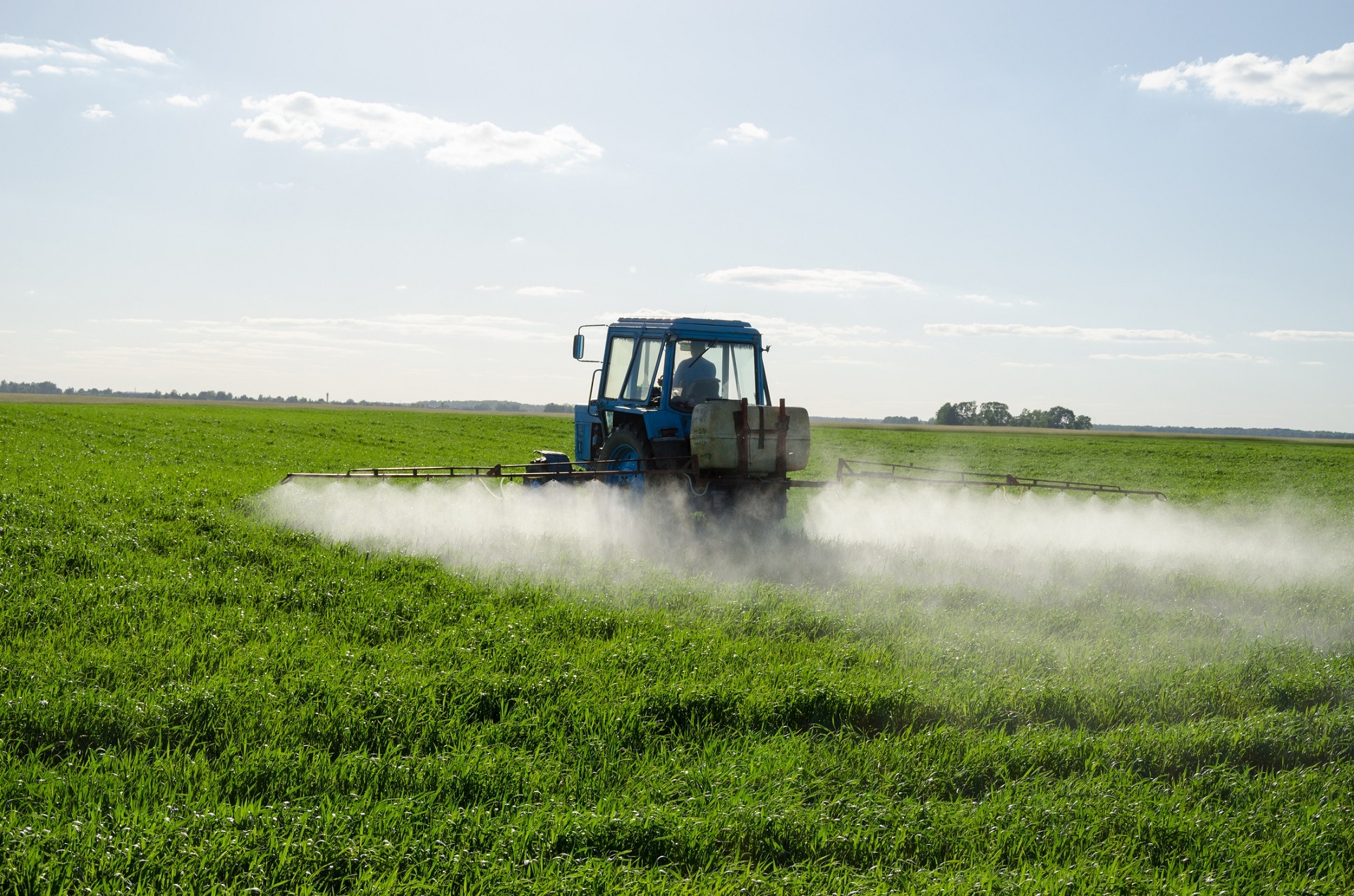
Tractor spray fertilize green field with pesticide insecticide herbicide chemicals in agriculture field in evening sunlight. Farmer care plants.

(NaturalBlaze) Citing a recent report by the Environmental Working Group finding traces of the ‘known carcinogen’ glyphosate in Cheerios, Quaker Oats and other oat-based breakfast foods, plaintiffs Tamara Frankel and Natasha Paracha said Friday that Bob’s Red Mill knew its oat products contain or likely contain the chemical, but didn’t disclose it on the label.

Instead, they say, the Oregon-based company labeled the products with phrases such as “gluten free,” “wheat free” and “purity tested,” leading consumers to believe them to be healthy.

“Consumers have a reasonable expectation that material product information, such as the presence of a probable carcinogen like glyphosate, will be provided by a product manufacturer, especially when the manufacturer affirmatively identifies the health-related attributes of its products such as “Gluten Free”, “Whole Grain”, and “Friend of the Heart,” the complaint states, adding that the labeling amounts to “misleading half-truths.”

Related: How to Avoid GMOs in 2018 – And Everything Else You Should Know About Genetic Engineering

Frankel and Paracha say Bob’s Red Mill had a duty to disclose the presence of glyphosate in its oats and that glyphosate is a probable human carcinogen, because consumers don’t have easy access to the information. They want a court order blocking the company from continuing to advertise the products as healthy.

They seek to certify classes of consumers in California, Florida, Illinois, Massachusetts, Michigan, Minnesota, Missouri, New Jersey, New York and Washington. In the alternative, they seek to certify a California-only class.

Patricia Syverson with Bonnett, Fairbourn, Friedman & Balint in San Diego represents Frankel and Paracha.

In late August, it was also announced that General Mills is facing a potentially damaging class action lawsuit after a Florida woman accused it of engaging in deceptive business practices, by not alerting the public that their Cheerios and Honey Nut Cheerios cereals contain glyphosate.

Related: Gluten Intolerance, Wheat Allergies, and Celiac Disease – It’s More Complicated Than You Think

A 2016 testing project on glyphosate residues in popular American foods by Sustainable Pulse’s partner The Detox Project and Food Democracy Now! is one of the main pieces of evidence being used in the case, according to the court documents, after it found levels of glyphosate in both Cheerios and Honey Nut Cheerios as well as many other products.

This wave of class actions against food companies has caused many food brands to start seeking The Detox Project’s Glyphosate Free certification, according to their Director, Henry Rowlands;  “The Detox Project has received a massive rise in enquiries from food brands regarding Glyphosate Residue Free certification, ranging from baby food to honey to supplement brands. So far we have 15 brands from around the world fully certified but over 50 brands have been in touch during the last week.”

The lawsuits against food brands also follow the landmark cancer trial verdict in San Francisco very closely, in which Monsanto was ordered by a jury to pay over USD $289 Million in total damages to the former school groundskeeper Dewayne Johnson, a California father who has non-Hodgkin’s lymphoma, which was caused by Monsanto’s glyphosate-based weedkiller Roundup.

What the world needs now to fight climate change: More swamps

(The Conversation) “Drain the swamp” has long meant getting rid of something distasteful. Actually, the world needs more swamps – and bogsfensmarshes and other types of wetlands.

These are some of the most diverse and productive ecosystems on Earth. They also are underrated but irreplaceable tools for slowing the pace of climate change and protecting our communities from storms and flooding.

Scientists widely recognize that wetlands are extremely efficient at pulling carbon dioxide out of the atmosphere and converting it into living plants and carbon-rich soil. As part of a transdisciplinary team of nine wetland and climate scientists, we published a paper earlier this year that documents the multiple climate benefits provided by all types of wetlands, and their need for protection.

Related: Air Pollution Causes People to Lose A Year of Education
Saltwater wetland, Waquoit Bay Estuarine Research Reserve, Mass. Ariana Sutton-Grier, CC BY-ND

A vanishing resource

For centuries human societies have viewed wetlands as wastelands to be “reclaimed” for higher uses. China began large-scale alteration of rivers and wetlands in 486 B.C. when it started constructing the Grand Canal, still the longest canal in the world. The Dutch drained wetlands on a large scale beginning about 1,000 years ago, but more recently have restored many of them. As a surveyor and land developer, George Washington led failed efforts to drain the Great Dismal Swamp on the border between Virginia and North Carolina.

Today many modern cities around the world are built on filled wetlands. Large-scale drainage continues, particularly in parts of Asia. Based on available data, total cumulative loss of natural wetlands is estimated to be 54 to 57 percent – an astounding transformation of our natural endowment.

Vast stores of carbon have accumulated in wetlands, in some cases over thousands of years. This has reduced atmospheric levels of carbon dioxide and methane – two key greenhouse gases that are changing Earth’s climate. If ecosystems, particularly forests and wetlands, did not remove atmospheric carbon, concentrations of carbon dioxide from human activities would increase by 28 percent more each year.

Wetland soil core taken from Todd Gulch Fen at 10,000 feet in the Colorado Rockies. The dark, carbon-rich core is about 3 feet long. Living plants at its top provide thermal insulation, keeping the soil cold enough that decomposition by microbes is very slow. William Moomaw, Tufts University, CC BY-ND

From carbon sinks to carbon sources

Wetlands continuously remove and store atmospheric carbon. Plants take it out of the atmosphere and convert it into plant tissue, and ultimately into soil when they die and decompose. At the same time, microbes in wetland soils release greenhouse gases into the atmosphere as they consume organic matter.

Related: Study Shows Cell Phone Towers Harmful To Animals, Plants – 5G Will Be Much Worse

Natural wetlands typically absorb more carbon than they release. But as the climate warms wetland soils, microbial metabolism increases, releasing additional greenhouse gases. In addition, draining or disturbing wetlands can release soil carbon very rapidly.

For these reasons, it is essential to protect natural, undisturbed wetlands. Wetland soil carbon, accumulated over millennia and now being released to the atmosphere at an accelerating pace, cannot be regained within the next few decades, which are a critical window for addressing climate change. In some types of wetlands, it can take decades to millennia to develop soil conditions that support net carbon accumulation. Other types, such as new saltwater wetlands, can rapidly start accumulating carbon.

Arctic permafrost, which is wetland soil that remains frozen for two consecutive years, stores nearly twice as much carbon as the current amount in the atmosphere. Because it is frozen, microbes cannot consume it. But today, permafrost is thawing rapidly, and Arctic regions that removed large amounts of carbon from the atmosphere as recently as 40 years ago are now releasing significant quantities of greenhouse gases. If current trends continue, thawing permafrost will release as much carbon by 2100 as all U.S. sources, including power plants, industry and transportation.

Kuujjuarapik is a region underlain by permafrost in Northern Canada. Nigel Roulet, McGill University., CC BY-ND

Climate services from wetlands

In addition to capturing greenhouse gases, wetlands make ecosystems and human communities more resilient in the face of climate change. For example, they store flood waters from increasingly intense rainstorms. Freshwater wetlands provide water during droughts and help cool surrounding areas when temperatures are elevated.

Salt marshes and mangrove forests protect coasts from hurricanes and storms. Coastal wetlands can even grow in height as sea level rises, protecting communities further inland.

Saltwater mangrove forest along the coast of the Biosphere Reserve in Sian Ka’an, Mexico. Ariana Sutton-Grier, CC BY-ND

But wetlands have received little attention from climate scientists and policymakers. Moreover, many wetland managers do not fully understand or integrate climate considerations into their work.

The most important international treaty for the protection of wetlands is the Ramsar Convention, which does not include provisions to conserve wetlands as a climate change strategy. While some national and subnational governments effectively protect wetlands, few do this within the context of climate change.

Forests rate their own section (Article 5) in the Paris climate agreement that calls for protecting and restoring tropical forests in developing countries. A United Nations process called Reducing Emissions from Deforestation and Degraded Forests, or REDD+ promises funding for developing countries to protect existing forests, avoid deforestation and restore degraded forests. While this covers forested wetlands and mangroves, it was not until 2016 that a voluntary provision for reporting emissions from wetlands was introduced into the U.N. climate accounting system, and only a small number of governments have taken advantage of it.

Models for wetland protection

Although global climate agreements have been slow to protect wetland carbon, promising steps are starting to occur at lower levels.

Ontario, Canada has passed legislation that is among the most protective of undeveloped lands by any government. Some of the province’s most northern peatlands, which contain minerals and potential hydroelectric resources, are underlain by permafrost that could release greenhouse gases if disturbed. The Ontario Far North Act specifically states that more than 50 percent of the land north of 51 degrees latitude is to be protected from development, and the remainder can only be developed if the cultural, ecological (diversity and carbon sequestration) and social values are not degraded.

Also in Canada, a recent study reports large increases in carbon storage from a project that restored tidal flooding to a saltmarsh near Aulac, New Brunswick, on Canada’s Bay of Fundy. The marsh had been drained by a dike for 300 years, causing loss of soil and carbon. But just six years after the dike was breached, rates of carbon accumulation in the restored marsh averaged more than five times the rate reported for a nearby mature marsh.

In our view, instead of draining swamps and weakening protections, governments at all levels should take action immediately to conserve and restore wetlands as a climate strategy. Protecting the climate and avoiding climate-associated damage from storms, flooding and droughtis a much higher use for wetlands than altering them for short-term economic gains.

As 1.5 Million Flee Hurricane Florence, Worries Grow Over Half Dozen Nuclear Power Plants in Storm’s Path

“Flooding-prone Brunswick Nuclear Plant among rickety old Fukushima-style reactors in likely path of Hurricane Florence.”

(C

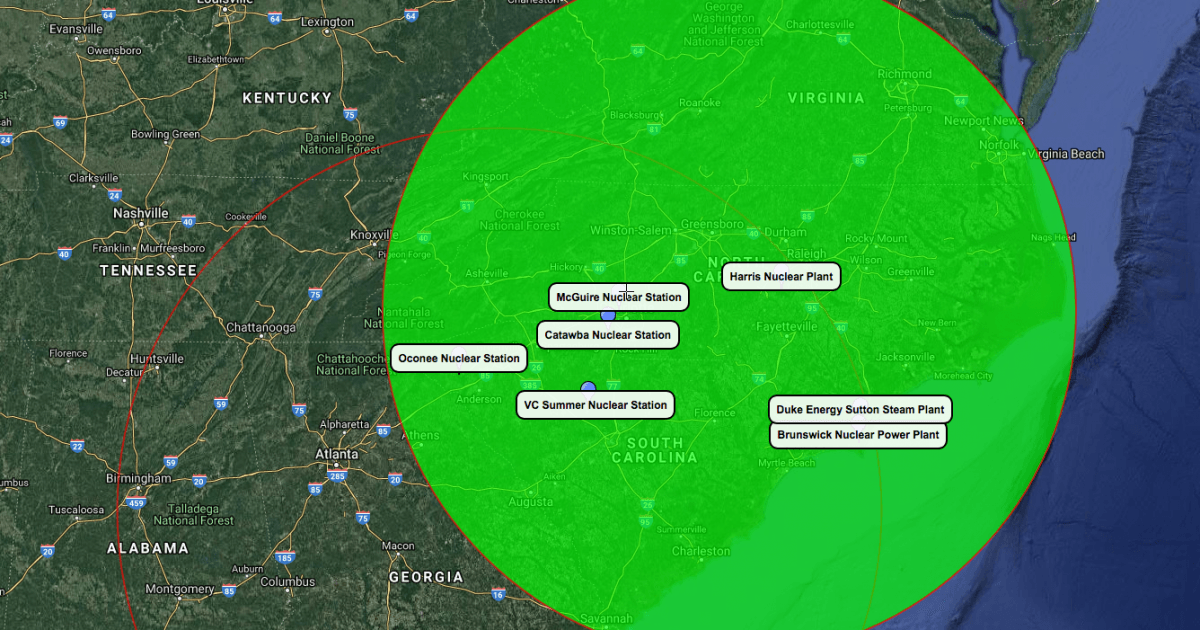
ommon Dreams by With 1.5 million residents now under orders to evacuate their homes in preparation for Hurricane Florence’s landfall in Virginia, North Carolina, and South Carolina, the region faces the possibility of catastrophe should the storm damage one or more of the nuclear power plants which lie in its potential path.As the Associated Press reported on Monday, “The storm’s potential path also includes half a dozen nuclear power plants, pits holding coal-ash and other industrial waste, and numerous eastern hog farms that store animal waste in massive open-air lagoons.”

Related: Air Pollution Causes People to Lose A Year of Education

The plants thought to lie in the path of the hurricane, which is expected to make landfall on the Southeastern U.S. coast on Thursday, include North Carolina’s Brunswick Nuclear Power Plant in Southport, Duke Energy Sutton Steam Plant in Wilmington, and South Carolina’s V.C. Summer Nuclear Station in Jenkinsville.

“Florence will approach the Carolina coast Thursday night into Friday with winds in excess of 100mph along with flooding rains. This system will approach the Brunswick Nuclear Plant as well as the Duke-Sutton Steam Plant,” Ed Vallee, a North Carolina-based meteorologist, told Zero Hedge. “Dangerous wind gusts and flooding will be the largest threats to these operations with inland plants being susceptible to inland flooding.”

In 2015, the Huffington Post and Weather.com identified Brunswick as one of the East Coast’s most at-risk nuclear power plants in the event of rising sea levels and the storm surges that come with them.

Related: Study Shows Cell Phone Towers Harmful To Animals, Plants – 5G Will Be Much Worse

As of Tuesday afternoon, Hurricane Florence was thought to have the potential to cause “massive damage to our country” according to Jeff Byard, associate administrator of the Federal Emergency Management Agency (FEMA).

The storm was labeled a Category 4 tropical storm with the potential to become a Category 5 as it nears the coast, with 130 mile-per-hour winds blowing about 900 miles off the coast of Cape Fear, North Carolina.

Meteorologists warned of hurricane-force winds in the region by mid-day Thursday, with storm surges reaching up to 12 feet or higher.

The 2011 Fukushima disaster remains the highest-profile nuclear catastrophe caused by a natural disaster. The tsunami that hit Japan in March of that year disabled three of the plant’s reactors, causing a radioactive release which forced hundreds of thousands of people from their homes.

In 2014, Shane Shifflett and Kate Sheppard at the Huffington Post reported on the risk storms like Florence pose to nuclear plants:

Most nuclear power facilities were built well before scientists understood just how high sea levels might rise in the future. And for power plants, the most serious threat is likely to come from surges during storms. Higher sea levels mean that flooding will travel farther inland, creating potential hazards in areas that may have previously been considered safe.

During hurricanes, many nuclear facilities will power down—but this is not a sure-fire way to avoid disaster, wrote Sheppard and Shifflett.

“Even when a plant is not operating, the spent fuel stored on-site, typically uranium, will continue to emit heat and must be cooled using equipment that relies on the plant’s own power,” they wrote. “Flooding can cause a loss of power, and in serious conditions, it can damage backup generators. Without a cooling system, reactors can overheat and damage the facility to the point of releasing radioactive material.”

This work is licensed under a Creative Commons Attribution-Share Alike 3.0 License

What Happens to Your Body When You Eat Gluten?

(Dr. Mercola) The word “gluten” has become such a buzzword in recent years, most likely because of the sudden popularity of the gluten-free diet that’s been endorsed by famous personalities. Before you consider trying this diet, read this page first to learn about gluten, and how it can negatively impact your body and health in the long run.

What Is Gluten?

A type of protein, gluten is composed of glutenin and gliadin molecules that form an elastic bond when mixed with water. Gluten is highly noted for its adhesive abilities that can maintain a compact structure for holding bread and cakes together, and providing a spongier texture. This ability isn’t surprising, considering that the word “gluten” is derived from the Latin word for “glue.”

While it does wonders for these foods, the same cannot be said for your body. Research has shown that gluten can be quite harmful for you because of the vast range of complications it might cause (more on this to come in a while).

What Does Gluten Do to Your Body?

A major caveat linked to gluten is its tendency to impede proper nutrient breakdown and absorption from foods, regardless if they have gluten or not. This may prevent proper digestion because excess gluten leads to the formation of a glued-together constipating lump in the gut.

Afterward, the undigested gluten prompts the immune system to attack the villi, or the fingerlike projections lining your small intestine.1 This may lead to side effects such as  diarrhea or constipation, nausea and abdominal pain.

Excessive gluten consumption and further small intestine damage and inflammation may predispose a person to nutrient malabsorption, nutrient deficiencies, anemia, osteoporosis, other neurological or psychological diseases, and complications linked to the skin, liver, joints, nervous system and more.

Related: Best Supplements To Kill Candida and Everything Else You Ever Wanted To Know About Fungal Infections

What Are the Types of Food That Contain Gluten?

Gluten is predominantly found in whole grains like rye, barley, triticale and oats; in wheat varieties like spelt, kamut, farro, durum; and in other products like bulgar and semolina.2 Wheat-based flours and byproducts that also contain high quantities of this protein include:3,4,5,6

Wheat-Based Flours Wheat Byproducts

• White flour

• Whole wheat flour

• Graham flour

• Triticale

• Wheat germ

• Wheat bran

• Pasta

• Couscous

• Bread, bread crumbs and croutons

• Flour tortillas

• Cookies, cakes, muffins and pastries

• Cereal

• Crackers

• Beer

• Gravy, dressings and sauces

• Conventional oats (these have a high chance of being contaminated during the growing, harvesting or processing stages

If there’s another compelling reason why you shouldn’t eat processed foods, it’s because these items often contain gluten. Here are examples of foods with gluten, even though they’re not made from grains:7,8

Processed broth and bouillon cubes9

Fried foods

Candies

Lunch meats and hot dogs

Cold cuts

Dumplings

Self-basting poultry

Crab cakes

Imitation fish

Seasoned rice10

Matzo

Modified food starch11

Salad dressings

Seasoned chips and other seasoned snack foods

Processed yogurt12

Ice cream cones

Even worse, manufacturers deceive customers by “hiding” gluten products like wheat under other names in food labels, such as:13,14

Malts

Starches and other derivatives

Hydrolyzed vegetable protein (HVP)

Hydrolyzed wheat protein15

Textured vegetable protein (TVP)

Common Signs of a ‘Gluten Allergy’ You Should Watch Out For

Consuming too much gluten can prompt various complications, such as a gluten allergy, wherein the immune system produces “weapons” to combat gluten in your system. However, a gluten allergy is not to be confused with gluten intolerance, gluten sensitivity16 or celiac disease.17

It is quite similar to other food allergies, since these are all responses to a particular allergen. Some of the most common gluten allergy symptoms are:

Coughing

Nasal congestion

Sneezing

Tightness of throat

Asthma

Tingling

Itching

Tongue and/or throat swelling

A metallic taste in your mouth

Abdominal pain

Muscle spasms

Vomiting

Diarrhea

As the book “Gluten-Free Cooking for Dummies” further highlights, a gluten allergy may lead to adverse effects such as anaphylaxis or an anaphylactic shock that may affect different organs. People may experience agitation, hives, breathing problems, reduced blood pressure levels, fainting or even death, if the reaction is very severe.18

Warning Signs of Gluten Intolerance

Should the immune system have an unusual response to gluten in your system, then it might be a sign that you have gluten intolerance.19 Sometimes it can be mistaken for celiac disease (another gluten-related disorder) or a wheat allergy.20

The root cause of a gluten intolerance is not fully understood, although it has been linked to the digestive system, compared to celiac disease where a genetic link has been found.21

Typical gluten intolerance symptoms include bloating, belly pain, diarrhea, tiredness and a general feeling of being unwell. Someone with a gluten intolerance might also experience these indicators, although these are less frequent and already affect areas beyond the gut:

Joint or muscle pain

Anxiety

Headache

Nausea

Confusion

Numbness

If you or someone you know experiences any of these symptoms, seek medical attention immediately. This will help you determine whether you have gluten intolerance or if the symptoms occur because of other health reasons.

This greatly applies if you or someone you know has severe belly pain. An extreme stomachache is not a sign of gluten intolerance, so it might be due to another potentially devastating disease that may require immediate treatment.

Related: How to Avoid GMOs in 2018 – And Everything Else You Should Know About Genetic Engineering

Having gut-related symptoms checked immediately may be helpful too, as numerous conditions that target the gut can overlap with other diseases. Fortunately, these can be examined during a checkup and your doctor may rule out other causes.

Take note that symptoms of gluten intolerance are generally similar to those of celiac disease, although the reactions that people with these conditions experience aren’t identical.

To diagnose a gluten intolerance, it’s important that you continue eating your usual meals, especially if it’s abundant in foods with gluten. This could help the doctor determine the main cause of the symptoms. An inaccurate diagnosis might occur if the patient decides to stop eating gluten-loaded foods prior to, or during, a consultation.22

Common Indicators of Gluten Sensitivity

In various studies, gluten sensitivity is also called non-celiac gluten sensitivity (NCGS) as celiac disease patients are sensitive to gluten too.

The difference between a gluten sensitivity and celiac disease is that the former may be triggered not just by wheat, but by other grains like rye and barley, too, as these grains are known to have the glutenin and gliadin proteins (or protein fragments) also found in wheat.23

Typical symptoms of gluten sensitivity include nausea, skin irritation, bloating and gas, brain fog, and fatigue. However, these indicators can widely vary and may also occur alongside gynecologic conditions, lactose intolerance and irritable bowel syndrome.24

Because there is no specific laboratory test for gluten sensitivity, your physician will have to rule out other possible causes. In some cases, patients may need to be checked for wheat allergy or celiac disease. Should test results be negative, a gluten-free diet may be advised.25

However, if any of the aforementioned tests deliver positive results, then you may want to continue eating gluten-rich foods for a more accurate diagnosis.26

Why a Gluten-Free Diet Works

A gluten-free diet is an important course of action for combating gluten-related disorders, and picking gluten-free foods is the first step in doing so. Because there are foods that are incorrectly labeled “gluten-free,” it may be quite tricky at first to select the correct items.

A set of guidelines on proper gluten-free labeling standards released in 2013 by the Food and Drug Administration (FDA) may help. The organization states that for a food product to bear the gluten-free label and be considered such, it must be:

Naturally gluten-free — Rice, non-GMO corn, quinoa, sorghum, flax and amaranth seed are naturally gluten-free grains.

Refined to remove gluten — Gluten must be removed from any gluten-containing grain. As such, the final product should not contain more than 20 parts per million (ppm) of gluten.

Extreme vigilance is only likely if you have celiac disease, since exposure to gluten can cause sickness and threaten your health in the long run. What’s great about a gluten-free diet is that nearly everyone can benefit from it, whether you have a gluten intolerance or not. Grains, even whole sprouted varieties, tend to cause many problems because of the following factors:

Wheat hybridization

Gluten

Other wheat proteins

Fructans

Milling or baking process

Glyphosate contamination

Grains have high net carbs, so removing them from your diet can help improve mitochondrial function. Taking care of your mitochondrial health is important if you want to reduce your risk for problems linked to insulin resistance, such as being overweight and having high blood pressure levels, as well as diseases like Type 2 diabetes, heart disease and cancer.

Related: Is Wheat Poison? What’s Behind the Rise of Celiac Disease and Gluten Intolerance

Prior to beginning a gluten-free diet, consult a dietitian or health expert who can give advice on how to effectively avoid foods with gluten while eating a healthy and balanced diet.27

Best Foods to Eat if Following a Gluten-Free Diet

Once you’re given the go-signal to try a gluten-free diet, stock up on these natural and unprocessed foods:28,29

Beans (provided that you try to sprout and/or ferment your beans to reduce its lectin content, which may negatively impact your health in the long run) Seeds (chia, pumpkin or sunflower) Nuts (pecans, macadamias or walnuts)
Organic and pasture-raised eggs Organic and grass fed meats that aren’t breaded, batter-coated or marinated Fish (wild-caught Alaskan salmon, sardines, anchovies and herring) that aren’t breaded, batter-coated or marinated
Organically grown, GMO-free fruits and vegetables Raw, grass fed milk or yogurt Healthy fat sources (raw grass fed butter, coconuts and coconut oil, olives and olive oil, and avocados)

If you think going on a gluten-free diet limits eating choices and preparations, you’d be surprised to know that it won’t. Type “gluten-free recipes” on a search engine and you’ll see a wide variety of gluten-free recipes, ranging from savory to sweet. A good and delicious example is this Coconut Flour Almond Meal Pancakes Recipe from MindBodyGreen:30

Related: Gluten Intolerance, Wheat Allergies, and Celiac Disease – It’s More Complicated Than You Think

Coconut Flour Almond Meal Pancakes Recipe

1/2 cup Dr. Mercola’s coconut flour

1/3 cup almond meal

1 1/2 teaspoons baking powder

4 organic, pastured eggs

1 tablespoon Dr. Mercola’s coconut oil, melted

1/3 cup raw cow’s milk or coconut milk

1 teaspoon vanilla extract

A pinch of Dr. Mercola’s Himalayan salt

1 to 2 tablespoons organic, raw grass fed butter, plus more for serving

Pure maple syrup to drizzle (optional)

Cooking Directions

1.In a large bowl, mix all the dry ingredients: the coconut flour, almond meal, baking powder and salt.

2.Slowly whisk in the wet ingredients: the eggs, coconut oil, milk and vanilla. Mix until the batter is smooth. (If it feels a little dry, add more milk until it reaches the consistency you’re after).

3.Heat a large skillet over medium high heat. Add the butter and allow it to melt, then add scoops of batter (about a 1/4 cup each) for silver dollar pancakes. Cook for about a minute on each side until golden brown. Slather with butter and drizzle maple syrup as desired.

This recipe makes about 16 small pancakes.

Preparation time: 10 minutes

Cooking time: 10 minutes

Related: Gluten, Candida, Leaky Gut Syndrome, and Autoimmune Diseases

Additional Reminders When Following a Gluten-Free Diet

Gluten Free & More magazine highlights these important tips for people who are following a gluten-free diet:31

Read labels carefully — Knowing how to read labels properly will greatly help if you’re following a gluten-free diet. Ideally, never assume something is gluten-free even if the word “gluten” isn’t anywhere in the list.32 As mentioned earlier, some manufacturers purposely use other names to hide gluten in their products.

If you’re in doubt, don’t buy the product — If you cannot verify that the product is free of grains, don’t buy or eat it at all. The same principle applies if you cannot find an ingredients list on the product.

Remember that being wheat-free doesn’t automatically make a food gluten-free — This is because spelt, rye or barley-based ingredients, all of which contain gluten, may be used in products with a wheat-free label on them.

Introduce new foods slowly — Ensure that you incorporate only one new food at a time, and take note of symptoms before adding another item.

Be a “food detective” — Call, email or write a letter to a food manufacturer to verify a product’s ingredients. Take note of the ingredient and the lot number of the food. Once you are in touch with a representative, clearly state your concerns and be persistent, polite and patient.