Epidemic Numbers of People Suffering From Constipation

(Dr. Mercola) For most people, an occasional bout of constipation is a minor aggravation. However, this is not the case for the nearly 15 percent of the U.S. population suffering from chronic constipation.1 This means 63 million people have difficulty passing hard, dry, lumpy stool, suffer from feeling bloated, have abdominal pain or feel as if there is something stuck in their rectum or intestines.2

For many, the topic of their bowel movements is a private matter. This makes understanding and learning about the actual mechanics of how stool is produced and eliminated difficult, as many don’t find it a topic they want to discuss, even with their physicians.

The number of stools you have each week is closely linked to the types of food you eat, the amount of exercise you get and your hydration status. While many people may have a bowel movement once a day, the normal amount ranges between four times each week to several times a day.3 What differentiates infrequent stools and constipation is the consistency of the stool, the difficulty in passing it and other symptoms you may experience, such as bloating or feeling full.

Related: Natural Remedies for Constipation – With Recipes

Unfortunately, the number of people who suffer from chronic constipation is rising, leading to a characterization of the condition as a “silent epidemic” as those who suffer often suffer in silence.

Number of People Suffering From Chronic Constipation on the Rise

A recent survey by the American Gastroenterological Association4 found 16 percent of Americans suffer from chronic constipation and nearly 33 percent over age 60 experience the condition. This leads to nearly 6 million visits to the doctor’s office or clinic, and nearly 700,000 visits to an emergency room every year.5 Although the condition is normally treated on an outpatient basis, the number of people admitted to the hospital since 1997 has doubled.

One recent study estimated that if the 6 percent of Americans suffering from functional constipation incorporated natural lifestyle changes to improve their condition, $12.7 billion in direct medical costs could be avoided annually.6 The researchers felt this was a conservative estimate as it did not account for lost wages or productivity.

Related: Detox Cheap and Easy Without Fasting – Recipes Included

While the recent survey found an increasing number of people suffered from chronic constipation, it was not a study that evaluated the causes behind the problem. There are several controllable factors common to a modern lifestyle that contribute to an increasing risk, and factors over which you have no control. For instance, the number of people who suffer from constipation rises significantly with age.7 This may be related to both lifestyle choices, such as diet and exercise, and to age-related neurogenic dysfunction.8

There are a significant number of choices you make each day that increase your risk of developing chronic constipation. One is learned constipation, as your rectum is flexible and can stretch. In a study using college students, researchers found participants could easily train themselves to evacuate their bowels every 51 hours instead of every 28, leading the scientists to conclude bowel habits may induce constipation.9 Other factors that influence your risk include:10,11,12,13

Low fiber diet Changes in your routine Lack of exercise
Avoiding a bowel movement when you have the urge Drinking insufficient amount of fluid Certain medications, such as opiates, antidepressants, antacids and anti-hypertensives
Frequent use of laxatives or enemas Poor nutrition leading to vitamin deficiency, including magnesium deficiency Iron supplements

Significant Health Problems Linked to Chronic Constipation

Few people realize that chronic constipation, and the daily agony that accompanies the condition, may be dangerous or even deadly. The American College of Gastroenterology believes a diagnosis of chronic constipation warrants further medical workup, as patients may have a higher likelihood of colon cancer, even if they don’t present with colon cancer symptoms, such as GI bleeding, anemia or weight loss.14

Related: Start Eating Like That and Start Eating Like This – Your Guide to Homeostasis Through Diet

When the scientists started the study they didn’t expect too many surprises. Yet, after analyzing the results they found medical conditions they didn’t anticipate would be associated with chronic constipation, including ischemic colitis, diverticulitis and other gastrointestinal cancers.

Chronic constipation is also related to at least one brain disorder: Parkinson’s disease. A number of studies have demonstrated a link between your gut health and your psychological health. A link between an unbalanced microbiome (one symptom of which is constipation) and Parkinson’s disease may be related to proteins from the gut that accumulate in the brain. In one study, 21 days after specific proteins were injected into the stomach and intestines of mice they were found to have migrated as far as the vagus nerve.15

Constipation may also increase your risk of kidney diseases.16  Researchers reviewed medical records of over 3.5 million U.S. veterans and followed their care for seven years. At the start of the study each participant had normal kidney function. Although a causative relationship could not be proven with the method used in the study, those with constipation had a 13 percent increased risk of kidney disease and 9 percent increased risk of kidney failure.

Researchers have also found suffering from constipation may increase your risk of anal fissures, stool incontinence, hemorrhoids and urological disorders.17 The seriousness of the symptoms may vary, depending upon the severity of your constipation. An association has also been found between people suffering rectal prolapse, a condition where part of the large intestines slips out of the anus, and constipation.

Another factor connected with constipation is back pain.18 In some cases, back pain may result in the use of pain medications like opiates that slow your intestinal tract and lead to constipation. In other cases, back pain is the result of your constipation. For instance, irritable bowel syndrome or a fecal impaction may lead to back pain.

Steer Clear of Laxatives

Constipation is a symptom of other conditions and not a disease or illness process itself. Thus, treating just the symptom may mean you’re overlooking another more serious problem. Many people turn to over-the-counter laxatives to immediately relieve the discomfort, but this may have additional consequences that hinder your recovery.

Laxatives come in a variety of forms including pills, capsules, liquid, suppositories and enemas. Although tempting, if you choose to use a laxative, do it with extreme caution. The active ingredient in many enemas draw water from your body into your large intestines, softening the stool. When too much is used it can increase your risk of dehydration, and by altering your electrolyte balance, you risk kidney or heart damage and death.

Related: Hypothyroidism – Natural Remedies, Causes, and How To Heal the Thyroid

Stimulant laxatives work by increasing the muscular action in your intestines. This includes senna or cassia laxatives, often marketed as being “natural.”  Over time, these types of laxatives damage the function of your intestinal walls and decrease the ability of your muscles to contract on their own.

If you must use something to immediately relieve constipation, consider trying a glycerin suppository that doesn’t contain any stimulants. The suppository often produces results within two hours and works by drawing water into your large intestines directly where your hard stool is located, softening it enough to evacuate your bowels.

Magnesium May Help Constipation and Protect Against Disease

One of the most popular short-term natural supplements that is effective against constipation is magnesium. Magnesium is an essential mineral and a cofactor used in multiple enzymes.19 A deficiency is associated with poor absorption of vitamin D and an increased risk of heart disease, stroke, osteoporosis and diabetes. Supplementation is being used to treat migraine headaches, hypertension and asthma.

Magnesium is important to mitochondrial health, and in the production of energy in every cell in your body. It is estimated that 50 years ago people routinely received nearly 500 milligrams (mg) of magnesium every day from their food. Today, with soil depletion and poor nutritional habits, many may only receive from 100 mg to 300 mg per day. Although organic, unprocessed foods are your best bet; the amount you receive will depend upon the soil the plants were grown in.

The recommended dietary allowance (RDA) for magnesium is between 310 to 420 mg per day, dependent upon your age and sex.20However, these amounts are based on reducing your potential for deficiency and don’t necessarily address the amount you need to maintain optimal health. Some researchers believe you may need between 600 to 900 mg per day. Dr. Carolyn Dean, author of “The Magnesium Miracle,” recommends that you use your body as a marker for your ideal personal dose.

Begin by taking 200 mg of oral magnesium citrate each day and gradually increase the amount until you develop slightly loose stools. Magnesium citrate has a mild laxative effect — whatever your body doesn’t absorb will affect your intestines as it is flushed out through your stool, which helps you identify your personal cutoff point. There is ample evidence demonstrating the effectiveness of using magnesium to naturally improve constipation.21,22,23

Magnesium comes in several forms including chelate, threonate, citrate and sulfate. Citrate is the form that has the most effect on your intestinal tract and helps produce loose stools. However, if you are taking magnesium supplements for other health reasons, my personal preference is magnesium threonate as it appears to more effectively penetrate your cell membranes and boost your mitochondrial health, thus boosting your energy level.

Try Squatting to Enhance Elimination

Sitting on your toilet may be comfortable, but placement of your knees and upper legs at 90 degrees to your abdomen actually pinches off your anal canal and makes having a bowel movement more difficult. On the other hand, when you squat, your knees are brought closer to your abdomen, which changes the relationship of your rectum and sphincter, positioning your organs and muscles in a way that relaxes your rectum. This maximizes the efficiency of your evacuation.

In this position, muscles around your rectum and pubic bones relax. This encourages complete emptying of your rectum and cecum without straining. It also reduces the potential for stagnation of stool in your lower intestines and subsequent accumulation of toxins that impact the growth of your gut microbiome. In many non-Westernized cultures people routinely squat to evacuate their bowels and don’t sit on a toilet.

Related: Gluten, Candida, Leaky Gut Syndrome, and Autoimmune Diseases

It is interesting to note that in cultures where people squat daily, people don’t have the high prevalence of bowel diseases experienced in countries where toilets are commonplace. Squatting without support is challenging when you haven’t grown up squatting on a daily basis. A simple and inexpensive method of achieving good body position is to use a small foot stool. This places your organs and muscles in a more natural position and enables easier evacuation.

Fiber, Movement and Other Natural Ways of Reducing Constipation

I list several ways of reducing your risk of constipation below. But, I strongly recommend you incorporate fermented foods to help “reseed” your gut with good bacteria that will help you regain and maintain bowel regularity. The video above includes a short demonstration of how to make your own fermented foods at home. If you don’t eat fermented food, which is your best and least expensive source of probiotics, then I recommend you take a quality probiotic supplement.

In some circumstances these lifestyle choices are not enough to eliminate your constipation. As chronic constipation is one of the hallmark symptoms of hypothyroidism, it is important to discuss your situation with your physician. In many cases though, simple changes to your diet and daily lifestyle will reduce your risk of constipation and improve your gut health, such as:

Swap out processed foods for whole, high-fiber foods, such as leafy green vegetables, almonds, squash and broccoli. These foods feed your gut microbiome, reduce your vulnerability to infection and promote softer stools that keep your intestinal walls intact.24

Related: Start Eating Like That and Start Eating Like This – Your Guide to Homeostasis Through Diet

The American Heart Association recommends eating 30 grams of fiber each day,25 but the average American eats approximately 15 grams each day, which contributes to the growing rate of constipation.26

Remove gluten, artificial sweetener and sugar from your diet as they all damage your intestinal tract.
Regular exercise can also help reduce constipation.27 The physical movement helps increase the motility in your digestive tract and can stimulate the urge to have a bowel movement.
When you feel the urge to have a bowel movement, don’t wait. The longer the stool sits in your colon, the more water is removed and the more difficult it is to pass.
Consider using a foot stool to get into a squatting position to have a bowel movement. This will strengthen the muscles around your rectum and encourages a complete emptying of your bowel without straining.
Stay well hydrated with clean, pure water.
Avoid pharmaceutical drugs that change the speed of your bowel function or cause GI disruptions, such as opiate pain medications, antidepressants, antibiotics, antacids and laxatives.
Address your emotional challenges and life changes using tools, such as Emotional Freedom Techniques (EFT).

Probiotics Offer Powerful Protection Against Sepsis in Infants

Sepsis, bacteria in blood. 3D illustration showing rod-shaped bacteria in blood with red blood cells and leukocytes

(Dr. Mercola) As drug-resistant infections become more prevalent, so are cases of sepsis — a progressive disease process initiated by an aggressive, dysfunctional immune response to an infection in the bloodstream, which is why it’s sometimes referred to as blood poisoning. Unless caught and treated early, the condition can progress to septic shock, resulting in extremely low blood pressure, weakening of the heart, multiple organ failure and death.

An estimated 1 million Americans develop sepsis each year1,2 and up to 50 percent die from the systemic infection.3,4,5 While illnesses such as bronchitispneumoniastrep throat, kidney infection or even localized infections can turn septic, sepsis is most commonly acquired in hospital settings.6,7 Unfortunately, conventional treatment often fails, as evidenced by the 50 percent mortality rate.

It’s also costly. According to the Agency for Healthcare Research and Quality, sepsis is the most expensive condition being treated in U.S. hospitals, racking up expenses in excess of $24 billion in 2014.8 There’s good news though. Recently, evidence for not just one but two different nondrug treatments have emerged, both of which show remarkable promise.

Infants Saved by Probiotics

Sepsis can occur in just about anyone, including infants. Recent research9,10 shows feeding newborns probiotics (healthy bacteria) significantly lowers the child’s risk of developing sepsis. The study involved infants in rural India, where sepsis is common. Worldwide, an estimated 600,000 infants die from sepsis, primarily in developing countries.

The bacterial strain selected was Lactobacillus plantarum ATCC-202195 — a kind of lactic acid bacteria found in fermented vegetables such as sauerkraut and kimchi.11 To that, they added the prebiotic fructooligosaccharide “to promote growth and sustain colonization of the probiotic strain.”

The bacterial strain was chosen by methodically prescreening more than 280 strains in preliminary studies. Lactobacillus plantarum was in part chosen for its ability to attach to cells in the gut. According to NPR,12 the team was “shocked by how well the bacteria worked.” In infants given the synbiotic mix (probiotic plus prebiotic) for one week, the risk of sepsis and death dropped by 40 percent, from 9 to 5.4 percent.

A total of 149 villages in Odisha state, India — where infant mortality is the highest in the nation — were included in the study. While the team was initially planning to enroll 8,000 infants, the study was halted after the enrollment of 4,557 babies. Due to the clear evidence of significant benefit, it would have been unethical to continue depriving half of the newborns of the treatment.

Probiotic Also Lowered Other Infection Rates

The probiotic also reduced a number of other common infections. Respiratory infections, for example, were reduced by 34 percent, which was entirely unexpected. Gram-positive bacterial infections were reduced by 82 percent and gram-negative infections (which are more difficult to treat) dropped by 75 percent. Another major benefit is the price. At a cost of about $1 per infant per weeklong course of treatment, it’s incredibly affordable.

The researchers note that probiotics may be more powerful than drugs for a number of reasons. For starters, the beneficial bacteria help control harmful bacteria that may otherwise overtake the baby’s gut. The probiotic also generates compounds that strengthen the intestinal wall, thereby preventing harmful bacteria from entering the bloodstream. It also helps bolster and promote healthier maturation of the baby’s immune system.

Related Reading: Probiotics, Bacteria, and Our Health

Decline in Healthy Gut Bacteria Drives Up Disease Rates

Decades of overprescribing and misuse have made antibiotics a serious threat to human health by reducing healthy bacteria in the human microbiome and producing drug-resistant bacteria. As noted by Dr. Martin Blaser, director of the Human Microbiome Program at the NYU School of Medicine,13,14 “loss of microbes that have long accompanied humans is causing an overall rise in conditions against which our bodies can no longer defend.”

Blaser links declining gut microbes to diseases such as Type 1 diabetes, autism, inflammatory bowel diseases, food allergies and much more, noting that infancy is a critical time in which your gut microbiome is developed. The increasing use of C-sections play a role here, since this deprives the baby of exposure to the mother’s microbiome, which is picked up as the baby pushes through the birth canal.

Lack of breast-feeding adds to the problem, as breast milk helps seed the baby’s gut microbiome with healthy bacteria and indigestible sugars that feed the bacteria. Use of antibiotics during pregnancy and/or shortly after birth also disrupts the balance of bacterial communities, and recent studies suggest taking antibiotics during pregnancy increases the risk of birth defects.15

Antibiotics may also result in permanent alterations in metabolism, increasing the child’s risk of obesity later in life. Many parents are also overzealous in their use of antibacterial products, believing children must be protected against dirt and germs at all costs. This has the unfortunate side effect of weakening rather than strengthening the child’s immune system.16

Related Reading: After Taking Antibiotics, This is What You Need to Do to Restore Healthy Intestinal Flora

Getting dirty outside is actually an important part of childhood, from a health perspective, as soil-based organisms help stimulate your immune system, reduce inflammation and even aid in detoxification.

Probiotics in Wound Healing

In related news, probiotics may also lower the risk of infections during wound healing — including sepsis.17 As reported by Medical News Today:18

“Staphylococcus aureus is naturally present in the noses of around 30 percent of the population and mostly does not cause harm. However, when the skin barrier is broken, S. aureus can cause severe infection. S. aureus is notorious for forming biofilms. When this happens, the bacteria attach to a surface — such as the skin … 

Biofilms are mostly resistant to antibiotics and are therefore a considerable health risk. If S. aureus spreads to the blood it can cause sepsis, which is a major cause of death in children who have experienced severe burn injuries. Pseudomonas aeruginosa, which is another pathogen known to form biofilms, is often found in infected burn wounds …

[B]oth L. rhamnosus GG and L. reuteri could protect skin cells in the laboratory from infection by S. aureus. This was true when live bacteria were added to the skin cells and when the bacteria were killed and their extracts added instead.”

L. rhamnosus GG was found to promote cell migration, resulting in more rapid wound closure, while L. reuteri increased cell division rates, thereby aiding in the wound healing. The idea of placing live bacteria on an open wound is questionable, but since the extract of killed bacteria proved to have a similar effect, the researchers suggest bacterial extracts may eventually be used in wound care.

Vitamin C, Another Game Changer in Treatment of Sepsis

Another important medical discovery is the use of vitamin C for the treatment of sepsis. Dr. Paul Marik, chief of pulmonary and critical care medicine at Sentara Norfolk General Hospital in East Virginia, found the deadly infection could be effectively and inexpensively treated with a combination of intravenous (IV) vitamin C, thiamine (vitamin B1) and hydrocortisone (a steroid).19,20

Earlier this year, Marik published a small retrospective before-after clinical study21,22,23 showing that giving septic patients this simple IV cocktail for two days reduced mortality nearly fivefold, from 40 percent to 8.5 percent. Of the 50 patients treated, only four died, but none of them actually died from sepsis; they died from their underlying disease.

Vitamin C is well-known for its ability to prevent and treat infectious disease. Previous research has shown it effectively lowers proinflammatory cytokines and C-reactive protein.24,25,26 Influenza,27 encephalitis and measles28 have all been successfully treated with high-dose vitamin C. To investigate the mechanism of action for sepsis, Marik reached out to John Catravas, Ph.D., a pharmacology researcher at Old Dominion University.

At Marik’s request, Catravas performed an independent lab study, which confirmed the effectiveness of the treatment. Interestingly, vitamin C acts like hydrocortisone, yet when either vitamin C or the steroid was administered in isolation, nothing happened. When administered together, however, the infection was successfully eradicated.

The addition of thiamine is also important. Not only is thiamine required for metabolism of some of the metabolites of vitamin C, research has shown many patients with sepsis are vitamin deficient, and when thiamine is given, it reduces the risk of renal failure and mortality.

Nationwide Trial of Marik’s Protocol Is Underway

Sepsis kills more than breast cancer, colon cancer and AIDS combined, and Marik’s protocol has not only been shown to be profoundly effective, it has no side effects, is inexpensive, readily available and simple to administer. Patients and doctors really have nothing to lose by trying it, but to make it standard of care across the U.S., more evidence is needed.

Sentara Norfolk General Hospital, where Marik works, has already made the protocol its standard of care for sepsis, and more than 50 medical centers around the U.S. are following suit. Still, despite the successes seen in clinical practice, many doctors are wary of implementing the protocol without further studies to support it.

To test the theory on a grander scale, Dr. Craig Coopersmith, a leading sepsis researcher at Emory University School of Medicine, is now planning a multicenter trial to put Marik’s vitamin C protocol to the test across the nation. “If this is validated, this would be the single biggest breakthrough in sepsis care in my lifetime,” he told Smithsonian.29

Related Reading: Homemade Vitamin C

Results from his field trial cannot come soon enough, as current best practices are ineffective at best. For example, recent research shows the standard calling for rapid and substantial infusion of IV fluids have no effect on survival rates,30 and previous guidelines calling for the use of a specific drug turned out to do more harm than good.31 In short, there are few good alternatives available, making Marik’s treatment protocol all the more crucial.

Are You at High Risk for Sepsis?

With sepsis affecting more than a million Americans each year, it’s important to be aware of its signs, symptoms and risks.32 Even health care workers can miss the signs and delay treatment. According to the Centers for Disease Control and Prevention (CDC), you’re at higher risk for sepsis if you have:

  • Chronic disease. A vast majority — 7 out of 10 — of people who develop sepsis have some kind of chronic health condition. Those with diabetes, lung, kidney or liver disease tend to be particularly susceptible to infection, which raises the risk.
  • Weakened immune system, AIDS or cancer.
  • Recently spent time in a hospital, nursing home or other health care facility, as exposure to infection-causing bacteria is common in these places.

Common Sense Strategies to Reduce Your Risk of Sepsis

While health care workers have a responsibility to prevent infections that could potentially turn septic and to educate patients about warning signs of sepsis, you can lower your own risk by:

Promptly treating urinary tract infections (UTIs). UTIs are the second most common type of infection in the body, sending more than 8 million people to their health care providers every year in the U.S. alone,33 and one-quarter of sepsis cases are related to urinary tract infections.

Conventional treatment typically involves antibiotics, but research shows 90 percent of UTIs can be successfully treated with D-Mannose, a naturally occurring sugar that’s closely related to glucose. To learn more, see “D-Mannose for UTI Prevention Validated in a Clinical Trial.”

Properly clean skin wounds. About 1 in 10 sepsis cases are due to skin infections, so always take the time to properly clean and care for wounds and scrapes. Wash the wound with mild soap and water to clean out dirt and debris, then cover with a sterile bandage. Diabetics should follow good foot care to avoid dangerous foot infections.

Avoid infections in hospitalsWhen visiting a health care facility, be sure to wash your own hands, and remind doctors and nurses to wash theirs (and/or change gloves) before touching you or any equipment being used on you.

If you have to undergo a colonoscopy or other testing using a flexible medical scope, remember to call and ask how they clean their scopes and what kind of cleaning solution they use. If the answer is glutaraldehyde (brand name Cidex), find another hospital or clinic — one that uses peracetic acid. This preliminary legwork will significantly decrease your risk of contracting an infection from a contaminated scope.

Sources:

Walnuts Light Up Brain Region That Controls Appetite

Walnut kernels and whole walnuts on rustic old wooden table

(Natural Blaze by Heather Callaghan) Unique study reveals documented mechanism of just a few walnuts to decrease hunger signals

A recent two- or three-part double-blind study demonstrated that less than half a cup walnuts (0.44 cup or 48 grams to be exact) per day made a significant difference in hunger levels on obese, post-menopausal women. But the study didn’t stop there…

Related Reading: The Rocky Road to Menopause and How Essential Oils Can Help

First…from Science Daily:

The scientists recruited 10 volunteers with obesity to live in BIDMC’s Clinical Research Center (CRC) for two five-day sessions. The controlled environment of the CRC allowed the researchers to keep tabs on the volunteers’ exact nutritional intake, rather than depend on volunteers’ often unreliable food records — a drawback to many observational nutrition studies.

During one five-day session, volunteers consumed daily smoothies containing 48 grams of walnuts…

[…]During their other stay in the CRC, they received a walnut-free but nutritionally comparable placebo smoothie, flavored to taste exactly the same as the walnut-containing smoothie. The order of the two sessions was random, meaning some participants would consume the walnuts first and others would consume the placebo first. Neither the volunteers nor the researchers knew during which session they consumed the nutty smoothie.

As in previous observational studies, participants reported feeling less hungry during the week they consumed walnut-containing smoothies than during the week they were given the placebo smoothies.

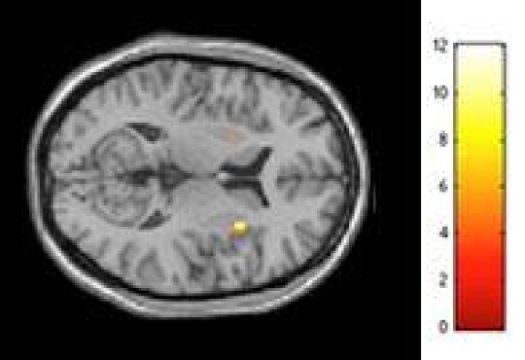
The fMRI scans are what make this study truly unique… Although this was a small study on just a few women, the brain scans can tell no lies…

While in the machine, study participants were shown images of desirable foods like hamburgers and desserts, neutral objects like flowers and rocks, and less desirable foods like vegetables.

When participants were shown pictures of highly desirable foods, fMRI imaging revealed increased activity in a part of the brain called the right insula after participants had consumed the five-day walnut-rich diet compared to when they had not.

“This is a powerful measure,” said Dr. Christos Mantzoros. “We know there’s no ambiguity in terms of study results. When participants eat walnuts, this part of their brain lights up, and we know that’s connected with what they are telling us about feeling less hungry or more full.”

They think the insula might be involved in cognitive control and salience. Weirdly, they think the region lighting up means that participants were selecting the “less desirable” or healthier options over the more visibly appealing or “junky” foods. Could walnuts help or reset a taste for healthier foods? Only time will tell…

Walnuts are a brain food that has fats that are ideal for a woman’s reproductive system. They contain omega-3 fats like Alpha-lipoic Acid, for instance, that our bodies can potentially convert to DHA and EPA fats.

Related Reading: Gonads – Reproductive Health – Natural Endocrine Health

Some people are sensitive to fats and may wish to limit their consumption to 1-2 ounces of nuts like walnuts. Some people start eating them and cannot stop! But if walnuts can play a role in controlling the factors of obesity like appetite control, then a dietary solution to a dietary problem is an ideal one to consider.

Sources:

Beth Israel Deaconess Medical Center. “In a nutshell: Walnuts activate brain region involved in appetite control: First-of-its-kind study reveals mechanism of walnuts’ documented ability to decrease hunger.” ScienceDaily. www.sciencedaily.com/releases/2017/08/170816181259.htm (accessed August 17, 2017).

Three Homemade Toothpaste Recipes – Save Money With Better Oral Health

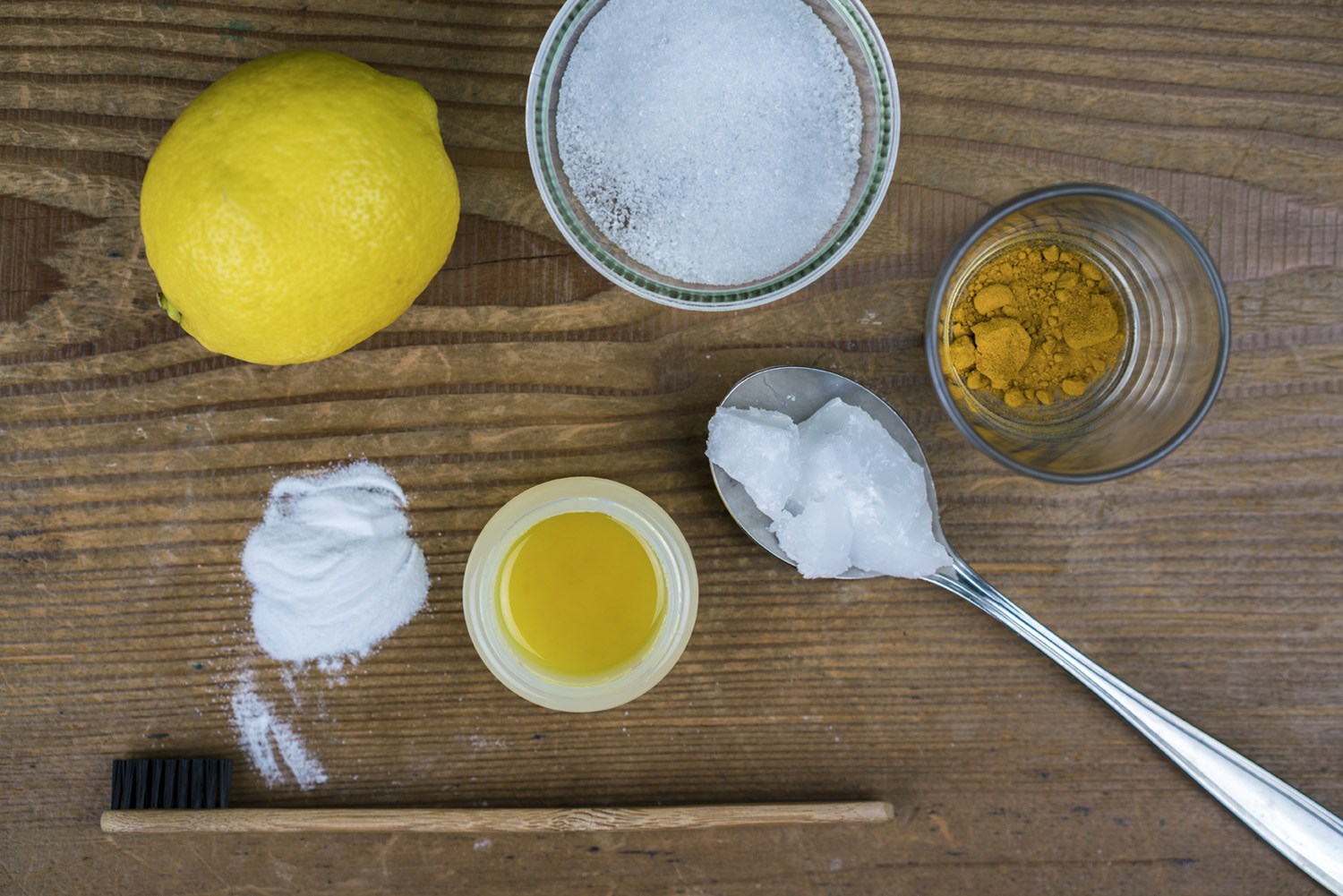
DIY toothpaste with ingredients, lemon, coconut oil, turmeric, baking soda, Xylitol and bamboo toothbrush

If you’re shopping for an all natural toothpaste, the list of ingredients to avoid includes diethanolamine, propylene glycol, fluoride, aspartame, saccharine, sodium lauryl sulfate, Triclosan, glycerin, sorbitol, and microbeads. After careful examination of the ingredients, the discerning shopper will see the similarities between food products and other body care products. There are a lot of toothpaste companies that are merely pretending to be healthy.

Finding a toothpaste that is actually good for you, in other words, one that actually helps improve oral health, can be challenging. So why not make your own?

All you need is a formula that you can brush into the teeth and gums that helps to scrub away and kill bacteria and other microbes while it polishes the teeth lightly without acidifying the mouth with toxins that damage tissue and leach calcium from the teeth. It’s actually not so hard when you forgo the chemicals! Here are four recipes for oral health that you can use to mix and match and come up with your own regimen. You’ll save some money and extend the life of your yappers.

Related: Periodontal Disease, Gum Disease – What you need to know (with Recipes)

Simple Toothpaste Recipe

You can make homemade toothpaste, that’s not really a paste, with the following:

Ingredients

  • 1 teaspoon baking soda
  • 1/2 teaspoon unrefined sea salt, finely ground

Instructions

Just mix the ingredients. You can also add an essential oil like peppermint or cinnamon; you can easily add a drop on the brush before brushing.

Related: Mercury Fillings, Root Canals, Cavitations – What You Need to Know

Homemade Earth-paste Recipe

If you like the earthy shampoos and soaps, then this toothpaste formula is right up your alley:

Ingredients

  • 4 Tbsp bentonite clay
  • Distilled water
  • 5 drops tea tree oil
  • 1 drop liquid stevia
  • 10 drops peppermint essential oil
  • 2 Tsp unrefined sea salt

Instructions

  • Combine 2 tablespoons of water with the bentonite clay in a glass bowl and mix well using a non-metal spoon (the clay shouldn’t come in contact with metal)
  • Add tea tree oil, stevia, and peppermint essential oils
  • Add salt, mix well
  • Add water to taste and texture
  • Store toothpaste in a glass with a lid (the toothpaste will dry out over time if left uncovered)

Homemade Remineralizing and Whitening Toothpaste Recipe

Make your own remineralizing toothpaste with calcium, magnesium, stevia, coconut oil, and essential oils to help your teeth stay strong and your gums stay healthy.

Related: Homemade Calcium and Magnesium

Ingredients

  • 5 parts calcium/magnesium powder (the best calcium for this can be obtained with this homemade calcium recipe)
  • 2 parts baking soda
  • 1 part unrefined sea salt, finely ground
  • 3-5 parts coconut oil to get desired texture
  • Optional ingredients: Essential oils for flavor and/or kill germs (mint, cinnamon, tea tree, peppermint, orange), and stevia (takes very little)

Instructions

  • Mix calcium, salt, and baking soda in a bowl
  • Add coconut oil, one part at a time until you reach the desired consistency
  • Add any optional ingredients
  • Store in small glass container

Hydrogen peroxide is added to many homemade toothpastes, especially those formulated for whitening. But hydrogen peroxide is one of those ingredients you are not supposed to swallow and it can irritate the gums. It is not a good idea for kids or for anyone with sensitive, damaged, or diseased gums.

Shillington’s Tooth and Gum Formula

If you suffer from oral health issues such as gingivitis or cavities, add oil pulling, chewing on garlic, and also add Shillington’s Tooth and Gum recipe to your homemade toothpaste.

Dr. Shillington’s Tooth and Gum Formula Recipe (or purchase here)

(Use Organic ingredients where ever possible).

  • 10 oz Echinacea tincture
  • 1/4 cup of tea tree oil
  • 4 oz. bayberry tincture
  • 2 oz. oak gall (or 3X oak bark) tincture
  • 2 TBS. Cayenne tincture
  • 2 1/2 dropperfuls of peppermint oil
  • 2 1/2 dropperfuls of clove oil

A “part” is a measurement by volume, not weight. Blend all ingredients together and make into a tincture using a 50/50 blend of alcohol and distilled water. For more, see How to Make a Tincture.

We also highly recommend addressing gut health when ever oral health problems are present.

Recommended:


How to Help Heal Mental Disorders With Nutrition

(Dr. Mercola) Can you use specific nutrients to improve your mental health? Yes, you can. William Walsh, Ph.D., president of the nonprofit Walsh Research Institute in Naperville, Illinois, and author of “Nutrient Power: Heal Your Biochemistry and Heal Your Brain,” specializes in nutrient-based psychiatry and nutritional medicine.

He and I are both  fellows of the American College of Nutrition. He’s designed nutritional programs for Olympic athletes, NBA players and major league baseball players. More importantly, he’s spent a great deal of his career seeking to improve mental health through nutrition.

“I started off in the hard science. I was an experimentalist,” Walsh says. “I worked, in the beginning, in the nuclear field … with places like Los Alamos, the Institute for Atomic Research and University of Michigan Research Institute. I wound up at Argonne National Laboratory. While working as a scientist there, I started a volunteer project at the local prison, Stateville Penitentiary.

I eventually got really interested in why people were violent …  [W]hen we started the ex-offender program, I got to meet the families that had produced a criminal. I found some wonderful families, caring and capable families, that have other children who turned out just fine …

I began to realize we didn’t understand why people had bad behavior. We then asked the question, ‘Could it be something related to their brain chemistry or the body chemistry?’… I started doing lab studies of their blood, their urine and hair. I found out that they were very, very different from the rest of the population. That’s how I got started.”

Biochemistry and the Criminal Brain

Walsh received valuable direction after meeting Dr. Carl Pfeiffer, who was doing work on heavy metals and schizophrenia. As it turns out, levels of metals, including copper, zinc and manganese, were all abnormal in criminals compared to the general population.

Walsh discovered four biochemical types of violent people. One of these was the sociopaths, all of whom had severe zinc deficiency, pyrrole disorder, low blood spermine and undermethylation. In all, it’s an unusual combination of bad biochemistry. A collaborative investigation with Pfeiffer resulted in nutrient therapies for each of the behavior types.

Pyrrole disorder is a stress condition commonly found in brain disorders. A urine test developed by niacin expert Abram Hoffer and Pfeiffer is the gold standard test for this genetic condition, which involves altered  biochemistry in your bone marrow and spleen.

People who have pyrrole disorder may produce five to 10 times more pyrroles than normal — a byproduct of natural reactions, like the formation of hemoglobin. While harmless in and of itself, pyrroles bind to and draw out anything that is an aldehyde, such as B-6. It also sharply depletes zinc.

As a result, people with pyrroles disorder have exceptionally low levels of B-6, and zinc which can have serious effects on brain function, affecting their memory and ability to read, for example. B-6 deficiency is quite common among children with attention deficit hyperactivity disorder (ADHD) as well.

Related: Increase your IQ with the Right Foods, Herbs, Vitamins

The Earlier the Treatment the Better the Results

“Eventually, [Pfeiffer] and I jointly evaluated 500 patients, mostly violent adults and violent children. We got our best results with the kids, young people with the same kind of chemistry, who were mostly very violent,” Walsh says.

“I have to say we didn’t really succeed in finding a way to help the adult criminals. They would get better for six to eight months, and then I’d find out they were back in prison. That had a lot to do with the fact that they were abusing alcohol and illegal drugs … At about 1990, we decided to focus on children …

It’s been very successful. If we can get a child before their lives are ruined, before they pass puberty perhaps, our success rate [is] very high … The doctors report a striking improvement in behavior. Most of these kids, of course, [are] on drugs, everything from Ritalin to powerful antipsychotic  medications. Usually when we’re finished and [have] balanced their chemistry, they can wean off the medication. They usually are fine without it …”

Nutrients Involved in Synthesis or Functioning of Neurotransmitters Dictate Mental Function

Later on, Walsh expanded to also include children with autism and ADHD. Fond of numbers, Walsh began amassing enormous databases. At present, he has one of the world’s largest chemistry database for autismdepression and behavior disorders.

“When you look at these millions of chemical analyses of blood, urine and tissues, it’s obvious that there are very great differences,” he says. “I found that for mental disorders, about six or seven chemical imbalances dominate mental function. There are hundreds and hundreds of important nutrients in the body, but in the brain, there are about six or seven that [seem] to dominate everything. Eventually, I found out why …

[T]hese are the nutrient factors that are either involved in synthesis of a neurotransmitter or the functioning of a neurotransmitter. They include methylation — undermethylation or overmethylation. In our database, 70 percent of all humans in the United States have normal, typical methylation; 22 percent are undermethylated … 8 percent are overmethylated.

About 70 percent of all people who have a mental disorder have one of these methylation disorders. The symptoms are completely different, and the treatment they need is completely different. We also found that most people [who have mental disorders] are depleted or deficient in zinc. That’s the most common [deficiency] we see … Virtually everyone with a mental disorder seems to need zinc and improve on it.”

Copper Overload Linked to Autism, Schizophrenia and Postpartum Depression

Copper is another important trace metal, as it plays a distinct role in the synthesis of norepinephrine, a major neurotransmitter. Divalent copper (Cu2+) is a dramatic factor in the ratio of dopamine and norepinephrine.

Related: Autism, Gut Health, Obesity, the MMR Vaccine, and Andrew Wakefield

Animal studies have shown that when animals are starved of copper until they only have 25 percent of the normal amount of copper in their blood, the ratio between norepinephrine and dopamine is changed by more than a factor of three. Most of us have the ability to homeostatically control copper. However, some do not have that ability.

“It all has to do with an enzyme called metallothionein that is genetically expressed. Some people don’t have that system working,” Walsh explains. “These persons have copper overload, which we find virtually in every autistic patient, most patients with schizophrenia and almost everyone with postpartum depression.

That’s a recipe for very high norepinephrine — which means anxiety and depression — and low dopamine (a feel-good neurotransmitter), which is a hallmark of ADHD … a nasty combination.

We find the sociopaths innately have low copper levels. People who have undermethylation tend to have low normal copper levels … The good news for mental disorders is that there are more than 100 really important biochemicals in the body, but only a few dominate mental disorders.

If we had to do lab testing for 100 of them, it would be really difficult. If we had to adjust the levels of these and normalize 100 different factors, it would make life very difficult. But we found that by just focusing on maybe seven or eight nutrient factors, we could help 95 percent of the patients we see with nutrient therapy.”

How to Measure Your Zinc and Copper Status

Zinc experts typically agree that plasma zinc provides the most accurate measurement. The taste test has some minor value but is among the least reliable. To accurately measure copper, serum copper is the way to go, and most labs throughout the world provide good copper assays.

Walsh recommends doing a ceruloplasmin test at the same time, because then you can determine how much free radical copper you have, which gives you a good indication of your level of oxidative stress. A high sensitivity C-reactive protein (CRP) test would also be useful as a marker of inflammation.

“By the way, oxidative stress runs through every single mental disorder we see, without exception,” Walsh says. “Every one of them seems to have extraordinary oxidative stress — schizophrenia, bipolar disorder, a violent child or an autistic child.”

Unfortunately, our modern lifestyle strongly promotes oxidative stress, with processed foods, processed vegetable oils, excessive net carbs and excessive protein being some of the most potent factors. This kind of diet causes a reduction in ketones and a radical increase in reactive oxygen species and secondary free radicals.

Exposure to non-native electromagnetic fieldsglyphosate and other pesticides, fluoride-contaminated water and other toxic exposures only add to the problem. Typically, copper and ceruloplasmin levels tend to go hand in hand, being either high or low together. The ideal level for copper, with respect to mental health, is somewhere between 75 and 100 micrograms per deciliter (mcg/dL) in serum. The ideal amount of ceruloplasmin has to do with whatever your level of copper is.

Ideally, the percentage of copper in your ceruloplasmin should be around 85 to 90 percent. “It’s really great to do both simultaneously because then you have a really good picture of not only the copper situation, but also the level of oxidative stress,” Walsh says.

Related: Homemade Calcium and Magnesium

The Importance of Methylation in Mental Health

Walsh was among the first people to alert the world to the importance of methylation in mental health, especially autism. The No. 1 causes of undermethylation are single-nucleotide polymorphisms (SNPs) or mutations in the enzymes for the one-carbon cycle (the methylation cycle).

“The No. 1 factor is the methylenetetrahydrofolate reductase (MTHFR), which is one of the enzymes. That’s the rate-limiting step for that whole cycle, for most people,” Walsh explains. “Genetic testing services such as 23andMe can provide this kind of information.

However, most human beings have enormous numbers of SNPs. They’ve already found 10 million snips (or mutations) in the human genome. Every human being has thousands of these SNPs. A really high percentage of people have even the more serious MTHFR SNPs — the C677T, the A1298C that people are always talking about.

The thing that is often mistaken by nutritional scientists is that if a person has the homozygous, the double copies of the C677T, it doesn’t necessarily mean they’re undermethylated. It certainly doesn’t mean that they will benefit if you give them methylfolate. That’s one of the problems that we’re finding.

The reason is epigenetics. You have to consider the epigenetics and the methylation at the same time. There are three nutrient factors that affect epigenetics more than anything else: folates, methionine and S-adenosylmethionine (SAMe). These have a really powerful impact on epigenetics.”

How Folates Affect Epigenetics

Folates are serotonin reuptake promoters. However, even if an individual is undermethylated and has a problem related to low serotonin activity, such as depression or anxiety, folates should not be given, Walsh warns. The reason? If you give folate, their methylation will improve and the patient will actually get worse.

Related: Mental Health, Physical Health & B Vitamins – Nature’s Valium

The reason for this worsening is because, epigenetically, folates act as deacetylase inhibitors and sharply lower serotonin activity. Most autistic individuals will not have a serotonin problem and will thrive on methyl folate. However, an estimated 10 percent of autistic children and adults do have a serotonin issue and will severely regress if given methyl folate.

“We’ve had thousands of patients who were undermethylated depressives. I’ve seen more than 3,000 cases of clinical depression. I’ve got this huge database. The largest phenotype … is undermethylation.

But if you gave them any form of folate, they would get worse. Their methylation would improve, they would get worse, because it has a dramatic impact on serotonin reuptake. In contrast, methionine and SAMe are natural serotonin reuptake inhibitors.

They do essentially the same thing that Prozac and Paxil do. Folates have the opposite effect. Folates are wonderful if you want to knock dopamine level down in schizophrenics or people who have high anxiety — overmethylated people. It’s counterintuitive because folates are excellent methylating agents..”

To reiterate, some undermethylated people are intolerant to folates, and some overmethylated people thrive on folates even though folates improve methylation. As you can see, there are epigenetic complexities involved here, making self-diagnosis and self-treatment highly inadvisable.

It could be quite risky to take these bits and pieces of information and try to apply them on your own. There are simply too many variables. So, the bottom line here is to make sure you’re being treated by a knowledgeable professional.

Heavy Metals and the Autistic Brain

Walsh has tested 6,500 autistic patients. As a group, they have much higher toxic metal levels than their siblings or the general population. Walsh believes their toxic burden is likely due to an inborn predisposition that makes them more likely to accumulate toxins and/or vulnerable to the effects of toxins.

“Thousands of these parents, maybe more than half, told a very sad story of how they had a child who was developing normally, was beginning to speak and was singing and charming their grandparents. Then maybe the child got sick.

They took him to a pediatrician and the pediatrician — I’ve heard this story hundreds of times — said, ‘Oh, you’re behind on your shots. You’re behind on your vaccinations.’ They took a sick child and gave them multiple vaccinations, at that time, with thimerosal and mercury.

Hundreds of these families said that within a day or two, their child changed forever. Lost all speech, the personality changed, they became sick. They became intolerant to served foods. They were just very troubled little human beings.

When they went to specialists, eventually they wound up with the diagnosis of autism and were told that it was incurable and that there was no hope really for recovery. We’ve seen a lot of human misery just talking with these families. It’s just a shocking and terrible thing.”

Walsh suspects autistic children have an insufficiency of natural antioxidants such as glutathione and metallothionein, rendering them more vulnerable to the effects of environmental exposures, including vaccines and poor diet. It’s worth noting that 1 in 3 children diagnosed with autism does not have true autism caused by epigenetic variations.

Many of these children have a good chance of recovery, whereas classic Kanner autism is a permanent, life-long epigenetic condition (named after Leo Kanner, who discovered autism in the 1940s1), although some measure of improvement can be made even in these cases.

Related: How To Detoxify and Heal From Vaccinations – For Adults and Children

On Thimerosal

Walsh has also investigated the thimerosal issue, looking for evidence of mercury toxicity in the brains of autistic children. In fact, he was the first person to actually measure mercury in autistic brains.

He was able to receive brain tissue samples from Johns Hopkins, and using the Argonne facility called the Advanced Photon Source, he did over 1 million chemical analyses on brain tissue from autistic and non-autistic children. Every autistic child analyzed had received thimerosal-containing vaccinations.

However, no mercury could be found in the brain tissue. One explanation for this is that the tests were done years after the vaccinations. The half-life of mercury in the human body is 42 days. The half-life of ethyl or methyl mercury in the brain is 70 days.

“I think what it amounts to is that mercury is a terrible poison. It’s a terrible insult,” he says. “I think these vulnerable kids should never be exposed to it. However, it doesn’t stay in the body and it doesn’t do continuing damage. I think after a year or so, it has left the body, even though there are tens of thousands of families who are trying therapies that will take the mercury out of their child’s brain when it’s no longer there.”

Metallothionein Promotion Nutrient Therapy for Autism

The fact that autistic children tend to have extraordinary copper and zinc imbalances means their metallothionein protein is not functioning. Metallothionein is required for homeostatic control of copper and zinc. Walsh has developed a metallothionein promotion nutrient therapy: a formulation of 22 nutrients known to enhance genetic expression and function of metallothionein. This protocol has been used on more than 2,000 autistic patients, with measurable improvements in outcome.

“The most important antioxidants in the brain are somewhat different than the rest of the body. I call them the three musketeers. It’s glutathione, metallothionein and selenium. It’s specific to the brain,” he explains.

Technically, selenium is not an antioxidant per se, but it does increase glutathione levels and enhances the function of metallothionein and, in the brain, glutathione and metallothionein work together. Glutathione is your first line of defense. The problem is, autistic children typically have a poor diet (it’s hard to get them to eat anything) and with the oxidative overload, they quickly run out of glutathione. When you run low on glutathione in your brain, your metallothionein level increases.

“Metallothionein doesn’t work unless you have oxidized glutathione. It’s a hand in glove situation. It’s the backup system for glutathione in the brain, and we know that without selenium, that whole system doesn’t work well,” Walsh explains.

I take selenium every day. It’s a trace mineral, so you don’t need much, up to about 200 mcg per day, and you definitely need to be mindful not to overdose. As noted by Walsh, of all the trace metals, selenium has the narrowest division between deficiency and overload, so you need to be careful when supplementing.

Zinc also needs to be normalized, as it is the No. 1 factor for enabling metallothionein to function and support glutathione. According to Walsh, for mental and physical health, you need a plasma zinc level between 90 and 130 mcg/dL. Many mental patients have a genetic weakness in zinc normalization; they’re born with zinc deficiency, and need far higher amounts than typical to maintain a healthy zinc level.

Related: Total Nutrition – Make your own Homemade Multivitamin and Mineral Formula

Changing the Face of Psychiatry

Walsh is convinced the use of psychiatric medication will eventually fade away as we learn more about normalizing brain function through nutritional interventions. “These powerful drugs … they do not normalize the brain. They cause an abnormal condition,” he warns. “They might correct depression or anxiety, but you wind up with something that’s not normal.”

The Walsh Research Institute is a public charity with no financial interests, and they are slowly but surely helping to change mainstream psychiatry. Walsh has given talks at the highest levels, including the Surgeon General’s office, the U.S. Senate and the National Institutes of Health (NIH). He’s also spoken at American Psychiatric Association (APA) annual meetings several times.

“The last time I went there, they finally listened to me … I was there about two and a half years ago. I gave an invited talk on depression. I basically explained to them they’re doing depression wrong. They actually listened to me. I showed them our huge chemistry database and explained that depression is a name given to at least five completely different disorders, each involving different symptoms and each involving different neurotransmitters that are malfunctioning.

Then I described each one of these biotypes and actually showed them that if they would simply do some inexpensive blood and urine testing, they could identify which people would be good candidates for selective serotonin reuptake inhibitors (SSRIs) or which ones would do better on benzodiazepine, but even more importantly, how they can correct it with nutrients.”

There were 17,000 psychiatrists at this meeting from all over the world, and Walsh was 1 of 4 speakers at a well-attended session. Afterward, there was tremendous demand for more information, which gives hope. Walsh also offers a training program for doctors. In the U.S., 45 psychiatrists went through the program last year. In all, 500 physicians and psychiatrists in 32 countries have taken his program so far.

Why SSRIs Induce Violence

One major problem with SSRI antidepressants is the risk of self-harm and aggression as a side effect. Overmethylated, low-folate depressors are intolerant so SSRIs, and evidence suggests this genetic intolerance may have been a factor in many school shootings. Walsh, who has studied this phenomenon, notes 42 of the 50 major school shootings in the U.S. since 1990 were done by teens or young adults taking an SSRI.

“I discussed this … before the APA … I tried to explain to them that they … can do a blood test; they can find out which children or which adults are more likely to become violent if they get an SSRI. I’ve written about this several times; published it in magazines …

If you buy Prozac or Paxil, the insert inside warns that some people … are prone to suicidal or homicidal behavior. We now know which ones they are!”

More Information

To learn more, visit www.WalshInstitute.org. There you can also purchase Walsh’s book, “Nutrient Power: Heal Your Biochemistry and Heal Your Brain.” Questions and information requests can be sent to Dana@WalshInstitute.org, or you can call (630) 506-5066.

“Our website has a resources section that recommends quality labs, compounding pharmacies and a list of doctors who we’ve trained, who are now able to do this kind of therapy,” Walsh says.