17 Signs You May Have A Mold Illness

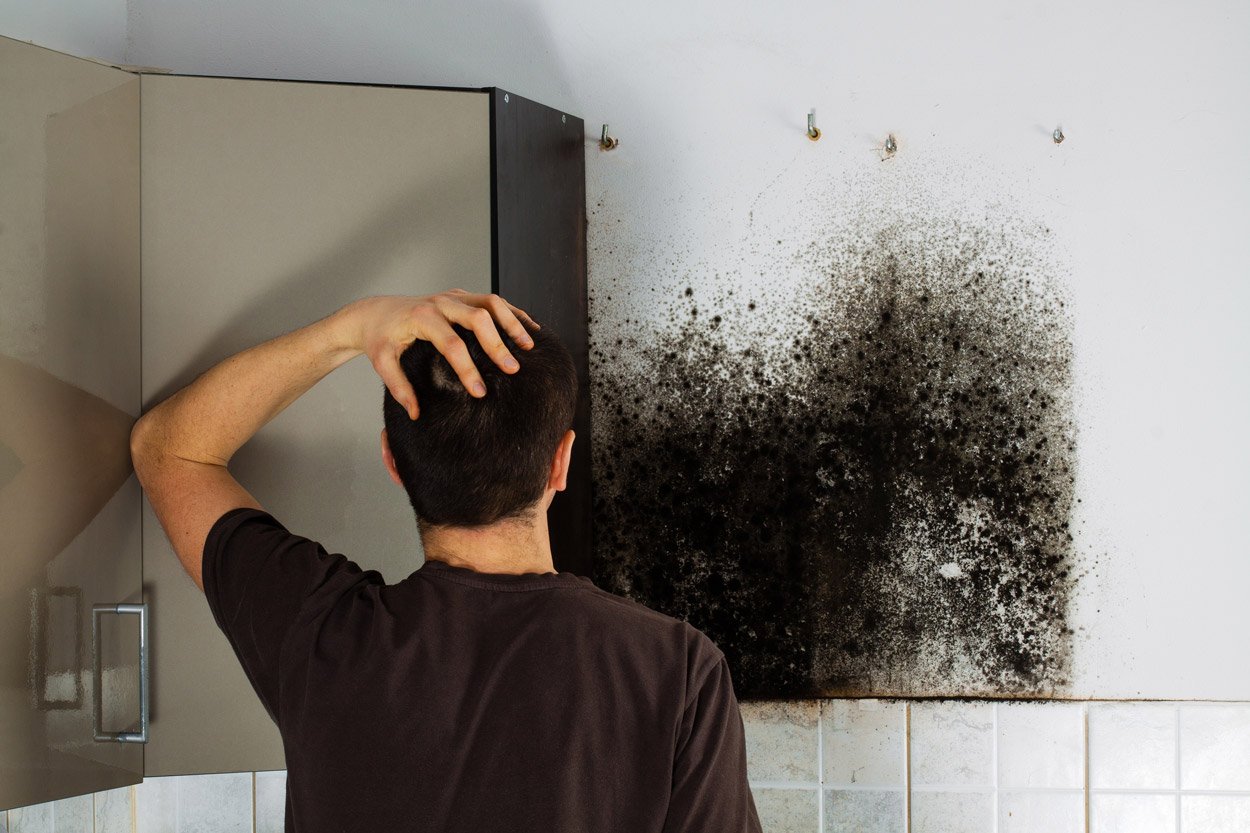
(Natural Blaze by Aaron Kesel) Mold illness could be a serious health risk threatening you and your family. Sometimes mold can’t be seen or smelt, yet the fungus may be growing in your home, causing you to feel sick – or you may be eating GMO foods.

Besides accidentally eating moldy bread or another spoiled food, there are a number of other ways you could get a mold illness such as by eating GMOs sprayed with the Roundup chemical.

Related: How to Kill Fungal Infections

Glyphosate is alleged to increase the size of colonies of the fungus Fusarium according to New Scientist.

In the year 2000, the U.S. Congress planned to use the fungus Fusarium as a biological control agent to kill coca crops in Colombia and another fungus to kill opium in Afghanistan, but these plans were dropped by then-president Clinton.

According to David Ellis’ 2002 article in the Journal of Antimicrobial Chemotherapy, “there are at least 70,000 to possibly 1,500,000 fungal species but only 300 species have been associated with human infections. Only about a dozen yeasts and 30 molds are identified most commonly as human pathogens in scientific studies(7),” Healthy Family reported.

Mold can also circulate in the air you breathe through your air conditioner if you neglect to change your HVAC filters. Mold produces toxic chemicals called mycotoxins, present on spores and fragments of mold released into the air.

Must Read: Foods That Feed Candida

Mold also grows in damp, warm, and humid locations throughout your home; scientists have identified more than 1,000 types of mold growing inside houses across America, according to Mercola.

For example — in between your tiles, under your shower head, in your pipes, bathroom, basement and attic. Mold can even attach itself to your shoes, pets, clothes, carpets, furniture, books, and papers.

Since there are so many types of mold, there is no real way to tell what is harmful and what isn’t without being put under a microscope so it’s best to avoid contact and leave it to a professional.

According to Mold-Help.org:

Most people are not aware that harmful molds come in a variety of colors — they can be white, or orange, or blue, for instance. The color of a mold generally has to do with the spores it produces, and has no bearing on whether it is dangerous or not. There are some white molds that grow on walls and other surfaces that can be just as bad as the harmful black molds.

Related: Gluten, Candida, Leaky Gut Syndrome, and Autoimmune Diseases

Molds are classified into three groups according to human responses:

  • Allergenic Molds: These don’t usually produce life-threatening effects and are most problematic if you are allergic or asthmatic. The challenge is in figuring out what you are sensitive to. Children are particularly susceptible to mold allergies.
  • Pathogenic Molds: These produce some sort of infection, which is of particular concern if your immune system is suppressed. They can cause hypersensitivity pneumonitis, an acute response resembling bacterial pneumonia. An example is Aspergillus fumigatus, which can grow in the lungs of immune-compromised individuals.
  • Toxigenic Molds (aka “toxic molds”): These dangerous molds produce mycotoxins, which can have serious health effects on almost anyone. Possible reactions include immunosuppression and cancer. Mycotoxins are chemical toxins present within or on the surface of the mold spore, which you then unwittingly inhale, ingest, or touch. An example of this is aflatoxin, one of the most potent carcinogens known to mankind. Aflatoxin grows on peanuts and grains, and on some other foods.

Mold toxicity is classified under the larger category as a biotoxin illness, also known as Chronic Inflammatory Response Syndrome (CIRS.)

Chronic Inflammatory Response Syndrome (CIRS) is defined as “an acute and chronic, systemic inflammatory response acquired following exposure to the interior environment of a water-damaged building with resident toxigenic organisms, including, but not limited to fungi, bacteria, actinomycetes, and mycobacterium as well as inflammagens,” according to doctor Ritchie Shoemaker, MD author of Surviving Mold: Life in the Era of Dangerous Buildings and 7 other books on mold.

Must Read: How Himalayan Salt Lamps Work

As Dr. Shoemaker explains, 24% of people on the planet are genetically vulnerable to mold poisoning who posses the Human Leukocyte Antigen — antigen D Related (HLA-DR) gene.

People who are susceptible to mold who lack the genes have higher chances to have an adverse reaction to mold, upon exposure to sufficient amounts, because their body is not able to make an adequate antibody response.

Below is a list of symptoms associated with mold illness:

  1. Memory problems, brain fog, trouble with focus and executive function
  2. Fatigue, weakness, post-exercise malaise and fatigue
  3. Muscle cramping, aches and pains, joint pain without inflammatory arthritis, persistent nerve pain, “ice pick” pain
  4. Numbness and tingling
  5. Headache
  6. Light sensitivity, red eyes, and/or blurred vision
  7. Sinus problems, cough, shortness of breath, air hunger, asthma-like symptoms
  8. Tremors
  9. Vertigo
  10. Persistent nerve pain
  11. Abdominal pain, nausea, diarrhea, appetite changes
  12. Metallic taste
  13. Weight gain despite sufficient effort (weight loss resistance)
  14. Night sweats or other problems with temperature regulation
  15. Excessive thirst
  16. Increased urination
  17. Static “shocks”

These symptoms, since they are so common, are often confused with symptoms of other diseases.

If you suspect you have mold illness or have mold in your home, here’s what you should do…

WARNING: DO NOT CLEAN MOLD.

(Toxic molds put off a neurotoxin when they are touched or disturbed. These neurotoxins are called mycotoxin that, if inhaled, swallowed or land on your skin can lead to serious diseases like autoimmune, cancers and death.)
  1. Determine where you are in contact with mold … are others sick around you?
  2. Test your home for mold. One of the best tests is called an ERMI, including MMP–9, TGF beta 1, MSH, VEGF, and others but I suggest that you hire an environmental professional to perform a visual inspection of your home and sample several rooms. You can perform an ERMI on your own at a lower price (about $325) but it’s only helpful if it’s positive, in which case you’ll need to hire an environmental professional.
  3. Take a urine test for actual mold toxins circulating in the body to determine if you are contaminated with mold.
  4. Change your eating habits. Fungi will thrive on a diet high in fructose, sucrose (table sugar), lactose (milk sugar) and other sugars.
  5. Work with a clinician trained in Shoemaker’s Protocol. Click here for more information on how to find one. You may consider the genetic susceptibility test for mold, which can be performed by Labcorp, panel # 167120.

Here are a few tips that Mercola offered to incorporate into your recovery plan:

Glutathione is mentioned by Kurt and Lee Ann Billings as being helpful. Glutathione is your body’s most powerful antioxidant and has even been called the “master antioxidant” because it maximizes the activity of all the other antioxidants. The best way to increase your glutathione level is by consuming a high-quality whey protein. It should be cold pressed, undenatured, derived from grass-fed cows, and free of hormones, chemicals and sugar.

Omega-3 fats are also very important, from a mixture of plant and animal sources. The best source of animal-based omega-3s comes from krill oil.

Artichoke leaf extract: A study published in the Journal of Agricultural Food Chemistry in 2004[4] found that extract of artichoke leaf was toxic to many types of fungi, including both molds and yeasts.
Vitamin D: Research suggests vitamin D may prevent mold allergies, so make sure your vitamin D levels are optimal.

Air purification: To ensure you are breathing the cleanest air possible, I recommend you avail yourself of an air purification system. Air can contain mold and mold spores, among other toxic particles. My favorites are active purification systems that utilize low levels of ozone.

Provocation neutralization: This is a little-known treatment strategy that Dr. Doris Rapp describes as “one of the best hidden secrets.” Provocation neutralization (PN) offers allergy sufferers permanent relief with virtually no side effects, whether the allergy is to mold or something else. The success rate for this approach is about 80 to 90 percent for allergies, and you can receive the treatment at home. It is certainly worth a try if your sensitivity is related to mold.

  • Provocation refers to “provoking a change” and neutralization refers to “neutralizing the reaction caused by provocation.” During provocation neutralization, a small amount of allergen is injected under your skin to produce a small bump called a “wheal” and then monitored for a reaction. If you have a positive reaction, such as fatigue or headache, or a growth in the size of the wheal, then the allergen is neutralized with diluted injections (drops that go in your mouth) of the same allergen.

The video below describes how to detoxify mold from your body:

Mercury Dental Amalgams Are Linked To Chronic Illness, Fatigue, Depression And Anxiety

(Natural Blaze By Brandon Turbeville) It might seem surprising to some but in 2017 there is still debate in the medical community as to whether or not dental mercury amalgams are safe.

Despite voluminous amounts of evidence suggesting that mercury fillings are incredibly toxic, many dentists and medical doctors maintain that there is no major side effects from their usage. However, an article published in Neuroendocrinology Letters back in 2014 shows that the mercury filling hold outs are standing in stark opposition to the evidence.

The researchers for the article set out to review the evidence surrounding a possible link between mercury exposure from dental amalgams and certain chronic illnesses such as fibromyalgia, chronic fatigue syndrome, anxiety, depression and suicide.

Must Read: Mercury Fillings, Root Canals, Cavitations – What You Need to Know

Studies had already previously shown that chronic mercury exposure is directly associated with a variety of health issues, especially depression, anxiety and fatigue. Interestingly enough, these are some of the main symptoms associated with fibromyalgia and chronic fatigue syndrome.

Other studies have shown that the [careful, staggered] removal of dental amalgams have shown an improvement in these symptoms.

As the authors of the study stated,

Although the issue of amalgam safety is still under debate, the preponderance of evidence suggests that Hg exposure from dental amalgams may cause or contribute to many chronic conditions. Thus, consideration of Hg toxicity may be central to the effective clinical investigation of many chronic illnesses, particularly those involving fatigue and depression.

Related:  Still Have Candida? How Mercury Fillings Cause Candida Overgrowth

The fact that there would still be some hold outs despite the wide availability of viable alternatives, calls into question the sanity of some medical professionals. Even the World Health Organization – not known for its revolutionary or natural approach to health – has clearly stated that adverse health effects from mercury include impaired vision and hearing, insomnia, developmental deficits during fetal development, developmental delays during childhood, attention deficit, emotional instability, paralysis, and tremors.

Recommended Reading:

How to Grow Dandelion Greens

(Dr. Mercola) Dandelion greens are nutritious, delicious and versatile. They can be added to salads, soups and stews or sautéed and served as a side dish. What you may have only thought of as a pesky weed in your yard is actually a flowering herb with significant health benefits.

The dandelion plant belongs to the largest plant family — the Asteraceae or sunflower family — which includes more than 22,000 species, such as daisies and thistles. The dandelion alone has more than 100 different species, all of which are beneficial to your health.1 In fact, every part of the dandelion can be used, from the roots to the leaves and flowers.

You probably know how difficult they are to eradicate from your yard. When you mow them each week, the plant accommodates and grows a shorter stalk.2 Dandelions have become masters of survival, which is likely what makes them such successful weeds. However, while you may not want them growing in your yard, there are benefits to growing your own patch of dandelions and harvesting the greens for your table.

History of the Dandelion Herb

The dandelion has been embraced across cultures and centuries, but has now been branded suburban enemy No 1. An estimated 80 million pounds of chemicals are poured on yards across the U.S. to eradicate the little flowering herbs, but year after year these hardy plants return. Before the invention of lawns, however, gardeners used to weed out the grass to make room for more dandelions.

The name of the plant originated from the French who called it “dent de lion” or tooth of the lion, as the jagged edges of the leaves are suggestive of a lion’s tooth.3 Although it is native to Europe and Asia, it has been carried around the world and is probably one of the most recognizable plants worldwide. It is believed the European settlers found the plant so useful they purposefully brought the dandelion with them to the New World.

The official botanical name for the dandelion is Taraxacum officinale. The pollen from the dandelion doesn’t cause allergic reactions as the grains are too large. However, the sap from the plant may cause a common contact dermatitis resulting in swelling and itching.4

The plant is known to grow just about anywhere, but loves direct sunlight. As the flower matures it forms a familiar white puff of seeds that can float as far as 100 miles in the wind before settling into the soil and seeding yet another plot of land.5 Some outdoorsmen claim the dandelion helps them predict the weather. After the flower has gone to seed, if rain is coming the head reportedly will cover the seeds to protect the seed ball until the threat of rain has passed.6

Related: Five Common Weeds to Cultivate for Health and Nutrition

Plant Your Dandelion Crop in the Spring

If you are planting your own dandelion crop, it is probably best to plant them furthest from your neighbor’s yard and remove the heads before they seed. You can grow a full crop in your backyard using an inexpensive hot house that allows sun in and keeps the seeds from spreading. Even with such precautions, seed can still leave the hothouse on your clothing or on the sole of you shoes, so you’ll still want to remove the heads before the seed ball forms.

When you are starting a crop, the first seeds can be sown outside approximately four to six weeks before the last frost.7 Once they have sprouted, which takes seven to 10 days,8 you’ll want to thin them so they are 6 to 8 inches apart, allowing for full growth of the greens and plenty of room for the tap root. You can choose from a variety of different dandelion plants to meet your particular needs. The Clio produces upright greens that are easy to harvest and the Ameliore is a French strain with broader leaves and a milder flavor.9

The root of the dandelion routinely goes 18 inches deep into the soil and is an excellent way of keeping the soil from compacting.10 The root is sturdy and often has little hairy rootlets that may remain in the ground when you harvest your plants and regrow a new plant.11Although the plants are incredibly resilient to poor conditions, the quality of nutrition you receive from the greens will depend on the quality of the soil the herb grows in.

Dandelions thrive in full sun, but will grow in partial shade. Use soil that drains well and compost the soil in the fall to encourage a strong spring crop. You can harvest the leaves and flowers throughout the summer months. The roots are best harvested during frost-free fall months.12 Before harvesting the leaves, cover the plants with a dark opaque cloth so the leaves blanch, reducing the bitterness of the greens.13

The blossoms should be harvested when they are young and tender, just as they have bloomed. Putting them in a bowl of cold water will prevent them from closing before you eat them.14

Dandelions will grow problem free. You won’t have to treat for pests or change planting location unless they are planted in full shade. Dandelions may also be grown in container gardens, which makes covering them to blanch the leaves, or cutting the flower when they go to seed, much easier than if they are planted in your herb garden. Containers can also be set up high to reduce the potential for back pain as you are bending to care for the plants and prevent them from seeding your lawn or your neighbor’s yard.

Related: Dandelions

Dandelions Have Significant Health Benefits

Small birds eat the seeds of the dandelion; pigs, goats and rabbits eat the flowers and the nectar is food for the honey bee.15 But, beyond a food source for wildlife, the dandelion holds an amazing amount of health benefits for you as well. There are uses in your kitchen from the root to the flower, and health benefits to each part of the plant as well. Some studies have demonstrated the greens help produce antibodies to cancer.16

Dandelion greens are high in calcium, iron and potassium.17 They are also rich in vitamins C, A, K,18 thiamine and riboflavin,19 and surprisingly rank ahead of both broccoli and spinach in nutritional value. A full cup of chopped greens is a low 24 calories, packing more nutrition in a serving than some of the vegetables you routinely grow in your garden each year.

The vitamins and minerals provided in your dandelion greens help prevent Alzheimer’s disease, eye disorders, support your immune system and the development of strong bones and teeth. Practitioners of folk medicine have been using dandelion root and leaves for centuries to prevent and treat several health conditions. The root of the plant increases the flow of bile that may help reduce gallstones, liver congestion and inflammation and jaundice.20

The plant has a second name, “pis-en-lit,” (wet the bed) — a name that refers to the diuretic effect of its greens.21 When eaten before bed, they may require you make several trips to the bathroom during the night. Some find the leaves to have a mild laxative effect that aids in movement through your digestive tract.22 Traditionally, the root of the dandelion has been used in the treatment of rheumatism, as it has mild anti-inflammatory effects.

Time of harvest affects the properties of the root. Fall harvest has the greatest health benefits and produces an opaque extract with higher levels of inulin and levulin, starch-like substances that may help balance your blood sugar.23 Spring and summer harvest of the root produces a less bitter product, but with less potent health benefits.

The herb has been used by Native Americans to help heartburn and upset stomach and the Chinese have used it to improve breast milk flow and reduce inflammation in the breast during lactation.24 The Europeans used dandelion greens to help relieve fever, boils, diarrhea and diabetes. As a precautionary note, dandelions may make the side effects of lithium worse, and may increase your risk of bleeding if you are taking a blood thinner.25

Related: 80% Raw Food Diet

Dandelions Propagate Profusely

Dandelions growing in the center of your yard can be harvested and eaten as long as your yard is chemical free and your neighbors don’t spray. Even if your neighbors use chemical pellets to treat the yard, the chemicals migrate to the edges of your yard, so don’t harvest and eat the dandelions within 10 feet of your neighbor’s yard.

You may end up with dandelions in your own yard in places where you don’t want them growing. There are several ways to remove them without resorting to chemicals. Even the pellets you sprinkle across your lawn to control weeds contribute to the damage done to wildlife in your area and groundwater pollution that affects the quality of drinking water. Over 5 billion pounds of pesticides are used annually across the world.26 These chemicals affect both plant life and the birds and wildlife that feed on the vegetation.

In most instances the chemicals are fat soluble. This means there is significant biomagnification as the chemicals remain in the insect and animal bodies and accumulate up the food chain. A conservative estimate is that 672 million birds are exposed to pesticides in the U.S. annually and 10 percent of those, or 67 million, are killed outright from ingesting the chemicals.27 The extent of the damage done long term to the bird population is difficult to estimate.

Birds exposed to chemicals also suffer “sublethal” effects that include thinning egg shells that break under the weight of the incubating adult, hormone disruption, impaired immune systems and a lack of appetite.28 Each of these consequences severely impairs the ability of the bird to reproduce, migrate and survive.

Related: Repel Mosquitoes by Cultivating Marigolds

Birds may be particularly vulnerable as they can both mistake the pesticide pellets for seed and eat insects that are also laden with chemicals, doubling the load of pesticides they ingest.

Children are also more vulnerable than adults as they absorb more chemicals for their size relative to adults and are more vulnerable to the effects of the toxins in their bodies. A report by Environmental and Human Health Inc. found children exposed to pesticides had a higher incidence of childhood leukemia, soft tissue sarcomas and brain cancers.29

Related: Diatomaceous Earth – Mother Nature’s Secret Weapon: What Is It, How to Use It, Where to Find It

Some assume these chemicals are safe for use as they are sold over-the-counter, but while the Environmental Protection Agency classifies four of the more common lawn chemicals as having insufficient data to assess the impact on the development of cancer in humans, all are associated with the sixth most common form of cancer in the U.S., non-Hodgkin lymphoma.30

These chemicals don’t disappear after a couple of days either. They are incorporated into the leaves of the grass eaten by insects and your pet dog. They seep into the groundwater in your neighborhood, which affects the water that eventually reaches your tap. Residue is tracked indoors on the bottom of your shoes where it accumulates in the dust in your home.

Get Rid of Your Lawn Dandelions Naturally

There are several ways to keep your lawn clear of dandelions without resorting to toxic chemicals. Dandelions thrive in direct sunlight so when the grass grows 3 to 4 inches tall it helps to reduce the growth of the plant. The plant won’t flower until all the leaves have formed and only if there is sufficient sunlight and moisture.31 In the short time-lapsed video above you can watch one dandelion go from flower to seed ball in two days.

Related: How to Test and Amend Soil

You can kill the plant, and therefore not worry about the tap root producing another plant, by spraying a mixture of white vinegar, water and salt directly on the plant. This will kill the surrounding plants as well, so use a direct spray and be careful where you aim it.

Your third option is to pull the plants from the ground, being careful to pull up the tap root from the end as any root you leave will produce another plant. Work in your yard when the ground is moist, such as after a deep watering or a long slow rain. Mother Earth News recommends three different weeders designed specifically for dandelions to help you remain chemical free.32

Each of the weeding options allow you to work standing up to reduce strain on your lower back and knees. The prices range between $20 and $30. Using a combination of all three strategies — length of grass, spraying individual plants with vinegar and salt and pulling individual plants — may help you keep a lawn free of dandelions and even address other types of weeds. Remember to address the plant before it goes to seed, as once the seeds begin to spread, all control is lost.

Use the Leaves, Roots and Flowers in Recipes at Home

In this short video, a chef from the Martha Steward test kitchen demonstrates making a chick pea and dandelion salad using fresh from the garden vegetables. Using the greens in a salad is just one way to use the plant — there are many more:33,34

Related: Three Easy Mushroom Varieties To Grow at Home
Roots can be dried, ground and brewed like coffee Dandelion wine made from the flowers Flowers fried in butter
Dry the roots, roast a 300 degrees F and grind; add to hot chocolate Mix greens in potato salad or egg salad Sautéed like spinach and added to eggs, served as a side dish or in a quiche
Cold pickling in a salt brine; heat may destroy the delicate leaves Kimchi made with dandelion greens Flowers mixed with apple peel or orange zest and made into jam
Roots chopped fine and stir fried Dandelion pumpkin seed pesto Dandelion blossom cookies
Recommended Reading:

Vaccine Makers And FDA Regulators Used Statistical Gimmicks To Hide Risks Of HPV Vaccines – New Study

(Natural Blaze By Robert F. Kennedy, Jr.) A new study published in Clinical Rheumatology exposes how vaccine manufacturers used phony placebos in clinical trials to conceal a wide range of devastating risks associated with HPV vaccines. Instead of using genuine inert placebos and comparing health impacts over a number of years, as is required for most new drug approvals, Merck and GlaxoSmithKline spiked their placebos with a neurotoxic aluminum adjuvant and cut observation periods to a matter of months.

Researchers from Mexico’s National Institute of Cardiology pored over 28 studies published through January 2017—16 randomized trials and 12 post-marketing case series—pertaining to the three human papillomavirus (HPV) vaccines currently on the market globally. In their July 2017 peer-reviewed report, the authors, Manuel Martínez-Lavin and Luis Amezcua-Guerra, uncovered evidence of numerous adverse events, including life-threatening injuries, permanent disabilities, hospitalizations and deaths, reported after vaccination with GlaxoSmithKline’s bivalent Cervarix vaccine and Merck’s quadrivalent or nine-valent HPV vaccines (Gardasil and Gardasil 9). Pharmaceutical company scientists routinely dismissed, minimized or concealed those injuries using statistical gimmicks and invalid comparisons designed to diminish their relative significance.

Of the 16 HPV vaccine randomized trials, only two used an inert saline placebo. Ten of the sixteen compared the HPV vaccine against a neurotoxic aluminum adjuvant, and four trials used an already-approved aluminum-containing vaccine as the comparison.

Scientific researchers view double-blind placebo trials as the gold standard for testing new drugs. To minimize bias, investigators randomly assign patients to either a “treatment” group or a “control” (placebo) group and then compare health outcomes. The standard practice is to compare a new drug against a “pharmacologically inert” placebo. To minimize opportunities for bias, neither patients nor researchers know which individuals received the drug and which the placebo. However, in clinical trials of the various HPV vaccines, pharmaceutical researchers avoided this kind of rigor and instead employed sleight-of-hand flimflams to mask the seriousness of vaccine injuries.

Related: The MMR Vaccine – A Comprehensive Overview of the Potential Dangers and Effectiveness

Of the 16 HPV vaccine randomized trials, only two used an inert saline placebo. Ten of the sixteen compared the HPV vaccine against a neurotoxic aluminum adjuvant, and four trials used an already-approved aluminum-containing vaccine as the comparison. One does not have to be a scientist to understand that using aluminum-containing placebos is likely to muddy the comparison between the treatment and control groups. Critics of the HPV vaccine have pointed to the aluminum adjuvant as the most likely cause of adverse reactions, and some researchers have questioned the safety of using aluminum adjuvants in vaccines at all, due to their probable role as a contributor to chronic illness. The aluminum-containing placebos appeared to provoke numerous adverse reactions among the presumably unwitting patients who received them, allowing the pharma researchers to mask the cascade of similar adverse reactions among the groups that received the vaccines. Although both placebo and study groups suffered numerous adverse events in these studies, there were minimal differences between the two groups. The similar adverse outcomes in both groups allowed industry researchers and government regulators to claim that the vaccines were perfectly safe, despite manifold disturbing reactions. The Mexican researchers’ meta-review confirms the difficulty of ascertaining vaccine-attributable differences from this mess; the researchers identified only a few indications of “significantly increased systemic adverse events in the HPV vaccine group vs. the control group” across the 16 pre-licensure trials.

The HPV promoters found it more difficult to employ deceptive devices in the 12 post-marketing safety reviews, and the Mexican authors summarize some of the more noteworthy findings. In Spain, they found a ten-fold higher incidence of vaccine-related adverse events following HPV vaccination compared to “other types of vaccines.” In Canada, they found an astonishing one in ten rate of hospital emergency department visits among HPV-vaccinated individuals “within 42 days after immunization.” Still, the industry researchers did what they could to minimize these injuries. The Mexican reviewers criticize the authors of the various post-marketing studies for failing to ask essential questions, to evaluate the many serious adverse events, or to elaborate on their often-troubling findings.

Abbreviated Trial Times

Typically, FDA requires drug companies seeking approval for a new drug to observe health outcomes in both the placebo and study groups for 4-5 years. Vaccine manufacturers take advantage of FDA regulatory loopholes that allow fast-tracking of vaccines and cut that period down to a few weeks or even a few days. This means that injuries that manifest, or are diagnosed, later in life—most neurodevelopmental disorders, for example—will escape attention entirely.

Related: How To Detoxify and Heal From Vaccinations – For Adults and Children

Further Smokescreens

Martínez-Lavin and Amezcua-Guerra point to clinical trial data posted on the FDA webpage for the quadrivalent Gardasil vaccine approved in 2006. Those clinical trials deployed a panoply of the kind of cunning deceptions used by industry and government researchers. Unlike many of the other HPV vaccine clinical trials, these clinical studies employed a true saline placebo.

Across the Gardasil clinical studies, a group of 15,706 females ages 9-45 and males ages 9-26 received the quadrivalent Gardasil vaccine. A control group of 594 individuals received an inert saline placebo. The industry researchers never explain the tiny relative size of the saline placebo group; it’s noteworthy that small size would have the effect of keeping unwanted signals weak. But a second control group of 13,023 received a so-called “spiked” placebo loaded with an aluminum adjuvant (amorphous aluminum hydroxyphosphate sulfate or AAHS). The large size of this “spiked placebo” group suggests that the decision to keep the saline placebo group small was strategic.

Putting aside the thorny ethical question of whether study participants were told that they were being injected with a neurotoxin with probable associations with Alzheimer’s, dementia and other forms of brain disease, the inclusion of both saline and aluminum placebos provided these researchers a chance to do some genuine science. But the FDA webpage shows the troubling gimmick that was then employed by the FDA and Merck, which seems deliberately designed to blur datasets in order to mask adverse effects during the clinical trials. The table showing relatively minor injection-site adverse reactions—one to five days post-vaccination—displays three distinct columns for the three groups: Gardasil recipients, the aluminum “placebo” recipients, and saline placebo recipients (see table below). In the table, “Intergroup differences are obvious,” in the words of the Mexican researchers. For example, roughly three and a half times more girls/women experienced injection site swelling in the Gardasil group compared to the saline group (25.4% vs. 7.3%). In fact, by all five measures, both the Gardasil recipients and the aluminum placebo recipients fared two to three times worse than the saline recipients.When it came time for Merck to report on the occurrence of more serious reactions, “Systemic Adverse Reactions” and “Systemic Autoimmune Disorders,” for example, the company scientists switched to a very different format. In these tables, the third column that reported results for the saline placebo recipients disappears. Instead, Merck combined the groups receiving the spiked aluminum placebo into a single column with the group receiving the genuine saline placebo (see example below). The merger of the two control groups makes it impossible to compare results for Gardasil versus the saline placebo or the aluminum placebo versus the saline placebo. In this way, Merck’s researchers obliterated any hope of creating a meaningful safety comparison.

Risks and Benefits

Given aluminum’s known neurotoxicity and its association with debilitating autoimmune conditions, it is unsurprising that there are no observable differences between the Gardasil and AAHS/saline groups. But, despite the researchers’ efforts to paper over adverse effects, they were not able to conceal the devastating health injuries to their human guinea pigs. The bottom line of these trials reveals a shocking truth: An alarming 2.3% of both their study and control groups had indicators of autoimmune diseases! These data are even more alarming when one considers that the observation period was curtailed after only six months. With this level of risk, it would seem that no loving parents would allow their daughter to receive this vaccine—particularly given the comparatively low risk posed by HPV in countries with appropriate cervical cancer screening tests. Even in countries such as India, where cervical cancer mortality is high due to late detection, leading Indian physicians argue that comprehensive screening should be the country’s top priority rather than the “panacea” of HPV vaccination.

Related: Reasons Not To Vaccinate

Consider the math: According to the National Institutes of Health (NIH), an estimated 2.4 women per 100,000 die of cervical cancer in the US each year. On the other hand, the FDA’s Table 2 (above) shows that 2.3 per 100 girls and women developed an “incident condition potentially indicative of a systemic autoimmune disorder” after enrolling in the Gardasil clinical trial. It is difficult to understand how any rational regulator could allow more than two in 100 girls to run the risk of acquiring a lifelong autoimmune disorder, particularly when Pap smears are already doing an effective job of identifying cervical abnormalities. The NIH notes that the incidence and death rates for cervical cancer in the US declined by more than 60% after introducing Pap smear screening.

Based on the numerical outcomes of that study, the Mexican researchers calculated the likelihood of being actually “helped or harmed by the 9-valent HPV vaccine.” Their “worrisome” finding is that the “number needed to harm” is just 140, whereas 1757 women would need to receive the vaccine for a single one of them to enjoy its projected benefits.

Martínez-Lavin and Amezcua-Guerra make their own effort to illustrate the zany risk-benefit ratios associated with these vaccines when discussing the results of one of the 16 clinical trials. That study compared approximately 14,000 women who received either Gardasil 9 or the original quadrivalent Gardasil. Based on the numerical outcomes of that study, the Mexican researchers calculated the likelihood of being actually “helped or harmed by the 9-valent HPV vaccine.” Their “worrisome” finding is that the “number needed to harm” is just 140, whereas 1757 women would need to receive the vaccine for a single one of them to enjoy its projected benefits.

Implications for Aluminum Adjuvants

Merck found that astronomical casualty counts were equal among both Gardasil and aluminum “placebo” recipients. The inescapable implication is that aluminum adjuvants may be a principal culprit in the flood of injuries reported for the various HPV vaccines. This conclusion, if true, requires reevaluation of the use of aluminum adjuvants in several other vaccines, including some given to infants. Aluminum adjuvant levels have mushroomed since the 2003 removal of thimerosal from three pediatric vaccines. The following chart, prepared by Dr. Sherri Tenpenny, illustrates the stunning amount of aluminum in vaccines.

Related: Autism, Gut Health, Obesity, the MMR Vaccine, and Andrew Wakefield

Multiple peer-reviewed studies have connected aluminum exposures to a range of autoimmune and neurological disorders, including dementia and Alzheimer’s disease, that have become epidemic coterminous with these aluminum exposures. A review in the European Journal of Clinical Nutrition warns of dangerous accumulation of aluminum in the brain when, as in the case of vaccination, “protective gastrointestinal mechanisms are bypassed.” It’s time to go back to the drawing board on HPV vaccines and aluminum adjuvants. More importantly, FDA needs to start requiring the same rigorous pre-licensing safety testing for vaccines that it has long required for other drugs. All existing vaccines, particularly those containing aluminum, should be safety-reviewed according to these more stringent standards.

Sign up for free news and updates from Robert F. Kennedy, Jr. and the World Mercury Project. Your donation will help to support us in our efforts.

This article appeared first at World Mercury Project and appears on Natural Blaze with permission.

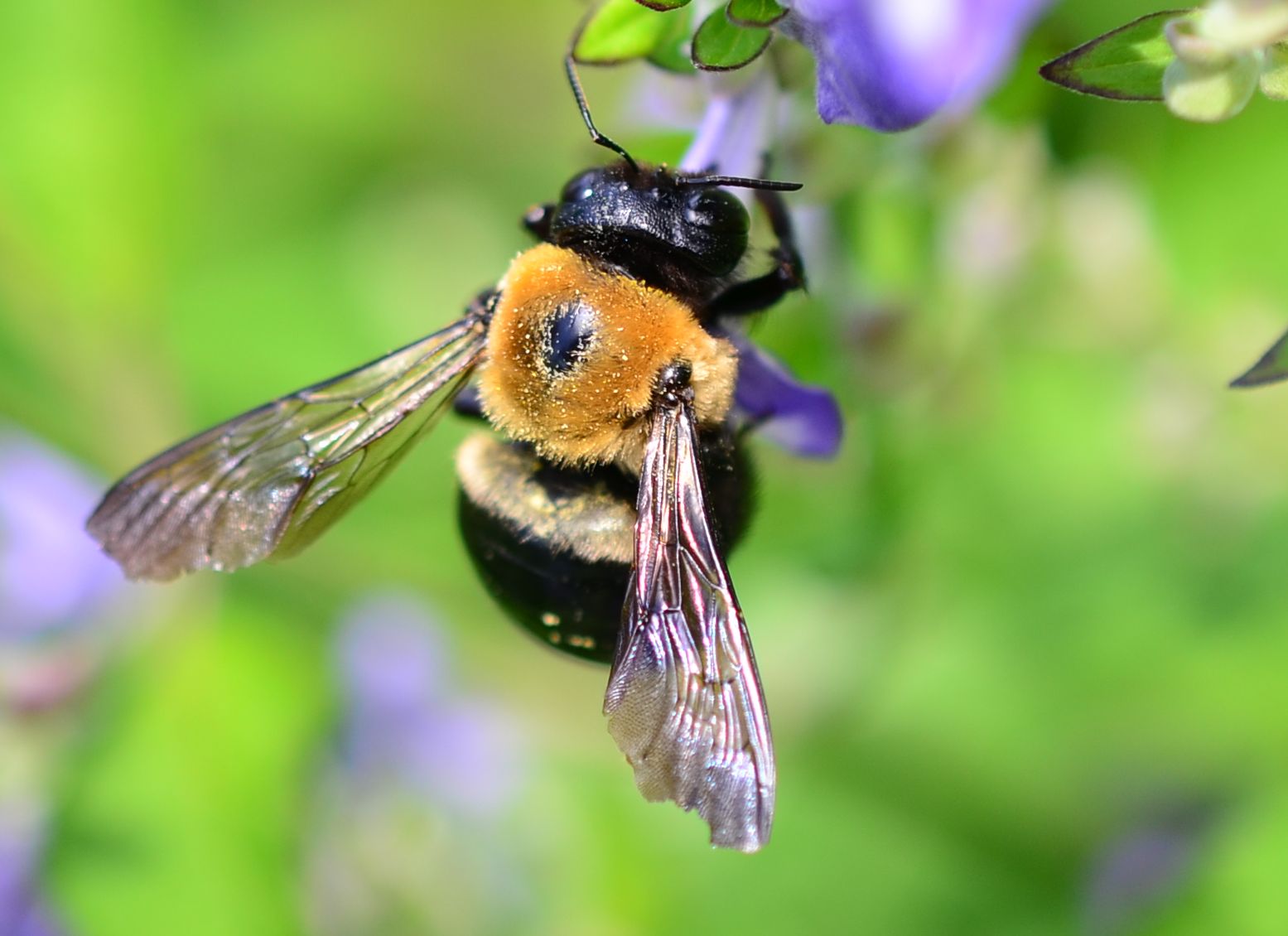
Pesticides Can Block Colony Formation In Bumblebees, Could Lead To Extinction: Study

(Natural Blaze By Jason Erickson) Regular readers of Natural Blaze are probably well aware of the threat that neonics present to the ecosystem. For this reason, it is essential that we continue to focus on each new study that reinforces what the alternative media seems willing to cover, but the mainstream not so much.

The plight of the pollinator continues to be documented by studies linking neonicotinoid pesticides to a range of negative effects upon bees and their colonies. Neonics have been implicated in tens of millions of bees instantly dropping dead at a single honey farm after nearby spraying of GMO crops. One type of neonic has even been shown to negatively affect social behavior within the hive itself, causing bees to abandon their responsibilities with protective care and foraging.

The issue is exacerbated by major producers of these pesticides who have been implicated in false advertisingself-funded studies, and covering up their own negative test results, thus making it difficult for the public at large to become fully informed about the severity of what is taking place.

Related: The Difference Between Heirlooms, Hybrids, and GMOs

While an increasing number of countries, particularly in Europe, have become properly aware and have taken action against neonicotinoids, the U.S. stubbornly clings to their widespread use. This is happening even as the bumblebee has been put on the endangered species list in the U.S. for the first time.

A new study adds to a developing concern that aside from the aftereffects of neonics upon living bees, they are also fundamentally restricting breeding patterns and colony formation. Researchers are sounding the alarm that if protective measures are not taken, this logically could lead to a full extinction of the bumblebee.

Related: Understanding and Detoxifying Genetically Modified Foods

Many people remain unaware that neonicotinoids are a family of pesticides, each of which carries its own negative consequences. Thiamethoxam is one of them that is being scrutinized. Professor Nigel Raine from the University of Guelph has been instrumental in establishing that this particular neonic threatens breeding patterns. The first study, which we covered back in May, concluded that:

…neonicotinoid pesticides hinder wild queen bumblebee’s reproductive success.

Raine says if queens need to use energy to clear pesticides from their system instead of investing in eggs, there will be fewer fully developed eggs. “This will likely translate into slower egg-laying rates, which will then impede colony development and growth.”

In the newest study from Raine, et al., which appeared in Nature Ecology and Evolution, what was previously suspected is sadly being confirmed and fully quantified, with a minimum of 25% reduction of colony formation.

Bumblebees are less able to start colonies when exposed to a common neonicotinoid pesticide, according to a new University of Guelph study.

Prof. Nigel Raine has discovered that exposure to thiamethoxam reduces the chances of a bumblebee queen starting a new colony by more than a quarter.

“Bumblebee queens that were exposed to the neonicotinoid were 26 per cent less likely to lay eggs to start a colony,” said Raine, holder of the Rebanks Family Chair in Pollinator Conservation. “A reduction this big in the ability of queens to start new colonies significantly increases the chances that wild populations could go extinct.”

Source

Related: Permaculture Agriculture – The Transition to a Sustainable Future

One has to wonder how much more evidence needs to be acquired for regulatory agencies across the world to speed up efforts to eradicate these toxins from the ecosystem. We certainly look forward to the day when this becomes a topic that we no longer need to cover.

Jason Erickson writes for NaturalBlaze.com. This article (Pesticides Can Block Colony Formation in Bumblebees, Could Lead to Extinction: Study) may be republished in part or in full with author attribution and source link.