Study Shows Organic Cotton Causes Less Environmental Damage than Conventional Cotton

(Cornucopia – Sourcing Journal – by Tara Donaldson) More than just a “feel-good” fiber, organic cotton has now been proven better for the environment than conventional cotton, according to a new study.

Textile Exchange, a nonprofit dedicated to increasing sustainability in the textile sector, in partnership with sustainability consultancy PE International conducted an 18-month Organic Cotton Life Cycle Assessment (LCA) demonstrating the tangible benefits of organic cotton cultivation.

In short, the organic process showed reduced global warming potential, lower soil erosion, less water use and less energy demand.

La Rhea Pepper, managing director of Textile Exchange said the study’s findings mark a turning point for the organic cotton industry as a whole. “For 12 years, we have been promoting the benefits of organic cotton. This study allows us to show the quantitative data that supports what we already know – that organic cotton is much better for our environment than conventional cotton,” she said.

The LCA study looked at the impact of organic cotton production in five categories, and compared the findings to a separate independent peer-reviewed study of conventional cotton done by Cotton Incorporated.

In the comparison, the LCA uncovered that organic cotton had 46 percent reduced global warming potential, 70 percent less acidification potential (such as acid rain), 26 percent reduced soil erosion potential, 91 percent reduced blue water (water withdrawn via immigration) consumption, and 62 percent reduced energy demand.

“Under current system boundaries, the difference in results can be attributed to the lower agricultural inputs that are required by the principles of organic agriculture, namely of mineral fertilizer, pesticides, as well as the practices related to tractor operations and irrigation,” the report noted.

The lower acidification potential can be attributed to reduced or avoided agricultural inputs like fertilizer and pesticide production, irrigation pumps and tractor operations. The difference in field emissions due to varied amounts of applied nutrients also contributed to the disparity.

In terms of soil erosion, organically cultivated systems can prevent 90 percent of the soil erosion that would otherwise enable washing off of nutrients into nearby water and soil bodies. Cultivation of rotation crops and intercropping also contribute to less loss in nutrients due to leaching.

The LCA found that nearly all (95 percent) of water used to produce organic cotton is green water, or rainwater and moisture stored in soil and used for plant growth. Organically cultivated cotton in the regions surveyed receive relatively little irrigation in addition to rainfall, reducing blue water consumption—the impact category with the highest relevance to the environment.

Avoiding mineral fertilizer, as organic cotton does, reduces the use on non-renewable energy since mineral fertilizers are derived from petroleum and have a high primary energy demand.

“This information is empowering for the people and organizations along the organic cotton supply chain, including farmers, cotton ginners, spinners, brands and retailers and all the way to the consumer level. Making a commitment to plant, grow, cultivate and use organic cotton in our textiles is also making a commitment to improve our water, soil and air,” Pepper said.

In terms of costs, Pepper said there are a few things retailers can do to accommodate the higher costs of organic cotton compared to conventional cotton: Strategically put organic cotton into products in which consumers place high value – for example, baby wear. This is where consumers are willing to invest a little more to have the best possible materials; Work within their supply chain to leverage cost-effective ways to save on shipping and other costs so they can then accommodate the higher price (and value) of organic cotton; Engage their consumer–show them the value of their investment in organic cotton. This can help eliminate the barriers consumers have to face in understanding why costs are higher and they will eventually be willing to pay a little bit more.

Data for the study was culled from the top five countries for organic cotton cultivation, India, China, Turkey, Tanzania and the United States—which combined account for 97 percent of global organic cotton production.

“The brands and retailers that are committed to organic cotton have seen first-hand the positive results that going organic has on communities, soil, water and more. They already understand the value. What this LCA does is give them the numbers and proof to support what they already know. This LCA demonstrates what we have been saying all along. In addition, this LCA can help convince companies that have been on the fence about organic cotton. To see the results in real numbers is what some need to make the commitment to incorporate organic cotton into their long-term plans,” Pepper said.
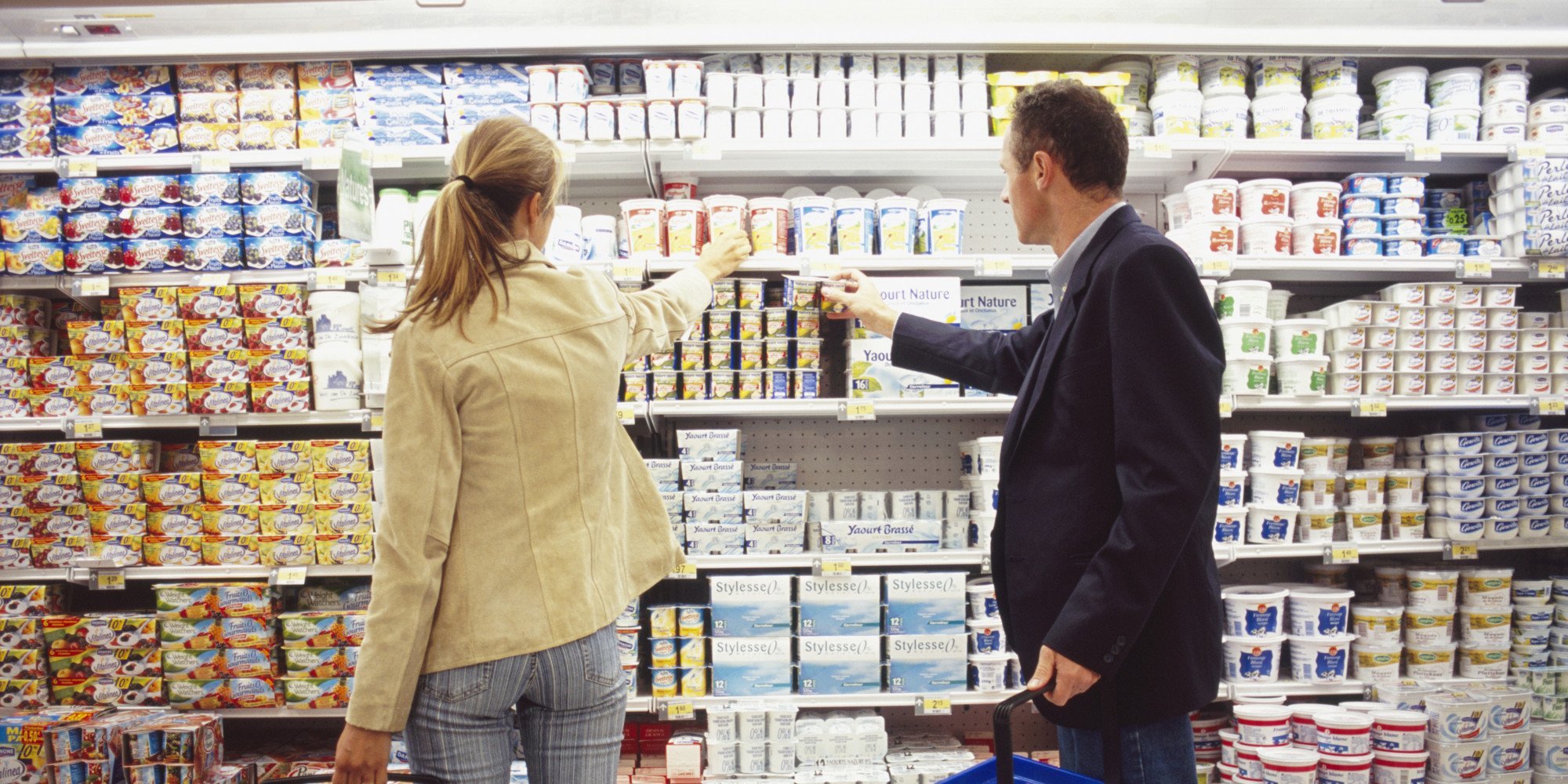
Big Food Giants Like General Mills and PepsiCo Hijack Yogurt Industry

(NaturalNews – Julie Wilson) What used to be one of America’s go-to foods for a quick, healthy snack has been hijacked by Big Food and replaced with a product containing so many unhealthy, synthetic ingredients that critics say it’s lost its identity.

Yogurt in its traditional form is a rich source of essential minerals, vitamins and probiotics, and is thought to boost gastrointestinal health and aid with digestion. However, with today’s food industry jumping on the organic bandwagon, there are now more unhealthy brands of yogurt (many of which probably shouldn’t even be called yogurt) on store shelves than ever before.

Luckily for the consumer, Wisconsin-based food and farm policy research group The Cornucopia Institute has kept a close eye on the evolving market of yogurt, tracking and identifying which brands to buy and which ones to avoid.

Released in November, their latest project, entitled Culture Wars: How the Food Giants Turned Yogurt, a Health Food, into Junk Food, not only includes a comprehensive report[PDF] on the yogurt industry but a scorecard rating 114 brands, separating the healthy and unhealthy choices.

The report “alleges that agribusiness, in their marketing approach, has capitalized on yogurt’s historic, well-deserved healthful reputation while simultaneously adulterating the product, sometimes illegally, to gain competitive advantage and popular appeal.”

Food giants like General Mills (Yoplait), Groupe Danone (Dannon), Walmart and PepsiCo have hijacked the healthy food industry through products like yogurt, marketing them as healthy when in reality they’re anything but.

Carrageenan, artificial sweeteners, added sugars, added artificial coloring, added artificial flavors, synthetic nutrients and milk protein concentrate are just a few of the ingredients to watch out for when buying yogurt.

Candy bars and Food Big yogurt brands have equivalent sugar content

Testing by Cornucopia found that some brands of flavored yogurts, such as strawberry or blueberry, actually contain NO real fruit and have so much sugar that they’re comparable to candy bars! The most disturbing part about this is that many yogurts are marketed to children as a “healthy” alternative.

Many non-organic yogurts use artificial sweeteners such as aspartame, which has been attributed to brain tumors and neurological disease in laboratory animals, and sucralose, which has actually been shown to kill beneficial gut microflora. There’s also a strong correlation between non-caloric artificial sweeteners and obesity.

“What is most egregious about our findings,” said Mark A. Kastel, codirector of the research group, “is the marketing employed by many of the largest agribusinesses selling junk food masquerading as health food, mostly aimed at moms, who are hoping to provide their children an alternative, a more nutritious snack. In some cases, they might as well be serving their children soda pop or a candy bar with a glass of milk on the side.”

Research group asks FDA to enforce legal definition of “yogurt” on product labeling

Based on its recent findings, Cornucopia filed a complaint with the Food and Drug Administration asking the agency to investigate whether or not store brands like Walmart’s Great Value violate the legal standard of identity for products labeled as “yogurt.”

“The reason that Kraft has to call Velveeta® ‘processed cheese-food’ is that some of the ingredients used, like vegetable oil, cannot legally be in a product marketed as ‘cheese,'” Kastel explained.

Another controversial ingredient being used in Big Food-branded yogurts is milk protein concentrate (MPC), an ingredient used to increase protein levels and improve texture. Cornucopia alleges that some manufacturers are importing MPC from countries like India, which do not meet yogurt’s current legal standard of identity.

The healthiest choices on Cornucopia’s Buyer’s Guide include yogurts with a short list of ingredients, including organic milk and live cultures — with limited amounts of added organic fruit or unrefined sweeteners like maple syrup.

Sources:
http://www.cornucopia.org
http://www.cornucopia.org[PDF]
http://www.ncbi.nlm.nih.gov[PDF]
http://www.naturalnews.com
http://www.cornucopia.org[PDF]

Looking For Safe Cookware? Try Cast Iron

(NaturalNews – Jonathan Benson) With so many different types of cookware on the market today, making the best and safest choices for our families can be a challenge. But tried-and-true cast iron is still among the most durable and non-toxic types of cookware available — and if you know how to use it properly, it can be just as easy to use and clean as the much more convenient but chemical-laden varieties branded as “non-stick.”

Cast iron is about as classic as it gets when it comes to durable cookware. And if properly cared for, it can last a lifetime and be passed down from generation to generation. But a common complaint is that food tends to stick to pure cast iron since it hasn’t been layered with Teflon or other non-stick surfaces, which often contain perfluorinated chemicals, or PFCs, that release noxious fumes into the air and leach toxic substances into food.

Stainless steel cookware is one safer option, but if scratched it, too, can leach nickel and other undesired substances into food. For pots and pans, stainless steel is still an excellent choice, as is copper, but when it comes to frying pans and griddles, cast iron is probably your best bet, and here’s why.

Cast iron gets better over time

On his blog, permaculture aficionado Paul Wheaton explains how to select quality cast iron cookware, how to properly care for it, and how to make it not only last but thrive. Unlike most other types of cookware, cast iron actually gets better over time when it is regularly scraped and seasoned. Individuals with anemia or iron deficiencies can also benefit from the iron found in cast iron.

According to Wheaton, the best types of cast iron are older pieces found at garage sales and online trading sites like Craigslist and eBay. Many older cast iron pieces were machine surfaced to be smooth, as opposed to the rough surfaces found on newer cast iron cookware. Older skillets have also typically been seasoned over many years of use, meaning they have already been “broken in.”

“Many of the experienced cast iron folk [recommend] buying a heavily used skillet,” he wrote. But if a new skillet is your only option, he recommends using a stainless steel spatula with a flat edge to “take the ‘peaks’ off as the ‘valleys’ fill with ‘seasoning.'”

More on this is available here:
RichSoil.com.

Bacon grease, palm oil excellent for seasoning cast iron cookware

Properly “seasoning” a cast iron skillet involves allowing natural cooking oils to permeate the cooking surface without washing them off after each use. This process is unique to cast iron, and it allows a smooth polymerized fat surface to form, making the cooking surface slick and easier to clean.

In Wheaton’s experience, saturated fats like bacon grease and “organic shortening” (palm oil) that remain solid at room temperature tend to work best at creating the ideal cast iron cooking surface (though we don’t recommend pal oil for anything). Hydrogenated oils are toxic and should thus be avoided, and mono- and polyunsaturated fats tend to leave the cooking surface sticky.

Seasoning cast iron with saturated fats also helps protect the surface against rust, which can form when pans aren’t properly dried after use. Wheaton recommends heating cast iron pans on the stovetop to remove excess water, as towel drying typically won’t get it dry enough. If rust, pitting, or caked-on gunk is already present, Wheaton advises using the self-cleaning option on your oven to literally bake off the crud.

You can learn more about that here:
RichSoil.com.

Sources:
http://www.ewg.org
http://www.richsoil.com
http://www.thekitchn.com

How to Prevent Flu Season Viruses From Infecting You

(NaturalNews – Jonathan Benson) With Ebola on everybody’s minds these days, the topic of disease prevention, and particularly how to avoid viral infections — incidentally, the annual rite of “flu season” is also upon us — is surely on every survivalist’s radar. But learning how best to prepare for, well, the worst poses its own set of unique challenges because, quite frankly, real solutions for disease eradication aren’t exactly popular media’s thing.

Most mainstream news outlets simply tell people to constantly wash their hands and avoid human contact, but this is hardly foolproof, nor is it practical or even necessary. Strengthening one’s immune system should be the first line of defense, and learning how to effectively prevent infection the second. The latter approach is two-pronged, meaning there are safe and effective ways to kill viruses on surfaces as well as inside your body, and knowing both is critical for long-term survival.

Ultraviolet C light disinfects water, sterilizes surfaces

Measuring in wavelengths between 100 and 280 nanometers (nm), as defined by the World Health Organization, ultraviolet C, or UVC (short wave), light is one effective way to rid exposed surfaces of harmful pathogens. A growing number of hospitals, which are notorious for harboring antibiotic-resistant “superbug” pathogens, have chosen this non-toxic method as a first-line defense against pathogens, and you can, too.

The U.S. Army Corps of Engineers recognizes UV light as effective in the purification of water, as it destroys harmful microbes including yeast, bacteria, algae, molds, viruses and oocysts. Many water treatment facilities use UV light to control microorganisms, as it penetrates the cell walls and cytoplasmic membranes of organisms and rearranges their DNA, effectively blocking them from reproducing.

UV robots at hospitals are already proving to be more effective than bleach at cleansing equipment and sterilizing rooms. Up to 25,000 times more powerful than natural sunlight, UV robots can be programmed to shine light on all exposed or potentially compromised surfaces, including under beds and between curtain folds. After about 10 minutes, anything living on surfaces will be rendered completely sterile.

“We can clean and disinfect a room (by hand) to an 85% level, but when we use the ultraviolet light we can clean that room to 99.9%,” stated Dr. Ray Casciari, a pulmonary disease specialist at St. Joseph Hospital, to CNN. “This is the future of hospitals because 85% is not enough.”

Silver, copper solutions prove effective against harmful pathogens

The metals silver and copper are effective disease killers as well. The colloids of both metals exert an “oligodynamic effect” on microorganisms, effectively killing fungi, viruses, molds and various living cells, even at very low concentrations. Put simply, silver and copper colloids bind to the proteins of pathogens and basically deactivate them, resulting in their death.

Researchers from the National College of Kathmandu in Nepal described this process in a 2002 study they published, which looked at how metal ions interact with microorganisms. They wrote:

“The exact mechanism of this action is still unknown but some data suggest that the metal ions denature protein of the target cells by binding to reactive groups resulting in their precipitation and inactivation. The high affinity of cellular proteins for the metallic ions results in the death of the cells due to cumulative effects of the ion within the cells.”

Boost your immune system with antiviral herbs

Having to constantly worry about the pathogenicity of the surfaces you touch is really only necessary, though, when your immune system is not up to par. If your immune system is strong and well-supported with proper nutrition, your chances of succumbing to illness are greatly reduced, which is why it’s so important to eat right for your survival.

Purposely supplementing your diet with antiviral foods and herbs is critical if you want to avoid viral infections. Here’s some helpful ones you may want to incorporate into your diet:

1. Apple cider vinegar. For regular maintenance, take one or two tablespoons of apple cider vinegar with a splash of fresh lemon, every morning in water or juice. Raw apple cider vinegar with the “mother” is rich in nutrients such as potassium, phosphorus, sodium (the healthy kind!), magnesium, sulfur, iron, copper, fluorine (not the synthetic type of fluoride added to water), silicon and pectin, as well as dozens of trace minerals and essential amino acids.

All of these are highly effective at alkalizing and detoxifying the body, making conditions unfriendly to pathogenic bacteria and viruses.

2. Oil of oregano. Hailed for its amazing antiviral, antibacterial and antioxidant potency, oil of oregano belongs in every survivalist’s health repertoire. Studies have shown that the carvacrol component of the oil is particularly beneficial in targeting and eliminating viruses. And unlike pharmaceutical drugs, oil of oregano won’t kill off your healthy intestinal flora, nor will it cause antibiotic resistance.

3. Elderberry. Sometimes referred to simply as elder, elderberry has long been used as a treatment for respiratory ailments stemming from cold and flu. The University of Maryland Medical Center recognizes elderberry as having proven anti-inflammatory, antiviral, antioxidant and anticancer properties, and laboratory evidence has shown that the “superfruit” is powerfully effective at boosting immunity.

4. Vitamin C. Perhaps most well known for treating colds, vitamin C is arguably the most effective remedy for preventing and treating viruses of all kinds. The late Dr. Linus Pauling studied the nutrient extensively and found that, in order for the immune system to maintain its defenses against viral infections, vitamin C is essential. Injections of high-dose vitamin C are also effective at eradicating disease once it has taken hold.

5. Vitamin D. One of the easiest ways to maintain a vibrant immune system is to spend more time in the sun. When your skin is exposed to ultraviolet (UV) radiation from the sun, your body produces vitamin D, which in turn reduces your risk of developing influenza and other viral conditions. People with optimal vitamin D levels also tend to avoid getting sick in general.

Sources:
[1] http://glmris.anl.gov[PDF]
[2] http://www.cnn.com
[3] http://www.tested.com
[4] http://bragg.com
[5] http://www.ncbi.nlm.nih.gov
[6] http://jonbarron.org
[7] http://umm.edu
[8] http://online.wsj.com
[9] http://orthomolecular.org
[10] https://www.vitamindcouncil.org
http://truthwiki.org/Garlic
http://truthwiki.org/Vitamin_D
http://truthwiki.org/Oregano

Celery Can Fight Cancer, Improve Blood Health and Aid Weight Loss

(NaturalNews – Michael Ravensthorpe) Celery has long been associated with good health. The stalks of this aromatic plant, which is believed to have originated from the Mediterranean basin, has been used worldwide to treat countless medical issues ranging from mild constipation to serious inflammatory diseases. Today, over 1 billion pounds of celery are produced annually in the United States alone, with Michigan, Florida and California accounting for 80 percent of all celery production.(1)

Despite its popularity, many people assume that celery isn’t especially nutritious due to its lightweight, watery nature. While it is true that celery does contain few essential vitamins and minerals compared to heavier foods, it is rich in certain phytonutrients that provide some truly special health benefits.

Cancer-fighting properties

Celery contains two flavones, apigenin and luteolin, that are proven to help treat various types of cancer. For example, a study published in Tumour Biology in August 2014 found that apigenin can induce apoptosis in human gastric carcinoma cells in a dose-dependent manner.(2) Another study, published two months later in Experimental and Molecular Pathology, discovered that “low-dose apigenin has the potential to slow or prevent breast cancer progression.”(3)

Luteolin, on the other hand, seems to specialize in treating colon cancer. A review published in the Asian Pacific Journal of Cancer Prevention in 2014, for instance, concluded that luteolin could reduce oxidative stress during colon cancer genesis, and could be “considered as a potential drug to treat [colorectal cancer].”(4)

Improves blood health

One of the chemical constituents of celery oil is 3-n-butylphthalide (BuPh), which, aside from being responsible for celery’s unique taste and aroma, is shown to help treat high blood pressure. For example, research published in Phytotherapy Research in December 1998 showed that BuPh has a vasorelaxant effect on hypertensive rats (i.e., it reduced tension in their blood vessel walls), thus lowering their blood pressure.(5)

One cup of chopped celery also supplies our bodies with 37 percent of our daily value of vitamin K, a group of fat-soluble compounds that helps our blood clot properly. In fact, the “K” actually stands for koagulation, the German word for “clotting.” Deficiencies in vitamin K can increase the risk of uncontrolled bleeding, easy bruising and — due to vitamin K’s additional role in bone building — a weakening of the bones.(6)

Weight loss aid

There are many good reasons why eating celery can help us lose weight. Firstly, it is fat-free and only contains around 16 calories per cup (celery is actually a “negative calorie” food, since our bodies require more calories to digest it than the plant itself contains). Secondly, it is comprised of approximately 95 percent water, which helps remove waste from our cells and reduce fatigue. Lastly, celery is rich in soluble fiber, which helps balance blood sugar levels and lower LDL cholesterol.(7)

Selecting and consuming celery

When possible, favor organic celery that snaps easily when pulled apart. The leaves should be a healthy pale to bright green color and free from yellow or brown patches.

Celery is best consumed raw and in whole form. While celery juice does have its benefits, juicing damages the plant’s fiber profile, which in turn, decreases its efficacy as a constipation and weight loss aid.

Sources:
(1) http://www.whfoods.com
(2) http://www.ncbi.nlm.nih.gov
(3) http://www.ncbi.nlm.nih.gov
(4) http://www.ncbi.nlm.nih.gov
(5) http://onlinelibrary.wiley.com
(6) http://www.fao.org
(7) https://www.completenutrition.com
(8) http://science.naturalnews.com