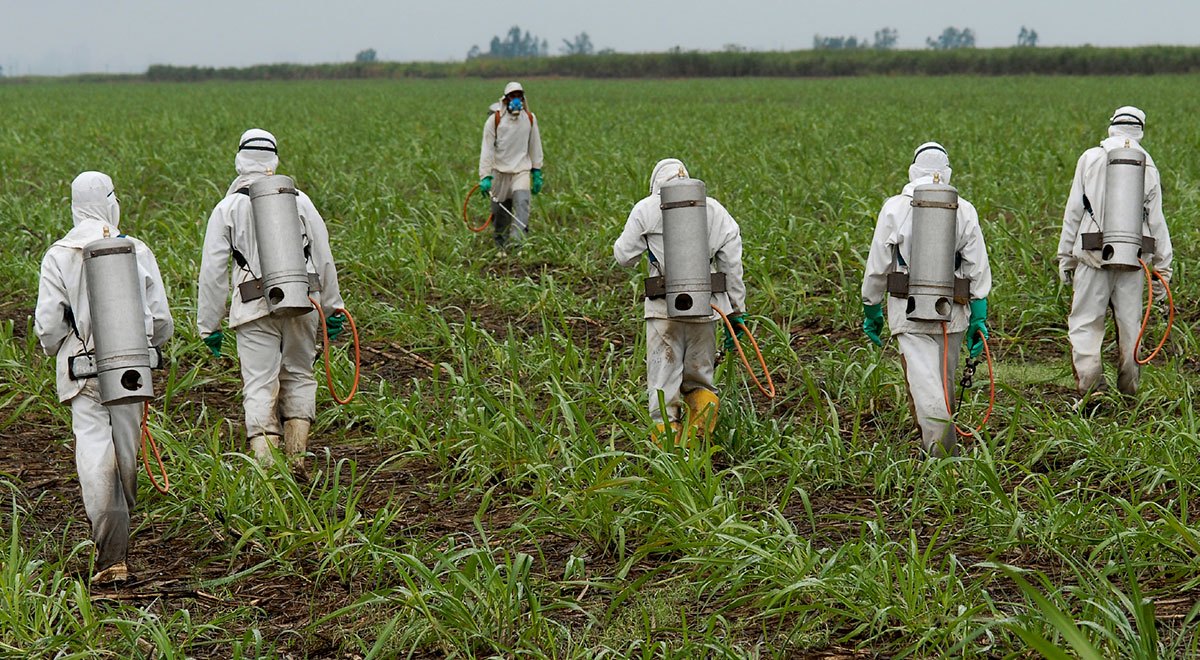
(Natural Blaze By Jon Rappoport) A San Francisco lawsuit against Monsanto and its weedkiller, Roundup, is moving forward. And it’s just received a new green light from the judge in the case.
Monsanto’s lawyers are bracing for a deep level of attack, which they were hoping to avoid. The judge has ruled the jury can hear testimony on this issue: Monsanto suppressed evidence that Roundup causes cancer.
Reporter Carey Gillam has the story (The Guardian, 5/22): “At the age of 46, DeWayne Johnson is not ready to die. But with cancer spread through most of his body, doctors say he probably has just months to live. Now Johnson, a husband and father of three in California, hopes to survive long enough to make Monsanto take the blame for his fate.”
“On 18 June, Johnson will become the first person to take the global seed and chemical company to trial on allegations that it has spent decades hiding the cancer-causing dangers of its popular Roundup herbicide products – and his case has just received a major boost.”
“Last week Judge Curtis Karnow issued an order clearing the way for jurors to consider not just scientific evidence related to what caused Johnson’s cancer, but allegations that Monsanto suppressed evidence of the risks of its weed killing products. Karnow ruled that the trial will proceed and a jury would be allowed to consider possible punitive damages.”
“’The internal correspondence noted by Johnson could support a jury finding that Monsanto has long been aware of the risk that its glyphosate-based herbicides are carcinogenic … but has continuously sought to influence the scientific literature to prevent its internal concerns from reaching the public sphere and to bolster its defenses in products liability actions’, [Judge] Karnow wrote.” [Yes, the Judge in the case wrote that statement.]
“Johnson’s case, filed in San Francisco county superior court in California, is at the forefront of a legal fight against Monsanto. Some 4,000 plaintiffs have sued Monsanto alleging exposure to Roundup caused them, or their loved ones, to develop non-Hodgkin lymphoma (NHL). Another case is scheduled for trial in October, in Monsanto’s home town of St Louis, Missouri.”
“How the Johnson lawsuit plays out could be a bellwether for how other plaintiffs proceed. If Johnson prevails, there could be many more years of costly litigation and hefty damage claims. If Monsanto successfully turns back the challenge, it could derail other cases and lift pressure on the firm.”
“According to the court record, Johnson had a job as a groundskeeper for the Benicia unified school district where he applied numerous treatments of Monsanto’s herbicides to school properties from 2012 until at least late 2015. He was healthy and active before he got the cancer diagnosis in August 2014. In a January deposition, Johnson’s treating physician testified that more than 80% of his body was covered by lesions, and that he probably had but a few months to live.”
How will Monsanto proceed? First, they’ll argue that Johnson’s cancer could have been caused by other factors. They’ll throw the kitchen sink at the jury. It could have been genetics. It could have been lifestyle. It could have been causes that are still unknown to researchers. It could have been starlight from a galaxy far, far away. Monsanto’s lawyers will try to bury the jury in reams of supposition.
Second, they’ll show the jury an EPA (Environmental Protection Agency) finding that Roundup does not cause cancer. Like the FDA, the EPA has sided with major corporations in efforts to protect them. Monsanto will claim: “The federal government has asserted Roundup is safe, and that’s the end of our responsibility. The federal government is the final arbiter.” Which is to say: the truth isn’t the final arbiter.
Third, Monsanto will execute a series of acrobatic moves to prove they never suppressed evidence that Roundup causes cancer. They were simply “considering all relevant safety issues.” They were “posing various scenarios.” Their internal memos were “temporary work product” on the way to making a final judgment about Roundup’s safety. They were raising valid concerns about flawed studies that claimed Roundup was dangerous.
If all else fails, Monsanto might try to settle with Johnson—and then claim the $$ payout was simply a way to show compassion for his unfortunate condition—and move on—continuing to offer the public a fine and safe product (Roundup). No guilt admitted.
In the extreme—and I need to raise this question—might Monsanto, behind the scenes, secretly and illegally offer Johnson’s lawyer and his client a very large sum to present a weak case in court and let Monsanto win the case?
You decide.
If Monsanto has intentionally hidden the dire effects of Roundup for decades, while people have gotten sick and died, what wouldn’t they do?
Among the myriad scandals and crimes of Monsanto, here is one that sheds light on the mindset of the company. Axisoflogic.com reports (3/22/12): “In 2001, 3,600 inhabitants of the city of Anniston, Alabama, attacked Monsanto for PCB [a chlorine chemical] contamination. According to a report, declassified by the U.S. Agency of Environmental Protection (EPA), Monsanto for almost forty years dumped thousands of tons of contaminated waste in a stream and an open garbage dump in the heart of a black neighborhood in the city.”
“The way The Washington Post reported the story is instructive: ‘Monsanto documents — many emblazoned with warnings such as ‘CONFIDENTIAL: Read and Destroy’ — show that for decades, the corporate giant concealed what it did and what it knew. In 1966, Monsanto managers discovered that fish submerged in that creek turned belly-up within 10 seconds, spurting blood and shedding skin as if dunked into boiling water. They told no one.”
“Monsanto was finally convicted in 2002 of having polluted ‘the territory of Anniston and the blood of its people with the PCB’. The firm was ordered to pay $ 700 million in damages and to guarantee the cleaning-up of the city. No legal action was brought against the company officials.”
(To read about Jon’s mega-collection, The Matrix Revealed, click here.)
The author of three explosive collections, THE MATRIX REVEALED, EXIT FROM THE MATRIX, and POWER OUTSIDE THE MATRIX, Jon was a candidate for a US Congressional seat in the 29th District of California. He maintains a consulting practice for private clients, the purpose of which is the expansion of personal creative power. Nominated for a Pulitzer Prize, he has worked as an investigative reporter for 30 years, writing articles on politics, medicine, and health for CBS Healthwatch, LA Weekly, Spin Magazine, Stern, and other newspapers and magazines in the US and Europe. Jon has delivered lectures and seminars on global politics, health, logic, and creative power to audiences around the world. You can sign up for his free NoMoreFakeNews emails here or his freeOutsideTheRealityMachine emails here.
(Dr. Mercola) Human fertility is declining, and recent studies suggest conventional food may be a significant contributor to this disturbing trend, seen in both men and women. Pesticides have repeatedly been implicated in worsening fertility, and one of the most recent studies adds further support to this hypothesis.
The study,1,2 published in JAMA Internal Medicine, evaluated the influence of factors known to affect reproduction on the reproductive success of 325 women between the ages of 18 and 45 (mean age 35), who underwent in vitro fertilization (IVF). As reported by Time,3“The women in the study filled out detailed questionnaires about their diet, along with other factors that can affect IVF outcomes, like their age, weight and history of pregnancy and live births.”
High Pesticide Exposure Associated With Reduced IVF Success
Using a U.S. government database listing average pesticide residues on food, the researchers estimated each participant’s pesticide exposure based on their food questionnaires. On average, women with high pesticide exposure ate 2.3 servings per day of fruits, berries or vegetables known to have high amounts of pesticide residue. Those in the lowest quartile ate less than 1 serving of high-pesticide produce per day.
Compared to women with the lowest pesticide exposure, women with the highest amounts of pesticide exposure had an 18 percent lower IVF success rate. They were also 26 percent less likely to have a live birth if they did become pregnant. Using modeling, the researchers estimate that exchanging a single serving of high-pesticide produce per day for one with low pesticide load may increase the odds of pregnancy by 79 percent, and the odds of having a live birth by 88 percent.
Pesticide Regulations Fail to Protect Human Health
Senior investigator Dr. Jorge Chavarro, associate professor of nutrition and epidemiology at Harvard T. H. Chan School of Public Health told Time:4
“I was always skeptical that pesticide residues in foods would have any impact on health whatsoever. So, when we started doing this work a couple of years ago, I thought we were not going to find anything. I was surprised to see anything as far as health outcomes are concerned.I am now more willing to buy organic apples than I was a few months ago.”
Coauthor Dr. Yu-Han Chiu, research fellow in the department of nutrition at the Harvard T.H. Chan School of Public Health, added:5
“There have been concerns for some time that exposure to low doses of pesticides through diet, such as those that we observed in this study, may have adverse health effects, especially in susceptible populations such as pregnant women and their fetus, and on children. Our study provides evidence that this concern is not unwarranted.”
As noted by Dr. Philip Landrigan, dean for global health and professor at the Icahn School of Medicine at Mount Sinai, in an accompanying commentary,6 “The observations made in this study send a warning that our current laissez-faire attitude toward the regulation of pesticides is failing us,” adding:
“We can no longer afford to assume that new pesticides are harmless until they are definitively proven to cause injury to human health. We need to overcome the strident objections of the pesticide manufacturing industry, recognize the hidden costs of deregulation, and strengthen requirements for both premarket testing of new pesticides, as well as postmarketing surveillance of exposed populations — exactly as we do for another class of potent, biologically active molecules — drugs.”
Male Fertility Rates Have Also Plunged
Research also shows sperm concentration and quality has dramatically declined in recent decades, and the evidence suggests endocrine disrupting chemicals are largely to blame. While there are many sources, pesticides, including glyphosate,7 are known endocrine disruptors as well. According to the first of two recently published papers,8 a meta-analysis of 185 studies and the largest of its kind, sperm counts around the world declined by more than 50 percent between 1973 and 2013, and continue to dwindle.
The most significant declines were found in samples from men in North America, Europe, Australia and New Zealand. (Men suspected of infertility, such as those attending IVF clinics, were excluded from the study.) Overall, men in these countries had a 52.4 percent decline in sperm concentration and a 59.3 percent decline in total sperm count (sperm concentration multiplied by the total volume of an ejaculate).
As it stands, half of the men in most developed nations are now near or at the point of being infertile. Lead author Dr. Hagai Levine, who called the results “profound” and “shocking,”9 worries that human extinction is a very real possibility, should the trend continue unabated.10
Microwave Exposure — Another Invisible Contributor to Infertility
Exposure to electromagnetic fields (EMFs) is another major contributor to infertility. In fact, I believe this may be the most significant factor for the observed decrease in male sperm count. Women’s reproductive organs are a bit more shielded, but can still be affected, just not as easily as men’s testicles.11 During World War II, it was well-known that radar operators could easily create sterility by exposing the groin to radar waves. Radar is microwave radiation and was the precursor to cellphones that use similar frequencies.
More modern research also suggests microwave radiation may play a significant role in male reproductive health. While evaluating studies showing you can radically reduce biological microwave damage using calcium channel blockers, Martin Pall, Ph.D., discovered a previously unknown mechanism of biological harm from microwaves emitted by cellphones and other wireless technologies.12
Embedded in your cell membranes are voltage gated calcium channels (VGCCs). It turns out these VGCCs are activated by microwaves, and when that happens, about 1 million calcium ions per second are released.
This massive excess of intracellular calcium then stimulates the release of nitric oxide (NO) inside your cell and mitochondria, which combines with superoxide to form peroxynitrite. Not only does peroxynitrites cause oxidative damage, they also create hydroxyl free radicals — the most destructive free radicals known to man.
Hydroxyl free radicals decimate mitochondrial and nuclear DNA, their membranes and proteins, resulting in mitochondrial dysfunction. During a 2013 children’s health expert panel on cellphone and Wi-Fi exposures,13 it was noted, “The testicular barrier, that protects sperm, is the most sensitive of tissues in the body … Besides sperm count and function, the mitochondrial DNA of sperm are damaged three times more if exposed to cellphone radiation.”
In addition to male testes, the tissues with the highest density of VGCCs are your brain and the pacemaker in your heart. What the research tells us is that excessive microwave exposure can be a direct contributor to conditions such as infertility, Alzheimer’s, anxiety, depression, autism and cardiac arrhythmias.14
Indeed, other studies have linked low-level electromagnetic radiation exposure from cellphones to an 8 percent reduction in sperm motility and a 9 percent reduction in sperm viability.15,16 Wi-Fi equipped laptop computers have also been linked to decreased sperm motility and an increase in sperm DNA fragmentation after just four hours of use.17 So, if you care about your reproductive health, the most important strategies to implement are to:
Avoid carrying your cellphone in your pockets or on your hip
Avoid using portable computers and tablets on your lap
Turn off your cellphones at night, as even if you are not talking they can damage you up to 30 feet away
Turn off your Wi-Fi at night (ideally in the day also)
Most importantly, turn off the electricity to your bedroom at the circuit breaker. This typically works for most bedrooms unless you have a room or rooms adjacent to your bedroom, in which case you might need to shut that off too. This will radically lower electric and magnetic fields while you sleep. If you need a clock you can you a battery operated one and even better a talking clock with no light that can be picked up on Amazon
Study Reveals Shocking Increase in Glyphosate Levels
In related news, researchers from University of California San Diego School of Medicine recently reported there’s been a shocking increase in glyphosate exposure in recent decades and, subsequently, the level found in people’s urine.
For this study,18 the researchers measured excretion levels of glyphosate and its metabolite aminomethylphosphonic acid in 100 participants from the Rancho Bernardo Study of Healthy Aging, which ran for 23 years, starting in 1993, the year before genetically engineered (GE) crops were introduced in the U.S.
As one would expect, the introduction of Roundup Ready GE crops led to a massive increase in the use of Roundup, the active ingredient of which is glyphosate. Glyphosate has also become a popular tool for desiccating non-GE grains, legumes and beans.
Data19,20 reveals that between 1974 (the year glyphosate entered the U.S. market and just over two decades before GE crops were introduced) and 2014, glyphosate use in the U.S. increased more than 250-fold. Globally, glyphosate use rose nearly fifteenfold since 1996, two years after the first GE crops hit the market.
At the start of the study, very few of the participants had detectable levels of glyphosate in their urine, but by 2016, 70 percent of them did.21 Overall, the prevalence of human exposure to glyphosate increased by 500 percent during the study period (1993 to 2016), while actual levels of the chemical in people’s bodies increased by an astounding 1,208 percent.
Rising Glyphosate Levels in Urine Is Cause for Concern
The exact implications of glyphosate exposure to human health is still unclear, but other recent research22 found that daily exposure to ultra-low levels of glyphosate for two years led to nonalcoholic fatty liver disease in rats, and the levels found in people’s urine were a hundredfold greater than those in this rat study.
In response to the findings of rising glyphosate levels in people’s urine, Monsanto was quick to say that the amounts reported “do not raise health concerns,” and that the fact that the chemical is detected in urine is just “one way our bodies get rid of nonessential substances.”23 Speaking to GM Watch, Michael Antoniou of King’s College London had another take on the matter:24
“This is the first study to longitudinally track urine levels of glyphosate over a period before and after the introduction of GM glyphosate-tolerant crops. It is yet another example illustrating that the vast majority of present-day Americans have readily detectable levels of glyphosate in their urine, ranging from 0.3 parts per billion, as in this study, to 10 times higher — 3 or more parts per billion — detected by others.
These results are worrying because there is increasing evidence to show that exposure to glyphosate-based herbicides below regulatory safety limits can be harmful.”
Glyphosate Found in Breast Milk
Three years ago, the first-ever independent testing for glyphosate in the breast milk of American women found high levels in 30 percent of the samples.25 The testing, which was not a formal scientific study, was carried out by Moms Across America and Sustainable Pulse. Still, the findings strongly suggest glyphosate bioaccumulates and builds up in your body over time, despite claims to the contrary.
Breast milk levels were found to be 76 to 166 micrograms per liter (ug/l), which is up to 1,600 times higher than the European Drinking Water Directive allows for individual pesticides, but still well below the 700 ug/l maximum contaminant level (MCL) for glyphosate allowed in the U.S. However, the U.S. level was set by the U.S. Environmental Protection Agency (EPA) based on the now-ridiculous premise that glyphosate will not bioaccumulate.
Importantly, many of the participants in this study were familiar with genetically modified organisms (GMOs) and had been actively trying to avoid them for several months to two years. This makes the findings all the more disheartening, and shows just how difficult it is to avoid this chemical unless you’re consistently eating an organic diet.
Corporate Machinations Kept Glyphosate on the Market
As noted in a recent investigation by In These Times,26 in the wake of Moms Across America’s findings, Monsanto defended its flagship pesticide with a study that found no glyphosate in breast milk. However, this study, which was purported to be “independent,” was actually backed by Monsanto. According to In These Times:
“More and more research suggests that glyphosate exposure can lead to numerous health issues, ranging from non-Hodgkin lymphoma and kidney damage to disruption of gut bacteria and improper hormone functioning. The Moms Across America episode fits a pattern that has emerged since 1974, when the EPA first registered glyphosate for use:
When questions have been raised about the chemical’s safety, Monsanto has ensured that the answers serve its financial interests, rather than scientific accuracy and transparency. Our two-year investigation found incontrovertible evidence that Monsanto has exerted deep influence over EPA decisions since glyphosate first came on the market — via Roundup — more than 40 years ago.”
Manipulation of Science Led to Underestimation of Glyphosate’s Risks
Suspiciously, archived EPA documents from decades ago, when the agency was initially considering glyphosate for approval, have been heavily redacted. Despite much of it being illegible, the documents reveal that EPA scientists were greatly concerned about a 1983 mouse study showing that glyphosate caused cancer. The documentation also shows that their interpretation of the data was “subsequently reversed by EPA upper management and advisory boards, apparently under pressure from Monsanto.”
“In years to come, that pivotal 1983 mouse study would be buried under layers of misleading analysis to obscure its meaning. Today, the EPA and Monsanto continue to cite that study as evidence that glyphosate poses no public health risk, even though the study’s actual evidence indicates otherwise,” In These Times reports.
The EPA has also been accused of overlooking other evidence of harm. I wrote about this in “Unveiling the Glyphosate Conspiracy.” As mentioned earlier, glyphosate was introduced in 1974, and the earliest example of Monsanto’s attempts to downplay evidence of harm dates back to May 1973, the year before its ultimate approval.
At the time, a biologist at the EPA’s Toxicology Branch Registration Division recommended including the word “Danger” on the label, due to the chemical’s ability to cause eye irritation. Monsanto strongly objected, saying the eye irritation observed was merely the result of “a secondary infection in previously irritated eyes.” After three years of deliberations back and forth, the EPA finally agreed to Monsanto’s request to replace the word “Danger” with the less attention-grabbing “Caution.”
As food has become increasingly adulterated, contaminated and genetically engineered, the need for laboratory testing has exponentially grown. In response to this need, the Health Research Institute (HRI Labs) has created two glyphosate tests for the public — a water testing kit, and an environmental exposure test kit.
The latter is a urine test that will tell you how much glyphosate you have in your system, which can give you a good idea of the purity of your diet. If your glyphosate level is high, chances are you’ve been exposed to many other agrochemicals as well.
I had the environmental exposure test done a while back, and had a glyphosate level below the threshold of detection, which is 40 parts per trillion, likely because I eat primarily organic and homegrown foods, and expel toxins I might come in contact with through exercise and regular sauna use.
So far, HRI Labs has analyzed more than 1,200 urine samples. The testing is being done as part of a research project, which will provide valuable information about the presence of glyphosate in the diet. It will also help answer questions about how lifestyle and location affects people’s exposure to agrochemicals. Here are some of their findings to date:
76 percent of people tested have some level of glyphosate in their system
Men typically have higher levels than women
People who eat oats on a regular basis have twice as much glyphosate in their system as people who don’t (likely because oats are desiccated with glyphosate before harvest)
People who eat organic food on a regular basis have an 80 percent lower level of glyphosate than those who rarely eat organic. This indicates organic products are a safer choice
People who eat five or more servings of vegetables per day have glyphosate levels that are 50 percent lower than those who don’t eat fewer vegetables
Which Foods Are the Most Important to Buy Organic?
Everyone can be harmed by pesticides, but if you’re a man or woman of childbearing age or have young children, taking steps to reduce your exposure is especially important. Ideally, all of the food you and your family eat would be organic. That said, not everyone has access to a wide variety of organic produce, and it can sometimes be costlier than buying conventional.
One way to save some money while still lowering your pesticide exposure is to purchase certain organic items, and “settling” for others that are conventionally grown, based on how heavily each given crop is typically treated with pesticides.
Animal products, like meat, butter, milk and eggs are the most important to buy organic, since animal products tend to bioaccumulate toxins from their pesticide-laced feed, concentrating them to far higher concentrations than are typically present in vegetables. Beyond animal foods, the pesticide load of different fruits and vegetables can vary greatly.
In 2015, Consumer Reports analyzed 12 years’ worth of data from the USDA’s Pesticide Data Program to determine the risk categories (from very low to very high) for different types of produce.27 Their results are featured in the video above. Because children are especially vulnerable to the effects of environmental chemicals, including pesticides, they based the risk assessment on a 3.5-year-old child.
They recommend buying organic for any produce that came back in the medium or higher risk categories, which left the following foods as examples of those you should always try to buy organic, due to their elevated pesticide load. Another excellent source, which is updated annually, is the Environmental Working Group’s (EWG) “Dirty Dozen” and “Clean 15” lists of produce with the greatest and least amounts of pesticide contamination. The EWG’s 2017 shopper’s guide28 to pesticides in produce can be downloaded here.
Washing your produce will help remove surface pesticide residues. According to recent research,29 the most effective cleaning method, by far, is to wash your produce using a mixture of tap water and baking soda. Soaking apples in a 1 percent baking soda solution for 12 to 15 minutes was found to remove 80 percent of the fungicide thiabendazole and 96 percent of the insecticide phosmet.
The reason thiabendazole was not as effectively removed is because it penetrated the apple to a depth of 80 micrometers. Importantly, the industry standard for cleaning apples — running under tap water or treating with the bleach solution for two minutes — was ineffective in comparison.
(Dr. Mercola) Glyphosate, the active ingredient in Monsanto’s Roundup, is the most heavily used agricultural chemical of all time. In the U.S., over 1.6 billion kilograms of the chemical have been applied since 1974, with researchers stating that, in 2014 alone, farmers sprayed enough glyphosate to apply 0.8 pound per acre on every 2.47 acres of U.S. cultivated cropland along with 0.47 pounds/acre on all cropland globally.1
It’s a mind-boggling amount of usage for one agricultural chemical, and it was only a matter of time before the wide-reaching environmental and public health implications became apparent.
Monsanto advertised Roundup as “biodegradable” and “environmentally friendly,” even going so far as to claim it “left the soil clean” — until they were found guilty of false advertising because the chemical is actually dangerous to the environment.2 It’s also increasingly showing up in people, at alarming levels, with unknown effects on human health.
Study Reveals 1,200 Percent Increase in Glyphosate Levels
Researchers from University of California San Diego (UCSD) School of Medicine tested urine levels of glyphosate and its metabolite aminomethylphosphonic acid (AMPA) among 100 people living in Southern California over a period of 23 years — from 1993 to 2016.3The starting year is noteworthy, because in 1994 genetically engineered (GE) crops were introduced in the U.S.
Glyphosate is used in large quantities on GE glyphosate-tolerant crops (i.e., Roundup Ready varieties), and its use increased nearly fifteenfold since 1996.4 Glyphosate is also a popular tool for desiccating (or accelerating the drying out) of crops like wheat and oats, with the UCSD researchers noting in JAMA that Roundup is “applied as a desiccant to most small non-genetically modified grains.” So for both the GE crops and non-GE grains, glyphosate “is found in these crops at harvest.”
At the start of the study, Paul Mills, professor of family medicine and public health at the University of California San Diego, stated that very few of the participants had detectable levels of glyphosate in their urine, but by 2016, 70 percent of them did.5 Overall, the prevalence of human exposure to glyphosate increased by 500 percent during the study period while actual levels of the chemical, in ug/ml, increased by a shocking 1,208 percent.6
It’s unknown what this means for human health but, in 2017, separate research revealed that daily exposure to ultra-low levels of glyphosate for two years led to nonalcoholic fatty liver disease (NAFLD) in rats.7 Mills stated that the glyphosate levels revealed by their JAMA study were 100-fold greater than those detected in the rat study.
In response to the featured study, Monsanto was quick to say that the amounts reported “do not raise health concerns,” and that the fact that the chemical is detected in urine is just “one way our bodies get rid of nonessential substances.”8 Speaking to GM Watch, Michael Antoniou of King’s College London had another take on the matter:9
“This is the first study to longitudinally track urine levels of glyphosate over a period before and after the introduction of GM glyphosate-tolerant crops. It is yet another example illustrating that the vast majority of present-day Americans have readily detectable levels of glyphosate in their urine, ranging from 0.3 parts per billion, as in this study, to ten times higher – 3 or more parts per billion – detected by others.
These results are worrying because there is increasing evidence to show that exposure to glyphosate-based herbicides below regulatory safety limits can be harmful.”
While the JAMA study did not look into potential health ramifications of their findings, follow-up studies, including one tracking liver problems, are planned. Mills is even heading up UCSD’s Herbicide Awareness & Research Project, which is aiming to reveal the health-related effects of GE foods and the herbicides applied to them.10
EU Votes in Support of Banning Glyphosate
Concerns over glyphosate’s toxicity have been mounting since the International Agency for Research on Cancer’s (IARC) 2015 determination that glyphosate is a “probable carcinogen.” As of July 2017, California’s Environmental Protection Agency’s Office of Environmental Health Hazard Assessment (OEHHA) also listed glyphosate as a chemical known to cause cancer under Proposition 65, which requires consumer products with potential cancer-causing ingredients to bear warning labels.
Meanwhile, in the EU, European Commission leaders met in March 2016 to vote on whether to renew a 15-year license for glyphosate, which was set to expire in June of that year. The decision was tabled amid mounting opposition, as more than 180,000 Europeans signed a petition calling for glyphosate to be banned outright. Ultimately, more than 2 million signatures were collected against relicensing the chemical.
In June 2016, however, the European Commission granted an 18-month extension to glyphosate while they continued the review. In October 2017, the European Parliament voted in favor of phasing out glyphosate over the next five years and immediately banning it for household use. As EcoWatch reported, Nathan Donley, a senior scientist with the Center for Biological Diversity noted:11
“This wasn’t just a vote against glyphosate. This was a vote supporting independent science and a vote against an industry that has manipulated, coerced and otherwise soiled independent decision-making in Europe and the rest of the world.”
Monsanto Manipulation Continues
The increasing concerns over glyphosate come as Monsanto’s reputation continues on a steady decline. For starters, in October 2017 members in the European Parliament (MEPs) announced that Monsanto officials would no longer be able to meet MEPs, attend committee meetings or even use “digital resources” in Brussels or Strasbourg parliament premises, essentially banning them from parliament.12
The blow came after the biotech giant refused to attend a hearing organized by environment and agriculture committees over allegations that Monsanto engaged in regulatory interference, by influencing studies into the safety of glyphosate. One study in question was conducted by Gilles-Eric Séralini. The lifetime feeding study, published in 2012, revealed numerous shocking problems in rats fed GMO corn, including massive tumors and early death. Rats given glyphosate in their drinking water also developed tumors.
The following year, the publisher retracted the study saying it “did not meet scientific standards,” even though a long and careful investigation found no errors or misrepresentation of data. Interestingly enough, in the time between the publication of the study and its retraction, the journal had created a new position — associate editor for biotechnology; a position that was filled by a former Monsanto employee. The editor of the journal that retracted the study was also reportedly paid by Monsanto.
As GM Watch reported, “Emails released show that Monsanto was active in the retraction process, though it tried to hide its involvement.”13 Séralini not only republished the study in another journal, he also took legal action, and at the end of 2015, he won two court cases against some of those who tried to destroy his career and reputation. It’s also become clear that the company may have worked with a U.S. EPA official to stop glyphosate investigations.
Email correspondence showed Jess Rowland, who at the time was the EPA’s deputy division director of the Office of Chemical Safety and Pollution Prevention and chair of the Cancer Assessment Review Committee (CARC), helped stop a glyphosate investigation by the Agency for Toxic Substances and Disease Registry (ATSDR), which is part of the U.S. Department of Health and Human Services, on Monsanto’s behalf.
In an email, Monsanto regulatory affairs manager Dan Jenkins recounts a conversation he’d had with Rowland, in which Rowland said, “If I can kill this I should get a medal,”14 referring to the ATSDR investigation, which did not end up occurring.
Monsanto Fights to Put Even More Poison on Food
As if the environmental assault by glyphosate wasn’t enough, Monsanto has now released Roundup Ready Xtend for cotton and soybeans, which are GE plants designed to tolerate both glyphosate and another herbicide, dicamba. Dicamba has been used by farmers for decades, but the release of Roundup Ready Xtend crops prompted its use to become more widespread, as well as used in a different way, now sprayed over the top of the GE cotton and soy, where it can easily volatilize and drift onto nearby fields.15
Monsanto sold dicamba-tolerant cotton and soybean seeds to farmers before the herbicide designed to go with them (which is supposedly less prone to drifting) had gotten federal approval. In 2016, when farmers sprayed their new GE crops with older, illegal formulas of dicamba, and it drifted over onto their neighbors’ non-dicamba-resistant crops, devastating crop damage was reported in 10 states.16
Newer dicamba formulations are supposedly less prone to drifting, but this hasn’t stopped the onslaught of reports of dicamba damage, not only to cropland but also to trees. Glyphosate-resistant superweeds like pigweed are now driving farmers to seek out dicamba-resistant crops, but dicamba-resistant weeds have already sprouted in Kansas and Nebraska, raising serious doubts that piling more pesticides on crops will help farmers.
Monsanto, meanwhile, is already facing a slew of lawsuits over their dicamba-tolerant crops and resulting dicamba-damaged crops nearby, but is still set to enjoy the profits not only of farmers buying their GE seeds because they want to, but also those buying them out of fear of what will happen to their crops if they don’t.
Monsanto even held a “dicamba summit” in September 2017 near its headquarters in St. Louis, Missouri, hoping to gain approval from more scientists about its damaging weed killer, but of the approximately 60 people invited, only about half attended. University of Missouri plant sciences professor Kevin Bradley, who’s been tracking crop damage due to dicamba sprayings across the U.S., was among those who declined to attend, citing the company’s unwillingness to discuss volatilization.17
According to Bradley, a past president of the Weed Science Society of America, as of August 2017, an estimated 3.1 million acres across the eastern half of the United States had been damaged by dicamba drift,18 and after he spoke out about his findings, Monsanto executives started to call his supervisors. He told WNCW, “What the exact nature of all of those calls were, I’m not real sure, but I’m pretty sure that it has something to do with not being happy with what I was saying.”19
How Much Glyphosate Is in Your Body?
Laboratory testing commissioned by the organizations Moms Across America and Sustainable Pulse revealed that glyphosate is now showing up virtually everywhere. The analysis revealed glyphosate in levels of 76 μg/L to 166 μg/L in women’s breast milk. As reported by The Detox Project, this is 760 to 1,600 times higher than the EU-permitted level in drinking water (although it’s lower than the U.S. maximum contaminant level for glyphosate, which is 700 μg/L.).20
This dose of glyphosate in breastfed babies’ every meal is only the beginning. An in vitro study designed to simulate human exposures also found that glyphosate crosses the placental barrier. In the study, 15 percent of the administered glyphosate reached the fetal compartment.21 Glyphosate has also been detected in a number of popular foods, including oatmeal, coffee creamer, eggs and cereal, such as Cheerios.
If you’d like to know your personal glyphosate levels, you can now find out, while also participating in a worldwide study on environmental glyphosate exposures. The Health Research Institute (HRI) in Iowa developed the glyphosate urine test kit, which will allow you to determine your own exposure to this toxic herbicide.
Ordering this kit automatically allows you to participate in the study and help HRI better understand the extent of glyphosate exposure and contamination. In a few weeks, you will receive your results, along with information on how your results compare with others and what to do to help reduce your exposure. We are providing these kits to you at no profit in order for you to participate in this environmental study.
In the meantime, eating organic as much as possible and investing in a good water filtration system for your home are among the best ways to lower your exposure to glyphosate and other pesticides. In the case of glyphosate, it’s also wise to avoid desiccated crops like wheat and oats.
(Dr. Mercola) As food has become increasingly adulterated, contaminated and genetically engineered, the need for laboratory testing has exponentially grown. John Fagan, president of Health Research Institute Labs (HRI Labs), is an expert in this area. As explained by Fagan, HRI Labs “makes the invisible, visible, giving you the ability to see what is in your food and your environment.”
Fagan studied biochemistry and molecular biology at Cornell University, where he also got his Ph.D. After doing research for eight years at the National Institutes of Health, he went into academia and conducted cancer research using genetic engineering as a research tool. This experience is ultimately what raised his concerns about genetic engineering, especially as it pertains to food.
As a result, he created the first lab for GMO testing in the U.S., followed by labs in Europe and Japan. He’s also trained laboratories in 17 other countries in GMO testing. “What this did was make GMOs visible. Before that testing was there, nobody could tell whether those soybeans, or that corn was genetically engineered or not,” Fagan says. “After GMO testing was available, people had a choice.”
HRI Labs tests both micronutrients and toxins — the good and the bad. “We feel that the kind of testing we’re doing can open a window for you in each of those areas, so you can make better choices about the food you eat, and that you share with your family,” he says.
Testing Techniques and Equipment
There are several types of tests that can be done on a GMO food. Antigens are one type of test. DNA testing is another. Since DNA is far more stable than proteins, genetically engineered foods, even when highly processed, can be easily identified with DNA testing. A test commonly used to check DNA is the polymerase chain reaction or PCR test. Because it amplifies the DNA signal, it can detect even a single genetically engineered corn kernel in a bag containing 10,000 or more corn kernels.
The chromatograph linked to a mass spectrometer is another central piece of equipment that HRI uses. It allows you to test for a wide variety of things at very high sensitivity. Unfortunately, the cost and complexity involved prevents many labs from having this tool.
“Liquid chromatography is capable of taking a sample of food … or whatever you’re interested in, and fractionating it into hundreds of compounds, separating them out. That is then fed into a mass spectrometer; a machine that measures, ultimately, molecular weight of whatever it’s looking at.
With that you can detect — at extremely low levels and identify very specifically — almost any natural or unnatural compound … down to the parts per trillion in many cases. To give you a sense of what that means, 40 parts per trillion, which is [the limit of] detection that we have for some materials, is like if you were to take a single drop of that chemical and dilute it into 20 Olympic swimming pools full of water.
That’s the extent of dilution required to achieve 40 parts per trillion. This is extreme sensitivity. These [instruments] are like the Teslas of analytical chemistry.
[Liquid chromatography linked to a mass spectrometer] is what we use for measuring glyphosate. Because these machines are very expensive, many of the analytical labs out there don’t have access to them. Also, because it is very specialized equipment, you need somebody with a Ph.D. in analytical chemistry, or equivalent, to do this kind of testing. What we’re doing is … unique in that way.”
The Politics of Food Testing
One of the reasons we decided to collaborate with HRI Labs intestingourownsupplements is because many commercial laboratories used to confirm the purity of raw materials tend to provide distorted or prejudicial information. One of the great benefits of HRI Labs, in my view, is its objectivity and ability to provide accurate data, thanks to the sensitivity of their equipment. While many labs will claim to be independent, their primary customers are big food companies.
“They don’t want to embarrass [their customers]. They don’t want to bring anything to the surface on that level, so they tend to give very superficial numbers,” Fagan says. “Typically, they work to thresholds that are established based on politics and convenience, not science and safety.
For instance, you can go to the U.S. Food and Drug Administration’s (FDA) website, or the U.S. Department of Agriculture’s website and they will say, ‘Wheat should have less than such and such amount of glyphosate in it.’
Glyphosate is … the most commonly used agrochemical, and it’s now been demonstrated to cause cancer, liver and kidney damage and birth defects. You’ll find there a number for it, but if you go to the scientific literature you discover that levels [of glyphosate] hundred or a thousand times lower … are in fact toxic to the system. For that reason, those government established thresholds are not very meaningful.”
This is a point worthy of reiteration: The use of politically-influenced safety thresholds to “prove” a food is safe is pervasive in the food industry. The only thing such safety levels accomplish is generating a false sense of security, which benefits food companies financially. HRI Labs, on the other hand, looks at the available research when establishing their threshold levels.
One of the toxins HRI Labs is currently focusing on is glyphosate, and the public testing being offered (see below) allows them to compile data on the pervasiveness of this chemical in the food supply. When I participated in the environmental exposure test a while back, glyphosate was undetectable, which means levels in my system were below 40 parts per trillion, likely because I eat primarily organic and homegrown foods, and expel toxins I might come in contact with through exercise and regular sauna use.
“What we’re finding is there’s quite a range of levels of exposure, but that people who are eating organic generally have much lower levels. Women tend to have, on average, slightly lower levels than men. There are certain behaviors that tend to lead one to have higher levels.
For instance, it isn’t a super strong correlation, but it appears that if you are a golfer, you’re more likely to get exposed, because they use [glyphosate and other pesticides] on golf courses …
The reassuring thing is that if you … change your diet … and go to a diet that avoids things that might contain these chemicals, then within a week or two your levels of glyphosate will drop significantly. Glyphosate levels are a good indicator for guiding your dietary choices … Often people come back to us saying, ‘This changed my way of thinking about my diet.’ This is a good thing”
Glyphosate Found in Popular Ice Cream Brand
HRI Labs is often hired to test foods claiming to be non-GMO, “all natural” and/or organic. Unfortunately, many times testing reveals such claims to be untrue. A recent case in point is that of Ben & Jerry’s ice cream. HRI Labs’ testing revealed their ice cream contains glyphosate. Fagan tells the story:
“Organic Consumers Association and … Regeneration Vermont were concerned about what was happening with Ben & Jerry’s. They were concerned … that the dairy producers … were not even able to get a price for their product that would cover their costs for producing the milk. There was also a concern from people in the state that the dairies were polluting the lakes, and creating problems for the Vermont tourist industry …
They wanted to look into what was going on with the quality of the milk. They sent us samples and we did some really in-depth testing using the very best methods out there.
We used triple quadrupole mass spectrometry linked to high pressure liquid chromatography to actually look at the quality of the ingredients in a product. What we found with Ben & Jerry’s ice cream was a bit shocking in that it contained substantial levels of glyphosate …
Ten of the 11 flavors we looked at contained measurable amounts of glyphosate, and at least one of them contained levels that, according to most recent research, raised questions about safety. In particular, it had been found that glyphosate at quite low levels — levels considered safe by the Environmental Protection Agency and FDA — … could actually cause problems like fatty liver disease.
As you may know, there’s an epidemic of fatty liver disease in America today, and it’s linked with things like metabolic syndrome … Organic Consumers Association has been discussing those results around the country, and discussing with Ben & Jerry’s if they could do something about that.
The obvious and most logical thing for them to do is to begin to use ingredients that are organic instead of just conventional ingredients, because organic bans the use of things like glyphosate in the production of crops …”
Substantial Amounts of Glyphosate Found in Many Foods
HRI Labs has investigated a number of other foods as well, including grains, legumes, and beans. Most if not all of these types of crops need to dry in the field before being harvested and to speed that process, the fields are doused with glyphosate a couple weeks before harvest. As a result of this practice, called desiccation, grain-based products, legumes and beans contain rather substantial amounts of glyphosate.
Quaker Oats,1 for example, were found to contain very high levels of glyphosate. People who regularly eat nonorganic oats also have elevated levels of the chemical in their urine. “These are the kinds of problems that are coming up out there,” Fagan says. “All that’s needed is for the grain producers to change their practices, so that they’re not spraying the fields with this weed killer immediately before they harvest it, and it will solve those problems.”
Wines also contain surprising amounts of glyphosate. As it turns out, weeds in vineyards are managed by spraying glyphosate, which ends up in the grapes as the roots of the grape vines pick it up through the soil.
“This testing … is making something that’s been invisible in our food system, visible to us,” Fagan says. “[A] vegetable like spinach that you buy in an American grocery store is going to contain, on average, eight different pesticides. That’s eight different pesticides, and you’re taking it home to feed your family without knowing that’s the case …
The reason you aren’t able to know that is because the chemical companies have done a really good job lobbying our government so that nobody in the supply chain has to talk about these … agrochemicals. The farmer doesn’t have to talk about them. The brands that are selling products made from those [raw ingredients] don’t have to talk about them. The grocery stores don’t have to. They’ve been made invisible in our food system, and that’s a big concern.
We’re doing testing using rigorous methods, the very best methods out there, the most sensitive methods out there, to make these invisible things visible, so that you know more about what’s in your food system, and in the foods you’re giving to your family. This is so important, because this allows each of us to make better choices about the food they provide to their children.”
Water and Environmental Exposure Tests Now Available
HRI Labs is unique in that they’ve created two glyphosate tests for the public — a water testing kit and an environmental exposure test kit. The environmental exposure test is a urine test that will tell you how much glyphosate you have in your system. As mentioned earlier, this will give you a good idea of the purity of your diet. If your glyphosate level is high, chances are you’ve been exposed to many other agrochemicals as well.
So far, HRI Labs has analyzed more than 1,200 urine samples. The testing is being done as part of a research project, which will provide valuable information about the presence of glyphosate in the diet. It will also help answer questions about how lifestyle and location affects people’s exposure to agrochemicals. Here are some of their findings to date:
76 percent of people tested have some level of glyphosate in their system
Men typically have higher levels than women
People who eat oats on a regular basis have twice as much glyphosate in their system as people who don’t (likely because oats are desiccated with glyphosate before harvest)
People who eat organic food on a regular basis have an 80 percent lower level of glyphosate than those who rarely eat organic. This indicates organic products are a safer choice
People who eat five or more servings of vegetables per day have glyphosate levels that are 50 percent lower than those who don’t eat fewer vegetables
According to Fagan:
“So far, we haven’t seen any connection with rural versus city dwellers, or with seasonal changes. This indicates that most of the glyphosate is coming into our [bodies] through the food we eat and not through the environment around us. Though, we have seen some interesting things. For instance, in the Midwest, we’re seeing that rain water has quite substantial levels of glyphosate … Rain water, although you might think of that as being a healthy source of water, is a little risky that way.”
GMOs Linked to Dramatic Rise in Glyphosate Contamination
HRI Labs is also collaborating with a research group at the University of California in San Diego that has access to urine samples from epidemiological studies in which populations were tracked over 15 and 20 years. By comparing urine samples from people going back into the 1970s, up until the present, they’ve been able to show that once GMOs appeared in the marketplace, glyphosate levels rose dramatically.
“[I]t shows there’s a correlation between the use of [glyphosate] in agriculture and the level of exposure of the population,” Fagan says. “Remember, there’s growing evidence that low levels of [chemicals] interact with each other, so that you have a little glyphosate here, and maybe some atrazine from another place, and those together might have a nasty impact …
That’s where we are with things today. We’re working in a focused way to look at other aspects of our food system, and looking not just for the pesticides and the negative things, but we want to look and understand what the connections between the way food is produced … and its nutritional value are.
What we’re seeing is that healthy soil makes healthy food, makes healthy people. We’re going to go into that using these very sophisticated techniques, like high pressure liquid chromatography linked to mass spectrometry, to look at all of the nutrients at once.
With these machines, from a single sample of broccoli we can look at 500 to 1,000 different metabolites, different nutrients, and in one fell swoop get a sense of … how does regeneratively produced broccoli compare with broccoli that’s produced using chemicals, or how does a chicken produced in a confined animal feeding operation compare in nutritional value to a chicken produced in a regenerative pasture-based production system?
We don’t have the answers to that yet, but I’ll bet we’re going to find big differences in the nutrition. The protein value may be the same, and the fats and the carbohydrates, but [in] the micronutrients we’re going to see big differences, and it’s those micronutrients that make the difference in terms of the health of your physiology, the strength of bones, and the balance in your physiology. We hope to be able to bring some really powerful new information to you in this way …”
Food Testing Is Here to Stay
The advent of GMOs drastically altered our food system in several respects, and not a single change has been beneficial. Today, factory farms have become one of the largest sources of toxic pollution that destroys soil, water and air quality, and threatens human health in more ways than one. Nutritional quality of food has declined while contamination with toxic chemicals and drug-resistant pathogens has increased.
Nutritional and chemical testing is an invaluable tool to get an understanding of the full extent of the problem. It is our hope that, with enough evidence, change will eventually be brought about, if not from a government level, then from the ground up, driven by informed consumers demanding purer food.
As mentioned by Fagan, my product development team is now using HRI Labs to evaluate the purity and quality of our own product line as well — an extra double-check, if you will, to ensure our products are maximally pure and safe, and of the highest quality and nutritional value possible. This is being added as another layer of quality control on top of our standard quality protocols.
Again, if you want to test your drinking water or environmental exposure levels for glyphosate, those tests are now available to the public. You can find both of them in my online store. They’re provided as a service to my readers at the same price you’d pay if you were to order it right from HRI Labs.
(Natural Blaze) Not even Ben & Jerry’s ice cream is safe from Monsanto’s herbicide Roundup. Glyphosate, the main ingredient in Roundup, has been discovered in small amounts to be tainting Ben & Jerry’s ice cream.
The Organic Consumers Association announced Tuesday that it had found traces of glyphosate in 10 of 11 samples of Ben & Jerry’s ice cream, despite the company’s previous pledge in 2014 to not use GMO products for its ice cream.
The results originated from independent lab testing by Health Research Institute Laboratories of these flavors — Peanut Butter Cup, Peanut Butter Cookie, Vanilla (2 samples), Cherry Garcia, Phish Food, The Tonight Dough, Half Baked, Chocolate Fudge Brownie, Americone Dream and Chocolate Chip Cookie Dough. Cherry Garcia was the only flavor that tested negative for glyphosate out of the 11 samples.
The group also calls on natural and organic food stores to drop the Ben & Jerry’s brand unless the company commits to transitioning to organic.
Ben & Jerry’s falsely advertises its products as ‘natural’ and its brand as ‘sustainable’ and ‘socially responsible.’ Nothing could be further from the truth.
Ben & Jerry’s profits are built on the back of an industrial dairy system that poisons the environment and produces pesticide-contaminated food products. Ben & Jerry’s sales, driven in large part by its deceitful claims, damage the organic industry by cutting into the sales of authentic natural, grass-fed and organic producers.
Ben and Jerry’s global director of social mission responded Rob Michalak stating they were working to transition away from GMOs,” The New York Timesreported.
“We’re working to transition away from G.M.O., as far away as we can get,” Rob Michalak, said. “But then these tests come along, and we need to better understand where the glyphosate they’re finding is coming from. Maybe it’s from something that’s not even in our supply chain, and so we’re missing it.”
In March of 2015 the International Agency for Research on Cancer, which is apart of the World Health Organization, classified glyphosate as a ‘Group 2A’ carcinogen stating it’s “probably carcinogenic to humans.” On July 7 of this year California’s Office of Environmental Health Hazard Assessment (OEHHA) added glyphosate to its Prop 65 list of chemicals known to cause cancer.
Another organization, PAN, the Pesticide Action Network International, issued a 96-page report stating that glyphosate contaminates the Global Ecosystem. That same year the FDA suspended testing for glyphosate residues in food. Those foods, according to a subsequent report by Food Democracy Now! and the Detox Project, included many of America’s most popular foods including — cookies, crackers, popular cold cereals, and chips. The chemical was also found in several wines including organic wines, baby food and formula, breast milk and even tampons.
In research published earlier this year in Scientific Reports, a journal from the publishers of Nature, scientist found that rats that consumed very low doses of glyphosate each day showed early signs of fatty liver disease within three months. This corroborates a previous study of rats fed glyphosate done in France in 2012 that was later retracted then republished.
The French scientists found that the rats fed on a diet containing the herbicide-tolerant GM maize, or given water containing a “safe level” of Roundup in drinking water and GM crops in the U.S., died sooner than rats fed just a standard diet.
In 2015, a French court found Monsanto responsible for poisoning a French farmer Paul François. Earlier this year, France completely banned the public use of pesticides.
It seems like Monsanto is finally being held responsible for its dangerous poison.
Aaron Kesel writes for Natural Blaze and Activist Post. He is an independent journalist and researcher you can also check out more of his work on Steemit.