Over 1 Million Call On DOJ To Block Bayer-Monsanto Merger

(NaturalBlaze) WASHINGTON – Over 1 million petition signatures were delivered today by farming, consumer and environmental groups  to the U.S. Department of Justice calling on the department to block the proposed merger of Bayer (BAYN) and Monsanto (MON). The signatures were delivered as two new reports revealed irreversible impacts from the merger on consumers and farmers.

Tuesday, Friends of the Earth, SumOfUs and the Open Markets Institute released an analysis, “Bayer-Monsanto Merger: Big Data, Big Agriculture, Big Problems“, which  explores the implications of a combined Big Data, chemical and seed platform owned by Bayer and Monsanto and how it may impact competition and farmer choice. The release of the analysis coincides with a hearing Tuesday on technology in agriculture and data-driven farming in the U.S. Senate Committee on Commerce, Science, & Transportation.

 Related: Understanding and Detoxifying Genetically Modified Foods

Consumer Federation of America released a report today, “Mega-Mergers in the U.S. Seed and Agrochemical Sector the Political Economy of Tight Oligopolies on Steroids and the Squeeze on Farmers and Consumers.” The report uses the concept of a “tight oligopoly on steroids” to examine how the unique characteristics of the Bayer-Monsanto merger magnify their market power in the seed/agrochemical sector and squeeze farmers and consumers.

On Tuesday, at the National Press Club, a panel of experts discussed the findings of these reports and explored the latest research indicating irreversible impacts from the merger to consumers, farmers and competition in the face of record-low commodity prices and struggles in rural America.

“The opportunity for every farmer, every business and every entrepreneur to have a fair shot at an open and just market is the core principle that built America and its people’s prosperity,” said Joe Maxwell, executive director of Organization for Competitive Markets. “Our government’s unwillingness to enforce our anti-monopoly laws and allow these mega-mergers to go forward is threatening our very democracy.”

Whitewash: The Story of a Weed Killer, Cancer, and the Corruption of Science

Whitewash: The Story of a Weed Killer, Cancer, and the Corruption of Science

“Bayer and Monsanto’s toxic mega-merger is a danger to our planet and everyone living on it,” said Erich Pica, president with Friends of the Earth. “Over 1 million Americans have called on the Department of Justice to protect our farmers and families from the consolidation of corporate power. Bayer and Monsanto’s merger is a direct threat to the future of people and our environment. The Justice Department must put on the breaks and stop this merger.”

“A merger between Bayer and Monsanto is a five-alarm threat to our food supply and to farmers around the world,” explained Angus Wong, Campaign Manager with SumOfUs. “This new mega corporation would be the world’s biggest seed maker and pesticide company, defying important antitrust protections, giving it unacceptable control over critical aspects of our food supply – undermining consumer choice and the freedom and stability of farmers worldwide.”

High Noon In Arkansas As They Stand Up Against Monsanto

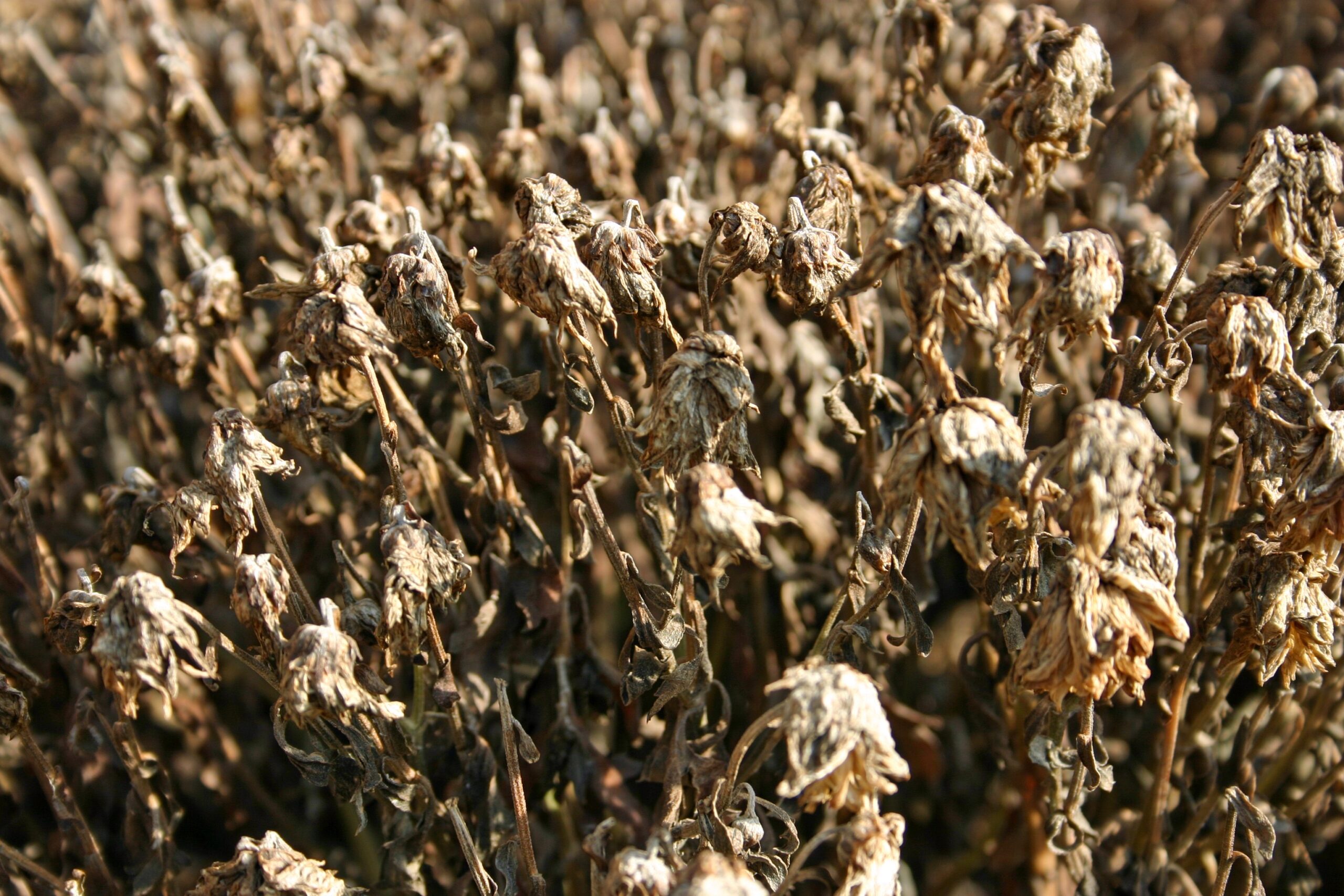
A dried up dead plant in the middle of winter

(Natural Blaze  by Heather CallaghanIf we don’t get a handle on it, our natural environment will not be the same. – Beekeeper, Richard Coy

Farmers across the Midwest are being divided – neighbor against neighbor as the dicamba crisis continues to mushroom.

Dicamba is an old herbicide, but it’s only recently that it’s been used on crops like soy and cotton thanks to biotech companies developing new genetically engineered crops able to withstand it. This year is the first that it has been legal to use dicamba during the summer, and this is the problem…

The pesticide drift travels far and is shriveling up non-GMO crops like soy, cotton, cucumbers, melons and wild vegetation. Sadly, the drift is destroying weeds and vines and that subsequently cuts supplies for bees to make honey. One Arkansas farmer saw his honey production drop to only 30-50 percent with the introduction of dicamba approval this year.

While ten states are currently affected by crop damage from drift (and 17 states are investigating), Arkansas has over 1,000 cases of crop damage. Millions of American acres are suspected to be damage by the vaporization of dicamba.

NPR reports:

The Arkansas State Plant Board now has taken the lead in cracking down on the problem. [Last] Thursday, it voted unanimously to ban the use of dicamba on the state’s crops from mid-April until November. This amounts to a ban on the use of dicamba in combination with Monsanto’s genetically engineered crops. It’s not a final decision: The governor and a group of legislative leaders have to sign off on the Plant Board’s regulatory decisions, but they usually do so. That won’t happen, however, until after a public hearing set for Nov. 8.

The board also approved a steep increase in fines — up to $25,000 — for farmers who use dicamba and similar herbicides illegally.

Monsanto insists that its version of dicamba, which the company has mixed with an additive that’s supposed to make it less volatile, does not drift from the fields where it is sprayed if farmers use it correctly. The company sent a delegation of five people, including Ty Vaughn, a top executive, to this week’s meeting of the Plant Board. They passed out binders and thumb drives filled with data from the company’s own tests — tests that convinced the U.S. Environmental Protection Agency to approve the chemical on crops.

Monsanto has been fond of passing the buck of accountability to farmers and blaming them for misuse or not getting the “learning curve.” The problem is – how many times can a company do this before people realize that it’s the product? Despite Monsanto’s tired old lines, field tests conducted by University of Arkansas this summer showed that even new formulations of dicamba (also made by BASF) do indeed vaporize and travel to other land.

(To be fair, there were some farmers that used dicamba illegally last year, which even led to a murder case. But we aren’t talking about willful misuse.)

Monsanto has a lot riding on their product working – they already sold enough dicamba-tolerant soybeans to cover 20 million acres this year. They expect that number to rise and the monolithic company has raised eyebrows that this whole thing – scandal included – was a ruse to get farmers to flock to the new dicamba-resistant GM crops in order to be “saved.” It is still anyone’s guess if Monsanto expected this much backlash – enough for states to outright ban an entire pesticide…

Still, Monsanto is defiant about the board’s vote and there’s talk of the corporation suing the state, showing what lengths they will go to once they grapple their roots into paying farmers.

Related Reading:

Ben & Jerry’s Ice Cream Found With Active Ingredient From Roundup Weedkiller

(Natural Blaze) Not even Ben & Jerry’s ice cream is safe from Monsanto’s herbicide Roundup. Glyphosate, the main ingredient in Roundup, has been discovered in small amounts to be tainting Ben & Jerry’s ice cream.

The Organic Consumers Association announced Tuesday that it had found traces of glyphosate in 10 of 11 samples of Ben & Jerry’s ice cream, despite the company’s previous pledge in 2014 to not use GMO products for its ice cream.

The results originated from independent lab testing by Health Research Institute Laboratories of these flavors — Peanut Butter Cup, Peanut Butter Cookie, Vanilla (2 samples), Cherry Garcia, Phish Food, The Tonight Dough, Half Baked, Chocolate Fudge Brownie, Americone Dream and Chocolate Chip Cookie Dough. Cherry Garcia was the only flavor that tested negative for glyphosate out of the 11 samples.

The group also calls on natural and organic food stores to drop the Ben & Jerry’s brand unless the company commits to transitioning to organic.

OCA International Director Ronnie Cummins said:

Ben & Jerry’s falsely advertises its products as ‘natural’ and its brand as ‘sustainable’ and ‘socially responsible.’ Nothing could be further from the truth.

Ben & Jerry’s profits are built on the back of an industrial dairy system that poisons the environment and produces pesticide-contaminated food products. Ben & Jerry’s sales, driven in large part by its deceitful claims, damage the organic industry by cutting into the sales of authentic natural, grass-fed and organic producers.

Ben and Jerry’s global director of social mission responded Rob Michalak stating they were working to transition away from GMOs,” The New York Times reported.

“We’re working to transition away from G.M.O., as far away as we can get,” Rob Michalak, said. “But then these tests come along, and we need to better understand where the glyphosate they’re finding is coming from. Maybe it’s from something that’s not even in our supply chain, and so we’re missing it.”

In March of 2015 the International Agency for Research on Cancer, which is apart of the World Health Organization, classified glyphosate as a ‘Group 2A’ carcinogen stating it’s “probably carcinogenic to humans.” On July 7 of this year California’s Office of Environmental Health Hazard Assessment (OEHHA) added glyphosate to its Prop 65 list of chemicals known to cause cancer.

Related: Cure Cancer Naturally

Another organization, PAN, the Pesticide Action Network International, issued a 96-page report stating that glyphosate contaminates the Global Ecosystem. That same year the FDA suspended testing for glyphosate residues in food. Those foods, according to a subsequent report by Food Democracy Now! and the Detox Project, included many of America’s most popular foods including — cookies, crackers, popular cold cereals, and chips. The chemical was also found in several wines including organic wines, baby food and formulabreast milk and even tampons.

Related: Understanding and Detoxifying Genetically Modified Foods

In research published earlier this year in Scientific Reports, a journal from the publishers of Nature, scientist found that rats that consumed very low doses of glyphosate each day showed early signs of fatty liver disease within three months. This corroborates a previous study of rats fed glyphosate done in France in 2012 that was later retracted then republished.

The French scientists found that the rats fed on a diet containing the herbicide-tolerant GM maize, or given water containing a “safe level” of Roundup in drinking water and GM crops in the U.S., died sooner than rats fed just a standard diet.

In 2015, a French court found Monsanto responsible for poisoning a French farmer Paul François. Earlier this year, France completely banned the public use of pesticides.

It seems like Monsanto is finally being held responsible for its dangerous poison.

Read more from Aaron

This article (Ben & Jerry’s Ice Cream Found With Active Ingredient from Roundup Weedkiller) appeared first on Natural Blaze and can be shared with this message, bio and links intact. Image source

Aaron Kesel writes for Natural Blaze and Activist Post. He is an independent journalist and researcher you can also check out more of his work on Steemit.

Of Mice, Monsanto and a Mysterious Tumor

(U.S. Right to Know) Call it the case of the mysterious mouse tumor. It’s been 34 years since Monsanto Co. presented U.S. regulators with a seemingly routine study analyzing the effects the company’s best-selling herbicide might have on rodents. Now, that study is once again under the microscope, emerging as a potentially pivotal piece of evidence in litigation brought by hundreds of people who claim Monsanto’s weed killer gave them cancer.

This week tissue slides from long-dead mice in that long-ago research study are being scrutinized by fresh eyes as an expert pathologist employed by lawyers for cancer victims looks for evidence the lawyers hope will help prove a cover-up of the dangers of the weed killer called glyphosate.

Glyphosate, which is the active ingredient in Monsanto’s branded Roundup products, is the most widely used herbicide in the world, and is applied broadly in the production of more than 100 food crops, including wheat, corn and soy, as well as on residential lawns, golf courses and school yards.

Residues have been detected in food and human urine, and many scientists around the world have warned that exposure through diet as well as through application can potentially lead to health problems. The World Health Organization’s International Agency for Research on Cancer (IARC) declared glyphosate a probable human carcinogen in 2015 based on a review of scientific literature, triggering the wave of lawsuits against Monsanto, and pushing California regulators to announce they would add glyphosate to a list of known carcinogens.

What the expert finds, or doesn’t find, is expected to be key evidence in hearings slated for the week of Dec. 11 in dozens of consolidated cases being overseen by a federal judge in San Francisco.

Related: Understanding and Detoxifying Genetically Modified Foods

Rewind to 1983

Monsanto, as well as many other scientists and regulatory bodies, have defended glyphosate’s safety. They say research showing a cancer connection is flawed and hundreds of studies support its safety.

And yet—rewind to July 1983 and a study titled “A Chronic Feeding Study of Glyphosate (Roundup Technical) in Mice.” Following the document trail that surrounds the study offers an illuminating look into how science is not always clear-cut, and the lengths Monsanto has had to go to in order to convince regulators to accept scientific interpretations that support the company’s products.

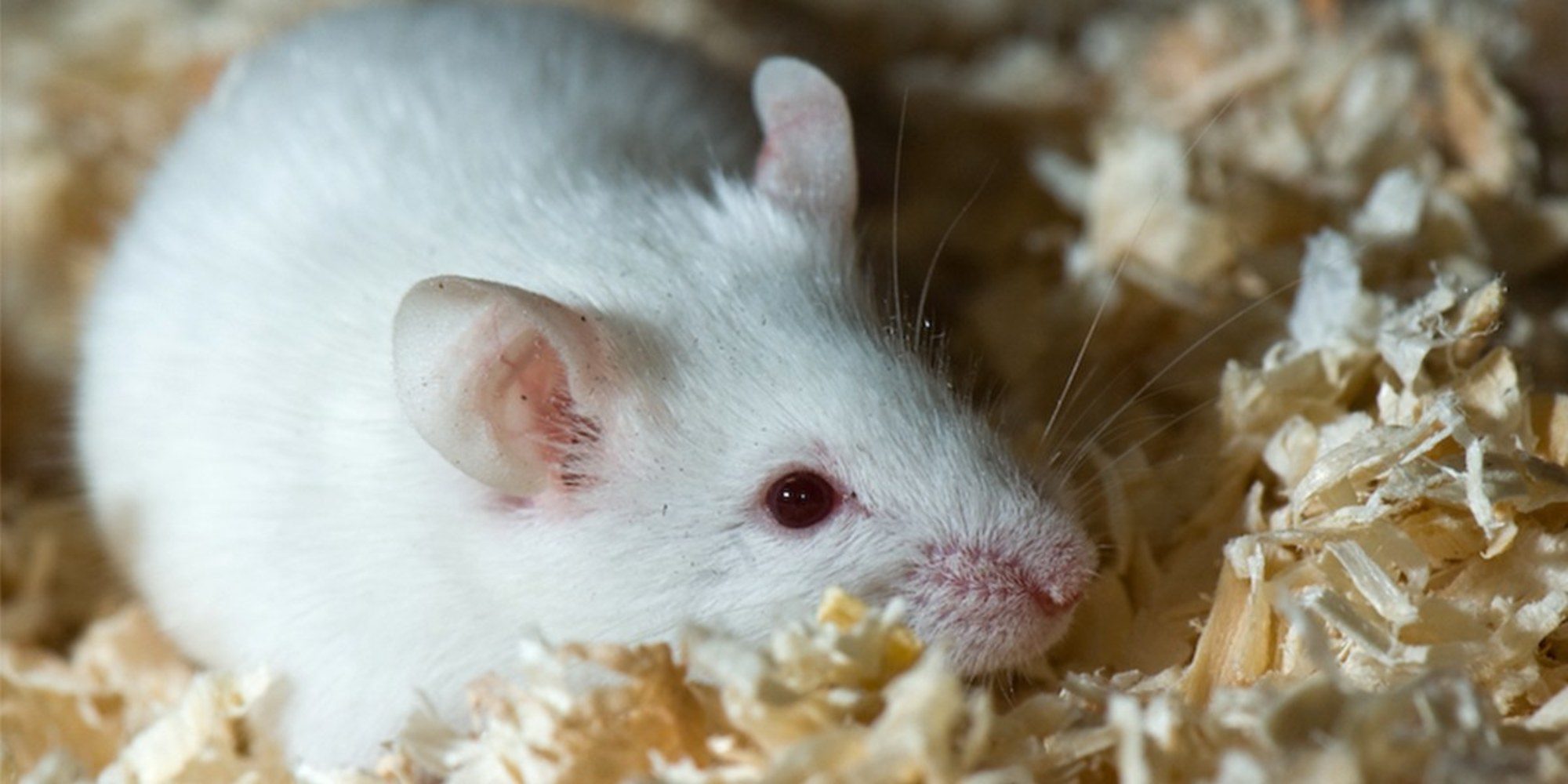
The two-year study ran from 1980-1982 and involved 400 mice divided into groups of 50 males and 50 females that were administered three different doses of the weed killer or received no glyphosate at all for observation as a control group. The study was conducted for Monsanto to submit to regulators. But unfortunately for Monsanto, some mice exposed to glyphosate developed tumors at statistically significant rates, with no tumors at all in non-dosed mice.

February 1984 memo from Environmental Protection Agency toxicologist William Dykstra stated the findings definitively: “Review of the mouse oncogenicity study indicates that glyphosate is oncogenic, producing renal tubule adenomas, a rare tumor, in a dose-related manner.” Researchers found these increased incidences of the kidney tumors in mice exposed to glyphosate worrisome because while adenomas are generally benign, they have the potential to become malignant, and even in noncancerous stages they have the potential to be harmful to other organs. Monsanto discounted the findings, arguing that the tumors were “unrelated to treatment” and showing false positives, and the company provided additional data to try to convince the EPA to discount the tumors.

But EPA toxicology experts were unconvinced. EPA statistician and toxicology branch member Herbert Lacayo authored a February 1985 memo outlining disagreement with Monsanto’s position. A “prudent person would reject the Monsanto assumption that Glyphosate dosing has no effect on kidney tumor production,” Lacayo wrote. ”Glyphosate is suspect. Monsanto’s argument is unacceptable.”

Eight members of the EPA’s toxicology branch, including Lacayo and Dykstra, were worried enough by the kidney tumors in mice that they signed a consensus review of glyphosate in March 1985 stating they were classifying glyphosate as a Category C oncogen, a substance “possibly carcinogenic to humans.”

Must Read: Gluten, Candida, Leaky Gut Syndrome, and Autoimmune Diseases

Research rebuttal

That finding did not sit well with Monsanto, and the company worked to reverse the kidney tumor concerns. On April 3, 1985, George Levinskas, Monsanto’s manager for environmental assessment and toxicology, noted in an internal memorandum to another company scientist that the company had arranged for Dr. Marvin Kuschner, a noted pathologist and founding dean of the medical school at the State University of New York at Stony Brook, to review the kidney tissue slides.

Kushner had not yet even accessed the slides but Levinskas implied in his memo that a favorable outcome was assured: “Kuschner will review kidney sections and present his evaluation of them to EPA in an effort to persuade the agency that the observed tumors are not related to glyphosate,” Levinskas wrote. Notably, Levinskas, who died in 2005, was also involved in efforts in the 1970s to downplay damaging findings from a study that found rats exposed to Monsanto’s PCBs developed tumors, documents filed in PCB litigation revealed.

Kuschner’s subsequent re-examination did —as Monsanto stated it would—determine the tumors were not due to glyphosate. Looking over slides of the mouse tissue from the 1983 study, Kuschner identified a small kidney tumor in the control group of the mice – those that had not received glyphosate. No one had noted such a tumor in the original report. The finding was highly significant because it provided a scientific basis for a conclusion that the tumors seen in the mice exposed to glyphosate were not noteworthy after all.

Additionally, Monsanto provided the EPA with an October 1985 report from a “pathology working group” that also rebutted the finding of the connection between glyphosate and the kidney tumors seen in the 1983 study. The pathology working group said “spontaneous chronic renal disease” was “commonly seen in aged mice.” Monsanto provided the report to the EPA stamped as a “trade secret” to be kept from the prying eyes of the public.

The EPA’s own scientists still did not agree, however. An EPA pathologist wrote in a December 1985 memo that additional examination of the tissue slides did not “definitively” reveal a tumor in the control group. Still, the reports by the outside pathologists brought into the debate by Monsanto helped push the EPA to launch a reexamination of the research.

And by February 1986 an EPA scientific advisory panel had dubbed the tumor findings equivocal; saying that given the tumor identified in the control group by some pathologists, the overall incidences of tumors in the animals given glyphosate were not statistically significant enough to warrant the cancer linkage.

The panel did say there may be reason for concern and noted that the tumor incidences seen in the mice given glyphosate were “unusual.”

The advisory panel told the EPA the studies should be repeated in hopes of more definitive findings, and that glyphosate be classified into what the agency at that time called Group D—“not classifiable as to human carcinogenicity.” The EPA asked Monsanto for a repeat of the mouse oncogenicity study but Monsanto refused to do so.

The company argued “there is no relevant scientific or regulatory justification for repeating the glyphosate mouse oncogenicity study.” Instead, the company provided EPA officials with historical control data that it argued supported its attempt to  downplay the tumor incidences seen in the worrisome 1983 study.

The company said the tumors in mice appear “with some regularity” and were probably attributable to “genetic or environmental” factors. “It is the judgement of Monsanto scientists that the weight-of-evidence strongly supports a conclusion that glyphosate is not oncogenic in the mouse.” Monsanto said repeating the mouse study would “require the expenditure of significant resources… and tie-up valuable laboratory space.”

Feds fold

The discussions between Monsanto and the EPA dragged on until the two sides met in November 1988 to discuss the agency’s request for a second mouse study and Monsanto’s reluctance to do so. Members of the EPA’s toxicology branch continued to express doubts about the validity of Monsanto’s data, but by June of 1989, EPA officials conceded, stating that they would drop the requirement for a repeated mouse study.

By the time an EPA review committee met on June 26, 1991, to again discuss and evaluate glyphosate research, the mouse study was so discounted that the group decided that there was a “lack of convincing carcinogenicity evidence” in relevant animal studies. The group concluded that the herbicide should be classified far more lightly than the initial 1985 classification or even the 1986 classification proposed by the advisory panel. This time, the EPA scientists dubbed the herbicide a Group E chemical, a classification that meant “evidence of non-carcinogenicity for humans.” At least two members of the EPA committee refused to sign the report, stating that they did not concur with the findings. In a memo explaining the decision, agency officials offered a caveat. They wrote that the classification “should not be interpreted as a definitive conclusion that the agent will not be a carcinogen under any circumstances.”

Despite the EPA’s ultimate conclusion, the mouse study was among those cited by IARC for classifying glyphosate as a probable human carcinogen. Indeed, many other animal studies have similarly had questionable results, including a 1981 rat study that showed an increase in incidences of tumors in the testes of male rats and possible thyroid carcinomas in female rats exposed to glyphosate and a 1990 studythat showed pancreatic tumors in exposed rats. But none have swayed the EPA from its backing of glyphosate safety.

Christopher Portier, who was an invited specialist to the IARC review of glyphosate and is former director of the National Center for Environmental Health and Agency for Toxic Substances and Disease Registry at the U.S. Centers for Disease Control and Prevention, believes the evaluations applied to glyphosate data by regulators are “scientifically flawed” and putting public health at risk.

“The data in these studies strongly supports the ability of glyphosate to cause cancer in humans and animals; there is no reason to believe that all of these positive studies arose simply by chance,” Portier said.

Monsanto fought the plaintiffs’ request to view the mouse tissue slides, calling it a “fishing expedition,” but was overruled by U.S. District Judge Vince Chhabria who is overseeing the roughly 60 combined lawsuits under his purvey. Monsanto has confirmed that roughly 900 additional plaintiffs have cases pending in other jurisdictions. All make similar claims – that Monsanto manipulated the science, regulators and the public in ways that hid or minimized the danger posed by its herbicide.

“The importance of the original kidney slides and the re-cut kidney slides is immense to the question of general causation and played a critical role in the EPA’s decision to re-categorize glyphosate…” the plaintiffs’ attorneys stated in a court filing.

Plaintiffs’ attorney Aimee Wagstaff reiterated that in a recent court hearing, telling Judge Chhabria that the events surrounding the 1983 mouse study “sort of dominoed,” and potentially are “extremely relevant” to the cancer litigation.

(First published in Environmental Health News)

Recommended Reading:
Treating Genetically Modified Animals Like New Drugs? It Could Be in the Works

Last week, the FDA proposed a new way to handle genetically modified animals: monitoring their safety the way new drugs are monitored.

The proposed regulation, one of three proposed last week before President Trump’s inauguration, would have immense consequences on the treatment of genome editing in regulations—as well as how companies go about bringing genetically modified foods to the market.

It’s worth emphasizing that this is merely a proposed regulation. And although food is indeed grouped together with drugs as something that can change the way your body functions—it’s called the Food and Drug Administration, after all—this proposal is raising some eyebrows in the world of genetics and bioethics.

Understanding the Genetically Modified Regulatory Environment

Nature.com points to the case of genetically modified salmon, which took twenty years of safety testing to approve. It’s still not available for sale as the FDA is yet to rule on how the fish should be labeled.

The ethics here are complicated. For nutrition enthusiasts, genetic modification is something that should be closely monitored and watched. But Nature also reports that a firm producing hornless dairy cattle is worried that these proposed regulations could make it difficult to do what they do, which reduces the need for “surgical dehorning”—which animals lovers aren’t crazy about, either.

If all genetic modifications are treated with the same hard-line skepticism from regulators, they argue that the consequences could result in red tape for any steps forward in the quality treatment of animals. That might push money out of the GMO world and into other controversial areas of animal treatment. According to Allison van Eenennaam, as quoted by Nature,

Because of measures like this, almost everything in genetic engineering will have to be done by huge multinational companies.”

Treating all gene modifications the same way makes for healthy skepticism, but is it enough to ensure that research resources are allocated the best way?

What’s the Alternative?

A subtle distinction must be made. Animals with genomes edited by specific tools are different than animals bred from more general DNA splicing. The proposed regulation would see no distinction between the two, which could prohibit smaller innovations under the guise of regulating the larger changes.

Currently, the FDA does not regulate these foods as drugs. And though in general terms, any food can alter the body’s chemistry, that has not always meant that the same regulatory environment existed for both.

For more information on this FDA proposal and to see what it would really mean in the world of genetic modification, you can go straight to the source with a release at the FDA’s website.

Recommended Reading: