
(NaturalNews – Alex Du Toit) Babies and toddlers do not eat much food because their tummies are tiny. That is why it is important to feed them foods that are packed with nutrients. Superfoods are natural foods that are high in nutrients and antioxidants packed with health giving properties. They are easily digestible and keep the body and mind healthy and working great. These 10 superfoods are essential for babies’ and toddlers’ growing bodies:
1. Avocado
Avocados are the best first food for your baby. They are a perfect consistency and they contain an abundance of nutrients including high levels of omega-3s. You can simply slice open an avocado and feed it straight into your little one’s mouth. If you would like a smoother consistency, add a little breast milk or substitute and mash.
2. Beans
Beans are super nutritious. They are very high in antioxidants containing 10 times the amount of antioxidants as oranges. They are high in fiber, which prevents your baby from becoming constipated. They are high in iron, protein and vitamin B. They should be soaked overnight before preparing to decrease cooking time.
3. Blueberries
Blueberries are super nutritious. They are higher in antioxidants than any other fresh fruit and very beneficial to your baby’s brain, urinary and nervous systems as well as their heart and eyes. They are also high in fiber, and vitamins A and C.
4. Coconut
Coconuts contain medium chain fatty acids which have significant health benefits and are similar to the ones found in human breast milk. They help boost the immune system, improve digestion, and balance the blood sugar.
5. Chia seeds
Chia seeds are higher in antioxidants than blueberries and have more calcium than whole milk. They are very high in omega-3s, magnesium, fiber, iron, potassium, and protein.
6. Dark leafy greens
These leafy greens are rich in antioxidants and high in iron and folate. They are a top superfood because they contain large amounts of vitamins C, and K as well as calcium. Vitamin K and calcium are great bone-builders.
7. Eggs (cage-free/organic)
Eggs are full of high quality nutrients for your baby. They contain choline, a B-vitamin that plays an important role in the development and function of the baby’s brain. Eggs are full of protein and omega-3s as well as vitamin D, folate, the antioxidant lutein and many minerals such as zinc, iron, and selenium, a great immune booster.
8. Oats
Oats are a good source of soluble and insoluble fiber and they are also rich in phytochemicals, vitamin E, zinc, iron, magnesium and selenium. Oats are a good source of protein and a great way to start the morning. Use plain oats and add your own toppings such as nuts, seeds or fruit.
9. Quinoa
Quinoa is a complete protein making it perfect for vegetarian babies, it is high in lysine, an amino acid important for tissue growth and repair. Quinoa has a good amount of fiber and is high in nutrients such as manganese, magnesium and has a very high iron content. Quinoa is a gluten-free grain and is an alternative to whole grain rice in many baby food recipes.
10. Sweet potatoes
Sweet potatoes are among the most nutritious vegetables available. They are rich in phyto-nutrients and high in vitamins A and C. They have a naturally sweet flavor and creamy texture making these vegetables appealing to babies and toddlers.
Sources for this article include:
www.babycenter.com
www.wholesomebabyfood.com
www.parents.com
Tag: health
What Is Arugula Good For?

The Arugula Advantage
Botanical name: Eruca sativa
(Dr. Mercola) If you ever see a salad green referred to as “rocket,” it’s simply another name for arugula, or roquette in French. Yet another brassicaceae along with kale and cauliflower, its delightfully pungent leaves have been cultivated in the Mediterranean since time was recorded. As such, arugula is a perennial favorite in Italian cooking.
Rather nondescript in appearance, arugula is often added to mesclun mixes, where it adds a delicious zest. While the young, paler leaves have a mild flavor – good for fresh dishes like salad and pesto – the older, darker leaves have a bit of pepper to them, making them stand out in soups and pizza toppings.
Health Benefits of Arugula
Arugula derives a lot of nutritional value from its cruciferous family roots, such as antioxidant benefits from glucosinolates and detoxifying power from enzymes. It’s an excellent source of fiber, vitamins A, C (to boost the immune system), and K (for bone strength), folate, calcium, iron, magnesium, phosphorus, potassium and manganese.
Arugula also provides high levels of protein, thiamin, riboflavin, vitamin B6, zinc, copper, and pantothenic acid (vitamin B5) for raising good cholesterol levels and lowering the bad. Its flavonoid content has multiple benefits: to prevent cholesterol from sticking to arteries, lower blood pressure, increase blood flow, lower inflammation, and improve blood vessel function.
Arugula Nutrition FactsServing Size: 1 ounce (28 grams) of raw arugula |
||
|---|---|---|
|
Amt. Per Serving
|
||
| Calories | 7 | |
| Protein | 1 g | |
| Carbohydrates | 1 g | |
| Sugar | 1 g | |
| Sodium | 8 mgs | |
Studies Done on Arugula
A research team studying the natural health benefits of arugula1 discovered that it could be associated with fighting gastrointestinal ulcers, possibly through the many antioxidants it contains. Other studies have linked it to relief from gastric ulcer and psoriasis, as well as protection from skin, lung, and mouth cancers.
Arugula is one of the leafy green vegetables that contain cleansing properties to counteract the poisoning effects of heavy metals in the system, particularly in the liver.2 It also has the ability to eradicate pesticides and herbicides from the body.
Arugula Healthy Recipes: Arugula, Asparagus, and Olive Salad with Toasted Pine Nuts
Ingredients:
- 3 bunches arugula or spinach
- 2 ½ cups asparagus, trimmed and cut into 1-inch pieces
- 1 cup kalamata olives (or any other Greek olive)
- ½ cup toasted pine nuts
For the Dressing:
- ½ cup olive oil
- 2 cloves garlic, pressed
- 1 tsp. red pepper flakes
- 2 Tbsp. fresh cilantro, chopped
- Juice of 1 lemon
Procedure:
- Quickly blanch the asparagus and set aside. Remove seeds from the olives by cutting down the center lengthwise. Combine the arugula, asparagus, and olives in a bowl.
- Roast the pine nuts in a shallow pan at 325°F until brown. Whisk the dressing together, pour over salad, and top with pine nuts. Makes 4 servings.
Arugula Fun Facts
Ancient Roman writings reveal arugula to be used as a powerful aphrodisiac from the first century A.D., especially when combined with other natural plants with similar libido-boosting qualities, such as chicory, dill, lettuce, and lavender.
Summary
Arugula is a leafy green vegetable that’s loaded with nutritional benefits for nearly every area of the body, from the brain to the liver, as well as the skin and blood vessels. A zesty addition to any salad, it’s also great in other recipes, such as pizza, pesto, and soup.
Other sources:
- http://www.healthambition.com/benefits-kale-recipes/
- http://www.care2.com/greenliving/gluten-free-arugula-pizza-salad.html#ixzz20pb5aXfo
- http://nutritiondata.self.com/facts/vegetables-and-vegetable-products/3025/2#ixzz21qGeFRD5
- http://www.nutrition-and-you.com/arugula.html
- http://www.theherbdepot.com/uses-of-herbs_combat-cancer-with-arugula-4-less-known-uses-of-arugula-herb_81.html
Dragon Fruit: The Scaly-Looking Food with Amazing Health Benefits

(NaturalNews – Raw Michelle) With a name like “dragon fruit,” how could one not eat it, or at least be tempted to? The exotic-looking fruit is also known as “pa-ni-ni,” “mood flower” and “strawberry pear,” and the speckled flesh inside its colorful, scaly outer skin has a bevy of health benefits too good to pass up. (1)
Some may turn away because of its scaly, cactus-like appearance, but doing so is only contributing to a growing food waste problem. In fact, the many foods that are discarded by consumers and retailers are ones that are deemed undesirable because of their unusual appearance, or because they are slightly bruised. While many initiatives to help combat this issue exist, such as Fruta Feia, or “Ugly Fruit,” a food cooperative in Portugal dedicated to fighting food waste, the reality is that food waste still remains a problem on a global level.
So, why not try something new? Dragon fruit may have an “edgy” name with an equally bold look to match, but the health benefits it provides are well worth enjoying.
The health benefits of dragon fruit
Weight loss
With a mere 60 calories in one small dragon fruit, it’s ideal for those watching their weight. Furthermore, while it has 14 grams of carbs, they are healthy, unprocessed, nutrient-packed ones that won’t contribute to weight gain.
Reduced risk of illnesses like cancer
Dragon fruit is rich in vitamin C, an antioxidant known to help eliminate free radicals. In fact, it has more than three times the amount of vitamin C as carrots. (2) Because cells are protected from damaging stress, the body is better protected from illnesses such as cancer and heart disease.
Better bone, muscle and nerve health
Dragon fruit’s high calcium content has led The Food and Agricultural Organization of the United Nations to refer to the food as one that is of high nutritional value. Foods with good amounts of calcium have been shown to play a role in improving nerve function and keeping bones strong.
Helps fight constipation
The seeds of a dragon fruit have laxative properties, making it an ideal natural alternative when faced with constipation. (2)
Why not enjoy the health benefits of dragon fruit today? It’s typically eaten raw, but many people enjoy them in smoothies or using them in other creative food preparation ways.
Sources for this article include:
(1) http://www.naturalnews.com
(2) http://www.healwithfood.org
The Benefits of Aloe Vera Leaf
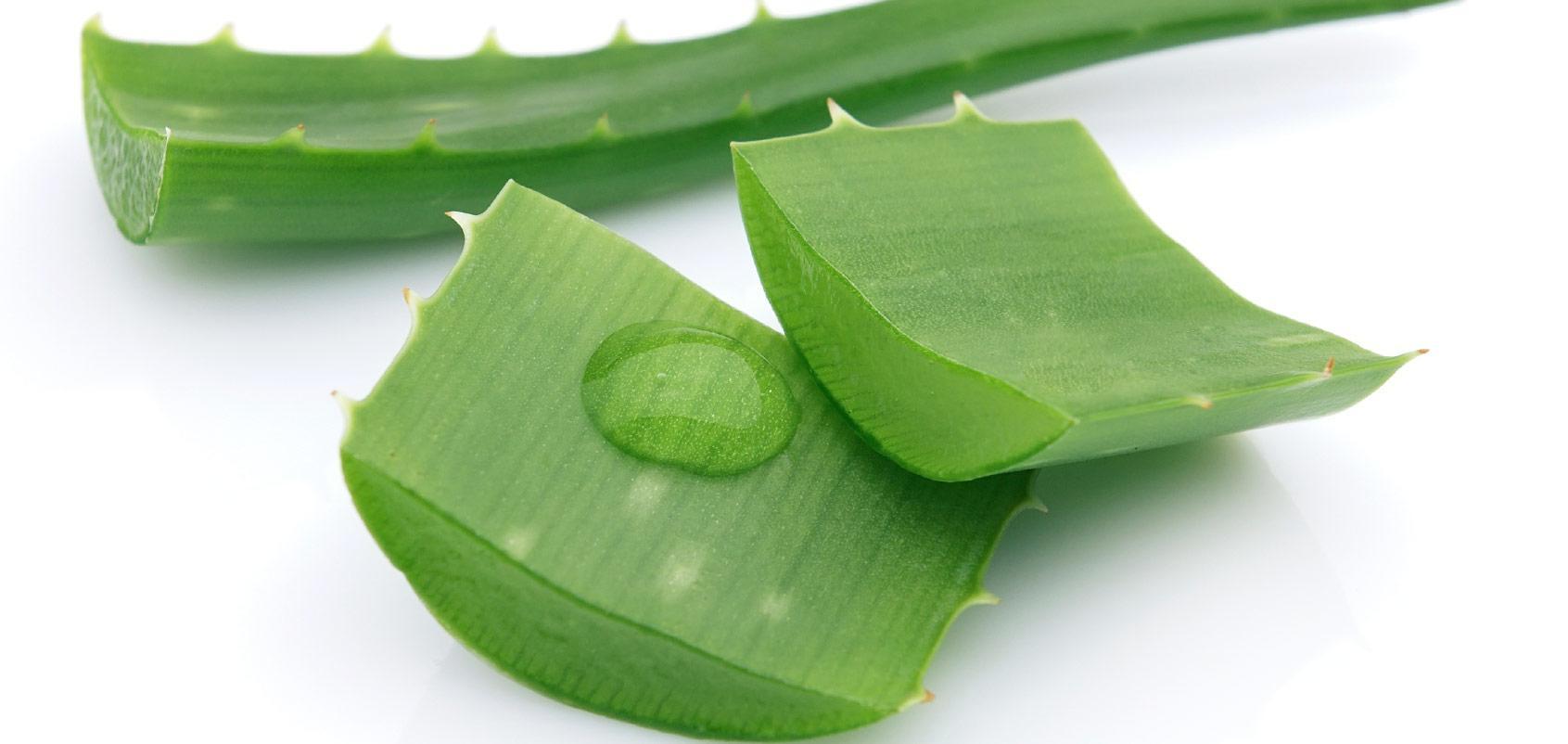
Aloe vera leaf is a miraculous healing food that is one of the oldest healing remedies and natural antibiotics in the world. Taken internally, aloe works wonders for assimilation, circulation, and elimination. It is known to purify the blood, reduce inflammation, ease arthritis pain, prevent kidney stones, lower high cholesterol, prevent Candida, boost physical endurance, benefit cardiovascular health, and protect the body from oxidative stress. It also soothes ulcers, hemorrhoids, gastritis, diverticulitis, colitis, irritable bowel syndrome, and other digestive disorders.
Aloe provides recovery from fatigue and aids in muscle function as well as optimal utilization of several vitamins, minerals, and enzymes. It’s alkaline nature, helps to soothe acidosis and alkalinize the whole body. Aloe’s clear gel can be applied externally to soothe and relieve pain from sun burn, rashes, bug bites, scratches, and wounds as well as deeply hydrate the skin to prevent wrinkles and aging. It can also be massaged into the hair and scalp to stimulate hair growth and can be used as a toothpaste or mouthwash to keep the mouth healthy, clean, and free from plaque producing bacteria.
For best results, purchase whole Aloe leaves in the produce section of the grocery store. Cut a 2 inch piece off the leaf and scoop out the clear gel inside. This gel can be blended in water, juice, or smoothies to be taken internally or used externally and applied directly to the skin for quick relief and healing.
Pet Care Tips for Urban Dog Owners

In an ideal world, every dog owner would be able to open his or her back door onto a wide-open field, surrounded by forest, where the pup could run, play and freely interact with nature for hours at a time. Unfortunately, that’s just not the case for many dog owners, especially those who live in apartments in major urban areas. That’s why it’s so important for urban dwellers to be conscientious pet caretakers whose actions respect their fellow human residents as well as the true nature of their dogs. If you’re willing to make a few changes to your normal pet care routines, you can improve the life and wellbeing of your dog.
Safety
Cities can be pretty dangerous places for dogs, so it’s critical that your first priority is safety. When you go out for walks, there are several things to keep in mind to make sure no harm comes to your furry friend.
- Be constantly scanning the sidewalk for objects that could hurt your dog’s paws or cause problems if ingested. Unfortunately, things like broken glass and plastic debris are common sights on city streets, so it’s your job to be vigilant about where you walk and what you allow your pet to inspect, smell or eat.
- No matter how friendly your pup is, you should be careful about letting him greet other people or dogs you come across on your walks. Even the most docile dogs can sometimes react unexpectedly, so whenever another person or pet approaches, be attentive and ready to react in case of an issue.
- Unless you’re in a safe, enclosed area that allows dogs to be off leashes, you should never let your beloved canine walk around the city on his own. Even if he’s great about responding to your voice, you would never want to risk him running out into a busy street.
- I hate to see how frequently people leave their dogs tied up outside of a shop or restaurant. Not only is it cruel, but there are many dangerous risks involved, including other dogs and people with ill intentions. Tempting as it may be, you should avoid combining a walk with running errands.
Off the Leash
Leashes are a necessary reality for dog owners, but you should seek off-the-leash opportunities as much as possible. Dogs are meant to be active without restraint, and having consistent time to do so is very important to their emotional wellbeing. Most cities now have several dog parks where owners can let their furry friends run around on their own. And if you don’t have your own backyard, you might have friends or family members who would let you use theirs occasionally. Some urban areas even have dog beaches or forest preserves where dogs are allowed to roam freely – these are ideal as they offer them opportunities to interact with nature, as opposed to just the same old patch of grass. If possible, you should aim to give your pooch some off-the-leash recreation time every day.
Socialization
If you have more than one dog, they get to socialize all the time, which is great. But, especially in cities, single dogs are the norm. You would go crazy if you were rarely given the chance to socialize with peers, right? Well, just like us, dogs are extremely social creatures and usually love playing with other dogs. If you frequent dog parks or dog-friendly nature areas, you’ll likely come across other owners who are looking to give their dogs a little social play time too. Otherwise, it might be a good idea to make doggy play dates with other owners you know. Just make sure that the dogs get along with one another – respect the fact that they have the same type of varied reactions to other dogs as you have to other people.
Dog Walkers
Though I would never advise for a dog to be left alone for long stretches of time, I know that it’s a reality for many working pet owners. If that’s the case for you, it’s important to minimize the time your pet is on his own. First, avoid scheduling other engagements directly after work – even if you go to the gym or out for dinner, make sure to build in time to come home and spend a bit of time with your dog before you head back out. For many urban dog owners, hiring a dog walker is a great solution. Having someone stop by midway through your work day to pet, walk and comfort your pup is well worth the cost. As some walkers take a few dogs out at once, this will also give your pup an added social opportunity. “It’s obvious how excited the dogs are to see me. And I do everything I can to stimulate them – go to different parks, explore new neighborhoods and just generally find ways to let the dogs be dogs, even in the city” said Ryan Fischer, owner of Waggedu, a Manhattan dog walking and sitting service. Giving your canine friend this social break in the day helps his emotional wellbeing a great deal. As an urban-dwelling dog owner, it’s your responsibility to do whatever you can to accommodate your pet’s instinctual needs and inherent nature. To do so, you’ll probably need to get a bit creative and invest a little more time and money, but these changes will contribute significantly to the improved health and happiness of your pooch in the long run.