(Dr. Mercola) Throughout each day, your body loses water through your urine and sweat glands—even when you’re not purposely working up a sweat. As a result, you have to constantly replenish this fluid, and soft drinks do not count toward this requirement…
Coffee and soda are typically high in caffeine, which acts as a diuretic that can dehydrate you. Worse yet, sodas, fruit juices, and other sweetened beverages are primary sources of fructose, which will only deteriorate your health.
Ditto for artificially sweetened beverages. So the key is to drink pure water. But just how much water do you need each day? While an oft-repeated guideline says you should drink eight glasses of water a day, this may be too much for some, and not enough for others.
Your water requirement can also vary wildly from day to day depending on a number of factors, such as your activity level and weather conditions.
Fortunately, your body is equipped with a mechanism that tells you when you need to replenish your water supply. It’s called thirst. And there’s also a simple way to gauge whether or not you need to drink more water even though you may not be feeling thirsty.
How to Read the Signs for Your Body’s Water Needs
Once your body has lost between one to two percent of its total water content, it will signal its needs by making you feel thirsty. Using thirst as a guide to how much water you need to drink is a good way to ensure your individual needs are met, day-by-day.
However, by the time your thirst mechanism kicks in you may already be a bit dehydrated. Most studies show that about 2/3 of us are dehydrated and need to drink more water.
This is particularly true for the elderly. Therefore, it’s also wise to learn some of the other, more subtle, signals your body sends, indicating you need to drink more water. As noted in the featured article,1 this includes:
- Fatigue and/or mood swings
- Hunger even though you’ve recently eaten
- Back or joint aches
- Dull, dry skin and/or pronounced wrinkles
- Infrequent urination; dark, concentrated urine, and/or constipation
The Color of Your Urine Is an Important Marker
Besides listening to your thirst, a good rule of thumb is to look at the color of your urine. You should be drinking enough water to turn your urine a light-colored yellow.
Dark-colored urine is a sign that your kidneys are retaining fluids in order to maintain your bodily functions, which includes detoxification. As a result, your urine will seem highly concentrated and dark in color. You may also urinate less frequently, for the same reason.
Since your thirst mechanism tends to become less efficient with age, older adults need to pay more careful attention to the color of their urine to ensure adequate water intake.
Bear in mind that riboflavin (vitamin B2, which is also found in most multi-vitamins) will turn your urine a bright, almost fluorescent yellow. So if you’re taking supplements containing B2, it may be more difficult to judge by the color of your urine.
Frequency of urination can also be used to judge your water intake. A healthy person urinates on average about seven or eight times a day. If your urine is scant or if you haven’t urinated in several hours, that too is an indication that you’re not drinking enough.
Symptoms of Chronic Dehydration
The primary symptoms of dehydration are: thirst, dry skin, dark colored urine, and fatigue. But there are also a number of commonly overlooked symptoms that may suggest you’re suffering from more or less chronic dehydration. Such symptoms include:
- Digestive disturbances such as heartburn and constipation
- Confusion and/or anxiety
- Urinary tract infections
- Premature aging
- High cholesterol
Dehydration Is a Common Problem Among the Elderly
According to recent research, one in five seniors does not get enough water on a daily basis. Among those who do not have a caretaker, that number is even higher—one in four. And seniors with dementia are six times more likely to be dehydrated.
Dehydration also tends to be more common among people taking more medication. According to BBC News:2
“A 2013 analysis of death certificates by the [UK] Office for National Statistics had shown that 1,158 care home residents suffered dehydration-related deaths between 2003 and 2012.
But Dr. [Lee] Hooper said those figures were not clear-cut as patients often stopped eating or drinking towards the end of life. She also stressed that while care homes could sometimes do better, it was important to point out that identifying dehydration and solving its causes was complex.
’The reasons older people do not drink enough are that as we age we lose our sense of thirst so they may not be thirsty. [Or they] decide not to drink because of continence issues, because they don’t have as much social contact or because of frailty or forgetfulness.’”
Why I Do Not Recommend Bottled Water
While drinking water will help flush out toxins, the more unfiltered water you drink, the more pollutants you’re consuming… Most tap water contains an array of harmful contaminants, including fluoride, disinfection byproducts, chemicals, radiation, heavy metals, and pharmaceutical drugs. Additionally, be careful about bathing in unfiltered water as you can easily absorb more toxins by breathing in a hot shower than you can by drinking tap water all day long.
Last year, federal scientists reported3 finding traces of 18 unregulated contaminants in one-third of the water samples collected from 25 municipal utilities across the US, including perfluorinated compounds like PFOA. So besides making sure you’re drinking enough, another very important consideration is the type of water you drink.
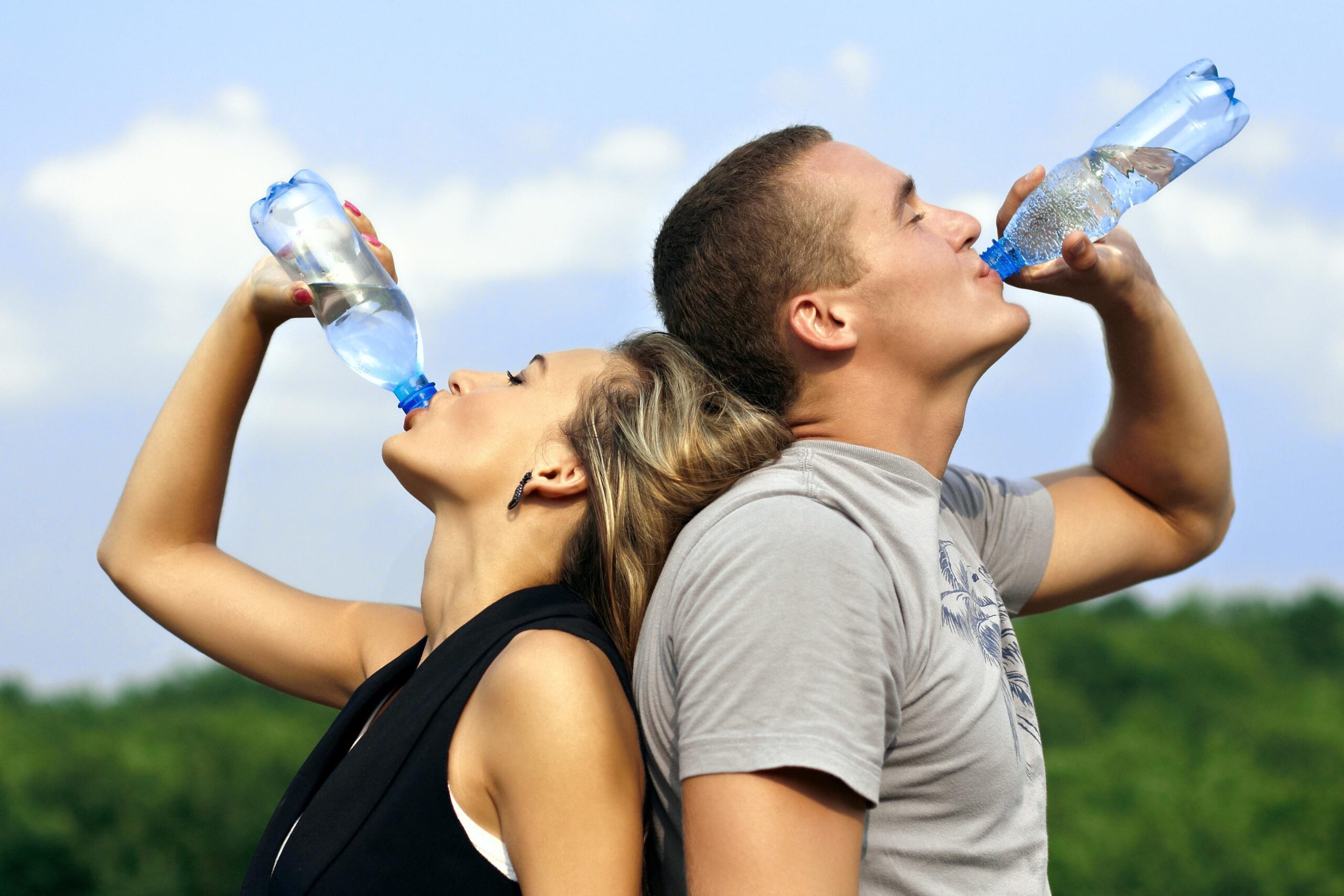
Many instinctively reach for bottled water, but there are many reasons to avoid this option. Drinking from plastic water bottles can pose serious health risks from industrial chemicals like bisphenol-A and bisphenol-S (BPA/BPS), as well as phthalates, which leach from the plastic itself into the contents of the bottle. BPA and BPS are estrogen-mimicking chemicals linked to reproductive defects, learning and behavioral problems, immune dysfunction, and prostate and breast cancer. Phthalates are also endocrine disruptors, and have been linked to a wide range of developmental and reproductive effects, as well as liver cancer.
Bottled water also costs about 1,900 times the price of regular tap water, and may or may not have received any additional treatment. Studies have shown that 40 percent of bottled water is actually regular tap water with possibly no additional filtering treatment. While the US Environmental Protection Agency (EPA) requires large public water supplies to test for contaminants several times a day, the Food and Drug Administration (FDA) requires private bottlers to test for contaminants only once a week, once a year, or once every four years, depending on the contaminant.
One independent test4 performed by the Environmental Working Group (EWG) in 2011 revealed 38 low-level contaminants in bottled water. Each of the 10 tested brands contained an average of eight chemicals. Disinfection byproducts (DBPs), caffeine, Tylenol, nitrate, industrial chemicals, arsenic, and bacteria were all detected. Fluoride is also usually present in both tap water and filtered bottled water.
Many bottled waters actually make a point of adding fluoride back into the water, so if you are drinking bottled water, make sure it’s fluoride-free. Last but not least, plastic bottles also cause enormous environmental problems because of the sheer volume of plastic waste they create; the lack of adequate recycling capability for plastics; and the amount of oil required to manufacture them.
The Health Benefits of ‘Living Water’
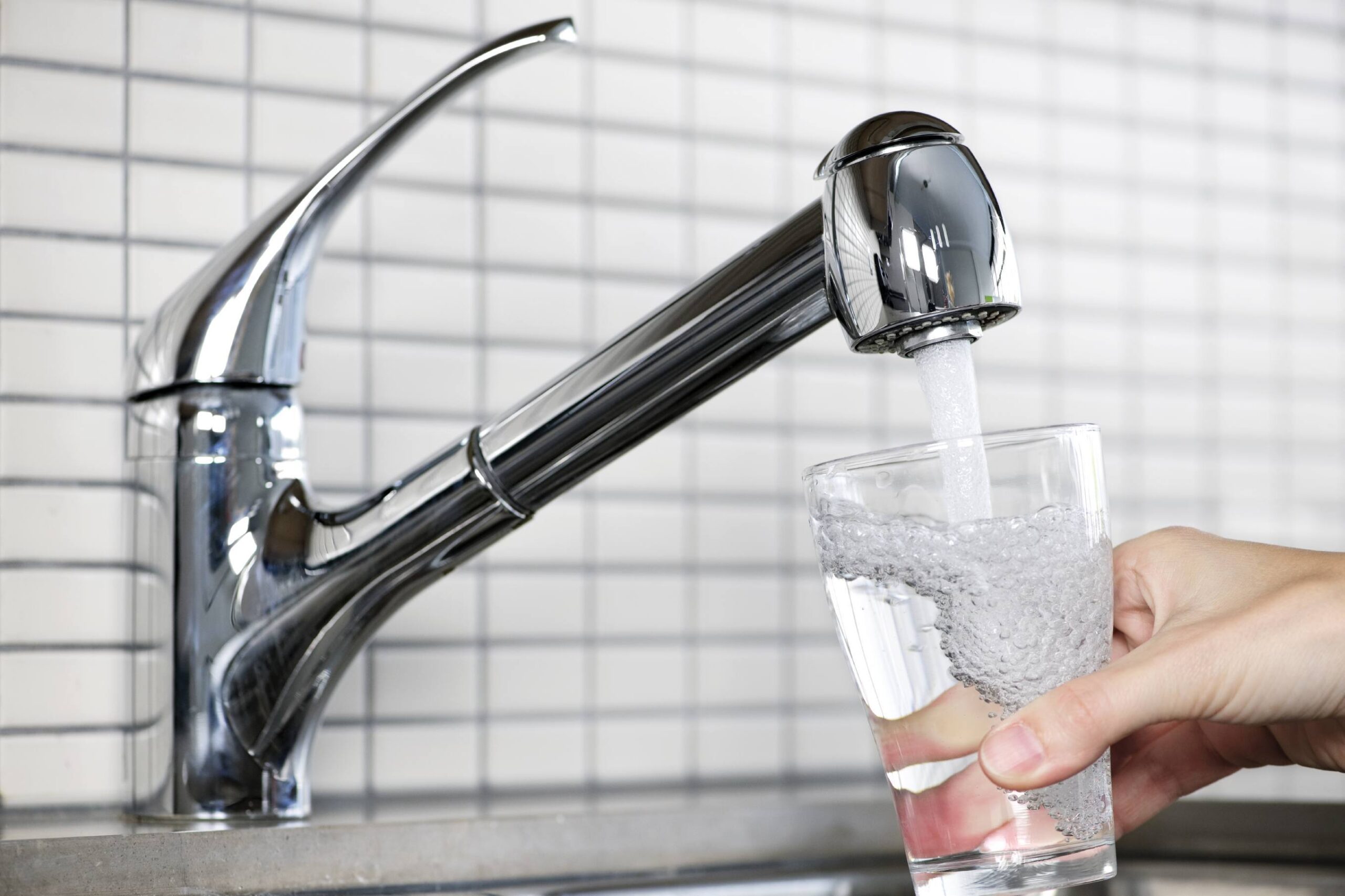
The answer to all these health- and environmental issues is to minimize or eliminate your use of plastic water bottles. The most economical and environmentally sound choice you can make is to purchase and install a water filter for your home. And, in lieu of plastic bottles, use reusable glass water bottles instead, which have a much smaller ecological footprint.
The very best water, however, comes from a natural gravity-fed spring. I do not recommend drinking distilled water on a regular basis. It’s too acidic, and is not recommended for extended use, although it can be beneficial for temporary detoxification purposes. The ideal pH of your water should be between 6.5 to 7.5, which is neutral. What you want is pure water that is clean, pH balanced, and “alive.”
Mountain spring water is ideal. Not only does it have a healthy pH, but it’s also “structured” in a way that is not well understood. I’ve previously interviewed Dr. Gerald Pollack on this subject. He’s one of the leading research scientists in the world when it comes to understanding the physics of water, and what it means to your health. His book, The Fourth Phase of Water: Beyond Solid, Liquid, and Vapor, clearly explains the theory of the fourth phase of water, which is nothing short of ground-breaking.
The fourth phase of water is, in a nutshell, living water. It’s referred to as EZ water—EZ standing for “exclusion zone”—which has a negative charge. This water can hold energy, much like a battery, and can deliver energy, too. This is the kind of water your cells contain; even your extracellular tissues are filled with EZ water, which is why he believes it’s so important to drink structured water for optimal health.
I drink vortexed water nearly exclusively as I became a big fan of Viktor Schauberger, who did much pioneering work on vortexing about a century ago. Dr. Pollack confirms that by creating a vortex in a glass of water, you’re putting more energy into it, thereby increasing EZ. Water from deep sources, such as deep spring water, is an excellent choice as EZ water is also created under pressure. FindaSpring.com5 is an excellent resource that can help you find a natural spring nearby. As an added boon, collecting spring water is usually free—you just need to bring your own jugs. I recommend using glass jugs instead of plastic, for all the reasons discussed earlier.
Healthy Additives for a Touch of Flavor
As more people are becoming aware of the health dangers of soda, the beverage industry has created a whole new breed of “healthy” beverages—so called “functional” and enhanced waters, fortified with everything from vitamins and minerals to electrolytes, oxygen, fiber, and even protein. But if you take a closer look at the labels, you’ll discover they’re spiking your punch with a lot of unsavory ingredients, many capable of wreaking havoc on your metabolism, hormones, and other physiological processes. Many contain loads of sugar, making them no better than soda…
For occasions when you do want a dash of flavor, simply add some fresh lemon or lime juice to your water. As noted in a previous Huffington Post article,6 lemon water has over a dozen health benefits, from easing constipation and urinary tract infections, to boosting your immune system, cleansing your liver, and improving your skin.
Sliced cucumbers can also add a refreshing twist. If you want a touch of sweetness, add some natural Stevia or Luo Han Guo, which are among the safest sugar substitutes. Alternatively, simply add a drop or two of natural peppermint extract or a few crushed mint leaves from your herb garden. If you want an electrolyte type “sports drink,” try coconut water, which is a rich natural source of potassium and electrolytes. Look for one that has no additives. Or choose a fresh, young coconut and harvest it yourself.
For Optimal Health, You Need Pure Water, and Enough of It
There’s no doubt that you need pure water for optimal health. Simply swapping out all the sweetened, bottled beverages you indulge in for pure water can go a long way toward improving your health—and your weight. The amount, however, is something you need to fine tune based on your individual circumstances.
Remember to listen to your body. Thirst is an obvious signal that it’s high time to replenish your fluids. Fatigue and moodiness can also indicate you need to drink more water. Probably the best way to gauge your water needs however, is to observe the color of your urine, and how frequently you urinate. On average, a healthy number of bathroom visits is around seven or eight per day, and you want the color of your urine to be a light, pale yellow.