Bacillus Subtilis and The Nutritional Benefits of Dirt

(NaturalNews – Dr. David Jockers) For most of the history of mankind, we lived in close contact with the Earth. The majority of our diet consisted of foods and water that had dirt clinging to it. This dirt was not an inert substance but was a dynamic mineral rich, probiotic infused source of electrochemical energy. The unique soil based probiotic bacillus subtilis was one of the key components that gave the dirt its powerful nutritional benefits.

Humans are the only species on the planet that does not intentionally consume dirt. Our ancestors always had dirt in their diet through picking produce out of the ground and drinking from lakes, rivers and streams. Many original doctors and medicine men would use dirt in their various healing concoctions. Today, we intentionally look to sterilize our food and avoid the consumption of dirt.

Bacillus subtilis and our immune system:

Bacillus subtilis is an ubiquitous bacterium that is commonly found in water, soil, air and decomposing plant residue. This bacterium is called a human soil organism (HSO) and has an extraordinary ability to survive harsh environments. It produces an endospore that allows it to endure extreme conditions of heat, dryness, humidity and acidity in the environment.

B subtilis is fully resistant to bile salts and can handle the harsh stomach acid environment which allows it to get into the digestive system and colonize. It has beneficial effects in the digestive system (1, 2, 3). Research has revealed that supplemental B subtilis improves symptoms of irritable bowel syndrome (4).

B subtilis is able to suppress the growth of harmful pathogens, strengthens the mucosal biofilm and enhance the growth of other good probiotic strains such as lactobacillus species in the gut microflora (5, 6).

Soil based organisms and our innate immunity:

As our ancestors were exposed to trillions of organisms every day through their dirt consumption they were strengthening their microbiome and immune system. They were exposed to many different pathogenic organisms to which their immune system learned how to adapt and destroy.

If the pathogenic load was too strong the individual would get sick and sometimes they would die. This was obviously tragic and was a leading cause of death. However, those who didn’t die often had robust immune systems that were well-adapted to the harsh pathogens around them.

Modern technology and improving immunity:

With modern technology we are not exposed to these natural microbes. The use of our technology can reduce the pathogenic load we are exposed too in order to prevent sickness and infectious fatalities, meanwhile, providing the proper stimulation to our immune system.

One such way to gain these benefits is the inclusion of human soil organisms in our natural diet. This would include growing much of our own food in gardens and consuming it right out of the ground with little cleaning. We could also drink water from clean rivers, lakes, springs and streams.

Finally, one can use naturally fermented foods and supplement with probiotics containing HSO’s such as bacillus subtilis. Most probiotics on the market only contain the lactobacillus and bifido bacterium species. These are fantastic for the health of the small and large intestine but some individuals struggle with a sensitivity to these microorganisms.

It is wise to find a probiotic supplement with HSO’s such as bacillus subtilis which is hyposensitive and easy to tolerate for most individuals.

Sources for this article include:
1) http://www.ncbi.nlm.nih.gov
2) http://www.ncbi.nlm.nih.gov
3) http://www.ncbi.nlm.nih.gov
4) http://www.ncbi.nlm.nih.gov
5) http://www.ncbi.nlm.nih.gov
6) http://www.ncbi.nlm.nih.gov
7) http://organicfitness.com
8) http://www.ncbi.nlm.nih.gov

Grounding Is a Key Mechanism by Which Your Body Maintains Health

Have you ever noticed how good it feels to walk barefoot on a sandy beach, or in a forest? There is a reason for that—it’s called the grounding effect. The reason for this sense of well-being is due to the fact that you’re receiving a surge of potent healing electrons from the ground.

The earth has a slightly negative charge, so when you stand barefoot on that sand, electrons from the earth flow into your body, giving you a virtual “transfusion” of healing power.

The featured documentary, The Grounded 2, is a sequel to the film The Grounded, released in 2013. The sequel features Step Sinatra, the son of cardiologist Stephen Sinatra MD, astronaut Dr. Edgar Mitchell, and yours truly, among many others.

Step was a Wall Street trader until his health suddenly began to decline, bringing him to the brink of death. He credits his ultimate recovery to learning about grounding, along with a switch to an all-organic diet.

In 2010, his father, Dr. Stephen Sinatra released a book on the healing power of grounding called Earthing: The Most Important Health Discovery Ever?, co-authored with Clint Ober, one of the pioneers in this field.

The Ultimate Antioxidant and Anti-Inflammatory

Grounding or Earthing is defined as placing one’s bare feet on the ground whether it be dirt, grass, sand, or concrete (especially when humid or wet). When you ground to the electron-enriched earth, an improved balance of the sympathetic and parasympathetic nervous system occurs.

The earth is a natural source of electrons and subtle electrical fields, which are essential for proper functioning of immune systems, circulation, synchronization of biorhythms and other physiological processes and may actually be the most effective, essential, least expensive, and easiest to attain antioxidant.

Modern science has thoroughly documented the connection between inflammation and all of the chronic diseases, including the diseases of aging and the aging process itself. It is important to understand that inflammation is a condition that can be reduced or prevented by grounding your body to the Earth, the way virtually all of your ancestors have done for hundreds if not thousands of generations.

How the Modern Running Shoe May Be Destroying Your Health

Materials such as metals are electrical conductors. They contain free or mobile electrons that can carry electrical energy from place to place.

Your body is somewhat conductive because it contains a large number of charged ions (called electrolytes) dissolved in water. Your blood and other body fluids are therefore good conductors. Free or mobile electrons can also move about within your body

Other materials, called insulators, have very few free or mobile electrons. Plastic and rubber are good insulators and are used to cover electrical wires to keep the conductors from touching each other and from touching your skin, which could otherwise give you a shock.

Traditionally, shoes were made of leather, which actually conducts electrons and therefore maintains a conductive contact between the earth and your feet. However, modern day rubber and plastics are electrical insulators and therefore block the beneficial flow of electrons from the Earth to your body.

Grounding Is a Foundational Aspect for Optimal Health

Free radical stress from exposure to mercury pollution, cigarettes, insecticides, pesticides, trans fats, radiation, and many others, continually deplete your body of electrons.

This is one of the primary reasons why antioxidants are used, which actually donate electrons back into your body, to help ward off free radical damage to your tissues.

You can also get these electrons by going outside, barefoot. Touching the earth helps neutralize the damaging positive charges of free radicals in your body.

According to Clint Ober, this lack of grounding appears to be an underlying thread in most chronic disease—a phenomenon he calls “electron deficiency syndrome.”

For a visual demonstration of this, review my previous article, which features an experiment conducted by Gary Schwartz, PhD, at the University of Arizona. Using sunflowers, he demonstrates the powerful biological effects of grounding.

The Health Effects of Grounding

When your body is exposed to a lot of free radical stress, your blood tends to thicken, and positive charges accumulate in your body. This causes chronic inflammation, which is a hallmark of most chronic and degenerative diseases.

Grounding effectively helps alleviate inflammation in your body. It also helps thin your blood, by providing your red blood cells with a surplus of electrons so they can effectively repel each other and avoid being sticky, which can lead to blood clots that can cause a heart attack or stroke. Research has demonstrated it takes about 80 minutes for the free electrons from the earth to reach your bloodstream and transform your blood cells.

For example, early (and even some current) birth control pills were notorious for causing heart attacks in women. One of the mechanisms responsible for this increased risk is that synthetic estrogens and progesterones increase blood viscosity. Other biochemical alterations caused by grounding include changes in:

  • Phosphorus
  • Calcium metabolism
  • Fibroid metabolism
  • White blood cells

Grounding also helps calm your sympathetic nervous system, which supports your heart rate variability, which plays an important role in balancing, in your autonomic nervous system. Pain relief, improved sleep, and a generally enhanced sense of well-being are but a few of the health benefits reported by people who try grounding.

Last but not least, when you are grounded to the earth, the negatively charged electrons you receive increase the structure of the water in your cells—just as water increases in structure when a negative charge is introduced by an electrode.

As explained by Gerald Pollack, PhD, author of The Fourth Phase of Water: Beyond Solid, Liquid, and Vapor, living water is negatively charged water. This water can hold energy, much like a battery, and can deliver energy too. In essence, when you ground, you are charging every single cell in your body with energy your body can use for self-healing.

How to Ground, Both Indoors and Outdoors

Walking barefoot is one of the easiest and best ways to get and stay grounded, but you’ll need to do so on the proper surface. Many walking surfaces in today’s modern world will NOT allow for electron transfer between the earth and your body. This includes asphalt, wood, rubber, plastic, vinyl, tar, and tarmac. Surfaces that will allow your body to ground include:

  • Sand (beach)
  • Grass (preferably moist)
  • Bare soil
  • Concrete and brick (as long as it’s not painted or sealed)
  • Ceramic tile

Even indoors, and while flying, there are ways to help you stay grounded. As noted in the film, touching the faucet with one hand while shaving with the other helps you ground. And when flying, you can take off your shoes and place your feet (bare or with socks) on the steel struts of the chair in front of you, as this too will help you stay grounded. There are also grounding pads you can use to sleep or sit on, which can be particularly beneficial if you live in a high-rise building.

Grounding May Be Essential for Life and Health

It’s important to understand that grounding is not a “treatment” or a “cure” for any disease or disorder. Rather, it is one of the key mechanisms by which your body maintains equilibrium and health. The human body evolved in constant contact with the earth, and your body needs this continuous interchange of energy in order to function properly.

Exercising barefoot outdoors is one of the most wonderful, inexpensive and powerful ways of incorporating grounding into your daily life. You can also simply take off your shoes as much as you can when you’re outdoors to take advantage of these natural grounding opportunities.

10 Superfoods for Babies and Toddlers

(NaturalNews – Alex Du Toit) Babies and toddlers do not eat much food because their tummies are tiny. That is why it is important to feed them foods that are packed with nutrients. Superfoods are natural foods that are high in nutrients and antioxidants packed with health giving properties. They are easily digestible and keep the body and mind healthy and working great. These 10 superfoods are essential for babies’ and toddlers’ growing bodies:

1. Avocado
Avocados are the best first food for your baby. They are a perfect consistency and they contain an abundance of nutrients including high levels of omega-3s. You can simply slice open an avocado and feed it straight into your little one’s mouth. If you would like a smoother consistency, add a little breast milk or substitute and mash.

2. Beans
Beans are super nutritious. They are very high in antioxidants containing 10 times the amount of antioxidants as oranges. They are high in fiber, which prevents your baby from becoming constipated. They are high in iron, protein and vitamin B. They should be soaked overnight before preparing to decrease cooking time.

3. Blueberries
Blueberries are super nutritious. They are higher in antioxidants than any other fresh fruit and very beneficial to your baby’s brain, urinary and nervous systems as well as their heart and eyes. They are also high in fiber, and vitamins A and C.

4. Coconut
Coconuts contain medium chain fatty acids which have significant health benefits and are similar to the ones found in human breast milk. They help boost the immune system, improve digestion, and balance the blood sugar.

5. Chia seeds
Chia seeds are higher in antioxidants than blueberries and have more calcium than whole milk. They are very high in omega-3s, magnesium, fiber, iron, potassium, and protein.

6. Dark leafy greens
These leafy greens are rich in antioxidants and high in iron and folate. They are a top superfood because they contain large amounts of vitamins C, and K as well as calcium. Vitamin K and calcium are great bone-builders.

7. Eggs (cage-free/organic)
Eggs are full of high quality nutrients for your baby. They contain choline, a B-vitamin that plays an important role in the development and function of the baby’s brain. Eggs are full of protein and omega-3s as well as vitamin D, folate, the antioxidant lutein and many minerals such as zinc, iron, and selenium, a great immune booster.

8. Oats
Oats are a good source of soluble and insoluble fiber and they are also rich in phytochemicals, vitamin E, zinc, iron, magnesium and selenium. Oats are a good source of protein and a great way to start the morning. Use plain oats and add your own toppings such as nuts, seeds or fruit.

9. Quinoa
Quinoa is a complete protein making it perfect for vegetarian babies, it is high in lysine, an amino acid important for tissue growth and repair. Quinoa has a good amount of fiber and is high in nutrients such as manganese, magnesium and has a very high iron content. Quinoa is a gluten-free grain and is an alternative to whole grain rice in many baby food recipes.

10. Sweet potatoes
Sweet potatoes are among the most nutritious vegetables available. They are rich in phyto-nutrients and high in vitamins A and C. They have a naturally sweet flavor and creamy texture making these vegetables appealing to babies and toddlers.

Sources for this article include:
www.babycenter.com
www.wholesomebabyfood.com
www.parents.com

Do You Really Want to Eat Hot Dogs After Knowing This?

(Dr Mercola) The hot dog is one of America’s most popular foods, with the average person consuming 50 of them per year. Hot dogs are one of the most nutritionally bankrupt foods.

Yet for decades, they’ve been given a free pass, granted one pardon after another thanks to their towering status in American culture. But when you look at what they are giving you in return, you will want to seriously reconsider their status.

The hot dog’s gustatory glow took a significant hit in 2009 when the American Institute for Cancer Research (AICR) issued its landmark report1 about hot dogs and cancer risk, based on more than 7,000 scientific studies.

AICR determined that every 50 gram serving of processed meat you consume daily—for example, just ONE hot dog—raises your risk for colorectal cancer by 21 percent. Despite these health warnings, frankfurters have been unstoppable.

In 2013, Americans spent $2.5 billion on hot dogs in US supermarkets, which amounts to more than one billion packages of wieners. During peak hot dog season—which is from Memorial Day to Labor Day—Americans belt down seven billion dogs.

On the Fourth of July alone, Americans consume 150 million hot dogs—enough to stretch from Washington D.C. to Los Angeles more than five times! Hot dogs pose another danger for your child that you may not be aware of—they are responsible for 17 percent of all choking cases among children, killing about 80 kids per year.2

Transformation of Slaughter By-Products Into Hot Dogs

Many blame the hot dog’s carcinogenic effects on nitrates and nitrites, but I would argue that this is an overly simplistic view. When you look at what goes into hot dogs and how they are made, there is plenty of blame to go around.

Between the type and grade of “meat” used and its sources, as well as the torrent of chemicals added to make the dogs safe and palatable—of which nitrates are only one—it’s easy to understand how serious health problems could arise.

Most of the meat and meat by-products come from confined animal feeding operations (CAFOs) where animals are tortured in crowded, unhealthy, unsanitary, and cruel conditions, as the primary goal is cheap food, not quality food.

Here is the not-glorified version. They start with an animal carcass that’s been stripped of all desirable cuts, boil the heck out of it, force it through a metal sieve, add water, grind it up into a slimy carcass paste (“meat emulsion” or “meat batter”), add a bunch of chemicals to make it taste good and binders to make it stick together, then extrude it into links.34

‘And ALL the Trimmings’

Once desirable meat cuts are removed from beef, pork, and poultry (steaks, chops, ribs, thighs, breasts, briskets, etc.), what remains is a carcass consisting mostly of gristle, fat, and offal. The meat industry refers to this as “trimmings.” According to the Food and Agriculture Organization of the United Nations (FAO):5

“The raw meat materials used for precooked-cooked products are lower-grade muscle trimmings, fatty tissues, head meat, animal feet, animal skin, blood, liver and other edible slaughter by-products.”

The butchering process imparts a considerable amount of bacteria to these carcasses, but because hot dogs are pre-cooked, manufacturers can get away with using these pieces and parts even if they are teeming with bacteria.

Cooking helps kill them, as well as separating the remaining muscle, fat, and connective tissues from the head and feet bones. The slimy paste that results from this rendering brew is what’s referred to as “mechanically-recovered” meat. The process of manufacturing hot dogs is colorfully summarized in theDaily Mail:6

“In vast metal vats, tons of pork trimmings are mixed with the pink slurry formed when chicken carcasses are squeezed through metal grates and blasted with water. The mush is mixed with powdered preservatives, flavorings, red coloring and drenched in water before being squeezed into plastic tubes to be cooked and packaged.”

Where’s the Beef?

Now that you know the basics of the process, let’s take a closer look at the ingredients. Meat makes up a relatively small proportion of the average commercial hot dog. And it’s typically low-quality meat and meat by-products—which technically are not meat at all.7

Meat Turkey, chicken, beef, pork, and others Pork must be 20 percent or less due to risk of pathogens
Fillers Corn syrup, dried milk, maltodextrin, cereal grains, and modified food starch Up to 3.5 percent
Salt Sodium chloride One hot dog can contain 670mg sodium, more than 30 percent of your daily allowance8
Preservatives Potassium lactate, sodium phosphates, sodium diacetate, sodium erythorbate, sodium nitrite, and sodium nitrate
Flavorings Paprika and other spices, artificial flavorings, MSG, carmine (a dye from the shells of small beetles, boiled in ammonia or sodium carbonate), and any number of other additives USDA does not require manufacturers to list these on labels, so just about anything goes when it comes to “flavorings”
Water Water thins the meat batter so that it can be extruded into the desired form No more than 10 percent, per regulations
Casings Derived from beef, pork, lamb, fibers, wood pulp, or plastic Many hot dog casings are removed prior to packaging so they don’t have to be edible; others are made from plant or animal-derived cellulose, dissolved cowhides, or the intestinal tracts of farmed animals9

At least the above list of ingredients “belong” in hot dogs… what’s far worse are the extras. According to reports begrudgingly released by the USDA under the Freedom of Information Act, foreign objects recently found in hot dogs include Band-Aids, glass shards, razor blades, metal fragments, maggots, rat legs, and pieces of eyeballs.10

Large hot dog factories can blast out 300,000 of these dogs per hour. It takes only 30 seconds to build a chain of hot dogs that would span a soccer field twice. When a commercial operation is THIS massive, you can get some rather revolting contaminants.

The Truth About Nitrates and Nitrites

Many are confused about nitrates and nitrites, so let me clear up the confusion. Nitrates are present in many vegetables, such as beets, celery, lettuce, spinach, and most other leafy green vegetables. When you eat nitrates, your body converts a small percentage of them into nitrites. Nitrites and nitrates are not inherently bad for you—in fact, they are the precursor to nitric oxide (NO), which lowers your blood pressure and exerts mild anti-inflammatory effects.

Sodium nitrite is a synthetic preservative added to meats like hot dogs to help them maintain that nice pink color. The problem is, in the presence of heat—especially high heat—nitrites can combine with amines in processed meat to form nitrosamines, and it’s these that are carcinogenic. Nitrosamines inflict cellular damage and have been linked to cancer, typically in your colon, bladder, stomach, or pancreas. Processed meats are far more prone to nitrosamine formation than vegetables, due to being higher in amines and intensively heat processed.11121314

Vitamin C inhibits some of the nitrosamine formation, which is why 550 ppm ascorbic acid is now required added to all processed meats in the US.15 Vegetables contain more vitamin C, beta-carotene, and other antioxidants, which is another reason why the nitrates in vegetables don’t cause a problem.

According to the University of Minnesota Extension, around 90 percent of the nitrite in your body comes from vegetables, while just 10 percent comes from processed meats.16 When meat or fish is cooked at high temperatures, other potent carcinogens are also created, such as heterocyclic amines (HCAs) and advanced glycation end products (AGEs). If your processed meat is smoked, you can add polycyclic aromatic hydrocarbons (PAHs) to the list.

What About Nitrates in Organic Hot Dogs?

Natural or organic hot dogs may not be much lower in nitrite—and some may even be higher than conventional hot dogs. Companies that label their products natural or organic must use natural sources of the preservatives, which usually come in the form of celery powder or celery juice, as celery is naturally high in nitrate.

A 2011 study published in The Journal of Food Protection found that natural hot dogs had anywhere from one-half to 10 times the amount of nitrite of conventional hot dogs.17 A similar scenario exists for bacon. So, buying organic hot dogs is not necessarily going to reduce your nitrate exposure—although it will likely result in a higher quality food product in many other respects.

Brainwashing Kids Into Loving Junk Food

Unacceptable rates of childhood obesity and disease are evidence of the damage being done to our children by hot dogs, sodas, and other unhealthy foods. With such grave health dangers, the earlier that fast food habits can be nipped in the bud, the better. Kids are extremely vulnerable to and under constant bombardment by junk food marketing.

If you want to see evidence of how powerful this brainwashing can be, take a look at the eye-opening video of Jamie Oliver’s experiment, where he attempts to educate a group of elementary schoolers about what really goes into chicken nuggets. Of course, he COULD have used hot dogs for the example and the outcome would have probably been the same. Despite his success in disgusting them with what really goes into a chicken nugget, they STILL want the nuggets! This experiment reveals the depth of children’s emotional attachment to fast food—which also shows just how effective fast food marketing is to children.

An even more powerful marketing strategy has emerged for brainwashing your child, which takes advantage of smartphones and other mobile devices. The “advergame” is a game that promotes a particular brand, product or message by integrating it into play. The game IS the advertisement, engaging children to such as extent that they form strong relationships with the product or brand, so they consume more of it—and research proves it works. For example, KFC’s “Snack in the Face,” which mimics the massively popular game Angry Birds, is described as “the future of junk food advertising.”18

The Best of the Wurst

If you are going to eat hot dogs or other processed meats once in awhile, there are a few considerations that may help you reduce your risk of adverse health affects. Again, these options are not ideal as these meats are still processed, but the following guidelines will ensure you are consuming a product that is better for you than the vast majority of processed meats on the market:

  • Look for “uncured” varieties that contain NO nitrates
  • Choose varieties that say 100 percent beef, 100 percent chicken, etc. This is the only way to know that the meat is from a single species and does not include byproducts
  • Avoid any meat that contains MSG, high-fructose corn syrup, preservatives, artificial flavor, or artificial color
  • Ideally, purchase sausages and other processed meats from a small, local farmer that makes those products right on the farm, whom you can ask about the ingredients

Truly Healthy Meats are a Much Better Option

In contrast to eating products that are little more than a heat-processed slurry of reassembled slaughterhouse remains, real meat is a different story altogether. Make sure the meat you consume is grass-fed, organically and humanely raised, preferably from a local farmer you know and trust. Grass-fed beef tends to be leaner and have higher levels of vitamins, minerals, and cancer-fighting CLA. It also has a healthier ratio of omega-6 to omega-3 fats. Organic farms tend to provide far more sanitary conditions, so the animals are less likely to harbor dangerous pathogens.

Organic, grass-fed standards do not permit non-medical use of antibiotics, and with antibiotic-resistant infections being a major public health hazard today, this is an important consideration. To counteract some of the harmful effects of cooking, add homemade spice rubs, herb-enhanced marinades, or even fresh blueberries to your meat prior to cooking. This will not only augment its nutritional value, but also reduce the harmful substances like heterocyclic amines that are formed during the cooking process. Consume plenty of fresh vegetables along with it, which will further enhance its nutritional value.


Exposure to Common Fungicide causes Neurological Problems Across Four Generations

(NaturalNews – L.J. Devon) To better understand mental disorders and neurological problems, scientists are beginning to take a closer look at the study of epigenetics and the endocrine-disrupting chemicals affecting DNA. This kind of study goes beyond just the study of genetics, which looks solely at changes in DNA sequence between generations. Epigenetics investigates the changes in gene expression caused by chemical reactions where certain base pairs in DNA or RNA are “turned off” or “turned on” again. For example, epigenetics looks into the process by which a cell uses genetic code to assemble beneficial proteins. In this field of study, there is a keen eye placed on the environmental reasons why gene expressions change, why DNA can be chemically silenced. Endocrine-disrupting chemicals, so prevalent today in consumer and agricultural products, can affect how cells function in the body. By altering hormone levels, these chemicals may change the way a person reacts to stress or anxiety.

Fungicide exposure increases anxiety throughout four generations as gene expression changes

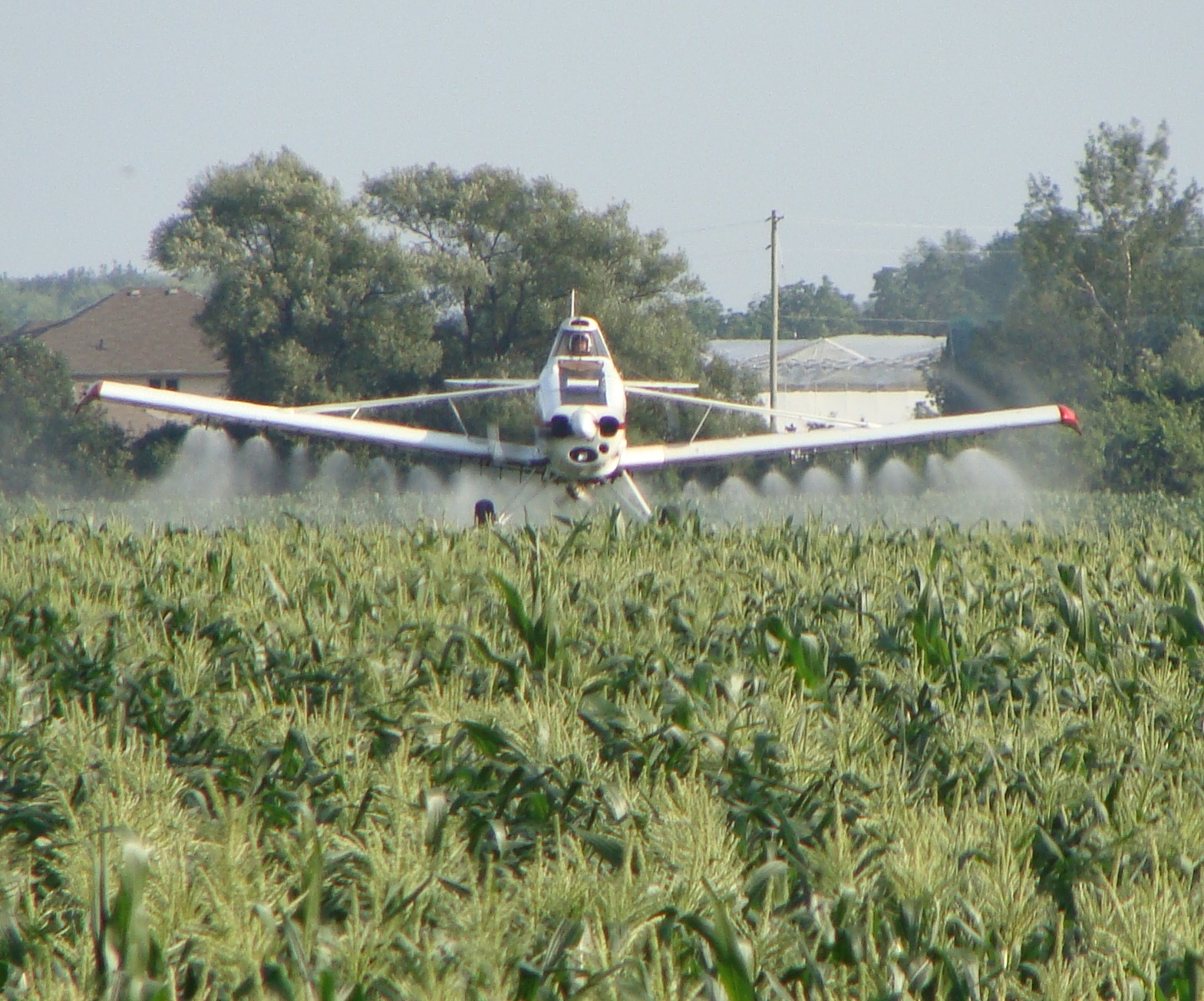
New research from the University of Texas at Austin (UT) and Washington State University shows how a common fungicide used on fruits and vegetables, vinclozolin, disrupts healthy endocrine system function throughout four generations. In the study, provoked female rats experienced increased stress hormones, anxiety and neurological problems, because their great grandparent’s were exposed to the fungicide vinclozolin. Fourth-generation rats became more anxious under stress simply because their great grandparents were exposed to the fungicide. The study showed how the fungicide caused changes in gene expression — not changes in genetic sequence — all the way into the fourth generation.

“These results should concern us all because we have been exposed to endocrine disrupting chemicals for decades and we all go through natural challenges in life,” said David Crews, Professor of Zoology and Psychology at UT. “Those challenges are now being perceived differently because of this ancestral exposure to environmental contamination.”

It was the combination of stress during the animal’s adolescence and their ancestral exposure to the fungicide that caused hormonal imbalances and changes in behavior. The female rats showed dramatically higher levels of stress hormone corticosterone, and increased anxiety and nervous behaviors. Interestingly, the effect was only measured in the brains of female rats. The changes in stress hormones are also associated with brain degeneration for both learning and memory into old age.

The effect was witnessed when researchers confined adolescent rats to soft, warm cylinders for six hour a day for three weeks. When the female rat’s brain function, behavior and gene expression were measured in adulthood, the researchers could see how gene expression had changed. The fungicide played a huge role in causing neurological problems throughout four generations!

Endocrine-disrupting chemicals play a huge role in modern day anxiety

In the 21st century, there are more comforts than there were generations ago, yet the emerging population seems to be more discontent than ever before — more stressed, more people taking anxiety pills and more people taking psychoactive medication for depression. Could it be that the rise of neurological dysfunction and depression in the 21st century is due to changes in gene expression caused by endocrine-disrupting chemicals like fungicides?

Why has depression and anxiety increased in an era of comforts? Why were the men and women of generations ago roughing it but were not labeled clinically depressed or anxious? Is modern day anxiety caused by the bombardment of endocrine-disrupting chemicals? 

Sources for this article include:
http://cns.utexas.edu
http://science.naturalnews.com