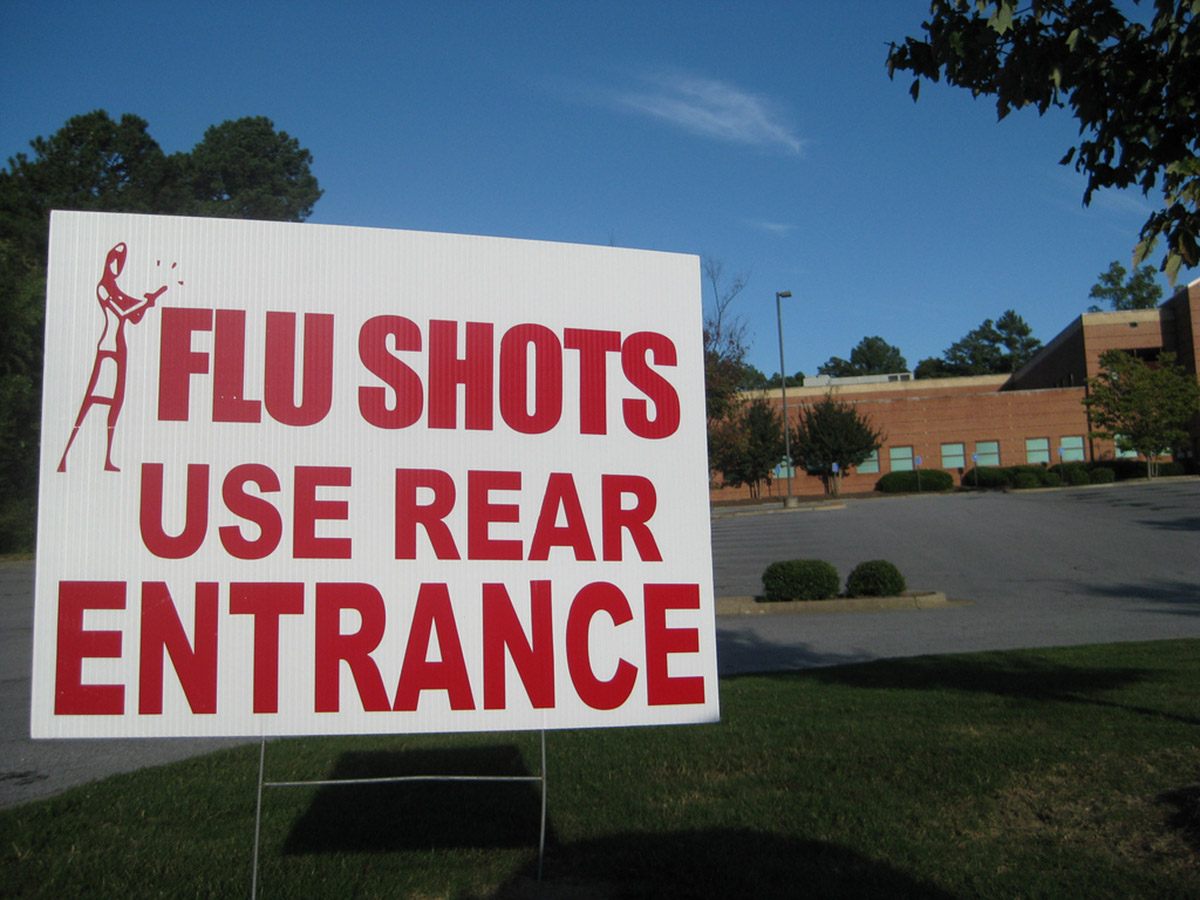
2017 to 2018 Flu Vaccine Update

(Dr. Mercola) It’s that time again. Flu season. And with it, a constant barrage of reminders to get your annual flu shot. Interestingly enough, what you’re being told about the influenza vaccine’s effectiveness and the reality are two very different stories. In January 2015, U.S. government officials admitted that, in most years, flu shots are — at best — 50 to 60 percent effective at preventing lab confirmed type A or B influenza requiring medical care.1

At the end of that same year, a Centers for Disease Control and Prevention (CDC) analysis2 of flu vaccine effectiveness revealed that, between 2005 and 2015, the influenza vaccine was actually less than 50 percent effective more than half of the time. I wonder if the reality might be even worse than that.

Research from 2011 shows just how easy it is to inflate efficacy rates simply by using different end points.3 At that time, they found that by using serologic measures, i.e., the increase in influenza antibodies identified in the blood, results in an overestimation of vaccine efficacy.

During the 2015/2016 flu season, FluMist, the live virus nasal spray that typically has been recommended for children in recent years, had a failure rate of 97 percent.4 Its failure was so epic, the Advisory Committee on Immunization Practices recommended FluMist be taken off the list of recommended flu vaccines for the 2016 to 2017 season, a recommendation CDC officials ended up heeding. There are many other examples of the influenza vaccine not protecting people as promised. So, what might we expect from the vaccine this year?

Recommended Reading: Influenza Vaccine – A Comprehensive Overview of the Potential Dangers and Effectiveness of the Flu Shot

2017 Flu Vaccine Lineup

Flu vaccines are by their nature a tricky business because influenza viruses are constantly evolving and public health officials have to guess at least six months before the flu season starts which type A and B influenza virus strains will be predominantly in circulation so drug companies can manufacture the vaccines. When the strains chosen do not match the strains actually causing most of the disease in any given flu season, the vaccine’s failure rate significantly increases.

Even when there’s a good match, the flu vaccine’s effectiveness is estimated to be between 40 and 60 percent,5 meaning that, at best, public health officials believe you have a 60 percent lower chance of not getting sick with influenza if you get a flu shot. But it could be as low as 40 percent. Put another way, it is still a coin toss no matter which way you look at it.

Before reviewing influenza vaccines, It is important to remember that the majority of respiratory influenza-like illness that people experience during any given flu season is NOT type A or B influenza.6 When you get a sore throat, runny nose, headache, fatigue, low-grade fever, body aches and cough, most of the time it is another type of viral or bacterial respiratory infection unrelated to influenza viruses.7 There are several different types of influenza vaccines. This year, the available vaccine lineup includes:8,9

Trivalent flu vaccines, which target two influenza A strains and one influenza B strain:

A/Michigan/45/2015 (H1N1)pdm09-like virus

A/Hong Kong/4801/2014 (H3N2)-like virus

B/Brisbane/60/2008-like (B/Victoria lineage) virus

Quadrivalent flu vaccines, which contain the same three strains as the trivalent, plus a second influenza B strain: B/Phuket/3073/2013-like (B/Yamagata lineage) virus. Two different types of quadrivalent vaccines are licensed:

An inactivated version (Afluria quadrivalent)

A recombinant version (Flublok quadrivalent)

There are also a range of delivery methods and formulations:

  • A high-dose version for seniors over the age of 65, containing four times the amount of antigen as the regular dose of the standard vaccine
  • An adjuvanted vaccine (Fluad) for seniors over 65, first available during the 2016 to 2017 season. It contains an adjuvant called MF59, described as an oil-in-water emulsion of squalene oil, added to hyper-stimulate a strong inflammatory response to try to strengthen artificial vaccine acquired immunity
  • An intradermal flu vaccine for adults between 18 and 64
  • An egg-free recombinant version approved for people over the age of 4 with an egg allergy
  • A jet injector (needle-free) vaccine approved for adults between 18 and 64

Since it was licensed in 2003, a live attenuated flu vaccine in the form of a nasal spray has been available but, for the second year in a row, the CDC is recommending the nasal spray version not be used by anyone because of its history of ineffectiveness.

New for the 2017 to 2018 season is a quadrivalent influenza vaccine (Flucelvax) for individuals over 4 years old that uses dog kidney cells (MDCK) for production.10 Traditionally, candidate vaccine strain influenza viruses, i.e., the viruses selected for inclusion in the vaccine, have been produced using fertilized chicken eggs.

The cell-based influenza vaccine viruses are grown in cultured animal cells instead of chicken eggs.11 Another relatively new technology uses insect cells to produce a recombinant quadrivalent influenza vaccine, Flublok, for individuals over 18 years old.12,13

Shoulder Damage Following Flu Vaccination

In October 2015, journalist Marlene Cimons wrote about her experience following a routine pneumonia vaccination.14 While she said the injection itself hurt more than most other vaccinations, that was nothing compared to the pain she developed in the days and months following. “Initially, I dismissed it as typical post-shot soreness,” she writes. “But it didn’t go away.” Months later, her left shoulder was still in pain. Her orthopedist diagnosed her with subacromial bursitis — chronic inflammation and fluid buildup in the bursa sac.

“I’m convinced this occurred because the nurse injected the vaccine too high on my arm. I had no symptoms before the shot, and pain has persisted since. The needle probably entered the top third of the deltoid muscle — which forms the rounded contours of the shoulder — and probably went into the bursa or the rotator cuff, instead of lower down, into the middle part of the muscle, missing the bursa and rotator cuff entirely,” Cimons writes.

In a recent Facebook post, ABC Action News journalist Ashley Glass also complained of shoulder pain, saying she could “barely move my arm now,” following her flu shot.15 As it turns out, shoulder damage following vaccination16 is a known side effect of improper injection.

In a 2011 report, “Adverse Effects of Vaccines: Evidence and Causality,”17 the Institute of Medicine acknowledged that shoulder injuries are one of the possible adverse effects of vaccine injections, stating it found “convincing evidence of a causal relationship between injection of vaccine … and deltoid bursitis, or frozen shoulder, characterized by shoulder pain and loss of motion.”

Recommended Reading: How to Detoxify From Vaccinations and Heavy Metals

Injection Site Injuries Becoming More Common

According to Dr. G. Russell Huffman, associate professor of orthopedic surgery at the Hospital of the University of Pennsylvania (cited by Cimons), shoulder injury related to vaccine administration, also known as SIRVA, includes chronic pain, limited range of motion, nerve damage, frozen shoulder and rotator cuff tears, and are typically the result of the injection being administered too high on the arm.

Rather than being injected into the muscle, the vaccine is injected into the bursa or joint space and, since vaccines are designed to provoke an immune response, the immune system ends up attacking the bursa sac, leading to the effects just mentioned.

Part of the problem appears to be related to more people receiving their vaccinations outside of a clinical setting, such as in pharmacies and grocery stores. Many will simply pull down the top of their shirt, exposing only the upper part of their deltoid, thereby increasing their risk of getting the injection in the wrong area.

Whatever the cause, reports of SIRVA have definitely increased in recent years,18 as has SIRVA cases settled in the federal vaccine injury court. Between 2011 and 2015, 112 patients were compensated for SIRVA and over 50 percent of those cases were brought in 2015.19,20  In 2016, 202 SIRVA cases were awarded damages by the national Vaccine Injury Compensation Program (NVICP) created by Congress under the National Childhood Vaccine Injury Act of 1986.21

In July 2015, the Department of Health and Human Services proposed adding SIRVA to the NVICP Vaccine Injury Table (VIT), noting that, “The scientific evidence convincingly supports a causal relationship between an injection-related event and deltoid bursitis.” By adding it to the table, SIRVA cases brought before the government’s vaccine court will be easier and faster, allowing injured patients to receive compensation quicker.

SIRVA, as well as Guillain-Barre Syndrome (GBS), were two vaccine reactions officially added to the VIT earlier this year, and applies to petitions for compensation filed under NVICP on or after March 21, 2017.22,23 One of the first case studies24 to recognize SIRVA was published in 2006. Clusters of GBS cases were noted among U.S. military personnel receiving the H1N1 influenza vaccine as early as 1976.25

It took a decade to get SIRVA added to the NVICP’s injury table. If it takes that long for the government to acknowledge that vaccine injection site injuries are real, imagine what it takes to prove other vaccine injuries.

For GBS, it took more than four decades. Is it any wonder then that many very serious vaccine-related neurological problems still have not made it onto that list — and some have even been taken OFF the list by government officials reluctant to award compensation — considering the far-ranging ramifications it might have for the childhood vaccination program? 26

The More Flu Vaccines You Get, the More Likely You’ll Get Sick

It seems no matter how poor influenza vaccine effectiveness is, the national call for everyone to get a flu shot every single year remains. But is getting an annual flu shot really “the best way” to protect yourself against influenza? Research frequently suggests otherwise. A recent article in Science Magazine27 delves into some of the finer points about individuality and how people’s immune responses vary depending on a number of different factors, including the age at which you’re exposed to the flu for the very first time.

Recommended Reading: Natural Remedies for Colds, Flus, and Other Common Viruses

That exposure will actually influence how your immune system responds for the rest of your life. Knowing this, what kind of effects might one expect when the first exposure to influenza viruses are vaccine viruses? It’s a gamble that no one has the answer to as of yet. Other studies have shown that:

With each successive annual flu vaccination, the theoretical protection from the vaccine appears to diminish.28,29Research published in 2014 concluded that resistance to influenza-related illness in persons over 9 years old in the U.S. was greatest among those who had NOT received a flu shot in the previous five years.30
The flu vaccine may also increase your risk of contracting other, more serious influenza infections.

  • Canadian researchers found that people who had received the seasonal flu vaccine in 2008 had twice the risk of getting sick with the pandemic H1N1 “swine flu” in 2009 compared to those who did not receive a flu shot the previous year.31
  • A 2009 U.S. study compared health outcomes for children between 6 months and age 18 who do and do not get annual flu shots and found that children who receive influenza vaccinations have a three times higher risk of influenza-related hospitalization, with asthmatic children at greatest risk.32
Statin drugs — taken by 1 in 4 Americans over the age of 45 — may undermine your immune system’s ability to respond to the influenza vaccine.33,34 After vaccination, antibody concentrations were 38 percent to 67 percent lower in statin users over the age of 65, compared to non-statin users of the same age.35 Antibody concentrations were also reduced in younger people who took statins.
Independent science reviews have also concluded that flu shots do not appear to prevent influenza or complications of influenza.36,37 Influenza vaccine does not appear to prevent influenza-like illness associated with other types of viruses responsible for about 80 percent of all respiratory or gastrointestinal infections during any given flu season.38,39,40,41
Research42 published in 2006, which analyzed influenza-related mortality among the elderly population in Italy associated with increased vaccination coverage between 1970 and 2001, found that after the 1980s, there was no corresponding decline in excess deaths, despite rising vaccine uptake.

According to the authors, “These findings suggest that either the vaccine failed to protect the elderly against mortality (possibly due to immune senescence), and/or the vaccination efforts did not adequately target the frailest elderly. As in the U.S., our study challenges current strategies to best protect the elderly against mortality, warranting the need for better controlled trials with alternative vaccination strategies.”

Another 2006 study43 showed that, even though seniors vaccinated against influenza had a 44 percent reduced risk of dying during flu season than unvaccinated seniors, those who were vaccinated were also 61 percent less like to die BEFORE the flu season ever started.

This finding has since been attributed to a “healthy user effect,” the idea of which is that older people who get vaccinated against influenza are already healthier and therefore less likely to die anyway, whereas those who do not get the shot have suffered a decline in health in recent months.

Study Suggests Flu Vaccination During Pregnancy Can Cause Miscarriage

In 2009, reports of miscarriage following administration of the pandemic H1N1 (pH1N1) swine flu vaccine started emerging.44 Dozens of women claimed they lost their babies hours or days after getting the pH1N1 vaccine, which had not been tested on pregnant women (if it was, the evidence was never published). Not surprisingly, these instances were passed off by health officials as coincidental. After all, miscarriages do happen, and for any number of different reasons.

Alas, scientific findings published September 25, 2017, in the medical journal Vaccine45,46,47 suggest this spike in miscarriage reports may not have been a fluke after all. Researchers found that women who had received a pH1N1-containing flu shot two years in a row were, in fact, more likely to suffer miscarriage within the following 28 days. While most of the miscarriages occurred during the first trimester, several also took place in the second trimester.

The median fetal term at the time of miscarriage was seven weeks. In all, 485 pregnant women aged 18 to 44 who had a miscarriage during the flu seasons of 2010/2011 and 2011/2012 were compared to 485 pregnant women who carried their babies to term. Of the 485 women who miscarried, 17 had been vaccinated twice in a row — once in the 28 days prior to vaccination and once in the previous year. For comparison, of the 485 women who had normal pregnancies, only four had been vaccinated two years in a row.

While study authors stated that direct causation could not be established, they called for more research to assess the link. Commenting on the study, which was funded by the CDC, Amanda Cohn, CDC adviser for vaccines stated:

“I think it’s really important for women to understand that this is a possible link, and it is a possible link that needs to be studied and needs to be looked at over more [flu] seasons. We need to understand if it’s the flu vaccine, or is this a group of women [who received flu vaccines] who were also more likely to have miscarriages.”

At present, the CDC is not making any changes to its recommendation for pregnant women, which states they can and should get a flu shot at any point during their pregnancy, no matter which trimester they’re in.48 This is irresponsible public health policy at its worst, placing the health of women and their unborn children in danger so corporations can profit.

Remember, the former head of the CDC, Julie Gerberding, left the CDC in 2009 to later become president of Merck Vaccines, a position she held until December 2014, when she became Merck’s executive vice president of strategic communications, global public policy and population health.49 She’s a poster child for the revolving door between government and industry, and a clear example of how that door is working against protecting the public health and safety.

Fraudulent Advertising Is the Norm for Flu Vaccines

Now we find out that the 2016 to 2017 influenza vaccine, which public health officials acknowledged was very well-matched to circulating viral strains and was hailed in February 2017 as “one of the most effective in years,”50 actually turned out to be another rather useless dud.

According to the CDC, 100 percent of circulating H1N1, 95 percent of the H3N2, 90.6 percent of the Victoria B lineage viruses and 100 percent of the Yamagata B lineage viruses were similar to the vaccine virus components for the 2016 to 2017 season.51

In other words, the match-up between the vaccine strains and the circulating strains causing type A or B influenza illness was about as good as you could ever hope for and, based on interim estimates in February, the CDC reported vaccinated individuals were 59 percent less likely to get sick than unvaccinated individuals.52

Dr. Joseph Bresee, CDC’s influenza division’s associate director of global health affairs, told NBC News this was “good news and underscores the importance and the benefit of both annual and ongoing vaccination efforts this season.”53 Fast-forward four months, and the good news turned into a report of last year’s seasonal flu shot being yet another dismal failure.

It turns out the 2016 to 2017 influenza vaccine had “no clear effect” in those between the ages of 18 and 49. Ditto for the elderly. In fact, influenza-related hospitalizations among seniors were the highest they’ve been since the 2014 to 2015 season, which was rated as “severe.”

Among young children, the effectiveness was about 60 percent.54 In older children and adults between the ages of 50 and 64, the overall effectiveness topped out at about 42 percent, in terms of preventing illness severe enough to send you to the hospital or doctor’s office.

As reported by U.S. News & World Report,55 “In four of the last seven flu seasons, influenza vaccine was essentially ineffective in seniors, past studies suggest. The worst performances tend to be in H3N2-dominant seasons.”

Last year, H3N2 type A influenza, which is associated with more severe illness and increased mortality among seniors and very young children, was the most prevalent influenza strain circulating in the U.S.56 So far, CDC influenza surveillance data indicates that H3N2 is the most prevalent strain circulating in the U.S. this year, as well.57

You can find a listing of adjusted vaccine effectiveness estimates for each influenza season going back to 2005 until 2016 on the CDC’s Seasonal Influenza Vaccine Effectiveness, 2005 to 2017 webpage.58 told U.S. News & World Report, “While it is clear we need better flu vaccines, it’s important that we not lose sight of the important benefits of vaccination with currently available vaccines.”

What exactly those “important benefits” are was left unsaid. Personally, I cannot think of a single one. I can, however, point to a number of well-documented risks of harm and failure associated with influenza vaccine, which people take year after year, while apparently getting virtually no benefit at all.

The Science Behind Dental Mercury And Other Environmental Toxicants

Why We All Don’t Get Sick in the Same Way (Natural Blaze By Amanda Just and John Kall)

If everyone had the same reaction to environmental toxicants, these hazardous substances would probably be banned immediately. It would be obvious to everyone, as well as their doctors, that exposure to a specific toxic material results in a definitive outcome– the exact same illness shared by all of those who come into contact with the dangerous substance. However, research has demonstrated that individuals respond to environmental toxicants in a way that is unique to their own bodies.

Related: Still Have Candida? How Mercury Fillings Cause Candida Overgrowth

This “personalized response” has been studied in depth in the case of dental mercury. In fact, examining the science behind dental mercury sheds light on the complex variability of environmental illnesses. It also offers hope that this newfound understanding can help heal the ailing state of 21st-century public health.

What is dental mercury?

Often referred to as “silver fillings,” all dental amalgams consist of 45-55% metallic mercury. Mercury is a known neurotoxin.  Amalgams are still used for about 45% of all direct dental restorations worldwide, including in the US.

What are some of the health risks that have been linked to dental mercury?

Properly diagnosing “adverse health effects” related to dental mercury amalgam fillings is impeded by the list of potential responses to the elemental form of the substance, which include over 250 symptoms. Not all individuals will experience the same symptom or combination of symptoms. Moreover, scientists have associated the mercury in amalgam fillings with Alzheimer’s disease, amyotrophic lateral sclerosis (Lou Gehrig’s disease), antibiotic resistance, anxiety, autism spectrum disorders, chronic fatigue syndrome, depression, infertility, kidney disease, multiple sclerosis, Parkinson’s disease, and other health problems.

Must Read: Heal Cavities, Gum Disease, Naturally with Organic Oral Care – Toothpaste recipes included

Response factor #1: The form of the substance

Mercury exists in different forms and compounds, and these different forms and compounds can produce different results in humans that are exposed to them. The type of mercury used in amalgam fillings is elemental (metallic) mercury. In contrast, the mercury in fish is methylmercury, and the mercury in the vaccine preservative thimerosal is ethylmercury.

Response factor #2: Different organs within the body

Another reason for the wide-range of symptoms is that mercury can accumulate in virtually any organ. In the case of dental mercury fillings, an estimated 80% of this mercury vapor is absorbed by the lungs and passed to the rest of the body, particularly the brain, kidney, liver, lung, and gastrointestinal tract. The half-life of metallic mercury varies depending on the organ where the mercury was deposited.

Response factor #3: Delayed effects

Symptoms of toxic exposures can take many years to manifest themselves. For example, the Occupational Safety and Health Administration (OSHA) recognizes that chronic diseases related to toxic exposures can have latency periods of 20-30 years or longer.

Related: Periodontal Disease, Gum Disease – What you need to know

Response factor #4: Allergies

Allergies and hypersensitivities are yet another essential aspect of reactions to toxic substances. Since most patients are not tested for mercury allergies prior to dental amalgam exposure, as many as 21 million people could be unknowingly allergic to the mercury in their mouths.  However, this figure could be higher since metal allergies are reportedly on the rise.

Response factor #5: Genetic predisposition

A growing volume of recently published scientific research is examining how mercury exposure can pose highly significant risks to individuals with specific genetic traits including CPOX4, APOE, BDNF, MT polymorphisms, COMT variants, MTHFR mutations, and PON1 variants. A 2016 news story featuring several prevalent dental mercury researchers established that 25-50% of people have these genetic variants and endure “a lifetime risk” of neurological damage.

Related: Mercury Fillings, Root Canals, Cavitations – What You Need to Know

Response factor #6: Other considerations

In addition to the weight and age of the individual, as well as other existing health conditions, the number of amalgam fillings, gender, dental plaque, diet, consumption of milk or alcohol, and other circumstances can play a role in each person’s unique response to mercury. Another important consideration is the synergy between different toxic exposures experienced by the same individual.

Conclusion

Clearly, the precise way that a person’s body responds to an environmental toxicant is based on a spectrum of circumstances and conditions. The factors described in this article are only a fraction of numerous pieces in the puzzle of adverse health effects related to toxic exposures. The science behind dental mercury demonstrates that in order to fully understand environmental illness, we need to recognize that just as each toxic exposure is unique, so is each person impacted by such a toxic exposure. As we accept this reality, we also offer ourselves the opportunity to create a future where dentistry and medicine acknowledge that each patient responds to materials and treatments differently. We also offer ourselves the opportunity to use safer products that reduce the overall toxic burden in our bodies and forge the path to renewed health.

To read a more detailed version of this article, including citations and scientific sources of information, click here to visit the webpage from the IAOMT.

To mitigate mercury exposure during amalgam filling removal, SMART-certified dentists use protective gear for themselves and their patients. For more “SMART” removal recommendations, go to https://iaomt.org/safe-removal-amalgam-fillings/ and to www.theSMARTchoice.com

8 Amazing Benefits Of CBD Oil

(Natural Blaze) Marijuana contains two compounds: THC and CBD. The THC compound is well-known for its mind-alerting capacity. CBD is one of the compounds that are found in the plant named cannabinoids. The oils that are derived from cannabis plant are known as the CBD oil, as they have concentrations of CBD. When taking a name of the cannabis plant, many people confuse CBD oil with marijuana; however, they are different.

In the case of the CBD compound, it is not psychoactive. This compound neither changes the state of mind, nor the state of the body. Additionally, CBD can be made from hemp which is different from marijuana.

One study predicts that the cannabis market could grow 700% by 2020. This shows how the use of CBD is growing despite any controversy. Researchers are looking to find the therapeutic uses of the CBD.

Recommended Reading: CBD Oil – A Comprehensive Guide To Cannabidiol

What are some of the health benefits of CBD oil?

There are plenty of potential health benefits of CBD because of its properties. Here are some of the potential health benefits of CBD oil.

  1.    Quitting smoking and drug withdrawals

There are many people who are addicted to smoking, and this is because of the drug called “nicotine” that is found in the cigarette. And, the good news for those who want to quit smoking is that the use of CBD oil can help you quit smoking. There is plenty of evidence that supports it. The study found that the people who used an inhaler containing CBD smoked fewer cigarettes, and they felt no cravings for nicotine.

Another study showed that some of the symptoms that are seen among the people who abuse substance might be reduced with the use of the CBD.

Recommended Reading: CBD Oil is Legal in Certain States and Federally Illegal – Officially Schedule 1
  1.    Pain relief and anti-inflammatory properties

If you are one of the people who is diagnosed with arthritis; you must have searched the information about arthritis before. And, you may also have searched about the arthritis treatment methods. Most of the people use over-the-counter drugs to overcome their pain and stiffness. With the use of CBD oil, you can overcome your pain naturally.

The study shows that the use of CBD can help to reduce inflammation significantly. The researchers are also confident that the use of non-psychoactive compounds in marijuana like CBD may be a new way to treat chronic pain.

  1.    Helps to fight cancer

The CBD compound has an anti-cancer agent. It can help in blocking cancer cells from spreading and invading around an area of the body. This compound can suppress and even promote the death of cancerous cells.

  1.    Treatment of Epilepsy and other mental health disorders

The CBD compound can be used for the treatment of Epilepsy and neuropsychiatric diseases. The study has found that the CBD has similar effects as some specific antipsychotic drugs, which may make it able to treat patients with schizophrenia.

  1.    Anxiety and Depression

The use of the CBD compound could help in the anxiety and depression treatment. Although the people suffering from the chronic anxiety are recommended to stay away from the cannabis plant because of the presence of THC compound, the CBD compound is free of psychoactive properties.

The study has found that the use of the CBD compound may reduce anxiety in conditions like post-traumatic stress disorder, general anxiety disorder, social anxiety disorder, panic disorder, and obsessive-compulsive disorder. Another study shows that the CBD compound has anti-depressive impacts in mice.

  1.    Acne

Acne is one of the common problems seen among many people. As inflammation is partly responsible for causing Acne, the anti-inflammatory property of the CBD compound could help in reducing Acne. It lowers the production of sebum that causes acne.

Recommended Reading: Natural Remedies for Acne
  1.    Type 1 diabetes

The study shows that the CBD may ease the inflammation in the pancreas, which helps in the treatment of Type 1 diabetes.

  1.    Alzheimer’s disease

Alzheimer’s disease is a serious brain disease that leads a person to lose each bit of his/her memory gradually. According to the study, the use of the CBD compound can prevent the patients in an early stage of Alzheimer from losing the ability to recognize peoples’ faces.

Conclusion

The potential health benefits of CBD oil are amazing, and the health benefits of CBD oil are one of the major reasons behind the huge growth in the cannabis market. Despite all the health benefits of the CBD oil, it’s necessary to be aware of some of the potential risks of using CBD oil at the same time. Some of the common side effects of CBD oil are tiredness, changes in appetite or weight, and diarrhea. It’s recommended to consult a physician before you use the CBD oil.

References:

https://selfhacked.com//cannabidiol-cbd/

https://www.medicalnewstoday.com/articles/317221.php

https://cbd-international.net/cannabis-oil-helps-cancer-treatment-kill-cancer-cells/

https://ministryofhemp.com//cbd-for-schizophrenia/

Air Pollution Is Becoming More Dangerous

388200 04: Toxic smoke blows over downtown Long Beach, CA, April 23, 2001 from a fire at the Tosco oil refinery in Carson, 15 miles south of Los Angeles. The refinery was running at full capacity, around 125,000 barrels of oil per day, when a blaze broke out in the ''coker'' unit, where petroleum coke is burned in the making of gasoline. Lost production could add to the recent spike in gasoline prices, which analysts say could hit $3 a gallon or more. The Queen Mary ship is visible behind buildings, lower left. (Photo by David McNew/Newsmakers)

(Dr. Mercola) Pollution has been named the “largest environmental cause of disease and premature death in the world today” by a collaboration of more than 40 researchers looking at data from 130 countries. The study, published in The Lancet, revealed that 9 million premature deaths were caused by pollution in 2015, which is 16 percent of deaths worldwide — “three times more deaths than from AIDS, tuberculosis, and malaria combined and 15 times more than from all wars and other forms of violence,” the researchers wrote.1

Virtually all of the deaths (92 percent) occurred in low- and middle-income countries where, in the most polluted regions, pollution-related disease caused more than 1 in 4 deaths. That being said, pollution isn’t stagnant; it moves from one country to the next, to the extent that a sizable amount of air pollution in the western U.S. comes from China, for example. Still, as Popular Science noted, “In a classic case of what-goes-around-comes around, some 20 percent of China’s air pollution stems from the manufacturing of products for the United States.”2

Related: Detox Cheap and Easy Without Fasting – Recipes Included

Air Pollution Is the Leading Pollution Killer

While water, soil and chemical pollution accounted for some of the pollution-related deaths, the majority — 6.5 million — were caused by airborne contaminants. Both indoor air pollution, particularly from household cooking and burning wood for heat, and outdoor pollution, including from coal-fired power plants and vehicle emissions, were problematic.

Fine particulate matter (PM 2.5) refers to dust, dirt, soot and smoke — particles smaller than 2.5 micrometers in diameter. It’s the most studied type of air pollution. These particulates can enter your system and cause chronic inflammation, which in turn increases your risk of a number of health problems, from cancer to heart and lung disease.

In the case of heart disease, fine particulate air pollution may increase your risk by inducing atherosclerosis, increasing oxidative stress and increasing insulin resistance, the researchers noted, adding:3

“The strongest causal associations are seen between PM 2.5 pollution and cardiovascular and pulmonary disease. Specific causal associations have been established between PM 2.5 pollution and myocardial infarction, hypertension, congestive heart failure, arrhythmias and cardiovascular mortality.

Causal associations have also been established between PM 2.5 pollution and chronic obstructive pulmonary disease and lung cancer. The International Agency for Research on Cancer has reported that airborne particulate matter and ambient air pollution are proven group 1 human carcinogens.”

The health effects of air pollution don’t stop there, however, as the study cited emerging evidence showing that PM 2.5 may play a role in a number of diseases you probably wouldn’t automatically associate with air pollution, including:4

Diabetes Decreased cognitive function Attention deficit hyperactivity disorder (ADHD)
Autism Neurodegenerative disease including dementia Premature birth
Low birthweight Sudden infant death syndrome
Related: How to Detoxify and Heal the Lymphatic System

Research presented at the American Thoracic Society (ATS) 2017 International Conference even suggested poor air quality may disrupt your sleep.5 The study looked closely at the effects of two widespread pollutants, nitrogen dioxide (NO2), which is traffic-related air pollution and PM 2.5, which is responsible for reduced visibility. Both of the pollutants had an influence on study participants’ sleep efficiency, which is a measure of the time spent actually sleeping as opposed to lying in bed awake.

The people in the top quarter of NO2 exposure were 60 percent more likely to have low sleep efficiency over a five-year period compared to those in the lowest quarter. Among those exposed to the highest levels of fine-particle pollution, there was a 50 percent increased likelihood of low sleep efficiency.

Considering the health repercussions of lack of sleep, this is yet another way that air pollution can devastate your health. Further, pollution is only worsening in many parts of the world, the researchers noted, and without aggressive intervention deaths due to ambient air pollution could increase by more than 50 percent by 2050, they said.

Coal Combustion Remains a Major Polluter

The majority of global airborne particulate pollution — 85 percent — comes from fuel combustion, with coal being the “world’s most polluting fossil fuel.”6 Even in the U.S., an estimated 200,000 premature deaths are caused by combustion emissions, including that from vehicles and power generation.7

Must Read: Heal Cavities, Gum Disease, Naturally with Organic Oral Care – Toothpaste recipes included

In a study of electric power generation in the U.S., which is coal-intensive, a study published in the journal Energy revealed that switching to natural gas for electricity generation could lead to significant benefits.8 Study author Jay Apt, a professor at Tepper School of Business, Engineering and Public Policy and co-director of Carnegie Mellon Electricity Industry Center at Carnegie Mellon University, wrote in The Conversation:9

“Switching from coal to natural gas would reduce sulfur dioxide emissions by more than 90 percent and nitrogen oxide emissions by more than 60 percent. These compounds are major causes of fine particulate pollution. Reductions on this level would lower the total cost of national annual human health damages by US$20 billion to $50 billion annually. We found that the Southeast and the Ohio Valley, where most of the coal is burned, would capture the lion’s share of these benefits.”

The Lancet authors, while citing a benefit in shifting the energy sector from coal-fired plants to gas-fired plants, took it a step further, noting that an even better solution would be shifting to low-polluting renewable energy sources such as wind, tidal, geothermal and solar options. “These interventions not only reduce pollution and improve the cardiorespiratory health of entire populations, but they will also sharply reduce greenhouse gas emissions, and increase the efficiency of electricity generation,” they wrote.10

Industrialized Farming Is Another Major Source of Air Pollution

Another major cause of air pollution in much of the U.S., China, Russia and Europe is linked to farming and fertilizer — specifically to the nitrogen component of fertilizer used to supposedly enrich the soil and grow bigger crops.11 Research published in the journal Geophysical Research Letters even demonstrated that in certain densely populated areas, emissions from farming far outweigh other sources of particulate matter air pollution.12 As nitrogen fertilizers break down into their component parts, ammonia is released into the air.

Ammonia is one of the byproducts of fertilizer and animal waste. When the ammonia in the atmosphere reaches industrial areas, it combines with pollution from diesel and petroleum combustion, creating microparticles. Concentrated animal feeding operation (CAFO) workers and neighboring residents alike report higher incidence of asthma, headaches, eye irritation and nausea.

Research published in the American Journal of Respiratory and Critical Care Medicine also revealed that markers of lung function were related to how far they lived from CAFOs.13 The closer they lived to the factory farms, and the greater the density of livestock, the more impairments in lung function were revealed. Lung function of neighboring residents declined in concert with increased levels of CAFO-caused ammonia air pollution, the study revealed.14

What You Eat Can Help Buffer the Effects of Air Pollution

According to a 2016 World Health Organization (WHO) report, only 8 percent of people worldwide are breathing air that meets WHO standards, which means 92 percent of the world population is breathing polluted air.15 While you might not have control over the pollution levels outside your home, you do have control over what you eat.

Related: Start Eating Like That and Start Eating Like This – Your Guide to Homeostasis Through Diet

The latter is good news, because certain dietary measures can have a protective effect. Overall, you should strive to eat a diet of whole foods, rich in anti-inflammatory vegetables and healthy fats. Among the most important dietary interventions to try include:16

  • Omega-3 fats: They’re anti-inflammatory, and in a study of 29 middle-aged people, taking an animal-based omega-3 fat supplement reduced some of the adverse effects to heart health and lipid levels, including triglycerides, that occurred with exposure to air pollution (olive oil did not have the same effect).17
  • Broccoli sprouts: Broccoli-sprout extract was shown to prevent the allergic nasal response that occurs upon exposure to particles in diesel exhaust, such that the researchers suggested broccoli or broccoli sprouts could have a protective effect on air pollution’s role in allergic disease and asthma.18 A broccoli-sprout beverage even enhanced the detoxification of some airborne pollutants among residents of a highly polluted region of China.19
  • Vitamins C and E: Among children with asthma, antioxidant supplementation including vitamins C and E helped to buffer the impact of ozone exposure on their small airways.20
  • B vitamins: A small-scale human trial found high doses of vitamins B6, B9 and B12 in combination completely offset damage caused by very fine particulate matter in air pollution.21 Four weeks of high-dose supplementation reduced genetic damage in 10 gene locations by 28 to 76 percent, protected mitochondrial DNA from the harmful effects of pollution, and even helped repair some of the genetic damage.

How to Reduce Air Pollution in Your Home

Attention to proper indoor air quality is important, and purifying your home’s air is a good start. Commercially purchased air filters may change measurements of health, include lowering the amount of C-reactive protein and other measurements of inflammation and blood vessel function.22 However, not all filters work with the same efficiency to remove pollutants from your home, and no one filter can remove all pollutants, so be sure to do your research on the different types of air filters to meet your specific needs.

Photocatalytic oxidation (PCO) is one of the best technologies available. Rather than filtering the air, PCO actually acts as an air purifier, cleaning the air using ultraviolet (UV) light. Unlike filters, which simply trap pollutants, PCO transforms the pollutants into nontoxic substances. Typically, this occurs when the UV light reacts with a titanium dioxide film and water, creating hydroxyl radicals that essentially oxidize the pollutants, rendering them harmless.

Research has shown that, in the presence of air pollutants from building materials and furniture, PCO improves indoor air quality based on both sensory assessments made by study participants as well as measurements such as Proton-Transfer-Reaction Mass Spectrometry (PTR-MS).23 Beyond PCO, another option is to add house plants, which help to absorb indoor air pollution.

Further, one of the simplest and easiest ways to reduce the pollution count in your home is to open the windows and let some fresh air in (assuming the outdoor air isn’t overly polluted). Because most homes have little air leakage, opening the windows for as little as 15 minutes every day can improve the quality of the air you’re breathing. You may also want to consider cracking the window at night while you sleep. Installing an attic fan is another way of bringing fresh air into your home and reducing your toxic load from air pollutants.

1,200 Percent Increase of Weed Killer in Your Body

(Dr. Mercola) Glyphosate, the active ingredient in Monsanto’s Roundup, is the most heavily used agricultural chemical of all time. In the U.S., over 1.6 billion kilograms of the chemical have been applied since 1974, with researchers stating that, in 2014 alone, farmers sprayed enough glyphosate to apply 0.8 pound per acre on every 2.47 acres of U.S. cultivated cropland along with 0.47 pounds/acre on all cropland globally.1

It’s a mind-boggling amount of usage for one agricultural chemical, and it was only a matter of time before the wide-reaching environmental and public health implications became apparent.

Monsanto advertised Roundup as “biodegradable” and “environmentally friendly,” even going so far as to claim it “left the soil clean” — until they were found guilty of false advertising because the chemical is actually dangerous to the environment.2 It’s also increasingly showing up in people, at alarming levels, with unknown effects on human health.

Study Reveals 1,200 Percent Increase in Glyphosate Levels

Researchers from University of California San Diego (UCSD) School of Medicine tested urine levels of glyphosate and its metabolite aminomethylphosphonic acid (AMPA) among 100 people living in Southern California over a period of 23 years — from 1993 to 2016.3The starting year is noteworthy, because in 1994 genetically engineered (GE) crops were introduced in the U.S.

Glyphosate is used in large quantities on GE glyphosate-tolerant crops (i.e., Roundup Ready varieties), and its use increased nearly fifteenfold since 1996.4 Glyphosate is also a popular tool for desiccating (or accelerating the drying out) of crops like wheat and oats, with the UCSD researchers noting in JAMA that Roundup is “applied as a desiccant to most small non-genetically modified grains.” So for both the GE crops and non-GE grains, glyphosate “is found in these crops at harvest.”

Related: Gluten, Candida, Leaky Gut Syndrome, and Autoimmune Diseases

At the start of the study, Paul Mills, professor of family medicine and public health at the University of California San Diego, stated that very few of the participants had detectable levels of glyphosate in their urine, but by 2016, 70 percent of them did.5 Overall, the prevalence of human exposure to glyphosate increased by 500 percent during the study period while actual levels of the chemical, in ug/ml, increased by a shocking 1,208 percent.6

It’s unknown what this means for human health but, in 2017, separate research revealed that daily exposure to ultra-low levels of glyphosate for two years led to nonalcoholic fatty liver disease (NAFLD) in rats.7 Mills stated that the glyphosate levels revealed by their JAMA study were 100-fold greater than those detected in the rat study.

In response to the featured study, Monsanto was quick to say that the amounts reported “do not raise health concerns,” and that the fact that the chemical is detected in urine is just “one way our bodies get rid of nonessential substances.”8 Speaking to GM Watch, Michael Antoniou of King’s College London had another take on the matter:9

“This is the first study to longitudinally track urine levels of glyphosate over a period before and after the introduction of GM glyphosate-tolerant crops. It is yet another example illustrating that the vast majority of present-day Americans have readily detectable levels of glyphosate in their urine, ranging from 0.3 parts per billion, as in this study, to ten times higher – 3 or more parts per billion – detected by others.

These results are worrying because there is increasing evidence to show that exposure to glyphosate-based herbicides below regulatory safety limits can be harmful.”

While the JAMA study did not look into potential health ramifications of their findings, follow-up studies, including one tracking liver problems, are planned. Mills is even heading up UCSD’s Herbicide Awareness & Research Project, which is aiming to reveal the health-related effects of GE foods and the herbicides applied to them.10

EU Votes in Support of Banning Glyphosate

Concerns over glyphosate’s toxicity have been mounting since the International Agency for Research on Cancer’s (IARC) 2015 determination that glyphosate is a “probable carcinogen.” As of July 2017, California’s Environmental Protection Agency’s Office of Environmental Health Hazard Assessment (OEHHA) also listed glyphosate as a chemical known to cause cancer under Proposition 65, which requires consumer products with potential cancer-causing ingredients to bear warning labels.

Related: Understanding and Detoxifying Genetically Modified Foods

Meanwhile, in the EU, European Commission leaders met in March 2016 to vote on whether to renew a 15-year license for glyphosate, which was set to expire in June of that year. The decision was tabled amid mounting opposition, as more than 180,000 Europeans signed a petition calling for glyphosate to be banned outright. Ultimately, more than 2 million signatures were collected against relicensing the chemical.

In June 2016, however, the European Commission granted an 18-month extension to glyphosate while they continued the review. In October 2017, the European Parliament voted in favor of phasing out glyphosate over the next five years and immediately banning it for household use. As EcoWatch reported, Nathan Donley, a senior scientist with the Center for Biological Diversity noted:11

“This wasn’t just a vote against glyphosate. This was a vote supporting independent science and a vote against an industry that has manipulated, coerced and otherwise soiled independent decision-making in Europe and the rest of the world.”

Monsanto Manipulation Continues

The increasing concerns over glyphosate come as Monsanto’s reputation continues on a steady decline. For starters, in October 2017 members in the European Parliament (MEPs) announced that Monsanto officials would no longer be able to meet MEPs, attend committee meetings or even use “digital resources” in Brussels or Strasbourg parliament premises, essentially banning them from parliament.12

Recommended: How to Detoxify From Antibiotics and Other Chemical Antimicrobials

The blow came after the biotech giant refused to attend a hearing organized by environment and agriculture committees over allegations that Monsanto engaged in regulatory interference, by influencing studies into the safety of glyphosate. One study in question was conducted by Gilles-Eric Séralini. The lifetime feeding study, published in 2012, revealed numerous shocking problems in rats fed GMO corn, including massive tumors and early death. Rats given glyphosate in their drinking water also developed tumors.

The following year, the publisher retracted the study saying it “did not meet scientific standards,” even though a long and careful investigation found no errors or misrepresentation of data. Interestingly enough, in the time between the publication of the study and its retraction, the journal had created a new position — associate editor for biotechnology; a position that was filled by a former Monsanto employee. The editor of the journal that retracted the study was also reportedly paid by Monsanto.

As GM Watch reported, “Emails released show that Monsanto was active in the retraction process, though it tried to hide its involvement.”13 Séralini not only republished the study in another journal, he also took legal action, and at the end of 2015, he won two court cases against some of those who tried to destroy his career and reputation. It’s also become clear that the company may have worked with a U.S. EPA official to stop glyphosate investigations.

Email correspondence showed Jess Rowland, who at the time was the EPA’s deputy division director of the Office of Chemical Safety and Pollution Prevention and chair of the Cancer Assessment Review Committee (CARC), helped stop a glyphosate investigation by the Agency for Toxic Substances and Disease Registry (ATSDR), which is part of the U.S. Department of Health and Human Services, on Monsanto’s behalf.

In an email, Monsanto regulatory affairs manager Dan Jenkins recounts a conversation he’d had with Rowland, in which Rowland said, “If I can kill this I should get a medal,”14 referring to the ATSDR investigation, which did not end up occurring.

Monsanto Fights to Put Even More Poison on Food

As if the environmental assault by glyphosate wasn’t enough, Monsanto has now released Roundup Ready Xtend for cotton and soybeans, which are GE plants designed to tolerate both glyphosate and another herbicide, dicamba. Dicamba has been used by farmers for decades, but the release of Roundup Ready Xtend crops prompted its use to become more widespread, as well as used in a different way, now sprayed over the top of the GE cotton and soy, where it can easily volatilize and drift onto nearby fields.15

Related: The Difference Between Heirlooms, Hybrids, and GMOs

Monsanto sold dicamba-tolerant cotton and soybean seeds to farmers before the herbicide designed to go with them (which is supposedly less prone to drifting) had gotten federal approval. In 2016, when farmers sprayed their new GE crops with older, illegal formulas of dicamba, and it drifted over onto their neighbors’ non-dicamba-resistant crops, devastating crop damage was reported in 10 states.16

Newer dicamba formulations are supposedly less prone to drifting, but this hasn’t stopped the onslaught of reports of dicamba damage, not only to cropland but also to trees. Glyphosate-resistant superweeds like pigweed are now driving farmers to seek out dicamba-resistant crops, but dicamba-resistant weeds have already sprouted in Kansas and Nebraska, raising serious doubts that piling more pesticides on crops will help farmers.

Monsanto, meanwhile, is already facing a slew of lawsuits over their dicamba-tolerant crops and resulting dicamba-damaged crops nearby, but is still set to enjoy the profits not only of farmers buying their GE seeds because they want to, but also those buying them out of fear of what will happen to their crops if they don’t.

Monsanto even held a “dicamba summit” in September 2017 near its headquarters in St. Louis, Missouri, hoping to gain approval from more scientists about its damaging weed killer, but of the approximately 60 people invited, only about half attended. University of Missouri plant sciences professor Kevin Bradley, who’s been tracking crop damage due to dicamba sprayings across the U.S., was among those who declined to attend, citing the company’s unwillingness to discuss volatilization.17

According to Bradley, a past president of the Weed Science Society of America, as of August 2017, an estimated 3.1 million acres across the eastern half of the United States had been damaged by dicamba drift,18 and after he spoke out about his findings, Monsanto executives started to call his supervisors. He told WNCW, “What the exact nature of all of those calls were, I’m not real sure, but I’m pretty sure that it has something to do with not being happy with what I was saying.”19

How Much Glyphosate Is in Your Body?

Laboratory testing commissioned by the organizations Moms Across America and Sustainable Pulse revealed that glyphosate is now showing up virtually everywhere. The analysis revealed glyphosate in levels of 76 μg/L to 166 μg/L in women’s breast milk. As reported by The Detox Project, this is 760 to 1,600 times higher than the EU-permitted level in drinking water (although it’s lower than the U.S. maximum contaminant level for glyphosate, which is 700 μg/L.).20

This dose of glyphosate in breastfed babies’ every meal is only the beginning. An in vitro study designed to simulate human exposures also found that glyphosate crosses the placental barrier. In the study, 15 percent of the administered glyphosate reached the fetal compartment.21 Glyphosate has also been detected in a number of popular foods, including oatmeal, coffee creamer, eggs and cereal, such as Cheerios.

Related: Dicamba – The Herbicide Monsanto is Promoting to Replace Roundups Glyphosate

If you’d like to know your personal glyphosate levels, you can now find out, while also participating in a worldwide study on environmental glyphosate exposures. The Health Research Institute (HRI) in Iowa developed the glyphosate urine test kit, which will allow you to determine your own exposure to this toxic herbicide.

Ordering this kit automatically allows you to participate in the study and help HRI better understand the extent of glyphosate exposure and contamination. In a few weeks, you will receive your results, along with information on how your results compare with others and what to do to help reduce your exposure. We are providing these kits to you at no profit in order for you to participate in this environmental study.

In the meantime, eating organic as much as possible and investing in a good water filtration system for your home are among the best ways to lower your exposure to glyphosate and other pesticides. In the case of glyphosate, it’s also wise to avoid desiccated crops like wheat and oats.