Survey Claiming Millennials Like GMOs Ridiculously Biased And Manipulated

(Natural Blaze by Heather Callaghan) Millennials lead the charge against GMOs and have more in common with their grandparents than their parents’ generation. Millennials are reviving the art of gardening, local food, and food preservation so it shouldn’t be surprising to find thousands of them at the March Against Monsanto. Yet a new survey is attempting to influence the public that it is millennials who love GMOs.

A new survey, according to the Telegraph, declared that “Millennials ‘have no qualms about GM crops’ unlike older generation”. Most people read headlines and headlines like this cast a major influence. All the propaganda is right in the title. First, it is falsely claiming that millennials have embraced genetic engineering of their food. Second, by mentioning the “older generation” and claiming they are against GMOs, the survey casts a subtle message that if you don’t accept GMOs you are stodgy and archaic, instead of hip and open-minded like the supposed millennials.

But is that what the survey was about at all??

Must Read: How to Avoid GMOs in 2018 – And Everything Else You Should Know About Genetic Engineering

GM Watch reports on the survey commissioned by the GM industry body, the Agricultural Biotechnology Council (ABC), carried out by the polling firm Populus. At first, the actual survey wasn’t made available with any links, which means journalists wrote articles without even checking. But then….:

…perhaps in response to queries from skeptical members of the public, Populus put the survey tables online, under “New Farming Techniques“.

It turns out that the skeptics were right. The questions were appallingly biased.

All the questions in the poll were preceded by some information: “Technology is increasingly being developed to tackle the challenges of 21st century farming and food security. Innovative techniques have been designed to provide the best possible data collection and management to allow greater precision across the food production process. The benefits of these techniques include: allowing more targeted weed, pest and disease control, reducing energy usage, delivering higher yields and overall allowing for more sustainable and productive farming. To what extent would you support or oppose the following farming techniques?”

This clearly is intended to suggest that all of the techniques people were then asked about deliver some or all of these benefits, but in the case of GM and gene editing, that is a matter of huge public controversy. So the introduction cannot by any stretch of the imagination be seen as a neutral piece of information.

Only after being given this information were people asked, in the GM question, what they thought about “Plant breeding using gene editing to make crops more nutritious, pest and disease resistant”.

Not only is the question biased but it is strange that the answers are interpreted as sweeping, uncritical support for GMO crops among millennials. “No qualms?” There was no room for qualms in the survey!

GM Watch says that Populus – a member of the British Polling Council – violated rules for conducting polls. A Council stipulation states that complete wording of the question asked must be made public the same time the survey results come out – not several days later, in this instance.

Recommended: Best Supplements To Kill Candida and Everything Else You Ever Wanted To Know About Fungal Infections

The Council says that a reputable organization ideally would not contain any serious bias in their questionnaire and “introduce bias into a survey by means of question-wording.”

By these standards, the survey should be held to the light for what appears to be some sneaky info maneuvering.

What would have happened if a decidedly anti-gmo group had manipulated data and presented it to the media the way that Populus has done?

First, Marijuana. Are Magic Mushrooms Next?

(Kaiser Health News by Barbara Feder OstrovIn Oregon and Denver, where marijuana is legal for recreational use, activists are now pushing toward a psychedelic frontier: “magic mushrooms.”

Groups in both states are sponsoring ballot measures that would eliminate criminal penalties for possession of the mushrooms whose active ingredient, psilocybin, can cause hallucinations, euphoria and changes in perception. They point to research showing that psilocybin might be helpful for people suffering from depression or anxiety.

“We don’t want individuals to lose their freedom over something that’s natural and has health benefits,” said Kevin Matthews, the campaign director of Denver for Psilocybin, the group working to decriminalize magic mushrooms in Colorado’s capital.

The recent failure of a nationally publicized campaign to decriminalize hallucinogenic mushrooms in California may not portend well for the psilocybin advocates in Oregon and Denver — though their initiatives are more limited than California’s.

Recommended: Less Opioid Prescriptions Where Marijuana Is Legal

The proposal in the Golden State would have decriminalized sales and transportation of magic mushrooms, not just possession. The proposed Denver measure would apply only to that city, while in Oregon mushroom use would be allowed only with the approval of a physician and under the supervision of a registered therapist.

None of the proposed initiatives envisions fully legalizing psilocybin mushrooms, which would allow the government to regulate and tax sales in a similar fashion to medical and recreational marijuana.

In Oregon, advocates face a steep climb to qualify their measure for the ballot, because such statewide initiatives typically require hiring paid signature gatherers, said William Lunch, a political analyst for Oregon Public Broadcasting and a former political science professor at Oregon State University.

Still, familiarity with recreational marijuana may have “softened up” voters and opponents of drug decriminalization, he said. Oregon legalized marijuana for recreational use in 2015, Colorado in 2012.

The Oregon and Denver activists, echoing Lunch, say they hope voters who already accepted pot would now feel comfortable decriminalizing personal use of magic mushrooms as well.

Taking mushrooms can lead to nausea, panic attacks and, rarely, paranoia and psychosis. But they generally are considered safer and less addictive than other illegal street drugs.

Even so, Paul Hutson, professor of pharmacy at the University of Wisconsin who has conducted psilocybin research, says he is wary of the drive for decriminalization. Psilocybin isn’t safe for some people — particularly those with paranoia or psychosis, he said.

Recommended: The Unique Mushroom that Balances Hormones

“I reject the idea that this is a natural progression from medical marijuana,” Hutson said, noting that the safety of pot is much better established. Mushrooms, he added, “are very, very potent medicines that are affecting your mind. In the proper setting, they’re safe, but in an uncontrolled fashion, I have grave concerns.”

Kevin Matthews is the campaign director of Denver for Psilocybin, the group working to decriminalize magic mushrooms in Colorado’s capital. (Courtesy of Kevin Matthews)

Even psilocybin advocates share Hutson’s concerns. “It is such a powerful compound. People should take it very seriously when experimenting,” Matthews said.

These efforts to legitimize hallucinogenic mushrooms come at a time of renewed interest in the potential mental health benefits of psychedelics, including mushrooms, LSD and MDMA (known as ecstasy). Two small studies published in 2016 by researchers from Johns Hopkins University and New York University found that a single large dose of psilocybin, combined with psychotherapy, helped relieve depression and anxiety in cancer patients.

A British company backed by Silicon Valley investor Peter Thiel plans clinical studies in eight European countries to test the use of psilocybin for depression. Other research has examined the effectiveness of psilocybin in treating alcohol and tobacco addiction.

In California, the campaign to decriminalize psilocybin was always a long shot — even though the famously liberal state legalized possession of recreational marijuana in November 2016 and sales starting this year.

California ballot measures typically require nearly 366,000 signatures to qualify, and supporters usually have to spend between $1 million and $2 million to pay signature gatherers. A Monterey County couple leading the decriminalization campaign managed to collect more than 90,000 signatures for their proposal with the help of volunteers, but they halted their efforts late last month.

The initiative would have exempted Californians 21 and over from criminal penalties for possessing, selling, transporting or cultivating psilocybin mushrooms.

Recommended: Three Easy Mushroom Varieties To Grow at Home

Possessing them is generally a misdemeanor under California law, but selling them is a felony. State statistics on psilocybin offenses are scarce, but few people are jailed for such crimes, according to an analysis by the California attorney general’s office.

“It’s not a reckless community,” said Kitty Merchant of Marina, Calif., who spearheaded the California psilocybin campaign alongside her husband, Kevin Saunders. “It’s experimentation with your mind and your thoughts. There’s a safeness to it. And there’s an intelligence to it.”

Merchant said she and Saunders, both medical marijuana advocates, spent about $20,000 of their own money on the campaign.

In Denver, Matthews and his pro-psilocybin colleagues want voters to pass a city ordinance eliminating criminal penalties for possessing, using or growing magic mushrooms. City officials have cleared the measure for signature gathering. Supporters need 5,000 signatures to get it on the ballot in November. Matthews said he has already lined up dozens of volunteer signature gatherers.

He said he has used mushrooms to help alleviate depression and other mental health problems. A big part of the decriminalization campaign, he said, is promoting responsible use.

Tom and Sheri Eckert are working to decriminalize hallucinogenic mushrooms in Oregon, but only under the supervision of a therapist. (Courtesy of Tom Eckert)

Denver, a progressive city in a state that was the first to legalize recreational marijuana, “is a good testing place for this initiative nationwide,” Matthews said. Just getting it on the ballot, whether or not it passes, would be “a huge victory,” he added.

In Oregon, activists are proposing a measure for the 2020 ballot that would decriminalize psilocybin statewide for adults 21 and over who get approval from their doctors and agree to participate in a “psilocybin service.” The service would include a preparatory meeting with a therapist, one session of supervised mushroom use and a follow-up visit. Patients would be under the care of state-certified “Psilocybin Service Facilitators.”

Tom Eckert, a Portland, Ore.-based therapist who leads the psilocybin decriminalization campaign with his wife, Sheri, said the proposed limitations on psilocybin use are important.

“Psilocybin is generally safe, but it puts you in a vulnerable state of mind,” he said. “If you do it in the wrong setting, things can go sideways.”

This story was produced by Kaiser Health News, which publishes California Healthline, a service of the California Health Care Foundation.

USDA Wants Deceptively Cute Images For GMO Labels, But Cuts The Phrase “Genetically Modified”

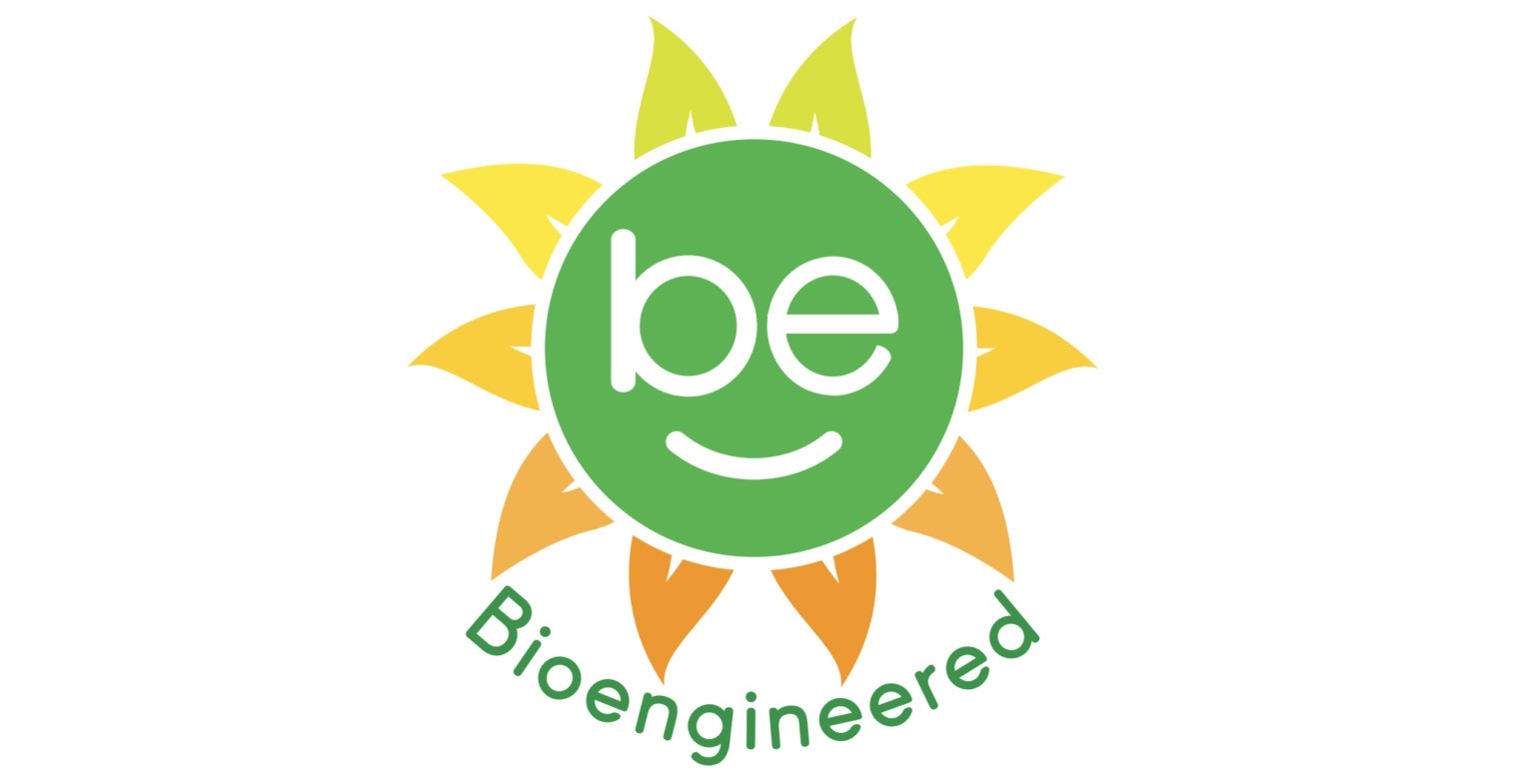
(Natural Blaze) The public comment period is now open on the U.S. Department of Agriculture’s just unveiled proposal for food labeling of products using GMOs—a plan that would have labels without the words “genetically modified” or “genetically engineered,” but instead adorned with cheerful images.

The images are just as insulting to consumers as the law, which the chemical and junk food industry lobbyists spent $400 million to pass.” –Katherine Paul, Organic Consumers Association

According to Wenonah Hauter, executive director of Food & Water Watch, the proposal represents “a gift to industry from our now Secretary of State, Mike Pompeo, who authored the legislation to squash the Vermont GMO labeling law and mandatory labels.”

The proposal follows President Barack Obama’s 2016 signature on an industry-approved bill—dubbed the DARK Act—that required national labeling standard rules, and which critics blasted for having loopholees and lacking a mandate for adequate GMO labels. That law, which pre-empted Vermont’s first-of-its-kind labeling law, also required a deadline for the final rules by July 29, 2018, hence the USDA’s rollout this week.

Among the problems with the proposal, says Hauter, is that the “rule refers to GMOs as ‘bioengineered,’ or BE foods. This is a deceptive strategy because most consumers don’t know what that means.”

Andrew Kimbrell, executive director at Center for Food Safety, agreed, saying, “USDA’s exclusion of the well-established terms, GE and GMO, as options will confuse and mislead consumers, and the agency must instead allow the use of those terms.”

As for the images that will bear the acronym BE—”Wait ’till you see them,” writes Katherine Paul, associate director of the Organic Consumers Association. “All bright and cheery, with sunburst and smiley-faced images—but without ‘GMO’ appearing anywhere on the labels.”

“The images are just as insulting to consumers as the law, which the chemical and junk food industry lobbyists spent $400 million to pass—under the specious name of the ‘Safe and Affordable Food Labeling Act,’” Paul said.

The problems go beyond the symbol, say food safety groups.

“One of the many loopholes,” Hauter added, is that it “would allow a company that knowingly sells canned GMO sweetcorn to use a label that says ‘may be bioengineered’ because less than 85 percent of sweetcorn grown is genetically engineered.”

In addition, it would allow companies to use electronic QR codes, instead of a clear symbol, which would necessitate consumers having a clear internet connection, a smart phone, and the time for the hassle it would take to scan them.

“USDA should not allow QR codes,” Kimbrell said bluntly. “USDA’s own study found that QR codes are inherently discriminatory against one third of Americans who do not own smartphones, and even more so against rural, low income, and elderly populations or those without access to the internet. USDA should mandate on-package text or symbol labeling as the only fair and effective means of disclosure for GE foods.”

In sum, the groups say, the proposal leaves consumers in the dark.

“This is a ‘Call to Action’ to all Americans who have waited for decades to finally have GE foods labeled,” says Kimbrell. “Now is the time to tell the Trump administration to do the right thing and meaningfully label these foods.”

This article (USDA Wants Deceptively Cute Images for GMO Labels, But Cuts the Phrase Genetically Modified) appeared first at Common Dreams and is licensed under a Creative Commons Attribution-Share Alike 3.0 License. (Image: Organic Consumers Association)

Most University Medical Research Brought To You By Big Pharma

(Natural Blaze by Brandon Turbeville) Partly a result in the decrease in government funding in innovation, health, science, and general development and partly a result of the close connection between major corporations, government, and academia, there has been a major increase in the “financial partnerships” between universities and Big Pharma over the past several years. Once a relatively rare occurrence, Big Pharma/Big Ed partnerships have become a common sight, with many corporations maintaining massive “integrated programs” and “science hubs” in university institutions. The focus of these programs are not necessarily public health but the development of drugs for Big Pharma profits.

GlaxoSmithKline at Harvard, AstraZeneca at the University of Washington, and Pfizer at the University of California are some of the most glaring examples, but they are by no means even the tip of the iceberg in Big Pharma/Big Ed partnerships. As SOTT.net writes in its article “Big Pharma Pays Universities For Most Medical Research In the United States,

In fact, with the increasing financial ties between academia and the pharmaceutical industry, many drug companies have formed specialized divisions that are solely responsible for seeking research and development relationships with academic institutions.”

Related: Doctors Against Vaccines – Hear From Those Who Have Done the Research

One such reason for a greater reliance on Big Pharma for research money is the decline in interest of the U.S. government to fund projects that would theoretically benefit human health and increase living standards through progress and development. For instance, a report in the British Medical Journal stated that “An estimated 60% of biomedical research and development in the United States is now privately funded, and two thirds of academic institutions have equity ties with outside sponsors.” In other words, over half of the medical research conducted at universities is conducted with funding from Big Pharma itself.

A review published in the Mens Sana Monograph suggests that,

This need for large funds is, moreover, coupled with the desire to acquire it without making a dent in one’s own pockets. The easiest way that can happen is getting an interested party to fund it, which has a big stake in the success of the entire venture. Hence, the pharmaceutical industry becomes a willing partner in the whole enterprise.

Related: The MMR Vaccine – A Comprehensive Overview of the Potential Dangers and Effectiveness

The Washington Post, surprisingly, explains one reason such heavy corporate funding is a bad idea. It states,

The billions that the drug companies invest in such experiments help fund the world’s quest for cures. But their aim is not just public health. That money is also part of a high-risk quest for profits, and over the past decade corporate interference has repeatedly muddled the nation’s drug science, sometimes with potentially lethal consequences

Ever since the 1980s, more money for medical research has come from Big Pharma than from grants awarded by the NIH. In 2011, Big Pharma spent $39 billion while the NIH only spent $31 billion. This is in part a testament to the fact that, while the U.S. can waste billions on foreign wars and foreign aid, it is pinching pennies with research that could benefit its own people back home. But it’s also a revelation of just how close corporate interests and the University Industrial Complex actually are. Thus, it’s very concerning when one of the greatest forces for cultural “revolution” and Big Pharma are teaming up to such an openly high level.

Editor’s Note: “Industry-sponsored clinical trials are four times more likely to report positive results than non-industry sponsored clinical trials.”

In addition, SOTT writes of how this growing partnership raises some serious conflict of interest questions. The website writes,

It is no secret that relationship between doctors and pharmaceutical companies has involved significant financial entanglement, consequently opening a debate on conflict of interest issues.4 Financial incentives provided by drug companies have influenced doctors to engage in inappropriate prescribing habits to promote the purchase and use of the sponsoring company’s drug, thus questioning the credibility of both parties involved.4

This same type of cozy relationship is now becoming prominent between academics and pharmaceutical companies. While financial relationships between doctors and drug companies has come under significant scrutiny, less attention is being paid to financial relationships between academics and the drug industry.4

There is enough evidence to document conflict of interest issues between academics in leadership positions and the drug industry. A study published in the Journal of the American Medical Association reveals:

Almost every major U.S.- based pharmaceutical company in 2012-and nearly 40 percent worldwide-had at least one board member in a leadership position from a U.S. academic medical center, raising potentially problematic conflict-of-interest questions. The board members were compensated an average of $312,564 by the pharmaceutical companies, while concurrently holding clinical or administrative leadership positions at academic medical centers.6

The study’s senior author, Welld Gallad, MD, MPH points out:

[P]harmaceutical industry board membership by academic medical center leaders could lead to a different kind of potential conflict of interest, since academic leaders wield considerably more influence over research, clinical and educational missions than ordinary physicians or staff who may be targeted for gifts by pharmaceutical representatives.6

Scientifically Proven Method to Reverse Diabetes (Ad)

Dr. Gallad adds:

The public will have to decide whether these non-profit, and in many cases publicly funded, academic institutions can manage these potential conflicts with internal policies, or whether additional regulation is needed.6

. . . . .

A significant amount of vaccine related research is now being conducted at American academic institutions. Many universities now have their own vaccine research centers, with pharmaceutical companies funding many of the studies. Professors and other academic scientists who conduct these studies often also have personal financial relationships with vaccine manufacturers. This conflict of interest may or may not be revealed in the study’s original publication, depending upon the medical journal in which the study is published.

Concerns have been voiced about the pharmaceutical industry’s lack of transparency with regard to the development and side effects of FDA licensed drugs and vaccines and financial relationships with the medical profession, which promotes the use of those drugs and vaccines. It is logical to ask whether the public can trust the conclusions of vaccine research conducted by academic institutions heavily funded by vaccine manufacturers, which may incentivize researchers to steer research toward conclusions that suit the financial interests of those companies.

One does not need to look too far in order to see that the University research/Big Pharma partnership is creating a dangerous culture. Many academics survive on grants either by government or by corporations and a researcher might be ending his own career if he bucks the institution which is paying for the gravy train. This is one reason university scientists, researchers, and academics are some of the most vociferous guard dogs and defenders of corporations. With Big Pharma paying the bills of most medical research conducted in the United States, there is no wonder why Big Ed is simply becoming the validator of industry science in the sickest nation on the planet. Come to think of it, there is no wonder why the United States is the sickest nation on the planet.

Hat tip to SOTT “Big Pharma Pays Universities For Most Medical Research In The United States

China No Longer Accepting World’s Garbage, Time For A National Recycling Program

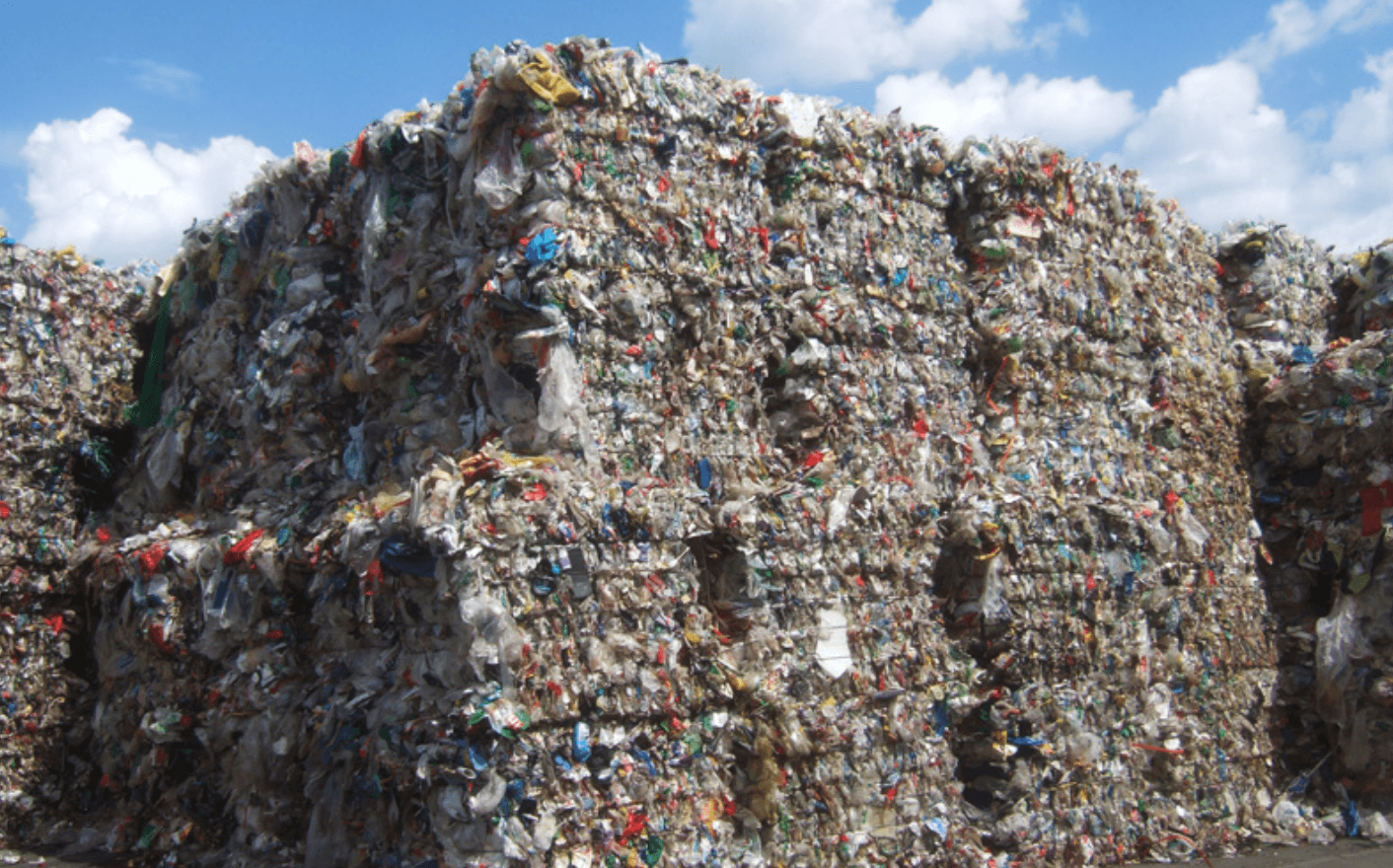
(Natural Blaze by Brandon Turbeville) In 2017, China announced that it would no longer be accepting much of the world’s trash in the coming year. In January, it followed through with that announcement and stopped accepting 24 types of waste which includes plastics, mining slap, garbage textiles, and plastics. China’s stated reason for no longer accepting the waste is its own concerns over pollution domestically.

This new policy has caused shockwaves in the United States, Ireland, Germany, Canada, and a number of European countries who are now rushing to figure out a solution to their growing piles of trash that had previously just been sent overseas.

If sanity were to prevail of course, the United States and fellow countries would immediately begin developing methods of recycling and industries/services to do just that domestically. A national recycling program would be a perfect solution that would not only recycle the material that is now piling up but also clean up the American environment and create good-paying jobs.

In other words, a national recycling program funded by low- to zero-percent interest credit from a nationalized Federal Reserve that would see the entire country’s garbage recycled and sold at a profit as well as the recycling of material already buried in landfills.

Instead, however, the United States is attempting to force China to accept its trash by using the World Trade Organization’s enforcement mechanism for the “Free Trade” and the “Global Economy” that has ruined the living standards of virtually every country that has embraced it. The U.S. is arguing that China’s new policy is causing a “fundamental disruption in global supply chains for scrap materials.”

As Reuters reported,

“China’s import restrictions on recycled commodities have caused a fundamental disruption in global supply chains for scrap materials, directing them away from productive reuse and toward disposal,” a U.S. representative told the meeting, according to a trade official in Geneva.

[…]

We request that China immediately halt implementation and revise these measures in a manner consistent with existing international standards for trade in scrap materials, which provide a global framework for transparent and environmentally sound trade in recycled commodities.”

Fix your vision naturally without glasses (Ad)

But sanity is not something the WTO is known for enforcing. Still, China is defending its policy, however. As EcoWatch reports:

The concerns are neither reasonable nor have any legal basis,” Foreign Ministry spokesperson Hua Chunying said at a daily press briefing in response to the U.S. official’s remark.

“It’s very hypocritical of the U.S. to say China is breaching its WTO duty,” Hua said. She noted that if the U.S. thought it legitimate to restrict exports of high-tech and high-value-added products, then China’s ban on foreign waste imports was not illegal.

“Restricting and banning the imports of solid waste is an important measure China has taken to implement the new development concept, improve environmental quality and safeguard people’s health,” Hua said, adding that the Basel Convention allows countries the right to restrict the entry of foreign waste.

“We hope that the U.S. can reduce and manage hazardous waste and other waste of its own and take up more duties and obligations.”