Hens That Lay Our Organic Eggs Just Got a Lot More Room

It’s simple nutritional logic: the healthier the hen, the healthier the egg. But the term “organic eggs” and what it means for the chickens laying them has always been, for lack of a better term, flexible.

New rules passed by the USDA this month include new “minimum indoor and outdoor space requirements for poultry” to attain the “organic” label. Previously, rules only required that hens have some sort of outdoors access to be labeled organic. That left a lot of wiggle room for egg producers.

According to NPR, some producers would simply construct large chicken houses and give them a small, enclosed porch for “roaming.” While customers might picture chickens with plenty of pasture for free roaming, the reality was closer to the typical, high-density chicken house you might expect from a non-organic label.

The new rules will require approximately one acre for every 20,000 chickens, or one square foot for every 2 and a quarter pounds of chickens. But buyer beware: farmers are being given a five-year transition period to rise to the new standard. That means that some organic eggs will not meet these new standards when you buy them now.

Understanding What “Organic Eggs” Really Means

The terms “free range” and “organic” are thrown around so often that some customers forget they mean two different things. While “free range” chickens are allowed the space to roam—as the name would suggest—freely, “organic” chickens are under no such requirements.

In fact, organic eggs simply come from chickens that are not kept in cages and are fed organic feed. Under old USDA rules, simple access to outdoor areas—no matter how inadequate—meant there was a lot of flexibility for farmers looking to save a buck.

The new standards, while not ambitious, ensure that the amount of space these organic chickens are given at least adheres to a simple formula. While it doesn’t quite bring the chickens up to “free range” status, it does mean a healthier lifestyle for the hens laying the eggs.

What Does This Mean About Your Organic Eggs?

The Los Angeles Times cited a poll of farmers suggesting that as many as a quarter of organic chicken farmers don’t currently meet this new standard. That suggests a modest change in regulations, since the majority of chicken farmers may already meet the new standards. And with a five-year grace period for bringing a farm up to date, customers shouldn’t expect drastic changes overnight.

The good news is that the “organic” label still means something. Even inadequate access to pasture areas is better than no access at all. And these hens are uncaged, according to USDA regulations, which allows free roaming within their confines. Their diet is also organic, without the pesticides or fertilizers that can ultimately affect egg quality.

The new regulation is drawing some criticism from both sides, with organic enthusiasts calling it “too little” and others believing that the small change will have an effect on prices, but not on quality. As for the hens, they were unavailable for comment.

Recommended Reading:

Rose Hips for Your Autumn Medicine Cabinet

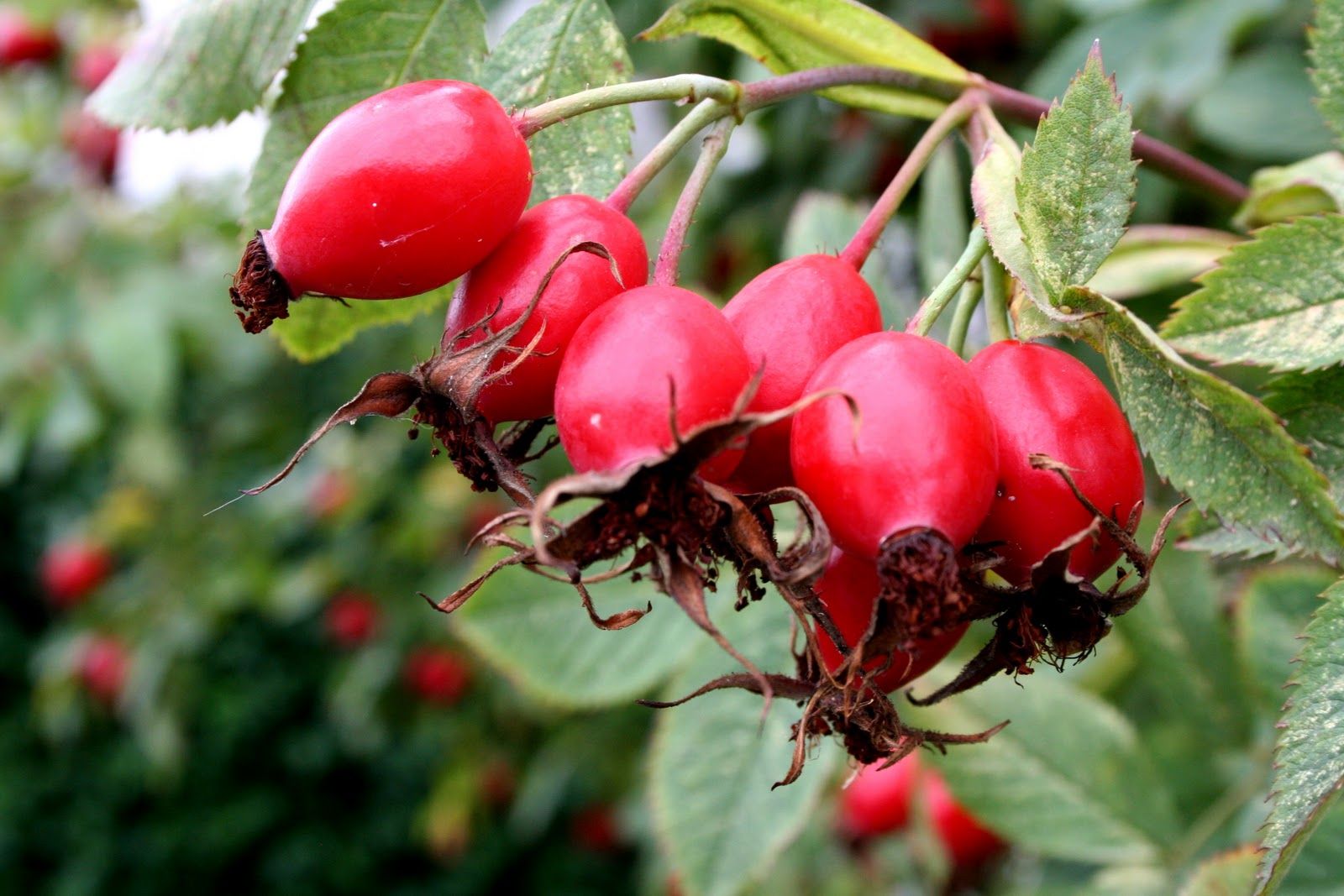
Dog Rose (Rosa canina) is an indigenous herb to Europe, considered by some as an invasive weed found in hedgerows, scrub, woods, and wasteland. In autumn, the arching stems with downy hooked thorns bear clusters of flask-shaped scarlet fruit known as rose hips. These floral superfoods, bursting with winter medicine for our homes and communities, make eye-catching bait for birds. Be sure to share in this harvest as they are rich in therapeutic uses!

Rose hips were thought to be discovered for their high vitamin C content in Britain during WWII when scurvy was prevalent and citrus remedies were scarce. In modern times, as every practitioner knows, vitamin C supplementation is used to support the immune system. It is more beneficial to obtain nutrients from local whole food sources such as rose hips than non-bioregional plant species or through a manufacturing process.

The therapeutic use for rose hips are many and go beyond the scope of vitamin C. Rose hips contain a plethora of tonic and antioxidant (carotenoids) properties that work in synergy with vitamins A, B1, B2, B3, D, K; with beta carotene; and with minerals such as calcium, iron, selenium and zinc.

Rose hips have many actions. For example, they are anti-inflammatory, astringent (drying), stomachic (strengthening digestion), nervine (strengthening and nourishing the nervous system), and nutritive with sour and cooling qualities. These actions make it a useful food and medicine for colder times of the year, benefiting inflammatory based conditions by easing chronic inflammation and offering pain relief. They can cool the body to help lower a fever and are used internally for natural relief of colds, sore throat, influenza, blocked chest, and minor infectious diseases. They can help control diarrhoea and gastritis and act as a dietary supplement. (They are especially good for vitamin C deficiency.) They may help to eliminate waste, support the immune system, soothe nerves, relieve insomnia, and lift depression, e.g. seasonal affective disorder (SAD).

Culinary use of rose hips includes wine making, vinegar, jam, jelly, syrup, soup, and tea. They are also used in a nutritional syrup supplement (especially for babies), which is sometimes added to cough mixtures and used to flavour medicines. Extracts are added to vitamin C tablets, food supplements, herbal remedies, and herb teas. As you can see, rose hips have a great deal to offer the autumn and winter medicine cabinet.

For the non-herbalists amongst us, here is a simple recipe you can safely carry out at home.  It’s also a fun project to do with children to help raise awareness of using nature to improve health.

Recipe for Organic Rose Hip Apple Cider Vinegar

This recipe has been adapted from various sources to simplify the process. Instead of using the conventional weight:volume ratio for fresh plant tinctures based on calculating the equivalent dry weight of the herb in g:ml, I have favoured a more traditional, user-friendly approach, including the use of a metric cup measurement.

Equipment:

  • Bag or basket
  • Sharp knife
  • Metric measuring cup
  • Colander
  • 1L Pyrex jug
  • Muslin cloth
  • Conical measure
  • 100 ml or bigger amber bottles with plastic caps (vinegar tends to rust lids otherwise)
  • Labels

Ingredients to yield approximately 600 ml:

  • Wild crafted, foraged rose hips (Rosa canina)
  • 1L organic apple cider vinegar (ACV)

Method

  • Identify and pick the rose hips in late autumn when the hips are bright red, soft and fleshy.
  • Wash the rose hips, discard anything damaged, and slit the skins using a sharp knife.
  • Measure 1 cup of slit rose hips to 2 cups of room temperature ACV.
  • Place the rose hips into a 1L sterilised pyrex jug and cover with ACV, leaving head room for the rose hips to swell.
  • Cover and label the project with the name of plant, plant part, menstruum (the liquid ingredient) and date.
  • Macerate (soak in a liquid) for two weeks to one month. (You may like to follow the path and cycle of the new or full moon.) Keep it in a dark place at room temperature and stir daily with a wooden spoon.
  • Strain the acetum (a preparation having vinegar as the solvent) through a muslin cloth to remove seeds and irritant hairs. Discard the marc (left over herbal material).
  • Return the crude acetum into a pyrex jug, cover and allow to settle overnight.
  • The next day, filter and decant into sterilised amber bottles. Cap and label. Store in a cool dark place (shelf life six months).

The recommended dosage is 5 ml three times daily before a main meal (neat or in 30 ml  filtered water) to benefit from the ACV digestive tract, tonic qualities. This recipe can be added to cooking (in marinades,  salad dressings, etc.) and is non-toxic and tolerated by most people, including those who are alcohol sensitive. If you experience any adverse side effects such as loose stools, which can be associated with excess vitamin C, stop taking the remedy for a day and reintroduce at half the recommended amount.

It is always good to consult a qualified herbalist before administering herbal medicine, especially if you or your client is pregnant, breast feeding, have a diagnosis and/or are taking prescription pharmaceutical drugs. For example, research indicates that rose hips have the potential to reduce blood glucose levels which can be suitable for treating diabetes.  However, large doses administered by those with hypoglycaemia (low blood sugar) may cause side effects. The seeds also consist of short hairs which may irritate one internally. For those who are susceptible to irritable bowel syndrome or irritable bowel disease, take care to thoroughly strain the liquid. Rose hips are generally considered safe for use with children, convalescents, and the elderly.

Tips

When foraging for wild food or medicine, be sure to identify plant species correctly, and  harvest away from polluted areas such as busy roads and industry or where they might have been sprayed.  Remember to leave some autumn and winter food for wildlife!

One of my favourite hedgerow medicine guides for wild food and herbal medicine identification is: Hedgerow Medicine: Harvest and Make Your Own Herbal Remedies by Julie Bruton-Seal (Author, Illustrator), Matthew Seal (Author).

Should you decide to study herbal medicine (for example at the College of Naturopathic Medicine) this is the kind of practical, hands-on project you might study in the module Botany, Pharmacognosy, and Pharmacology.

About the Author

Emma Schade-Stylli has always felt a deep connection to nature and the cycle of the seasons with a passionate interest in exploring the science and healing art of plant-based medicine. Having graduated in Naturopathy and Herbal Medicine from CNM, Emma practices as a naturopath, herbalist and holistic lifestyle coach in the UK. She is also involved in a small holding project on the Isle of Anglesey, North Wales where she tends the land for pesticide-free vegetables and herbs. Emma can be contacted at info@contemporaryhealthcare.co.uk

About CNM
CNM offers Diploma Courses, Short Courses and Postgraduate Courses in a range of natural therapies, all based on a naturopathic approach to health. For the full range of courses, visit www.naturopathy-uk.com.

Recommended Products:
Sources:
  • Andersson U, Berger K, Högberg A, Landin-Olsson M, Holm C. (2012) Effects of rose hip intake on risk markers of type 2 diabetes and cardiovascular disease – European Journal of Clinical Nutrition 66(5):585-90
  • A Modern Herbal by Mrs. M Grieve • Roses – Botanical.com
  • Bartram, T (1998) Bartrams Encyclopedia of Herbal Medicine. 1 ed. London: Constable & Robinson Ltd.
  • Bruton – Seal, J., & Seal, M. (2009) Hedgerow Medicine. Shropshire: Merlin Unwin Books Ltd.
  • Fitter, R.S.R (1974) Wild Flowers of Britain and Northern Europe. 2nd  ed. London: Harper Collins Publishers Ltd.
  • Make Your Own Whole Food Vitamin C Pills with Herbs -Learning Herbs
  • The Medicinal Benefits of Rose Hips -Permaculture 
  • Thomsen, M., & Gennat, H. (2009) Phytotherapy Desk Reference. 4th ed. Australia: Global Natural Medicine Pty Ltd.
  • Williams, S. (2013) Pharmacognosy and Pharmacy Day One, Pharmacognosy and Pharmacy. [Online] College of Naturopathic Medicine London.
  • Yard, Neils (2011) Cook, Brew and Blend Your Own Herbs. 1 ed. London: Dorling Kindersley Limited.
  • 2012, Department of Herbal Medicine. (Clinical Handbook Herbal Medicine) [pdf] London: The College of Naturopathic Medicine.

Does Hillary Clinton Oppose Marijuana Legalization?

Leaked emails show that Hillary Clinton spoke out against legalizing marijuana in a paid speech that was given more than two years ago, and in March 2014, in an email to Ursula Burns, Xerox’s chairman and CEO, Clinton used Wall Street terminology to express her opposition to ending cannabis prohibition.

BURNS: So long means thumbs up, short means thumbs down; or long means I support, short means I don’t. I’m going to start with — I’m going to give you about ten long-shorts.

CLINTON: Even if you could make money on a short, you can’t answer short.

BURNS: You can answer short, but you got to be careful about letting anybody else know that. They will bet against you. So legalization of pot?

CLINTON: Short in all senses of the word.

Other excerpts from the 80-page document published by Wikileaks (hacked from Podesta’s email account), show Clinton admitting that she is “far removed” from the typical struggles of the middle class. She says that politicians should have separate positions on issues in public and in private, a stance her critics have long suspected.

U.S. Sen. Bernie Sanders, who supports legalization and has introduced legislation to end federal marijuana prohibition, seems to have shifted Hillary’s public position. Clinton has pledged to reschedule marijuana under the Controlled Substances Act if elected, and many doubt this would have happened if it weren’t for Senator Sanders.

While Clinton has made no secret that she’s not ready to endorse full marijuana legalization, she now seems to be taking a wait-and-see approach, watching the results of new legislation in states like Colorado and Washington before she makes up her mind.

These remarks were made two-and-a-half years ago, just two months after legal marijuana sales began in Colorado, so it is not unlikely that Clinton’s personal view of legalization has evolved.

The leaked emails showing such strong opposition, and recent comments from the candidate’s daughter, Chelsea, last month, have cannabis advocates and much of the public concerned.

Libertarian Party candidate Gary Johnson and Jill Stein of the Green Party both support ending cannabis prohibition.

To see what else Hillary Clinton has said about cannabis law reform, check out Marijuana.com’s comprehensive guide to the candidates.

Recommended Reading:
Sources:

Review: Organic Root Cider by Barrier Island Organics

Barrier Island makes Mother’s Earth Organic Cider, which to me is very much a tonic. It reminds me of Shillington’s Total Tonic, but it’s better IMO. I told Mark Welch it was “rich,” and he said, “Yeah, there’s a lot of product in that cider; I can tell you that. We put for every nine pints of vinegar, we put ten pounds of roots and vegetables in there to start the process.”

If you have a sore throat or that tickle in your throat that could be the onset of a new bug to fend off, this is what you want to sip on. I would pour myself an ounce and sip on it for an hour like a fine scotch. It doesn’t taste as good, but you can play with the complexities and pretend.

People report wonderful testimonials including, “My inflammation seemed to be getting better every week,” and “No more knee pain, stiff neck, or swollen Achilles tendon.” They even report weight loss and blood sugar control. It makes sense, considering the ingredients:

  • Raw unfiltered apple cider vinegar provides essential nutrients that aid in digestion, metabolism, the lymphatic system, oxygen transport, and energy production. It balances the bodily pH levels and maintains them.
  • A whole lemon (with peel) cleanses and detoxifies the liver, flushes the digestive system, and provides tons of vitamin C.
  • Horseradish root provides lots of nutrients and minerals, aids in digestion, increases immunity, lowers blood pressure, increases metabolic function, and helps kill pathogens in the body.
  • Ginger root provides a strong antioxidant effect, boosts immunity, has anti-inflammatory compounds, and alleviates gastrointestinal distress, including nausea, which is imperative in this concoction!
  • Turmeric root “increases the antioxidant capacity of the body” which increases the cider’s anti-inflammatory properties, improves brain function, increases heart health, and fights cancer.
  • Garlic increases metabolism and lowers cholesterol while strengthening the immune system, especially against colds and upper respiratory infections.
  • White onion improves our absorption of vitamin C, regulates blood sugar, and helps protect us against chronic illness and disease.
  • Beets clean the blood and the circulatory system, lower blood pressure, boost stamina, and provide valuable phytonutrients to combat disease. They are high in fiber and offer anti-inflammatory properties for the body.
  • Serrano, habanero, and poblano peppers are rich in nutrients and vitamins and contain capsaicin, which lowers the risk of cancer and cardiovascular disease. They also have anti-inflammatory and analgesic properties so they may provide relief for pain related to arthritis, fibromyalgia, skin aging, and psoriasis.

As a daily tonic, take at least a tablespoon daily. Sip on it if you have a sore throat or at the first sign of illness. Take it for digestive issues. Take it to prevent illness and to help return the body to health. It helps aid detoxification and adds tons of nutrition to the body. I’m hooked. We’re always going to have this is one in the house.

San Francisco Bans Polystyrene, AKA Styrofoam

On Tuesday, June 28th San Francisco unanimously passed an ordinance banning the sale of products made from polystyrene, also known as Styrofoam, the name-brand of polystyrene produced by the Dow Chemical Company.

The law goes into effect on January 1, 2017. At which time it will be illegal to sell polystyrene packing materials like foam peanuts, day-use coolers, Styrofoam beach toys, and those trays for meat and fish packaging.

San Francisco is working towards their goal of “zero waste” by 2020. In 2007, the city prohibited the use of polystyrene for to-go restaurant food containers. Today more than 100 cities have similar laws in place restricting or banning polystyrene. Americans still use an estimated 25 billion foam cups each year.

By 2050, we are on track to have more plastic in our oceans than fish. Much of that plastic will be styrofoam.

Critics of the new ban point out that polystyrene is recyclable, that the city could make money recycling polystyrene. Though San Francisco residents can recycle polystyrene free of charge, it rarely gets recycled. Robert Reed, a local project manager for a company that helps cities manage solid waste, says that few people bring in Styrofoam, and even when they do, it’s typically not in good enough condition to be repurposed. “The few buyers who exist demand that the material be very clean,” Reed says in an email. “They don’t even want dust on it.”

Styrofoam has been a big issue for environmentalists, and this is considered a big win. It’s likely to be a model for other cities and the country going forward.

References: