Large-Scale Study Proves High-Fat Diet Promotes Health and Longevity

(Dr. Mercola) Mitochondria — the tiny energy factories within your cells — generate adenosine triphosphate (ATP), the energy currency your body needs to run its systems. Your mitochondria are also responsible for apoptosis (programmed cell death), and serve as important signaling molecules that help regulate your genetic expression. Hence, the state of your mitochondria plays a key role in health and disease.

Once your mitochondria become damaged and dysfunctional, your energy reserves decrease, leading to a wide variety of symptoms, some of the most common being headache and fatigue, and leaving you increasingly vulnerable to degenerative diseases such as cancer, heart disease, diabetes and neurodegenerative decay.

Unfortunately, mitochondrial damage is more the norm than the exception these days, thanks to the prevalence of processed food diets, inactivity, lack of sun exposure and excessive exposure to toxins and non-native electromagnetic fields from cellphones, routers, cellular towers and more. All of these factors contribute to mitochondrial dysfunction. On the upside, your body can regenerate and renew, regardless of your age — provided it has the proper fuel to do so.

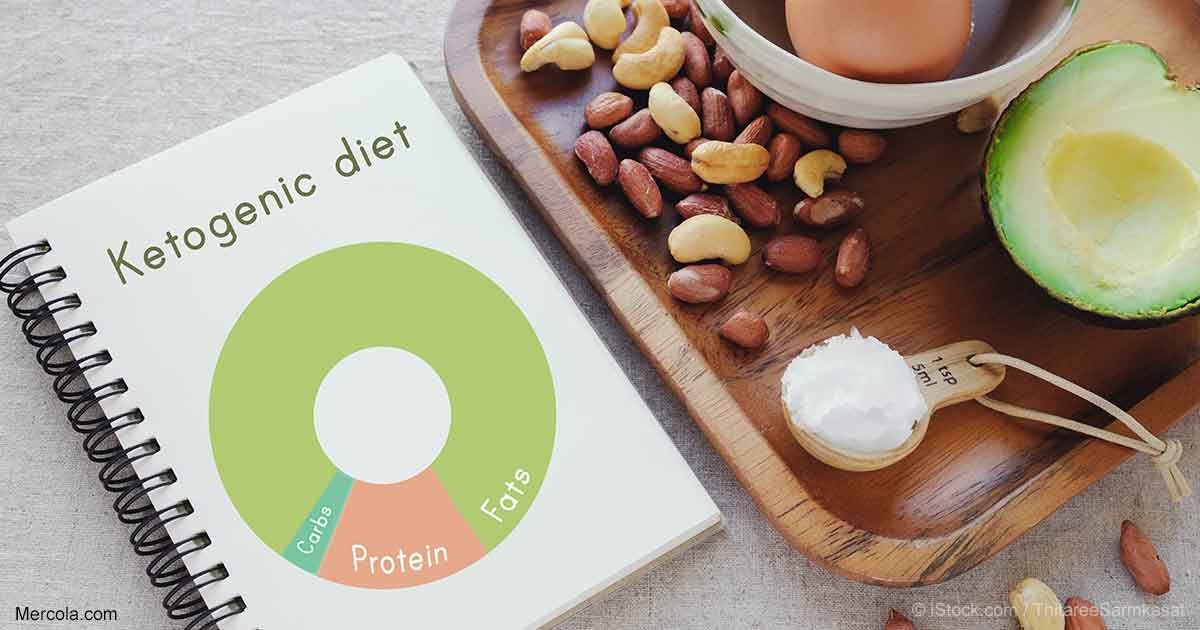
A ketogenic diet — which is very low in net carbohydrates and high in healthy fats — is key for boosting mitochondrial function. Healthy fats also play an important role in maintaining your body’s electrical system.

When your body is able to burn fat for fuel, your liver creates water-soluble fats called ketones that burn far more efficiently than carbs, thereby creating fewer reactive oxygen species (ROS) and secondary free radicals. Ketones also decrease inflammation, improve glucose metabolism1 and aid the building of muscle mass.2

International Study Confirms Fat for Fuel Premise

The benefits of a cyclical ketogenic diet are detailed in my latest bestselling book, “Fat for Fuel.”3 While the book was peer-reviewed by over a dozen health experts and scientists, a new large-scale international study (known as the international Prospective Urban Rural Epidemiology, or PURE, study4,5 ) adds further weight to the premise that high intakes of healthy fats — especially saturated fats — boost health and longevity. As reported by STAT News:6

“Its research team recorded the eating habits of 135,000 adults in 18 countries — including high-income, medium-income, and low-income nations — and followed the participants’ health for more than seven years on average. Among the PURE participants, those with the highest intake of dietary fat (35 percent of daily calories) were 23 percent less likely to have died during the study period than those with the lowest fat intake (10 percent of calories).

The rates of various cardiovascular diseases were essentially the same across fat intake, while strokes were less common among those with a high fat intake. Upending conventional wisdom, the findings for carbohydrate intake went in the opposite direction. PURE participants with the highest carbohydrate intake (77 percent of daily calories) were 28 percent more likely to have died than those with the lowest carbohydrate intake (46 percent of calories).”

Recommended Reading: Healthy Sugar Alternatives & More

Low-Fructose Diet Significantly Reduces Liver Fat in Mere Days

In related news, another recent study found a reduced-sugar diet lowered liver fat by more than 20 percent in just nine days — a reduction co-author Susan Noworolski called “unprecedented.” Processed fructose found in soda, fruit juices and processed food is a major contributor to nonalcoholic fatty liver disease (NAFLD), a condition affecting an increasing number of children. In the past two decades, NAFLD among children has more than doubled.

According to lead author Jean-Marc Schwarz, “Our study clearly shows that sugar is turned into fat, which may explain the epidemic of fatty liver in children consuming soda and food with added sugar. And we find that fatty liver is reversed by removing added fructose from our diet.”

NAFLD raises your risk for Type 2 diabetes. Conventional advice recommends a low-fat diet for Type 2 diabetics, but this and other research refutes that strategy.7 On the contrary, a high-fat, low-carb diet has been shown to improve both blood sugar levels and blood lipids.8

Dr. Robert Lustig (who was not involved in the study but has investigated the role of fructose in disease for many years) commented on the results, saying, “Many people think that fructose provides empty calories. But no, they are toxic calories because they are metabolized only in the liver, and the liver turns the excess into fat.”

Recommended Reading: Everything You Should Know About Fat

American Heart Association Has It All Wrong

In June, the American Heart Association (AHA) shocked health conscious individuals around the world by declaring coconut oil dangerous and urging people to switch from butter to margarine to protect their heart health.9 According to the AHA, replacing saturated fats with polyunsaturated fats such as margarine and vegetable oil might cut your heart disease risk by as much as 30 percent.

This is a remarkable statement when you consider that margarine and refined polyunsaturated vegetable oils10 have been scientifically identified as the fats that actually DO cause heart disease and other health problems, whereas saturated fats have been exonerated. Vegetable oils are particularly hazardous in cooking, as they produce toxic oxidation products like cyclic aldehydes when heated.

They’re also high in damaged omega-6 polyunsaturated fats. In large amounts, these fats cannot be burned for fuel. Instead, they’re incorporated into cellular and mitochondrial membranes where they are highly susceptible to oxidative damage. In short, margarines and vegetable oils are a recipe for metabolic and mitochondrial dysfunction, and there’s nothing heart healthy about that!

The AHA’s Presidential Advisory was sent out to cardiologists around the world, not just to those in the U.S. Overall, the AHA now recommends limiting your daily saturated fat intake to 6 percent of daily calories or less11 — a far cry from the 50 percent or more most people actually need for optimal health. However, it quickly became apparent that the AHA had carefully cherry-picked outdated data to support an outdated view.12

In fact, the AHA bases its ancient recommendation on decades’ old studies. The four studies they decided to focus on all date back to the 1960s and early 1970s — the eras when the low-fat myth was born and grew to take hold.

Moreover, none of these four studies actually involved coconut oil, which means the AHA is flat out making false claims when it’s identifying coconut oil as a dangerous fat. Nutritional science has made significant strides since the ’70s, and studies have repeatedly refuted the idea that high-fat diets promote heart disease. The featured study above is just the latest in a long string of such studies.

Recommended Reading: Best Cooking Oils – Health benefits, Smoke Point, Which to Use and Which to Avoid

Why Is the AHA Clinging to Outdated Science?

As for why the AHA would choose to ignore decades of scientific studies showing saturated fats have no impact on heart health is anyone’s guess, but the timing of this bold vegetable oil promotion does coincide with news about a vaccine to lower cholesterol.13,14 If people would simply eat healthy saturated fats like coconut oil and butter, there would be no need for a vaccine strategy.

Of course, there are other financial incentives as well, not to mention the basic reluctance to admit they’ve led nearly two generations of people astray with their advice, possibly harming millions. As noted by Nina Teicholz, an investigative journalist and author of “The Big Fat Surprise: Why Butter, Meat, and Cheese Belong in a Healthy Diet:”15

“To me, the AHA advisory released in June was mystifying. How could its scientists examine the same studies as I had, yet double down on an anti-saturated fat position? With a cardiologist, I went through the nuts and bolts of the AHA paper, and came to this conclusion: It was likely driven less by sound science than by longstanding bias, commercial interests and the AHA’s need to reaffirm nearly 70 years of its “heart healthy” advice …

That the AHA should be so resistant to updating its view of saturated fats, despite so much legitimate science, could simply reflect the association’s unwavering devotion to a belief it has promoted for decades. Or it could be due to its significant, longstanding reliance on funding from interested industries, such as the vegetable-oil manufacturer Procter & Gamble, maker of Crisco …

More recently, Bayer, the owner of LibertyLink soybeans, pledged up to $500,000 to the AHA, perhaps encouraged by the group’s continued support of soybean oil, by far the dominant ingredient in the “vegetable oil” consumed in America today.”

Mitochondrial Metabolic Therapy

Based on the evidence, there’s no doubt in my mind that saturated fats are vitally important for optimal health. Most people need to eat more of it, not less. In my book, “Fat for Fuel,” I expound on why these kinds of healthy fats are so important, and how implementing a cyclical ketogenic diet may help you address a wide array of ailments.

More than just a diet book, “Fat for Fuel” presents a complete Mitochondrial Metabolic Therapy (MMT) program, complemented by an online course created in collaboration with nutritionist Miriam Kalamian, who specializes in nutritional ketosis. The course, which consists of seven comprehensive lessons, teaches you the keys to fighting chronic disease and optimizing your health and longevity. If you or someone you love has cancer, it will also augment any oncological treatment you might be undergoing.

MMT merges decades of my own research with the latest science on mitochondrial health, all of which has been peer-reviewed. Worksheets, additional reading, meal planning resources and recipes, with guidelines on how to tailor the program to your unique physiology, are all included. You’ll also learn a number of other non-diet related ways to boost your mitochondrial health.

Consider Experimenting With a Water Fast

In all my clinical experience, I have never seen a more effective intervention than multi-day fasts where the only thing you consume is water and mineral supplements, and no other food or drink. I had previously been opposed to fasting if one was already at an ideal body weight. However, I failed to realize that there is metabolic magic that simply won’t occur in any other setting.

Recommended Reading: What’s the Best Water for Detoxifying and For Drinking?

I now view this type of extreme fast as taking out the trash. It allows your body to seriously upregulate autophagy and mitophagy and remove most of the damaged senescent cells in your body. This, of course, would include premalignant cells. It is a magnificent way to help cancer-proof your body. It is also outstanding for helping you achieve optimal body weight, and it can improve your health and extend your lifespan.

I think I have stumbled on an easy way to do it with minimal discomfort. I have been doing 14- to 16-hour daily intermittent fasts for 18 months, but the last two months I increased that to 20- to 21-hour fasts. I don’t think you need to do intermittent fasting for 18 months before trying water-only fasts, but I think a few months would radically decrease any negative side effects.

Interestingly, I experienced no hunger pains. I simply had no food cravings, which is extremely fascinating to me as most people who fast are really hungry on day two. I lost 10 pounds on the fast. My ketones were 5.1 and my blood sugar 45, which doubled the ketone/glucose index threshold Dr. Thomas Seyfried says is necessary to treat cancer. After the fast I feasted and had 130 grams of net carbs with sweet potatoes and fruits and extra protein.

I encourage you to consider a water-only fast. I must admit that I was afraid I would lose muscle mass, but that is not what happens when you do short day-long fasts. I actually stopped losing weight after day three as my thyroid throttled back. I know this because my lowest body temperature the last night of the fast was a full 2 degrees lower. I also had my lowest recorded heart rate that day.

I will be interviewing experts on fasting in the future to go into more detail of all the benefits that are provided, but until then, I would strongly encourage everyone to seriously consider increasing their daily intermittent fasting toward the 18- to 20-hour range so you will be able to painlessly do water fasting and then feast like a king afterward. This in an amazing ability to have, as it gives you enormous power over your environment when you won’t have to worry about eating for four days if problems happen.

The Benefits of a Cyclical Ketogenic Diet

The MMT diet is a CYCLICAL or targeted ketogenic diet, high in healthy fats and fiber, low in net carbs with a moderate amount of protein. This targeted component is important, as long-term continuous ketosis has drawbacks that may actually undermine your health and longevity. One of the primary reasons to cycle in and out of ketosis is because the “metabolic magic” in the mitochondria actually occurs during the refeeding phase, not during the starvation phase.

Related: What is a Cyclic Ketogenic Diet?

Ideally, once you have established ketosis you cycle healthy carbs back in to about 100 to 150 grams on the few days a week you do strength training. MMT has a number of really important health benefits, and may just be the U-turn you’ve been searching for if you’re struggling with excess weight or just about any chronic health condition. Some of the most important benefits of this program are:

Weight loss

By rebalancing your body’s chemistry, weight loss and/or improved weight management becomes nearly effortless. Studies have shown a ketogenic diet can double the weight lost compared to a low-fat diet.16

Reduced inflammation

When burned for fuel, dietary fat releases far fewer ROS and secondary free radicals than sugar. Ketones are also very effective histone deacetylase inhibitors that effectively reduce inflammatory responses. In fact, many drugs are being developed to address immune related inflammatory diseases that are HDAC inhibitors.

A safer and more rational strategy is to use a ketogenic diet, as it is one of the most effective ways to drive down your inflammation level through HDAC inhibition.

Reduced cancer risk

While all cells (including cancer cells) can use glucose for fuel, cancer cells lack the metabolic flexibility to use ketones, while regular cells thrive on these fats. Once your body enters a state of nutritional ketosis, cancer cells are more susceptible to being removed by your body through a process called autophagy. A cyclical ketogenic diet is a fundamental, essential tool that needs to be integrated in the management of nearly every cancer.

Increased muscle mass

Ketones spare branched-chain amino acids, thereby promoting muscle mass.17 However, make sure to implement cyclic ketosis. Chronic ketosis may eventually result in muscle loss as your body is impairing the mTOR pathway, which is important for anabolic growth. mTOR needs to be stimulated, just not consistently, as many people do with high protein diets.

Lowered insulin levels

Keeping your insulin level low helps prevent insulin resistance, Type 2 diabetes and related diseases. Research has demonstrated that diabetics who eat a low-carb ketogenic diet are able to significantly reduce their dependency on diabetes medication and may even reverse the condition.18

Lowering insulin resistance will also reduce your risk of Alzheimer’s. Recent research strengthens the link between insulin resistance and dementia even further, particularly among those with existing heart disease.19,20,21

Mental clarity

One of the first things people really notice once they start burning fat for fuel is that any former “brain fog” lifts, and they can suddenly think very clearly. As mentioned earlier, ketones are a preferred fuel for your brain; hence, the improved mental clarity.

Increased longevity

One of the reasons you can survive a long time without food is due to the process of ketosis, which spares protein breakdown.22 A fairly consistent effect seen in people on a ketogenic diet is that blood levels of leucine and other important structural proteins go up, allowing these proteins to perform a number of important signaling functions.

Ketones also mimic the life span extending properties of calorie restriction23 (fasting), which includes improved glucose metabolism; reduced inflammation; clearing out malfunctioning immune cells;24 reduced IGF-1, one of the factors that regulate growth pathways and growth genes and is a major player in accelerated aging; cellular/intracellular regeneration and rejuvenation (autophagy and mitophagy). 25

Take Control of Your Health — And Help Others Do the Same

Two-thirds of the American population are overweight or obese,26 more than half of all Americans struggle with chronic illness,27 1 in 3 women and half of all men will develop some form of cancer in their lifetime and 1 in 5 deaths in the U.S. is obesity-related.28 It doesn’t have to be this way. The evidence is clear: Excessive net carbohydrate intake is the No. 1 culprit behind skyrocketing obesity, diabetes and chronic disease rates, primarily by decimating your mitochondrial function.

To address this, you need to eat a diet that allows your body to burn fat as its primary fuel rather than sugars. My MMT program will teach you everything you need to know to safely and effectively improve your mitochondrial function, thereby regaining your health and boosting your longevity. It’s also one of the most effective ways to shed excess weight. Weight loss is simply a natural side effect of rebalancing your body’s chemistry.

I’ll be lecturing on this topic at the ACIM conference in Orlando, Florida, November 2 through 4. The event is being held at the Florida Conference and Hotel Center. If you are a physician and want to learn how you can use the ketogenic diet and other therapies for cancer, heart disease, Lyme and neurodegenerative diseases like Alzheimer’s and Parkinson’s, be sure to attend.

There will be a separate and less expensive track available to the public November 3 and 4 at the same location. Be sure to visit the conference page if you want to register for the event.

Mind Hack — How Corporations Took Over Our Bodies and Brains

(Dr. Mercola) The science is in: Processed food is addictive, can make you extremely unhappy and will prematurely kill you. How did this happen? And how have food manufacturers been able to deceive the world about these facts? Dr. Robert Lustig has written a new book, “The Hacking of the American Mind: The Science Behind the Corporate Takeover of Our Bodies and Brains,” in which he explains how and why this occurred.

He is perhaps most well-known for his brilliant research into sugar and obesity, and his previous book, “Fat Chance: Beating the Odds Against Sugar, Processed Food, Obesity, and Disease,” was a New York Times Best Seller. Lustig is an emeritus professor of pediatrics in the division of endocrinology at the University of California, San Francisco, and a member of the Institute for Health Policy Studies. Since the last time I interviewed him, he’s also completed a master’s in public health law.

Related Reading: Gluten, Candida, Leaky Gut Syndrome, and Autoimmune Diseases

https://www.youtube.com/watch?v=PRr0hrPr3xE

The Genesis of ‘Hacking of the American Mind’

The motivation for “The Hacking of the American Mind” began some 30 years ago, while still a postdoctoral fellow in neuroscience at Rockefeller University. There, he learned about the interaction between dopamine and serotonin in the brain. At the time, only basic correlational data existed, but there appeared to be a very specific interaction going on between these two neurochemicals.

“As I was researching the data for ‘Fat Chance,’ four years ago, it became very clear that the data had come in on the role of diet and behavioral health,” Lustig says. “In addition, we also now had neuroimaging studies. I realized everything was falling into place — that this issue, dopamine and serotonin, was actually at the core of what had now become our depression and opiate crises.

At the same time, I was giving Psychiatry Grand Rounds at a U.S. medical school in 2014. The woman who ran their outpatient treatment program took me on a tour of their facility. She was a recovered addict herself. She said something to me that was so jarring. She said, ‘When I was shooting up, I was happy. What my new life has brought me is pleasure.’

I thought to myself, ‘That’s wrong. That’s exactly turned around.’ But I didn’t say anything to her. I went home and talked to some psychiatry friends. They said, ‘Oh yeah, a lot of people seem to get addicted with this concept in mind.’ I said, ‘Well, there’s a book there.’ That was the genesis of this book.”

Related:

Why Processed Food Diets Fuel Depression

Tryptophan, which is the precursor for serotonin, is one of the rarest amino acids in our diet. But it’s a mistake to think the answer to depression is as simple as taking tryptophan to boost serotonin. The reason for this is because most of the tryptophan is converted to serotonin in your gut, and it does not freely travel into your brain. Lustig explains:

“Tryptophan is the only amino acid that can be converted into serotonin. Tryptophan is the rarest amino acid in our diet. Eggs have the most. Certain poultry and other avian species have some [tryptophan]. There’s very little in vegetables. Obviously, carbohydrates have virtually no tryptophan whatsoever.

It’s actually pretty hard to get tryptophan into your body to start with. Take processed food on top of that, then it’s even harder because it tends to be tryptophan-depleted. [Moreover], 99.9 percent of the tryptophan you ingest either gets turned into serotonin in the gut for your gut’s purposes, or it goes into your platelets to help your platelets help you clot. [So] very little tryptophan actually gets to the brain.

Top that off with the fact that tryptophan has to share an amino acid transporter with two relatively common amino acids: phenylalanine and tyrosine, which, by the way, are the precursors for dopamine. You can see that the more processed food you eat, the more dopamine you will make because you will have the precursors for that.

They will actually crowd out the ability to get tryptophan across the blood-brain barrier … Yet, serotonin is the nidus of contentment, of happiness. It explains why diet is so problematic … ”

Face-to-Face Interaction Has Neurochemical Effects

Many try to bolster their happiness through certain food choices, but this actually does not work, and Lustig provides compelling arguments that the foods you crave drive up dopamine and drive down serotonin. Rather, it’s experiences that make you happy. People can make you happy. You can make yourself happy. In his book, Lustig outlines a number of different strategies to become happier.

“Ultimately, the goal is [to increase] your serotonin,” he says. There are four ways to boost your serotonin, and they’re all free. They’re also things your grandmother likely told you to do. First and foremost is making human connections.

“Turns out that Facebook does not count as connection. When we’re talking about interpersonal connection, we’re talking about eye-to-eye,” Lustig says. “The facial emotions of the person you’re talking with activate a set of neurons in your brain called ‘mirror neurons,’ which are the drivers of empathy and specifically linked to serotonin.To be able to generate a feeling of empathy, which ultimately turns into contentment/happiness, you actually have to connect. You can’t do it over the internet. You can’t have a connection with ‘anonymous.’ It just doesn’t work.”

On the contrary, social media generate dopamine, associated with pleasure, and hence can drive addiction. The main problem is that when dopamine goes up, serotonin goes down. So, online communication is actually a major causative factor of unhappiness.

Lustig also elaborates on how companies — both food manufacturers and electronics companies — capitalize on the biology of dopamine versus serotonin to get us addicted to their products. There’s even a book on this topic written by Nir Eyal, called, “Hooked: How to Build Habit-Forming Products.”

Dopamine Versus Serotonin

It’s important to realize that the dopamine (or reward-generating) pathway is the same no matter what your source of pleasure is. It can be a substance, such as nicotine, alcohol, heroin or junk food; or it can be behavior, such as internet surfing, shopping or pornography. The problem, in a nutshell, is that dopamine is an excitatory neurotransmitter, and in excess is neurotoxic.

When dopamine is released, and the neuron on the other side accepts the signal, it can damage that neuron.  Over time, excitatory neurotransmitters can cause cell death. To protect itself from damage, the postsynaptic neuron employs a self-protective mechanism — it downregulates its receptors.

By having fewer receptors, the dopamine cannot do as much damage. So, each time you get a “hit” or rush of dopamine, the number of receptors decrease. As a result, you need increasingly larger doses or “hits” to get the same rush. Eventually, you end up with tolerance, a state where even a large dose produces no effect. Once the neurons start to actually die off, you’re a full-blown addict.

“The point that you need to know is that it takes three weeks for the receptors to repopulate. The cravings can go on for upwards of a year when you’re addicted. This is a long-term process that sometimes requires medical intervention and medical management by physicians who understand addiction medicine,” Lustig says.

Serotonin, on the other hand, is not an excitatory neurotransmitter. When it acts on the serotonin-1a receptor (the “contentment” receptor), no damage occurs. Hence, happiness does not lead to addictive behavior. Keep in mind that dopamine downregulates serotonin, so it’s basically impossible to achieve happiness (related to serotonin) through pleasure-seeking behavior (related to dopamine).

One of the cheapest pleasures that stimulates dopamine is sugar. Many reach for sweet junk food when they feel down, thinking it’ll help them feel better, but neurochemical science reveals this simply cannot happen. Add the stress hormone cortisol to the mix, which downregulates the serotonin-1a receptor, and you have a recipe for both addiction and depression. “That’s what we’re seeing throughout all of civilized society, not just in America, but around the world,” Lustig says.

Other Serotonin Boosters

There are three other ways, besides connecting, that boost serotonin and happiness. The remaining three of the four C’s are:

1.Contribute: Meaning the act of contributing to something greater than yourself; making a contribution to society. “You can get happiness and contentment from your job, but there are certain criteria that have to be met,” Lustig says. “Most people, unfortunately, have a boss who is not contributing to their happiness. The workplace is not usually the best place to achieve meaningful contentment.”

2.CopeLack of sleep, insufficient exercise and multitasking are all causes of unhappiness. Sleep is extremely important for healthy serotonin production. Here, avoiding exposure to electronic screens is important, as blue light inhibits melatonin production, thereby making sleep more elusive. Electronics will also disrupt your sleep and deteriorate your health by exposing you to unnecessary microwaves, discussed in this recent article on depression.

3.Cook: If you cook, you’re likely going to increase your tryptophan, reduce your refined sugar intake, and increase your omega-3 fats (anti-inflammatory) and fiber. Overall, this will result in improved gut health, which has tremendous impact on your mood and mental health.

“Numerous investigators … have shown that your gastrointestinal flora tell your brain what they want through signals that go through the bloodstream, and potentially even neural ones as well. If you do not feed your bacteria, you cannot get happy. Eating real food you prepare yourself is super important,” Lustig says.

Eating Real Food Helps Optimize Tryptophan and Other Vital Brain Nutrients

As mentioned, a big part of the happiness equation is to increase serotonin by optimizing tryptophan. However, the dilemma is that most of the serotonin produced in the gut is used there locally. It does not enter your brain. Lustig explains:

“There are many diversions for tryptophan away from the brain. It can be metabolized in the intestine itself. It can be metabolized in the platelets. It can be turned into kynurenine, which is a secondary metabolite in the liver. It may not be transported across the blood-brain barrier because of phenylalanine and tyrosine taking up the aromatic amino acid transporter.

In addition, of course, your serotonin neurons must be functional. There are things that will kill off serotonin neurons, including party drugs. For instance, MDMA, or Ecstasy, is a famous dopamine and serotonin killer … Once you’ve lost those serotonin neurons, it’s pretty hard to get any sort of happiness signal.”

So, how do you boost systemic tryptophan? One of the keys is to eat real food, and to make sure you include high-tryptophan foods, the highest of which is egg whites. You also need omega-3 fatty acids, especially DHA, which is a component of every cell in your body. More than 90 percent of the omega-3 fat found in brain tissue is DHA.

“Omega-3s are probably the single most beneficial thing you can put in your body. They are anti-inflammatory. They are anti-Alzheimer’s. They increase membrane fluidity. Therefore, they increase neuronal distensibility, which means it’s less likely that any given neuron will die,” Lustig says.

“The problem, of course, is that when we took the fat out of the food, we took ALL the fat out of the food. It’s been a real chore to get the medical cognoscenti to turn around on this. I do want to do a shoutout to the American Heart Association, because they have now debunked their long-standing cholesterol-fat hypothesis.

They now recognize that saturated fat was not the demon they made it out to be, and that there are seven classes of fats, and that you actually have to consume omega-3s. You have to consume monounsaturated fats. In fact, you do have to consume some saturated fat because it’s a major component of membranes.”

The Corporate Takeover

So, how have food companies contributed to the problems of food and drug addiction? According to Lustig, “If you look at the Supreme Court decisions that took place between the mid-‘70s and mid-‘80s, they took away individual rights and loaded up corporate rights in a very distinct fashion.” In his book, he describes four specific Supreme Court decisions, one of which basically deregulated corporate speech.

Corporations can say anything they want, whenever they want, regardless of whether it’s actually true. Our current epidemics of opioid and food addiction are outgrowths of corporate dishonesty.

“We are now seeing the advent of the post-truth society because of how the Supreme Court chipped away at our own individual rights,” Lustig says. “By doing so, corporations have affected our ability to experience pleasure and happiness. They’ve actually inserted propaganda into our limbic system, our reward generating system, so that we constantly seek reward at the expense of our own happiness.

This is why we currently live in the world we live in. The late political philosopher from Princeton, Sheldon Wolin, wrote a poignant book called ‘Democracy Incorporated: Managed Democracy and the Specter of Inverted Totalitarianism,’ [in which] he envisioned that corporations and government … would become one and the same.

If you look at what’s going on in the White House today, you can see that Wolin’s nightmare scenario has been realized. It’s fascism in the sense that we don’t seem to have a voice of our own. It’s not fascism in the sense that it’s corporations that’s told us what to do. It’s that we’ve basically abdicated our own responsibility for our own health and safety.”

The EatREAL Trust Mark

Speaking of living in a post-truth society, you might not realize there’s no regulation against restaurants blatantly lying about what they’re serving you. Larry Olmsted, in his book “Real Food/Fake Food: Why You Don’t Know What You’re Eating and What You Can Do About It,” addresses this. There are no consequences, no regulatory action, for lying to customers. The deception will only enrich them — until or unless they’re publicly outed and perhaps boycotted.

One way to protect your interests when eating out is to make sure the restaurant is affiliated with Responsible Epicurean and Agricultural Leadership, better known as EatREAL, a nonprofit Lustig helped create. It teaches restaurants what they “should be doing,” and provides a trust mark to the public — a green fork.

The High Cost of Added Sugar

Processed fructose, mostly in the form of corn syrup, has become a major contributor to the $3 trillion health care budget in the United States, and there’s clear data linking sugar consumption to de novo lipogenesis — a disease process associated with fat accumulation in the liver, causing insulin resistance, hyperinsulinemia, metabolic syndrome and associated diseases. That includes Type 2 diabetes, hypertension, lipid problems, cardiovascular disease, cancer and dementia.

“We have the mechanism by which this occurs. In fact, our paper in Gastroenterology1 demonstrates that if you take sugar out of the diet of children with metabolic syndrome and substitute starch — calorie for calorie exchange, glucose for fructose exchange with no change in calories … — in 10 days, you can reverse metabolic syndrome.

You can reverse the insulin resistance. You can reverse the liver fat. You can reverse the burden on the pancreas. Basically, all of the metabolic perturbations go away. This is the smoking gun,” Lustig says. “In addition, we have a paper in BMJ Open2 which models what could happen in terms of health care expenditures and disease rates if we reduced our sugar consumption by 20 percent, which is what taxes would do.

Or if we reduce sugar consumption by 50 percent (which is what the United States Department of Agriculture suggested we do), for nonalcoholic fatty liver disease alone … the United States, over the next 20 years, could save $103 billion, just on that disease alone. Ultimately, this is where the money goes. This is why health care will be defunct. This is why Medicare will be broke by the year 2026 …

We have to deal with health. Health is going down the tubes. There’s no amount of health care that can fix what’s wrong with our diet, unless we fix the diet first … The bottom line is we are in trouble. But you can’t fix a problem until you recognize what the problem is. This book, ‘The Hacking of the American Mind,’ demonstrates how the science, how the biology, ultimately has influenced not just our health, but in fact, our policy.”

More Information

In the past, people had a much better understanding of happiness and pleasure. Lustig’s book describes how these terms have been purposely conflated and confused by businesses and governments because it helped sales. To turn the trends of addiction around, you have to understand the difference between the two.

“So, what’s the difference between pleasure and happiness? There are seven differences: Pleasure is visceral; happiness is ethereal. Pleasure is short-term; happiness is long-term. Pleasure is usually achieved alone; happiness is usually achieved in social groupings. Pleasure is taking; happiness is giving. Pleasure can be achieved with substances; happiness cannot be achieved with substances.

The extremes of pleasure all lead to addiction, whereas there is no such thing as being addicted to happiness. Finally, pleasure is dopamine and happiness is serotonin.

Understanding the difference between the two is something, for some reason, that the American public just never got. We have to make them get it in order to turn this problem around. Academics don’t get it. Businesses don’t get it. The federal government certainly doesn’t get it. We have to make them get it. That’s why this book is so crucial.”

I couldn’t agree more, and “The Hacking of the American Mind: The Science Behind the Corporate Takeover of Our Bodies and Brains” will certainly help you understand the distinction between dopamine, serotonin and the variables that help optimize these neurotransmitters. Most importantly, the way he explains it all has the power motivate healthy behavior.

“The bottom line is it’s about the science,” Lustig says. “There will be detractors who will say this is garbage. But the bottom line is there are 600 references to the primary literature to demonstrate that this is not gobbledygook. The science actually predicts the phenomena that we see and the society we’ve become.”

What You Eat Affects Your Body Odor

(Dr. Mercola) An interesting study from a university study in Sydney, Australia, reports that what you eat influences how you smell — or rather, what you eat affects your body odor and, as a result, may affect other peoples’ response to how you smell. In addition, how you smell can also tell the story of your health, particularly in relation to the axillary (i.e., underarm) area of your body. (You may have noticed that body odor, good or bad, generally exudes from your armpits more than any other area.)

There are several reasons why people sweat. Stress, anxiety, fear, exercise, high temperatures, nervousness, anger and fever can all trigger a sweat response. Age, overall health profile and weight can, too, but even given the same factors, some people simply generate more sweat than other people on any given day. Skin spectrophotometry was used in the study1 to measure levels of carotenoids, naturally occurring antioxidant pigments, as a gauge of fruit and vegetable intake.

According to the scientists’ premise, eating lots of fruits and vegetables, which contain many potent carotenoids, will positively affect what you smell like. There are more than 700 types of natural carotenoids, the most well-known being beta-carotene. You probably have about 10 or 20 different carotenoids circulating through your bloodstream at any given time.2

The study included a food frequency questionnaire. Fast-forwarding to the conclusion, the upshot was that people — in this case, men — generally emit more pleasant-smelling sweat, described as having “more floral, fruity, sweet and medicinal qualities,” when they eat more produce as opposed to carbs. Females were given the task of evaluating the sweat samples.

On the purely physical side of the attractiveness equation, yellower, more carotenoid rich-skin was generally thought to be more appealing.3 Many think that what someone eats may affect, for good or for ill, the smell of their breath, but doesn’t modify their body odor, but the study showed that it definitely does.

In fact, some people avoid eating onions or garlic because they have that perception. But that’s not what happens, The Salt points out: “Body odor is created when the bacteria on our skin metabolize the compounds that come out of our sweat glands.”4

Related: Understanding Stress, Chronic Stress, and Adrenal Fatigue

So Vegetable Sweat Smells Better — What Else?

Study author Ian Stephen, of Macquarie University in Sydney, Australia, noted that the smell of someone’s sweat gives off more than just odor: It also conveys a person’s health status and immune fitness, and may even influence someone’s ability to attract a mate. “We’ve known for a while that odor is an important component of attractiveness, especially for women,” Stephen said, explaining that in the study, several descriptors were given to the female sweat smellers to prompt their perceptions of what they detected.

“Women basically found that men who ate more vegetables smelled nicer.”5 Interestingly, the men who had a penchant for pasta, white potatoes and bread had the strongest-smelling and least pleasant-smelling sweat of all — including compared to a high intake of fat, meat, eggs and tofu.

Consumption of the latter group of foods (fat, meats, egg and tofu) was actually associated with more pleasant smelling sweat when self-reported dietary data was factored in. Stephens’ study wasn’t the first to test whether a person’s diet influences their body odor.

A study by researchers in the Czech Republic, published in 2006,6 reported that women prefer the smell of men on a non-meat diet compared to those who ate meat. The male study subjects were placed into two groups, one group on “meat” and the other on “non-meat” diets for two weeks, wearing pads in their armpits to collect their perspiration during the final 24 hours. The 30 females assisting them were asked to assess the sweat samples for their pleasantness, attractiveness, masculinity and intensity.

A month later, the same group of guys repeated the drill but switched their diets. The scientists concluded that red meat consumption has a negative impact on perceived body odor and, further, on hedonicity — perceived body odor stored in the memory,7 and the premise remained consistent when the men’s diets were changed. In the featured study, meanwhile, meat intake did not appear to affect how pleasant the women rated men’s sweat, although they did find it to be more “intense” among the meat-eaters.8

Related: Start Eating Like That and Start Eating Like This – Your Guide to Homeostasis Through Diet

Never Let ‘Em See You Sweat

One study indicated that women aren’t the only ones to make judgments based on the smell of another person’s sweat. The Monell Chemical Senses Center conducted a study on how, for both sexes, the smell of someone’s body odor influences social judgments. Case in point: Research shows that body odor can be perceived by others as a “psychosocial” stress indicator, which may lead men to negatively judge a woman’s emotional state and make further psychological evaluations, such as judging her competence.

Forty-four women provided sweat samples under the following conditions: untreated exercise sweat, untreated stress sweat and treated (with a commercial antiperspirant) stress sweat. The results were quite interesting, the study reports:

Axillary odors obtained from women experiencing psychosocial stress could negatively influence personality judgments of warmth and competence made about other women depicted in video scenarios. A separate group of male and female evaluators rated the women in the videos while smelling one of the three types of sweat samples.

Women in the video scenes were rated as being more stressed by both men and women when smelling the untreated versus treated stress sweat. For men only, the women in the videos were rated as less confident, trustworthy and competent when smelling both the untreated stress and exercise sweat in contrast to the treated stress sweat. Women’s social judgments were unaffected by sniffing the pads.”9

The researchers concluded that the study has implications in regard to influencing “multiple types of professional and personal social interactions and impression management” and led to better “understanding of the social communicative function” of what people smell like. Needless to say, the implications of how some people can judge someone else’s body odor, good or bad, are huge, especially if they trust their own interpretations.

Related: The Power of Our Hormones and How To Balance Them

Don’t Sweat the Small Stuff

In today’s world, bathing regularly and using deodorant and antiperspirant is commonplace. There are probably not many who intentionally go around smelling like last week’s workout T-shirt. But a hundred years ago, B.O. — the bad kind — was just a fact of life. Keeping it under control was a fruitless endeavor (pun intended). Blocking your armpit sweat glands has been the American way for several generations.

It first emerged when a high school student from Cincinnati attended an exposition in Atlantic City in the summer of 1912 to see if she could promote the liquid antiperspirant her surgeon father had created. The doctor’s invention was to alleviate sweaty hands — a bit of a problem when you’re trying to perform surgery when air conditioning, although invented 10 years prior, wasn’t considered a requirement in every hospital.

Edna Murphey had tried the product herself and found that it did the job on both wetness and odor. She named it Odorono (Odor? Oh No!). But Victorian sensibilities hadn’t yet caught up to the fact that people can smell bad for any number of reasons. Body odor also wasn’t necessarily considered something that should be repressed, or even if it could be, remained off limits in terms of discussion. Response was tepid.

Mum was a more successful roll-out, marketed as early as 1888 for its ability to kill odor-causing bacteria. But that was an era when bathing and excessive amounts of perfume were the only answers to body odor. Dress shields, a pair of thin, half-moon-shaped pads (usually cotton or even rubber) strapped to the upper arms to soak up the offending underarm moisture was the best solution anyone could think of.

Related: Holistic, Natural Remedies for Hyperhidrosis

That smelling bad wasn’t necessarily desirable was a novel concept. Luckily, the expo where Murphey endeavored to market her father’s product was a long one and so was that particular summer. Customers figured they may as well give it a try, so while sales were pretty stinky at first, they soon flourished. In a few months, Murphey had $30,000 to spend on much-needed publicity. Smithsonian magazine noted:

“Although the product stopped sweat for up to three days — longer-lasting than modern day antiperspirants — the Odorono’s active ingredient, aluminum chloride, had to be suspended in acid to remain effective. (This was the case for all early antiperspirants; it would take a few decades before chemists came up with a formulation that didn’t require an acid suspension.)”10

Odorono still had problems, though, a really big one being aluminum chloride being used as the main ingredient, although for different reasons than today. The wrinkle was soon ironed out by a psychological “bazinkle” — a clever marketing ploy persuading people they had an odor problem that everyone around them was too kind to tell them about. That did it. Sales skyrocketed by 112 percent in a single year.

How Diet, Deodorant, Antiperspirant, Chemicals and Fabric Can Be Related

It’s probably no surprise that a century later, the deodorant/antiperspirant industry was a booming $18 billion enterprise. Ironically, body odor became a bigger problem within a few years of deodorant hitting the scene for one simple reason: the invention of synthetic fabric.

A European study observed that polyester fabric worn by athletes had a profoundly increased tendency to absorb sweat smells. It stated: “The polyester T-shirts smelled significantly less pleasant and more intense, compared to the cotton T-shirts.”11 Worse, some fabrics scientists tested were even treated with toxic triclosan.

Related: How To Make Your Own Natural Deodorant at Home – Recipe

But there’s also the problem of the chemicals often used to make deodorant and antiperspirant. Both aluminum chloride and aluminum chlorohydrate can interfere with estrogen receptors in breast cancer cells, and estrogen plays a well-known role in breast cancer. Parabens used as a preservative have also been linked to cancer.

There’s also the fact that sweating is a natural and beneficial bodily response on many levels, and blocking it via antiperspirant is not a good idea. An all-natural deodorant can be made by mixing equal amounts of baking soda, softened coconut oil and either organic cornstarch or arrowroot powder.

If you have sensitive skin, you might try using a little less soda. Make sure the mixture stays mixed, as warm weather can cause some ingredients to “settle.” To incorporate a fragrance, a few drops of lavender essential oil (or your favorite) can also be added. Simply washing your armpits with soap and water is also an effective way to remove odors. Between making your own all-natural deodorant and eating lots of vegetables and fruit, your perspiration will take on a sweet-smelling quality, and so will your health.

Epidemic Numbers of People Suffering From Constipation

(Dr. Mercola) For most people, an occasional bout of constipation is a minor aggravation. However, this is not the case for the nearly 15 percent of the U.S. population suffering from chronic constipation.1 This means 63 million people have difficulty passing hard, dry, lumpy stool, suffer from feeling bloated, have abdominal pain or feel as if there is something stuck in their rectum or intestines.2

For many, the topic of their bowel movements is a private matter. This makes understanding and learning about the actual mechanics of how stool is produced and eliminated difficult, as many don’t find it a topic they want to discuss, even with their physicians.

The number of stools you have each week is closely linked to the types of food you eat, the amount of exercise you get and your hydration status. While many people may have a bowel movement once a day, the normal amount ranges between four times each week to several times a day.3 What differentiates infrequent stools and constipation is the consistency of the stool, the difficulty in passing it and other symptoms you may experience, such as bloating or feeling full.

Related: Natural Remedies for Constipation – With Recipes

Unfortunately, the number of people who suffer from chronic constipation is rising, leading to a characterization of the condition as a “silent epidemic” as those who suffer often suffer in silence.

Number of People Suffering From Chronic Constipation on the Rise

A recent survey by the American Gastroenterological Association4 found 16 percent of Americans suffer from chronic constipation and nearly 33 percent over age 60 experience the condition. This leads to nearly 6 million visits to the doctor’s office or clinic, and nearly 700,000 visits to an emergency room every year.5 Although the condition is normally treated on an outpatient basis, the number of people admitted to the hospital since 1997 has doubled.

One recent study estimated that if the 6 percent of Americans suffering from functional constipation incorporated natural lifestyle changes to improve their condition, $12.7 billion in direct medical costs could be avoided annually.6 The researchers felt this was a conservative estimate as it did not account for lost wages or productivity.

Related: Detox Cheap and Easy Without Fasting – Recipes Included

While the recent survey found an increasing number of people suffered from chronic constipation, it was not a study that evaluated the causes behind the problem. There are several controllable factors common to a modern lifestyle that contribute to an increasing risk, and factors over which you have no control. For instance, the number of people who suffer from constipation rises significantly with age.7 This may be related to both lifestyle choices, such as diet and exercise, and to age-related neurogenic dysfunction.8

There are a significant number of choices you make each day that increase your risk of developing chronic constipation. One is learned constipation, as your rectum is flexible and can stretch. In a study using college students, researchers found participants could easily train themselves to evacuate their bowels every 51 hours instead of every 28, leading the scientists to conclude bowel habits may induce constipation.9 Other factors that influence your risk include:10,11,12,13

Low fiber diet Changes in your routine Lack of exercise
Avoiding a bowel movement when you have the urge Drinking insufficient amount of fluid Certain medications, such as opiates, antidepressants, antacids and anti-hypertensives
Frequent use of laxatives or enemas Poor nutrition leading to vitamin deficiency, including magnesium deficiency Iron supplements

Significant Health Problems Linked to Chronic Constipation

Few people realize that chronic constipation, and the daily agony that accompanies the condition, may be dangerous or even deadly. The American College of Gastroenterology believes a diagnosis of chronic constipation warrants further medical workup, as patients may have a higher likelihood of colon cancer, even if they don’t present with colon cancer symptoms, such as GI bleeding, anemia or weight loss.14

Related: Start Eating Like That and Start Eating Like This – Your Guide to Homeostasis Through Diet

When the scientists started the study they didn’t expect too many surprises. Yet, after analyzing the results they found medical conditions they didn’t anticipate would be associated with chronic constipation, including ischemic colitis, diverticulitis and other gastrointestinal cancers.

Chronic constipation is also related to at least one brain disorder: Parkinson’s disease. A number of studies have demonstrated a link between your gut health and your psychological health. A link between an unbalanced microbiome (one symptom of which is constipation) and Parkinson’s disease may be related to proteins from the gut that accumulate in the brain. In one study, 21 days after specific proteins were injected into the stomach and intestines of mice they were found to have migrated as far as the vagus nerve.15

Constipation may also increase your risk of kidney diseases.16  Researchers reviewed medical records of over 3.5 million U.S. veterans and followed their care for seven years. At the start of the study each participant had normal kidney function. Although a causative relationship could not be proven with the method used in the study, those with constipation had a 13 percent increased risk of kidney disease and 9 percent increased risk of kidney failure.

Researchers have also found suffering from constipation may increase your risk of anal fissures, stool incontinence, hemorrhoids and urological disorders.17 The seriousness of the symptoms may vary, depending upon the severity of your constipation. An association has also been found between people suffering rectal prolapse, a condition where part of the large intestines slips out of the anus, and constipation.

Another factor connected with constipation is back pain.18 In some cases, back pain may result in the use of pain medications like opiates that slow your intestinal tract and lead to constipation. In other cases, back pain is the result of your constipation. For instance, irritable bowel syndrome or a fecal impaction may lead to back pain.

Steer Clear of Laxatives

Constipation is a symptom of other conditions and not a disease or illness process itself. Thus, treating just the symptom may mean you’re overlooking another more serious problem. Many people turn to over-the-counter laxatives to immediately relieve the discomfort, but this may have additional consequences that hinder your recovery.

Laxatives come in a variety of forms including pills, capsules, liquid, suppositories and enemas. Although tempting, if you choose to use a laxative, do it with extreme caution. The active ingredient in many enemas draw water from your body into your large intestines, softening the stool. When too much is used it can increase your risk of dehydration, and by altering your electrolyte balance, you risk kidney or heart damage and death.

Related: Hypothyroidism – Natural Remedies, Causes, and How To Heal the Thyroid

Stimulant laxatives work by increasing the muscular action in your intestines. This includes senna or cassia laxatives, often marketed as being “natural.”  Over time, these types of laxatives damage the function of your intestinal walls and decrease the ability of your muscles to contract on their own.

If you must use something to immediately relieve constipation, consider trying a glycerin suppository that doesn’t contain any stimulants. The suppository often produces results within two hours and works by drawing water into your large intestines directly where your hard stool is located, softening it enough to evacuate your bowels.

Magnesium May Help Constipation and Protect Against Disease

One of the most popular short-term natural supplements that is effective against constipation is magnesium. Magnesium is an essential mineral and a cofactor used in multiple enzymes.19 A deficiency is associated with poor absorption of vitamin D and an increased risk of heart disease, stroke, osteoporosis and diabetes. Supplementation is being used to treat migraine headaches, hypertension and asthma.

Magnesium is important to mitochondrial health, and in the production of energy in every cell in your body. It is estimated that 50 years ago people routinely received nearly 500 milligrams (mg) of magnesium every day from their food. Today, with soil depletion and poor nutritional habits, many may only receive from 100 mg to 300 mg per day. Although organic, unprocessed foods are your best bet; the amount you receive will depend upon the soil the plants were grown in.

The recommended dietary allowance (RDA) for magnesium is between 310 to 420 mg per day, dependent upon your age and sex.20However, these amounts are based on reducing your potential for deficiency and don’t necessarily address the amount you need to maintain optimal health. Some researchers believe you may need between 600 to 900 mg per day. Dr. Carolyn Dean, author of “The Magnesium Miracle,” recommends that you use your body as a marker for your ideal personal dose.

Begin by taking 200 mg of oral magnesium citrate each day and gradually increase the amount until you develop slightly loose stools. Magnesium citrate has a mild laxative effect — whatever your body doesn’t absorb will affect your intestines as it is flushed out through your stool, which helps you identify your personal cutoff point. There is ample evidence demonstrating the effectiveness of using magnesium to naturally improve constipation.21,22,23

Magnesium comes in several forms including chelate, threonate, citrate and sulfate. Citrate is the form that has the most effect on your intestinal tract and helps produce loose stools. However, if you are taking magnesium supplements for other health reasons, my personal preference is magnesium threonate as it appears to more effectively penetrate your cell membranes and boost your mitochondrial health, thus boosting your energy level.

Try Squatting to Enhance Elimination

Sitting on your toilet may be comfortable, but placement of your knees and upper legs at 90 degrees to your abdomen actually pinches off your anal canal and makes having a bowel movement more difficult. On the other hand, when you squat, your knees are brought closer to your abdomen, which changes the relationship of your rectum and sphincter, positioning your organs and muscles in a way that relaxes your rectum. This maximizes the efficiency of your evacuation.

In this position, muscles around your rectum and pubic bones relax. This encourages complete emptying of your rectum and cecum without straining. It also reduces the potential for stagnation of stool in your lower intestines and subsequent accumulation of toxins that impact the growth of your gut microbiome. In many non-Westernized cultures people routinely squat to evacuate their bowels and don’t sit on a toilet.

Related: Gluten, Candida, Leaky Gut Syndrome, and Autoimmune Diseases

It is interesting to note that in cultures where people squat daily, people don’t have the high prevalence of bowel diseases experienced in countries where toilets are commonplace. Squatting without support is challenging when you haven’t grown up squatting on a daily basis. A simple and inexpensive method of achieving good body position is to use a small foot stool. This places your organs and muscles in a more natural position and enables easier evacuation.

Fiber, Movement and Other Natural Ways of Reducing Constipation

I list several ways of reducing your risk of constipation below. But, I strongly recommend you incorporate fermented foods to help “reseed” your gut with good bacteria that will help you regain and maintain bowel regularity. The video above includes a short demonstration of how to make your own fermented foods at home. If you don’t eat fermented food, which is your best and least expensive source of probiotics, then I recommend you take a quality probiotic supplement.

In some circumstances these lifestyle choices are not enough to eliminate your constipation. As chronic constipation is one of the hallmark symptoms of hypothyroidism, it is important to discuss your situation with your physician. In many cases though, simple changes to your diet and daily lifestyle will reduce your risk of constipation and improve your gut health, such as:

Swap out processed foods for whole, high-fiber foods, such as leafy green vegetables, almonds, squash and broccoli. These foods feed your gut microbiome, reduce your vulnerability to infection and promote softer stools that keep your intestinal walls intact.24

Related: Start Eating Like That and Start Eating Like This – Your Guide to Homeostasis Through Diet

The American Heart Association recommends eating 30 grams of fiber each day,25 but the average American eats approximately 15 grams each day, which contributes to the growing rate of constipation.26

Remove gluten, artificial sweetener and sugar from your diet as they all damage your intestinal tract.
Regular exercise can also help reduce constipation.27 The physical movement helps increase the motility in your digestive tract and can stimulate the urge to have a bowel movement.
When you feel the urge to have a bowel movement, don’t wait. The longer the stool sits in your colon, the more water is removed and the more difficult it is to pass.
Consider using a foot stool to get into a squatting position to have a bowel movement. This will strengthen the muscles around your rectum and encourages a complete emptying of your bowel without straining.
Stay well hydrated with clean, pure water.
Avoid pharmaceutical drugs that change the speed of your bowel function or cause GI disruptions, such as opiate pain medications, antidepressants, antibiotics, antacids and laxatives.
Address your emotional challenges and life changes using tools, such as Emotional Freedom Techniques (EFT).

Probiotics Offer Powerful Protection Against Sepsis in Infants

Sepsis, bacteria in blood. 3D illustration showing rod-shaped bacteria in blood with red blood cells and leukocytes

(Dr. Mercola) As drug-resistant infections become more prevalent, so are cases of sepsis — a progressive disease process initiated by an aggressive, dysfunctional immune response to an infection in the bloodstream, which is why it’s sometimes referred to as blood poisoning. Unless caught and treated early, the condition can progress to septic shock, resulting in extremely low blood pressure, weakening of the heart, multiple organ failure and death.

An estimated 1 million Americans develop sepsis each year1,2 and up to 50 percent die from the systemic infection.3,4,5 While illnesses such as bronchitispneumoniastrep throat, kidney infection or even localized infections can turn septic, sepsis is most commonly acquired in hospital settings.6,7 Unfortunately, conventional treatment often fails, as evidenced by the 50 percent mortality rate.

It’s also costly. According to the Agency for Healthcare Research and Quality, sepsis is the most expensive condition being treated in U.S. hospitals, racking up expenses in excess of $24 billion in 2014.8 There’s good news though. Recently, evidence for not just one but two different nondrug treatments have emerged, both of which show remarkable promise.

Infants Saved by Probiotics

Sepsis can occur in just about anyone, including infants. Recent research9,10 shows feeding newborns probiotics (healthy bacteria) significantly lowers the child’s risk of developing sepsis. The study involved infants in rural India, where sepsis is common. Worldwide, an estimated 600,000 infants die from sepsis, primarily in developing countries.

The bacterial strain selected was Lactobacillus plantarum ATCC-202195 — a kind of lactic acid bacteria found in fermented vegetables such as sauerkraut and kimchi.11 To that, they added the prebiotic fructooligosaccharide “to promote growth and sustain colonization of the probiotic strain.”

The bacterial strain was chosen by methodically prescreening more than 280 strains in preliminary studies. Lactobacillus plantarum was in part chosen for its ability to attach to cells in the gut. According to NPR,12 the team was “shocked by how well the bacteria worked.” In infants given the synbiotic mix (probiotic plus prebiotic) for one week, the risk of sepsis and death dropped by 40 percent, from 9 to 5.4 percent.

A total of 149 villages in Odisha state, India — where infant mortality is the highest in the nation — were included in the study. While the team was initially planning to enroll 8,000 infants, the study was halted after the enrollment of 4,557 babies. Due to the clear evidence of significant benefit, it would have been unethical to continue depriving half of the newborns of the treatment.

Probiotic Also Lowered Other Infection Rates

The probiotic also reduced a number of other common infections. Respiratory infections, for example, were reduced by 34 percent, which was entirely unexpected. Gram-positive bacterial infections were reduced by 82 percent and gram-negative infections (which are more difficult to treat) dropped by 75 percent. Another major benefit is the price. At a cost of about $1 per infant per weeklong course of treatment, it’s incredibly affordable.

The researchers note that probiotics may be more powerful than drugs for a number of reasons. For starters, the beneficial bacteria help control harmful bacteria that may otherwise overtake the baby’s gut. The probiotic also generates compounds that strengthen the intestinal wall, thereby preventing harmful bacteria from entering the bloodstream. It also helps bolster and promote healthier maturation of the baby’s immune system.

Related Reading: Probiotics, Bacteria, and Our Health

Decline in Healthy Gut Bacteria Drives Up Disease Rates

Decades of overprescribing and misuse have made antibiotics a serious threat to human health by reducing healthy bacteria in the human microbiome and producing drug-resistant bacteria. As noted by Dr. Martin Blaser, director of the Human Microbiome Program at the NYU School of Medicine,13,14 “loss of microbes that have long accompanied humans is causing an overall rise in conditions against which our bodies can no longer defend.”

Blaser links declining gut microbes to diseases such as Type 1 diabetes, autism, inflammatory bowel diseases, food allergies and much more, noting that infancy is a critical time in which your gut microbiome is developed. The increasing use of C-sections play a role here, since this deprives the baby of exposure to the mother’s microbiome, which is picked up as the baby pushes through the birth canal.

Lack of breast-feeding adds to the problem, as breast milk helps seed the baby’s gut microbiome with healthy bacteria and indigestible sugars that feed the bacteria. Use of antibiotics during pregnancy and/or shortly after birth also disrupts the balance of bacterial communities, and recent studies suggest taking antibiotics during pregnancy increases the risk of birth defects.15

Antibiotics may also result in permanent alterations in metabolism, increasing the child’s risk of obesity later in life. Many parents are also overzealous in their use of antibacterial products, believing children must be protected against dirt and germs at all costs. This has the unfortunate side effect of weakening rather than strengthening the child’s immune system.16

Related Reading: After Taking Antibiotics, This is What You Need to Do to Restore Healthy Intestinal Flora

Getting dirty outside is actually an important part of childhood, from a health perspective, as soil-based organisms help stimulate your immune system, reduce inflammation and even aid in detoxification.

Probiotics in Wound Healing

In related news, probiotics may also lower the risk of infections during wound healing — including sepsis.17 As reported by Medical News Today:18

“Staphylococcus aureus is naturally present in the noses of around 30 percent of the population and mostly does not cause harm. However, when the skin barrier is broken, S. aureus can cause severe infection. S. aureus is notorious for forming biofilms. When this happens, the bacteria attach to a surface — such as the skin … 

Biofilms are mostly resistant to antibiotics and are therefore a considerable health risk. If S. aureus spreads to the blood it can cause sepsis, which is a major cause of death in children who have experienced severe burn injuries. Pseudomonas aeruginosa, which is another pathogen known to form biofilms, is often found in infected burn wounds …

[B]oth L. rhamnosus GG and L. reuteri could protect skin cells in the laboratory from infection by S. aureus. This was true when live bacteria were added to the skin cells and when the bacteria were killed and their extracts added instead.”

L. rhamnosus GG was found to promote cell migration, resulting in more rapid wound closure, while L. reuteri increased cell division rates, thereby aiding in the wound healing. The idea of placing live bacteria on an open wound is questionable, but since the extract of killed bacteria proved to have a similar effect, the researchers suggest bacterial extracts may eventually be used in wound care.

Vitamin C, Another Game Changer in Treatment of Sepsis

Another important medical discovery is the use of vitamin C for the treatment of sepsis. Dr. Paul Marik, chief of pulmonary and critical care medicine at Sentara Norfolk General Hospital in East Virginia, found the deadly infection could be effectively and inexpensively treated with a combination of intravenous (IV) vitamin C, thiamine (vitamin B1) and hydrocortisone (a steroid).19,20

Earlier this year, Marik published a small retrospective before-after clinical study21,22,23 showing that giving septic patients this simple IV cocktail for two days reduced mortality nearly fivefold, from 40 percent to 8.5 percent. Of the 50 patients treated, only four died, but none of them actually died from sepsis; they died from their underlying disease.

Vitamin C is well-known for its ability to prevent and treat infectious disease. Previous research has shown it effectively lowers proinflammatory cytokines and C-reactive protein.24,25,26 Influenza,27 encephalitis and measles28 have all been successfully treated with high-dose vitamin C. To investigate the mechanism of action for sepsis, Marik reached out to John Catravas, Ph.D., a pharmacology researcher at Old Dominion University.

At Marik’s request, Catravas performed an independent lab study, which confirmed the effectiveness of the treatment. Interestingly, vitamin C acts like hydrocortisone, yet when either vitamin C or the steroid was administered in isolation, nothing happened. When administered together, however, the infection was successfully eradicated.

The addition of thiamine is also important. Not only is thiamine required for metabolism of some of the metabolites of vitamin C, research has shown many patients with sepsis are vitamin deficient, and when thiamine is given, it reduces the risk of renal failure and mortality.

Nationwide Trial of Marik’s Protocol Is Underway

Sepsis kills more than breast cancer, colon cancer and AIDS combined, and Marik’s protocol has not only been shown to be profoundly effective, it has no side effects, is inexpensive, readily available and simple to administer. Patients and doctors really have nothing to lose by trying it, but to make it standard of care across the U.S., more evidence is needed.

Sentara Norfolk General Hospital, where Marik works, has already made the protocol its standard of care for sepsis, and more than 50 medical centers around the U.S. are following suit. Still, despite the successes seen in clinical practice, many doctors are wary of implementing the protocol without further studies to support it.

To test the theory on a grander scale, Dr. Craig Coopersmith, a leading sepsis researcher at Emory University School of Medicine, is now planning a multicenter trial to put Marik’s vitamin C protocol to the test across the nation. “If this is validated, this would be the single biggest breakthrough in sepsis care in my lifetime,” he told Smithsonian.29

Related Reading: Homemade Vitamin C

Results from his field trial cannot come soon enough, as current best practices are ineffective at best. For example, recent research shows the standard calling for rapid and substantial infusion of IV fluids have no effect on survival rates,30 and previous guidelines calling for the use of a specific drug turned out to do more harm than good.31 In short, there are few good alternatives available, making Marik’s treatment protocol all the more crucial.

Are You at High Risk for Sepsis?

With sepsis affecting more than a million Americans each year, it’s important to be aware of its signs, symptoms and risks.32 Even health care workers can miss the signs and delay treatment. According to the Centers for Disease Control and Prevention (CDC), you’re at higher risk for sepsis if you have:

  • Chronic disease. A vast majority — 7 out of 10 — of people who develop sepsis have some kind of chronic health condition. Those with diabetes, lung, kidney or liver disease tend to be particularly susceptible to infection, which raises the risk.
  • Weakened immune system, AIDS or cancer.
  • Recently spent time in a hospital, nursing home or other health care facility, as exposure to infection-causing bacteria is common in these places.

Common Sense Strategies to Reduce Your Risk of Sepsis

While health care workers have a responsibility to prevent infections that could potentially turn septic and to educate patients about warning signs of sepsis, you can lower your own risk by:

Promptly treating urinary tract infections (UTIs). UTIs are the second most common type of infection in the body, sending more than 8 million people to their health care providers every year in the U.S. alone,33 and one-quarter of sepsis cases are related to urinary tract infections.

Conventional treatment typically involves antibiotics, but research shows 90 percent of UTIs can be successfully treated with D-Mannose, a naturally occurring sugar that’s closely related to glucose. To learn more, see “D-Mannose for UTI Prevention Validated in a Clinical Trial.”

Properly clean skin wounds. About 1 in 10 sepsis cases are due to skin infections, so always take the time to properly clean and care for wounds and scrapes. Wash the wound with mild soap and water to clean out dirt and debris, then cover with a sterile bandage. Diabetics should follow good foot care to avoid dangerous foot infections.

Avoid infections in hospitalsWhen visiting a health care facility, be sure to wash your own hands, and remind doctors and nurses to wash theirs (and/or change gloves) before touching you or any equipment being used on you.

If you have to undergo a colonoscopy or other testing using a flexible medical scope, remember to call and ask how they clean their scopes and what kind of cleaning solution they use. If the answer is glutaraldehyde (brand name Cidex), find another hospital or clinic — one that uses peracetic acid. This preliminary legwork will significantly decrease your risk of contracting an infection from a contaminated scope.

Sources: