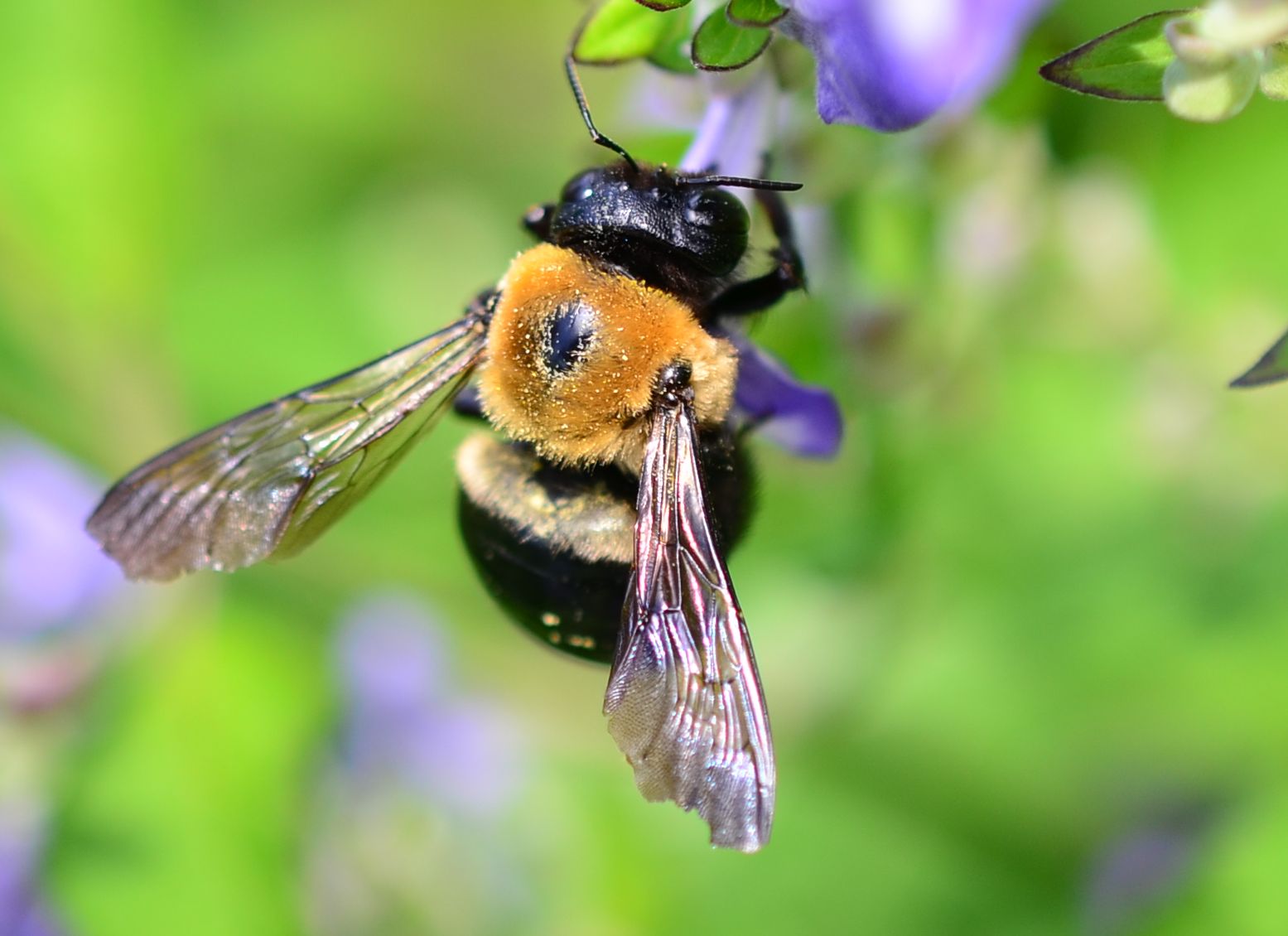
Pesticides Can Block Colony Formation In Bumblebees, Could Lead To Extinction: Study

(Natural Blaze By Jason Erickson) Regular readers of Natural Blaze are probably well aware of the threat that neonics present to the ecosystem. For this reason, it is essential that we continue to focus on each new study that reinforces what the alternative media seems willing to cover, but the mainstream not so much.

The plight of the pollinator continues to be documented by studies linking neonicotinoid pesticides to a range of negative effects upon bees and their colonies. Neonics have been implicated in tens of millions of bees instantly dropping dead at a single honey farm after nearby spraying of GMO crops. One type of neonic has even been shown to negatively affect social behavior within the hive itself, causing bees to abandon their responsibilities with protective care and foraging.

The issue is exacerbated by major producers of these pesticides who have been implicated in false advertisingself-funded studies, and covering up their own negative test results, thus making it difficult for the public at large to become fully informed about the severity of what is taking place.

Related: The Difference Between Heirlooms, Hybrids, and GMOs

While an increasing number of countries, particularly in Europe, have become properly aware and have taken action against neonicotinoids, the U.S. stubbornly clings to their widespread use. This is happening even as the bumblebee has been put on the endangered species list in the U.S. for the first time.

A new study adds to a developing concern that aside from the aftereffects of neonics upon living bees, they are also fundamentally restricting breeding patterns and colony formation. Researchers are sounding the alarm that if protective measures are not taken, this logically could lead to a full extinction of the bumblebee.

Related: Understanding and Detoxifying Genetically Modified Foods

Many people remain unaware that neonicotinoids are a family of pesticides, each of which carries its own negative consequences. Thiamethoxam is one of them that is being scrutinized. Professor Nigel Raine from the University of Guelph has been instrumental in establishing that this particular neonic threatens breeding patterns. The first study, which we covered back in May, concluded that:

…neonicotinoid pesticides hinder wild queen bumblebee’s reproductive success.

Raine says if queens need to use energy to clear pesticides from their system instead of investing in eggs, there will be fewer fully developed eggs. “This will likely translate into slower egg-laying rates, which will then impede colony development and growth.”

In the newest study from Raine, et al., which appeared in Nature Ecology and Evolution, what was previously suspected is sadly being confirmed and fully quantified, with a minimum of 25% reduction of colony formation.

Bumblebees are less able to start colonies when exposed to a common neonicotinoid pesticide, according to a new University of Guelph study.

Prof. Nigel Raine has discovered that exposure to thiamethoxam reduces the chances of a bumblebee queen starting a new colony by more than a quarter.

“Bumblebee queens that were exposed to the neonicotinoid were 26 per cent less likely to lay eggs to start a colony,” said Raine, holder of the Rebanks Family Chair in Pollinator Conservation. “A reduction this big in the ability of queens to start new colonies significantly increases the chances that wild populations could go extinct.”

Source

Related: Permaculture Agriculture – The Transition to a Sustainable Future

One has to wonder how much more evidence needs to be acquired for regulatory agencies across the world to speed up efforts to eradicate these toxins from the ecosystem. We certainly look forward to the day when this becomes a topic that we no longer need to cover.

Jason Erickson writes for NaturalBlaze.com. This article (Pesticides Can Block Colony Formation in Bumblebees, Could Lead to Extinction: Study) may be republished in part or in full with author attribution and source link.

Damning Investigation Shows Big Pharma Bribed 68,000 Doctors To Push Deadly Opioids

(Natural Blaze by Claire Bernish) More than 68,000 doctors received payments in excess of $46 million — in the span of just 29 months — from Goliath pharmaceutical corporations pushing opioid painkillers, researchers in a groundbreaking investigation of Big Pharma’s and the epidemic of legal and illicit opiates plaguing the United States.

Money to push opioids found one doctor in 12, and the rampant destruction wrought upon countless American families forced to cope with loved ones dependent on prescription painkillers, or on heroin sought when those ran out, proves circumstantially the dollars did their job.

“The next step is to understand these links between payments, prescribing practices, and overdose deaths,” Scott Hadland, a pediatrician and author of the study, published in the American Journal of Public Healthtold the Washington Post.

Averaged out, more than 1,000 people suffered fatal drug overdoses per week in 2015, the Centers for Disease Control and Prevention reported, and steep spike occurred during the first six months of the following year — which the National Centers for Health Statistics attributes largely to a sharp rise opioid deaths — in particular, heroin and the potent synthetic painkiller, fentanyl.

Despite heroin driving that abrupt increase, Hadland points out that, for many,

It’s very common that the first opioid they’re ever exposed to is from a prescription.

Indisputably, the opioid crisis presents a quagmire of issues, each seeming to perpetuate others; and while its complexities seem monumental, the twin agitators of pharmaceutical money to physicians to push dangerous painkillers and the multifarious war on drugs — especially federal prohibition of cannabis, which helps alleviate dependency — present the simplest avenues to explore solutions.

To wit, Boston Medical Center researchers found the largest sums were given to doctors to push fentanyl — a painkiller anywhere from 50 to 100 times stronger than morphine, used for the extreme pain of cancer, end of life, and more. Illicit fentanyl manufactured overseas is cut into heroin — when can overwhelm the user’s system with a lethal cocktail of opioids and synthetics.

Drug developers engineered tamper-proof fentanyl pills in response to the epidemic, but the study found pharmaceutical companies, on the whole, were not aggressively marketing those safer versions to doctors.

According to the investigation, the top 1 percent of physicians, around 700, received 82.5 percent of total sum of payments for opioids. Speaking fees constituted approximately two-thirds of the total dollars Big Pharma bestowed to physicians, but pharmaceutical reps wined and dined doctors more than any other courting activity, constituting just under 94 percent of total payouts.

Incidentally, the analysis of public data from Centers for Medicare and Medicaid Services revealed, Big Pharma opioid money inundated every corner of the U.S.; but, Indiana, Ohio, and New Jersey — the three states bearing the harrowing brunt of the nationwide opioid scourge — recorded the largest number of payments to doctors.

That this study is believed the first of its kind — coupled with its focus on pharmaceutical opioid cash — speaks to the influence those millions upon millions each year tragically outscream the mourning throngs of families whose loved ones originally sought only to alleviate untenable pain.

Corporate media and pharmaceutical marketers have muddied potential solutions in proposals to solve the nation’s pill problem with yet more pills — or their equivalent — legalization of cannabis, found to treat opiate addiction, would do more to extricate opioid addicts from their potentially fatal substance dependency than nearly any other option.

Study authors conclude, “These findings should prompt an examination of industry influences on opioid prescribing” — a study the mounting scores of dead attest should have been undertaken years ago.

Claire Bernish began writing as an independent, investigative journalist in 2015, with works published and republished around the world. Not one to hold back, Claire’s particular areas of interest include U.S. foreign policy, analysis of international affairs, and everything pertaining to transparency and thwarting censorship. To keep up with the latest uncensored news, follow her on Facebook or Twitter: @Subversive_Pen. This article first appeared at The Free Thought Project.

Recommended Reading:

Canadians Are Unknowingly Eating GM Salmon

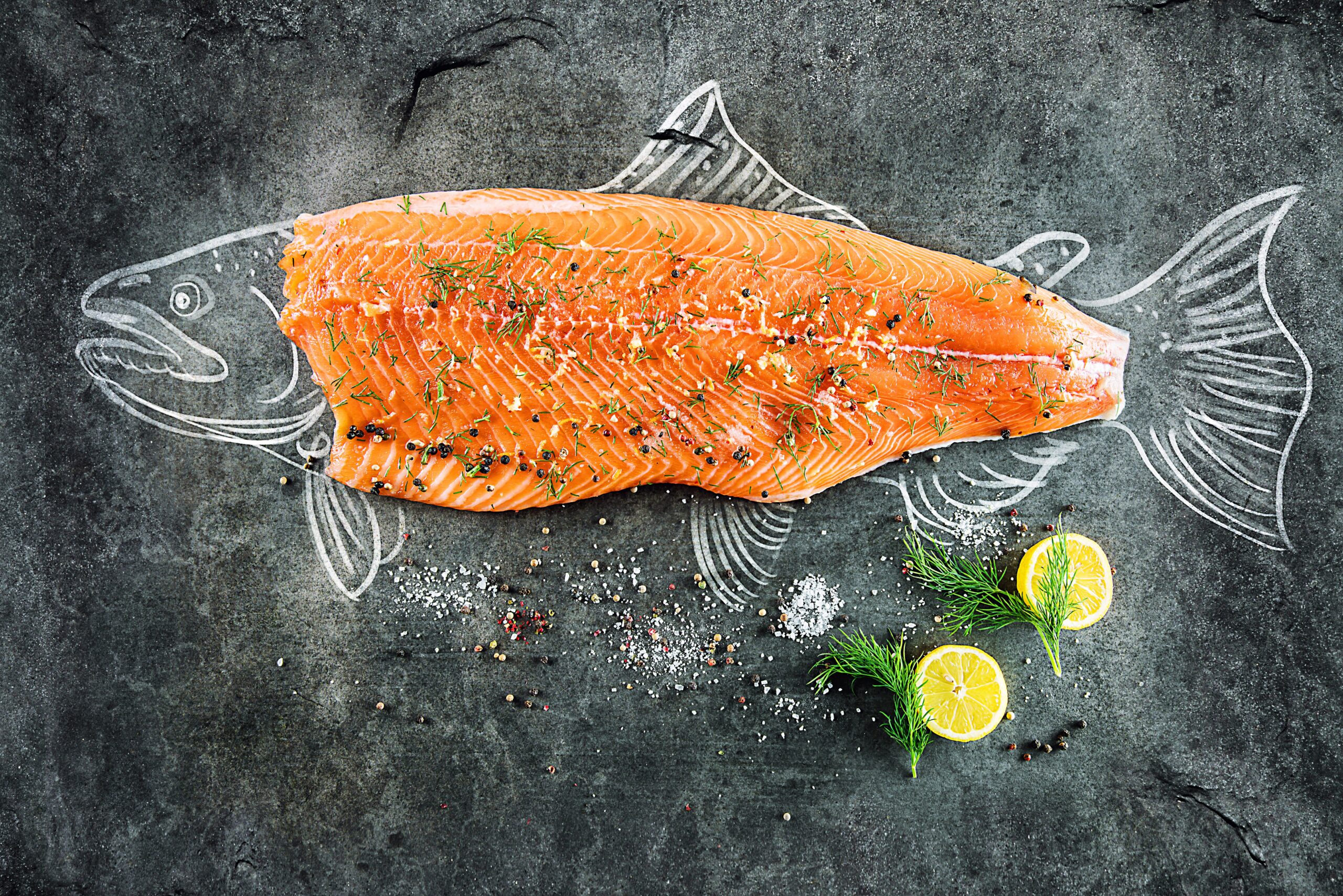
(Natural Blaze) Ottawa – August 7, 2017 – AquaBounty revealed on August 4, in its quarterly financial results, that it has sold approximately five tonnes of genetically modified (GM or genetically engineered) Atlantic salmon fillets in Canada. (1) This is the world’s first sale of GM fish for human consumption and has occurred without GM product labeling for Canadian consumers.

Related: Genetically Modified Salmon Is On Its Way To Your Store

“No one except AquaBounty knows where the GM salmon are,” said Lucy Sharratt of the Canadian Biotechnology Action Network (CBAN). “The company did not disclose where the GM salmon fillets were sold or for what purpose, and we’re shocked to discover that they’ve entered the market at this time.”

Without mandatory labeling in Canada, CBAN works to track GM foods to keep Canadians informed.

“The immediate remedy is for grocery stores to commit to keeping GM salmon out,” said Sharratt. So far, two grocery companies in Canada have published statements online responding to consumer concerns over GM salmon: IGA Quebec states that it only orders non-GM salmon, and Costco’s website states that it does not intend to sell it.(2)

“We clearly need mandatory labeling of all GM foods,” said Thibault Rehn of the Quebec network Vigilance OGM, a member group of CBAN.

Related: What Do Natural, Organic, and Non-GMO Actually Mean?

There is no federal government tracking of GM products in the market and Members of Parliament voted down a Private Members Bill for mandatory GM food labeling in May. GM salmon is approved for human consumption in the US and Canada, but there is an import ban in the US until labeling guidelines are published.

“When it comes to GM foods, Canadian consumers are shopping blind,” said Sharratt.

NOTES:
(1) AquaBounty Technologies, Inc. Quarterly Filing, 10-Q, 08/04/17  http://phx.corporate-ir.net/phoenix.zhtml?c=197553&p=irol-sec#15145522

(2) IGA Quebec: “Non-GMO salmon: At IGA, we order only non-GMO salmon from our suppliers, even though genetically modified salmon is legal and approved by the Canadian Food Inspection Agency (CFIA).” https://www.iga.net/en/in_the_community/buying/sustainable_fishing
Costco: “Costco does not intend to sell genetically modified salmon.” https://www.costco.com/sustainability-fisheries.html

Ben & Jerry’s Ice Cream Found With Active Ingredient From Roundup Weedkiller

(Natural Blaze) Not even Ben & Jerry’s ice cream is safe from Monsanto’s herbicide Roundup. Glyphosate, the main ingredient in Roundup, has been discovered in small amounts to be tainting Ben & Jerry’s ice cream.

The Organic Consumers Association announced Tuesday that it had found traces of glyphosate in 10 of 11 samples of Ben & Jerry’s ice cream, despite the company’s previous pledge in 2014 to not use GMO products for its ice cream.

The results originated from independent lab testing by Health Research Institute Laboratories of these flavors — Peanut Butter Cup, Peanut Butter Cookie, Vanilla (2 samples), Cherry Garcia, Phish Food, The Tonight Dough, Half Baked, Chocolate Fudge Brownie, Americone Dream and Chocolate Chip Cookie Dough. Cherry Garcia was the only flavor that tested negative for glyphosate out of the 11 samples.

The group also calls on natural and organic food stores to drop the Ben & Jerry’s brand unless the company commits to transitioning to organic.

OCA International Director Ronnie Cummins said:

Ben & Jerry’s falsely advertises its products as ‘natural’ and its brand as ‘sustainable’ and ‘socially responsible.’ Nothing could be further from the truth.

Ben & Jerry’s profits are built on the back of an industrial dairy system that poisons the environment and produces pesticide-contaminated food products. Ben & Jerry’s sales, driven in large part by its deceitful claims, damage the organic industry by cutting into the sales of authentic natural, grass-fed and organic producers.

Ben and Jerry’s global director of social mission responded Rob Michalak stating they were working to transition away from GMOs,” The New York Times reported.

“We’re working to transition away from G.M.O., as far away as we can get,” Rob Michalak, said. “But then these tests come along, and we need to better understand where the glyphosate they’re finding is coming from. Maybe it’s from something that’s not even in our supply chain, and so we’re missing it.”

In March of 2015 the International Agency for Research on Cancer, which is apart of the World Health Organization, classified glyphosate as a ‘Group 2A’ carcinogen stating it’s “probably carcinogenic to humans.” On July 7 of this year California’s Office of Environmental Health Hazard Assessment (OEHHA) added glyphosate to its Prop 65 list of chemicals known to cause cancer.

Related: Cure Cancer Naturally

Another organization, PAN, the Pesticide Action Network International, issued a 96-page report stating that glyphosate contaminates the Global Ecosystem. That same year the FDA suspended testing for glyphosate residues in food. Those foods, according to a subsequent report by Food Democracy Now! and the Detox Project, included many of America’s most popular foods including — cookies, crackers, popular cold cereals, and chips. The chemical was also found in several wines including organic wines, baby food and formulabreast milk and even tampons.

Related: Understanding and Detoxifying Genetically Modified Foods

In research published earlier this year in Scientific Reports, a journal from the publishers of Nature, scientist found that rats that consumed very low doses of glyphosate each day showed early signs of fatty liver disease within three months. This corroborates a previous study of rats fed glyphosate done in France in 2012 that was later retracted then republished.

The French scientists found that the rats fed on a diet containing the herbicide-tolerant GM maize, or given water containing a “safe level” of Roundup in drinking water and GM crops in the U.S., died sooner than rats fed just a standard diet.

In 2015, a French court found Monsanto responsible for poisoning a French farmer Paul François. Earlier this year, France completely banned the public use of pesticides.

It seems like Monsanto is finally being held responsible for its dangerous poison.

Read more from Aaron

This article (Ben & Jerry’s Ice Cream Found With Active Ingredient from Roundup Weedkiller) appeared first on Natural Blaze and can be shared with this message, bio and links intact. Image source

Aaron Kesel writes for Natural Blaze and Activist Post. He is an independent journalist and researcher you can also check out more of his work on Steemit.

5 Reasons You Should Never Eat Tilapia Again

Fish Feeding at the temple Thailand

(Natural Blaze) Eating tilapia can be toxic to your health and can cause all sorts of health problems.

Here are at least 5 reasons why you should probably avoid consuming the 4th most consumed fish in America according to the National Institute of Fisheries.

1.) Eating tilapia is worse than eating bacon (HIGH INFLAMMATORY LEVELS) according to nutritionists
You may be surprised, but some nutritionists believe that an average serving of tilapia has more fatty acid than bacon

The quantity of omega-6s in tilapia is higher than in a hamburger or bacon.

In 2008, researchers at the Wake Forest University School of Medicine released a study comparing fatty acid levels among popular farm fish. The researchers found that tilapia contained far less omega-3 fatty acid than other fish, such as salmon and mackerel.

The report stated that the “inflammatory potential of hamburger (80 percent lean) and pork bacon is lower than the average serving of farmed tilapia (100 g).” In theory, scientists believe this may contribute to heart disease, cancer, and other chronic health problems.

Related: What Causes Chronic Inflammation, and How To Stop It For Good

2.) Tilapia are fed a diet of feces

A 2009 study conducted by the Economic Research Service of the U.S. Department of Agriculture stated Chinese farm-raised fish are fed poultry and livestock feces.

“It is common practice to let livestock and poultry roam freely in fields and to spread livestock and poultry waste on fields or use it as fish feed,” the report said.

Researchers noted that “many of China’s farms and food processors are situated in heavily industrialized regions where water, air, and soil are contaminated by industrial effluents and vehicle exhaust.”

So how much tilapia in the U.S. actually comes from China?

You would be shocked to know the answer. According to Monterey Bay Aquarium Seafood Watch, over 95 percent of tilapia consumed in the U.S. came from overseas with a whopping 70% from China.

3) Tilapia Could Cause Alzheimer’s and Cancer

Tilapia can carry up to 10 times the amount of carcinogens as other farm raised fish. This is because of the “food” the farmers typically feed the fish is — feces, pesticides, and industrial-grade chemicals.

Additionally, the fish may contain high levels of arachidonic acid, which, in excess, has been linked to conditions like Alzheimer’s.

Related: How to Improve Brain Health and Reduce the Risk of Alzheimer’s

4) Antibiotics are used to modify the fish to grow faster

Tilapia are fed antibiotics, malachite green and methyl testosterone hormones to keep the population safe and to grow them faster. The chemical dye malachite green is banned for food use since 1983 because it is a suspected carcinogen.

In 2007, the FDA halted imports of farmed fish from China after finding antimicrobials — nitrofuran, malachite green, gentian violet, and fluoroquinolone.

Nitrofuran, malachite green and gentian violet are chemicals that are known to treat fungal infection and have been shown to be carcinogenic with long-term exposure, while fluoroquinolones are used to increase antibiotic resistance.

Related: How to Detoxify From Antibiotics and Other Chemical Antimicrobials

5) Tilapia contains the harmful chemical dioxin

Researchers have found that dioxin, which is linked to the development and progression of cancer is found within Tilapia due to the food farmers feed it. However, that doesn’t mean that Tilapia as a whole all contains contaminants it all depends on where it was raised and harvested over all.

So what are your alternatives to tilapia?

It is always best to eat wild-caught fish. If you choose to buy farmed fish, then you should look for fish that are free of hormones, antibiotics, pesticides, and are certified by the Marine Stewardship Council.

Even so, the best solution is to avoid tilapia altogether. I wouldn’t want to eat feces or antibiotics, would you?