Soy Protein Found to Deplete Testosterone in Men

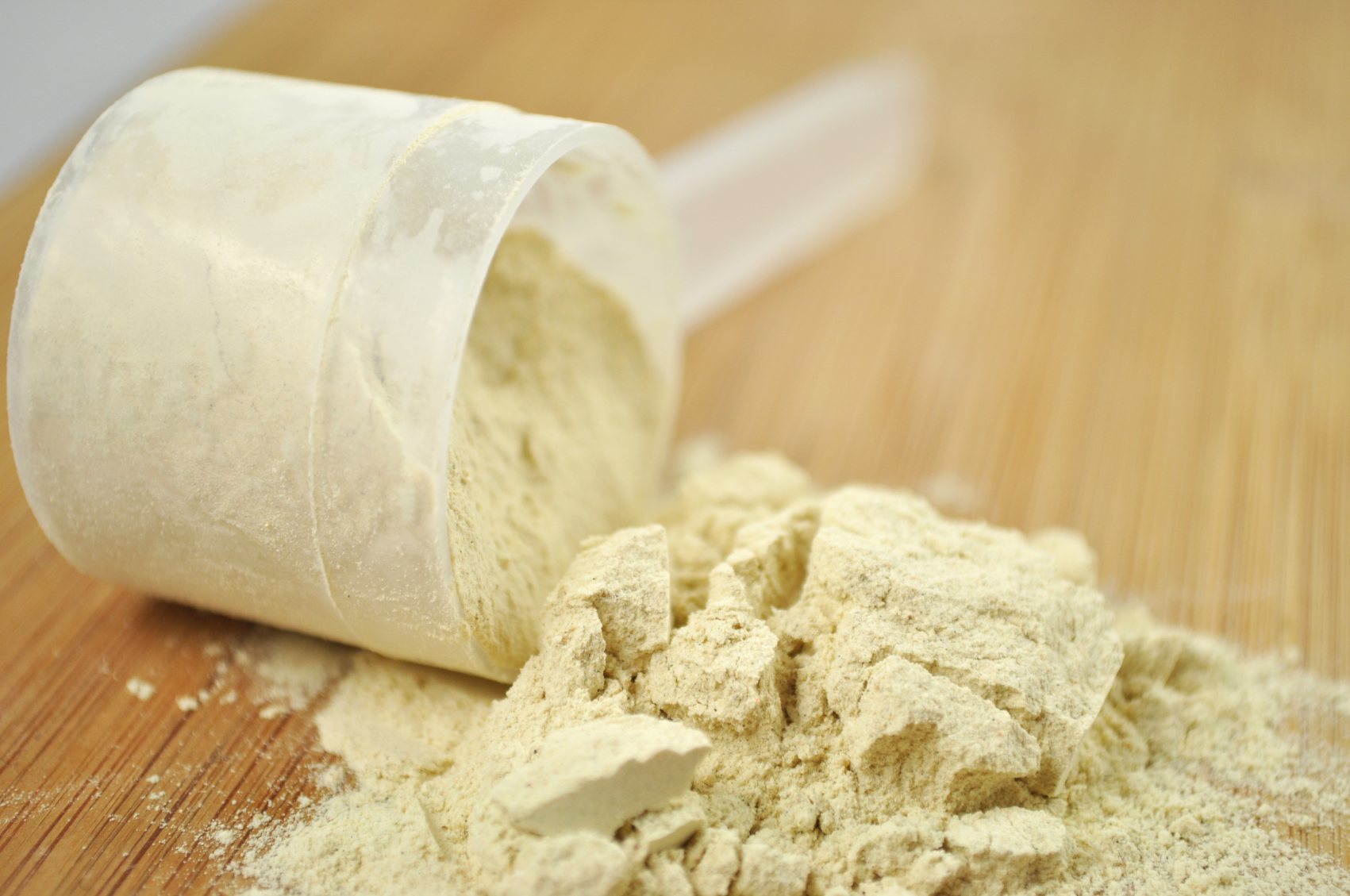
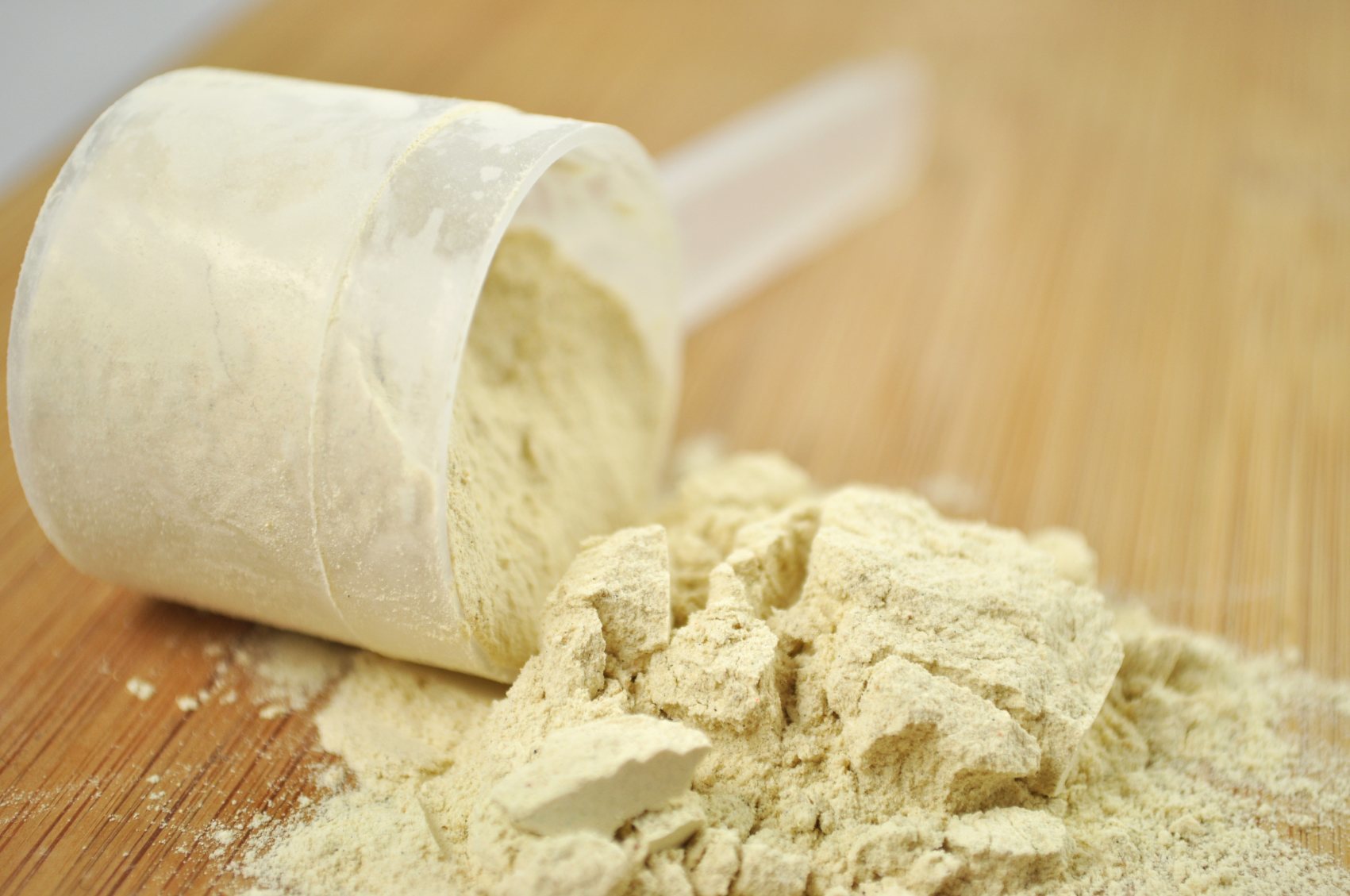
(NaturalNews – Ethan A. Huff) The health detriments of soy consumption are reiterated in a new study out of the University of Connecticut that highlights the importance of avoiding soy at all costs. Researchers from the school found that men who consume soy protein rather than whey protein for muscle recovery and growth experience considerable reductions in their testosterone levels, as well as marked increases in levels of the stress hormone cortisol.

Published in the Journal of the American College of Nutrition (JACN), the randomized, placebo-controlled crossover study looked at how soy supplementation affects testosterone, cortisol and sex hormone-binding globulin (SHBG) levels in men who engage in resistance exercises and training. They compared these effects to those brought about in men who supplement with whey.

For the research, 10 resistance-trained men in their early 20s had their hormones evaluated in conjunction with an assigned supplemental diet. The men were divided into three groups: one receiving whey protein isolate, one receiving soy protein isolate and the last receiving a maltodextrin-based placebo control. The men were not allowed to take any other supplements, and vegetarians, vegans and individuals who were consuming high-protein diets were excluded.

For two weeks, the men were told to ingest 20 grams of their assigned supplement every morning at the same time. The participants were then instructed to perform six sets of heavy resistance squats at 10 reps each, exerting 80 percent of their maximum lifting weight. At the end of the 14-day period, the researchers collected hormone profiles from each of the men and made comparisons.

They found that, compared to the men who supplemented with whey, those taking soy did not necessarily produce more estrogen. They did, however, experience decreased testosterone levels and elevated cortisol levels, a deadly combination that can leave men at risk of disease and weight gain.

Lowered testosterone levels and elevated cortisol levels are also generally attributed to the feminization phenomenon occurring in men that sometimes leads to disorders like nipple discharge, breast enlargement and hot flashes. It can also lead to inhibited thyroid function, bone loss, sleeping disorders, decreased sex function and reproductive problems.

“Our main findings demonstrate that 14 days of supplementation with soy protein does appear to partially blunt serum testosterone,” wrote the authors. “In addition, whey influences the response of cortisol following an acute bout of resistance exercise by blunting its increase during recovery.”

Men: skip the soy and stick with grass-fed whey for optimal muscle growth and hormone maintenance

In other words, soy protein is not what men who work out and train their bodies want to supplement with for muscle recovery and growth. Besides the fact that it lacks the right type of amino acid profile for muscle building, soy protein clearly exerts a demasculinization effect in multiple ways, robbing men of their manly essence and characteristics, including their strength and drive for life.

“[O]ver the past few decades, many researchers have found that phytoestrogens have adverse effects on both the production and utilization of hormones in males,” wrote Tim Boyd for The Weston A. Price Foundation, citing multiple studies looking specifically at soy protein, soy flour and other soy derivatives commonly found in the food supply.

“Testosterone might appear to be just a macho thing, but it’s a vital hormone for growth, repair, red blood cell formation, healthy sleep cycles and immune function, in addition to sex function,” he added, noting that “low levels of testosterone have also been linked to low thyroid function, another unwanted and common side effect of soy consumption. Low thyroid function leads to loss of libido in both men and women.”

Sources for this article include:
http://www.westonaprice.org
http://www.sciencedaily.com
http://www.t-nation.com
http://www.alphagalileo.org


Eating Healthy Meals as a Family Found to Reduce High-risk Behaviors in Children

(NaturalNews – Raw Michelle) Studies have shown that when children eat meals with other family members, especially healthy meals, they’re less likely to become involved in disordered eating, drug abuse or practice unsafe sex. (1)

Considering that up to 15 percent of youth in the United States suffer from depression and approximately 80 percent of 10-year-old girls have been on a diet, the findings offer hope for the future of children. (1,2)

One study from the University of Illinois found that, when a child ate meals with their family, they were 24 percent more likely to eat healthier foods and 35 percent less likely to engage in disordered eating. (1)

According to the National Eating Disorders Association (NEDA), about 10 million men and 20 million women in the United States have a clinically significant eating disorder. (2) Many of them range from bulimia and anorexia to ones not yet clinically classified, but which still involve extremely unhealthy behaviors.

Food quality just as important for children as eating together as a family

Experts suggest that, when eating together, where the focus is not on watching television or eating mindlessly alone, children are more apt to engage in conversation that reduces states of depression that are often linked to drug use and other unhealthy actions.

They also note that quality of food in addition to quality of conversation is important. Providing children with healthy foods is essential.

Dr. Felice Jacka of Deaken University led one of the studies that showed a link between higher-quality food and mental health improvements. She said, “In the U.S., as in the rest of the world, diet quality appears to be on the decline largely due to the availability of highly processed, high-fat, refined sugar foods.” (1)

Consumption of high-fat, sugary foods can, among other things, lead to obesity, which has been associated with premature puberty in girls who may reach that state as young as 10.5 years of age. (3) Girls who reach puberty so young are more likely to develop uterine and breast cancer later in life as well as face unwanted sexual advances, since they are often mistaken as older. (3)

Healthy food tips

Eating healthy foods, ideally with family members, can therefore help keep the childhood obesity epidemic at bay and, in turn, pave the way for the youth of America to live long, healthy lives.

Healthy foods include fresh, whole and organic nuts, seeds, vegetables and fruits.

When making recipes for children, it’s also helpful to be creative, trying meals that involve healthy food substitutes, such as swapping out traditional items when making a muffin and using zucchini as a main ingredient. Experts at the family-oriented publication Parents suggest this idea, as well as incorporating plenty of healthy frozen treats, fruits and vegetables like sweet potato “chips” in a child’s diet. (4)

Sources for this article include:
(1) http://news.therawfoodworld.com
(2) http://s.naturalnews.com
(3) http://s.naturalnews.com
(4) http://www.parents.com
http://science.naturalnews.com

Top 10 Deceptive Food Marketing Ploys That Make You Sick

(NaturalNews – S. D. Wells) Oh, the tricky world of food. Millions of people spin in circles like chickens with their heads cut off, blindly shopping for things to put in their mouths and on their skin, like nothing matters. Then you have the other millions of people who think that they know what they’re doing, because they saw commercials on TV or read articles in fad magazines, but they are getting fooled across the board too.

Once upon a time, about 80 years ago, German and U.S. scientists together began developing pharmaceuticals and food agents, the ultimate toxic “candle” that burns a wick at both ends. The end result would be millions of Americans needing doctors to heal their food-borne ills. Little did those folks know (nor do they now) that the food they eat and the water they drink will keep adding to the chaos of their FAILING HEALTH, all while doctors (MDs mainly) prescribe pharmaceuticals to kill the pain and reduce the swelling, and surgeons cut out infected body parts and organs that you don’t necessarily HAVE to have to survive. Then, as health deteriorates more and more, these same folks are prescribed useless antibiotics, extra vaccines (mercury and aluminum injections), chemotherapy (pesticide) and radiation (cancer fuel) and scheduled for regular treatments (more lies) until they leave this world. (http://www.naturalnews.com)

It doesn’t have to be that way. Get smart. Learn the top 10 deceptive food marketing scams and hoaxes, myths and busted legends, and you can free yourself and avoid all of the BIG health traps of “Big Food” and “Big Medicine” that lay before you:

#1. All fats are bad for you!

Wait, they got you, didn’t they? Did they tell you about the fat from an avocado? Oh, they forgot? What about if you eat coconuts and use coconut oil instead of hydrogenated GMO vegetable oils? Is there good cholesterol? Why, of course there is, but how long was America in the dark, and how many people are still “in the dark” because their allopathic doctors prescribe drugs and do NOT educate them about good cholesterol and the foods that fuel it? Doctor Oz has something to say about the benefits of coconut oil: (http://www.doctoroz.com).

#2. Your cholesterol is high and you need medication!

Do you have high cholesterol? Should you be on medicine while you keep eating what is giving you high (bad) cholesterol? How hard is your heart working right now, to rid the body of waste, of gluten and pesticide, of refined sugar and insecticide?

#3. Science has not proven that artificial sweeteners are bad for you

Have you heard of the film Sweet Misery? Did you know that 75% of all complaints to the FDA regard health detriment from aspartame? Do you know what aspartame is and what it does to the central nervous system? Research is in!

Also, check out Sweet Misery: A Poisoned World (https://www.youtube.com).

#4. Most diseases like cancer, diabetes, Alzheimer’s and heart disease are hereditary (actually, 85 – 95% come from food/water/bad medicine)

These PREVENTABLE diseases didn’t exist in America 100 years ago. The Native Americans lived off organic food from organic soil that wasn’t polluted by chemical fertilizers, pesticides, insecticides, herbicides, fungicides, algaecides, toxic fluoride imported from China (tap water), seeds that contain DNA from insects, genetically modified alfalfa, corn, soy, cotton and sugarbeets and the like. Back then, American Indians didn’t die from overdoses from prescription pharmaceuticals and painkillers. They didn’t take rat poison for blood thinner. They didn’t need blood thinner. They didn’t have erectile dysfunction from chemical foods, and the tobacco didn’t contain 7,000 chemicals.

#5. Sugar is sugar – doesn’t matter if it’s white, brown, molasses, agave, local honey or organic maple syrup

Refined sugar is the leading cause of diabetes, including high-fructose corn syrup. HFCS is like concentrated sugar, and Americans drink it in every soda and just about every conventional fruit juice on the shelves of grocery stores, Kmarts and Walmart superstores. Every restaurant serves up the same soda and bread loaded with HFCS, which is genetically modified and contains pesticide, the number one killer of good bacteria humans need for immunity to disease. The body is a machine and tries to expel poisons, but processed and refined GMO sugars and artificial sweeteners are massively different than local honey or organic maple syrup. Check into this thoroughly.

#6. Salt is salt – doesn’t matter if it’s refined and processed or from the Dead Sea

It does matter! Get sea salt and check out Dead Sea salt and how many natural minerals it carries that your body craves and needs!

#7. There’s not that much difference between conventional and organic food

There is a world of difference! In fact, there is not much gray area anymore between organic and food that contains pesticide and herbicide. Research this.

#8. Animals can suffer if it’s in the name of feeding mankind, then it’s okay

Wrong. We are all one. This planet is an organ (of the sun) and we need to treat it holistically, just as we treat ourselves and every living thing.

#9. Water is water – it doesn’t matter if it’s from the tap, bottled, filtered, distilled or from the springs in the mountains

There are three types of water: fluoridated and chlorinated tap water that is toxic to humans, distilled water that is neutral and then spring water with minerals that humans need to survive and thrive.

#10. If you eat less red meat, then you will be healthier

Wrong. All meat is hard on the digestive system, and meat is just a middle man to get to amino acids. Try green vegetables, raw nuts and seeds! Compare spinach to steak, if you don’t think this is true. Protein-packed plants include asparagus, cauliflower, spinach and quinoa – they are all nutrient-dense and are complete proteins! If you’re eating a good mix of fruits, veggies and legumes, then the body collects what it needs from the “amino soup” that your digestive system absorbs.

Sources for this article include:
http://www.joybauer.com
http://www.eatdrinkpolitics.com
http://www.naturalnews.com
http://www.doctoroz.com
http://www.naturalnews.com
http://science.naturalnews.com

Drinking Processed Cow’s Milk Causes Early Death

(NaturalNews – Julie Wilson) The idea that consuming calcium-containing milk products is required to sustain healthy bones is quickly fading, as new research continues to unravel one of the food market’s biggest myths.

Extensive reporting by Natural News reveals that humans are the only mammals to continue drinking milk past infancy, and that there are actually other sources of nutrition more sufficient for building healthy bones.

A recent study published in The BMJ adds to that theory, suggesting that milk consumption doesn’t prevent fractures that are often linked to osteoporosis, a condition involving brittle bones that affects 40 million Americans.

More than 200 million people suffer worldwide from osteoporosis, with the majority of them being women over 60. The most concentrated cases exist in Europe, North America and Japan, all of which consume a significant amount of dairy.

Researchers from Sweden, one of the countries that consume the most dairy per capita, examined the lifestyles and diets of more than 100,000 Swedes dating back as far as 1987 and tracking them until their death, or until Dec. 31, 2010.

The results showed that drinking milk did not reduce bone fractures, and those who drank the most milk where likely to die younger than their counterparts

The data used to reach this conclusion were based on two previous studies, including diet surveys answered by more than 61,000 women between 1987 and 1990. Among them, less than 40,000 of them filled out a more detailed diet survey in 1997. Diet questionnaires completed by more than 45,000 Swedish men were also analyzed, confirms the LA Times.

Not only did the study’s results dispel the myth that drinking milk helps prevent bone fractures, but the more milk women drank, the more fractures they had.

More than 17,000 women suffered from some type of fracture, with more than 4,000 of them being hip fractures. The women who drank at least three glasses of milk per day were 16 percent more likely to break a bone, and 60 percent of the avid milk drinkers were more likely to have a hip fracture.

Regimented milk drinkers were 93 percent more likely to die during the study than their counterparts. Those who drank three or more glasses a day were 90 percent more likely to die of cardiovascular disease and 44 percent more likely to die of cancer, compared with women who drank just one glass of milk a day.

Men also experienced a higher risk of death and fractures in conjunction with higher milk consumption, but the distinction was less pronounced than in women.

“Our results may question the validity of recommendations to consume high amounts of milk to prevent fragility fractures,” said the study’s lead researcher, Professor Karl Michaelsson. While scientists say more studies are needed before making any definitive dietary recommendations, they agree that the role of milk in the U.S. needs to be reevaluated.

Sugar in milk causes aging mice

The risk of early death is likely linked to D-galactose, which is produced by the body as it breaks down the sugar found in milk. Previous studies show that chronic exposure to this nutrient induces “oxidative stress damage, chronic inflammation, neurodegeneration, decreased immune response, and gene transcriptional changes,” scientists say.

D-galactose is known to mimic the effects of aging.

Consuming fermented products like yogurt is associated with lower risk for death and fractures

Women with high intakes of fermented dairy products like yogurt, cheese, butter and sour cream experienced lower rates of fractures and premature death than women who consumed less of these products.

Continued research on this subject is expected to change the way our country perceives milk consumption. Some experts are adamant that milk consumption is directly correlated with osteoporosis. After all, Europe and North America both have high rates of milk consumption, directly correlated with high incidences of hip fractures and disease, says The BMJ.

Mexico doesn’t consume much milk and also has very low rates of osteoporosis.

Sources:
http://www.express.co.uk
http://www.latimes.com
http://www.greatvistachemicals.com
http://www.osteopenia3.com
http://www.niams.nih.gov
http://www.dairy.co.jp
http://www.naturalnews.com
http://science.naturalnews.com

Maca Root Can Increase Libido and Help Treat Sexual Dysfunction

(NaturalNews – Michael Ravensthorpe) Few foods can beat maca root when it comes to improving stamina and physical performance. In fact, this nutritious tuber, which is native to the Andes of South America, was the Incas’ primary source of energy, and it remains a popular natural alternative to anabolic steroids among many of today’s athletes. Studies have also shown that maca root can help rebalance hormones, decrease total cholesterol and treat constipation. It is even a rare example of a land-based vegetable that is rich in the essential, thyroid-regulating trace mineral, iodine.

However, maca contains another health benefit that is often overlooked by researchers: it is an excellent natural libido and sexual performance booster in both animals and humans, and numerous studies prove it.

Effects on libido and sexual performance

A May 2001 study published in the Journal of Ethnopharmacology found that maca root could significantly improve sexual performance and fertility in male rats. For the study, the researchers fed 60 sexually experienced male rats either a 15 milligram or 75 milligram extract of pulverized maca root, or a 0.5 milliliter saline sample (as the control), on a daily basis for a 15 days. During the first week of testing, the researchers noticed that the rats that were fed the maca root demonstrated significantly greater sexual activity than the control group, with the rats who were fed the 75 milligram dose exhibiting even more activity than those fed the 15 milligram dose. This increased activity remained constant during the second week, and was also coupled with increased locomotion. This result lead the researchers to conclude that “both acute and chronic maca oral administration significantly improve sexual performance parameters in male rats.”

Many researchers believe that these libido-boosting properties stem from maca’s concentrations of the aromatic compound, p-methoxybenzyl isothiocyanate, which is a potent aphrodisiac that appears to be exclusive to maca. Maca’s fertility-boosting properties, on the other hand, have been attributed to its glucosinolate levels, which are similar to those of horny goat weed, another plant known to aid sexual health.

Effects on treating sexual dysfunction

Two double-blind studies have confirmed that maca root can treat sexual dysfunction in humans. For the first study, which was published in the Andrologia journal in April 2009, the researchers fed 50 male patients who were suffering from mild erectile dysfunction with either a 2,400 milligram extract of maca root or a placebo. After 12 weeks of testing, both groups experienced an improvement in their International Index of Erectile Function (IIEF) scores. However, the researchers noted that “patients taking maca experienced a more significant increase than those taking placebo.” The maca group also exhibited greater “sexual well-being” than the control group.

The second study, which was published in the CHS Neuroscience & Therapeutics journal in 2008, sought to determine whether maca root could treat sexual dysfunction that was induced by selective serotonin reuptake inhibitors (SSRIs), i.e. antidepressants. Once again, the results were positive: of the 20 male and female tested, those that were fed high doses (3 grams) of maca per day exhibited a significant improvement in their Arizona Sexual Experience Scale (ASEX) scores, while those that were fed low doses (1.5 grams) exhibited a minor improvement. The researchers concluded that maca root could provide a dose-related alleviation of antidepressant-induced sexual dysfunction, and also noted that it “may also have a beneficial effect on libido.”

Sources for this article include:
http://www.ncbi.nlm.nih.gov/pubmed/11297856
http://www.kcweb.com/herb/hornygoatweed.htm
http://science.naturalnews.com
http://science.naturalnews.com/maca.html