Journal Admits Monsanto Role In Reviews Of Glyphosate Cancer Risks

(Natural Blaze) The scientific journal Critical Reviews in Toxicology has issued a rare “Expression of Concern” and requested corrections to articles it published that failed to fully disclose Monsanto’s role in reviews of glyphosate’s cancer risks.

The journal said all five articles it published in a 2016 supplemental issue titled “An Independent Review of the Carcinogenic Potential of Glyphosate” failed to include an accurate disclosure of the pesticide-maker’s involvement.

The five articles at issue were all highly critical of the 2015 finding by the World Health Organization’s International Agency for Research on Cancer that glyphosate, the main ingredient in Roundup, is a probable human carcinogen.

“It’s deplorable that Monsanto was the puppet master behind the supposedly ‘independent’ reviews of glyphosate’s safety,” said Nathan Donley, a senior scientist at the Center for Biological Diversity. “These papers were manufactured as a way to counteract the World Health Organization’s findings on glyphosate’s cancer risks. They could mislead the public in dangerous ways and should be completely retracted.”

Recommended: How to Avoid GMOs in 2018 – And Everything Else You Should Know About Genetic Engineering

The documents revealing Monsanto’s role in the reviews came to light during a trial that culminated last month when a jury found that exposure to glyphosate products was a “substantial” contributing factor to the terminal cancer of a California groundskeeper, who was subsequently awarded $289 million in damages.

Those documents exposed that Monsanto improperly edited the articles and directly paid some of the authors a consulting fee for their work.

In an October 2017 letter to the publisher, the Center for Biological Diversity and three other national environmental health groups demanded the articles be retracted.

Recommended: New Study Shows Glyphosate Does Cause Tumors and Birth Defects, and More

The Declaration of Interest statement that was originally published with the papers:

  • Failed to disclose that at least two panelists who authored the review worked as consultants for, and were directly paid by, Monsanto for their work on the paper;
  • Failed to disclose that at least one Monsanto employee extensively edited the manuscript and was adamant about retaining inflammatory language critical of the IARC assessment — against some of the authors’ wishes; the disclosure falsely stated that no Monsanto employee reviewed the manuscript.

Additionally, multiple internal emails from Monsanto indicated the pesticide maker’s willingness to ghostwrite or compile information for the authors of the reviews, dictate the scope of one of the reviews, and identify which scientists to engage or list as authors of the reviews.

In an email sent yesterday to the Center, a representative from the publisher of the articles, Taylor and Francis, wrote: “We note that, despite requests for full disclosure, the original Acknowledgements and Declaration of Interest statements provided to the journal did not fully represent the involvement of Monsanto or its employees or contractors in the authorship of the articles.”

Recommended: GMO Rice Approved While Other GMO Grasses Cannot Be Contained

Several of the authors issued apologies in the updated Declaration of Interest sections of three of the five review papers, including:

  • Keith R. Solomon (has worked as consultant for Monsanto)
  • David Brusick (has worked as consultant for Monsanto)
  • Marilyn Aardema
  • Larry Kier (has worked as consultant for Monsanto)
  • David Kirkland (has worked as consultant for Monsanto)
  • Gary Williams (has worked as consultant for Monsanto)
  • John Acquavella (former Monsanto employee, has worked as consultant for Monsanto)
  • David Garabrant
  • Gary Marsh
  • Tom Sorahan (former Monsanto employee, has worked as consultant for Monsanto)
  • Douglas L. Weed (has worked as consultant for Monsanto)

Some of the details of the corrections include:

  • Another correction states that Monsanto scientist William Heydens “pointed out some typographical errors.” Based on the documents we have, Heydens was far more involved in drafting, editing and organizing the reviews than the correction indicates. In an email correspondence with Dr. Ashley Roberts of Intertek, Heydens admits to writing “a draft introduction chapter” for the series of reviews, then asks Roberts “who should be the ultimate author” of the introduction chapter he ghostwrote. Dr. Heydens’ full involvement in these reviews remains uncorrected despite the fact that many of his edits and revisions can be found in the published final manuscript.
  • The reviews were conceived as part of a company plan to discredit IARC well before the agency came to its conclusion that glyphosate is a probable human carcinogen. One of the plan’s stated goals was to “orchestrate outcry with IARC decision, ”while another plan made clear that the company sought a “WHO Retraction” and made it a priority to “invalidate relevance of IARC.” A Monsanto “Post-IARC Meeting” details several scientists that Monsanto pegged as potential authors. The meeting presentation also asks the question, “How much writing can be done by Monsanto scientists to help keep costs down?” In an email under the subject “Post-IARC Activities to Support Glyphosate,” Monsanto executive Michael Koch wrote that the review on animal data cited by IARC should be “initiated by MON as ghost writers,” and “this would be more powerful if authored by non-Monsanto scientists (e.g., Kirkland, Kier, Williams, Greim and maybe Keith Solomon.)
  • The authors of these papers cited previous reviews that were ghostwritten by Monsanto. In an email discussing the plan for the review papers, Heydens wrote, “An option would be to add Greim and Kier or Kirkland to have their names on the publication, but we would be keeping the cost down by us doing the writing and they would just edit & sign their names so to speak. Recall that is how we handled Williams, Kroes & Munro, 2000.”

Despite the misconduct that Taylor and Francis acknowledged in the Expression of Concern, the publisher has refused to issue a retraction for the papers, in contradiction to its own Corrections Policy, and has allowed the title of the supplemental issue to retain the phrase “an independent review.”

“This peek behind the Monsanto curtain raises serious questions about the safety of glyphosate,” said Donley. “Monsanto’s unethical behavior and the publisher’s response undermine scientific integrity and ultimately public health.”

Evidence continues to mount about the toxicity of glyphosate, not only to humans, but to the broader environment. Glyphosate was recently found to make honeybees more susceptible to infection from pathogens, implicating it as a contributing factor in worldwide bee declines.

Glyphosate Box [No Naturalblaze affiliation]

Glyphosate Residue Free Certification for Food Brands – Click Here

Test Your Food and Water at Home for Glyphosate – Click Here

Test Your Hair for Glyphosate and other Pesticides – Click Here to Find Our Your Long-Term Exposure

Household Chemicals Causing Obesity

Bunt, Waschmittel, Flaschen, Waschmaschine, Plastik

(Dr. Mercola) Using satellite data, the Health Effects Institute found that 95 percent of the world is breathing polluted air.1 Their statistics are based on outdoor sources of pollution, including transportation vehicles, industrial activity and coal power plants. Although these numbers are considerable, they are likely conservative and do not account for small particulate pollution in your home.

Over the past 50 years the number of soaps and detergents have grown at an amazing rate as manufacturers work to meet the demands of consumers looking for quick, fragrant solutions to a dirty problem.2 However, using these chemical household cleaners as seldom as once a week come with significant health risks.

For example, one recent study published in the American Journal of Respiratory and Critical Care Medicine3 demonstrated weekly exposure to chemical cleaning solutions increases your risk of lung damage from fine particulate air pollution.

Recommended: How to Detox From Plastics and Other Endocrine Disruptors

Disinfectants and Detergents Increase Your Child’s Risk of Obesity

Another study4 has linked exposure to cleaning products in early childhood to an increased risk of obesity. According to research published in 2013,5 20 percent of American deaths are associated with obesity, and the younger you are, the greater the influence on your mortality. Since 1980, childhood obesity rates have tripled in the U.S. and the rate of obese teens has quadrupled.

In this study, the researchers evaluated the gut flora of more than 750 babies between the ages of 3 and 4 months who were part of the Canadian Health Infant Longitudinal Development (CHILD) cohort. Fecal samples were collected at the start and end of the study to evaluate the type and number of bacteria.

During the study, researchers asked parents how often cleaning products were used and confirmed these answers with a visit to the residence. Reassessment was done at age 1 and 3 years, including a measurement of the child’s weight.6 The data revealed a change in the child’s gut microbiota, which differed depending upon the cleaning products used in the home.

For instance, children exposed to disinfectants had higher levels of Lachnospiraceae bacteria while levels of Haemophilus dropped. Children who lived in homes where eco-friendly products were used had lower levels of Enterobacteriaceae.

When the child’s weight was measured at the end of the study, those in contact with disinfectants had higher BMI scores, whereas homes where eco-friendly products were used experienced an inverse trend. The researchers controlled for a wide range of other potential factors affecting changes in gut bacteria, such as vaginal or cesarean birth, breastfeeding and exposure to antibiotics.7

While there was no evidence that gut microbiome changes caused the reduction in obesity risk, the analysis showed exposure to detergents and disinfectants did increase the risk.8 Lead author and pediatric professor at the University of Alberta, Anita Kozyrskyj, commented on the results:9

“A possible explanation is that mothers who used eco-friendly products during pregnancy had more nutritious diets and a healthier pregnancy.

As a result, their healthy microbiome was passed on to their newborns, leading to both a lower chance of their infants having lower levels of Enterobacteriaceae three to four months later and becoming overweight. When infants are implicated, changing the composition of microbiota at a critical time of development may affect the immune system.”

Recommended: Detox Cheap and Easy Without Fasting – Recipes Included

The High Cost of Obesity

In December 2011, severe obesity was included as a qualifying disability under the Americans with Disabilities Act, raising the cost to society as a whole. Data collected from thousands of Canadians has also confirmed obesity surpasses smoking in terms of creating ill-health, and Dutch researchers have predicted obesity and inactivity will overtake smoking as a leading cause of cancer deaths.

One study10 reviewed data from more than 170 countries measuring health effects associated with body mass index (BMI) and found 12 percent of adults, globally, are obese. When those who are overweight but not obese are included, the global rate is nearly 30 percent. This echoes previous studies and suggests there are now more overweight people than there are underweight ones.11

Many who are obese develop Type 2 diabetes, a condition caused by insulin and leptin resistance. Those with Type 2 diabetes are at higher risk for cardiovascular disease, peripheral vascular disease, stroke, heart attack and negative health conditions associated with damage to microvasculature, including blindness and kidney disease.

Obesity also increases your risk of developing gallstones, crystal-like deposits created inside your gallbladder.12 The stones may be made from cholesterol in individuals who are obese, and the size can vary from a grain of sand to the size of a golf ball. While they don’t always cause symptoms, if they block the pancreatic duct you may experience noticeable pain lasting several hours.

A study published in the journal Neurobiology of Aging has also found structural changes in the brains of overweight individuals typically seen in far older people.13 The researchers discovered those who are overweight had accelerated loss of the brain’s white matter, and calculated the volume lost in an overweight 50-year-old was comparable to the same volume lost in a slim 60-year-old.

The loss may be related to an increased inflammatory response, but the exact reason remains undetermined. Higher amounts of body fat can contribute to various forms of cancer. While the connection isn’t clear, doctors believe low-level inflammation caused by obesity can gradually damage DNA over time, leading to cancer. The following types of cancer have been linked to obesity:

Endometrial cancer Esophageal adenocarcinoma
Breast cancer Gastric cardia cancer
Liver cancer Kidney cancer
Pancreatic cancer Colorectal cancer
Recommended: Best Supplements To Kill Candida and Everything Else You Ever Wanted To Know About Fungal Infections

Strong Link Between Gut Microbiome and Weight

The importance of the human gut microbiome to health is only beginning to be explored. Several studies have described the structure and capacity of the microbiome in a healthy state and a variety of disease states.14 Ongoing efforts to characterize the function and mechanism continue to provide a better understanding of the role gut microbiome plays in health and disease.

The gut microbiome changes quickly during the first year or two of life and is shaped by breast milk, the environment and other factors. However, the number and type of bacteria tends to stabilize by the time you are 3 years old.15 That said, exposure to antibiotics, cleaning supplies, stress, processed foods and medications can all impact the health of your gut microbiome.

The bacteria have been linked to how people respond to medications, and it’s been suggested it may be linked with how well you sleep. Weight management is another area of health affected by the type of bacteria living in your gut. Your gut microbes influence appetite, inflammation and efficiency of metabolizing, and have a significant impact on your immune system.

Data from a Danish study16 revealed your gut microbiome may be responsible for how much weight you can lose and under what circumstances. The study’s coauthor, Arne Astrup, Ph.D., explained:17

“Human intestinal bacteria have been linked to the increasing prevalence of overweight and obesity, and scientists have started to investigate whether the intestinal bacteria can play a role in the treatment of overweight.

But it is only now that we have a breakthrough demonstrating that certain bacterial species play a decisive role in weight regulation and weight loss.”

In studies comparing intestinal bacteria in obese and lean individuals, researchers found lean individuals had a rich community of microbes brimming with many species, but obese individuals had a less diverse group of microbiota.18

Although documenting the differences does not indicate discrepancies are responsible for obesity, further research in animal studies19 and the featured study indicate changes in gut microbiome may hold a significant clue to weight management.

For example, in one small study,20 calorie restriction and physical activity was found to impact the composition of the gut microbiome. The goal of the study was to determine the influence of a treatment program on the gut microbiome, finding those in the high weight loss group experienced a greater change in total bacterial growth and diversity than those in the low weight loss group.

Weekly Use of Chemical Cleaners Comparable to Pack-a-Day Smoking

As mentioned earlier, exposure to cleaning solutions as seldom as once a week may accelerate decline in lung function, as demonstrated by research from the University of Bergen in Norway.21 The researchers found once-weekly use of cleaning solutions for 20 years produced damage to lung tissue equivalent to smoking 20 cigarettes a day for 10 to 12 years.

The researchers used data from over 6,000 participants whose average age was 34 at the time of enrollment in the study. After 20 years of follow-up, women who used commercial cleaning solutions experienced reductions in lung function, measured by forced expiratory volume and forced vital capacity, at a much faster rate than those who used them less frequently or not at all.

Nontoxic Cleaners Safer for You and the Environment

The average American worker spends nearly one hour on housework daily.22 However, there’s a misconception that in order to get a truly clean home, you have to put on rubber gloves and spray harsh chemicals.

One of the primary reasons to regularly clean is to remove many of the toxic chemicals accumulating in house dust, including flame retardants and phthalates.23 However using commercial sprays, wipes and scrubs actually introduces more toxins into your environment.

If you’ve ever felt sick, dizzy or gotten a headache after cleaning your home with typical supplies, it’s likely because of volatile organic compounds (VOCs). Long-term use of these chemicals can damage your liver, kidneys, central nervous system and even cause cancer.24

After testing 25 household products, including air fresheners and all-purpose cleaners, researchers found the average product contains 17 VOCs.25 Products with fragrances are particularly problematic and studies reveal nearly 35 percent of Americans have had health problems when exposed to them.26

Meanwhile, a typical professional cleaning product will contain more than a 132 different chemicals, among them fragrances, surfactants, phosphates, detergents and more.

If you are ready to switch to nontoxic, efficient and effective cleaners, discover how you may create your own at home using most of what you already have in your cabinets in my previous article, “Keep a Clean House with Nontoxic Cleaners.”

The REAL Reason Bottled Water Has An Expiration Date

3D render illustration of the row of plastic bottles with clear purified drink carbonated water isolated on white background with selective focus effect

(Ready Nutrition by Sara Tipton) Bottled water is a popular item to store in case of an emergency, and for good reason. It is normally readily available and water should be able to be stored forever, right?  So then why is there an expiration date on bottled water?

Of course, water doesn’t expire, but you should still check the expiration date on the bottle before you drink it. According to Live Science, there a few different reasons why water bottles come with expiration dates, and the first one, you shouldn’t worry too much about, but the second one should make you think twice.

Since water is a consumable product, regulations and laws require bottles to be stamped with an expiration date even though water doesn’t ever “expire.” Rational people understand this, but the government feels the need to step in and protect us from ourselves anyway. The only reason they were put there in the first place was that a 1987 New Jersey state law required all food products to display an expiration date, including water, according to Mental Floss. Since it wasn’t very cost effective for companies to label and ship batches of expiration-dated water to one state alone, most bottled water producers simply started giving every bottle a two-year sell-by date—no matter where it was going. Because the law is rather arbitrary, don’t worry too much about drinking expired water just because a law demands a company stamp the bottle. However, the expiration date serves more of a warning about the bottle itself than the water contained inside.

Unlike the water itself, which has existed on Earth for 4.5 billion years, that manufactured plastic bottle only has so much time before it “goes bad.” The plastic bottles that water comes packaged in (usually polyethylene terephthalate (PET) for retail bottles and high-density polyethylene (HDPE) for water cooler jugs). The bottle will eventually fail (expire) and begin to leach plastic chemicals into the water with an effect on the overall taste. So if you happen to find a water bottle well past its printed expiration date in your home, it’s probably safe to drink, if you don’t mind the chemical bits of bottle which have broken down and are now swirling around in it, but you should also be aware of the fact that it might not be super fresh tasting anymore either.  But in a life and death situation, you could drink well-expired bottled water and probably be alright. But there are many options for storing water that could help you avoid drinking the plastic.

PLASTIC CONTAINERS

That said, storing water for a disaster or emergency should be done in only food grade containers. You can avoid plastics such as HDPE and PET to prevent the leaching of chemicals, but those are, technically “food grade” plastics (according to the FDA – so take that with a grain of salt) and you may not have a way around it. Also, choosing BPA-free containers will be safer as well. If water is not stored correctly, it can (and will) become toxic.  You can minimize the chances of plastic chemicals leaching into your water if you store it in a cool dry place.  Direct sunlight will break down the plastic more quickly. But if there is any doubt in your mind at all about the integrity of your container, trust your gut over the labels and do not store water in that container even if the FDA says its safe to do so.  There are plenty of other options.

5 Short Term Methods to Store Water

One water storage suggestion is a 55-Gallon Rainwater Collection System. Some are made from FDA approved polyethylene resin (and are also BPA free). This particular one has a  plastic barrel and the capacity to hold enough water to supply a family of 4 with over 13 days worth of water, or 2 people nearly a 30 day supply of water. The dark blue color of this 55-gallon barrel restricts light and helps control the growth of harmful algae and bacteria.

You can also use glass containers to store water.  There is no chance that the container will leach and if you’ve got some extra mason jars laying around after canning, it may be a good way to put those to some good use.  Of course, the major disadvantage of glass is that it’s not only heavy, it is pretty easy to break. However, steps can be taken to minimize the chances of the glass breaking, such as wrapping the glass containers with newspaper or cardboard. Check out these highly-rated 18 oz leak-proof glass bottles for your water storage needs if you decide glass is right for you.

The best way to ensure you have enough water on hand and a replenishable supply of the water is to get a mechanized well.  This is my family’s method of “storing” water. We don’t actually have to store any at all, though, and can focus on building our supply of ammunition and non-perishable foods because of it.  Of course, we have the well on a pump that works with electricity, however, we also have devised a way to retrieve water from the well in the event of a crisis or disaster in which we have no power. It is important to keep in mind that this is more of a water generation system than “storage” system, but its the most effective for long-term disasters and therefore worth mentioning. Since wells both store and produce water, if you can build one on your property, you should have a good source of drinking water during an emergency. As the website, Skilled Survival put it: this is highly dependent on how much of your well is mechanized. But the fact remains: someone with a working water well is going to survive a disaster far easier than the rest.

Study Shows BPA Substitutes May Cause Same Health Issues As The Original

(The Conversation) The credibility of scientific findings hinges on their reproducibility. As a scientist, it is therefore disastrous when you are unable to replicate your own findings. Our laboratory has found itself in just this situation several times; in each instance, unintended environmental exposure distorted our data. Our first accidental foray into toxicology 20 years ago convinced us of the need to understand the reproductive effects of environmental chemical contaminants. The latest twist in our journey down that road adds a new dimension to an old concern, BPA.

Bisphenol A, or BPA, is a man-made chemical that has become a household word. It is a plasticizer used in such a wide range of consumer products that daily exposure is inevitable. People absorb BPA through our skin – from receipts and contamination of personal care products and water. We ingest it via contamination from plastic food containers, and food and beverage liners. We even inhale it as a contaminant in dust. Studies of this chemical number in the thousandsbut whether BPA is hazardous to our health remains “controversial.” Here’s why: Although data from traditional toxicology testing provide little or no evidence of harm, independent investigators like us have reported effects induced by very low doses thought to be in the realm of human exposure.

Related: How to Detox From Plastics and Other Endocrine Disruptors

The implications of these low-dose effects for human health and reproduction captured media attention and increased consumer unease. In response, manufacturers introduced BPA replacements by producing structurally similar bisphenols. As a result, it no longer is simply BPA contaminating our environment but an ever-increasing array of bisphenols. Our recent studies of several replacements suggest effects on the production of eggs and sperm similar to those induced by BPA.

We stumbled into the BPA world 20 years ago when cages housing mice for our studies were damaged when inadvertently washed with a detergent intended for the floor. Unbeknownst to us the detergent caused BPA to leach out of the cages. We happened to be studying eggs from young females and saw an immediate increase in eggs with scrambled chromosomes that would give rise to chromosomally abnormal embryos. In the intervening 20 years, our studies and those of colleagues have described the effects of BPA exposure on the developing brain, heart, lung, prostate, mammary gland and other tissuesand our studies have described serious effects on the production of both eggs and sperm. Together these findings inflamed debate about the safety of BPA and resulted in the rapid appearance of “BPA free” products.

Remarkably, almost exactly 20 years after the BPA exposure of our mice, we recently found ourselves, once again, victim of an environmental contamination that halted our research. We were working to pinpoint the critical windows of BPA exposure when we noticed that something was interfering with our experiments. This time the effect was harder to run to ground: Again, it appeared to be due to cage damage, but the damage was milder, limited to a subset of cages, and the effect on our results was evident in some animals and not others.

Related: Microplastics in Sea Salt – A Growing Concern

The major culprit this time was not BPA but the replacement bisphenol, BPS, leaching from damaged polysulfone caging. Knowing what it was didn’t make eliminating it easy. We tried several less expensive methods to solve the problem, but ultimately had to replace all the cages and water bottles in the facility. When we could resume our studies, we experimentally tested four common replacement bisphenols and found effects on sperm and egg production in our mice analogous to those that result from BPA exposure.

The possibility that exposure effects may span generations has been a growing concern. Our recent experience with accidental exposure allowed us to ask if BPS exposure effects persisted across generations, and if so, for how long. Our data suggest persistence of effects for up to three generations, with full recovery evident in great-grandsons.

Widespread use of BPA-like chemicals

Do we simply have bad lab karma? No, we think we have supersensory powers. The process of making eggs and sperm is tightly controlled by complex hormone signals. This makes it vulnerable to endocrine-disrupting chemicals like bisphenols – chemicals that can interfere with our body’s hormones. Bisphenol contaminants cause a seismic shift in our data, but it’s not that the research of others isn’t also affected, but most remain blissfully ignorant.

Importantly, our laboratory knew what data from unexposed animals should look like. What if we hadn’t? We would have misinterpreted our results. If we had been asking if BPA had an effect, background bisphenol contamination would have diminished it, causing us to conclude that BPA had little or no effect.

This isn’t merely hypothetical. BPA use is so prevalent in consumer products and routine laboratory materials (like mouse caging materials or culture flasks) that low-level contamination of unexposed control groups is increasingly difficult to avert. Data and conclusions from CLARITY-BPA, a large, ambitious collaborative study conducted by three U.S. agencies, are coming out now. CLARITY was launched to understand why findings from traditional toxicology studies of BPA and those of independent investigators differ. Animal contamination was evident in a pilot study, but the source could not be determined, and the CLARITY initiative proceeded.

Related: Many Hand-me-down Plastic Toys Are Toxic for Kids

Given our experience, we have great concern about drawing any conclusions from CLARITY data because there is no way to determine the impact of low-level contamination.

The bisphenol story details the evolution of only one class of the endocrine-disrupting chemicals that are common contaminants in our lives. The ability of manufacturers to rapidly modify chemicals to produce structurally similar replacements undermines the ability of consumers to protect themselves from hazardous chemicals and federal efforts to regulate them.

As a canary whose research has been twice derailed by bisphenols, we feel the need to chirp loudly: These contaminants may not only affect our health, but also our ability to conduct meaningful studies of chemicals to determine if and how they impact on our health and the environment.The Conversation

Patricia Hunt, Professor of Molecular Biosciences, Washington State University and Tegan HoranWashington State University

Bob’s Red Mill Faces Class Action Lawsuit Over Glyphosate Weedkiller Contamination

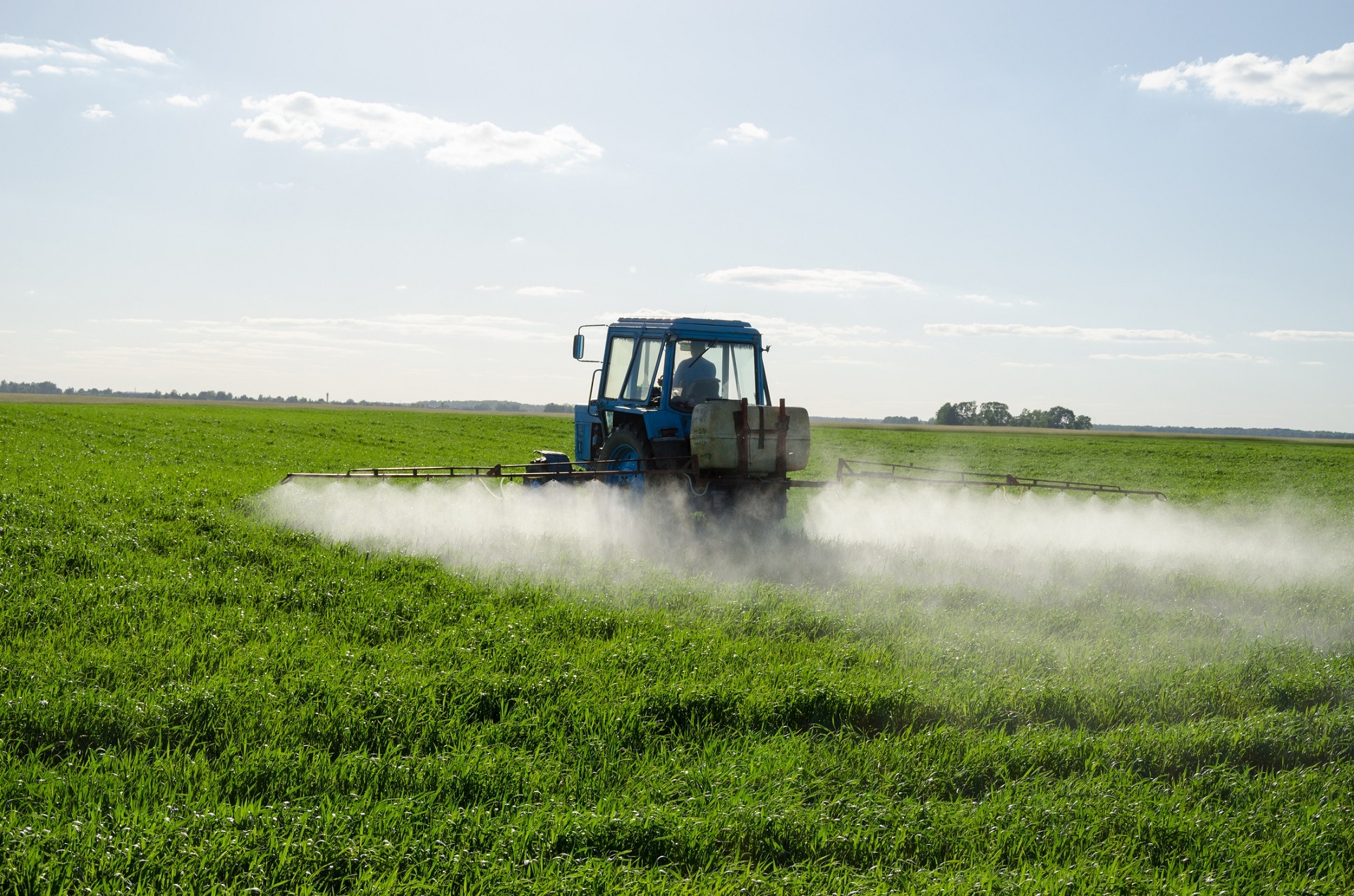
Tractor spray fertilize green field with pesticide insecticide herbicide chemicals in agriculture field in evening sunlight. Farmer care plants.

(NaturalBlaze) Citing a recent report by the Environmental Working Group finding traces of the ‘known carcinogen’ glyphosate in Cheerios, Quaker Oats and other oat-based breakfast foods, plaintiffs Tamara Frankel and Natasha Paracha said Friday that Bob’s Red Mill knew its oat products contain or likely contain the chemical, but didn’t disclose it on the label.

Instead, they say, the Oregon-based company labeled the products with phrases such as “gluten free,” “wheat free” and “purity tested,” leading consumers to believe them to be healthy.

“Consumers have a reasonable expectation that material product information, such as the presence of a probable carcinogen like glyphosate, will be provided by a product manufacturer, especially when the manufacturer affirmatively identifies the health-related attributes of its products such as “Gluten Free”, “Whole Grain”, and “Friend of the Heart,” the complaint states, adding that the labeling amounts to “misleading half-truths.”

Related: How to Avoid GMOs in 2018 – And Everything Else You Should Know About Genetic Engineering

Frankel and Paracha say Bob’s Red Mill had a duty to disclose the presence of glyphosate in its oats and that glyphosate is a probable human carcinogen, because consumers don’t have easy access to the information. They want a court order blocking the company from continuing to advertise the products as healthy.

They seek to certify classes of consumers in California, Florida, Illinois, Massachusetts, Michigan, Minnesota, Missouri, New Jersey, New York and Washington. In the alternative, they seek to certify a California-only class.

Patricia Syverson with Bonnett, Fairbourn, Friedman & Balint in San Diego represents Frankel and Paracha.

In late August, it was also announced that General Mills is facing a potentially damaging class action lawsuit after a Florida woman accused it of engaging in deceptive business practices, by not alerting the public that their Cheerios and Honey Nut Cheerios cereals contain glyphosate.

Related: Gluten Intolerance, Wheat Allergies, and Celiac Disease – It’s More Complicated Than You Think

A 2016 testing project on glyphosate residues in popular American foods by Sustainable Pulse’s partner The Detox Project and Food Democracy Now! is one of the main pieces of evidence being used in the case, according to the court documents, after it found levels of glyphosate in both Cheerios and Honey Nut Cheerios as well as many other products.

This wave of class actions against food companies has caused many food brands to start seeking The Detox Project’s Glyphosate Free certification, according to their Director, Henry Rowlands;  “The Detox Project has received a massive rise in enquiries from food brands regarding Glyphosate Residue Free certification, ranging from baby food to honey to supplement brands. So far we have 15 brands from around the world fully certified but over 50 brands have been in touch during the last week.”

The lawsuits against food brands also follow the landmark cancer trial verdict in San Francisco very closely, in which Monsanto was ordered by a jury to pay over USD $289 Million in total damages to the former school groundskeeper Dewayne Johnson, a California father who has non-Hodgkin’s lymphoma, which was caused by Monsanto’s glyphosate-based weedkiller Roundup.