What the world needs now to fight climate change: More swamps

(The Conversation) “Drain the swamp” has long meant getting rid of something distasteful. Actually, the world needs more swamps – and bogsfensmarshes and other types of wetlands.

These are some of the most diverse and productive ecosystems on Earth. They also are underrated but irreplaceable tools for slowing the pace of climate change and protecting our communities from storms and flooding.

Scientists widely recognize that wetlands are extremely efficient at pulling carbon dioxide out of the atmosphere and converting it into living plants and carbon-rich soil. As part of a transdisciplinary team of nine wetland and climate scientists, we published a paper earlier this year that documents the multiple climate benefits provided by all types of wetlands, and their need for protection.

Related: Air Pollution Causes People to Lose A Year of Education
Saltwater wetland, Waquoit Bay Estuarine Research Reserve, Mass. Ariana Sutton-Grier, CC BY-ND

A vanishing resource

For centuries human societies have viewed wetlands as wastelands to be “reclaimed” for higher uses. China began large-scale alteration of rivers and wetlands in 486 B.C. when it started constructing the Grand Canal, still the longest canal in the world. The Dutch drained wetlands on a large scale beginning about 1,000 years ago, but more recently have restored many of them. As a surveyor and land developer, George Washington led failed efforts to drain the Great Dismal Swamp on the border between Virginia and North Carolina.

Today many modern cities around the world are built on filled wetlands. Large-scale drainage continues, particularly in parts of Asia. Based on available data, total cumulative loss of natural wetlands is estimated to be 54 to 57 percent – an astounding transformation of our natural endowment.

Vast stores of carbon have accumulated in wetlands, in some cases over thousands of years. This has reduced atmospheric levels of carbon dioxide and methane – two key greenhouse gases that are changing Earth’s climate. If ecosystems, particularly forests and wetlands, did not remove atmospheric carbon, concentrations of carbon dioxide from human activities would increase by 28 percent more each year.

Wetland soil core taken from Todd Gulch Fen at 10,000 feet in the Colorado Rockies. The dark, carbon-rich core is about 3 feet long. Living plants at its top provide thermal insulation, keeping the soil cold enough that decomposition by microbes is very slow. William Moomaw, Tufts University, CC BY-ND

From carbon sinks to carbon sources

Wetlands continuously remove and store atmospheric carbon. Plants take it out of the atmosphere and convert it into plant tissue, and ultimately into soil when they die and decompose. At the same time, microbes in wetland soils release greenhouse gases into the atmosphere as they consume organic matter.

Related: Study Shows Cell Phone Towers Harmful To Animals, Plants – 5G Will Be Much Worse

Natural wetlands typically absorb more carbon than they release. But as the climate warms wetland soils, microbial metabolism increases, releasing additional greenhouse gases. In addition, draining or disturbing wetlands can release soil carbon very rapidly.

For these reasons, it is essential to protect natural, undisturbed wetlands. Wetland soil carbon, accumulated over millennia and now being released to the atmosphere at an accelerating pace, cannot be regained within the next few decades, which are a critical window for addressing climate change. In some types of wetlands, it can take decades to millennia to develop soil conditions that support net carbon accumulation. Other types, such as new saltwater wetlands, can rapidly start accumulating carbon.

Arctic permafrost, which is wetland soil that remains frozen for two consecutive years, stores nearly twice as much carbon as the current amount in the atmosphere. Because it is frozen, microbes cannot consume it. But today, permafrost is thawing rapidly, and Arctic regions that removed large amounts of carbon from the atmosphere as recently as 40 years ago are now releasing significant quantities of greenhouse gases. If current trends continue, thawing permafrost will release as much carbon by 2100 as all U.S. sources, including power plants, industry and transportation.

Kuujjuarapik is a region underlain by permafrost in Northern Canada. Nigel Roulet, McGill University., CC BY-ND

Climate services from wetlands

In addition to capturing greenhouse gases, wetlands make ecosystems and human communities more resilient in the face of climate change. For example, they store flood waters from increasingly intense rainstorms. Freshwater wetlands provide water during droughts and help cool surrounding areas when temperatures are elevated.

Salt marshes and mangrove forests protect coasts from hurricanes and storms. Coastal wetlands can even grow in height as sea level rises, protecting communities further inland.

Saltwater mangrove forest along the coast of the Biosphere Reserve in Sian Ka’an, Mexico. Ariana Sutton-Grier, CC BY-ND

But wetlands have received little attention from climate scientists and policymakers. Moreover, many wetland managers do not fully understand or integrate climate considerations into their work.

The most important international treaty for the protection of wetlands is the Ramsar Convention, which does not include provisions to conserve wetlands as a climate change strategy. While some national and subnational governments effectively protect wetlands, few do this within the context of climate change.

Forests rate their own section (Article 5) in the Paris climate agreement that calls for protecting and restoring tropical forests in developing countries. A United Nations process called Reducing Emissions from Deforestation and Degraded Forests, or REDD+ promises funding for developing countries to protect existing forests, avoid deforestation and restore degraded forests. While this covers forested wetlands and mangroves, it was not until 2016 that a voluntary provision for reporting emissions from wetlands was introduced into the U.N. climate accounting system, and only a small number of governments have taken advantage of it.

Models for wetland protection

Although global climate agreements have been slow to protect wetland carbon, promising steps are starting to occur at lower levels.

Ontario, Canada has passed legislation that is among the most protective of undeveloped lands by any government. Some of the province’s most northern peatlands, which contain minerals and potential hydroelectric resources, are underlain by permafrost that could release greenhouse gases if disturbed. The Ontario Far North Act specifically states that more than 50 percent of the land north of 51 degrees latitude is to be protected from development, and the remainder can only be developed if the cultural, ecological (diversity and carbon sequestration) and social values are not degraded.

Also in Canada, a recent study reports large increases in carbon storage from a project that restored tidal flooding to a saltmarsh near Aulac, New Brunswick, on Canada’s Bay of Fundy. The marsh had been drained by a dike for 300 years, causing loss of soil and carbon. But just six years after the dike was breached, rates of carbon accumulation in the restored marsh averaged more than five times the rate reported for a nearby mature marsh.

In our view, instead of draining swamps and weakening protections, governments at all levels should take action immediately to conserve and restore wetlands as a climate strategy. Protecting the climate and avoiding climate-associated damage from storms, flooding and droughtis a much higher use for wetlands than altering them for short-term economic gains.
As 1.5 Million Flee Hurricane Florence, Worries Grow Over Half Dozen Nuclear Power Plants in Storm’s Path

“Flooding-prone Brunswick Nuclear Plant among rickety old Fukushima-style reactors in likely path of Hurricane Florence.”

(C

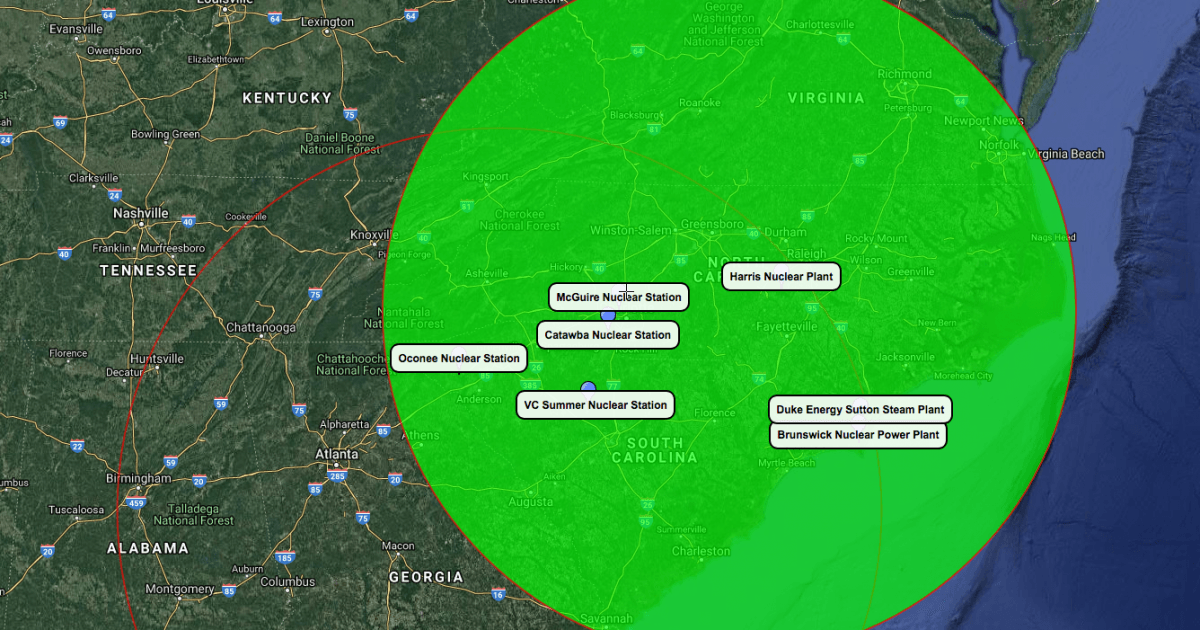
ommon Dreams by With 1.5 million residents now under orders to evacuate their homes in preparation for Hurricane Florence’s landfall in Virginia, North Carolina, and South Carolina, the region faces the possibility of catastrophe should the storm damage one or more of the nuclear power plants which lie in its potential path.As the Associated Press reported on Monday, “The storm’s potential path also includes half a dozen nuclear power plants, pits holding coal-ash and other industrial waste, and numerous eastern hog farms that store animal waste in massive open-air lagoons.”

Related: Air Pollution Causes People to Lose A Year of Education

The plants thought to lie in the path of the hurricane, which is expected to make landfall on the Southeastern U.S. coast on Thursday, include North Carolina’s Brunswick Nuclear Power Plant in Southport, Duke Energy Sutton Steam Plant in Wilmington, and South Carolina’s V.C. Summer Nuclear Station in Jenkinsville.

“Florence will approach the Carolina coast Thursday night into Friday with winds in excess of 100mph along with flooding rains. This system will approach the Brunswick Nuclear Plant as well as the Duke-Sutton Steam Plant,” Ed Vallee, a North Carolina-based meteorologist, told Zero Hedge. “Dangerous wind gusts and flooding will be the largest threats to these operations with inland plants being susceptible to inland flooding.”

In 2015, the Huffington Post and Weather.com identified Brunswick as one of the East Coast’s most at-risk nuclear power plants in the event of rising sea levels and the storm surges that come with them.

Related: Study Shows Cell Phone Towers Harmful To Animals, Plants – 5G Will Be Much Worse

As of Tuesday afternoon, Hurricane Florence was thought to have the potential to cause “massive damage to our country” according to Jeff Byard, associate administrator of the Federal Emergency Management Agency (FEMA).

The storm was labeled a Category 4 tropical storm with the potential to become a Category 5 as it nears the coast, with 130 mile-per-hour winds blowing about 900 miles off the coast of Cape Fear, North Carolina.

Meteorologists warned of hurricane-force winds in the region by mid-day Thursday, with storm surges reaching up to 12 feet or higher.

The 2011 Fukushima disaster remains the highest-profile nuclear catastrophe caused by a natural disaster. The tsunami that hit Japan in March of that year disabled three of the plant’s reactors, causing a radioactive release which forced hundreds of thousands of people from their homes.

In 2014, Shane Shifflett and Kate Sheppard at the Huffington Post reported on the risk storms like Florence pose to nuclear plants:

Most nuclear power facilities were built well before scientists understood just how high sea levels might rise in the future. And for power plants, the most serious threat is likely to come from surges during storms. Higher sea levels mean that flooding will travel farther inland, creating potential hazards in areas that may have previously been considered safe.

During hurricanes, many nuclear facilities will power down—but this is not a sure-fire way to avoid disaster, wrote Sheppard and Shifflett.

“Even when a plant is not operating, the spent fuel stored on-site, typically uranium, will continue to emit heat and must be cooled using equipment that relies on the plant’s own power,” they wrote. “Flooding can cause a loss of power, and in serious conditions, it can damage backup generators. Without a cooling system, reactors can overheat and damage the facility to the point of releasing radioactive material.”

This work is licensed under a Creative Commons Attribution-Share Alike 3.0 License

The world of plastics, in numbers

(The Conversation) From its early beginnings during and after World War II, the commercial industry for polymers – long chain synthetic molecules of which “plastics” are a common misnomer – has grown rapidly. In 2015, over 320 million tons of polymers, excluding fibers, were manufactured across the globe.

Until the last five years, polymer product designers have typically not considered what will happen after the end of their product’s initial lifetime. This is beginning to change, and this issue will require increasing focus in the years ahead.

Related: How to Detox From Plastics and Other Endocrine Disruptors

The plastics industry

“Plastic” has become a somewhat misguided way to describe polymers. Typically derived from petroleum or natural gas, these are long chain molecules with hundreds to thousands of links in each chain. Long chains convey important physical properties, such as strength and toughness, that short molecules simply cannot match.

“Plastic” is actually a shortened form of “thermoplastic,” a term that describes polymeric materials that can be shaped and reshaped using heat.

The modern polymer industry was effectively created by Wallace Carothers at DuPont in the 1930s. His painstaking work on polyamides led to the commercialization of nylon, as a wartime shortage of silk forced women to look elsewhere for stockings.

When other materials became scarce during World War II, researchers looked to synthetic polymers to fill the gaps. For example, the supply of natural rubber for vehicle tires was cut off by the Japanese conquest of Southeast Asia, leading to a synthetic polymer equivalent.

Curiosity-driven breakthroughs in chemistry led to further development of synthetic polymers, including the now widely used polypropylene and high-density polyethylene. Some polymers, such as Teflon, were stumbled upon by accident.

Eventually, the combination of need, scientific advances and serendipity led to the full suite of polymers that you can now readily recognize as “plastics.” These polymers were rapidly commercialized, thanks to a desire to reduce products’ weight and to provide inexpensive alternatives to natural materials like cellulose or cotton.

Types of plastic

The production of synthetic polymers globally is dominated by the polyolefins – polyethylene and polypropylene.

Polyethylene comes in two types: “high density” and “low density.” On the molecular scale, high-density polyethylene looks like a comb with regularly spaced, short teeth. The low-density version, on the other hand, looks like a comb with irregularly spaced teeth of random length – somewhat like a river and its tributaries if seen from high above. Although they’re both polyethylene, the differences in shape make these materials behave differently when molded into films or other products.

Polyolefins are dominant for a few reasons. First, they can be produced using relatively inexpensive natural gas. Second, they’re the lightest synthetic polymers produced at large scale; their density is so low that they float. Third, polyolefins resist damage by water, air, grease, cleaning solvents – all things that these polymers could encounter when in use. Finally, they’re easy to shape into products, while robust enough that packaging made from them won’t deform in a delivery truck sitting in the sun all day.

However, these materials have serious downsides. They degrade painfully slowly, meaning that polyolefins will survive in the environment for decades to centuries. Meanwhile, wave and wind action mechanically abrades them, creating microparticles that can be ingested by fish and animals, making their way up the food chain toward us.

Recycling polyolefins is not as straightforward as one would like owing to collection and cleaning issues. Oxygen and heat cause chain damage during reprocessing, while food and other materials contaminate the polyolefin. Continuing advances in chemistry have created new grades of polyolefins with enhanced strength and durability, but these cannot always mix with other grades during recycling. What’s more, polyolefins are often combined with other materials in multi-layer packaging; while these multi-layer constructs work well, they are impossible to recycle.

Polymers are sometimes criticized for being produced from increasingly scarce petroleum and natural gas. However, the fraction of either natural gas or petroleum used to produce polymers is very low; less than 5 percent of either oil or natural gas produced each year is employed to generate plastics. Further, ethylene can be produced from sugarcane ethanol, as is done commercially by Braskem in Brazil.

How plastic is used

Depending upon the region, packaging consumes 35 to 45 percent of the synthetic polymer produced in total, where the polyolefins dominate. Polyethylene terephthalate, a polyester, dominates the market for beverage bottles and textile fibers.

Building and construction consumes another 20 percent of the total polymers produced, where PVC pipe and its chemical cousins dominate. PVC pipes are lightweight, can be glued rather than soldered or welded, and greatly resist the damaging effects of chlorine in water. Unfortunately, the chlorine atoms that confer PVC this advantage make it very difficult to recycle – most is discarded at the end of life.

Polyurethanes, an entire family of related polymers, are widely used in foam insulation for homes and appliances, as well as in architectural coatings.

The automotive sector uses increasing amounts of thermoplastics, primarily to reduce weight and hence achieve greater fuel efficiency standards. The European Union estimatesthat 16 percent of the weight of an average automobile is plastic components, most notably for interior parts and components.

Over 70 million tons of thermoplastics per year are used in textiles, mostly clothing and carpeting. More than 90 percent of synthetic fibers, largely polyethylene terephthalate, are produced in Asia. The growth in synthetic fiber use in clothing has come at the expense of natural fibers like cotton and wool, which require significant amounts of farmland to be produced. The synthetic fiber industry has seen dramatic growth for clothing and carpeting, thanks to interest in special properties like stretch, moisture-wicking and breathability.

As in the case of packaging, textiles are not commonly recycled. The average U.S. citizen generates over 90 pounds of textile waste each year. According to Greenpeace, the average person in 2016 bought 60 percent more items of clothing every year than the average person did 15 years earlier, and keeps the clothes for a shorter period of time.

Does Monsanto’s Roundup cause cancer? Trial highlights the difficulty of proving a link

In this June 1, 2010 photo, central Illinois corn farmer Jerry McCulley sprays the weed killer glyphosate across his cornfield in Auburn, Ill. A handful of hardy weeds have adapted to survive glyphosate _ sold as Roundup and a variety of other brands _ which many scientists say threatens to make the ubiquitous herbicide far less useful to farmers. (AP Photo/Seth Perlman)

(The Conversation) Does glyphosate, the active ingredient in the widely used weedkiller Roundup, cause non-Hodgkin lymphoma? This question is at issue now in a lawsuit in San Francisco Superior Court. Hundreds more claims have been cleared to proceed in a federal multi-district lawsuit.

Illinois corn farmer Jerry McCulley sprays glyphosate across his cornfield in Auburn, June 1, 2010.AP Photo/Seth Perlman

Much of this litigation is based on a 2015 determination by the International Agency for Research on Cancer, part of the World Health Organization, that glyphosate is a probable human carcinogen. This report has come under heavy criticism, which is not surprising because there’s a lot of money at stake.

The IARC classification relied in part on experiments in mice. But is that enough to conclude the weed killer causes cancer in humans? Mice are not people, so probably not.

If it was simple to determine the cause of cancer in humans, scientists would do the right experiment and we’d know the answer pretty quickly.

But it’s not simple.

Related: How to Avoid GMOs in 2018 – And Everything Else You Should Know About Genetic Engineering

Proving causation in product liability lawsuits

Epidemiology is one of the sciences that provides evidence needed to prove cause and effect in medicine and public health. It is the most important tool for determining whether exposure to a given substance increases the risk of disease. The problem is that it is easy to do it badly, and a bad study is worse than no study at all.

In fact, after a special hearing examining the science on both sides of the glyphosate argument, U.S. District Judge Vince Chhabria called epidemiology “loosey-goosey” and a “highly subjective field.” Nonetheless, he concluded that the views on both sides were reasonable and should be heard in court, with the verdict up to a jury.

I have spent much of my working life trying to help figure out why people get cancer. To illustrate how hard it is to prove causality, consider the question: Does smoking cause lung cancer?

Innumerable epidemiological studies since the 1940s have shown a strong association between smoking and lung cancer. But there has never been a randomized trial in humans. In addition, we know from experimental studies that smoking rats don’t get lung cancer.

For years, Big Tobacco dismissed observational studies in people (epidemiology) with the mantra that “association is not causation,” and avoided regulation. The scientific community was intimidated by this strategy for far too long. Eventually, the studies accumulated to the point that the association was overwhelming, and cause and effect could not be denied.

There are two main types of epidemiological study designs: cohort and case-control. In a cohort study, a large group of people – some smokers, some not – are followed over the years to see who gets sick. In a case-control study, a group of lung cancer patients (perhaps several hundred) are asked about their smoking history, along with an equal number of people without lung cancer.

Invariably, in cohort study after cohort study, smokers got sicker from heart disease, lung cancer and many other maladies over time. In most of these studies, scientists did their best to take account of other differences between smokers and non-smokers, so as to isolate the effect of smoking. Also invariably, in case-control studies patients with lung cancer were much more likely to have been smokers than people in the general population.

In the first case of its kind to reach trial, Dewayne Johnson is suing Monsanto, the maker of Roundup. The 46-year-old blames his 2014 cancer diagnosis on Roundup’s active ingredient, glyphosate.

Defining ‘proof’

When scientists are asked for a definition of proof, most of them use criteria such as “reproducibility” and “statistical significance” and “plausibility.” But who decides whether each of these criteria has been met? The answer is a panel of experts. It is unsettling to most scientists to hear that “proof” can only be defined as “a consensus of experts,” but this is true from physics to bird-watching. And what has been proven can later be unproven with new experts and/or new evidence.

Who chooses the experts? They include panels convened by the National Academies of Sciences, or advisory boards of professional societies such as the American College of Cardiology. The makeup of these panels can be challenged, and of course, people can choose to ignore the “experts” and believe what they want.

In health research, “causing” disease is defined as “increasing risk.” This does not mean that exposure to something like cigarettes is both necessary and sufficient to cause disease. Most heavy smokers never get lung cancer, and some lifelong non-smokers do. However, experts agree that smoking causes lung cancer because hundreds of observational epidemiological studies show that a heavy smoker has a risk of lung cancer 10 to 20 times higher than a non-smoker. This agreement among experts is the proof that smoking causes lung cancer.

U.S. Surgeon General Luther Terry holds the report of the Advisory Committee to the Surgeon General of the Public Health Service on the relationship of smoking to health, January 11, 1964. The report led to laws requiring warning labels on cigarette packages and a ban on broadcast cigarette ads. AP Photo/hwg

For many other potential hazards, the epidemiology is either inadequate or contradictory. One study may show an association between exposure and disease, while another shows no relationship. This can happen because the exposure does not cause the disease, and studies that do show a relationship are due to chance, bias and/or confounding – in other words, they are false positive results. It also can happen because the true exposure has not been accurately measured, so existing research is masking a real causative effect – also known as a false negative result.The process of proving cause in science is quite similar to a jury trial. Evidence is presented to a jury (the expert panel or committee), which renders a verdict. To a “reasonable” person, does the evidence rise to the level of guilt – or, in science, proof of cause and effect?

A health scientist sees proof of causation when evidence from epidemiology (observational studies in people) and toxicology (experiments in rats), and, to some extent basic science (does a chemical damage DNA in a test tube?) accumulates to the point where there is no other viable explanation for the evidence than cause and effect. Epidemiology is paramount, because it is a direct assessment of risk in human beings. It is analogous to circumstantial evidence in a jury trial.

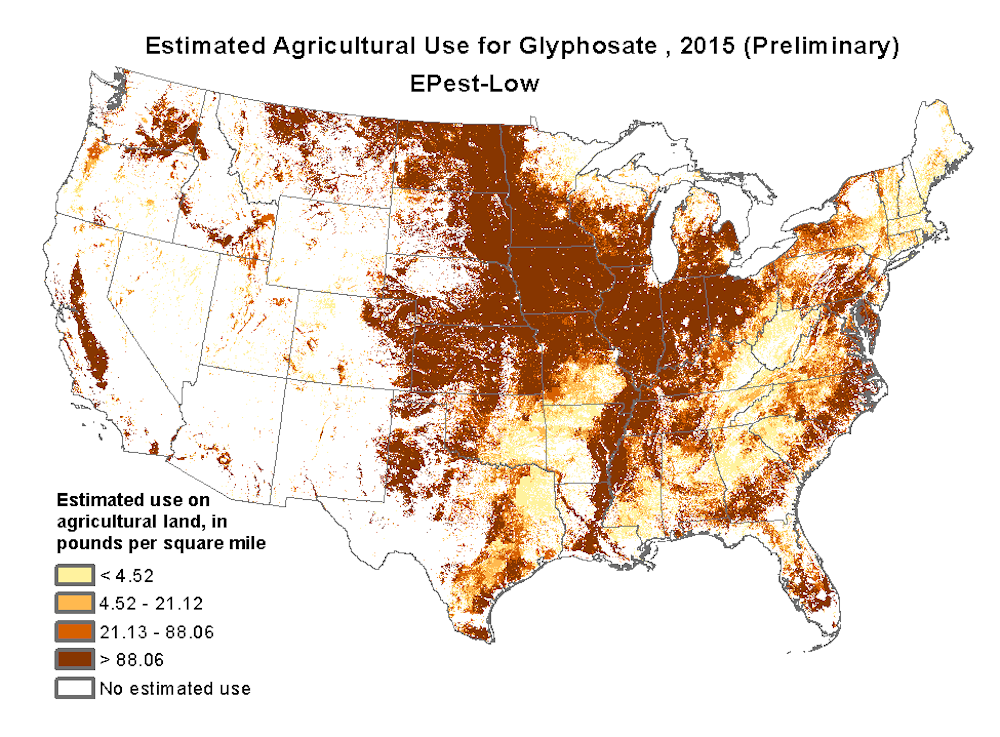
Glyphosate is widely used on field crops, including corn, soybeans, cotton and wheat. USGS

Is circumstantial evidence enough?

The fact that smoking causes lung cancer is accepted beyond a reasonable doubt based on the circumstantial evidence of numerous observational epidemiological studies. A convincing case for guilt can rest entirely on circumstantial evidence when that evidence is extensive and strong enough to convince a panel of experts.

It will be harder for jurors in the Roundup trials to weigh epidemiological evidence that glyphosate caused plaintiffs’ cancer, because jurors are rarely experts and successful trial lawyers are exceptionally persuasive.

In my view, there are two crucial requirements for an equitable assessment of proof of causation from products like glyphosate or cigarettes. First, were the epidemiological studies well done? Second, how objective are the jurors and the expert witnesses?

Both science and the judicial system are highly imperfect. The verdicts in these trials could be wrong, and could be appealed. This happens as often in the worlds of science and medicine as it does in the courtroom.

It took many years to develop a broad consensus on cigarettes. Unfortunately for the plaintiffs in the Roundup litigation, the same maybe true for glyphosate.

Air Pollution Triggers Millions of Cases of Diabetes Each Year

(Dr. Mercola) Air pollution has been named the “largest environmental cause of disease and premature death in the world today” by a collaboration of more than 40 researchers looking at data from 130 countries.1 The problem is insidious and travels without respect for borders. Air pollution created in Asia affects people living on the California coast.

Fine particulate matter (PM 2.5) is the most studied type of air pollution and refers to dust, dirt, soot, smoke or other particles smaller than 2.5 micrometers in diameter. These particles of air pollution are so fine they may enter your system through your lung tissue and trigger chronic inflammation, which in turn increases your risk of health conditions.2

According to the World Health Organization (WHO), 92 percent of the world’s population is breathing polluted air3 and nearly 7 million deaths are attributed to air pollution each year.4 Overall, a toxic environment is responsible for at least 25 percent of all deaths reported worldwide, and air pollution is the greatest contributor.

The idea that air pollution is a source of toxic exposure often leading to ill-health should come as no surprise. In a previous study,5 American researchers found exposure to as little as one or two months of air pollution may be enough to increase your risk of diabetes, especially if you are already obese. In a recent global study,6 a new link has been made between air pollution and Type 2 diabetes.

Related: Holistic Guide to Healing the Endocrine System and Balancing Our Hormones

Air Pollution May Be Responsible for Damage Leading to Type 2 Diabetes

According to the American Diabetes Association,7 30.3 million Americans, or 9.4 percent of the population, had diabetes in 2015. Type 2 diabetes is the more common form of the condition, accounting for nearly 99 percent of cases8 and is the seventh leading cause of death in the U.S. In 2015, 4.1 million Americans over 18 were diagnosed with prediabetes, a condition in which blood glucose levels are higher than normal but not high enough for a diagnosis of diabetes.

Individuals with prediabetes have an increased risk for developing Type 2 diabetes, heart disease and stroke.9 Previous studies10,11,12,13 have looked at links between outdoor air pollution and the emergence of Type 2 diabetes, but the featured study is a first attempt to quantify the connection.

Researchers tracked 1.7 million U.S. Veterans14 for almost a decade in order to assess risk, using data from other global studies evaluating diabetes risk, along with air quality data from the U.S. Environmental Protection Agency (EPA) and NASA.

The researchers then created an equation to analyze the connection between exposure to air pollution and the risk of diabetes globally. The study, published by The Lancet Planetary Health, concluded that air pollution was responsible for 3.2 million newly diagnosed cases around the world in 2016 alone. Assistant professor of medicine at Washington University and author of the study, Dr. Ziyad Al-Aly, commented on the overall effects of breathing air pollutants, saying:15

“We tell people all the time, if you eat bad stuff, it affects your health. You are what you eat, you are what you drink and, really, you are what you breathe. What you breathe really, really affects your health.”

This was one of the largest and most unique studies of its kind. In all, 14 percent of newly diagnosed cases of Type 2 diabetes could be attributed to air pollution in 2016.16 The study also estimated 8.2 million years of healthy life were lost globally in 2016 due to air pollution-induced diabetes.

The pollutants tracked and examined in the study were PM 2.5, 30 times smaller than a human hair. The study makes a strong case that the current EPA limits on air pollution are set too high. The threshold on particulate matter deemed safe by the EPA is 12 ug/m3 (micrograms per cubic meter of air) and the study found the risk of diabetes started at 2.4 ug/m3.

During the study, 21 percent exposed to between 5 ug/m3 and 10 ug/m3 of particulate matter, developed diabetes. At the current “safe” level established by the EPA, 24 percent develop diabetes.

Related: What Causes Chronic Inflammation, and How To Stop It For Good

Rule Creates Loophole to Evade Improvements in Water and Air Quality

While this and other studies have demonstrated a significant detrimental effect on the health of U.S. citizens from air pollution, a rule proposed by the Trump Administration17 suggests all studies used by the EPA to determine water and air regulations must make their underlying data publicly available. Unfortunately, studies like the featured study and others are based on confidentially held health data. This greatly undermines the potential for regulations to improve air quality.

In the face of this and other data, the Trump administration18 is seeking to boost the nation’s manufacturing sector by creating industry-friendly air quality regulations, which environmentalists warn will damage the health of U.S. citizens.

In one directive, he proposed the EPA work with states whose metro areas are failing to obtain clean air standards, by helping them submit plans to show how the city will confront the problem — a review process that can take years. This represents a clear effort on the part of the administration to assist manufacturers, which the president made clear in his accompanying statement:19

“These actions are intended to ensure that EPA carries out its core missions of protecting the environment and improving air quality in accord with statutory requirements, while reducing unnecessary impediments to new manufacturing and business expansion essential for a growing economy.”

Pollution Contributes to Obesity

The journey started nearly 60 years ago when an environmental disaster in southwestern Pennsylvania forever changed the way America thought about industrial pollution.20 In 1948 the people of Donora, Pennsylvania, awoke to a thick blanket of smog that darkened the valley for five days before lifting when a storm swept through. By this time, one-third of the population had become ill, 20 people were dead and another 50 died in the following months.21

It was later learned cold air had trapped a mixture of carbon monoxide, sulfur dioxide and metal dust over the valley, recorded as the worst air pollution disaster in U.S. history. It was this disaster that prompted the federal government to begin regulating industrial pollution.

Previous studies have looked at respiratory conditions and cardiovascular disease associated with inhaling air pollutants but more recent studies have found compelling evidence suggesting air qualitycan also contribute to weight gain and obesity. In one study22 examining over 3,000 children in California, researchers found an association between traffic density and higher levels of body mass index (BMI) by the age of 18.

Recommended: Best Supplements To Kill Candida and Everything Else You Ever Wanted To Know About Fungal Infections

Another study23 analyzed BMI in children exposed to traffic-related air pollution over a five-year period, during which those exposed to the most pollution, compared to those exposed to the least, had a 14 percent larger increase in their BMI. Another from Harvard Medical School looked at whether adults living in areas with constant exposure to traffic were more likely to be overweight, and found more fat tissue in those who lived 60 meters (197 feet) from a busy road than those who lived 440 meters (1,443 feet) away.24

The relationship has also been found in animal studies. Chinese researchers25 compared two groups of pregnant rats, one raised in a filtered air-scrubbed room and the other breathing outdoor air from Beijing. The animals were fed the same diet, but those living in Beijing air were heavier at the end of their pregnancy as were their offspring. Autopsy findings found the rats exposed to pollutants had higher levels of inflammation, which may have contributed to weight gain and metabolic disruption.

An EPA study found mice exposed to ozone pollution developed glucose intolerance, a precursor to diabetes.26,27 In a study evaluating the physiological response in 314 overweight or obese children in Los Angeles, children who lived in neighborhoods with the highest concentration of nitrogen dioxide and particulates were found to have the greatest decline in insulin sensitivity.28

Multiple Molecules Make Up Air Pollution

Multiple types of molecules make up the fine particulate matter your body is able to absorb through lung tissue. Top pollutants include:

Ammonia Carbon monoxide
Fine particulates Lead
Nitrogen oxides Sulfur dioxide
Volatile organic compounds (VOCs) Ozone

While car emissions contribute one source of air pollutions, another significant source is released into the atmosphere from synthetic nitrogen-based fertilizers at rates higher than previously believed.29 California has some of the strictest car emission standards in the U.S., but is continued to be plagued by nitrogen oxide pollution.

Scientists have known soil microbes convert nitrogen-based fertilizers to nitrogen oxides and then release them into the air. However, it was assumed the amount of gas would increase linearly, or at 1 percent of the amount of fertilizer used. These predictions turned out to be conservative,30 as emissions were measured at up to 5 percent of the fertilizer used, explaining some of the increased rates of nitrogen oxides emitted in large agricultural areas.

Unfortunately, when nitrogen oxides and VOCs combine on a sunny day, it increases the amount of ozone at ground level. VOCs are emitted by cars, power plants, refineries and chemical plants. Ozone in the upper atmosphere, called stratospheric ozone, provides a protective shield against the ultraviolet rays of the sun.31 This beneficial ozone has been partially destroyed by man-made chemicals.

However, ground level ozone, tropospheric ozone, is not admitted directly into the air but created through a chemical reaction and is a harmful pollutant. This bad ozone is the main ingredient in smog and has a higher likelihood of reaching unhealthy levels on hot sunny days, as sunlight triggers the chemical reaction between nitrogen oxides and VOCs.32 “Nitrogen oxides” is a catch-all term used to designate nitrogen oxide and nitrogen dioxide, both of which react with oxygen and sunlight to produce ozone in the lower atmosphere.

Nanoparticles Responsible for Vascular Damage

In a study published in Environmental Pollution,33 researchers found silica nanoparticles have the ability to trigger mitochondrial dysfunction in endothelial cells by entering the mitochondria, causing swelling and increasing the intracellular level of reactive oxygen species. This eventually results in the collapse of the mitochondrial membrane and impairment in ATP synthesis.34

Silica nanoparticles were found to trigger endothelial toxicity using mitochondria as the target, which may in part explain some of the cardiovascular dysfunction triggered by PM 2.5 air pollution. Silica nanoparticles are used35 as an additive in rubber and plastics, to strengthen concrete and as a platform for biomedical applications, such as drug delivery. In other words, drugs bound to silica nanoparticles may create endothelial damage as you take prescribed medications.

However, nano-particulate damage is not new information.36 A study published by the American Chemical Society found evidence of how particles inhaled may affect your blood vessels and heart muscle.37 Air pollution has shortened the lives of nearly 40,000 people in the U.K.,38 which is often attributed to the part it plays in worsening or triggering heart and lung disease. Using humans and several mouse models, the researchers studied the effect of inhaled gold nanoparticles.

Within 24 hours after inhalation, particles were detected in the blood and urine of the participants and appeared to have an affinity for accumulating in damaged or inflamed areas of the vascular system,39suggesting nanoparticles have the ability to access the bloodstream from your lungs and reach susceptible areas of your cardiovascular system.

In some participants, the nanoparticles were still detectable in the urine three months after testing, leading researchers to theorize air pollutant nanoparticles may have the potential to make a similar journey in your body.

Researchers then asked participants scheduled for removal of damaged blood vessels to inhale gold nanoparticles.40 Following surgery the researchers analyzed the plaques and found an accumulation of nanoparticles from the prior 24 hours. Although some criticized the design of the study, it is clear air pollution damages heart and lung tissue. Coauthor of the study, Dr. Nicholas Mills, commented on the results saying:41

“We have always suspected that nanoparticles in the air that we breathe in could escape from the lungs and enter the body, but until now there was no proof. These findings are of wide importance for human health, and we must now focus our attention on reducing emissions and exposure to airborne nanoparticles.”

Mind Your Indoor Air Quality as Well

Your risk of breathing polluted air does not end when you go indoors. Indoor air pollution is also associated with a remarkable number of conditions, including worsening asthma, poor sleep, high blood pressure and reduced cognitive function. Primary sources are the materials used to construct your home and everything in it, including your furniture, as well as chemical products you bring into the home for cleaning or DIY projects.

Modern buildings are also airtight for energy efficiency purposes, and need to be properly ventilated to prevent the buildup of indoor pollution. One way to reduce your exposure to damaging outdoor air pollution is to keep your indoor air as clean as possible and stay indoors when pollution levels are high. For a list of strategies you may consider to improve your indoor air quality and protect your health see my previous article, “Reduce Indoor Air Pollution.”