Fewer crops are feeding more people worldwide – and that’s not good!

(The Conversation – Karl Zimmerer) One day last March I talked with Juliana and Elisa, a mother and daughter who farmed just outside the city of Huánuco, Peru. Although they had only one acre of land in this mountainous landscape, they grew dozens of local varieties of potatoes and corn, along with other crops. And they knew each of their varieties by a common name – mostly in their Quechua language.

Potatoes are native to the Andes, and over 4,000 varieties are grown there now. They come in numerous shapes, sizes and colors – red, yellow, purple, striped and spotted. A colorful mound of them resembles the bold, burnished colors of locally woven shawls.

Recommended: Holistic Guide to Healing the Endocrine System and Balancing Our Hormones
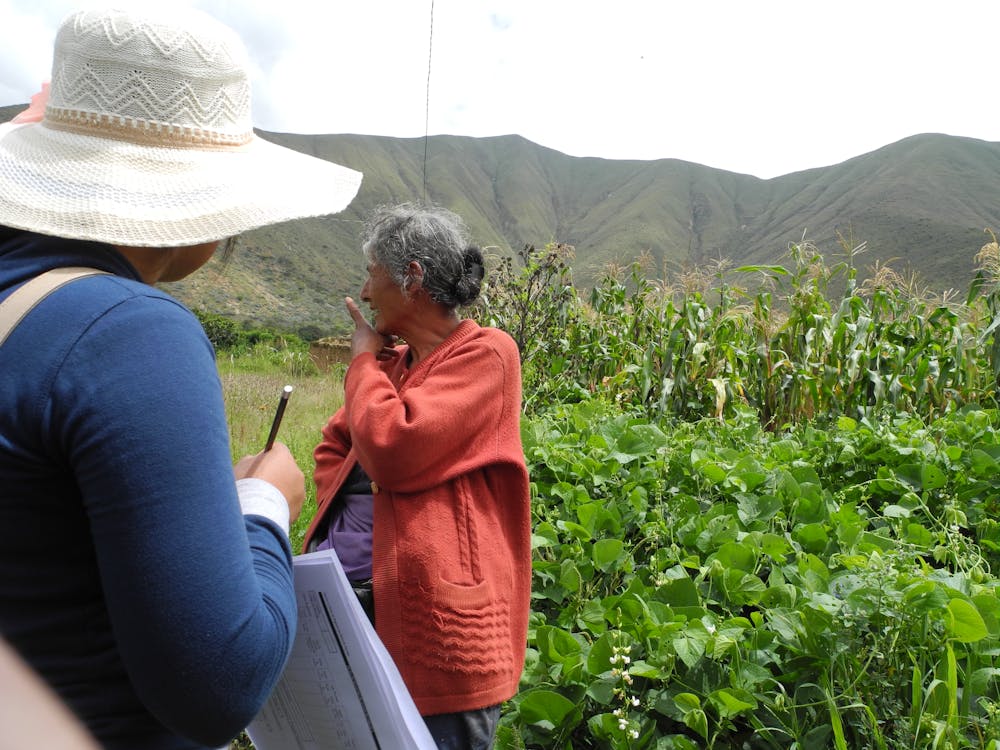
Farmers near the city of Huánuco continue to grow many species and varieties of food plants in their fields and gardens in this mountainous landscape.
Karl Zimmerer, CC BY-ND

This wide array of types is an example of agrobiodiversity – a genetic legacy created by natural selection interacting with cultural practices over thousands of years. Today, however, agrobiodiversity is declining in many countries. In Mexico farmers are cultivating only 20 percent of the corn types that were grown there in 1930. Chinese farmers are producing only 10 percent of 10,000 varieties of wheat that were recorded there in 1949. More than 95 percent of known apple varieties that existed in the United States in 1900 are no longer cultivated.

Recommended: Start Eating Like That and Start Eating Like This – Your Guide to Homeostasis Through Diet

According to Bioversity International, an international research and policy organization, just three crops – rice, wheat and maize – provide more than half of plant-derived calories consumed worldwide. This is a problem because our diets are heavy in calories, sugar and saturated fat and low in fruits and vegetables.

But there also are bright spots, such as Andean potatoes. In a recent article, Stef de Haan of the International Center for Tropical Agriculture and I call for a major effort to strengthen agrobiodiversity for the future. Consuming many different species and varieties provides a diet that offers many unique tastes and a wide selection of nutrients that humans need to thrive. It also can help ensure more stable food systems and the needed variety of desirable genetic traits, such as hardiness.

Wealthy nations have less-diverse diets

Generally, agrobiodiversity is significantly lower in wealthy nations, where the industrial food system pushes toward genetic uniformity. For example, federal agriculture policy in the United States tends to favor raising large crops of corn and soybeans, which are big business. Crop subsidies, federal renewable fuel targets and many other factors reinforce this focus on a few commodity crops.

In turn, this system drives production and consumption of inexpensive, low-quality food based on a simplified diet. The lack of diversity of fruit and vegetables in the American diet has contributed to a national public health crisis that is concentrated among socioeconomically disadvantaged groups. Low agrobiodiversity also makes U.S. agriculture more vulnerable to pests, diseases and climate change.

Recommended: Detox Cheap and Easy Without Fasting – Recipes Included
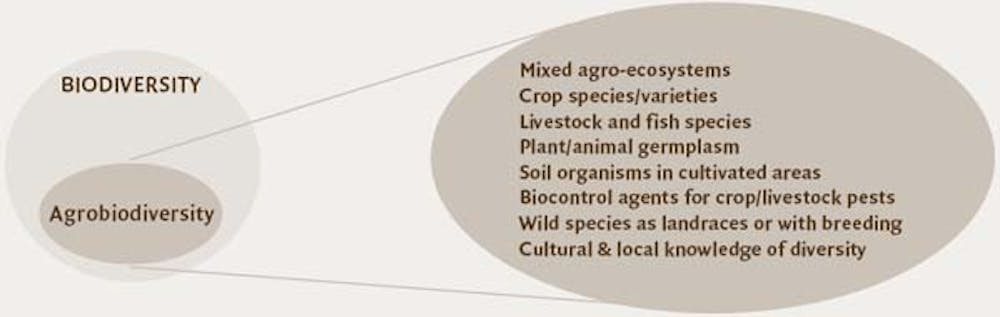
Agrobiodiversity is a set of genetic resources in food and agriculture.
FAO

To connect these conditions to agrobiodiversity, consider potatoes. Although the United States has 10 times more people than Peru, only about 150 varieties of potato are sold here. Six varieties account for three-quarters of our national potato harvest. They dominate because they produce high yields under optimal conditions and are easy to store, transport and process – especially into french fries and potato chips. Federal policies have helped these varieties become established by reducing the cost of irrigation.

Ironically, rich agrobiodiversity in many low- and medium-income nations supports more standardized and genetically uniform breeding industries in wealthy nations. U.S. and European scientists and seed companies have used the diversity of Andean potatoes and their relatives to create commercial varieties that are the roots of modern industrial agriculture.

How change can promote agrobiodiversity

To protect and increase agrobiodiversity, we have to know how to value it in a rapidly changing world. In the GeoSynthESES Lab that I lead at Penn State, we are developing an ambitious new framework to analyze whether and how agrobiodiversity can continue to be produced and consumed in the future.

Recommended: Permaculture Agriculture – The Transition to a Sustainable Future

Thanks to our fieldwork in Peru and other countries, we’re finding that certain global dynamics, such as urbanization and migration, can be compatible with agrobiodiversity production and consumption. For example, Elisa and Juliana live within a few miles of the Huánuco urban area, and they both work jobs in the city. Their “traditional” farming and eating patterns blend with their part-time farming.

Such changes can even support the innovative use of local food varieties, but only under the right conditions. Farmers must have sufficient land and water. They have to continue preferring these food flavors and tastes. Vibrant local markets for these foods make producing them economically viable.

Heirloom apples, Stroud Farmers Market, Gloucestershire, England.
Barry W******, CC BY

Together with collaborators working in Huánuco, our lab is assessing ways in which global trends could undercut agrobiodiversity in Peru. One concern is local adoption of “improved varieties” of both potatoes and corn that are being created by national and international breeding programs and private seed companies.

Under favorable conditions, these types provide high yields and potentially good sales income. But the seeds can be expensive by local standards, and growing them requires more inputs, such as fungicides and irrigation. Farmers who use them are less resilient if it’s a bad growing year or if cash is low. For these reasons more than one-half of the potato and maize seed being grown by the Huánuco farmers still comes from local sources such as nearby markets, neighbors, and family members.

So far, farmers in Huánuco and elsewhere in Peru prefer to growth both their traditional crops and new ones if possible. But discussions of new initiatives to extend the reach of such “improved varieties” reflect how these challenges will continue to evolve.

Shifting diets

We also are analyzing local impacts of the global spread of inexpensive, low-quality industrial foods. Juliana, Elisa and their Huánuco neighbors increasingly depend on staples such as rice and sugar and on heavy use of cooking oil. Many of them still grow high-agrobiodiversity crops, but on a smaller scale, and these crops play a shrinking role in their diets. It is important to counter this trend by revaluing these nutritious foods, both for human health and for the environmental benefits that agrobiodiversity brings.

On the positive side, middle-class Peruvians are embracing agrobiodiverse foods sold through markets and food fairs, such as the huge annual Mistura food festival in Lima. Internationally renowned elite restaurants and celebrity chefs are potentially important, nontraditional allies. It is crucial to find ways in which Elisa, Juliana and other producers of agrobiodiverse foods can earn rewards from these new markets.

There also is growing interest in agrobiodiversity in the United States. Potato farmers here in central Pennsylvania and across the Northeast are reviving more than 100 local varieties that until recently had been considered lost. In the Southwest, research groups recently uncovered evidence of the ancient “Four Corners Potato,” the first known wild potato in North America, which was used some 10,000 years ago. DNA from this species could provide genes to make modern potato strains more resistant to drought and disease.

Recommended: My Journey into Organic Farming

Conflicting trends

The ConversationGlobal shifts of urbanization, migration, markets and climate can potentially be compatible with agrobiodiversity, but other powerful forces are undermining it. The imperatives of producing food at lower cost and higher yield clash with efforts to raise high-quality food and protect the environment. The future of agrobiodiversity hangs in the balance.

Karl Zimmerer, Professor of Geography, Pennsylvania State University

This article was originally published on The Conversation. Read the original article.
Researchers Warn How Pesticides Are Secretly Growing Antibiotic Resistance

(NaturalBlaze by Heather Callaghan) The first team of researchers ever to discover that the world’s most popular pesticides and herbicides increase the antibiotic resistance crisis have conducted another study to prove once and for all a frightening truth we must respond to.

Researchers at the University of Canterbury in New Zealand have confirmed once again that active ingredients of the commonly used herbicides, Roundup, Kamba and 2,4-D (glyphosate, dicamba and 2,4-D, respectively), each alone cause antibiotic resistance at concentrations well below label application rates.

Related: How to Detoxify From Antibiotics and Other Chemical Antimicrobials

GMWatch reports:

Professor Jack Heinemann of the School of Biological Sciences in UC’s College of Science said the key finding of the research was that “bacteria respond to exposure to the herbicides by changing how susceptible they are to antibiotics used in human and animal medicine.”

The herbicides studied are three of the most widely used in the world, Prof Heinemann said. They are also used on crops that have been genetically modified to tolerate them.

The effect was not seen at herbicide concentrations that are presently allowed for food (called Maximum Residue Limits, MRL). However, the effect was seen at concentrations well below those applied to plants (application rates). Therefore, the authors believe, the effect is most likely to arise in farm workers in rural areas and in children in urban settings who are exposed to herbicides, if they are also on antibiotics.

Heinemann said,

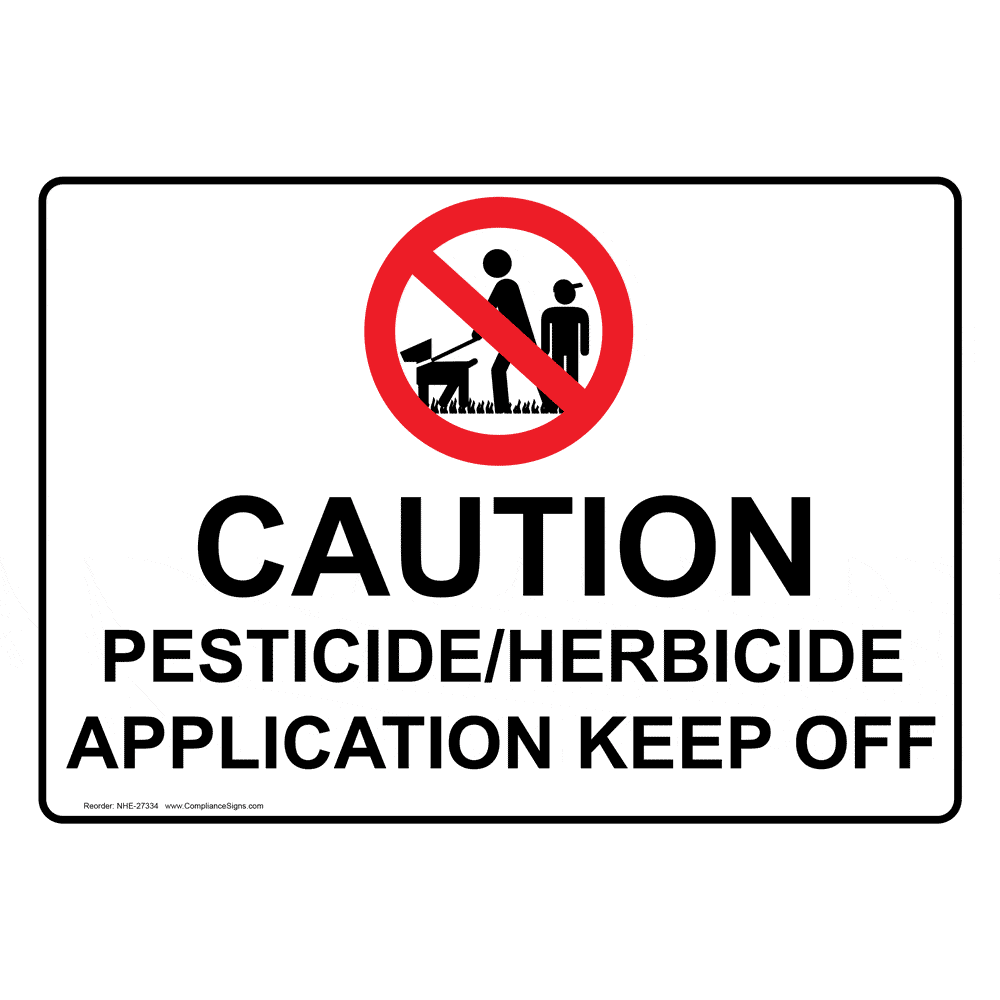
They are among the most common manufactured chemical products to which people, pets and livestock in both rural and urban environments are exposed. These products are sold in the local hardware store and may be used without training, and there are no controls that prevent children and pets from being exposed in home gardens or parks. Despite their ubiquitous use, this University of Canterbury research is the first in the world to demonstrate that herbicides may be undermining the use of a fundamental medicine – antibiotics.

Related: Understanding and Detoxifying Genetically Modified Foods

We reported on their previous research that discovered the same effects of pesticides on antibiotic resistance. A Monsanto spokesman at the time responded that the research couldn’t determine whether it was the active ingredients or the surfactants used in pesticides that actually made antibiotic resistance worse.

This research is a response to Monsanto’s claims to prove once and for all that both the active ingredients in pesticides and the surfactants are responsible for contributing to antibiotic resistance.

So now the scientists have even more bad news:

In addition, the new paper finds that added ingredients (surfactants) that are commonly used in some herbicide formulations and processed foods also cause antibiotic resistance. An antibiotic resistance response was caused by both the tested surfactants, Tween80 and CMC. Both are also used as emulsifiers in foods like ice cream and in medicines, and both cause antibiotic resistance at concentrations allowed in food and food-grade products.

Commenting on the regulatory implications of his team’s findings, Prof Heinemann said: “The sub-lethal effects of industrially manufactured chemical products should be considered by regulators when deciding whether the products are safe for their intended use.”

This discovery has much wider implications that we will have to handle in a future article…

Related: Gluten, Candida, Leaky Gut Syndrome, and Autoimmune Diseases

“The United States, for example, estimates that more than two million people are sickened every year with antibiotic-resistant infections, with at least 23,000 dying as a result. By 2050, resistance is estimated to add 10 million annual deaths globally with a cumulative cost to the world economy of US$100 trillion. In other words, roughly twice the population of New Zealand will be lost annually to antibiotic resistance,” said Prof Heinemann.
The biggest problem with our regulatory agencies is that they only study lethal or acute toxicity levels. They don’t focus on sub-lethal effects like how pesticides can kill ecologically important microbes. They focus on the effects of chemicals on humans and animals but not other organisms. Lastly, they do not consider the bigger picture such as cumulative and long-term effects of chemicals or what they do in combination.

Heinemann concludes:

Where this information is sought, it is usually only for people or animals. We are unaware of any regulator ever considering the risk of sub-lethal effects on bacteria. That is what makes this new research so important.

More emphasis needs to be placed on antibiotic stewardship compared to new antibiotic discovery. Otherwise, new drugs will fail rapidly and be lost to humanity.

Genetically engineered crops have increased the use of these pesticides. Pesticides aside, many have fears that the introduction of genetic engineering into the ecology will have grave ramifications. Norway, for instance, has banned GE salmon over fears of antibiotic resistance. And, earlier this year, an illegal GE bacteria found its way into an EU feedlot and it, too, was found to be resistant to antibiotics showing once again how reckless and unstable Big Biotech’s use of this technology really is.

EPA Refuses to Ban Neurotoxic Pesticide Found in 87 Percent of Newborns

(Mercola) Exposure to pesticides, herbicides and insecticides has dramatically increased since the introduction of genetically engineered (GE) crops. Urine output of glyphosate, the active ingredient in the herbicide Roundup, shot up by more than 1,200 percent between 1993 and 2016.1 Unfortunately, glyphosate is not the only chemical of concern.

Chlorpyrifos (sold under the trade name Lorsban) — an organophosphate insecticide known to disrupt brain development and cause brain damage, neurological abnormalities, reduced IQ and aggressiveness in children — is another.,3 In adults, the chemical has been linked to Parkinson’s disease4,5 and lung cancer.6

Chlorpyrifos has been in use since 1965, and is commonly used on staple crops such as wheat and corn, as well as fruits and vegetables, including nonorganic citrus, apples, cherries, strawberries, broccoli, cauliflower and dozens of others. Since the chemical has a half-life of several months and can remain on sprayed foods for up to several weeks,7 nonorganic foods are a major source of exposure.

Importantly, nonorganic, non-grass fed meats are likely to be loaded with this chemical, since conventional feed consists primarily of genetically and/or conventionally-raised grains such as corn. This is yet another reason to make sure you feed your family grass fed meats and animal products, especially your young children. Chlorpyrifos is also a commonly found water contaminant, and has even been found in indoor air.8

Children experience greater exposure to chemicals pound-for-pound than adults, and have an immature and porous blood-brain barrier that allows greater chemical exposures to reach their developing brain. Needless to say, the results can be devastating and, indeed, many agricultural and industrial chemicals have been found to affect children’s brain function and development specifically.

Recommended Reading: Staying Healthy In This Toxic World

Decadelong Effort to Ban Chlorpyrifos Fall Through

Permissible uses of chlorpyrifos was limited in the year 2000, at which time the chemical was banned for use in homes, schools, day care facilities, parks, hospitals, nursing homes and malls. However, agricultural use remained, and it can still be used on golf courses and road medians.

Scientists at the U.S. Environmental Protection Agency (EPA) actually pushed for a complete ban on chlorpyrifos, as its dangers are well-documented, and the chemical is in fact classified as a neurotoxin, as it disrupts communication between brain cells. Research shows that living within 1 mile of chlorpyrifos-treated fields increases a woman’s risk of having an autistic child by 300 percent.9,10

Recommende Reading: Top 5 Foods that Detox Heavy Metals and Toxins – With Protocol

A petition to ban chlorpyrifos on food was filed over a decade ago, and the lack of response from the EPA finally led to a federal court ordering the EPA to issue a decision.11 Forced to act, Scott Pruitt, President Trump-appointed head of the EPA,12 issued an order denying the petition to revoke all tolerances for chlorpyrifos on food in March 2017.13,14 As noted by NPR:15

“That’s despite the agency’s earlier conclusion, reached during the Obama administration, that this pesticide could pose risks to consumers. It’s a signal that toxic chemicals will face less restrictive regulation by the Trump administration. In its decision, the EPA didn’t exactly repudiate its earlier scientific findings. But the agency did say that there’s still a lot of scientific uncertainty about the risks of chlorpyrifos …

Patti Goldman, from the environmental group Earth Justice, calls the decision “unconscionable,” and says that her group will fight it in court … ‘Based on the harm that this pesticide causes, the EPA cannot, consistent with the law, allow it in our food.'”

87 Percent of Newborns Have Chlorpyrifos in Their Cord Blood

Considering Pruitt’s history of championing industry interests and the evidence showing other EPA officials have has taken an active role in protecting chemical giants against rulings that would impact their bottom line, his decision to keep chlorpyrifos on the market does raise suspicions. As noted by USA Today,16 Pruitt “filed more than a dozen lawsuits seeking to overturn some of the same regulations he is now charged with enforcing.”

Evidence also suggests Dow Chemical, the maker of chlorpyrifos, pressured government agencies to ignore incriminating studies (see next section). The EPA’s earlier conclusion that chlorpyrifos posed a risk to consumers was largely based on research17 showing that exposure to the chemical caused measurable differences in brain function. In one study, compared to children whose exposure to the chemical was negligible, children with high levels of exposure had lower IQ at age 7.18

Research19 published in 2014 showed that pregnant women exposed to chlorpyrifos during their second trimester had a 60 percent higher risk of giving birth to an autistic child. Studies have also shown that genetic differences can make some people far more vulnerable to chlorpyrifos than others.

Moreover, according to the U.S. Centers for Disease Control and Prevention, chlorpyrifos is metabolized in the human body into 3,5,6-trichloro-2-pyridinol (TCPy),20 which is even more toxic than the original insecticide. Disturbingly, California’s biomonitoring program found TCPy in 82 percent of Californians sampled in 2012, including pregnant women.21

Another 2012 study,22 which measured chlorpyrifos levels in maternal and cord plasma of women and children living in an agricultural community, found measurable levels in 70.5 percent of maternal blood samples and 87.5 percent of cord blood samples. According to the authors:

“Blood organophosphate pesticide levels of study participants were similar in mothers and newborns and slightly higher than those reported in other populations. However, compared to their mothers, newborns have much lower quantities of the detoxifying PON1 enzyme suggesting that infants may be especially vulnerable to organophosphate pesticide exposures.”

Dow Chemical Requested Evidence to Be ‘Set Aside’

Government-funded studies also reveal that chlorpyrifos poses serious risks to 97 percent of endangered animals in the U.S.23,24 This alone ought to be cause enough to ban this chemical, but it appears industry pressure worked its usual magic.

On April 13, 2017, a legal team representing Dow Chemical and two other organophosphate manufacturers sent letters to the three agencies responsible for joint enforcement of the Endangered Species Act25,26 — the U.S. Fish and Wildlife Service, the National Marine Fisheries Service and the Department of Commerce — asking them to “set aside” these incriminating findings, as the companies believe they are flawed. As reported by USA Today:

“Over the past four years, federal scientists have compiled … more than 10,000 pages indicating the three pesticides under review — chlorpyrifos, diazinon and malathion — pose a risk to nearly every endangered species they studied. Regulators at the three federal agencies … are close to issuing findings expected to result in new limits on how and where the highly toxic pesticides can be used …

The EPA’s recent biological evaluation of chlorpyrifos found the pesticide is ‘likely to adversely affect’ 1,778 of the 1,835 animals and plants accessed as part of its study, including critically endangered or threatened species of frogs, fish, birds and mammals … In a statement, the Dow subsidiary that sells chlorpyrifos said its lawyers asked for the EPA’s biological assessment to be withdrawn because its ‘scientific basis was not reliable.'”

Pruitt claims he’s “trying to restore regulatory sanity to EPA’s work.” I would argue the definition of sanity is first not to abandon the EPA’s mandate to protect the public health and, further, not to give developmentally crippling toxins a free pass and ignoring loads of unbiased research documenting its toxicity.

At present, the EPA is also in the process of reassessing atrazine, another pernicious and exceptionally toxic agricultural chemical. It remains to be seen whether the agency will finally take a firm stand against this pernicious toxin, or let it slide like chlorpyrifos and glyphosate.

Toxic Exposures Have Robbed Americans of 41 Million IQ Points

Problems with cognitive function that are not severe enough for diagnosis are becoming even more common than neurobehavioral development disorders. In 2012, David Bellinger, Ph.D., professor of neurology at Harvard Medical School, published a study funded by the National Institutes of Health where he calculated the impact of toxic exposures on children’s IQ.27

He determined that based on a population of 25.5 million children, aged birth to 5, those born to mothers exposed to organophosphates, mercury or lead during pregnancy suffered a combined loss of 16.9 million IQ points. Researchers calculated a collective loss of 41 million IQ points in the U.S. from the same exposures.28 Conventional farmers are reluctant to stop using pesticides as this will put their crops at risk, and pesticide makers will not support a ban for obvious reasons.

But at what point do we say enough is enough? How many children have to be sacrificed for financial profits? Considering the lack of proactive measures from government and industry, it’s up to each and every one of us to be proactive in our own lives. One of the most effective ways to reduce your exposure to toxic pesticides, herbicides and insecticides is to buy certified organic foods, or better yet, foods certified biodynamic.

Environmental Toxins Kill 1.7 Million Children Annually, Worldwide

Untested chemicals should not be presumed safe.29 The World Health Organization (WHO) has stated that environmental pollution, including but not limited to toxic exposures, kills 1.7 million children every year.30 The top five causes of death for children under 5 are related to their environment.

A recent report from CHEMTrust, a British charity working internationally to prevent man-made chemicals from triggering damage to wildlife or humans, found current chemical testing is not adequately picking up chemicals that cause developmental neurotoxicity.31Their “No Brainer” report32 evaluated the impact of chemicals on the development of a child’s brain.

The report praised the European Food Safety Authority for work on risk assessment of pesticides and recommended their approach be expanded to include chemicals from other sources.33

They also recommended chemicals used for food contact material be routinely tested and screened for developmental neurotoxicity. The report also called for a taskforce to identify and develop better ways to screen chemicals before use. Without a doubt, the U.S. needs to follow suit and take a stronger stance against chemicals suspected of neurotoxicity.

How to Protect Your Family From Toxic Pesticides

According to a U.S. Department of Agriculture report on pesticide residues in food,34 in 2014, 41 percent of samples had no detectable pesticide residues. The following year, a mere 15 percent of all the food samples tested were free from pesticide residues. That just goes to show how rapidly and dramatically our pesticide exposure has increased.

Here’s a summary of commonsense recommendations that will help reduce your exposure to pesticides, and help you eliminate toxins you may already have been exposed to:

As a general rule, your safest bet is to grow your own food, followed by buying certified organic or, better yet, biodynamic produce, and grass fed or pastured meats and animal products. See the listing below for sources where you can locate farm-fresh foods locally. If you cannot afford an all-organic/biodynamic diet, focus on buying grass fed and organic pastured meats first.

Next, familiarize yourself with average pesticide loads and buy (or grow) organic varieties of produce known to carry the highest amounts of pesticides. You can find a quick rundown in the Consumer Reports video above.35 Another excellent source, which is updated annually, is the Environmental Working Group’s (EWG) shopper’s guide36 to pesticides in produce.

Filtering your drinking water is also important. To remove pesticides, look for a filter certified by the NSF International to meet American National Standards Institute Standard 53 for volatile organic compounds reduction. This will ensure the filter is capable of significantly reducing pesticides.37 Most activated carbon filters will meet this requirement and get the job done.

Carefully wash all nonorganic produce to remove surface pesticides. According to a recent study,38 the most effective cleaning method, by far, is to wash your produce using a mixture of tap water and baking soda. Soaking apples in a 1 percent baking soda solution for 12 to 15 minutes was found to remove 80 percent of the fungicide thiabendazole and 96 percent of the insecticide phosmet.

Lastly, if you know you have been exposed to pesticides, eating fermented foods and/or using a low-EMF far infrared sauna can be helpful, especially if combined with an optimal supplemental detox regimen including binders to catch the toxins that are mobilized from the fats. The lactic acid bacteria formed during the fermentation of kimchi has been shown to help your body break down pesticides.

Recommended Reading: Stop Eating Like That and Start Eating Like This – Your Guide to Homeostasis Through Diet

Where to Find Organic Farm-Fresh Foods

If you live in the U.S., the following organizations can help you locate wholesome farm-fresh foods in your area:

Demeter USA

Demeter-USA.org provides a directory of certified Biodynamic farms and brands. This directory can also be found on BiodynamicFood.org.

American Grassfed Association

The goal of the American Grassfed Association is to promote the grass fed industry through government relations, research, concept marketing and public education.

Their website also allows you to search for AGA approved producers certified according to strict standards that include being raised on a diet of 100 percent forage; raised on pasture and never confined to a feedlot; never treated with antibiotics or hormones; born and raised on American family farms.

EatWild.com

EatWild.com provides lists of farmers known to produce raw dairy products as well as grass fed beef and other farm-fresh produce (although not all are certified organic). Here you can also find information about local farmers markets, as well as local stores and restaurants that sell grass fed products.

Weston A. Price Foundation

Weston A. Price has local chapters in most states, and many of them are connected with buying clubs in which you can easily purchase organic foods, including grass fed raw dairy products like milk and butter.

Grassfed Exchange

The Grassfed Exchange has a listing of producers selling organic and grass fed meats across the U.S.

Local Harvest

This website will help you find farmers markets, family farms and other sources of sustainably grown food in your area where you can buy produce, grass fed meats and many other goodies.

Farmers Markets

A national listing of farmers markets.

Eat Well Guide: Wholesome Food from Healthy Animals

The Eat Well Guide is a free online directory of sustainably raised meat, poultry, dairy and eggs from farms, stores, restaurants, inns, hotels and online outlets in the United States and Canada.

Community Involved in Sustaining Agriculture (CISA)

CISA is dedicated to sustaining agriculture and promoting the products of small farms.

FoodRoutes

The FoodRoutes “Find Good Food” map can help you connect with local farmers to find the freshest, tastiest food possible. On their interactive map, you can find a listing for local farmers, CSAs and markets near you.

The Cornucopia Institute

The Cornucopia Institute maintains web-based tools rating all certified organic brands of eggs, dairy products and other commodities, based on their ethical sourcing and authentic farming practices separating CAFO “organic” production from authentic organic practices.

RealMilk.com

If you’re still unsure of where to find raw milk, check out Raw-Milk-Facts.com and RealMilk.com. They can tell you what the status is for legality in your state, and provide a listing of raw dairy farms in your area. The Farm to Consumer Legal Defense Fund39 also provides a state-by-state review of raw milk laws.40 California residents can also find raw milk retailers using the store locator available at www.OrganicPastures.com.

Ingredient In Cow’s Milk Primary Causal Trigger Of Type 1 Diabetes

(Natural Blaze By Maria Andrade) An ingredient in cow’s milk has now been identified as a type 1 diabetes trigger in those with genetic risk factors, but researchers say they have been frustrated in efforts to make the findings available to the wider public.

The United States is the world’s largest producer of pasteurized cow milk, but oddly enough it is also one of the world’s smallest consumers. The dairy industry thus has a vested interest in eliminating all raw milk suppliers from the market place to enforce and increase per capita consumption of pasteurized milk which is lagging behind most of the world.

Pasteurized milk is perhaps one of the most nutritionally deficient beverages misappropriately labeled as a “perfect food.” Raw milk enthusiasts have known for a very long time that unpasteurized milk is the ONLY milk worthy of consumption.

Related: Turmeric and Diabetes

Pasteurization destroys enzymes, diminishes vitamin content, denatures fragile milk proteins, destroys vitamins C, B12 and B6, kills beneficial bacteria, promotes pathogens and is associated with allergies, increased tooth decay, colic in infants, growth problems in children, osteoporosis, arthritis, heart disease and cancer.

Seven researchers assessed 71 studies on population epidemiology, animal trials, in vitro laboratory experiments, biochemistry and pharmacology.

Their paper on the findings, originally published in the Journal of Nutrition & Diabetes, said the A1 beta-casein in cow’s milk is a primary causal trigger of the disease.

However, so far there have been no clinical trials on the subject.

Two of the seven researchers, the University of Auckland’s Professor Boyd Swinburn and Lincoln University’s Professor Keith Woodford, explained: “People who are genetically susceptible to developing type 1 diabetes would need to be identified at birth, and half of them randomly allocated to a diet free of A1 beta-casein for many years.”

Related: Foods That Contribute to Diabetes

The Chinese Connection

The paper revealed that the sudden growth in the incidence of type 1 diabetes in China is correlated with the country’s threefold increase in dairy consumption per capita (from 6kg in 1992 to 18kg in 2006, with substantial increases thereafter).

In Shanghai alone, new type 1 diabetes cases among children aged 15 and below increased 14.2% annually between 1997 and 2011. Further south, in Zhejiang, the annual rate of increase in type 1 diabetes cases was 12% among adolescents aged 19 and below.

More worryingly, children below five saw the greatest increase in such cases, at an annual rate of 33.61%. Young children’s dependence on milk consumption could explain the higher prevalence of type 1 diabetes among those below the age of five.

The paper stated: “Accordingly, the ecological epidemiological data, although not proving causation, provide powerful evidence that A1 beta-casein is a causal factor in the pathogenesis of type 1 diabetes.”

Related: Natural Diabetes Cure

Factors and Challenges

The researchers also wrote that though the A1 beta-casein may be a cause of type 1 diabetes in consumers, “there are also likely to be many influencing factors involved in responses to dietary triggers, permissive gut factors and progression towards type 1 diabetes, such as short duration (of) / no breastfeeding, Caesarean delivery rates, and magnitude of exposure to vitamin D.”

They suggested that while it would be possible to change all dairy herds to produce milk without the A1 beta-casein, the process would take 10 years.

The alternative, they said, would be for consumers to opt for goat’s and sheep’s milk instead.

On his WordPress site, Woodford revealed that he and Swinburn had intended to make the paper free for public perusal, but in order to do that, they had to find a sponsor to pay a one-time fee to make the article free of charge.

Commercial Gain

The a2 Milk Company stepped in and paid the US$3,500 required to make the paper free-access. Unlike most cow’s milk brands, the company produces A2 milk free of the A1 beta-casein.

Swinburn and Woodford also wanted online portal The Conversation – an online publisher, sponsored collectively by universities – to publish an abbreviated version of the paper for a wider public audience, but they were turned down.

Related: Diabetes, Endocrine Functions of the Pancreas, and Natural Healing

Best Paleo Cookbook for Beginners (Ad)

The editors told them: “The main reason is the involvement of the a2 Milk Company, for editorial support in this particular paper, but also more directly in funding-related research projects, and the perception that the company would stand to gain commercially.”

Woodford wrote that one of the paper’s authors was a former a2 Milk Company employee, but said none of the authors were paid to write the paper.

He added that despite its financial involvement, the a2 Milk Company did not get to read the paper until it had been published, and therefore, “had no corporate influence over the content or editorial processes”.

This post originally appeared at Prevent Disease

DISCLAIMER: This article is not intended to provide medical advice, diagnosis or treatment.

Over 1 Million Call On DOJ To Block Bayer-Monsanto Merger

(NaturalBlaze) WASHINGTON – Over 1 million petition signatures were delivered today by farming, consumer and environmental groups  to the U.S. Department of Justice calling on the department to block the proposed merger of Bayer (BAYN) and Monsanto (MON). The signatures were delivered as two new reports revealed irreversible impacts from the merger on consumers and farmers.

Tuesday, Friends of the Earth, SumOfUs and the Open Markets Institute released an analysis, “Bayer-Monsanto Merger: Big Data, Big Agriculture, Big Problems“, which  explores the implications of a combined Big Data, chemical and seed platform owned by Bayer and Monsanto and how it may impact competition and farmer choice. The release of the analysis coincides with a hearing Tuesday on technology in agriculture and data-driven farming in the U.S. Senate Committee on Commerce, Science, & Transportation.

 Related: Understanding and Detoxifying Genetically Modified Foods

Consumer Federation of America released a report today, “Mega-Mergers in the U.S. Seed and Agrochemical Sector the Political Economy of Tight Oligopolies on Steroids and the Squeeze on Farmers and Consumers.” The report uses the concept of a “tight oligopoly on steroids” to examine how the unique characteristics of the Bayer-Monsanto merger magnify their market power in the seed/agrochemical sector and squeeze farmers and consumers.

On Tuesday, at the National Press Club, a panel of experts discussed the findings of these reports and explored the latest research indicating irreversible impacts from the merger to consumers, farmers and competition in the face of record-low commodity prices and struggles in rural America.

“The opportunity for every farmer, every business and every entrepreneur to have a fair shot at an open and just market is the core principle that built America and its people’s prosperity,” said Joe Maxwell, executive director of Organization for Competitive Markets. “Our government’s unwillingness to enforce our anti-monopoly laws and allow these mega-mergers to go forward is threatening our very democracy.”

Whitewash: The Story of a Weed Killer, Cancer, and the Corruption of Science

Whitewash: The Story of a Weed Killer, Cancer, and the Corruption of Science

“Bayer and Monsanto’s toxic mega-merger is a danger to our planet and everyone living on it,” said Erich Pica, president with Friends of the Earth. “Over 1 million Americans have called on the Department of Justice to protect our farmers and families from the consolidation of corporate power. Bayer and Monsanto’s merger is a direct threat to the future of people and our environment. The Justice Department must put on the breaks and stop this merger.”

“A merger between Bayer and Monsanto is a five-alarm threat to our food supply and to farmers around the world,” explained Angus Wong, Campaign Manager with SumOfUs. “This new mega corporation would be the world’s biggest seed maker and pesticide company, defying important antitrust protections, giving it unacceptable control over critical aspects of our food supply – undermining consumer choice and the freedom and stability of farmers worldwide.”