How Eating at Home Can Save Your Life

(DrFrankLipman – Mark Hyman) The slow insidious displacement of home cooked and communally shared family meals by the industrial food system has fattened our nation and weakened our family ties.

In 1900, 2 percent of meals were eaten outside the home. In 2010, 50 percent were eaten away from home and one in five breakfasts is from McDonald’s. Most family meals happen about three times a week, last less than 20 minutes and are spent watching television or texting while each family member eats a different microwaved “food.” More meals are eaten in the minivan than the kitchen.

Research shows that children who have regular meals with their parents do better in every way, from better grades, to healthier relationships, to staying out of trouble. They are 42 percent less likely to drink, 50 percent less likely to smoke and 66 percent less like to smoke marijuana. Regular family dinners protect girls from bulimia, anorexia, and diet pills. Family dinners also reduce the incidence of childhood obesity. In a study on household routines and obesity in U.S. preschool-aged children, it was shown that kids as young as four have a lower risk of obesity if they eat regular family dinners, have enough sleep, and don’t watch TV on weekdays.

We complain of not having enough time to cook, but Americans spend more time watching cooking on the Food Network than actually preparing their own meals. In his series, “Food Revolution,” Jamie Oliver showed us how we have raised a generation of Americans who can’t recognize a single vegetable or fruit, and don’t know how to cook.

The family dinner has been hijacked by the food industry. The transformations of the American home and meal outlined above did not happen by accident. Broccoli, peaches, almonds, kidney beans and other whole foods don’t need a food ingredient label or bar code, but for some reason these foods — the foods we co-evolved with over millennia — had to be “improved” by Food Science. As a result, the processed-food industry and industrial agriculture has changed our diet, decade by decade, not by accident but by intention.

That we need nutritionists and doctors to teach us how to eat is a sad reflection of the state of society. These are things our grandparents knew without thinking twice about them. What foods to eat, how to prepare them, and an understanding of why you should share them in family and community have been embedded in cultural traditions since the dawn of human society.

One hundred years ago all we ate was local, organic food; grass-fed, real, whole food. There were no fast-food restaurants, there was no junk food, there was no frozen food — there was just what your mother or grandmother made. Most meals were eaten at home. In the modern age that tradition, that knowledge, is being lost.

The sustainability of our planet, our health, and our food supply are inextricably linked. The ecology of eating — the importance of what you put on your fork — has never been more critical to our survival as a nation or as a species. The earth will survive our self-destruction. But we may not.

Common sense and scientific research lead us to the conclusion that if we want healthy bodies we must put the right raw materials in them: real; whole, local; fresh; unadulterated; unprocessed; and chemical-, hormone- and antibiotic-free food. There is no role for foreign molecules such as trans fats and high-fructose corn syrup, or for industrially developed and processed food that interferes with our biology at every level.

That is why I believe the most important and the most powerful tool you have to change your health and the world is your fork. Imagine an experiment — let’s call it a celebration: We call upon the people of the world to join together and celebrate food for one week. For one week or even one day, we all eat breakfast and dinner at home with our families or friends. For one week we all eat only real, whole, fresh food. Imagine for a moment the power of the fork to change the world.

The extraordinary thing is that we have the ability to move large corporations and create social change by our collective choices. We can reclaim the family dinner, reviving and renewing it. Doing so will help us learn how to find and prepare real food quickly and simply, teach our children by example how to connect, build security, safety and social skills, meal after meal, day after day, year after year.

Here are some tips that will help you take back the family dinner in your home starting today

1. Reclaim Your Kitchen

Throw away any foods with high fructose corn syrup, hydrogenated fats or sugar or fat as the first or second ingredient on the label. Fill your shelves with real fresh, whole, local foods when possible. And join a community support agriculture network to get a cheaper supply of fresh vegetables weekly or frequent farmers markets.

2. Reinstate the Family Dinner

Read Laurie David’s “The Family Dinner“. She suggests the following guidelines: Make a set dinnertime, no phones or texting during dinner, everyone eats the same meal, no television, only filtered or tap water, invite friends and family, everyone clean up together.

3. Eat Together

No matter how modest the meal, create a special place to sit down together, and set the table with care and respect. Savor the ritual of the table. Mealtime is a time for empathy and generosity, a time to nourish and communicate.

4. Learn How to Cook and Shop

You can make this a family activity, and it does not need to take a ton of time. Keep meals quick and simple.

5. Plant a Garden

This is the most nutritious, tastiest, environmentally friendly food you will ever eat.

6. Conserve, Compost and Recycle

Bring your own shopping bags to the market, recycle your paper, cans, bottles and plastic and start a compost bucket (and find where in your community you can share you goodies).

7. Invest in Food

As Alice Waters says, food is precious. We should treat it that way. Americans currently spend less than10 percent of their income on food, while most European’s spend about 20 percent of their income on food. We will be more nourished by good food than by more stuff. And we will save ourselves much money and costs over our lifetime.

Food Addiction: Could It Explain Why 70 Percent of Americans Are Fat?

(DrFrankLipman – Mark Hyman, M.D.) Our government and food industry both encourage more “personal responsibility” when it comes to battling the obesity epidemic and its associated diseases. They say people should exercise more selfcontrol, make better choices, avoid overeating, and reduce their intake of sugar-sweetened drinks and processed food. We are led to believe that there is no good food or bad food, that it’s all a matter of balance. This sounds good in theory, except for one thing….

New discoveries in science prove that industrially processed, sugar-, fat- and salt-laden food — food that is made in a plant rather than grown on a plant, as Michael Pollan would say — is biologically addictive.

Imagine a foot-high pile of broccoli, or a giant bowel of apple slices. Do you know anyone who would binge broccoli or apples? On other hand, imagine a mountain of potato chips or a whole bag of cookies, or a pint of ice cream. Those are easy to imagining vanishing in an unconscious, reptilian brain eating frenzy. Broccoli is not addictive, but cookies, chips, or soda absolutely can become addictive drugs.

The “just say no” approach to drug addiction hasn’t fared too well, and it won’t work for our industrial food addiction, either. Tell a cocaine or heroin addict or an alcoholic to “just say no” after that first snort, shot, or drink. It’s not that simple. There are specific biological mechanisms that drive addictive behavior. Nobody chooses to be a heroin addict, cokehead, or drunk. Nobody chooses to be fat, either. The behaviors arise out of primitive neurochemical reward centers in the brain that override normal willpower and overwhelm our ordinary biological signals that control hunger. Consider:

  • Why do cigarette smokers continue to smoke even though they know smoking will give them cancer and heart disease?
  • Why do less than 20 percent of alcoholics successfully quit drinking?
  • Why do most addicts continue to use cocaine and heroin despite their lives being destroyed?
  • Why does quitting caffeine lead to irritability and headaches?

It is because these substances are all biologically addictive.

Why is it so hard for obese people to lose weight despite the social stigma and health consequences such as high blood pressure, diabetesheart diseasearthritis, and even cancer, even though they have an intense desire to lose weight? It is not because they want to be fat. It is because certain types of food are addictive.

Food made of sugar, fat, and salt can be addictive. Especially when combined in secret ways that the food industry will not share or make public. We are biologically wired to crave these foods and eat as much of them as possible. We all know about cravings, but what does the science tell us about food and addiction, and what are the legal and policy implications if a certain food is, in fact, addictive?

The Science and Nature of Food Addiction

Let’s examine the research and the similarities between high-sugar, energy-dense, fatty and salty processed and junk food and cocaine, heroin, and nicotine. We’ll start by reviewing the diagnostic criteria for substance dependence or addiction found in the bible of psychiatric diagnosis, the DSM-IV, and look at how that relates to food addiction:

  • Substance is taken in larger amount and for longer period than intended (a classic symptom in people who habitually overeat).
  • Persistent desire or repeated unsuccessful attempts to quit. (Consider the repeated attempts at diet so many overweight people go through.)
  • Much time/activity is spent to obtain, use, or recover. (Those repeated attempts to lose weight take time.)
    Important social, occupational, or recreational activities given up or reduced. (I see this in many patients who are overweight or obese.)
  • Use continues despite knowledge of adverse consequences (e.g., failure to fulfill role obligation, use when physically hazardous). (Anyone who is sick and fat wants to lose weight, but without help few are capable of making the dietary changes that would lead to this outcome.)
  • Tolerance (marked increase in amount; marked decrease in effect). (In other words you have to keep eating more and more just to feel “normal” or not experience withdrawal.)
  • Characteristic withdrawal symptoms; substance taken to relieve withdrawal. (Many people undergo a “healing crisis” that has many of the same symptoms as withdrawal when removing certain foods from their diet.)

Few of us are free from this addictive pattern. If you examine your own behavior and relationship with sugar, in particular, you will likely find that your behavior around sugar and the biological effects of overconsumption of sugar match up perfectly. Many of the criteria above are likely to apply to you.

Researchers from Yale’s Rudd Center for Food Policy and Obesity validated a “food addiction” scale.(i) Here are a few of the points on the scale that are used to determine if you have a food addiction. Does any of this sound familiar? If it does, you may be an “industrial food addict.”

  1. I find that when I start eating certain foods, I end up eating much more than I had planned.
  2. Not eating certain types of food or cutting down on certain types of food is something I worry about.
  3. I spend a lot of time feeling sluggish or lethargic from overeating.
  4. There have been times when I consumed certain foods so often or in such large quantities that I spent time dealing with negative feelings from overeating instead of working, spending time with my family or friends, or engaging in other important activities or recreational activities that I enjoy.
  5. I kept consuming the same types of food or the same amount of food even though I was having emotional and/or physical problems.
  6. Over time, I have found that I need to eat more and more to get the feeling I want, such as reduced negative emotions or increased pleasure.
  7. I have had withdrawal symptoms when I cut down or stopped eating certain foods, including physical symptoms, agitation, or anxiety. (Please do not include withdrawal symptoms caused by cutting down on caffeinated beverages such as soda pop, coffee, tea, energy drinks, etc.)
  8. My behavior with respect to food and eating causes significant distress.
  9. I experience significant problems in my ability to function effectively (daily routine, job/school, social activities, family activities, health difficulties) because of food and eating.

Based on these criteria and others, many of us, including most obese children, are “addicted” to industrial food.

Here are some of the scientific findings confirming that food can, indeed, be addictive(ii):

  1. Sugar stimulates the brain’s reward centers through the neurotransmitter dopamine, exactly like other addictive drugs.
  2. Brain imagining (PET scans) shows that high-sugar and high-fat foods work just like heroin, opium, or morphine in the brain.(iii)
  3. Brain imaging (PET scans) shows that obese people and drug addicts have lower numbers of dopamine receptors, making them more likely to crave things that boost dopamine.
  4. Foods high in fat and sweets stimulate the release of the body’s own opioids (chemicals like morphine) in the brain.
  5. Drugs we use to block the brain’s receptors for heroin and morphine (naltrexone) also reduce the consumption and preference for sweet, high-fat foods in both normal weight and obese binge eaters.
  6. People (and rats) develop a tolerance to sugar — they need more and more of the substance to satisfy themselves — just like they do for drugs of abuse like alcohol or heroin.
  7. Obese individuals continue to eat large amounts of unhealthy foods despite severe social and personal negative consequences, just like addicts or alcoholics.
  8. Animals and humans experience “withdrawal” when suddenly cut off from sugar, just like addicts detoxifying from drugs.
  9. Just like drugs, after an initial period of “enjoyment” of the food, the user no longer consumes them to get high but to feel normal.

Remember the movie Super Size Me, where Morgan Spurlock ate three super-sized meals from McDonald’s every day? What struck me about that film was not that he gained 30 pounds or that his cholesterol went up, or even that he got a fatty liver. What was surprising was the portrait it painted of the addictive quality of the food he ate. At the beginning of the movie, when he ate his first supersized meal, he threw it up, just like a teenager who drinks too much alcohol at his first party. By the end of the movie, he only felt “well” when he ate that junk food. The rest of the time he felt depressed, exhausted, anxious, and irritable and lost his sex drive, just like an addict or smoker withdrawing from his drug. The food was clearly addictive.

This problems with food addiction are compounded by the fact that food manufacturers refuse to release any internal data on how they put ingredients together to maximize consumption of their food products, despite requests from researchers. In his book The End of Overeating, David Kessler, M.D., the former head of the Food and Drug Administration, describes the science of how food is made into drugs by the creation of hyperpalatable foods that lead to neuro-chemical addiction.

This binging leads to profound physiological consequences that drive up calorie consumption and lead to weight gain. In a Harvard study published in the Journal of the American Medical Association, overweight adolescents consumed an extra 500 calories a day when allowed to eat junk food as compared to days when they weren’t allowed to eat junk food. They ate more because the food triggered cravings and addiction. Like an alcoholic after the first drink, once these kids started eating processed food full of the sugar, fat, and salt that triggered their brain’s reward centers, they couldn’t stop. They were like rats in a cage.(iv)

Stop and think about this for one minute. If you were to eat 500 more calories in a day, that would equal 182,500 calories a year. Let’s see, if you have to eat an extra 3,500 calories to gain one pound, that’s a yearly weight gain of 52 pounds!

If high-sugar, high-fat, calorie-rich, nutrient-poor, processed, fast, junk food is indeed addictive, what does that mean? How should that influence our approach to obesity? What implications does it have for government policies and regulation? Are there legal implications? If we are allowing and even promoting addictive substances in our children’s diets, how should we handle that?

I can assure you, Big Food isn’t going to make any changes voluntarily. They would rather ignore this science. They have three mantras about food.

  1. It’s all about choice. Choosing what you eat is about personal responsibility. Government regulation controlling how you market food or what foods you can eat leads to a nanny state, food “fascists,” and interference with our civil liberties.
  2. There are no good foods and bad foods. It’s all about amount. So no specific foods can be blamed for the obesity epidemic.
  3. Focus on education about exercise not diet. As long as you burn off those calories, it shouldn’t matter what you eat.

Unfortunately, this is little more than propaganda from an industry interested in profit, not in nourishing the nation.

Do We Really Have a Choice About What We Eat?

The biggest sham in food industry strategy and government food policy is advocating and emphasizing individual choice and personal responsibility to solve our obesity and chronic disease epidemic. We are told that if people just didn’t eat so much, exercised more, and took care of themselves, we would be fine. We don’t need to change our policies or environment. We don’t want the government telling us what to do. We want free choice.

But are your choices free, or is Big Food driving behavior through insidious marketing techniques?

The reality is that many people live in food deserts where they can’t buy an apple or carrot, or live in communities that have no sidewalks or where it is unsafe to be out walking. We blame the fat person. But how can we blame a two-year-old for being fat? How much choice does he or she have?

We live in toxic food environment, a nutritional wasteland. School lunchrooms and vending machines overflow with junk food and “sports drinks.” Most of us don’t even know what we’re eating. Fifty percent of meals are eaten outside the home, and most home-cooked meals are simply microwavable industrial food. Restaurants and chains provide no clear menu labeling. Did you know that a single order of Outback Steakhouse cheese fries is 2,900 calories, or that a Starbucks venti mocha latte is 508 calories?

Environmental factors (like advertising, lack of menu labeling, and others) and the addictive properties of “industrial food,” when added together, override our normal biological or psychological control mechanisms. To pretend that changing this is beyond the scope of government responsibility or that creating policy to help manage such environmental factors would lead to a “nanny state” is simply an excuse for Big Food to continue its unethical practices. Here are some ways we can change our food environment:

  • Build the real cost of industrial food into the price. Include its impact on health care costs and lost productivity.
  • Subsidize the production of fruits and vegetables. 80 percent of government subsidies presently go to soy and corn, which are used to create much of the junk food we consume. We need to rethink subsidies and provide more for smaller farmers and a broader array of fruits and vegetables.
  • Incentivize supermarkets to open in poor communities. Poverty and obesity go hand in hand. One reason is the food deserts we see around the nation. Poor people have a right to high-quality food, too. We need to create ways to provide it to them.
  • End food marketing to children. 50 other countries worldwide have done this, why haven’t we?
  • Change the school lunchroom. The national school lunch program in its present form is a travesty. Unless we want the next generation to be fatter and sicker than we are, we need better nutrition education and better food in our schools.
  • Build community support programs with a new workforce of community health workers. These people would be able to support individuals in making better food choices.

We can alter the default conditions in the environment that foster and promote addictive behavior.(v) It’s simply a matter of public and political will. If we don’t, we will face an ongoing epidemic of obesity and illness across the nation. For more information on how we can manage the food crisis in this country, see the diet and nutrition section of drhyman.com.

To your good health,


Sources:

  1. Gearhardt, A.N., Corbin, W.R., and K.D. 2009. Brownell. Preliminary validation of the Yale Food Addiction Scale. Appetite. 52(2): 430-436.
  2. Colantuoni, C., Schwenker, J., McCarthy, P., et al. 2001. Excessive sugar intake alters binding to dopamine and mu-opioid receptors in the brain. Neuroreport. 12(16): 3549-3552.
  3. Volkow, N.D., Wang, G.J., Fowler, J.S., et al. 2002. “Nonhedonic” food motivation in humans involves dopamine in the dorsal striatum and methylphenidate amplifies this effect. Synapse. 44(3): 175-180.
  4. Ebbeling CB, Sinclair KB, Pereira MA, Garcia-Lago E, Feldman HA, Ludwig DS. Compensation for energy intake from fast food among overweight and lean adolescents. JAMA. 2004 Jun 16;291(23):2828-2833.
  5. Brownell, K.D., Kersh, R., Ludwig. D.S., et al. 2010. Personal responsibility and obesity: A constructive approach to a controversial issue. Health Aff (Millwood). 29(3): 379-387.

Phthalates in Food: 7 Ways to Reduce Your Exposure

(DrFrankLipman – Maia James) You probably know that some plastic toys—like the now infamous rubber ducky—contain the hormone-disrupting, birth-defect-causing, probably-carcinogenic plasticizers known as phthalates. You may have even heard that this group of chemicals is also found in the fragrance of your favorite personal care products.

Most of my clients are surprised to learn, though, that the single largest source of phthalate exposure comes from our food and water supply—and this is not just true for people eating microwaved meals from plastic trays. Almost all of us have phthalates in our systems, and a recent study showed that when fasting, people’s phthalate levels dropped by five to ten times within the first 24 hours without food. This is not to say we should stop eating–but we should get phthalates out of what we eat!

Until phthalates are banned for good (a girl can dream), we can take matters into our own hands in several ways.  Here’s how:

  1. Avoid putting your food in or on plastic. Even BPA- or phthalate-free plastic may leach harmful chemicals, and it’s impossible to know for sure which containers, wraps, or baggies may contain phthalates without testing. Opt for glass food storage containers, and choose bottles and sippy cups that are made of stainless steel, silicone, or glass. Try zippered cloth bags instead of plastic food storage bags, and try to source meats and cheeses that come wrapped in paper whenever possible.

  2. If you must use plastic, keep it out of the microwave and dishwasher. When plastic is heated, it leaches more chemicals, and phthalates are no exception. Even the hot water of the dishwasher causes plastic to degrade and release toxins, so if you do use plastic food-storage containers, replace them often.

  3. Eat more plants. People who eat diets rich in plant foods—fruits, vegetables, beans, grains, nuts, and seeds—have lower levels of phthalates in their blood than do people who eat more animal foods. Substituting out just a few meat- and dairy-heavy meals a week with vegan ones can lower your family’s phthalate levels. If you’re worried about protein, try beans. For fats, add nuts or avocado. For calcium, choose kale or collard greens.

  4. Eat organic and grass-fed produce, meat, and dairy. Phthalates are used in pesticides and herbicides, neither of which is permitted on certified organic produce. Pesticide-treated animal feeds are not allowed in organic meat and dairy production. Ideally, you’ll eat dairy and meat from grass-fed cows, pigs, and chickens, since phthalates may contaminate animal feed stored in plastic containers (even if that feed is organic).

  5. Choose low-fat meat and dairy. I don’t love giving this advice, because I generally am not a fan of low-fat dairy products, always opting for whole milk and full-fat yogurt for my family. Unfortunately, foods that are higher in fat are particularly prone to chemical leaching. Most farms use plastic tubing to milk their cows, which likely introduces phthalates at the start of the production process, and the chemicals then hang out in the fattiest part of the milk. In light of this, you (and I!) might want to consider buying lower fat cheeses or taking the skin off of chicken.

  6. Invest in a water filter. If your water supply is tainted by industrial waste, phthalates may show up in your drinking glass. Granular activated carbon filters should remove DEHP, which is the type of phthalate used in water pipes. A nano-filtration system is more expensive but possibly even more effective way to filter out phthalates.

  7. Avoid processed foods. Phthalate contamination is yet another reason to stick to whole foods as much as possible. The more opportunity your food has had to come in contact with plastic throughout the production process, the greater the chance that it will be tainted with phthalates.

Soy Protein Found to Deplete Testosterone in Men

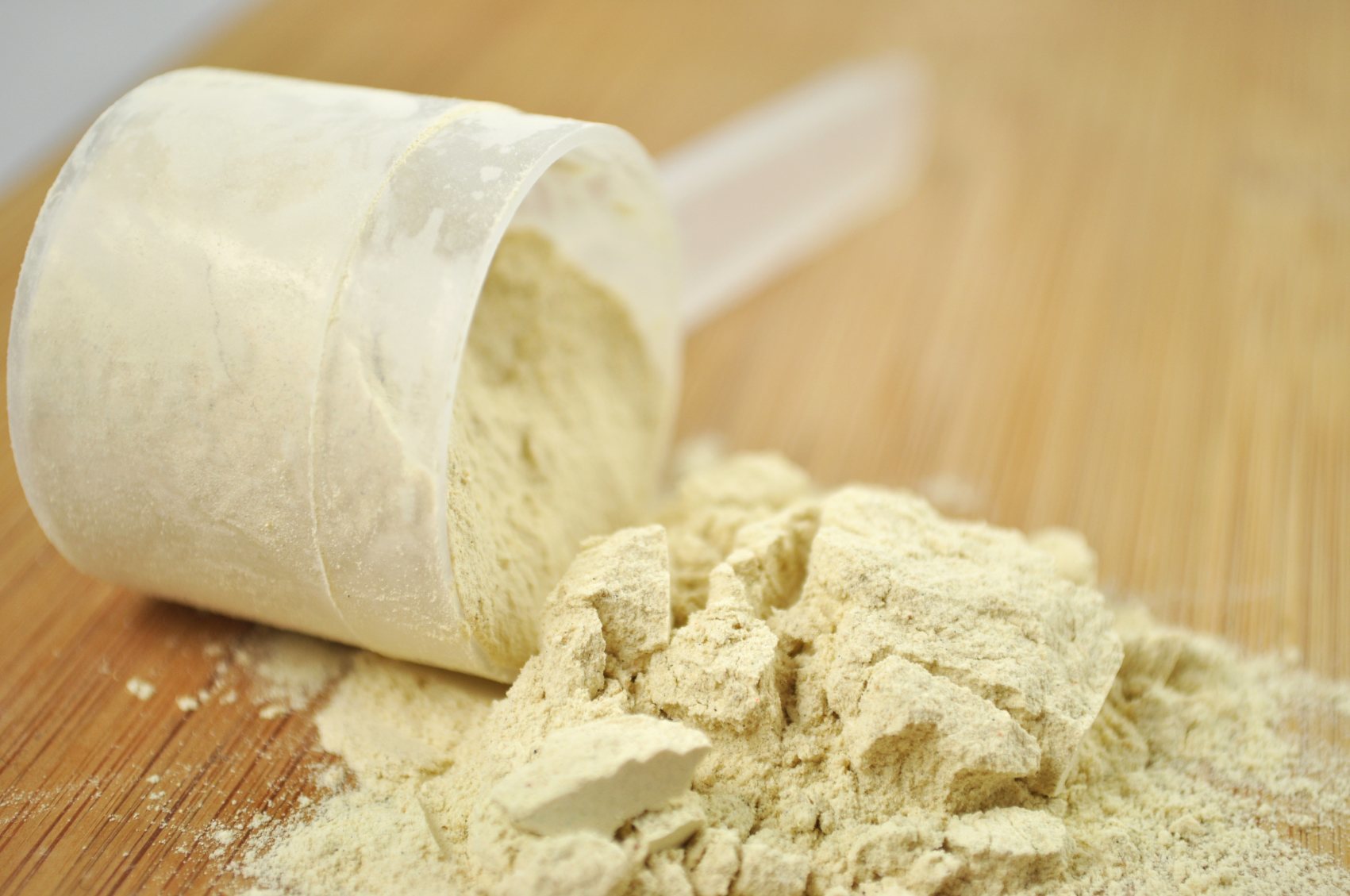
(NaturalNews – Ethan A. Huff) The health detriments of soy consumption are reiterated in a new study out of the University of Connecticut that highlights the importance of avoiding soy at all costs. Researchers from the school found that men who consume soy protein rather than whey protein for muscle recovery and growth experience considerable reductions in their testosterone levels, as well as marked increases in levels of the stress hormone cortisol.

Published in the Journal of the American College of Nutrition (JACN), the randomized, placebo-controlled crossover study looked at how soy supplementation affects testosterone, cortisol and sex hormone-binding globulin (SHBG) levels in men who engage in resistance exercises and training. They compared these effects to those brought about in men who supplement with whey.

For the research, 10 resistance-trained men in their early 20s had their hormones evaluated in conjunction with an assigned supplemental diet. The men were divided into three groups: one receiving whey protein isolate, one receiving soy protein isolate and the last receiving a maltodextrin-based placebo control. The men were not allowed to take any other supplements, and vegetarians, vegans and individuals who were consuming high-protein diets were excluded.

For two weeks, the men were told to ingest 20 grams of their assigned supplement every morning at the same time. The participants were then instructed to perform six sets of heavy resistance squats at 10 reps each, exerting 80 percent of their maximum lifting weight. At the end of the 14-day period, the researchers collected hormone profiles from each of the men and made comparisons.

They found that, compared to the men who supplemented with whey, those taking soy did not necessarily produce more estrogen. They did, however, experience decreased testosterone levels and elevated cortisol levels, a deadly combination that can leave men at risk of disease and weight gain.

Lowered testosterone levels and elevated cortisol levels are also generally attributed to the feminization phenomenon occurring in men that sometimes leads to disorders like nipple discharge, breast enlargement and hot flashes. It can also lead to inhibited thyroid function, bone loss, sleeping disorders, decreased sex function and reproductive problems.

“Our main findings demonstrate that 14 days of supplementation with soy protein does appear to partially blunt serum testosterone,” wrote the authors. “In addition, whey influences the response of cortisol following an acute bout of resistance exercise by blunting its increase during recovery.”

Men: skip the soy and stick with grass-fed whey for optimal muscle growth and hormone maintenance

In other words, soy protein is not what men who work out and train their bodies want to supplement with for muscle recovery and growth. Besides the fact that it lacks the right type of amino acid profile for muscle building, soy protein clearly exerts a demasculinization effect in multiple ways, robbing men of their manly essence and characteristics, including their strength and drive for life.

“[O]ver the past few decades, many researchers have found that phytoestrogens have adverse effects on both the production and utilization of hormones in males,” wrote Tim Boyd for The Weston A. Price Foundation, citing multiple studies looking specifically at soy protein, soy flour and other soy derivatives commonly found in the food supply.

“Testosterone might appear to be just a macho thing, but it’s a vital hormone for growth, repair, red blood cell formation, healthy sleep cycles and immune function, in addition to sex function,” he added, noting that “low levels of testosterone have also been linked to low thyroid function, another unwanted and common side effect of soy consumption. Low thyroid function leads to loss of libido in both men and women.”

Sources for this article include:
http://www.westonaprice.org
http://www.sciencedaily.com
http://www.t-nation.com
http://www.alphagalileo.org

Eating Healthy Meals as a Family Found to Reduce High-risk Behaviors in Children

(NaturalNews – Raw Michelle) Studies have shown that when children eat meals with other family members, especially healthy meals, they’re less likely to become involved in disordered eating, drug abuse or practice unsafe sex. (1)

Considering that up to 15 percent of youth in the United States suffer from depression and approximately 80 percent of 10-year-old girls have been on a diet, the findings offer hope for the future of children. (1,2)

One study from the University of Illinois found that, when a child ate meals with their family, they were 24 percent more likely to eat healthier foods and 35 percent less likely to engage in disordered eating. (1)

According to the National Eating Disorders Association (NEDA), about 10 million men and 20 million women in the United States have a clinically significant eating disorder. (2) Many of them range from bulimia and anorexia to ones not yet clinically classified, but which still involve extremely unhealthy behaviors.

Food quality just as important for children as eating together as a family

Experts suggest that, when eating together, where the focus is not on watching television or eating mindlessly alone, children are more apt to engage in conversation that reduces states of depression that are often linked to drug use and other unhealthy actions.

They also note that quality of food in addition to quality of conversation is important. Providing children with healthy foods is essential.

Dr. Felice Jacka of Deaken University led one of the studies that showed a link between higher-quality food and mental health improvements. She said, “In the U.S., as in the rest of the world, diet quality appears to be on the decline largely due to the availability of highly processed, high-fat, refined sugar foods.” (1)

Consumption of high-fat, sugary foods can, among other things, lead to obesity, which has been associated with premature puberty in girls who may reach that state as young as 10.5 years of age. (3) Girls who reach puberty so young are more likely to develop uterine and breast cancer later in life as well as face unwanted sexual advances, since they are often mistaken as older. (3)

Healthy food tips

Eating healthy foods, ideally with family members, can therefore help keep the childhood obesity epidemic at bay and, in turn, pave the way for the youth of America to live long, healthy lives.

Healthy foods include fresh, whole and organic nuts, seeds, vegetables and fruits.

When making recipes for children, it’s also helpful to be creative, trying meals that involve healthy food substitutes, such as swapping out traditional items when making a muffin and using zucchini as a main ingredient. Experts at the family-oriented publication Parents suggest this idea, as well as incorporating plenty of healthy frozen treats, fruits and vegetables like sweet potato “chips” in a child’s diet. (4)

Sources for this article include:
(1) http://news.therawfoodworld.com
(2) http://s.naturalnews.com
(3) http://s.naturalnews.com
(4) http://www.parents.com
http://science.naturalnews.com