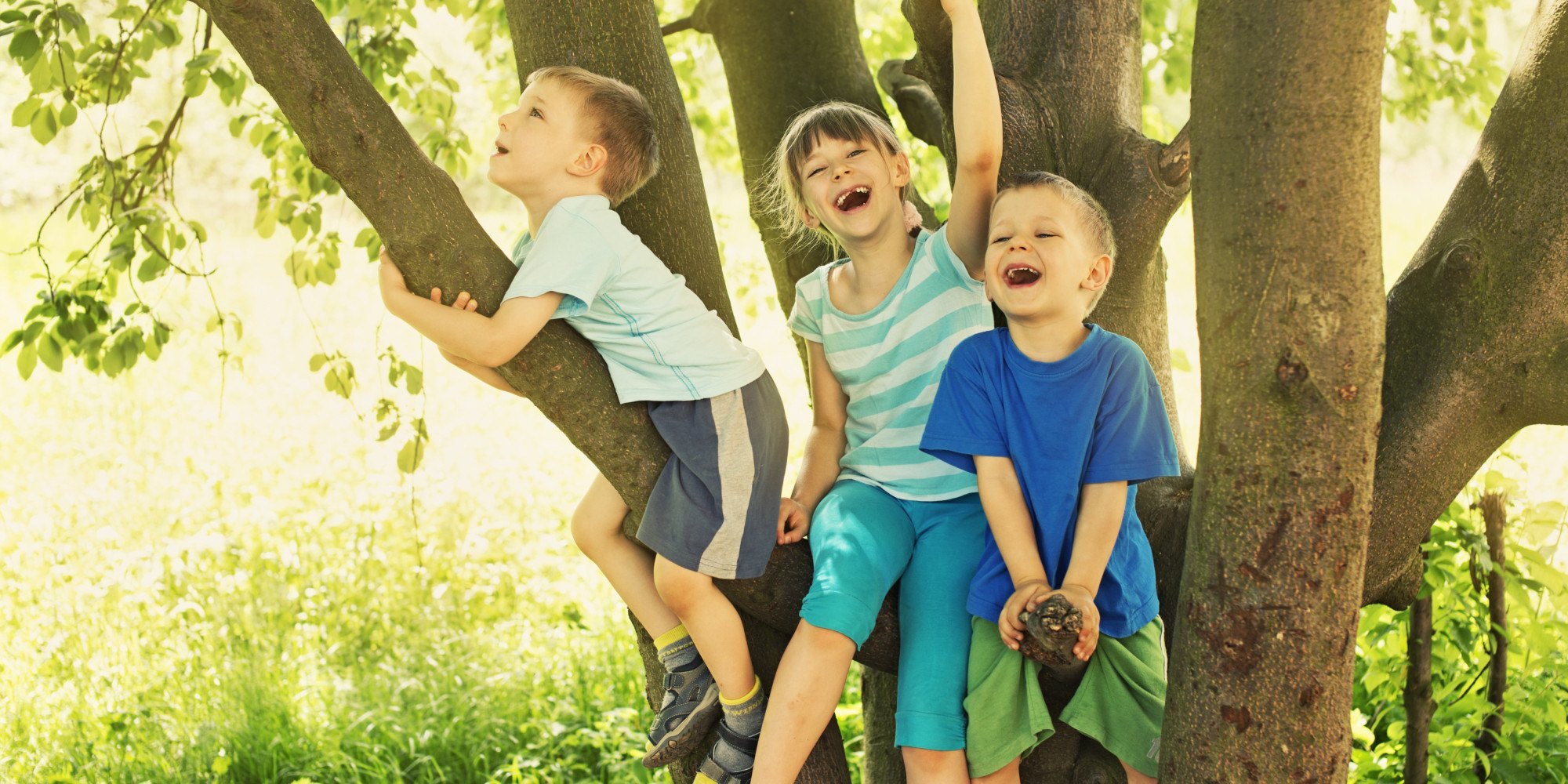
Exercising Outdoors May Help Boost its Positive Health Effects in Children

(NaturalNews – J. Anderson) Mother Nature may have even more positive health powers than we thought! According to Coventry University research published in the International Journal of Environmental Research and Public Health, children who exercise outside are significantly more likely to experience positive health effects post-exercise than if the exercise was inside.

The Study

The research was conducted on a group of 9- to 10-year-olds who had to complete multiple 15-minute cycling sessions. During one session, the children were shown pictures of a forest path which was synced to their bike; in another session, they were given no visual enhancement at all. After the session in which they were given “green stimulus,” the children experienced significantly lower blood pressure than when given no stimulus. The authors of the study noted that lower blood pressure can be attributed to a lower risk of healthy problems such as cardiovascular disease.

The lead researcher of the study, Dr. Michael Duncan of Coventry University had this to say regarding the results: “If there is indeed a correlation between viewing scenes of nature and a lower blood pressure post exercise, as indicated by our data, it could have very positive implications in encouraging public health practitioners to prescribe outdoor exercise to reduce health risk.”

Exercise in Children

Exercise in general is great for children, because it sets them up for a healthier adulthood by instilling a sense of a healthy lifestyle! In fact, research has gone so far as to hypothesize that a child’s “weight fate” is determined by age five! This means that children who are obese by this early age are more than likely to remain this weight for a large portion of their adult lives (this of course is not always true; with exercise and the proper diet, anyone can control their weight). Not only does exercise keep us physically fit, but research has shown that exercise in children (as well as adults) is vital in helping memory function too!

Although the study was done with visual stimuli and not an actual outdoor exercise experience, it does raise questions for future research on the subject. We know that exercise in general is amazingly healthy for all of us, but exercising outside could help boost those health benefits even more! From the data in the study provided, it does seem that children and adults alike could benefit from exercising more outdoors.

Sources for this article include:
http://www.coventry.ac.uk
http://www.naturalnews.com
http://science.naturalnews.com
10 Tips for Raising a Healthy Eater

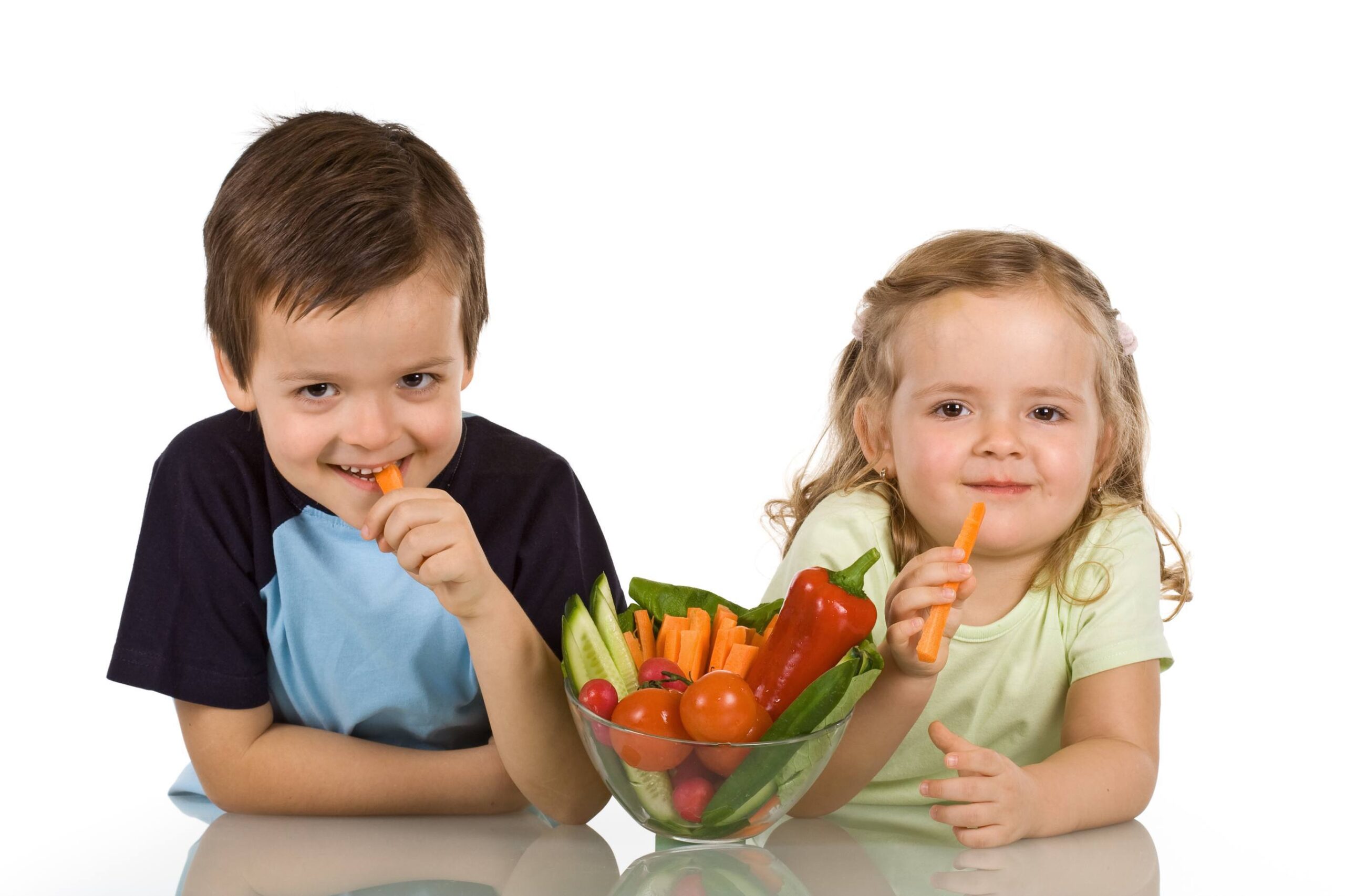
(DrFrankLipman – Courtney Blatt) Parenting comes with lots of joy, but it can also be stressful when trying to balance all the ‘should do’s’ in your life.  As a practicing health coach and mom, I know one of my most important responsibilities is to make sure my child is well nourished-both emotionally and physically.  I’m often asked how I find time to cook and actually get my toddler to eat my healthy meals.

I started this journey by reading books and speaking to experienced colleagues within my nutrition-based community, but in the end I decided to follow my intuition. Once my son was old enough to eat solids, I asked myself, why can’t he just eat what I eat? I made it my mission to start him on a path of eating real, fresh food, just like I eat real, fresh food.

Now that he’s a toddler it’s gotten a bit more challenging, but with a little creativity and resourcefulness he’s on a great path. His diet is full of whole foods and we’ve managed to skip the typical child’s menu altogether. Whoo hoo!

Here are my top 10 tips to setting your child up for a lifetime of healthy eating habits:

1. Keep your Pregnancy Diet Clean

Research shows that what we eat while pregnant shapes our child’s food preferences later in life. Wow, is this true. I ate a ton of veggies during my pregnancy, and now my son’s favorite foods are plain, cut vegetables.

2. Don’t Cook Twice

As long as you’re eating fresh, whole foods, there’s no reason for a child to eat different foods than you. Luckily toddlers often want to eat what you’re eating. By setting a good example, it will encourage them to eat healthy foods too!

3. Keep a Set Schedule

With a regular sleeping and eating regimen kids are much less likely to ask for food outside meal or snack times.

4. Don’t use Food as a Reward

Giving your child treats for good behavior early in life sets them up for emotional eating habits a an adult.

5. Be Creative

Come up with ways to introduce different foods and flavors. If your little one doesn’t like a certain food the first time he tries it, present it another way. My son despised beans the first time I made them. I tried again with a simple chicken chili recipe and now it’s a staple in our house!

6. Plan Ahead for the Week

It’s easy to fall in the trap of reaching for processed food shortcuts if you don’t know what you’re making for a meal in advance. On Sunday night, I plan meals and shopping times for the week so I don’t get overwhelmed.

7. Utilize a Slow Cooker

It’s a great tool for making food for the entire family. You can also cook a large batch when you have time, and freeze in small containers for easy meals in busy weeks to come.

8. Be Flexible and Give Choices

If a meal isn’t working out, try giving your child another choice. Toddlers love to show their independence, so give them the opportunity to choose between two healthy options.

9. Skip the Kid’s Menu

Almost every option on the kid’s menu is fried, loaded with butter, or smothered in cheese. So what alternatives do you have? Ask them to make a small version of what you’re ordering. If that doesn’t work, request they grill the protein instead of frying it and add a vegetable. Or just order an extra side and share your meal!

10. Don’t Make Food an Issue

The last thing you want is your child feeling deprived. If he’s at a birthday party or event and there are limited options, it’s not the end of the world. Chances are if your child is eating healthy, they’ll develop an inclination for healthy foods. With any luck once they can make their own decision, they won’t even want the junk food!

10 Superfoods for Babies and Toddlers

(NaturalNews – Alex Du Toit) Babies and toddlers do not eat much food because their tummies are tiny. That is why it is important to feed them foods that are packed with nutrients. Superfoods are natural foods that are high in nutrients and antioxidants packed with health giving properties. They are easily digestible and keep the body and mind healthy and working great. These 10 superfoods are essential for babies’ and toddlers’ growing bodies:

1. Avocado
Avocados are the best first food for your baby. They are a perfect consistency and they contain an abundance of nutrients including high levels of omega-3s. You can simply slice open an avocado and feed it straight into your little one’s mouth. If you would like a smoother consistency, add a little breast milk or substitute and mash.

2. Beans
Beans are super nutritious. They are very high in antioxidants containing 10 times the amount of antioxidants as oranges. They are high in fiber, which prevents your baby from becoming constipated. They are high in iron, protein and vitamin B. They should be soaked overnight before preparing to decrease cooking time.

3. Blueberries
Blueberries are super nutritious. They are higher in antioxidants than any other fresh fruit and very beneficial to your baby’s brain, urinary and nervous systems as well as their heart and eyes. They are also high in fiber, and vitamins A and C.

4. Coconut
Coconuts contain medium chain fatty acids which have significant health benefits and are similar to the ones found in human breast milk. They help boost the immune system, improve digestion, and balance the blood sugar.

5. Chia seeds
Chia seeds are higher in antioxidants than blueberries and have more calcium than whole milk. They are very high in omega-3s, magnesium, fiber, iron, potassium, and protein.

6. Dark leafy greens
These leafy greens are rich in antioxidants and high in iron and folate. They are a top superfood because they contain large amounts of vitamins C, and K as well as calcium. Vitamin K and calcium are great bone-builders.

7. Eggs (cage-free/organic)
Eggs are full of high quality nutrients for your baby. They contain choline, a B-vitamin that plays an important role in the development and function of the baby’s brain. Eggs are full of protein and omega-3s as well as vitamin D, folate, the antioxidant lutein and many minerals such as zinc, iron, and selenium, a great immune booster.

8. Oats
Oats are a good source of soluble and insoluble fiber and they are also rich in phytochemicals, vitamin E, zinc, iron, magnesium and selenium. Oats are a good source of protein and a great way to start the morning. Use plain oats and add your own toppings such as nuts, seeds or fruit.

9. Quinoa
Quinoa is a complete protein making it perfect for vegetarian babies, it is high in lysine, an amino acid important for tissue growth and repair. Quinoa has a good amount of fiber and is high in nutrients such as manganese, magnesium and has a very high iron content. Quinoa is a gluten-free grain and is an alternative to whole grain rice in many baby food recipes.

10. Sweet potatoes
Sweet potatoes are among the most nutritious vegetables available. They are rich in phyto-nutrients and high in vitamins A and C. They have a naturally sweet flavor and creamy texture making these vegetables appealing to babies and toddlers.

Sources for this article include:
www.babycenter.com
www.wholesomebabyfood.com
www.parents.com

5 Ideas to Help Kids Love the Outdoors

(NaturalPapa – Mike Freiberg) One of the best ways to ensure that your kids stay active and healthy is to instill a love for the outdoors. If you find yourself having to kick your kids out the door to keep them away from the TV and computer, try these ideas to make being outside and enjoying nature a more regular, effortless part of your kids’ lives.

1. Teach them how to have fun outside

When my boys were younger, the complaint I heard constantly was, “But there’s nothing to do outside!” I realized that I needed to show them some of the fun that was out there to be had, so we spent time camping, fishing, riding bikes, and playing simple outdoor games.

Kids don’t instinctively know all the traditions and culture that grown-ups take for granted, but by teaching them to be capable outdoorsmen-and-women, dads can alleviate some of the struggle of pushing them to play outside. If you’re a little insecure in your outdoor skills, make technology work for you – there’s an endless supply of online resources for you and your kids to develop wilderness skills.

2. Make the natural world a place for learning

Kids love to learn about the world around them – and the more you understand about nature, the more exciting it becomes. My boys love Animal Planet, but it took some work to convince them that the plants and animals in their proverbial backyard were as interesting as what goes on in Africa or the Amazon. For them, the turning point was the anthill in the backyard. When we talked about the way ants socialize and communicate, and the billions of connections that they need to survive, suddenly our backyard was a pretty cool place to be.

Project Noah is a good resource for teaching kids about local wildlife – it provides fun facts and identifying characteristics for thousands of animals, and even allows kids to contribute to ongoing zoological research.

3. Find what’s exciting about your part of the world

Even if you don’t have big mountains or beaches in your neighborhood, there’s always something beautiful to discover. It might take a little more work if you live in an area without a lot of natural green-space, but you can check Google Earth, or your state’s park listings for information on the closest wilderness areas. Kids are great at finding natural wonder, so it doesn’t need to be the Grand Canyon or Niagara Falls—a local creek or pond can be enough to get them excited.

4. Love the outdoors yourself

Practicing what you preach may be the hardest part about getting your kids outside. It’s easy to think that you don’t have time amid grown-up concerns to get out in nature, but it’s tough to impose priorities on kids if you aren’t willing to get involved yourself. Not only will it be easier to get kids outside if they see you enjoying the outdoors, but it will also do wonders for your own peace of mind. Make it a personal mission to spend more time outside; kids don’t push easily, but they love to follow a good example.

5. Have fun backyard activities

The days of letting kids play out in the street until sundown may be behind us, but your backyard can be a great place for kids to play when you can’t be right with them to supervise. Make your backyard a fun place to be; build a sandbox, a swing, or a treehouse.

Most of those projects are a lot easier than they look—a sandbox can be as simple as four railroad ties and a couple bags of sand. You can make swings easily with rope, old benches, and a sturdy bough of a tree. A treehouse is a little bit more work, but you don’t need to be an engineering genius to make it happen. Overall, think about what you had as a kid (or what you wish you’d had), and do what you can to make it a reality for your kids.

Nearly Half the Children Born in the Last Decade are at Risk of Diabetes

(NaturalNews – PF Louis) According to News Daily, a CDC study has determined that two out five people born between 2000 and 2011 are expected to develop diabetes type 2.

This rate is double what it was two decades ago for men, and it’s a 50 percent increase for women. Currently, 29 million people suffer from mostly diabetes type 2, which is acquired over time largely through too much sugar and refined carbohydrate consumption accelerated by lack of exercise

Obesity, which is often an early entry into diabetes, has soared over the last couple of decades as well. What’s changed the most over the last few decades? The amount of added processed sugars in fast foods, processed foods and beverages that have supplanted real food.

The food processing industry and their paid media shills in print, radio and TV advertising are guilty of foisting bad health and disease on the population. You could call these activities crimes against humanity.

Many of them are victims of their own crimes, with refined sugars and high-fructose corn syrup added not only to obvious sweets but also to many other not-so-sweet processed foods as well.

The processed food industry’s dealing with sugar addictions

Some experts claim sugar is addictive as cocaine. So putting more and more in sodas and sweets is conducive for repeat business. And why not add sugar surreptitiously into just about any processed food worthy of attracting repeat customers?

Processed salt is added to sodas to make sure more sugar could be placed into those beverages, making them more addictive. It’s not only obvious sweets like candies, cakes, donuts and sodas that contain large amounts of added sugars.

Other processed foods like breads, fast food French fries, bagels and soups contain added sugars to keep you coming back for more. And those low- or non-fat dairy yogurts and dairy products use added sugar and chemical thickeners to imitate the taste and sensation of the fat that’s been taken out.

The medical myth that fats make you fat was a boon to processed food manufacturers who came up with sugar solutions, just as they have with non-gluten packaged foods now. False evils are replaced with real ones. Healthy fats, even saturated fats, don’t make you fat. But added sugars sure do.

High-fructose corn syrup (HFCS) has replaced cane sugars in most sodas and other beverages as well as many other food products. HFCS is sweeter per volume than sugar and is cheaper too. Good for the profit margin. But it’s even worse for one’s health than sugar. HFCS became the new sugar for many products, especially beverages, in the 1970s.

Since then, it has increased exponentially to become the sugar of choice in most sodas and other beverages. By the way, it can also be called “corn syrup” on those labels. Too many have caught on to how bad HFCS is, so that industry is doing what they can to conceal it from consumers and sneak it into their guts to cause a plethora of problems.

The fructose in fruit is not problematic because of fruit’s fiber and other compounds that compensate the fructose, ensuring a metabolic transition that doesn’t harm the liver. Normal processed cane or beet sugar (sucrose) is one part glucose and one part fructose.

So there is some metabolic damage from sucrose with the fructose part, while the glucose is readily metabolized for that energy rush that sugar addicts enjoy. Some sucrose does get stored as fat throughout the body to be used as energy later. But later doesn’t come, as long as one keeps eating processed foods, and the fat remains.

But high-fructose corn syrup is extremely concentrated fructose that goes straight to the liver instead of the gut from where sucrose sugars are taken into the bloodstream to create usable energy. The liver doesn’t know exactly what to do with those sudden surges of fructose, so it gets stored as fat, which can lead to fatty liver disease and eventually cirrhosis and possibly cancer.

HFCS also has less impact on hunger sensations than sucrose, which goes through the digestive tract to create energy and allow a sensation of satisfaction. This way, HFCS leads to eating or drinking more than one can tolerate, raising one’s serum triglyceride levels and making one susceptible to cardiovascular disease.

The process of manufacturing HFCS produces toxins and leaves residues of mercury. The for-profit medical monopoly and Big Pharma should be grateful to the processed food industry for the increased business that it sends them.

Sources for this article include:
http://newsdaily.com
http://www.lef.org
http://www.naturalhealth365.com
http://www.medicalnewstoday.com
http://www.cnn.com
http://science.naturalnews.com