New Insight Into How “Gut Feelings” Affect Mental Health, Depression And Anxiety

(Natural Blaze by Alex Pietrowski) In recent years, the study of causes and treatments of depression has uncovered a link to the health of the microbiome within the body’s digestive system. The hypothesis is that the presence or absence of healthy digestive bacteria affects the way the brain functions, and new research by a Florida State University neuroscientist sheds more insight into this.

The findings by research and psychology professor Linda Rinaman point to a very important connection between the gut and the brain, identifying pathways that help to understand why so-called ‘gut feelings’ have a powerful influence on emotions, mood and decision-making.

Related: Sugar Leads to Depression – World’s First Trial Proves Gut and Brain are Linked (Protocol Included)

We expect these lines of research will help us better understand how gastrointestinal functions contribute to both normal and disordered mental function. ~Linda Rinaman

Her research looked at pathways between the gut and the brain in mammals, noting how feelings generated within the gut move into the brain, indicating that some ‘gut-feelings’ are a red flag and thereby may be a fair indicator of healthy mood and mental states.

In the human body, the vagus nerve acts as the pathway between the brain and gut. The nerve is the body’s largest and most extensive nerve, translating and carrying messages between the gastrointestinal tract and the brain. If the gut is operating optimally, the brain is cued to respond more positively. Food and proper supplementation are important factors.

Related: Candida, Gut Flora, Allergies, and Disease

Scientific and anecdotal evidence suggests a poor diet can cause those protective, cautionary signals to get out of whack, leading to altered mood and behavior. For example, Rinaman said, a high-fat diet can promote a low-grade inflammatory response in the GI tract, changing vagal signals and possibly exacerbating symptoms of anxiety, depression or other disturbed mental states.

Rinaman said the types of bacteria within your gut are shaped by your diet, and those bacteria can affect your emotional and cognitive state. [Source]

The emotional significance of the vagus nerve is discussed further:

Research indicates that a healthy vagus nerve is vital in experiencing empathy and fostering social bonding, and it is crucial to our ability to observe, perceive, and make complex decisions. Tests have revealed that people with impaired vagal activity have also been diagnosed with depression, panic disorders, Post Traumatic Stress Disorder (PTSD), irritable bowel syndrome, anxiety, panic disorders, violent mood swings, fibromyalgia, early Alzheimer’s and obesity. Given the state of society today and the vast array of dis-eases associated with unhealthy Vagus Nerves, it doesn’t take a medical doctor to conclude that by healing our collective Vagus Nerves, we can heal a lot of societies woes.

Scientists have discovered that artificial Vagus Nerve Stimulation (VNS), through electrical impulses via a surgically implanted pacemaker like device, shows promising results in reducing depression, anxieties and even conditions such as epilepsy and obesity. VNS has also shown positive effects in promoting weight-loss as the signals to the brain of ‘fullness’ are more easily transmitted. But what if there were a less intrusive and more natural way to stimulate and heal the Vagus Nerve? ~Frank Huguenard

Related: Gluten, Candida, Leaky Gut Syndrome, and Autoimmune Diseases

The important takeaway here is that supporting healthy gut function along with healthy function of the vagus nerve is being demonstrated to be a potentially very potent way of holistically approaching treatment of depression and anxiety.

Evidence shows that modifying the diet, perhaps by consuming probiotics, can impact your mood and behavioral state. That’s very clear in animal and human studies. ~Linda Rinaman

Adrenals 101

Our two adrenal glands are on top of the kidneys, hence, the terms “adrenal,” as in “added” to the renal glands.

This article is an excerpt from Holistic Guide to Healing the Endocrine System and Balancing Our Hormones.

The adrenal glands are composed of two entirely separate sections, the cortex and the medulla. Like the pituitary gland, the two sections of the adrenals evolved from two entirely different types of tissue.

Adrenal Medulla

The adrenal medulla evolved from the nervous system. The adrenal medulla works with the autonomic nervous system (the unconscious processes like breathing and digestion). The inner adrenal medulla has a direct connection to the brain.

Adrenal Medulla Hormones

The adrenal glands produce adrenaline (80%) and noradrenaline (20%), more commonly known among the medical establishment as epinephrine and norepinephrine. These hormones together are known as catecholamines.

The medullary hormones are not essential for life, but life without them would be difficult. Without stress, these hormones wouldn’t be necessary, but there are varying degrees of stress. The adrenal medulla hormones compensate when we stress our bodies with a simple act like standing up from a reclining or sitting position. Without these hormones, your blood pressure would drop when you stand because gravity causes your blood to pool at the feet and legs.

Adrenaline

Epinephrine, more commonly called adrenaline, can increase heart rate, contract blood vessels, dilate air passages, and get the nervous system ready for a fight or flight response. Epinephrine acts on almost every part of the body.

Noradrenaline

Norepinephrine, also known as noradrenaline, works with epinephrine and adds its own stimulus to the brain. Like adrenaline, noradrenaline responds to the fight-or-flight stimulus. Noradrenaline increases our heart rate, triggering the release of glucose from the body’s energy stores, and increasing blood flow to our muscles. Noradrenaline also affects the parts of the brain where attention and response actions are carried out. Noradrenaline is also an anti-inflammatory agent for the brain.

Adrenal Medulla Disorders

When the medulla is in trouble, so is the nervous system. Pathology of the adrenal medulla is primarily caused by neoplasm (tumors) or otherwise poor nervous system functionality, but there are many other issues that can cause too much or not enough of the two hormones. The nervous system will compensate for a lack of adrenal hormones for some time, but healing the thyroid, healing the entire adrenal gland, and if need be, healing the endocrine system as a whole, is the only way to ensure returned health to the adrenal medulla.

Adrenal Cortex

The adrenal cortex is divided into three zones and produces three main types of steroid hormones.

In medical school, one way we learned to remember these three layers is: ‘Salt, sugar, sex… the deeper it goes, the sweeter it gets.’ Not important, but catchy.” – Precision Nutrition

Zona Glomerulosa & Mineralocorticoids

Mineralocorticoids (such as aldosterone, which makes up about 96% of the hormones in this mineralocorticoid group) produced in the zona glomerulosa help regulate blood pressure and electrolyte balance. Aldosterone controls water and electrolyte (sodium and potassium) concentration.

The mineralocorticoids act upon the kidneys, which under the direction of these hormones excrete sodium or potassium as required to maintain optimal balance. Adrenal adenomas (benign, actively secreting growths in the cortex) cause hyper-production of aldosterone, which may account for as much as 25% of patients with high blood pressure.

Zona Fasciculata & Glucocorticoids

Cortisol (also called hydrocortisone) makes up 95% of the glucocorticoids hormones produced, but there’s also corticosterone and cortisone.

What does cortisol do:
  • Depresses the immune system.
  • Anti-inflammatory by reducing immune system response.
  • Retards allergic overreactions, but this may slow wound healing.
  • Promotes the breakdown of protein (catabolism).
  • Promotes the conversion of triglycerides to stored fatty acids.
  • Promotes glucose formation (gluconeogenesis).
  • Promotes resistance to stress which results in higher blood pressure.

Two well-known diseases of the adrenals are Addison’s disease and Cushing’s syndrome. Addison’s disease results from acute adrenocortical insufficiency. Cushing’s syndrome is caused by excessive adrenal cortical function.

John F. Kennedy may be history’s most famous Addison’s disease patient and required regular cortisone injections to deal with stress. Since one of the side effects of cortisol injections is a “tanning” of the skin, JFK looked his best (tanned and relaxed) during times of stress — immediately after injections.” – John Barron

Full blown Addison’s disease is rare, but adrenal fatigue is extremely common. Cushing’s syndrome is rare, too.

Zona Reticularis & Androgens

Testosterone is the most well-known androgen. Androgens are masculinizing hormones. In adult males, not many of these hormones are produced in the adrenal gland. Men produce most of their androgens in the testes while women produce their androgens in the adrenal glands.

Adrenal Fatigue

Health care professionals estimate that 80% or more American adults suffer from some level of adrenal fatigue. With our addiction to caffeine, nicotine, and other stimulants and our tendency to bathe in Wi-Fi and cellular radiation, it seems likely.

Symptoms of Adrenal Fatigue Include

  • body aches
  • trouble concentrating
  • racing thoughts
  • moodiness and irritability
  • always feeling tired
  • feeling overwhelmed
  • hormone imbalance
  • cravings for sweet and salty foods

Nutrients that Boost Adrenal Response

How to Heal Adrenal Glands

Supplement with vitamin D3, a B complex that’s got extra B5, a fatty acid supplement with DHA and EPA, a good multivitamin powder, and a liquid mineral formula.

Get the diet right. No stimulants like coffee, caffeinated teas, energy drinks, tobacco, etc. In fact, no drugs period. Eat more fresh raw vegetables than anything else, and eliminate refined and processed foods like white rice, HFCS, and even that bag of organic, super healthy, ancient grain, non-GMO quinoa chips. If you didn’t make it, don’t eat it.

Make sure the body is working right in other areas that affect adrenals. The endocrine system as a whole, and especially the thyroid, kidneys, and hypothalamus, must be in decent working order to heal the adrenals all the way. If necessary, kill Candida and balance the gut. (it’s likely very necessary if you have adrenal fatigue with our toxic, sugar-laden, antibacterial crazed society, which is often the underlining cause of endocrine disorders).

Start grounding regularly, at least 15 minutes a day (more is better). Do some sun gazing while you’re at it (but do not look directly at the sun). Get out in nature a little every day or as often as possible (again, more is better). Avoid or compensate for Wi-Fi, cellular, and other EMFs (salt lamps help, grounding probably does, too). Learn to breathe properly by breathing in deeply in a manner that causes your stomach to expand when you breathe in.

If your symptoms don’t improve quickly, glandular supplementation can help (if you’re not vegan) and a few adaptation herbs can help as well.

Keto Vs. Paleo – Here’s What Science Says About Which Low Carb Diet Is Best

(Natural Blaze by Anna Hunt) There will always be some type of low carb diet that gets the wellness community excited. Remember when Atkins and South Beach diets were the talk of the town? Pretty much most of these fad diets focus on decreasing intake sugar and carbohydrates. Today, two most popular low carb diets are the ketogenic diet and the paleo, or caveman, diet.

I’ve written quite a bit lately about the ketogenic diet because I’ve been inspired by this free keto diet cookbook. When I compared it to the paleo diet, I found that they are actually quite similar. So, does it matter which one you choose? Here are some comments from the scientific community that may help you decide which one (if either) is best for you.

Recommended: Detox Cheap and Easy Without Fasting – Recipes Included

Ketogenic Diet

A study published in Experimental & Clinical Cardiology examined the effects of a 24-week ketogenic diet. Researchers conducted the study on obese participants. The diet consisted of 30 g carbohydrate, 1 g/kg body weight protein, 20% saturated fat, and 80% polyunsaturated and monounsaturated fat. Here are the results:

The weight and body mass index of the patients decreased significantly (P<0.0001). The level of total cholesterol decreased from week 1 to week 24. HDL cholesterol levels significantly increased, whereas LDL cholesterol levels significantly decreased after treatment. The level of triglycerides decreased significantly following 24 weeks of treatment. The level of blood glucose significantly decreased.

Marcelo Campos, MD at Harvard Medical School, claims:

We have solid evidence showing that a ketogenic diet reduces seizures in children, sometimes as effectively as medication. Because of these neuroprotective effects, questions have been raised about the possible benefits for other brain disorders such as Parkinson’s, Alzheimer’s, multiple sclerosis, sleep disorders, autism, and even brain cancer.

He does add that the keto diet can be heavy on red meat and fatty, high-sodium, processed foods. Going keto doesn’t mean you can gorge on sausage and bacon! Be aware of where you’re getting your protein, and try to eat red meat in moderation. Also, get your healthy fats from live foods such as oils, nuts, seeds, fish, and avocados.

Recommended: Start Eating Like That and Start Eating Like This – Your Guide to Homeostasis Through Diet

Animal studies offer additional insights. One study evaluated the effects of a ketogenic diet on mice. The researchers published their finding in the journal Cell Metabolism. Here’s their conclusion:

A low-carbohydrate, ketogenic diet extends longevity in adult male mice.

Motor function, memory, and muscle mass are preserved in aged ketogenic mice.

Furthermore,  Scientific American reports:

Emerging evidence from animal models and clinical trials suggest keto may be therapeutically used in many other neurological disorders, including head ache, neurodegenerative diseases, sleep disorders, bipolar disorder, autism and brain cancer. With no apparent side effects.

Paleolithic Diet

A study in Nutrition Research examined if the paleo diet had a favorable effect on adults with high blood cholesterol levels. They compared it with the effects of the grain-based heart-healthy diet that the American Heart Association recommends.

Twenty volunteers who were not taking any cholesterol-lowering medications, participated. They adhered to a traditional heart-healthy diet for 4 months, followed by a Paleolithic diet for 4 months. The researchers concluded:

Paleolithic nutrition offers promising potential for nutritional management of hyperlipidemia in adults whose lipid profiles have not improved after following more traditional heart-healthy dietary recommendations.

Recommended: How to Make the Healthiest Smoothies – 4 Recipes

Another study took to understanding if the paleo diet has any effect on the risk of colon cancer. Researchers compared paleo to DASH (Mediterranean) diet, which many scientists believe can mitigate the risk of colon cancer. The researchers published their study in American Journal of Epidemiology. Here’s their conclusion:

These findings suggest that greater adherence to the Paleolithic diet pattern and greater adherence to the Mediterranean diet pattern may be similarly associated with lower risk of incident, sporadic colorectal adenomas.

Finally, the Journal of Diabetes Science and Technology published a review of several studies researching the effects of the paleo diet on Type 2 diabetes and cardiovascular disease. Here are some of the research findings:

The effect of a Paleolithic diet on a variety of metabolic risk factors for cardiovascular disease in an uncontrolled trial was reported in August 2009 in the European Journal of Clinical Nutrition. Compared with the usual diet, nine sedentary subjects receiving the intervention diet experienced (a) significant reductions in blood pressure, (b) improved arterial distensibility, (c) significant reduction in plasma insulin versus time in the area under the curve during oral glucose tolerance testing, and (d) significant reductions in total cholesterol, low-density lipoproteins, and triglycerides.

In terms of Type 2 diabetes, here is what one study revealed:

The Paleolithic diet compared to the diabetes diet resulted in a higher percentage of protein intake as a percentage of total daily calories. Therefore, the greater protein intake during a Paleolithic diet might confer an additional benefit (beyond weight reduction) in its favorable effects on risk reduction for metabolic disease.

Keto vs Paleo – What You Can & Can’t Eat

Below is a table that highlights the different foods you can and can’t eat when following the paleo and ketogenic dietary protocols.

Any Low Carb Diet Beats Typical Western Diet

I’ve been writing quite a bit lately about the ketogenic diet because I personally used it as a detox method for the new year. The goal is to help people realize that we do not need 50% to 80% of our diet to be made up of carbs.

Related: The Way We Used To Eat – The Real Paleo Diet

Many readers have taken offense to the idea that I would suggest people eat “so much meat.” Some have claimed that meat causes cancer. Then, there are the issues that factory farms are inhumane and a resource drain on the planet.

These are important issues. Yes, processed foods and overcooked red meat have been shown to be carcinogenic. I have written about this topic here.

The quality of the foods that you buy is very important. I would highly recommend growing as much as you can in your garden, including raising chickens. If you don’t have a back yard, then support local farms. Many of such farms raise their animals humanely and organically. If you are a vegan or vegetarian, these diets are clearly not for you.

In addition, people love to assert their beliefs that fats are only going to make you gain weight. Although there are now many studies showing the benefits of eating healthy fats, it’s a proven fact that people don’t easily let go of their old beliefs.

I know from personal experience that one can eat high-fat whole foods and still lose weight. This may not work for everyone, but it does work for some especially if you have an active lifestyle.

The real culprits in obesity are sugar and processed foods. With processed foods, people end up consuming many poor-quality fats. If you eat lots of greasy fries as part of your keto diet, then no, you probably won’t be any lighter or healthier.

If a person stopped eating high-fat processed foods, like cookies, chips and fried fast foods, the changes in their health and body would be quite noticeable. Eliminate sugary drinks and alcohol to boot, and you have yourself a very healthy diet. Even if you eat spaghetti once in a while.

What I’m getting at is that it doesn’t really matter what low carb diet, or no carb or some carb diet you choose. If you replace processed, fast and dead foods with nutrient-dense, live, real foods, your health will benefit.

Picking What Works for You

My goal here is not to talk you into going on any type of diet. Yet, many people find themselves unhealthy and overweight. Therefore, it is important to understand that there are many dietary options that have worked for others in terms of helping them improve their overall health and lose weight.

If you’re considering any dietary change, it is vital that you listen to your body. You are the primary person that will know if something is working or not. If you are taking medication or currently have an illness, you may want to discuss your dietary plan with your current medical provider.

Paleo, keto and even Whole 30 diets are a great way to reset the body. They all adhere to the idea that we need to stop eating so much sugar, processed foods, fried foods and grains (i.e. wheat products). Even if you eliminate these foods for a period of 4 to 8 weeks, your digestive system gets an opportunity to heal and reboot.

Finally, I want to congratulate anyone who has made the changes in their life and eats a keto or a paleo diet. It is a difficult process to let go of poor eating habits, and the Western culture does not make it easy. Please share with us your experiences, and any health benefits that you’ve observed.

Read more articles by Anna Hunt.

Anna Hunt is writer, yoga instructor, mother of three, and lover of healthy food. She’s the founder of Awareness Junkie, an online community paving the way for better health and personal transformation. She’s also the co-editor at Waking Times, where she writes about optimal health and wellness. Anna spent 6 years in Costa Rica as a teacher of Hatha and therapeutic yoga. She now teaches at Asheville Yoga Center and is pursuing her Yoga Therapy certification. During her free time, you’ll find her on the mat or in the kitchen, creating new kid-friendly superfood recipes.

This article (Keto vs Paleo – Here’s What Science Says About which Low Carb Diet is Best) was originally created and published by Waking Times and is published here under a Creative Commons license with attribution to Anna Hunt and WakingTimes.com. It may be re-posted freely with proper attribution, author bio, and this copyright statement.

Disclaimer: This article is not intended to provide medical advice, diagnosis or treatment. Views expressed here do not necessarily reflect those of Waking Times or its staff.

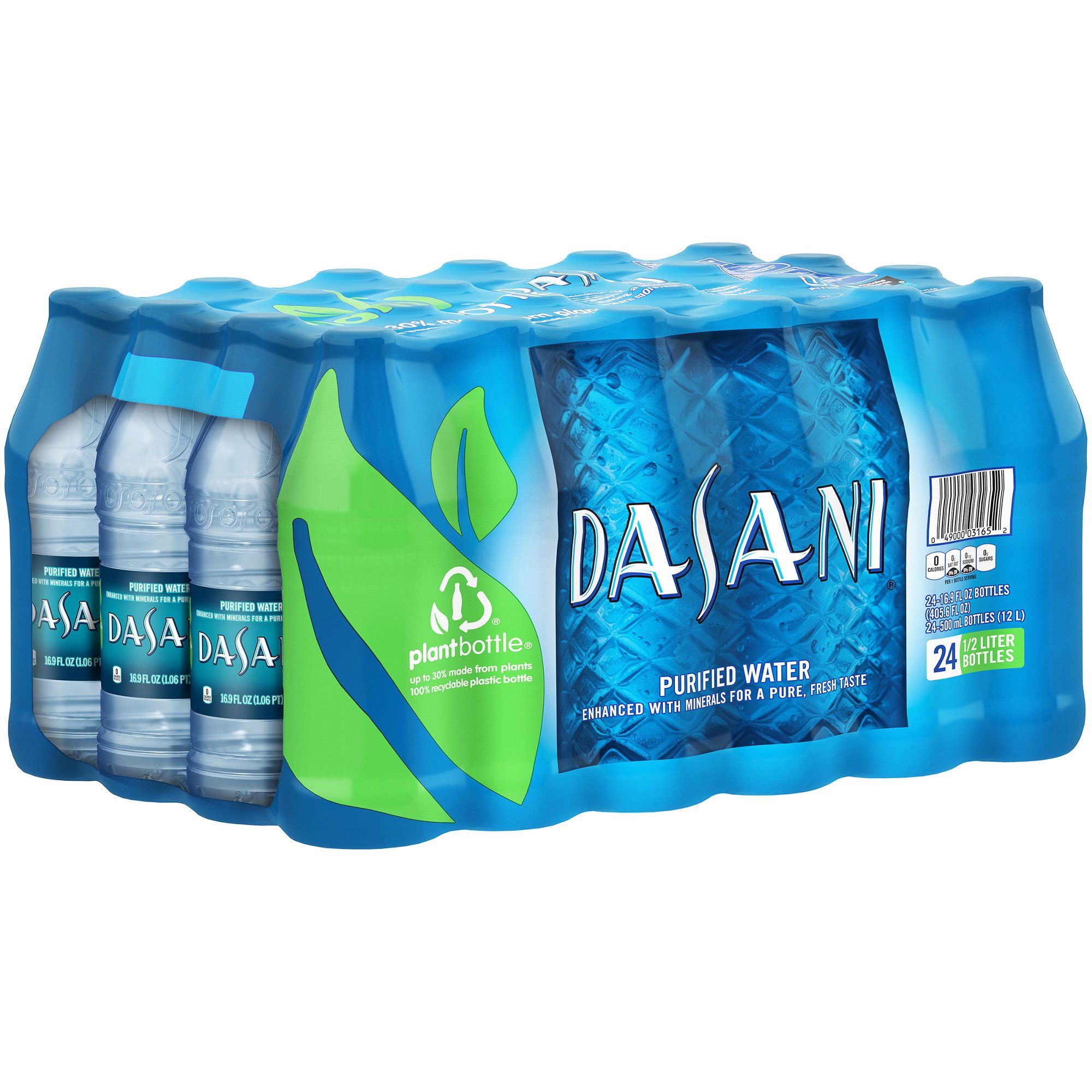
Coca-Cola Admits Its Dasani Bottled Water May Be Contaminated With Plastic

This week, a study of eleven popular water bottle brands revealed microplastics are pervasive in packaging around the world. Though this may be unsurprising considering the widespread use of plastics, Coca-Cola admitted the possibility that their water products contain synthetic materials.

The research was commissioned by Orb Media, a non-profit journalistic organization, and conducted by researchers at the State University of New York. International brands tested included Nestlé Pure Life, Evian, San Pellegrino, Dasani (owned by Coca-Cola), and Aquafina (owned by Pepsi), and overall, the results indicated there were microplastics in 93 percent of the bottles tested.

Nestlé clocked the highest rate of microplastics per liter, with a high of 10,390 particles per liter (ppl). By comparison, the average for all brands tested was 325 ppl. Dasani aligned with the average, coming in at 335 ppl. Aquafina was at 1,295 while Evian and San Pellegrino had smaller amounts than the average (256 and 75, respectively). National brands had significant rates, including Aqua of Indonesia (4,713), Bisleri of India (5,230), and Epura of Mexico (2,267).

Related:  How to Detox From Plastics and Other Endocrine Disruptors

Of the 259 bottles tested from 19 locations in nine countries, only 17 were entirely free of microplastics.

Though Nestlé had the highest rate of plastics, the company disputed the findings. In a statement to the BBC, they said “its own internal testing for microplastics began more than two years ago and had not detected any ‘above trace level,’” the outlet reported. “A spokesman added that Prof Mason’s study missed key steps to avoid ‘false positives’ but he invited Orb Media to compare methods.”

Despite Nestlé’s skepticism of the results and the valid caveat that the study has not been peer-reviewed, Andrew Mayes, a senior lecturer in chemistry at the University of East Anglia — and the developer of the Nile Red method the researchers employed —  generally approved of the methods.“This is pretty substantial,” he said. “I’ve looked in some detail at the finer points of the way the work was done, and I’m satisfied that it has been applied carefully and appropriately, in a way that I would have done it in my lab.”

Related: Drinking Bottled Water Means Drinking Microplastics, According To Damning New Study

Coca-Cola seemed more willing to admit the possibility that microplastics are widespread in water — even in their own product. As the BBC noted, the company “said it had some of the most stringent quality standards in the industry and used a ‘multi-step filtration process.’” But it, too, acknowledged that microplastics “appear to be ubiquitous and therefore may be found at minute levels even in highly treated products.’”

Like Nestlé, Pepsi appeared to shirk the issue. They cited “rigorous quality control measures sanitary manufacturing practices, filtration and other food safety mechanisms which yield a reliably safe product.” They described the study of microplastics as  “an emerging field, in its infancy, which requires further scientific analysis, peer-reviewed research and greater collaboration across many stakeholders.”

This is true, at least to some extent. Experts are not sure that microplastics can cause harm to human health. According to Bruce Gordon, coordinator of the WHO’s global work on water and sanitation:

When we think about the composition of the plastic, whether there might be toxins in it, to what extent they might carry harmful constituents, what actually the particles might do in the body – there’s just not the research there to tell us.

The findings published by ORB have prompted a WHO investigation, though Gordon continued:

We normally have a ‘safe’ limit but to have a safe limit, to define that, we need to understand if these things are dangerous, and if they occur in water at concentrations that are dangerous.

According to Sherri Mason, who oversaw the research:

What we do know is that some of these particles are big enough that, once ingested, they are probably excreted but along the way they can release chemicals that cause known human health impacts.

Some of these particles are so incredibly small that they can actually make their way across the gastro-intestinal tract, across the lining and be carried throughout the body, and we don’t know the implications of what that means on our various organs and tissues.

Though the health consequences are still unclear, Orb’s findings further highlight the ramifications of unmitigated plastic use. As Mason said of the recent water bottle findings:

We found [plastic] in bottle after bottle and brand after brand.

It’s not about pointing fingers at particular brands; it’s really showing that this is everywhere, that plastic has become such a pervasive material in our society, and it’s pervading water – all of these products that we consume at a very basic level.

An analysis conducted last year, also commissioned by Orb, found microplastics are present in tap water from over a dozen countries. They are also widespread in oceans around the world.

Study: How Coca-Cola Declared War on the “Public Health Community”

The Coca-Cola Company proposed and financed the now-defunct group Global Energy Balance Network as a “weapon” in the “growing war between the public health community and private industry” over obesity and the obesity epidemic, according to a new study published today in the Journal of Epidemiology and Community Health.

The study is based on documents obtained via state Freedom of Information request by U.S. Right to Know, a consumer and public health group.

The study states that “The documents reveal that Coca-Cola funded and supported the GEBN because it would serve as a ‘weapon’ to ’change the conversation’ about obesity amidst a ’growing war between the public health community and private industry’.”

“This study reveals The Coca-Cola Company’s true intentions to go to war with the public health community over obesity and who is responsible for it,” said Gary Ruskin, co-director of US Right to Know, a co-author of the study.

Other co-authors of the study are: Pepita Barlow, University of Oxford; Paulo Serôdio, University of Oxford; Professor Martin McKee, London School of Hygiene and Tropical Medicine; and Professor David Stuckler, Bocconi University.

The title of the article in the Journal of Epidemiology and Community Health is: “Science organisations and Coca-Cola’s ‘war’ with the public health community: insights from an internal industry document”.

U.S. Right to Know is a nonprofit consumer and public health organization that investigates the risks associated with the corporate food system, and the food industry’s practices and influence on public policy.  For more information, see usrtk.org.

Related: