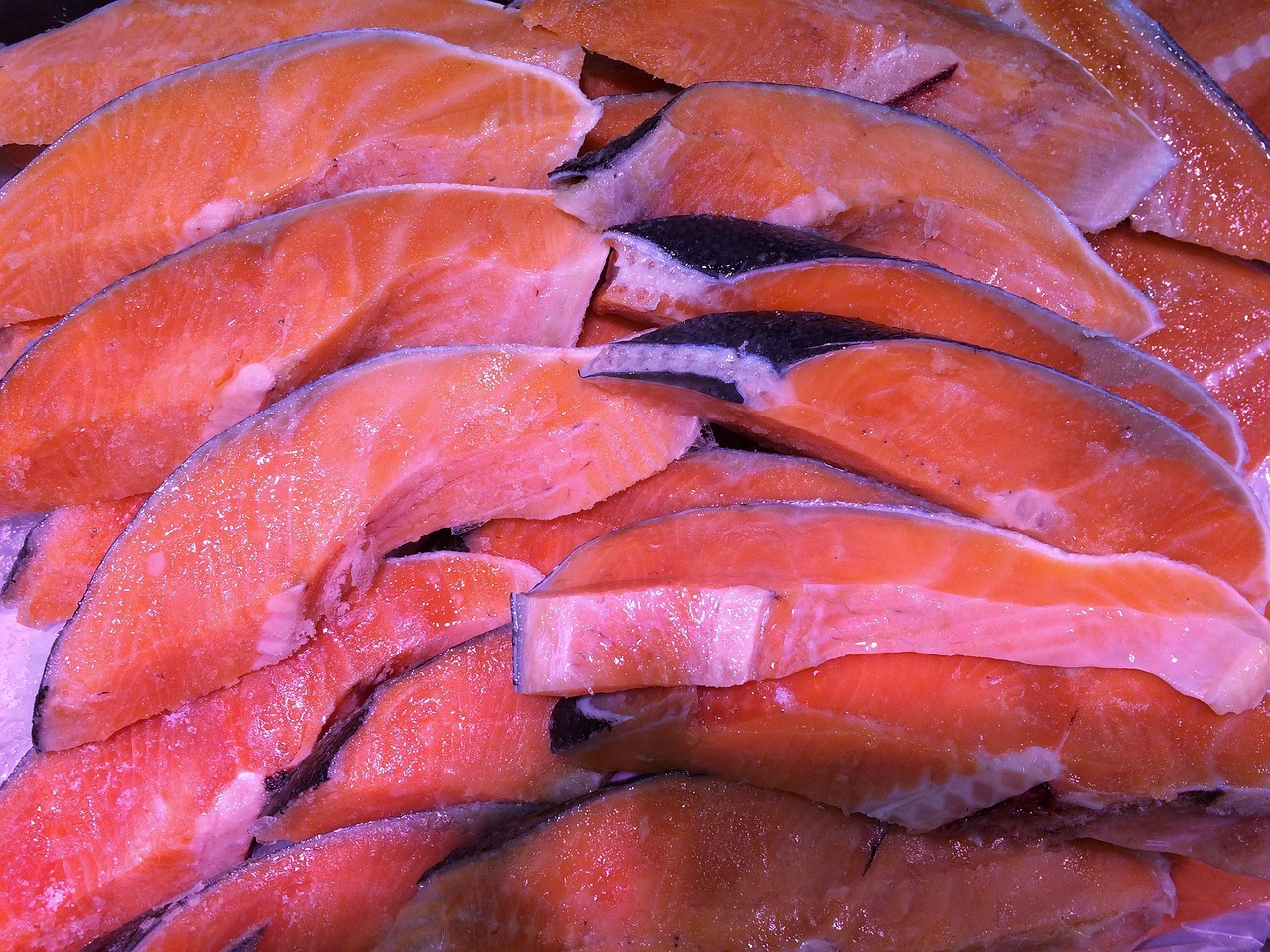
Farmed Salmon Contaminated With Toxic Flame Retardants

(Dr. Mercola) Fish are an important part of the ecosystem and the human diet. Unfortunately, overfishing has depleted many fish stocks, and the proposed solution — fish farming — is creating far more problems than it solves. Not only are fish farms polluting the aquatic environment and spreading disease to wild fish, farmed fish are also an inferior food source, in part by providing fewer healthy nutrients; and in part by containing more toxins, which readily accumulate in fat.

Farmed Salmon = Most Toxic Food in the World

Salmon is perhaps the most prominent example of how fish farming has led us astray. Food testing reveals farmed salmon is one of the most toxic foods in the world, having more in common with junk food than health food.1 Studies highlighting the seriousness of the problem include:

A global assessment2 of farmed salmon published in 2004, which found 13 persistent organic pollutants in the flesh of the fish. On average, polychlorinated biphenyl (PCB) concentrations in farmed salmon was eight times higher than in wild salmon, prompting the authors to conclude that “Risk analysis indicates that consumption of farmed Atlantic salmon may pose health risks that detract from the beneficial effects of fish consumption.”

Related: How to Avoid GMOs in 2018 – And Everything Else You Should Know About Genetic Engineering

The International Agency for Research on Cancer and the Environmental Protection Agency classify PCBs as probably carcinogenic.

According to the U.S. Centers for Disease Control and Prevention, PCBs elicit a significant number of health conditions in animal studies, including cancer, immunosuppression, neurotoxicity and reproductive and developmental toxicity.3 Disturbingly, research suggests contaminated fish is the most common source of PCB exposure, as the chemicals accumulate and build up in the fat tissue.4

A 2005 investigation5 by another group of scientists concluded even relatively infrequent consumption of farmed salmon may be harmful to your health thanks to the elevated dioxin levels in the fish.

Toxicology researcher Jerome Ruzzin, who has tested a number of different food groups sold in Norway for toxins, discovered farmed salmon contain five times more toxins than any other food tested. (In light of his own findings, Ruzzin has stopped eating farmed salmon.)

A 2011 study6 published in PLOS ONE found chronic consumption of farmed salmon caused insulin resistance, glucose intolerance and obesity in mice, thanks to the persistent organic pollutants (POPs) found in the fish.

According to the authors, “Our data indicate that intake of farmed salmon fillet contributes to several metabolic disorders linked to Type 2 diabetes and obesity, and suggest a role of POPs in these deleterious effects. Overall, these findings may participate to improve nutritional strategies for the prevention and therapy of insulin resistance.”

Researchers Warn Farmed Salmon May Contain Fire Retardant Chemicals

Now, researchers warn7,8 farmed Atlantic salmon sold in the U.S. and U.K. may also contain polybrominated diphenyl ethers (PBDEs), toxic POPs that have been restricted or banned in the U.S. and many European countries due to their toxic influence on child development.9 As reported by The Star,10 “[A] new study by the University of Pittsburgh has found evidence of PBDEs in food fed to farmed salmon — even in those in supposedly PBDE-free environments.”

Related: Does Meat Cause Cancer? Yes and no…

PBDEs are a class of chemicals that for years were used as flame retardants, and while restrictions were placed on some of the chemicals in this class in 2004, they can still be found in older products — and in the environment. China, Thailand and Vietnam — three areas that process significant amounts of electronic waste — are known to have higher levels of PBDEs in the environment.

In more recent years, flame retardant pollution has raised serious concern, as these chemicals build up in the environment over time and are in many areas now found in both ground water and open waters.

Health risks associated with these chemicals, including PBDEs, include infertility, birth defects, neurodevelopmental delays,11 reduced IQ,12 hormone disruptions13 and cancer. In fact, flame retardant chemicals have been identified as one of 17 “high priority” chemical groups that should be avoided to reduce breast cancer.14,15

Toxic Fish Food Blamed for Farmed Salmon Toxicity

You’re probably familiar with the saying that “you are what you eat.” However, a key take-home message here is that “you are what your food eats.” In other words, whatever the animal you eat consumed, you consume also, which means you really need to know the source of the animals’ feed as well. In the case of farmed fish, toxins in the fish feed and environmental concentrations of the chemicals have been identified as the two primary culprits.

Related: How Farmed Fish Degrades Our Health and the Environment – Better Options Included

According to the authors, when the fish are raised in areas with high PBDE concentrations in the water, the feed becomes a relatively minor contributor. In PBDE-free waters, on the other hand, elevated concentrations of these toxins in the feed may be high enough to end up on your plate. As noted by lead author Carla Ng, assistant professor of civil and environmental engineering at the University of Pittsburgh’s Swanson School of Engineering:16

“[I]n otherwise clean and well-regulated environments, contaminated feed can be thousands of times more significant than the location of the farm for determining the PBDE content of salmon fillets … The international food trade system is becoming increasingly global in nature and this applies to animal feed as well.

Fish farming operations may import their feed or feed ingredients from a number of countries, including those without advanced food safety regulations. The United States and much of Europe banned several PBDEs in 2004 because of environmental and public health concerns. PBDEs can act as endocrine disruptors and cause developmental effects. Children are particularly vulnerable.”

What Makes the Fish Feed so Toxic?

One of the main ingredients in farmed salmon feed is fatty fish such as eel, selected for their high protein and fat content. The problem is, many toxins readily bind to fat, and the fish feed industry is using fish deemed unfit for human consumption due to elevated toxicity. As you might expect, when the fish used in fish feed contain toxic levels of pollutants, they get incorporated into the feed pellets.

One significant source of fish for farmed salmon feed is the Baltic Sea, which is well-known for its elevated pollution levels. Nine industrialized countries dump their toxic waste into this closed body of water, which has rendered many Baltic Sea fish inedible. In Sweden, fish mongers are actually required to warn patrons about the potential toxicity of Baltic fish.

According to government recommendations, you should not eat fatty fish like herring more than once a week, and if you’re pregnant, fish from the Baltic should be avoided altogether. As mentioned by Ng, fish farms may also import their feed, or individual ingredients from other countries with lax regulations and significant pollution.

Recommended: Best Supplements To Kill Lyme and Everything Else You Ever Wanted To Know About Lyme Disease

Toxic Manufacturing Processes Add to the Problem

Some of the toxicity also stems from the manufacturing process of the feed pellets. The fatty fish are first cooked, resulting in protein meal and oil. While the oil has high levels of dioxins and PCBs, a chemical called ethoxyquin is added to the protein powder as an “antioxidant,” which further adds to the toxicity of the final product. Ethoxyquin, developed as a pesticide by Monsanto in the 1950s, is one of the best kept secrets of the fish food industry — and one of the most toxic.

The use of ethoxyquin is strictly regulated on fruits, vegetables and in meat, but not in fish, because it was never intended for such use. Fish feed manufacturers never informed health authorities they were using this pesticide as a means to prevent the fats from oxidizing and going rancid, so its presence in farmed fish was never addressed. Disturbingly, testing reveals farmed fish can contain levels of ethoxyquin that are up to 20 times higher than the level allowed in fruits, vegetables and meats.

What’s more, the effects of this chemical on human health have never been established. The only research done on ethoxyquin and human health was a thesis by Victoria Bohne, a former researcher in Norway who discovered ethoxyquin can cross the blood-brain barrier and may have carcinogenic effects. Bohne was pressured to leave her research job after attempts were made to falsify and downplay her findings.

Environmental Pollution Is Also Affecting Wild Fish, Including Some Salmon

Salmon is one fish species looked to as an indicator of environmental conditions, and salmon have become increasingly toxic. While farmed salmon is by far the worst, even wild salmon can contain unwanted pollutants. In a study17 of salmon found in Puget Sound, researchers discovered 40 contaminants, including drugs, in the flesh of the fish.

Some of the drugs were found at levels known to interfere with growth, reproduction and behavior. No one knows exactly how this chemical cocktail affects the fish, especially as they are exposed in combination. In all, the study found 81 of 151 contaminants tested for in Puget Sound off the coast of Washington.

Aside from toxins already mentioned above, such as PCBs, PBDEs and other POPs, researchers have also found a long line of pesticides — including the long-banned DDT — at concerning levels in fish off the coast of California.18 And despite the Clean Water Act, enacted nearly 40 years ago, there are areas of the U.S. where the water is so contaminated with mercury that residents are warned to refrain from eating any locally caught fish.19

Microplastic Pollution — Another Increasingly Common Seafood Hazard

The fish you eat may also come with a side order of microplastic,20 as 13 metric tons of plastic enter the waterways every year. Once consumed, microplastic particles tend to remain in the body and accumulate, becoming increasingly concentrated in the bodies of animals higher up the food chain.

Recommended: Best Supplements To Kill Candida and Everything Else You Ever Wanted To Know About Fungal Infections

Scientists are still unsure of the effect this may have on those who eat the fish, but common sense would suggest it might not be entirely harmless, considering the fact that microplastic fibers soak up toxins like a sponge, concentrating PCBs, flame retardant chemicals, pesticides and anything else found in the water.

Evidence also suggests these microscopic particles can cross cellular membranes, causing damage and inflammation inside the cell. According to a 2016 report21 by the British Department for Environment Food and Rural Affairs [DEFRA], microplastics have been found in a wide variety of sea creatures, from zooplankton to whales and everything in between.

According to this report, “microplastics are present in seafood sold for human consumption, including mussels in North Sea mussel farms and oysters from the Atlantic.” Eating six oysters could introduce about 50 plastic microbeads into your body and, according to DEFRA, this kind of contamination may indeed “pose a threat to food safety.” Other studies have found one-third of the fish caught in the English Channel contain microbeads, as do 83 percent of scampi sold in the U.K.22

Nutritional Differences Between Farmed and Wild Salmon

As mentioned at the beginning, farmed salmon is also nutritionally less desirable than wild, which actually ties in with its toxicity. One significant nutritional difference is the fat content. Wild salmon contains about 5 to 7 percent fat, whereas the farmed variety can contain anywhere from 14.5 to 34 percent.

This elevated fat content is a direct result of the processed high-fat feed that farmed salmon are given, and since they contain more fat, they also accumulate higher amounts of toxins. Even when raised in similarly contaminated conditions, farmed salmon will absorb more toxins than the wild fish because of this.

But farmed salmon doesn’t just contain more fat overall; another nutritional travesty is its radically skewed ratios of omega-3 to omega-6 fats.23 Half a fillet of wild Atlantic salmon contains about 3,996 milligrams (mg) of omega-3 and 341 mg of omega-6.24 Half a fillet of farmed salmon from the Atlantic contains just a bit more omega-3 — 4,961 mg — but an astounding 1,944 mg of omega-6;25 more than 5.5 times more than wild salmon.

While you need both omega-3 and omega-6 fats, the ratio between the two is important and should ideally be about 1-to-1. The standard American diet is already heavily skewed toward omega-6, thanks to the prevalence of processed foods, and with farmed salmon, that unhealthy imbalance is further magnified rather than corrected.

A Norwegian report on farmed fish feed ingredients26 talks about the negative impacts of the antinutritional factors of plant proteins and other additives in the feed. Some of the most common ingredients in farmed fish feed include soybeans, rapeseed/canola oil, sunflower meal and oil, corn gluten meal from corn grains, wheat gluten, pulses (dry, edible seeds of field peas and faba beans), palm oil, and peanut meal and oil — none of which are natural wild salmon foods.

Recommended: Holistic Guide to Healing the Endocrine System and Balancing Our Hormones

However, as the Food and Agriculture Organization of the United Nations (FAO) explains,27 Atlantic farmed salmon feeds can also contain animal by-products from poultry, meat meal, blood and hydrolyzed feathers. Additives such as enzymes, crustacean products (to color the salmon flesh), vitamins and selenium are also added — and again, none these are ingredients that any wild salmon has ever encountered and all are about as far from a species-appropriate diet as you can get.

Salmon Farming Is Not a Green Solution

More than half of the fish Americans eat now comes from fish farms.28 Aquaculture promotes itself as a sustainable solution to overfishing, but when you consider it takes 1.5 to 8 kilograms (3.3 to 17.6 pounds) of wild fish to produce a single kilogram (2.2 pounds) of farmed salmon, you start to realize there are significant holes in that claim. In reality, the aquaculture industry is actually contributing heavily to the depletion of wild fish stocks rather than saving it.29

A salmon farm can hold upward of 2 million salmon in a relatively small amount of space. As with land-based factory farms where animals are kept in crowded conditions, fish farms are plagued with diseases that spread rapidly among the stressed fish. Sea lice, pancreas disease and infectious salmon anemia virus have spread all across Norway, yet consumers have not been informed of these fish pandemics, and sale of diseased fish continues unabated.

To stave off disease-causing pests, a number of dangerous pesticides are used, including one known to have neurotoxic effects. Workers who apply this pesticide must wear full protective clothing, yet these chemicals are dumped right into open water, where it spreads with local currents.

Recommended: How to Detox From Plastics and Other Endocrine Disruptors

The pesticides used have been shown to affect fish DNA, causing genetic effects. Estimates suggest about half of all farmed cod, for example, are deformed due to genetic mutations. What’s worse, female cod that escape from farms are known to mate with wild cod, spreading the genetic mutations and deformities into the wild population.

Genetically Modified Salmon May Hit US Grocers by 2019

It’s become quite clear that fish farms are not a viable solution to overfishing. If anything, they’re making matters worse, destroying the marine ecosystem at a far more rapid clip. Consumers also need to be aware that some farmed salmon may be genetically engineered (GE) to boot. AquaBounty salmon, engineered to grow twice as fast as typical farm-raised salmon, received U.S. Food and Drug Administration approval in November 2015, and could be on sale in the U.S. by 2019.

Crazy enough, the FDA is not regulating Aquabounty’s salmon as food. It chose to review it as a drug. All GE animals, it turns out, starting with this GE salmon, will be regulated under the new animal drug provisions of the Federal Food, Drug and Cosmetic Act, “because the recombinant DNA (rDNA) construct introduced into the animal meets the definition of a drug.” Yet the reason given for not requiring the fish to carry some form of GE label is that it’s nutritionally equivalent to conventional farm-raised Atlantic salmon.

The unnatural growth rate was achieved by inserting the DNA from two other fish, a growth-promoting gene from a Chinook salmon and a “promoter” gene from the eel-like ocean pout. This genetic tweaking results in fish with a chronic, continuous release of growth hormone. While a typical salmon might take up to 36 months to reach market size (and grow only in spurts during warm weather), AquaAdvantage GM salmon are ready for market in just 16 to 18 months.

The fish are being grown on land and have several other supposed safeguards in place to prevent both escape and breeding with wild populations but, in nature, nothing is foolproof. This became readily evident last year, when thousands of land-based Atlantic salmon escaped when the pens were broken asunder by a passing storm.30

Are There Any Healthy Seafood Options Left?

So, what’s the answer? Unfortunately, the vast majority of fish — even when wild caught — is frequently too contaminated to eat on a frequent basis. Most major waterways in the world are contaminated with mercury, heavy metals, POPs and agricultural chemicals.

This is why, as a general rule, I no longer recommend eating fish on a regular basis. There are exceptions, however. One is authentic wild-caught Alaskan salmon, the nutritional benefits of which I believe still outweigh any potential contamination. The risk of wild Alaskan salmon accumulating high amounts of mercury and other toxins is reduced because of its short life cycle, which is only about three years.

Alaskan salmon (not to be confused with Atlantic salmon) is not allowed to be farmed, and is therefore always wild-caught. Canned salmon labeled “Alaskan salmon” is a less expensive alternative to salmon fillets. Remember that wild salmon is quite lean, so the fat marks — those white stripes you see in the meat — are on the thin side. If a fish is pale pink with wide fat marks, the salmon is likely farmed. Avoid Atlantic salmon, as salmon bearing this label are almost always farmed.

Another exception is smaller fish with short lifecycles, which also tend to be better alternatives in terms of fat content, such as sardines and anchovies. With their low contamination risk and higher nutritional value, they are a win-win alternative. Other good choices include herring and fish roe (caviar), which is full of important phospholipids that nourish your mitochondrial membranes.
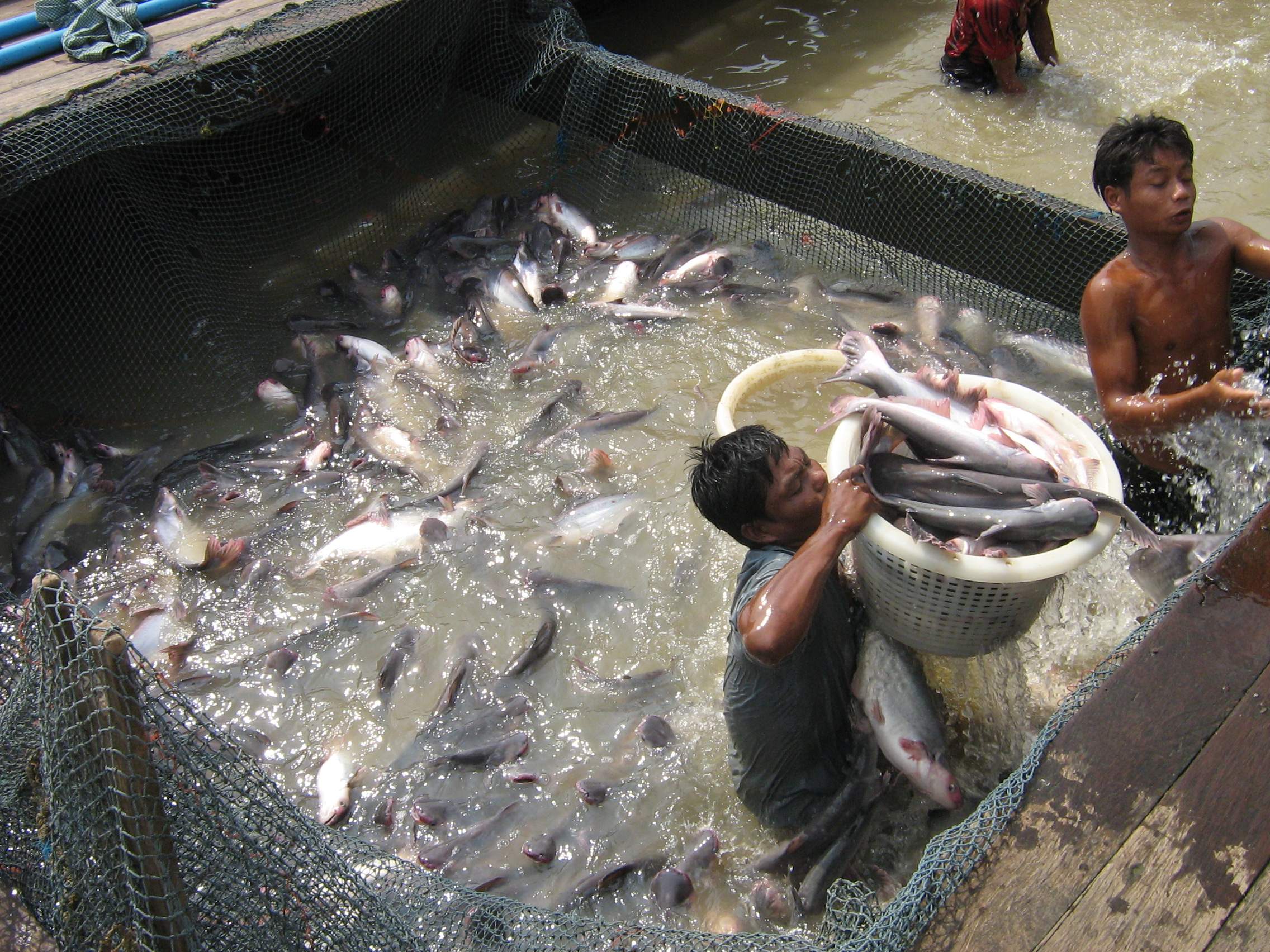
How Farmed and Frankenfish Salmon Endanger Our Most Perfect Food

(Dr. Mercola) In November 2015, the U.S. Food and Drug Administration (FDA) approved AquaBounty salmon, a genetically engineered (GE) “frankenfish” that’s being touted as a way to solve overfishing and world hunger. The GE salmon are engineered to grow about twice as fast as typical farm-raised salmon, an eerie feat achieved by inserting the DNA from two other fish, a growth-promoting gene from a Chinook salmon and a “promoter” gene from the eel-like ocean pout.

This genetic tweaking results in fish with always-on growth hormone, and because they grow so much faster than other salmon, they also require less food. The fish are being grown on land and have several other supposed safeguards in place to prevent both escape and breeding with wild populations but, in nature, nothing is foolproof.

If you live in the U.S., the fish haven’t reached grocery store shelves — yet — but there’s a chance they could become the first GE animal food to be sold in the U.S. to date, with completely unknown consequences.

Recommended: Best Supplements To Kill Candida and Everything Else You Ever Wanted To Know About Fungal Infections

GE Salmon, Already Sold in Canada, May Soon Be in US Grocery Stores

While the FDA approved AquaBounty’s salmon over two years ago, a rider attached to an Alaskan budget bill imposed an import ban, effectively blocking the FDA from allowing GE salmon into the U.S. In Canada, however, the GE fish are already being sold and eaten, to the tune of 5 tons in 2017 (none of which were labeled as such).1 Meanwhile, AquaBounty has recently acquired a fish farm in Indiana, where they’re making plans to start raising GE salmon.

“That means the company’s salmon could be on sale in the U.S. by 2019, which would make it the first genetically modified animal food ever sold and eaten in this country,” wrote Richard Martin, senior editor for energy at S&P Global Market Intelligence, for BioGraphic. “Opposition, naturally, is fierce.”2

The creation of GE salmon is anything but natural. For the last 13 generations of AquaBounty salmon, dating back to a single GE fish from 1992, every fish carries a copy of the “mutant” gene set that leads to the supergrowth and is passed down to the next generation. As such, gene splicing doesn’t take place at every AquaBounty facility, although intense breeding of the GE fish does. Martin explained:3

“At spawning time, conventional females are milked of their eggs by hand, a method that requires two fish wranglers per female — one to handle the fish and another to hold the container that collects the eggs. The technicians use the same squeeze technique to extract semen, or ‘milt,’ from the males … When combined, the eggs and milt produce fertilized eggs.

The technicians place the developing embryos in a stainless-steel tube where they are subjected to high pressure. This renders all the embryos’ cells triploid, meaning they have three sets of chromosomes instead of two, which makes the fish incapable of reproducing …

After a period of incubation at the Bay Fortune hatchery [on Prince Edward Island, Canada], the sterile, all-female transgenic embryos are flown to a rearing facility in the highlands of Panama, where the resulting salmon are grown to maturity before being reimported into Canada …

Eventually, AquaBounty plans to produce market-ready fish at a new facility under construction at Rollo Bay, on Prince Edward Island, and at the Indiana facility — an existing fish production factory that belonged to a now-defunct aquaculture company.”

Recommended: How to Avoid GMOs in 2018 – And Everything Else You Should Know About Genetic Engineering

Most Americans Say They Would Not Eat GE Fish

In the U.S., negative public opinion has been instrumental in keeping GE fish off store shelves. In 2013, a New York Times poll revealed that 75 percent of respondents would not eat GE fish and 93 percent said such foods should be labeled as such.4 Yet, as in Canada, which does not require GE seafood to be labeled, the FDA concluded that AquaBounty salmon is “not materially different from other Atlantic salmon” and thus would not require any special labeling.5

If the frakenfish does end up in U.S. stores in the next year, then, you won’t be able to distinguish it from other salmon. Further, many experts are concerned that the release of GE salmon hasn’t been thought through and could pose a risk to wild salmon species.

Martin quoted Anne Kapuscinski, a professor of sustainability science at Dartmouth College, and George Leonard, chief scientist at the Ocean Conservancy, who stated, “The future of GE fish farming will surely involve larger fish farms, with less confinement, in many different environments.”6

As such, no one knows what future expansion could mean for the marine environment. A lawsuit led by the Center for Food Safety, and joined by U.S. tribes in the Pacific Northwest, including the Quinault Indian Nation, is challenging the FDA’s approval of AquaBounty’s salmon, alleging the agency “has not adequately assessed the full range of potentially significant environmental and ecological effects presented by the AquaBounty application.”7

Recommended: How Farmed Fish Degrades Our Health and the Environment – Better Options Included

The lawsuit is pending, but for now the FDA continues to maintain that AquaBounty’s salmon “is as safe to eat as any nongenetically engineered … Atlantic salmon, and also as nutritious.”8 They also state the approval “would not have a significant impact on the environment of the United States,” but the Center for Food Safety sees it differently, stating:9

“Salmon is a keystone species and unique runs have been treasured by residents for thousands of years. Diverse salmon runs today sustain thousands of American fishing families, and are highly valued in domestic markets as a healthy, domestic, ‘green’ food.

When GE salmon escape or are accidentally released into the environment, the new species could threaten wild populations by mating with endangered salmon species, outcompeting them for scarce resources and habitat, and/or introducing new diseases.

Studies have shown that there is a high risk for GE organisms to escape into the natural environment, and that GE salmon can crossbreed with native fish. Transgenic contamination has become common in the GE plant context, where contamination episodes have cost U.S. farmers billions of dollars over the past decade. In wild organisms like fish, it could be even more damaging.”

Aquaculture’s Farmed Salmon Are Environmentally Destructive

In the U.S., farmed salmon is one of the most popular seafood choices, with many being misled to believe it is a safe choice for dinner. In reality, while farmed salmon is not genetically engineered like AquaBounty’s frankenfish, it is still one of the worst seafood choices available in terms of pollutants and the environment. One of the major problems is that farmed salmon are typically raised in pens in the ocean, where their excrement and food residues are disrupting local marine life. The potential for escape is also high.

Even land-based salmon aquaculture is problematic, according to research published in Scientific Reports, which performed an analysis of four salmon aquacultures in Chile.10

The facilities, often described as CAFOs (concentrated animal feeding operations) of the sea, pump water from rivers into their hatcheries, then pump it back out to the river once it’s no longer clean. The researchers found the water is often contaminated with dissolved organic matter (DOM) — a mixture of liquid excrement, food residue and other salmon excretions, along with disinfectants and antibiotics.

The release of DOM into Chile’s rivers is causing significant ramifications for the entire ecosystem. Upstream of the fish farms, the researchers detected higher amounts of natural algae biofilms on rocks, which help to produce oxygen and provide food for organisms that fish later eat.

Downstream, however, biofilms had a greater abundance of bacteria, which use up oxygen and may lead to low-oxygen environments that could threaten many species. The researchers suggested that no additional fish farms should be installed on Chilean rivers, noting, “[R]ivers should not be misused as natural sewage treatment plants.”11

Viruses, Sea Lice From Farmed Salmon Threaten Wild Fish

Since farmed salmon pens are often placed along wild salmon runs, they pose a severe threat to wild salmon stocks that pass by, exposing wild fish to diseases that run rampant among the confined fish, such as sea lice, pancreas disease, infectious salmon anemia virus and piscine reovirus. Piscine reovirus is a highly contagious blood virus that causes heart disease in the affected fish.

The virus was first discovered in Norwegian salmon farms and has proven to be nearly impossible to eradicate. And, with the spread of this disease into wild populations, wild salmon may soon go extinct. Alexandra Morton, a Canadian marine biologist who has spent decades studying the impact of salmon farming on wild salmon, has also reported that sea lice from salmon farms are eating young wild salmon to death, while Canada’s Department of Fisheries and Oceans (DFO) has failed to take action.

In fact, an oceanic watchdog group recently reported a sea lice outbreak in Clayoquot Sound UNESCO Biosphere Reserve, located on the west coast of Vancouver Island in British Columbia, Canada.

Fish farms in the area had salmon lice up to 10 times higher than the rate that requires treatment, at numbers that could prove lethal to wild salmon. While DFO requires salmon farms to monitor and control sea lice via the use of chemicals in feed or hydrogen peroxide baths, the measures don’t appear to be working — and are toxic in and of themselves.

British Columbia has granted aquaculture company Cermaq Canada a permit to apply 2.3 million liters of Paramove 50, a pesticide, to 14 salmon farms in Clayoquot Sound in order to fight sea lice. Not only may the pesticide be toxic to other marine life such as Dungeness crab, prawns and herring, but it’s also known to suppress salmon immune systems, making them even more susceptible to viruses. In turn, wild salmon swimming by may be further exposed to deadly diseases.

“So just as the young salmon are passing by the farms, we could shock these farmed fish into getting PRV or that becoming HSMI (heart and skeletal muscle inflammation disease) which is deadly to wild salmon,” watchdog group Clayoquot Action Campaigns director Bonny Glambeck told The Narwhal.12 She continued in a news release:13

“This outbreak is an environmental disaster — we are seeing wild juvenile salmon carrying lethal loads of salmon lice … These fish have been given a death sentence … We don’t expect the new pesticides that they want to use will work. It’s not working in Norway right now. Studies show there is no way these fish will survive to spawn and reproduce … Basically the industry is unable to control sea lice. So that’s why we want to see these farms come out of the oceans.”

Tire Chemicals, PCBs Common in Farmed Salmon

Nutritionally speaking, farmed salmon are also a far inferior choice to the wild variety. For starters, their pens are often placed near shore, which means they’re close to land-based sources of pollutant runoff. In addition, they’re fed a diet of ground-up fishmeal, which may lead to concentrated levels of PCBs.

In a global assessment of farmed salmon published in the journal Science, PCB concentrations in farmed salmon were found to be eight times higher than in wild salmon.14 Similarly, when the Environmental Working Group (EWG) tested farmed salmon from U.S. grocery stores, they found farmed salmon had, on average:15

  • 16 times more PCBs than wild salmon
  • 4 times more PCBs than beef
  • 3.4 times more PCBs than other seafood

Further, ethoxyquin, developed by Monsanto in the 1950s, is a rubber stabilizer (used in the production of tires), pesticide, preservative and antioxidant all in one that’s often added to farmed salmon feed. While it doesn’t have the health benefits normally associated with dietary antioxidants, it does prevent oxidation of fats, which is why it’s used in different types of animal feed, including fish feed and pet food.16

But studies have also shown ethoxyquin adversely affects cell metabolism, especially the metabolic pathways of renal and hepatic cells in rats, and the mitochondria in bovine hearts and kidneys. Due to its potential toxicity, the EU has strict limits for ethoxyquin levels in fruits, nuts, vegetables and meat. However, since it was never intended for use in fish, and fish feed manufacturers never informed health authorities that they were using it, there are no limits on how much of the chemical is allowed in seafood.

On top of more toxins, farmed salmon lack the correct ratio of healthy fats that many people are seeking when eating a “healthy” fish meal. Half a fillet of wild Atlantic salmon contains about 3,996 milligrams (mg) of omega-3 and 341 mg of omega-6.17 Half a fillet of farmed salmon from the Atlantic contains just a bit more omega-3 — 4,961 mg — but an astounding 1,944 mg of omega-6;18 more than 5.5 times more than wild salmon.

While you need both omega-3 and omega-6 fats, the ratio between the two is important and should ideally be about 1-to-1. The standard American diet is already heavily skewed toward omega-6, thanks to the prevalence of processed foods, and with farmed salmon, that unhealthy imbalance is further magnified rather than corrected.

Choose Wild Salmon for Your Health — and the Environment

If you’re wondering how can you tell whether salmon is wild or farm-raised, the flesh of wild sockeye salmon is bright red, courtesy of its natural astaxanthin content. It’s also very lean, so the fat marks, those white stripes you see in the meat, are very thin. If the fish is pale pink with wide fat marks, the salmon is farmed. Avoid Atlantic salmon, as typically salmon labeled “Atlantic Salmon” currently comes from fish farms.

The two designations you want to look for are “Alaskan salmon” and “sockeye salmon,” as Alaskan sockeye is not allowed to be farmed. So canned salmon labeled “Alaskan Salmon” is a good bet, and if you find sockeye salmon, it’s bound to be wild. As for GE salmon, if it comes to your grocery store it’s not currently slated to be labeled as such, but it’s another variety of Atlantic salmon, so steering clear of Atlantic salmon in favor of wild varieties will help you steer clear of adding this frankenfish to your dinner plate.

California First State Ever To Prescribe Specific Meals To Chronically Ill Patients

(Natural Blaze by Heather Callaghan) California has become the first state to prescribe specific – and presumably healthier – meals to chronically ill patients. The newly launched pilot program will treat low-income and at-risk Medicaid patients with “specially tailored meals that are proven to offer relief from chronic illnesses and diseases.”

Wait – Is this finally an admission that specific foods have an ameliorative effect on disease?

The “Food is Medicine” 3-year program draws on how certain illnesses require special diets that can be hard to orchestrate, especially for poorer patients. Congestive heart failure, for instance, requires people to consume less than one teaspoon of salt per day. While this can already be hard to actually measure throughout your daily meals, it can also be hard for low-income patients to find cheap foods that are low in sodium.

Over the course of the next three years, the state will be giving funding to hunger relief charities in San Francisco, the North Bay Area, Santa Clara County, Los Angeles, and San Diego. The charities and pantries, all of which are a part of the Food is Medicine coalition, will be providing specially prepared meals to 1,000 state Medicaid patients who suffer from congestive heart failure, cancer, diabetes, chronic obstructive pulmonary disease, and renal disease.

Gov. Jerry Brown (D) first approved the program back in June 2017, but legislators celebrated the actual launch of the program last Sunday.

Recommended: Start Eating Like That and Start Eating Like This – Your Guide to Homeostasis Through Diet

Important to note: while some people may scoff that the program is worried about salt for its patients, keep in mind that low-income people have little to choose from if they are to fill grocery carts and bellies. Processed food is nothing if not loaded with obscene doses of table salt. All this processed salt greatly displaces the precious amount of potassium that heart patients – and all people – need on a daily basis.

There are very few Americans who get the daily recommended 4,700 mg of potassium needed for detoxification and heart health. It comes from fresh, whole foods like dark leafy greens, potatoes, bananas and dates. On top of that, a single meal at a restaurant could easily top 1,200 mg of sodium! We might make a tasty human-jerky if aliens ever invaded… (but I digress!)

This program was inspired by a previous initiative by the Metropolitan Area Neighborhood Nutrition Alliance in Philadelphia. That stands for MANNA — get it?

Their study gave patients three medically tailored meals during six months and as a result they experienced a dramatic drop in monthly healthcare costs, from $38,937 per month to $28,183 per month all together. That was a 55% lower drop compared to the control group.

Recommended: Detox Cheap and Easy Without Fasting – Recipes Included

Likewise, more U.S. hospitals are using fresh food for their patients with great results.

Senator Mike McGuire said:

We couldn’t be more excited to turn this local success story into a statewide program that will improve the health of those who need it most while reducing costs for taxpayers over the long term.

The bottom line: We believe, over the next three years, we’ll demonstrate enhanced health outcomes for chronically ill Medi-Cal patients and save millions in health care costs.

We really couldn’t tell what types of foods the patients will be given – but any step in this direction is a giant step up from abysmal hospital food – which is thinly veiled GMO hog slop.

Recommended: How to Avoid GMOs in 2018 – And Everything Else You Should Know About Genetic Engineering

My only “beef” is that this type of program should become the norm for ALL patients and that’s an order that should have been placed long before yesterday. It’s hard not to notice that the real motivation seems to be making sure the hospitals aren’t incurring too many costs – but at least they are finally listening, one way or another.

Supplements for BPA and BPS, Heavy Metal Detox, and Other Endocrine Disrupters

Without a proper diet, the right supplements will work, but only to a certain extent, and only for a little while. On the other hand, supplements taken with a healthy diet can radically speed up healing time.

This article is an excerpt from How to Detox From Plastics and Other Endocrine Disruptors

Probiotics

1.) Get thee some probiotics – pronto. I’m not talking celebrity endorsed yogurt here. Chose fermented foods like kimchi, natural sauerkraut, and kefir. A refrigerated, concentrated probiotic supplement helps. Drink kombucha. Bifidobacterium breve and Lactobacillus casei were found to extract BPA from the blood of mammals and were excreted out through the bowels. That is very good news!

Beneficial bacteria strengthen the gut and help break down chemicals like BPA so they can be cleared out. As a bonus, they break down pesticides, another major endocrine-disruptor, and other toxins as well. Probiotics are becoming well known for breaking down endocrine-disruptors and other toxins in the body.

Chlorella has a well-documented history of helping remove heavy metals and other toxins like dioxin from the body expeditiously. Its high concentration of chlorophyll and fiber seems to be a big part of its exceptional detox benefits. It’s almost certain, considering the mechanism, that Chlorella (and spirulina) help pull out BPAs and other plastic residue.

Chlorella is a good source of protein, GLA, and phytochemicals, B12, B2, B3, iron, magnesium, Beta Carotene, and a bunch of powerful phytochemicals. Chlorella stimulates the growth of friendly bacteria. Furthermore, chlorella’s cell walls act to absorb toxic compounds within the intestines, restoring proper gastrointestinal pH and helping to promote normal peristalsis. And it is another chelator, as it is also very negatively charged, attracting positively charged molecules.

Phytochemicals found within Chlorella pyrenoidosa support the complex network of enzymatic reactions that drive the human detoxification system. This detoxification network involves the Phase I and Phase II enzymatic reactions that take place in nearly all cells in the body, though they are concentrated in the liver cells. Phase I detoxification reactions change non-polar chemicals that are not water-soluble into relatively polar, water-soluble compounds. The Phase I process can result in the formation of reactive chemicals that are typically more toxic than the original compounds. Phase II detoxification is necessary therefore to add chemical groups to the toxic intermediates to make them water-soluble so that they may easily be excreted via urine and/or feces. Phase I and Phase II detoxification pathways must remain functional for the removal of toxins from the body. This research focuses specifically on the Chlorella pyrenoidosa species of green algae recognized for its detoxification properties. – King Hardt Academy

Spirulina

Chlorella is green algae, but spirulina is more of a blue-green in color. These two algae have a lot in common. Chlorella’s green hue demonstrates that it’s richer in chlorophyll than spirulina, and chlorella is said to have stronger detoxification properties. But spirulina is an even better source of protein, and it offers iron, B1, B2, B3, B6, B12, calcium, potassium, zinc, and a host of microminerals.

Related: Total Nutrition – Make your own Homemade Multivitamin and Mineral Formula

Enzymes

Digestive enzymes break down food. Metabolic enzymes, also known as systemic enzymes, break down foreign proteins, fibrin, and other toxins, and they clean the blood of impurities. Consider the ramifications of this. Probiotics and enzymes together help breakdown nearly everything in the gut that doesn’t belong. Read more about systemic enzymes here.

Green Tea

One way in which BPA harms body tissues is through oxidative stress. Two laboratory studies using extracts from both green tea and black tea were able to mitigate the damaging effects of BPA by protecting our cells from oxidative damage. Green tea has also been shown to stimulate glucuronidation, a detoxification pathway used for eliminating BPA from the body.

Lipoic Acid and folate have also been shown to reverse many of BPAs most damaging effects, especially oxidative stress.

Berberine May Ease Symptoms of Anxiety and Depression — And Much More

(Dr. Mercola) Berberine — a yellow-colored alkaloid compound found in several different plants, including European barberry, goldenseal, goldthread, Oregon grape and tree turmeric — has antibacterial, anti-inflammatory, antiproliferative, antidiarrheal, antineoplastic, antidiabetic and immune-enhancing1 properties. It has a long history of use in traditional medicine, including traditional Chinese medicine, and many of its historical uses now have scientific backing.

For example, it’s effective against a wide range of bacteria, protozoa and fungi, and is commonly used to treat gastrointestinal issues, including traveler’s diarrhea and that from food poisoning. Having similar mechanisms of action as the drug metformin, berberine can also be used as an oral hypoglycemic for Type 2 diabetics.

Related: Berberine

It’s helpful against seasonal allergies and even helps combat metastatic stem cells and heart failure. Many integrative health practitioners swear by berberine as a general health supplement due to its ability to address such a wide variety of maladies.2 As noted by Dr. Michael Murray:3

“… I think [berberine] is poised to be the biggest thing in the natural product industry … Here is why: Berberine has been shown to:

  • Produce results in clinical trials in improving Type 2 diabetes on par or better than conventional drugs including metformin.
  • Improve blood lipid levels better than statins.
  • Lower blood pressure in many subjects as well as any class of antihypertensive medication.
  • Improve liver function and promote anti-obesity effects.
  • Exert significant beneficial effects on digestive health and the microbiome.
  • Produce very encouraging experimental data in a wide range of modern health issues including cancer, Alzheimer’s disease, Parkinson’s disease and others.”

What Makes Berberine Such a Powerful Remedy?

Many of berberine’s health benefits4 have been linked to its ability to activate adenosine monophosphate-activated protein kinase (AMPK).5 AMPK is an enzyme inside your body’s cells. It’s sometimes referred to as a “metabolic master switch” because it plays an important role in regulating metabolism.6

Related: Insomnia – A Comprehensive Look with Natural Remedies

Low AMPK has been linked to insulin resistance, mitochondrial dysfunction, obesity, neurodegeneration and chronic inflammation — all of which lay the groundwork for a wide variety of serious chronic diseases. In an article discussing the clinical uses of berberine for metabolic syndrome and Type 2 diabetes, the Natural Medicine Journal highlights its effect on AMPK:7

“AMPK induces a cascade of events within cells that are all involved in maintaining energy homeostasis… AMPK regulates an array of biological activities that normalize lipid, glucose and energy imbalances. Metabolic syndrome occurs when these AMPK-regulated pathways are turned off, triggering a syndrome that includes hyperglycemia, diabetes, lipid abnormalities and energy imbalances …

AMPK helps coordinate the response to these stressors, shifting energy toward cellular repair, maintenance or a return to homeostasis and improved likelihood of survival. The hormones leptin and adiponectin activate AMPK. In other words, activating AMPK can produce the same benefits as exercise, dieting and weight loss — the lifestyle modifications considered beneficial for a range of maladies …

One way to appreciate berberine’s potential is to think of it as having the same effect on a patient as increasing exercise while at the same time restricting calorie intake. Think of the effects of AMPK suppression as similar to those of eating a high-calorie diet while leading a very sedentary lifestyle.”

Berberine Helps Ease Anxiety and Depression

AMPK is also an important neuroprotector. As explained in the Journal of Neurochemistry,8 “AMPK senses metabolic stress and integrates diverse physiological signals to restore energy balance. Multiple functions are indicated for AMPK in the [central nervous system] …” Berberine also benefits brain health and psychological well-being by increasing key neurotransmitters.

Related: Holistic Guide to Healing the Endocrine System and Balancing Our Hormones

A number of studies have demonstrated berberine’s usefulness against anxiety and depression, in part by inhibiting monoamine oxidase, an enzyme that breaks down serotonin, noradrenaline and dopamine in your brain. These neurotransmitters play important roles in mood and have been implicated in depression.

An Indian study9 published in 2008 confirmed berberine has antidepressant effects, reversing “behavioral despair” in stressed rats. Interestingly, the effects were not dose-dependent. Even low doses had a beneficial effect. According to the authors:

“Berberine (5 mg/kg, i.p.) following its acute administration in mice resulted in increased levels of norepinephrine (31 percent), serotonin (47 percent) and dopamine (31 percent) in the whole brain. Chronic administration of berberine (5 mg/kg, i.p.) for 15 days significantly increased the levels of norepinephrine (29 percent), serotonin (19 percent) as well as dopamine (52 percent) …

[A]t higher dose (10 mg/kg, i.p.), there was no change in the norepinephrine (12 percent) levels but a significant increase in the serotonin (53 percent) and dopamine (31 percent) levels was found.”

A similar study by South Korean researchers found berberine was helpful in treating post-traumatic stress disorder (PTSD). As in the Indian study, rats exposed to prolonged stress exhibited significantly reduced anxiety-driven behaviors after receiving berberine. They were also better able to complete complex navigational tests.

Most remarkable of all, berberine was shown to “restore the main neurochemical abnormalities in the brains of rats in the PTSD model” — a rather surprising effect that “supports a central mechanism of action that berberine heals brains damaged by severe stress or fear.”10

Berberine Eases Side Effects Associated With Drug Withdrawal

Berberine has also been shown to activate Sigma1 receptors, a subclass of opioid receptors that react to morphine and similar substances — including those produced naturally in your body — and inhibits glutamate, thereby improving anxiety and depression.11Sigma1 receptors play a role in oxidative stress, the functioning of your nervous system and the survival of neurons, and as such are believed to influence neuropsychiatric problems, including psychotic conditions.12

Related: Natural Remedies for Depression

A study13 published in the Korean Journal of Physiology and Pharmacology assessed berberine’s effect on not just depression and anxiety but also on the noradrenergic system. Here, they used morphine-addicted rats to see whether berberine might ease morphine withdrawal — symptoms of which often include depression and anxiety. As explained by the authors:

“Male rats were exposed to chronic, intermittent, escalating morphine (10~50 mg/kg) for 10 days. After the last morphine injection, depression- and anxiety-like behavior associated with morphine discontinuation persisted for at least three days during withdrawal without any change in ambulatory activity. Daily berberine administration significantly decreased immobility in the forced swimming test and increased open-arm exploration in the elevated plus maze test …

Taken together, these findings demonstrated that berberine administration significantly reduced morphine withdrawal-associated behaviors … possibly through modulation of hypothalamic corticotrophin-releasing factor and the central noradrenergic system. Berberine may be a useful agent for treating or alleviating complex withdrawal symptoms and preventing morphine use relapses.”

Berberine Supports Gut Health and Much More

Berberine has also been shown to support a healthy gastrointestinal tract and microbiome in a number of different ways, and this too can have a beneficial impact on your mood and mental health. There’s ample research showing your gut health plays a very important role in your brain health, and can influence your mood for better or worse. As for improving your gut health, studies have shown berberine helps:

Prevent diarrhea by delaying the amount of time it takes for food to pass through your small intestine14
Lower your risk of leaky gut15
Protect against gut damage caused by high alcohol consumption16
Lower intestinal inflammation caused by inflammatory cytokines17
Preferentially nourish microbes that produce beneficial short-chain fatty acids, known to have many health benefits18
Improve symptoms of fatty liver disease by normalizing the gut microbiome19
The normalization of gut bacteria also resulted in lower body weight, lower serum levels of lipids, lower glucose and insulin levels, and the normalization of insulin resistance20

Drug Interactions

While berberine is quite safe and well-tolerated, it may be contraindicated if you’re taking medications.21 For example, berberine may hinder absorption of tetracycline and other similar antibiotics, rendering them ineffective. Also, because berberine significantly inhibits CYP3A enzymes — enzymes needed to metabolize most drugs — it can lower the clearance of medications, which in turn can augment their effect. This can lead to overdose, the risks of which will vary depending on the drug in question.

Related: Sugar Leads to Depression – World’s First Trial Proves Gut and Brain are Linked (Protocol Included)

Berberine inhibits CYP3A just like curcumin, which impairs phase 2 detoxification, where your body makes toxins water soluble so they can be excreted. So, this would not be supplements to use during fasting where you have large lipolysis and liberation of stored toxins that need to be metabolized.

Because of all its benefits, I have been taking berberine for over two years. However, because it is a potent alkaloid, I believe it needs to be cycled. So, I take it for a week then take a week off. Alternatively, you can skip it on the weekends. The general principle is cycling, just like one does with the ketogenic diet. It is not wise to be continuously ketogenic.

Also, as noted by Murray:22 “Berberine … enhances the effects of oral hypoglycemic drugs used in the treatment of Type 2 diabetes through its multitude of antidiabetic effects. People on oral hypoglycemic drugs should monitor blood glucose levels if taking berberine and adjust their dosage of their medications as needed and under the care of a medical professional.” I tell virtually everyone taking metformin to switch to berberine as it is far safer.