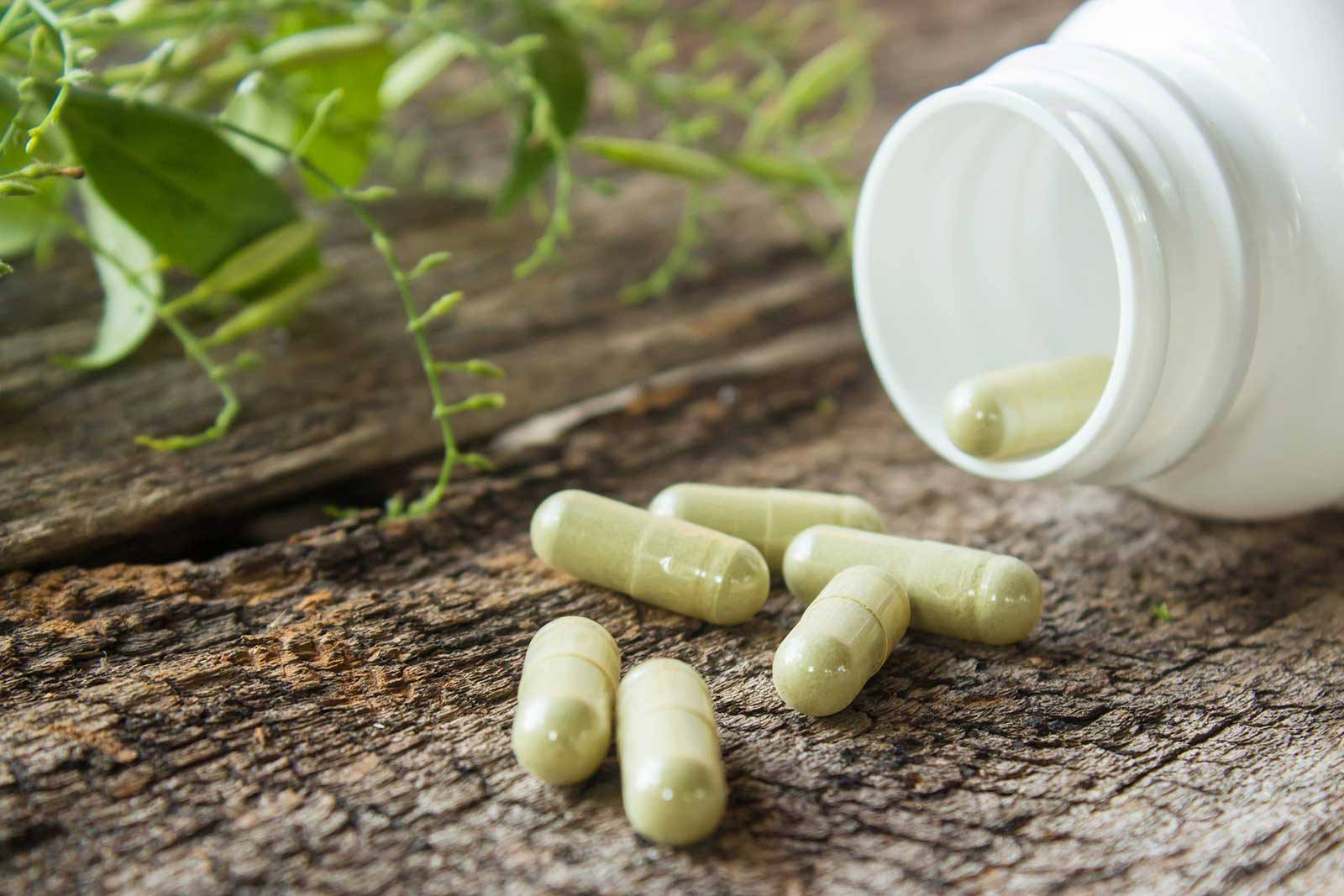
(Natural Blaze by Brandon Turbeville) To no one’s surprise, the U.S. government, after hysterically declaring a “national emergency” over America’s opioid crisis, is once again setting its sights on Kratom, the non-addictive natural plant that has helped thousands of Americans wean themselves off opioids.
In 2015, the DEA announced its plans to place Kratom on the list of Controlled Substances (in the same scheduling level as heroin to be exact) but, amid public outcry, the agency backed off, deferring to FDA “review” and “advice.” Many optimistic Kratom activists were tempted to rest on their laurels, trusting that the FDA would prove to be more reasonable in relation to Kratom and hoping the testimonials, overwhelming public support for Kratom, and the science itself would win the day.
As is typically the case in life, the optimists were sorely disappointed.
The FDA, long known to be essentially run by Big Pharma, has now joined the ranks of the DEA (which also placed CBD oil on the list of controlled substances on the same level as heroin) in a scathing attack on Kratom, signalling that the end may be nigh for the miracle plant if activists do not succeed in fighting back both behemoth agencies who act as the enforcement arms of Big Pharma, the private prison industry, and the police state.
The Food and Drug Administration issued a strong warning Tuesday to consumers to stay away from the herbal supplement kratom, saying regulators are aware of 36 deaths linked to products containing the substance.
. . . . .
But in a statement, FDA Commissioner Scott Gottlieb said that there is no “reliable evidence” to support the use of kratom as a treatment for opioid-use disorder, and that there are no other FDA-approved uses for kratom.
Rather, he said, evidence shows that the herb has similar effects to narcotics like opioids, “and carries similar risks of abuse, addiction and, in some cases, death.” He said that calls to U.S. poison control centers involving kratom increased tenfold between 2010 and 2015, and that the herb is associated with side effects including seizures, liver damage and withdrawal symptoms.
Virtually none of the scientists who are working with Kratom, however, share the same hysteria and apocalyptic concerns of the FDA, which itself has overseen massive outbreaks of death and addiction as a result of pharmaceuticals it has approved as safe. Indeed, many users of Kratom found the plant in order to ween themselves off the opioids that the FDA so delightfully approved and promoted. Now, with middle America in an alleged “crisis,” the FDA wants to remove one of the few helpful resources to getting clean. The DEA, of course, continues to hunt those same Americans as if they were deer during open season for imprisonment, harassment, fines, and/or on-sight executions.
It should be noted that the FDA’s claims of 36 deaths have been largely disproven before the FDA even made the claims, with many of those deaths attributed to people who had drugs in their system in addition to Kratom or who died of other causes.
Again, as the Washington Post reports,
Jack Henningfield, an addiction specialist who works at the drug policy consulting group Pinney Associates, which has done work for the American Kratom Association, said that surveys have shown that people using opioids to treat pain or satisfy an addiction were able to stop using them by drinking kratom tea. He argued that kratom’s “overall abuse potential and risk of death isn’t anything close to narcotics like opioids” and warned that restricting or banning the substance could drive some people back to opioids or onto the black market to get kratom.
In a study last year for the American Kratom Association, Henningfield, an adjunct professor of behavior policy at Johns Hopkins, found that effectively banning kratom “is not warranted from a public health perspective and is more likely to cause public health problems that do not exist.”
At worst, Kratom is only marginally addictive, with withdrawal symptoms similar to that of caffeine if taken in high doses for long periods of time . . . maybe. The overwhelming majority of Kratom users, however, do not report “withdrawal” symptoms at all.
Scott Gottlieb’s ridiculous rant about the dangers of Kratom is not based on science. It is based on the bottom line for the police state, Big Pharma, and the private prison industrial complex. Kratom threatens to reduce the amount of Americans slated to fill up jail cells, the dependency on pain medications, the use of SSRIs and other anti-depressants. Therefore, like marijuana, Kratom has to be stomped out so the gravy train can continue un-interrupted for the pharmaceutical and prison industries.
Now, as everyone paying attention to the Kratom debate and the current climate in the United States would have expected, an unelected, non-legislative body of totalitarians who claim non-psychoactive CBD oil is the same as heroin and whose entire existence depends on locking up peaceful people for possessing or consuming plants will likely ensure that thousands of Americans will be denied access to a life-saving plant. Once more, many people will turn to heroin and other opioids and the DEA can continue to arrest them. Thousands of others will be forced to seek out permission and dictatorial authority figures that pass for doctors in order to kill pain and get through the day. And once they need more of those painkillers or seek out illegal alternatives, the DEA will be able to arrest them, too.
The American Kratom Association has responded to the FDA statement with a statement of its own saying that, “For years, the FDA has published scientifically inaccurate information on the health effects of consuming kratom, directly influencing regulatory actions by the DEA, states, and various local government entities. It is inconceivable that the FDA would favor a policy that would foreseeably force a patient who [has] been weaned off of opioid [addiction] back to dangerously addictive and potentially deadly opioid prescription medications.”
Already, the FDA is intercepting shipments of Kratom. The hysterical and, quite frankly, idiotic statement from Gottlieb signals dark days ahead for Kratom users, former drug addicts, sufferers of chronic pain and depression. But these will be dark days for more people than Kratom users. Every American citizen forced to live under the stifling anathema to freedom known as the drug war will have no choice but to continue to reside amid mass incarceration, forced medication, and needless suffering and will most likely do so for years to come.
The U.S. government is making America many things but great isn’t one of them.
Support the American Kratom Association in their upcoming legal battle for civil liberties and health freedom. www.AmericanKratom.org
(Natural Blaze By Maria Andrade) An ingredient in cow’s milk has now been identified as a type 1 diabetes trigger in those with genetic risk factors, but researchers say they have been frustrated in efforts to make the findings available to the wider public.
The United States is the world’s largest producer of pasteurized cow milk, but oddly enough it is also one of the world’s smallest consumers. The dairy industry thus has a vested interest in eliminating all raw milk suppliers from the market place to enforce and increase per capita consumption of pasteurized milk which is lagging behind most of the world.
Pasteurization destroys enzymes, diminishes vitamin content, denatures fragile milk proteins, destroys vitamins C, B12 and B6, kills beneficial bacteria, promotes pathogens and is associated with allergies, increased tooth decay, colic in infants, growth problems in children, osteoporosis, arthritis, heart disease and cancer.
Seven researchers assessed 71 studies on population epidemiology, animal trials, in vitro laboratory experiments, biochemistry and pharmacology.
Their paper on the findings, originally published in the Journal of Nutrition & Diabetes, said the A1 beta-casein in cow’s milk is a primary causal trigger of the disease.
However, so far there have been no clinical trials on the subject.
Two of the seven researchers, the University of Auckland’s Professor Boyd Swinburn and Lincoln University’s Professor Keith Woodford, explained: “People who are genetically susceptible to developing type 1 diabetes would need to be identified at birth, and half of them randomly allocated to a diet free of A1 beta-casein for many years.”
The paper revealed that the sudden growth in the incidence of type 1 diabetes in China is correlated with the country’s threefold increase in dairy consumption per capita (from 6kg in 1992 to 18kg in 2006, with substantial increases thereafter).
In Shanghai alone, new type 1 diabetes cases among children aged 15 and below increased 14.2% annually between 1997 and 2011. Further south, in Zhejiang, the annual rate of increase in type 1 diabetes cases was 12% among adolescents aged 19 and below.
More worryingly, children below five saw the greatest increase in such cases, at an annual rate of 33.61%. Young children’s dependence on milk consumption could explain the higher prevalence of type 1 diabetes among those below the age of five.
The paper stated: “Accordingly, the ecological epidemiological data, although not proving causation, provide powerful evidence that A1 beta-casein is a causal factor in the pathogenesis of type 1 diabetes.”
The researchers also wrote that though the A1 beta-casein may be a cause of type 1 diabetes in consumers, “there are also likely to be many influencing factors involved in responses to dietary triggers, permissive gut factors and progression towards type 1 diabetes, such as short duration (of) / no breastfeeding, Caesarean delivery rates, and magnitude of exposure to vitamin D.”
They suggested that while it would be possible to change all dairy herds to produce milk without the A1 beta-casein, the process would take 10 years.
The alternative, they said, would be for consumers to opt for goat’s and sheep’s milk instead.
On his WordPress site, Woodford revealed that he and Swinburn had intended to make the paper free for public perusal, but in order to do that, they had to find a sponsor to pay a one-time fee to make the article free of charge.
Commercial Gain
The a2 Milk Company stepped in and paid the US$3,500 required to make the paper free-access. Unlike most cow’s milk brands, the company produces A2 milk free of the A1 beta-casein.
Swinburn and Woodford also wanted online portal The Conversation – an online publisher, sponsored collectively by universities – to publish an abbreviated version of the paper for a wider public audience, but they were turned down.
The editors told them: “The main reason is the involvement of the a2 Milk Company, for editorial support in this particular paper, but also more directly in funding-related research projects, and the perception that the company would stand to gain commercially.”
Woodford wrote that one of the paper’s authors was a former a2 Milk Company employee, but said none of the authors were paid to write the paper.
He added that despite its financial involvement, the a2 Milk Company did not get to read the paper until it had been published, and therefore, “had no corporate influence over the content or editorial processes”.
(Dr. Mercola) Human fertility is declining, and recent studies suggest conventional food may be a significant contributor to this disturbing trend, seen in both men and women. Pesticides have repeatedly been implicated in worsening fertility, and one of the most recent studies adds further support to this hypothesis.
The study,1,2 published in JAMA Internal Medicine, evaluated the influence of factors known to affect reproduction on the reproductive success of 325 women between the ages of 18 and 45 (mean age 35), who underwent in vitro fertilization (IVF). As reported by Time,3“The women in the study filled out detailed questionnaires about their diet, along with other factors that can affect IVF outcomes, like their age, weight and history of pregnancy and live births.”
High Pesticide Exposure Associated With Reduced IVF Success
Using a U.S. government database listing average pesticide residues on food, the researchers estimated each participant’s pesticide exposure based on their food questionnaires. On average, women with high pesticide exposure ate 2.3 servings per day of fruits, berries or vegetables known to have high amounts of pesticide residue. Those in the lowest quartile ate less than 1 serving of high-pesticide produce per day.
Compared to women with the lowest pesticide exposure, women with the highest amounts of pesticide exposure had an 18 percent lower IVF success rate. They were also 26 percent less likely to have a live birth if they did become pregnant. Using modeling, the researchers estimate that exchanging a single serving of high-pesticide produce per day for one with low pesticide load may increase the odds of pregnancy by 79 percent, and the odds of having a live birth by 88 percent.
Pesticide Regulations Fail to Protect Human Health
Senior investigator Dr. Jorge Chavarro, associate professor of nutrition and epidemiology at Harvard T. H. Chan School of Public Health told Time:4
“I was always skeptical that pesticide residues in foods would have any impact on health whatsoever. So, when we started doing this work a couple of years ago, I thought we were not going to find anything. I was surprised to see anything as far as health outcomes are concerned.I am now more willing to buy organic apples than I was a few months ago.”
Coauthor Dr. Yu-Han Chiu, research fellow in the department of nutrition at the Harvard T.H. Chan School of Public Health, added:5
“There have been concerns for some time that exposure to low doses of pesticides through diet, such as those that we observed in this study, may have adverse health effects, especially in susceptible populations such as pregnant women and their fetus, and on children. Our study provides evidence that this concern is not unwarranted.”
As noted by Dr. Philip Landrigan, dean for global health and professor at the Icahn School of Medicine at Mount Sinai, in an accompanying commentary,6 “The observations made in this study send a warning that our current laissez-faire attitude toward the regulation of pesticides is failing us,” adding:
“We can no longer afford to assume that new pesticides are harmless until they are definitively proven to cause injury to human health. We need to overcome the strident objections of the pesticide manufacturing industry, recognize the hidden costs of deregulation, and strengthen requirements for both premarket testing of new pesticides, as well as postmarketing surveillance of exposed populations — exactly as we do for another class of potent, biologically active molecules — drugs.”
Male Fertility Rates Have Also Plunged
Research also shows sperm concentration and quality has dramatically declined in recent decades, and the evidence suggests endocrine disrupting chemicals are largely to blame. While there are many sources, pesticides, including glyphosate,7 are known endocrine disruptors as well. According to the first of two recently published papers,8 a meta-analysis of 185 studies and the largest of its kind, sperm counts around the world declined by more than 50 percent between 1973 and 2013, and continue to dwindle.
The most significant declines were found in samples from men in North America, Europe, Australia and New Zealand. (Men suspected of infertility, such as those attending IVF clinics, were excluded from the study.) Overall, men in these countries had a 52.4 percent decline in sperm concentration and a 59.3 percent decline in total sperm count (sperm concentration multiplied by the total volume of an ejaculate).
As it stands, half of the men in most developed nations are now near or at the point of being infertile. Lead author Dr. Hagai Levine, who called the results “profound” and “shocking,”9 worries that human extinction is a very real possibility, should the trend continue unabated.10
Microwave Exposure — Another Invisible Contributor to Infertility
Exposure to electromagnetic fields (EMFs) is another major contributor to infertility. In fact, I believe this may be the most significant factor for the observed decrease in male sperm count. Women’s reproductive organs are a bit more shielded, but can still be affected, just not as easily as men’s testicles.11 During World War II, it was well-known that radar operators could easily create sterility by exposing the groin to radar waves. Radar is microwave radiation and was the precursor to cellphones that use similar frequencies.
More modern research also suggests microwave radiation may play a significant role in male reproductive health. While evaluating studies showing you can radically reduce biological microwave damage using calcium channel blockers, Martin Pall, Ph.D., discovered a previously unknown mechanism of biological harm from microwaves emitted by cellphones and other wireless technologies.12
Embedded in your cell membranes are voltage gated calcium channels (VGCCs). It turns out these VGCCs are activated by microwaves, and when that happens, about 1 million calcium ions per second are released.
This massive excess of intracellular calcium then stimulates the release of nitric oxide (NO) inside your cell and mitochondria, which combines with superoxide to form peroxynitrite. Not only does peroxynitrites cause oxidative damage, they also create hydroxyl free radicals — the most destructive free radicals known to man.
Hydroxyl free radicals decimate mitochondrial and nuclear DNA, their membranes and proteins, resulting in mitochondrial dysfunction. During a 2013 children’s health expert panel on cellphone and Wi-Fi exposures,13 it was noted, “The testicular barrier, that protects sperm, is the most sensitive of tissues in the body … Besides sperm count and function, the mitochondrial DNA of sperm are damaged three times more if exposed to cellphone radiation.”
In addition to male testes, the tissues with the highest density of VGCCs are your brain and the pacemaker in your heart. What the research tells us is that excessive microwave exposure can be a direct contributor to conditions such as infertility, Alzheimer’s, anxiety, depression, autism and cardiac arrhythmias.14
Indeed, other studies have linked low-level electromagnetic radiation exposure from cellphones to an 8 percent reduction in sperm motility and a 9 percent reduction in sperm viability.15,16 Wi-Fi equipped laptop computers have also been linked to decreased sperm motility and an increase in sperm DNA fragmentation after just four hours of use.17 So, if you care about your reproductive health, the most important strategies to implement are to:
Avoid carrying your cellphone in your pockets or on your hip
Avoid using portable computers and tablets on your lap
Turn off your cellphones at night, as even if you are not talking they can damage you up to 30 feet away
Turn off your Wi-Fi at night (ideally in the day also)
Most importantly, turn off the electricity to your bedroom at the circuit breaker. This typically works for most bedrooms unless you have a room or rooms adjacent to your bedroom, in which case you might need to shut that off too. This will radically lower electric and magnetic fields while you sleep. If you need a clock you can you a battery operated one and even better a talking clock with no light that can be picked up on Amazon
Study Reveals Shocking Increase in Glyphosate Levels
In related news, researchers from University of California San Diego School of Medicine recently reported there’s been a shocking increase in glyphosate exposure in recent decades and, subsequently, the level found in people’s urine.
For this study,18 the researchers measured excretion levels of glyphosate and its metabolite aminomethylphosphonic acid in 100 participants from the Rancho Bernardo Study of Healthy Aging, which ran for 23 years, starting in 1993, the year before genetically engineered (GE) crops were introduced in the U.S.
As one would expect, the introduction of Roundup Ready GE crops led to a massive increase in the use of Roundup, the active ingredient of which is glyphosate. Glyphosate has also become a popular tool for desiccating non-GE grains, legumes and beans.
Data19,20 reveals that between 1974 (the year glyphosate entered the U.S. market and just over two decades before GE crops were introduced) and 2014, glyphosate use in the U.S. increased more than 250-fold. Globally, glyphosate use rose nearly fifteenfold since 1996, two years after the first GE crops hit the market.
At the start of the study, very few of the participants had detectable levels of glyphosate in their urine, but by 2016, 70 percent of them did.21 Overall, the prevalence of human exposure to glyphosate increased by 500 percent during the study period (1993 to 2016), while actual levels of the chemical in people’s bodies increased by an astounding 1,208 percent.
Rising Glyphosate Levels in Urine Is Cause for Concern
The exact implications of glyphosate exposure to human health is still unclear, but other recent research22 found that daily exposure to ultra-low levels of glyphosate for two years led to nonalcoholic fatty liver disease in rats, and the levels found in people’s urine were a hundredfold greater than those in this rat study.
In response to the findings of rising glyphosate levels in people’s urine, Monsanto was quick to say that the amounts reported “do not raise health concerns,” and that the fact that the chemical is detected in urine is just “one way our bodies get rid of nonessential substances.”23 Speaking to GM Watch, Michael Antoniou of King’s College London had another take on the matter:24
“This is the first study to longitudinally track urine levels of glyphosate over a period before and after the introduction of GM glyphosate-tolerant crops. It is yet another example illustrating that the vast majority of present-day Americans have readily detectable levels of glyphosate in their urine, ranging from 0.3 parts per billion, as in this study, to 10 times higher — 3 or more parts per billion — detected by others.
These results are worrying because there is increasing evidence to show that exposure to glyphosate-based herbicides below regulatory safety limits can be harmful.”
Glyphosate Found in Breast Milk
Three years ago, the first-ever independent testing for glyphosate in the breast milk of American women found high levels in 30 percent of the samples.25 The testing, which was not a formal scientific study, was carried out by Moms Across America and Sustainable Pulse. Still, the findings strongly suggest glyphosate bioaccumulates and builds up in your body over time, despite claims to the contrary.
Breast milk levels were found to be 76 to 166 micrograms per liter (ug/l), which is up to 1,600 times higher than the European Drinking Water Directive allows for individual pesticides, but still well below the 700 ug/l maximum contaminant level (MCL) for glyphosate allowed in the U.S. However, the U.S. level was set by the U.S. Environmental Protection Agency (EPA) based on the now-ridiculous premise that glyphosate will not bioaccumulate.
Importantly, many of the participants in this study were familiar with genetically modified organisms (GMOs) and had been actively trying to avoid them for several months to two years. This makes the findings all the more disheartening, and shows just how difficult it is to avoid this chemical unless you’re consistently eating an organic diet.
Corporate Machinations Kept Glyphosate on the Market
As noted in a recent investigation by In These Times,26 in the wake of Moms Across America’s findings, Monsanto defended its flagship pesticide with a study that found no glyphosate in breast milk. However, this study, which was purported to be “independent,” was actually backed by Monsanto. According to In These Times:
“More and more research suggests that glyphosate exposure can lead to numerous health issues, ranging from non-Hodgkin lymphoma and kidney damage to disruption of gut bacteria and improper hormone functioning. The Moms Across America episode fits a pattern that has emerged since 1974, when the EPA first registered glyphosate for use:
When questions have been raised about the chemical’s safety, Monsanto has ensured that the answers serve its financial interests, rather than scientific accuracy and transparency. Our two-year investigation found incontrovertible evidence that Monsanto has exerted deep influence over EPA decisions since glyphosate first came on the market — via Roundup — more than 40 years ago.”
Manipulation of Science Led to Underestimation of Glyphosate’s Risks
Suspiciously, archived EPA documents from decades ago, when the agency was initially considering glyphosate for approval, have been heavily redacted. Despite much of it being illegible, the documents reveal that EPA scientists were greatly concerned about a 1983 mouse study showing that glyphosate caused cancer. The documentation also shows that their interpretation of the data was “subsequently reversed by EPA upper management and advisory boards, apparently under pressure from Monsanto.”
“In years to come, that pivotal 1983 mouse study would be buried under layers of misleading analysis to obscure its meaning. Today, the EPA and Monsanto continue to cite that study as evidence that glyphosate poses no public health risk, even though the study’s actual evidence indicates otherwise,” In These Times reports.
The EPA has also been accused of overlooking other evidence of harm. I wrote about this in “Unveiling the Glyphosate Conspiracy.” As mentioned earlier, glyphosate was introduced in 1974, and the earliest example of Monsanto’s attempts to downplay evidence of harm dates back to May 1973, the year before its ultimate approval.
At the time, a biologist at the EPA’s Toxicology Branch Registration Division recommended including the word “Danger” on the label, due to the chemical’s ability to cause eye irritation. Monsanto strongly objected, saying the eye irritation observed was merely the result of “a secondary infection in previously irritated eyes.” After three years of deliberations back and forth, the EPA finally agreed to Monsanto’s request to replace the word “Danger” with the less attention-grabbing “Caution.”
As food has become increasingly adulterated, contaminated and genetically engineered, the need for laboratory testing has exponentially grown. In response to this need, the Health Research Institute (HRI Labs) has created two glyphosate tests for the public — a water testing kit, and an environmental exposure test kit.
The latter is a urine test that will tell you how much glyphosate you have in your system, which can give you a good idea of the purity of your diet. If your glyphosate level is high, chances are you’ve been exposed to many other agrochemicals as well.
I had the environmental exposure test done a while back, and had a glyphosate level below the threshold of detection, which is 40 parts per trillion, likely because I eat primarily organic and homegrown foods, and expel toxins I might come in contact with through exercise and regular sauna use.
So far, HRI Labs has analyzed more than 1,200 urine samples. The testing is being done as part of a research project, which will provide valuable information about the presence of glyphosate in the diet. It will also help answer questions about how lifestyle and location affects people’s exposure to agrochemicals. Here are some of their findings to date:
76 percent of people tested have some level of glyphosate in their system
Men typically have higher levels than women
People who eat oats on a regular basis have twice as much glyphosate in their system as people who don’t (likely because oats are desiccated with glyphosate before harvest)
People who eat organic food on a regular basis have an 80 percent lower level of glyphosate than those who rarely eat organic. This indicates organic products are a safer choice
People who eat five or more servings of vegetables per day have glyphosate levels that are 50 percent lower than those who don’t eat fewer vegetables
Which Foods Are the Most Important to Buy Organic?
Everyone can be harmed by pesticides, but if you’re a man or woman of childbearing age or have young children, taking steps to reduce your exposure is especially important. Ideally, all of the food you and your family eat would be organic. That said, not everyone has access to a wide variety of organic produce, and it can sometimes be costlier than buying conventional.
One way to save some money while still lowering your pesticide exposure is to purchase certain organic items, and “settling” for others that are conventionally grown, based on how heavily each given crop is typically treated with pesticides.
Animal products, like meat, butter, milk and eggs are the most important to buy organic, since animal products tend to bioaccumulate toxins from their pesticide-laced feed, concentrating them to far higher concentrations than are typically present in vegetables. Beyond animal foods, the pesticide load of different fruits and vegetables can vary greatly.
In 2015, Consumer Reports analyzed 12 years’ worth of data from the USDA’s Pesticide Data Program to determine the risk categories (from very low to very high) for different types of produce.27 Their results are featured in the video above. Because children are especially vulnerable to the effects of environmental chemicals, including pesticides, they based the risk assessment on a 3.5-year-old child.
They recommend buying organic for any produce that came back in the medium or higher risk categories, which left the following foods as examples of those you should always try to buy organic, due to their elevated pesticide load. Another excellent source, which is updated annually, is the Environmental Working Group’s (EWG) “Dirty Dozen” and “Clean 15” lists of produce with the greatest and least amounts of pesticide contamination. The EWG’s 2017 shopper’s guide28 to pesticides in produce can be downloaded here.
Washing your produce will help remove surface pesticide residues. According to recent research,29 the most effective cleaning method, by far, is to wash your produce using a mixture of tap water and baking soda. Soaking apples in a 1 percent baking soda solution for 12 to 15 minutes was found to remove 80 percent of the fungicide thiabendazole and 96 percent of the insecticide phosmet.
The reason thiabendazole was not as effectively removed is because it penetrated the apple to a depth of 80 micrometers. Importantly, the industry standard for cleaning apples — running under tap water or treating with the bleach solution for two minutes — was ineffective in comparison.
(Independent) Going vegan or vegetarian could help you live longer, according to a new study.
Scientists say a plant-based diet may help to reduce the risk of deadly heart failure. According to a study of five different kinds of diet, people who eat a lot of fruit and vegetables are 42 percent less likely to develop the condition than those who consumed fewer plant-based foods.
Another team of researchers found that increasing coffee consumption by one cup per week reduced the risk of heart failure by seven percent and stroke by eight percent
Heart failure is a potentially fatal condition that occurs when the heart is too weak to pump blood efficiently around the body.
Alcohol/salads – salad dressings, green leafy vegetables, tomatoes, butter, wine.
The researchers found that the participants who followed the plant-based diet had the strongest association with a lower risk of incident heart failure when adjusted for age, sex, and race of the participants and for other risk factors.
There were no associations for the other four dietary patterns found.
Lead researcher Dr Kyla Lara, from Mount Sinai Hospital in New York, said: “Eating a diet mostly of dark green leafy plants, fruits, beans, whole grains and fish, while limiting processed meats, saturated fats, trans fats, refined carbohydrates and foods high in added sugars is a heart-healthy lifestyle and may specifically help prevent heart failure if you don’t already have it.”
The findings about coffee consumption came about after re-analysing data from the Framingham Heart Study, a long-running US investigation of heart disease risk factors involving thousands of participants.
The researchers found that each additional cup of coffee drunk per week was associated with a lower risk of heart failure and stroke compared to those who consumed no coffee.
The study was carried out using an artificially intelligent machine-learning system.
First author Laura Stevens, from the University of Colorado, US, said: “Our findings suggest that machine learning could help us identify additional factors to improve existing risk assessment models.”
Victoria Taylor, senior dietitian at the British Heart Foundation, added: “Previous research has suggested that intakes of three to five cups of coffee a day shouldn’t affect the risk of developing heart and circulatory disease.
But, she says, more research is needed before we can be confident about how coffee affects our heart health.
“Eating plenty of fruit and vegetables, cutting down on salt, and maintaining a healthy weight are all important parts of a balanced diet that helps lower the risk of heart disease and stroke,” Taylor recommends.
“Our advice for people trying to improve their lifestyle is to focus on their whole diet, rather than the amount of individual foods or drinks they consume.”
(The Conversation) Why do they do it? This is a question that friends and families often ask of those who are addicted.
It’s difficult to explain how drug addiction develops over time. To many, it looks like the constant search for pleasure. But the pleasure derived from opioids like heroin or stimulants like cocaine declines with repeated use. What’s more, some addictive drugs, like nicotine, fail to produce any noticeable euphoria in regular users.
So what does explain the persistence of addiction? As an addiction researcher for the past 15 years, I look to the brain to understand how recreational use becomes compulsive, prompting people like you and me to make bad choices.
Myths about addiction
There are two popular explanations for addiction, neither of which holds up to scrutiny.
The first is that compulsive drug taking is a bad habit – one that addicts just need to “kick.”
However, to the brain, a habit is nothing more than our ability to carry out repetitive tasks – like tying our shoelaces or brushing our teeth – more and more efficiently. People don’t typically get caught up in an endless and compulsive cycle of shoelace tying.
Another theory claims that overcoming withdrawal is too tough for many addicts. Withdrawal, the highly unpleasant feeling that occurs when the drug leaves your body, can include sweats, chills, anxiety and heart palpitations. For certain drugs, such as alcohol, withdrawal comes with a risk of death if not properly managed.
The painful symptoms of withdrawal are frequently cited as the reason addiction seems inescapable. However, even for heroin, withdrawal symptoms mostly subside after about two weeks. Plus, many addictive drugs produce varying and sometimes only mild withdrawal symptoms.
This is not to say that pleasure, habits or withdrawal are not involved in addiction. But we must ask whether they are necessary components of addiction – or whether addiction would persist even in their absence.
In the 1980s, researchers made a surprising discovery. Food, sex and drugs all appeared to cause dopamine to be released in certain areas of the brain, such as the nucleus accumbens.
This suggested to many in the scientific community that these areas were the brain’s pleasure centers and that dopamine was our own internal pleasure neurotransmitter. However, this idea has since been debunked. The brain does have pleasure centers, but they are not modulated by dopamine.
So what’s going on? It turns out that, in the brain, “liking” something and “wanting” something are two separate psychological experiences. “Liking” refers to the spontaneous delight one might experience eating a chocolate chip cookie. “Wanting” is our grumbling desire when we eye the plate of cookies in the center of the table during a meeting.
Dopamine is responsible for “wanting” – not for “liking.” For example, in one study, researchers observed rats that could not produce dopamine in their brains. These rats lost the urge to eat but still had pleasurable facial reactions when food was placed in their mouths.
All drugs of abuse trigger a surge of dopamine – a rush of “wanting” – in the brain. This makes us crave more drugs. With repeated drug use, the “wanting” grows, while our “liking” of the drug appears to stagnate or even decrease, a phenomenon known as tolerance.
In my own research, we looked at a small subregion of the amygdala, an almond-shaped brain structure best known for its role in fear and emotion. We found that activating this area makes rats more likely to show addictive-like behaviors: narrowing their focus, rapidly escalating their cocaine intake and even compulsively nibbling at a cocaine port. This subregion may be involved in excessive “wanting,” in humans, too, influencing us to make risky choices.
The recent opioid epidemic has produced what we might call “involuntary” addicts. Opioids – such as oxycodone, percocet, vicodin or fentanyl – are very effective at managing otherwise intractable pain. Yet they also produce surges in dopamine release.
Most individuals begin taking prescription opioids not for pleasure but rather from a need to manage their pain, often on the recommendation of a doctor. Any pleasure they may experience is rooted in the relief from pain.
However, over time, users tend to develop a tolerance. The drug becomes less and less effective, and they need larger doses of the drug to control pain. This exposes people to large surges of dopamine in the brain. As the pain subsides, they find themselves inexplicably hooked on a drug and compelled to take more.
The result of this regular intake of large amounts of drug is a hyperreactive “wanting” system. A sensitized “wanting” system triggers intense bouts of craving whenever in the presence of the drug or exposed to drug cues. These cues can include drug paraphernalia, negative emotions such as stress or even specific people and places. Drug cues are one of an addict’s biggest challenges.
These changes in the brain can be long-lasting, if not permanent. Some individuals seem to be more likely to undergo these changes. Research suggests that genetic factors may predispose certain individuals, which explains why a family history of addiction leads to increased risk. Early life stressors, such as childhood adversity or physical abuse, also seem to put people at more risk.
Many of us regularly indulge in drugs of abuse, such as alcohol or nicotine. We may even occasionally overindulge. But, in most cases, this doesn’t qualify as addiction. This is, in part, because we manage to regain balance and choose alternative rewards like spending time with family or enjoyable drug-free hobbies.
However, for those susceptible to excessive “wanting,” it may be difficult to maintain that balance. Once researchers figure out what makes an individual susceptible to developing a hyperreactive “wanting” system, we can help doctors better manage the risk of exposing a patient to drugs with such potent addictive potential.
In the meantime, many of us should reframe how we think about addiction. Our lack of understanding of what predicts the risk of addiction means that it could just as easily have affected you or me. In many cases, the individual suffering from addiction doesn’t lack the willpower to quit drugs. They know and see the pain and suffering that it creates around them. Addiction simply creates a craving that’s often stronger than any one person could overcome alone.
That’s why people battling addiction deserve our support and compassion, rather than the distrust and exclusion that our society too often provides.