Gut Bacteria a Key to Health

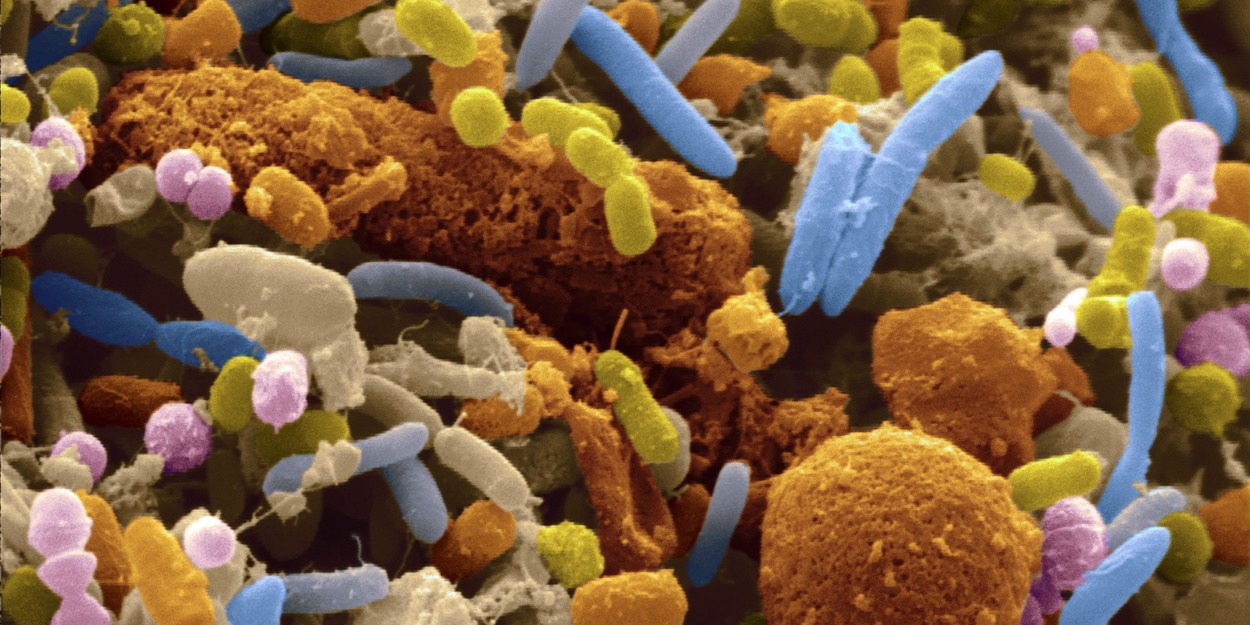
Human feces consist of undigested food residues and a great variety of bacteria. SEM shows a very large proportion of the bacteria and, thus, a high health hazard that the bacteria may contaminate food sources if hygienic rules are not adhered to, particu

(Mercola) If you’ve been trying to lose weight and making serious diet cuts in all the right places for weight loss, not just maintenance, but still not making progress, there may be something at play that is effectively blocking your success. According to new research, the problem might not be what’s already there, but what’s missing — specifically the right gut microbiota. Research at the University of Copenhagen, Denmark, found that the ratio between two types of gut microbes, Prevotella and Bacteroides, evidenced this premise.

For 26 weeks, 62 individuals with increased waist circumference were randomly assigned to either the typical diet enjoyed by the average Dane, or a low-fat, high-fiber diet that included fruits, vegetables and grains. At the end of the study,1 feces samples revealed that the people on the high-fiber diet with a high Prevotella-to-Bacteroides ratio (P/B ratio) lost an average of 10.9 pounds of body fat, which was 3.5 more pounds than the others.

As The New York Times noted,2 those on the regular diet with a high Prevotella ratio lost 4 pounds, compared with 5.5 pounds for those with a low Prevotella ratio, which was statistically insignificant. In short, the researchers concluded, “subjects with high P/Bratio appeared more susceptible to lose body fat on diets high in fiber … than subjects with a low P/B-ratio.”3

The key in weight loss success, as well as the difference, according to lead author, Mads F. Hjorth, an assistant professor at the University of Copenhagen, is that losing fat, rather than muscle mass, is what delivers a meaningful bottom line. Hjorth admitted that while studying the microbiome — the ecosystem of microorganisms in your gut — has, as yet, brought little in the way of practical results, their newest findings may end up being something they can use as a practical tool to aid in weight loss and overall health.

Must Read: Gluten, Candida, Leaky Gut Syndrome, and Autoimmune Diseases

Beyond Weight Loss: Probiotics to Help Prevent and Treat Colon Cancer

Scientists in the U.K. took a hard look at how the introduction of probiotics might change gut microbiomes and found it not only may help prevent the formation of tumors but even treat existing ones.4 In fact, their research,5 published in The American Journal of Pathology, found that the gut bacteria Lactobacillus reuteri has the potential for treating colon cancer, the third most common cancer in the U.S. other than skin cancer.

Several studies, including one in Malaysia6 and at least one intensive review7 of many studies targeting the subject, had already determined there are several factors that increase incidence of colorectal cancer, such as having been diagnosed with inflammatory bowel disease, certain genetic factors, lack of exercise, red meat intake, low vegetable and fruit consumption, whether or not you smoke, and being overweight or obese.

The upshot of The American Journal of Pathology study, led by Dr. James Versalovic, a professor of pathology and immunology at Baylor College of Medicine in Houston, is that your gut microbiome is a huge player in your overall health, including playing a role in the development of colorectal cancer.

While many of the mechanisms involved weren’t immediately known, research indicates probiotics can play a starring role in its prevention, with Lactobacillus reuteri, a naturally occurring probiotic in mammals, observed as reducing intestinal inflammation.

For the study, researchers administered L. reuteri to HDC-deficient mice (as well as using other mice given a placebo for comparison) to regulate their immune responses for observation. DSS, a substance that stimulates inflammation, was used along with azoxymethane, a carcinogenic chemical, to induce tumor formation. The actual mice studies took place 15 weeks later.

Must Read: Holistic Guide to Healing the Endocrine System and Balancing Our Hormones

Study Procedures and Proof Positive for Probiotics

Using positron emission tomography to scan for tumors, scientists observed that the probiotic-treated mice had fewer tumors, and the ones they had were smaller in comparison with the placebo mice, whose tumors were larger and greater in number.
Medical News Today explained:

“In adult mice, it has been noted that the lack of an enzyme called histidine decarboxylase (HDC) made the animals significantly more susceptible to developing colorectal cancer associated with inflammation of the bowels. HDC is produced by L. reuteri and helps to convert L-histidine, which is an amino acid with a role in protein synthesis, to histamine, which is an organic compound involved in the regulation of the immune response.”8

Two more items were deemed significant in the studies: inactive, HDC-deficient strains of L. reuteri exhibit zero protective effects, and the active strain of the probiotic even decreased inflammation caused by the DSS and azoxymethane chemicals given to the mice. Versalovic summed up the trials:

“Our results suggest a significant role for histamine in the suppression of chronic intestinal inflammation and colorectal tumorigenesis (tumor formation]). We have also shown that cells, both microbial and mammalian, can share metabolites or chemical compounds that together promote human health and prevent disease.”9

In this study, too, scientists are said to be unsure about the function of histamine in humans in relation to cancer, which is interesting since among 2,113 people with colorectal cancer, data “suggested” that those with higher levels of HDC have a better survival rate. The team asserted that probiotics help convert L-histidine into histamine, which could be used to both lower colorectal cancer rates and aid treatment, and Versalovic concluded:

“We are on the cusp of harnessing advances in microbiome science to facilitate diagnosis and treatment of human disease. By simply introducing microbes that provide missing life substances, we can reduce the risk of cancer and supplement diet-based cancer prevention strategies.”10

Must Read: Candida, Gut Flora, Allergies, and Disease

‘Borrow’ Younger Gut Microbes to Increase Longevity

Studies on fish introduced the novel idea that gut microbes injected into older individuals might also inject more vim and vigor, while also helping them live longer. Some of the world’s shortest-lived vertebrates, turquoise killifish that swim in short-lived ponds formed by rainy seasons in Zimbabwe and Mozambique, were the lucky recipients of gut microbes from slightly younger fish — lucky because they lived longer.

A research team from the Max Planck Institute for Biology of Ageing in Cologne, Germany, arranged for older killifish — middle-aged at 9.5 weeks — to ingest the gut microbes belonging to killifish only 6 weeks old. Nature reported:

“The transplanted microbes successfully recolonized the guts of the fish that ate them, and extended their lives. The median life span for these animals was 41% longer than that of fish exposed to microbes from middle-aged animals, and 37% longer than for fish that received no treatment.

At 16 weeks — old for killifish — the individuals that received gut microbes from young fish were more active than other elderly fish, with activity levels more like those of 6-week-old fish.”11

Bulletproof 360 equated the concept with cutting-edge science that wages war on aging using an “experimental technique” called parabiosis,12 an allegedly 150-year-old science that connects the vascular systems of old and young animals to see how the exchange of blood might impact their health, behavior and anything else that might change.

But rather than using blood, scientists used the contents of the guts — poop — in the killifish microbe exchange, aka fecal transplantation therapy, as they, just like humans, are full of a comparable set of good and not-so-good gut bacteria. It’s difficult to say how the fish were feeling, but they appeared to be livelier and more active upon receiving the younger microbes.

Must Read: Hypothyroidism – Natural Remedies, Causes, and How To Heal the Thyroid

The Importance of Good and Bad Gut Bacteria

When your gut microbiome is balanced, your general function, like the fish, is one that reflects a boost in energy because all-around, you’re healthier. When your microbiome is lacking in healthy bacteria, as researchers report, you feel physically depleted and your performance suffers.

Not surprisingly, your microbiome profile can change as you age. Your body consists of around 100 trillion microbes that, when properly balanced, protect your gut, your immune system function and, consequently, your overall health. Here’s how it works:

“Gut microorganisms help you digest your food, and byproduct from the microbes eating your food (yes, it’s bizarre but it works) can be helpful to your system. Around 75 percent of your vitamin K supply is produced in the intestines by gut bacteria. Gut bacteria also help your body make its own B vitamins and absorb the B vitamins that come from food.”13

Many factors can change your gut health, for better or worse, including those listed in the table below:14

Your diet Exposure to germs
Stress Drugs
Alcohol consumption Your weight

You’ll notice there’s one more factor that can affect the balance of your gut bacteria, and that’s age. You may also notice that other than age, all the rest of the above can be controlled. If you’ve ever marveled at the way a 5-year-old can tear up a playground for hours, and college students can stay up studying night after night without seeming to be adversely affected, gut microbiomes, to a large degree, can be thanked.

The fact is, the gut health of older individuals tends to be vastly different from those of people much younger, and it changes energy levels, cognitive function, muscle strength and immunity, studies say.15 The good news is that healthy gut bacteria can make all the difference in the way you age.16 Taking good care of yourself by paying attention to the items on the above table is not just wise for protecting your health now, but for your future health and even your chances of living longer.

Must Read: Start Eating Like That and Start Eating Like This – Your Guide to Homeostasis Through Diet

Getting Your Own ‘New’ Gut

Your health is often a direct result of behaviors you engaged in last week, last year and even decades ago, depending on your age. Scientists have linked diseases like Parkinson’s and chronic fatigue to the microscopic organisms and bacteria in your gastrointestinal tract.17,18 Taking prescription medications is another way your body can be thrown out of whack, including combinations of drugs you might be taking that often cause serious and even deadly side effects and health issues.

In fact, it’s not your genes that determine your longevity, as some believe, as in “My grandfather and my father both died of heart disease, so I probably will, too.” Research strongly supports environmental factors as being responsible for the diseases that plague so many people.

It’s the expression of your genes that counts, and that is heavily influenced by your lifestyle choices. Even up to 90 percent of a person’s cancer risk is due to changeable factors such as the items listed above, while only 10 percent can be attributed to genetic defects, one study affirms.19

Nourishing your gut bacteria is one of the most crucial steps in maintaining health, and that can be done by eating traditionally fermented foods such as raw grass fed yogurt, kefir and fermented vegetables, which you can make at home, and foods containing fiber, such as nuts and seeds, fruits and vegetables, and other foods to promote better digestive health.

Must Read: How to Cure Lyme Disease, and Virtually Any Other Bacterial Infection, Naturally

Probiotic supplements can also be beneficial. Avoiding sugar, as well as processed, packaged foods, will go a long way toward balancing and optimizing your gut health. The more you take care to develop gut health. The more it will help increase your energy, improve your sleep, balance your stress levels, diminish your risk for cancer and other diseases and even help you lose weight. Making small changes now will pay big dividends in the way you think, feel and function.


The “FREE” Press Is NOT Free To Tell The Facts About Vaccines

(Natural Blaze by Catherine J. Frompovich) Ever since the U.S. Congress gave the U.S. pharmaceutical and vaccine manufacturers a “get out of jail free” card exonerating them of all legal and financial product liabilities, vaccines have proliferated to the point of extreme infringements and health harms upon humans, including their rights to self-determination for themselves and their children.

However, outside the USA there is no such “collusion” going on between government agencies and Big Pharma. Many legal lawsuits against vaccine makers have been filed, especially against those who manufacture the HPV vaccines, which are damaging both male and female youngsters. See the statistics posted from the CDC’s VAERS reporting system on the SaneVax homepage. Ever since the HPV vaccines were first introduced in 2006 until June 2017, 51,956 adverse events from HPV vaccines have been reported to VAERS along with 328 deaths.

Recommended: How To Detoxify and Heal From Vaccinations – For Adults and Children

Now, let me ask you this question: What would happen to a sausage maker, a car maker, or any other product manufacturer if there were that many consumer problems reported to proper government agencies? What happened with the Takata air bag problems/recalls?

The New York Times reported in February of 2015:

In an escalating standoff with Takata, federal regulators said on Friday that they would begin to fine the Japanese auto supplier $14,000 a day, saying it had not fully cooperated in an investigation into defective airbags.

What happened to Volkswagen for its fraudulent emission scheme? A $4.3 BILLION settlement!

Volkswagen has agreed to pay $4.3 billion to settle civil and criminal allegations over its diesel emissions cheating scheme involving some 590,000 vehicles in the U.S. [2]

What about product recalls? The website www.Recalls.gov states the U.S. Consumer Product Safety Commission (CPSC) has jurisdiction over more than 15,000 kinds of consumer products, but vaccines are not listed! Aren’t they healthcare consumer products?

The very fact vaccines are treated totally differently when, in fact, they can contain nothing short of hazmat materials [mercury (Thimerosal), aluminum in four formulations, formaldehyde] plus other toxic chemicals, foreign DNA, human diploid cells from aborted fetal cell lines, MSG, antibiotics, etc. [3] which are injected via a syringe into newborns, 2-4-6 month old infants, toddlers, teens, adults and senior citizens.

Adverse effects and contraindications from every vaccine are reported on vaccine package inserts [4] by manufacturers, BUT federal, state and local health agencies, including school districts DO NOT advise parents and prospective vaccinees of those real and potential adverse health dangers and/or effects. Why? Collusion?

Recommended: Vaccines, Retroviruses, DNA, and the Discovery That Destroyed Judy Mikovits’ Career

Shouldn’t the media be the first line of communication about the dangers of vaccines? Why is the media so bamboozled into disseminating false and fraudulent vaccine information? Shouldn’t such collusion be prosecuted as a criminal act—not telling consumers about the toxins in vaccines and the possible health risks? Where’s informed consent? Or, is the administering physician’s mandate to get inoculated considered ‘informed consent’?

And yet, vaccine safety advocates who are vocal about the fraud at the CDC/FDA and the hazardous vaccine ingredients, plus the horror stories of what happened to vaccine-damaged vaccinees, are harassed and even prosecuted, as in Australia.

Is Australia the beta-market test venue for just how far totalitarian health mandates can be enforced?

Or are there too many vested interests at stake in Australia, e.g., pharmaceutical maker CSL (HPV vaccine interests) [5]; Prime Minister Tony Abbott’s daughters NOT to be vaccinated but everyone else must get vaccinated [6]; Lucy Turnbull, the current Prime Minister’s wife AND chairman of pharmaceutical company Prima Biomed, a company trying to get out a cancer vaccine [7]?

Here is a video, which shows the numerous anti-vaccination policy demonstrations that have taken place in various countries around the world and documented on film, but NEVER shown on the USA TV evening news or talked about in daily newspapers. Why? Collusion?

Watch in amazement and listen to the stories told about vaccine horrors in Australia, Poland, Italy, Germany, USA, and Kenya.

https://www.facebook.com/avn.org.au/videos/2001681173454938/

Innocent children and adults are being harmed deliberately by several entities responsible for promoting the falsehood that vaccines are safe.

Fraud at the CDC has been exposed by whistleblowers; see the documentary VAXXED: from catastrophe to cover-up; two Merck & Company former employees filed a qui tam lawsuit in Philadelphia, PA federal court regarding falsified Mumps vaccine efficacy reporting for almost ten years [8]; plus others I cannot recite here and which I’ve written about over the years.

The HHS’s HRSA has paid out almost $3.6 BILLION in vaccine damage claims and attorney’s fees [9]!

Related: Doctors Against Vaccines – Hear From Those Who Have Done the Research

What does that tell you and prove?

When will the citizens of the USA wake up and demand the repeal of the National Childhood Vaccine Injury Act (NCVIA) of 1986 (42 U.S.C. §§ 300aa-1 to 300aa-34, which literally is responsible for all the vaccine problems we have in the USA?

October is “Vaccine Injury Awareness Month.” Please tell everyone you know about the falsehoods and health damages from unproven, unsafe vaccines.

Sources:

Court Sets Ominous Precedent, Tells Mother, “Vaccinate Your Son Or Go To Jail”

(Natural Blaze By Matt Agorist) Detroit, MI — In a seemingly unprecedented violation of rights, a case out of Detroit, Michigan should worry even the most stringent pro-vaccine advocates. A well-meaning mother has been given an ultimatum by an Oakland County judge—vaccinate your child or go to jail.

While the Free Thought Project has reported on instances of children being denied public services, like school, for not vaccinating their children, the idea that someone could be thrown in jail for choosing to abstain from vaccination is chilling.

“I would rather sit behind bars standing up for what I believe in, than giving in to something I strongly don’t believe in,” says Rebecca Bredow, a mother of two who has been ordered to vaccinate her son.

In what sounds like a scene from a dystopian novel, Bredow has been backed into a corner and her freedom at risk because she is making a medical decision for her child. By order of an Oakland County judge, Bredow was given one week to fully vaccinate her son or she will be thrown in jail.

To be clear, Bredow did not fully abstain from all vaccinations. She is merely choosing to space them out, like lots of parents do.

As WXYZ reports, Rebecca believes in parents having the choice to make the right decision for their children based on the parents’ knowledge of vaccines and the child.

Rebecca tells 7 Action News that she and dad made the decision to space out and delay some their little one’s vaccines.

“It wasn’t until they started grouping them together that I backed off of doing vaccines,” she says.

Related: How To Detoxify and Heal From Vaccinations – For Adults and Children

However, the father, who does not have custody of the children, has since changed his mind and now wants to vaccinate his children to the fullest extent. Bredow disagrees, but the court, according to Bredow, couldn’t care less about what she thinks—despite Michigan law allowing for vaccine exemption.

“We’re fortunate in the state of Michigan that’s still permitted, still allow religious, personal and medical exemptions for parents who chose to delay, to skip a vaccine to make various choices,” says Joel Doorman a representative of Michigan for Vaccine Choice. But this law is now being taken away from Bredow.

Bredow says the court won’t even hear her side of the story, and despite her having custody of the children, the court automatically sided with the father who wants their son vaccinated.

While vaccinating your children is certainly the decision of both parents — the idea of one parent being kidnapped and thrown in a cage for not wanting to vaccinate is the very fabric of tyranny.

Related: Vaccines, Retroviruses, DNA, and the Discovery That Destroyed Judy Mikovits’ Career

“Why automatically side with the father that wants the vaccines? What about my choice as a mother?” says Bredow — and she has a point. If the court sided with Bredow instead of the father, would the father face the same threats of being thrown in a cage if he vaccinated the child?

“I feel angry. I feel backed into a corner. I feel like my rights as a parent have been taken away,” she says.

While there will likely be some folks cheering on the state in this situation, how you feel personally about vaccines should never lead to a loss of freedom. No person should be forced by government regulation or societal pressure to receive any medication or treatment, including vaccines, against his or her will.

Indeed, even the Association of American Physicians and Surgeons (AAPS) opposes the idea of government forcibly medicating society against their will.

AAPS does not oppose vaccines. AAPS has never taken an anti-vaccine position, although opponents have tried to paint that picture. AAPS has only attempted to halt government or school districts from blanket vaccine mandates that violate parental informed consent.

As for Bredow, she now has until next Wednesday to decide how to proceed before armed agents of the state come to her home, chain her up, kidnap her, and throw her in a cage—for legally doing what she feels is best for her nine-year-old son. And we call this the land of the free.

Matt Agorist is an honorably discharged veteran of the USMC and former intelligence operator directly tasked by the NSA. This prior experience gives him unique insight into the world of government corruption and the American police state. Agorist has been an independent journalist for over a decade and has been featured on mainstream networks around the world. Agorist is also the Editor at Large at the Free Thought Project, where this article first appearedFollow @MattAgorist on TwitterSteemit, and now on Facebook.

Source:

Mass Infertility: A Sign Of The Times?

Man takes out mobile phone of his pocket of jeans on beach near the sea to make self-portrait or to photograph the sea

Dramatic decline in male fertility may be a product of modernity

(Natural Blaze) Modern living can be a real drag, particularly if you’re a sperm cell it seems. In July came news of the publication of a scientific review that appeared to confirm the suspicions of many a soothsayer down the ages. Verily, the seed of human existence looks to be drying up.

According to study authors at the Hebrew University of Jerusalem, sperm counts and concentration figures in the West have halved since the early 1970s, and continue to fall at an alarming rate. Might the baron dystopia of intergenerational fruitlessness, foretold by many a cackling witch down the ages, indeed be just around the corner?

As the news broke, Edinburgh University’s Professor Richard Sharpe was on hand to reassure us that “the end of humanity is not approaching”.

 Alas, those of the Sir David Attenborough (“we are a plague on earth”) school, quick to cheer the report, may have been a little premature in rejoicing. A substantially depopulated planet may not, in fact, be right around the corner and mankind’s fate is far from sealed.

Rather disconcertingly, however, the professor added:

We have no idea about what is the cause of the condition…

We cannot remedy it…

Knowledge of male fertility problems remains patchy on the whole; but this is not to say we have no clue as to what’s going on – far from it. Whilst some in the field may still be firing blanks, others feel that they have already reached satisfactory conclusions.

Related – Gonads – Reproductive Organs – Natural Endocrine Health

There exists a significant, growing body of robust research we may look to for signs of credible causes. In truth, one doesn’t have to be a reproductive health expert to fathom what may (at least partially) underlie the recent decline in male fertility.

Whatever select specialists may be willing to venture, on the record, about what they know, or how convincing they find the existing evidence, the picture that emerges from the literature is pretty clear. Contrary to the dismissive pronouncements of certain on-message establishment figures (who shan’t be named), in reality we are unlikely to have to wait another generation to be in a position to pinpoint some of the main culprits. Better still, the prime suspect is close at hand, and we have it in our grasp to do something about it.

Related: Holistic Guide to Healing the Endocrine System and Balancing Our Hormones

As it happens, the elephant in the room is actually in your pocket…

That’s right guys, we’ve more than likely done this to ourselves. Irradiating intimate areas with radiofrequency (or ‘wireless’) transmission devices – like mobile phones, tablets, and laptops – has been repeatedly shown to be bad news for delicate reproductive cells and anatomy. Turns out microwaving the family jewels may be harmful. Who’d have known?

Related – How Negative Ions and Positive Ions Affect Our Health

According to Dr. Joel Moskowitz of the University of California, Berkeley, “we have considerable evidence that cell phone radiation damages sperm and is associated with male infertility”. The Director of the Center for Family and Community Health at Berkley’s School of Public Health has further cautioned in recent months that it appears female fertility may also be adversely affected.

The link is consistent with the observation that Western men are the only major demographic group known to have experienced such a stark transformation. Of course, this could well be a function of other shifting cultural phenomena but it’s becoming increasingly difficult to discount the possibility that early adoption of wireless consumer tech has played a role. Any which way you look at it, growing male infertility in the West is plausibly the very definition of a ‘modern disease’.

Besides recent replicated study findings linking radiofrequency radiation (RFR) exposure to impaired male fertility, scientists have known for decades that even relatively low power intensity microwaves can disturb finely tuned, sensitive biological systems in sometimes subtle and insidious ways.

This is not, however, to say that RFR represents the primary determinant of the emergent fertility crisis, or indeed that biomedical science is close to having the precise role of any lifestyle-linked risk factor all sewn up.

Clearly, there remains plenty of further investigative research to be done in this most sensitive of areas, and a number of other contemporary thematics must also be borne in mind. These include a role for: stress, diet, body weight, temperature of the testes, and both voluntary behavioural and involuntary environmental exposure to endocrine disruptors (e.g. pharmaceuticals, drugs, alcohol, and other chemical pollutants).

 “If we act now … then countless couples may be spared the ordeal of having to pursue invasive and by no means guaranteed … reproductive treatments in the future.”

For many, the jury’s still out on the effects of RFR, but few by now can deny the rationale for a precautionary approach, in view of the emerging evidence. If we act now, both as individuals and as a society, then countless couples may be spared the ordeal of having to pursue invasive, by no means guaranteed, and increasingly restricted assisted reproductive treatments in the future.

All that’s required is that we’re willing to accept the mother of all inconvenient truths: that the gizmos and gadgets we’re all glued to may not just prove a barrier to truly living life in the present but also get in the way of life (rather less figuratively) going forward.

Cholesterol Isn’t the Problem in Heart Disease; Inflammation Is

(Dr. Mercola) Cholesterol is a waxy substance found in nearly every cell of your body and is essential to good health. Your body uses it to make hormones, protect your cell membranes, digest food and manufacture vitamin D after exposure to the sun. Your liver manufactures most of the cholesterol your body requires from nutrients extracted from your food.

Animals use cholesterol in much the same way. This means the meats from beef, pork or chicken have similar levels of cholesterol. Even fat cells in animal meat have the same amount of cholesterol as other cells. All meat averages 25 milligrams of cholesterol per ounce.1 Dietary cholesterol is absorbed at different rates, between 20 and 60 percent, depending upon the individual.2

The 2015-2020 Dietary Guidelines for Americans3 addressed past vilification of dietary cholesterol, announcing4 “cholesterol is not considered a nutrient of concern for overconsumption.” These same guidelines also advise limiting sugar to no more than 10 percent of your diet,5 which is approximately 50 grams of sugar, or 200 calories, in a diet consuming 2,000 calories each day. This level is still far higher than what is healthy as net carbohydrates are a prime factor in the development of inflammation.

Related: What Causes Chronic Inflammation, and How To Stop It For Good

Recently published research from a clinical trial sponsored by Novartis Pharmaceuticals demonstrates a reduction in recurring heart attacks, strokes and cardiovascular deaths in participants who took a targeted anti-inflammatory medication that did not lower cholesterol levels.6

Although the results of the study were encouraging as they scientifically demonstrate the association between inflammation and cardiac disease, I do not recommend using a pharmaceutical intervention to achieve what lifestyle choices can easily accomplish.

Lowering Inflammation Helps Lower Cardiac Risk

This study from Brigham and Women’s Hospital was the culmination of a nearly 25-year cardiovascular research work. The trial was designed to test if reducing the amount of inflammation in the body would also reduce the risk of a recurrent heart attack or stroke. The researchers enrolled 10,000 people who had previously had a heart attack and had persistently elevated levels of C-reactive proteins, a strong biomarker of inflammation.

The participants were split into four groups, all of which received aggressive standard health care. Three groups were administered the drug canakinumab at various levels and the fourth placebo group received no drug. The drug, currently priced at $200,000 a year by Novartis Pharmaceuticals, demonstrated an ability to reduce inflammation with a reduced risk of cardiac events and reduced the need for interventional procedures, such as bypass surgery or angioplasty.7

The hypothesis of whether an intervention that reduces inflammation could potentially reduce your risk of a recurrent heart attack was tested using a medication already approved for use to target the immune system without affecting your lipid level.8 While the drug demonstrated a reduced risk in some patients, one of the side effects was a higher risk of fatal infection.

Once the researchers identified the results as they related to cardiac health, they also did an investigative analysis and found participants taking the medication had a reduced risk of lung cancer rates and deaths.9 The lead researcher in this study is also involved in another evaluating the effectiveness of low dose methotrexate —  an inexpensive common cancer and rheumatoid arthritisdrug — in cardiovascular disease. These results are due to be completed in two to three years.10

Though there may be positive effects using methotrexate, it must be noted this drug also comes with a laundry list of side effects, including intestinal bleeding, sepsis, reduced blood platelets and liver damage.11 The idea that inflammation is important in the development of disease and in the importance of cardiac health is not new, but it has now found an avenue for exploration in the pharmaceutical industry.

Related: Besieged by Guilt: Ex-Pharmaceutical Employees Speak Out Against the Industry

Inflammation Linked to Cardiac Disease, Cancer and Other Health Conditions

Studies such as these confirm the hypothesis that inflammation is one of the major underlying factors behind cardiac disease, cancer, diabetes and many other conditions. Chronic pain, peripheral neuropathy and migraines are also rooted in the inflammatory process in your body. Unfortunately, while many are suffering from these types of conditions, understanding how to eliminate the inflammation is not generally understood. Many physicians simply turn to pharmaceuticals that carry a significant number of side effects.

The source of inflammation in your body is usually driven by your lifestyle choices, especially those that affect your intestinal tract. Interestingly, the surface of your gut may cover two tennis courts when laid out flat. This is an amazing amount of surface area that resides in your abdomen and is responsible for protecting your health. The degree of permeability, or how much your intestines will allow through breaks in the cell wall, is dependent on a variety of factors, including the food you eat and the stress you’re under.

This disruption in the interconnections between the cells in your intestines may result in small holes that allow food particles and bacteria to enter your blood stream and trigger an immune response, also called leaky gut syndrome. This is a serious problem that triggers inflammation in your body and increases your potential risk for illness. With repeated damage to the microvilli of your intestinal walls, they begin to lose the ability to do their job.

This impairs your ability to digest food properly or absorb nutrients. One of the food groups that factor into the development of leaky guy syndrome is grains. Although advertising often touts the health benefits of eating whole grains, a growing body of scientific evidence demonstrates that whole grains, lectins and legumes are responsible for the development of leaky gut syndrome and the resulting inflammation.

Related: Candida, Gut Flora, Allergies, and Disease

Drugs Are Not the Answer

In many cases your physician has an insufficient understanding of the dangers of using pharmaceutical interventions to treat inflammation and disease. They often prescribe a quick pill, possibly believing patients may be more willing to take a pill than to change their eating habits or lifestyle choices. Unfortunately, each of those prescriptions come with side effects, some of which are more dangerous than the original condition they were intended to treat.

This was amply demonstrated in the featured study where one of the side effects from the medication tested was a higher risk of death due to infection. Side effects from other anti-inflammatory medications have resulted in the medication being pulled from use, such as Vioxx, taken off the market after it was found the drug increased the risk of heart attack and stroke. Statins are another medication prescribed with the mistaken idea that reducing your cholesterol levels will reduce your risk of heart attack and stroke.12

Dr. Dwight Lundell, former chief of staff and chief of surgery at Banner Heart Hospital in Arizona, took a stand against statin medications, believing they were doing cardiology patients more harm than good.13

This goes against years of physicians prescribing medications to lower cholesterol and strongly recommending diets that severely restrict any fat intake. Practicing physicians have been bombarded with pharmaceutically sponsored literature and seminars insisting heart disease is the result of one factor — elevated cholesterol levels.

This has led to large numbers of individuals experiencing the side effects of statins, as these drugs reduce your ability to absorb CoQ10, necessary for energy production in every cell in your body. The drug also reduces your ability to absorb vitamin K2, stimulating atherosclerosis and heart failure.14 Studies have also linked the use of statin drugs to cancer,15,16 diabetes,17 neurodegenerative disease,18 musculoskeletal disorders19 and cataracts.20

Statins not only have dangerous side effects, but they are not effective against preventing heart disease. You may assume falling cholesterol levels are proof you’re getting healthier, but you would be wrong.

Related: Candida, Gut Flora, Allergies, and Disease

Cholesterol Is Not the Enemy

The Minnesota Coronary Experiment was a study performed between 1968 and 1973 that examined the relationship between diet and heart health.21 The researchers used a double-blind randomized trial to evaluate the effect of vegetable oil versus saturated fats in coronary heart disease and death.

The results were left unpublished until 2016, when they appeared in the BMJ. An analysis of the collected data revealed lowering your cholesterol levels through dietary intervention did not reduce your risk of death from coronary heart disease. The researchers concluded:22

“Available evidence from randomized controlled trials shows that replacement of saturated fat in the diet with linoleic acid effectively lowers serum cholesterol but does not support the hypothesis that this translates to a lower risk of death from coronary heart disease or all causes.

Findings from the Minnesota Coronary Experiment add to growing evidence that incomplete publication has contributed to overestimation of the benefits of replacing saturated fat with vegetable oils rich in linoleic acid.”

The researchers found that for every 30-point drop in total cholesterol, there was a 22 percent increase in the risk of death from cardiac disease. On autopsy, the group eating vegetable oil and the group eating saturated fat had the same amount of atherosclerotic plaques in their arteries, but the group eating saturated fat experienced nearly half the number of heart attacks as the group eating vegetable oil.

After scientists recommended Americans stop eating meat, eggs and saturated fats, intake of sugar and other carbohydrates spiked. In response, the obesity rate in the country exploded, as did the number of people who suffer from diabetes, cardiovascular disease and stroke. Over 50 years of research point to another culprit in the advancement of disease, and it isn’t cholesterol.

Instead, cholesterol is a response mechanism activated by your body when a blood vessel is injured through an inflammatory process.23 Once the lesion occurs, your body sends cholesterol to cover the area and prevent further damage, much like a scab after you cut your skin.

Beverly Teter, lipid biochemist at the University of Maryland, has spent years studying how different types of fat in your food affects your long-term health. Over the years she has found that people with higher levels of cholesterol live longer. She has a personal story that bears witness to this belief:24

“I come from a family that has, my mother’s side, had naturally high cholesterol. Her cholesterol was between 380 and 420 when I started watching her medical records, and she died at 97. So I don’t think that cholesterol was too bad for her.”

It is the inflammatory process in your body that first triggers an injury to your arterial walls. No matter how low your cholesterol numbers go, your body will still use the cholesterol it has to repair the arterial wall. On the other hand, cholesterol plays other protective roles against respiratory and gastrointestinal problems and in the production of vitamin D.

However, without inflammation, your arterial walls do not become injured and there are no atherosclerotic plaques laid down that may eventually block the artery. Statins work to lower your total cholesterol number, but cannot stop the injuries to your arteries from inflammation. So, this artificial reduction in total cholesterol has little to do with your overall risk of cardiac disease.

Related: Cayenne and Capsaicin, Natures Miracle Medicine

Better Assessment of Heart Disease Risk Found in Evaluating Other Tests and Cholesterol Ratios

As you evaluate your risk of cardiovascular disease, there are specific ratios and blood level values that will tell you much more than your total cholesterol number. The size of your low-density lipoprotein (LDL) cholesterol, for example, is more important than your overall total LDL level. Large particle LDLs are not harmful to your health while the smaller, denser LDL particles may create problems as they squeeze through the lining of your arteries, oxidize and trigger inflammation.

An NMR LipoProfile that measures the size of your LDL particles is a better assessment of your risk of heart disease than total cholesterol or total LDL. The following tests will also give you a better assessment of your potential risk for heart attack or coronary artery disease:

HS-CRP. High sensitivity C Reactive Protein is one of the best overall measures of inflammation. Since we now understand that inflammation, not cholesterol, is the primary cause of heart disease, this would be an excellent screening test. The lower the number the better. Ideally your level should be below 0.7. Mine typically ranges from <0.2 to 0.3.

Cholesterol ratios: Your HDL/cholesterol ratio and triglyceride/HDL ratio is a strong indicator of your risk. For your HDL/cholesterol ratio divide your HDL by your total cholesterol and multiply by 100. That percentage should ideally be above 24 percent. For your triglyceride/HDL ratio divide your triglyceride total by your HDL and multiply by 100. The ideal percentage is below 2 percent.

Fasting insulin level. Sugar and carbohydrates increase inflammation. Once eaten, these chemicals trigger a release of insulin, promoting the accumulation of fat and creation of triglycerides, making it more difficult for you to lose weight or maintain your normal weight. Excess fat around your midsection is one of the major contributors to heart disease.25

Your fasting insulin level can be determined by a simple, inexpensive blood test. A normal fasting blood insulin level is below 5 microunits per milliliter (mcU/ml), but ideally, you’ll want it below 3 mcU/ml. If your insulin level is higher than 3 to 5, the most effective way to optimize it is to reduce net carbs.

Fasting blood sugar level. Studies have demonstrated people with higher fasting blood sugar levels have a higher risk of having coronary heart disease.26 In fact, when your fasting blood sugar is between 100 and 125 mg/dl, your risk of coronary artery disease increases to 300 percent more than those whose level is below 79 mg/dl.

Iron level. Iron creates an environment for oxidative stress, so excess iron may increase your inflammation and increase your risk of heart disease. An ideal iron level for adult men and non-menstruating women is between 40 and 60 nanograms per milliliter (ng/ml). You do not want to be below 20 ng/ml or above 80 ng/ml.

Magnesium Plays Substantial Role in Reducing Inflammation

Magnesium is vital for your optimal health, biological function and mitochondrial health. There are more than 3,750 magnesium-binding sites on human proteins and more than 500 enzymes in your body rely on magnesium to function properly. Low levels of magnesium are associated with migraines, anxiety, depression, fibromyalgia, cardiovascular disease and death from all causes.

Related: Homemade Calcium and Magnesium

Low levels of magnesium are a culprit in the development of inflammation and may play a role in hardening of your arteries as they inhibit the deposit of lipids on your arterials walls and plaque formation.27 Use of the mineral also has significantly positive effects when administered intravenously (IV) as soon as possible after a heart attack.28 In a double-blind, placebo-controlled trial, IV magnesium or normal saline was administered to 2,000 patients within 24 hours of their heart attack.

Those who received the magnesium experienced 24 percent fewer deaths and within the following five years, the death rate was also 21 percent lower than those not treated with magnesium. IV magnesium has been used to treat patients with congestive heart failure and arrhythmias.29 Low levels have been found to be an important predictor of sudden cardiac death30 and IV magnesium has been used to treat the onset of atrial fibrillation. 31

The use of magnesium during an immediate cardiac event demonstrates the significant health benefits of the mineral. However, ensuring an adequate level of magnesium on a daily basis may help to prevent these cardiac events as the mineral is also closely associated with reducing the inflammatory response. A recent study in the European Journal of Clinical Nutrition32 determined there was an inverse relationship between levels of magnesium in the body of participants and the level of c-reactive proteins.

The researchers concluded the beneficial effect of magnesium intake on chronic diseases could potentially be explained by the effect the mineral has on inhibiting inflammation.33

Many researchers and physicians believe recent studies demonstrate chronic low-grade inflammation is linked to heart attacks, strokes, Alzheimer’s disease, cancer and Type 2 diabetes.34 Following the release of another study demonstrating the role inflammation plays in chronic disease,35 Dr. Carolyn Dean, magnesium expert and author of “The Magnesium Miracle,” stated:36

“Cholesterol is not the cause of heart disease and the decades-long attempt to treat this condition with statin drugs has failed, because the true cause is inflammation.”

Dean went on to comment on another study that demonstrated magnesium deficiency contributes to an exaggerated response to oxidative stress and inflammation, saying:37

“This study shows that at the cellular level, magnesium reduces inflammation. In the animal model used, magnesium deficiency is created when an inflammatory condition is produced. Increasing magnesium intake decreases the inflammation.

With magnesium being actively required by 600 to 700 enzyme systems in the human body, internal functions that reduce inflammation with the help of magnesium are being newly discovered every year. For example, magnesium has been found to be a natural calcium channel blocker, which is crucial because calcium in excess is one of the most pro-inflammatory substances in the body.”

Natural Methods to Reduce Inflammation

There are multiple factors that affect the inflammatory process in your body. Some of the more significant include:

Hyperinsulinemia: An excess of insulin in your blood triggered by a diet high in net carbohydrates increases your level of inflammation. What you eat tends to be the deal-breaker in how much insulin your body secretes. However, there are other factors that contribute to your insulin levels, such as smoking, sleep quality and level of vitamin D.

You can read more about how to reduce your insulin and fasting blood sugar levels to reduce inflammation in my previous article, “Insulin, Not Cholesterol, Is the True Culprit in Heart Disease.”

Unbalanced fatty acids: Your body needs a balance of omega-3 and omega-6 fats. Unfortunately, most diets have an overabundance of omega-6 fats leading to greater amounts of inflammation. Strive for a 1-to-1 ratio of omega-3 to omega-6 fats to reduce inflammation and your risk of heart disease.

High iron stores: Ensure your ferritin blood levels are below 80 ng/ml. If they are elevated this can increase your level of inflammation. The simplest and most efficient way to lower your iron level if elevated is to donate blood. If you can’t donate, then therapeutic phlebotomy will effectively eliminate the excess iron. Heavy metal detoxification will also naturally reduce high iron.

Leaky gut: Food particles and bacteria leaking from your intestines increase your level of inflammation and your risk of heart disease. By eliminating grains, sugars and lectin-rich legumes, while adding fermented foods, you may heal your gut and reduce your level of inflammation.

Inadequate levels of magnesium: A century ago your diet provided nearly 500 mg of magnesium per day. Today, courtesy of nutrient-depleted soil you may be getting only 150 mg per day. Dean suggests using your intestinal reaction as a marker for your ideal dose of supplementation.

Your body flushes excess magnesium through your stool, so you may determine your own individual needs using magnesium citrate. Start by taking 200 mg of oral magnesium citrate each day, gradually increasing this dose until you develop slightly loose stools.

I now believe many may benefit from as much as 1 to 2 grams of magnesium per day, although you’d need to gradually work your way up to that amount and pay attention to your body’s response, especially if you use magnesium citrate, which causes loose stools.

My personal preference for magnesium supplementation is magnesium threonate as it appears to more efficiently penetrate cell membranes, including your mitochondria. It penetrates your blood-brain barrier and may help improve memory and it may be a good alternative to reduce migraine headaches.