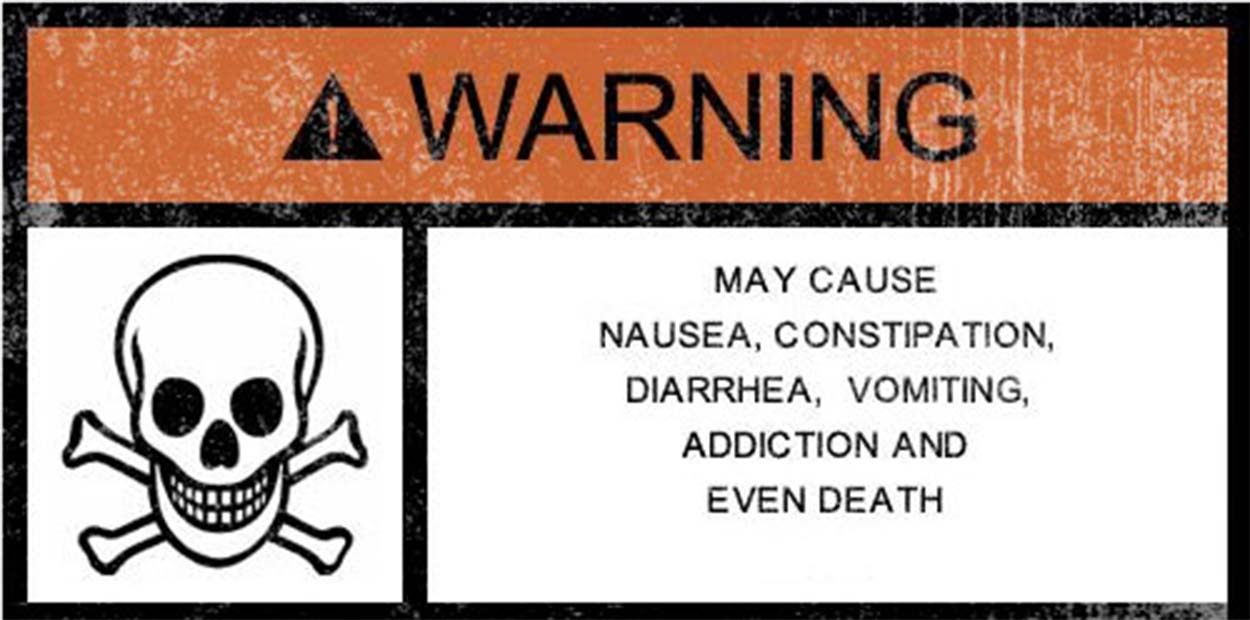
Chemotherapy found to SPREAD cancer throughout the body

(Natural News) Though conventional medicine claims to be winning the war against cancer, along with the holistic health community, we at Natural News have consistently been trying to expose one of the biggest frauds known in human history: CHEMOTHERAPY.

Brainwashed by doctors, oncologists, and the mainstream media, most cancer patients think their only hope for survival is chemotherapy. In America, treating cancer is BIG business. Since the cancer industry makes billions of dollars each year, a cure is not what they are after.

Did you know that the number one side effect of chemotherapy is cancer? Conventional cancer treatments not only fail miserably, they are also designed to make cancer patients sicker. Though chemotherapy may shrink the initial tumor(s), what is happening in the background is far more important. It is the one dark and criminal truth nobody seems to knows about.

Related: How to Detoxify From Chemotherapy and Repair the Body

A new study published in the journal Science Translational Medicine earlier this month proved what we have been saying for decades; conventional cancer treatments cause more cancer. A team of scientists at New York’s Albert Einstein College of Medicine has found compelling evidence that chemotherapy is only a short-term solution.

Eventually, the drugs will make you sick again, pushing patients towards a second round of expensive treatments. Clever money generating trick: Instead of helping patients to get rid of the disease, they temporarily put it on hold so they can take the dollars twice.

Chemotherapy kills more patients than cancer itself

In 2017, an estimated 1,688,780 new cancer cases are expected to be diagnosed and about 600,920 people will die from the disease in the United States, according to the annual report by the American Cancer Society.

The New York scientists explained that while shrinking the tumors, chemotherapy simultaneously opens new doorways for tumors to spread into the blood system, triggering more aggressive tumors which often result in death.

The researchers believe toxic chemo drugs switch on repair mechanisms in the body that allow tumors to grow back faster. Furthermore, Dr. George Karagiannis, lead author of the study, and his team found that two common chemo drugs increased the number of “doorways” on blood vessels which allowed cancer cells to spread to other parts of the body. The team also discovered that chemotherapy increased the number of cancer cells circulating the body and lungs of mice.

Related: Chemotherapy vs Placebo

Though this study only investigated the effects of chemotherapy on breast cancer, the researchers are currently experimenting with other types of cancer to see if similar effects occur, reported The Telegraph.

Dr. Karagiannis noted that women receiving preoperative chemotherapy to treat breast cancer should be monitored to check if the cancer isn’t circulating or creating more possibilities to spread. He recommends taking a small amount of tumor tissue after a few doses of preoperative chemotherapy. If the markers are increased, the therapy should be terminated immediately.

This study is not the first to demonstrate the ways in which chemotherapy can trigger secondary or metastatic cancers. In 2010, researchers at the University of Alabama at Birmingham (UAB) Comprehensive Cancer Center and UAB Department of Chemistry were awarded a $805,000 grant from the U.S. Department of Defense Breast Cancer Research Program to investigate the question whether chemo encourages cancer to spread throughout the body.

Many studies later, we can no longer ignore the answer to that question. YES, patients are dying from chemotherapy, not cancer itself. It has been shown to not only cause secondary cancers but also accelerates tumor growth and causes cancer cells to become resistant to treatment.

Seventy-five percent of physicians and scientists would refuse chemotherapy for themselves or their family

What does this number say about the effectiveness and risks of therapy? Do these people know more? And what is the mainstream media hiding from us?

Due to the devastating effects on the entire body and the immune system, and an extremely low success rate, three of every four doctors and scientists would refuse chemotherapy, according to polls taken by the McGill Cancer Center. Additionally, an estimated 97 percent of cancers don’t respond to chemotherapy, yet it remains the go-to treatment for nearly every cancer type.

Think about it. When your body is fighting cancer, the last thing it needs is more cancer-inducing, immune suppressing chemicals, right? Though all scientists and doctors know that chemotherapy is pure poison and can make things worse, the U.S. Food and Drug Administration (FDA) outlaws doctors from choosing non-chemical routes, such as vitamins, supplements, herbs, superfoods, and other natural cancer solutions, for their patients.

Over the past few years, one study after another has been coming out, linking chemotherapy to cancer. Yet authorities fail to make the healthy call. How much more proof do they need before they start to acknowledge that there are far better, less expensive real cures out there?

Related:
Sources:

Retinal Bleeding, Shaken Baby Syndrome And Vaccines – When Dogma Destroys Deduction

(Natural Blaze – Jim Miller) My name is Jim Meehan, MD. I am an ophthalmologist and former associate editor of the Journal of Ocular Immunology and Inflammation. During my work with the journal I reviewed two papers seeking publication of research reporting an association between the MMR vaccine and retinal vasculitis in children. The research framed a compelling case for the association of recent vaccination with Merck’s MMR vaccine and a type of bleeding in the back of children’s eyes that to this day is considered a cardinal sign for traumatic child abuse.

Despite my support for the publication of the research, I was not surprised when the papers were rejected.

Retinal hemorrhaging can be caused by a vasculitic reaction, an inflammatory reaction in the blood vessels of the retina. The inflammation can be so pronounced that it results in leaking and bleeding of the blood vessels of the retina. This bleeding can be seen on funduscopic examination of the retina (the back of the eye). The pattern of bleeding can appear as “dot-blot hemorrhages,” which, when it’s seen in a child, is taught to be pathognomonic, or a cardinal sign, of child abuse, called Shaken-Baby-Syndrome (SBS). Interestingly, I don’t recall ever being taught to consider adult abuse when I see it in a patient with similar retinal findings. No, in an adult the most common causes are diabetes mellitus, hypertension, vascular occlusive disease, or autoimmune disease.

Nevertheless, there is a large body of compelling ophthalmologic research that supports retinal hemorrhages in a child as a cardinal sign of abuse. Believe me, I’ve read and considered all of it. There’s just this gnawing doubt that we’ve missed something and made up a great story that seems to neatly explain everything. Accept for me and my experience it doesn’t. And like any good scientist I won’t consider the “science settled.”

Related: How To Detoxify and Heal From Vaccinations – For Adults and Children

I was in my ophthalmology residency training at the time I edited for the journal. At that time, I was still well indoctrinated in the medical orthodoxy of vaccines and vaccine safety. Nevertheless, personal experiences as a first year ophthalmology resident physician had made me skeptical of child abuse as the only possible cause of the retinal bleeding in the babies brought to the ER by their parents.

I was consulted on several cases presumed to be child abuse that presented themselves to the Barnes-Jewish Hospital ER. In these cases I examined the child, their retinas, and interviewed the parents. I never encountered a case in which there was any combination of evidence or testimony that made me think child abuse was a probable cause. However, the “babies with dot-blot hemorrhages are victims of child abuse” is the dogma that the medical orthodoxy teaches, therefore, a diagnosis of retinal hemorrhages in an infant is almost guaranteed to result in a parent or caregiver being presumed guilty.

I clearly recall one such case of retinal hemorrhages presumed to be SBS, in which I argued against the diagnosis because there were no other injuries. Specifically, there were no bruises where the child would have allegedly been held and shaken.

I had a strong background in mechanical engineering taught to me by one of the best engineering schools on the planet, the United States Military Academy at West Point. To my mind, it was beyond improbable that a child could be shaken hard enough to induce shear forces in the vascular layers of the retinal and there NOT be other injuries or evidence on physical exam. My attending physician, a pediatric ophthalmologist and department head, treated me like I had to be an idiot to consider any other diagnosis. Therefore, the diagnosis stood.

I can only assume that charges of child abuse were filed, CPS was called, and a family was broken, because that is what happens when retinal hemorrhages are observed in children.

Related: The MMR Vaccine – A Comprehensive Overview of the Potential Dangers and Effectiveness

If I knew then what I know now.

A few years ago I was drawn back into the vaccine safety controversy when the news of the #CDCwhistleblower, William Thompson, PhD, hit the major media. Dr. Thompson, a lead CDC scientist on THE seminal study published in the Journal of Pediatrics in 2004 investigating the safety of Merck’s MMR vaccine and its association with autism, came forward and admitted the study was fraudulent. Out of his guilt and shame, Dr. Thompson admitted that the he and his fellow CDC coauthors secretly colluded to change the study analysis plan, manipulate data sets, destroy documents, and publish a fraudulent paper that hid the fact that the CDC’s own investigation found strong associations between Merck’s MMR vaccine and autism.

For an excellent presentation on the CDC whistleblower story and the fraud at the CDC, please watch the documentary Vaxxed: From Coverup to Catastrophe.

I remembered those studies from 14 years prior and the fact that at least two unrelated independent research centers had found an association of retinal hemorrhages in children with Merck’s MMR vaccine. I started asking the questions that any good physician and scientist asks in these situations; the questions that have to be asked if we are going to find the truth. The more questions I asked the more I was opposed by blind orthodoxy, unbelievable rationalizations, and unreasonable arguments. You know, the kind of stuff that allowed experiments on Jewish prisoners in Auschwitz, the Tuskegee airmen, tobacco smokers, and patients treated with dangerously addictive and destructive drugs like OxyCodone, Xanax, Soma, and Adderall.

I learned that I wasn’t the only one to ever question both the medical orthodoxy and the mechanism of injury in SBS:

Despite the powerful medical orthodoxy that teaches otherwise, I am convinced that many cases of retinal hemorrhaging in babies are not caused by the unlikely, arguably improbable, mechanisms of shaking, but by the far more insidious generalized vascular inflammation that occurs when the physiology of a susceptible child’s blood vessels reacts to a vaccine. In fact, on 5/16/2017 Merck added two vasculitic diseases of childhood as adverse events to the package insert for the MMR vaccine(3). So, now we have more evidence that the FDA and Merck both acknowledge that the MMR vaccine can cause exactly the kind of vasculitic pathology capable of producing retinal and brain hemorrhages.

We should also consider how the elements and admission of parental frustration that can sometimes be elicited in these cases. Consider the symptoms of the bleeding vasculitis causing an inconsolable, screaming child, in such pain from the cerebral swelling. A scenarios that might drive any parent to the point of exhaustion and frustration.

Related: Influenza Vaccine – A Comprehensive Overview of the Potential Dangers and Effectiveness of the Flu Shot

I believe that the clinical research studies that a medical journal decided not to publish so many years ago, might have actually been pointing to an important truth. Unfortunately, because that truth was not “the“ truth fully accepted by the medical orthodoxy, the research got passed over. Instead of new science and observations that challenged long held beliefs, we simply had another example of how, because we considered the “science settled,” we continued, repeatedly, for years, to misdiagnose, fail to identify possible, perhaps more probable, causes and sent innocent parents to jail. Now, we need to stop, slow down, reinvestigate, reconsider, open our minds and make sure we haven’t missed identifying potential underlying causes, figure out how to prevent them, and if the problem is vaccine injury, hold the vaccine manufacturers accountable for the injuries they’re products have caused.

Except that with vaccines we can’t hold the manufacturers accountable. Because we made the horrible mistake in 1986 to give vaccine manufacturers, whose products were even then causing so much injury, immunity to product liability lawsuits. Which is the reason that in early 2000 a young ophthalmology resident was reading research suggesting that Merck’s MMR vaccine was associated with retinal hemorrhages at the same time scientists at the CDC were committing fraud to hide the association of the very same vaccine with autism.

In conclusion, I believe what doctors are being taught about what is supposed to be one of the most characteristic signs of child abuse, retinal “dot-blot” hemorrhages in a child, is not such “settled science” that we can afford to stop considering other possible causes and diagnoses. What if retinal hemorrhages in a child aren’t so pathognomonic for child abuse? What if it’s also a sign of vaccine injury but we don’t know because we aren’t considering, asking, or looking? What if we aren’t asking the right questions and conducting the right research because you can’t get your research funded if it doesn’t advance the pharmaceutical industry’s agenda? It’s time that doctors, scientists, and concerned people everywhere reopen the case against vaccines and demand absolute transparency, gold standard clinical testing, and scientific oversight that is neither dependent on, nor corrupted by, Big Pharma’s money.

FDA now wants to eliminate side effect warnings from drug ads

(Natural News) We’ve all seen those drug commercials on TV with pleasant-looking grandparents frolicking in a grassy field with an adorable puppy, living life to the fullest while an announcer talks about how Big Pharma’s latest poison is going to make your life every bit as joyful. Then comes the obligatory rushed reading of a list of side effects. When the commercial is over, the general impression is a positive one: This drug is going to make your life better, but you might have a few minor problems like drowsiness.

Related: If You’re on Prescription Drugs, Don’t Kid Yourself

Drug companies might be required to tell you their side effects, but they have invested a lot of money in finding ways to present this information in the most positive light possible, and when that approach won’t work, they do their best to deliver it in a forgettable manner. These efforts appear to be paying off in more ways than one because now the FDA is considering scrapping them altogether on the grounds that TV viewers simply don’t listen to the side effect lists. With this move, it appears the FDA cares less and less about making their collusion with Big Pharma obvious.

Related: How to Detoxify From Chemotherapy and Repair the Body

In an effort to make the process seem reasoned, health officials proposed a study that will assess whether people actually read the ad warnings. They claim they are worried that critical information is getting lost in the shuffle, causing people to overlook the more serious warnings. Should the study confirm this suspicion, the FDA could scrap the list entirely as they find other ways to “safely” market medication.

In fact, they say that people are more likely to read a medication’s risks on a page-long full summary of safety information than they are to read it in the type of brief summary used in an ad on TV. Of course, you won’t have that information in your hands in the first place until after you’ve “talked to your doctor” as these commercials suggest and somehow convinced him or her to prescribe you the medication. In other words, you’ve already bought and paid for it by the time you can see the drawbacks, which means you’re more likely to take your chances and simply take the meds – and even if you don’t ultimately take the drug, they’ve already got your money.

Must Read: How To Detoxify and Heal From Vaccinations – For Adults and Children

The director of PharmedOut, a project run by Georgetown Medical Center, Adriane Fugh-Berman believes that allowing drug companies to choose the limited list of side effects they include in ads is highly problematic. She pointed out: “That’s why ads for erectile dysfunction say ‘may cause four-hour erection,’ because that doesn’t sound too bad to guys! Unlike other side effects such as heart attack.”

FDA lets Big Pharma use tricks to distract you from side effects

The U.S. is one of only two countries that allow pharmaceutical companies to place direct-to-consumer TV ads, and Big Pharma has found lots of ways to make the required side effect warnings more palatable. For example, some ads will have one narrator tell viewers about the drug’s benefits and then use a different voice actor to run through the risks using a less engaging voice. Another trick they employ is reading the list of warnings using more complex grammatical structures so it’s not as readily absorbable by viewers. Keeping the voice actor who lists the risks off screen is another common tactic as research shows people absorb more information when they can see a speaker. In addition, they sometimes show distracting images while this list is read so people won’t focus on the words.

Must Read: After Taking Antibiotics, This Is What You Need To Do To Restore Healthy Intestinal Flora

The FDA does not approve ads before they are aired, but they claim they will stop ads that violate the law after their release. Their guidelines do not require drug makers to tell people if lifestyle changes like diet and exercise could help improve their condition, nor do they ban ads for medications that pose serious risks. Now the FDA is poised to remove yet another obstacle for drug makers and make it easier than ever for them to convince people that their poisons are harmless.

Sources:

Common Pain Relievers Are Causing Heart Attacks

(Dr. Mercola) Nonsteroidal anti-inflammatory drugs (NSAIDs) are prescribed extensively throughout the world. In the U.S., nearly 70 million prescriptions are written and 30 billion doses are consumed each year when over-the-counter NSAIDs are included.1

In many cases NSAIDs are prescribed to treat back pain, headaches, menstrual pain and arthritis. While most consider the medication innocuous, the truth is that by conservative estimates over 105,000 people are hospitalized each year from the side effects of NSAIDs and over 16,000 of those die.2

Side effects from long-term use of NSAIDs range from hearing loss to gastrointestinal bleeding. Unfortunately, there is no specific antidote for NSAID poisoning, which may lead to metabolic acidosis, multisystem organ failure and death.3

Research has now discovered side effects from NSAIDs may occur even with short-term use, increasing your risk of a heart attack in the first week to month if you take the medication consistently.4 The U.S. Food and Drug Administration (FDA) has recognized the risks associated with NSAIDs since 2004.5

In order to review all studies involving NSAIDs, the FDA also recommended limiting use of over-the-counter NSAIDs. This review order came on the heels of rofecoxib’s (Vioxx) withdrawal from the market due to an increase in cardiovascular risk.6 Shortly after the withdrawal of Vioxx, another NSAID, valdecoxib (Bextra), was pulled from the shelves due to increased risk of heart, stomach and skin problems that outweighed the benefits of using the drug.7

Related: NSAIDs Study Shows Side Effects are Worse Than Original Ailments

What Is a Myocardial Infarction?

Your heart requires a supply of oxygen and nutrients to enable the muscle to continue to pump. You have two large coronary arteries that branch off your aorta, the right and left coronary arteries. These arteries branch further to feed your heart the oxygen and nutrients it needs.

If one of the larger arteries or branches becomes blocked the portion of the heart that artery feeds is starved of oxygen. If the situation continues for too long that area of heart muscle will die. This is the conventional description of a myocardial infarction (MI), or literally “death of heart muscle.”8

For an entirely different view of how your heart actually works and what causes heart attacks, see my interview with Dr. Thomas Cowan, founding member of the Weston A. Price Foundation and author of “Human Heart, Cosmic Heart: A Doctor’s Quest to Understand, Treat and Prevent Cardiovascular Disease.”

In either case, the signs of a heart attack are not always straightforward. There are several early signs that may not even seem related to your heart. Although chest pain is the most common, you may experience other symptoms and women may have a heart attack without feeling pressure in their chest.9

Even though heart disease is still the No. 1 killer in women in the U.S., women may attribute the symptoms to less serious conditions such as acid reflux, the flu or aging. Even when the symptoms are subtle, the consequences may be deadly. If you or a loved one experience any of these symptoms10,11,12,13 do not wait. Call your local emergency number — 911 in the U.S. — to get help. Activating your emergency system early may reduce the risk of permanent heart damage and death.

Chest pressure described as an elephant sitting on your chest Fullness or pain in the center of the chest that may come and go Pain in the arm, back, neck, jaw or stomach
Toothache that comes and goes Shortness of breath or difficulty breathing Cold sweat, lightheadedness or nausea
Indigestion or “choking” feeling Extreme weakness or anxiety Rapid or irregular heartbeat
Pain that spreads to the arm Unusual fatigue that may last days General malaise or a vague uneasy feeling of illness
Must Read: NSAIDs Warning – These Drugs Are Not Safe (Motrin, Advil, Naproxen…)

NSAIDs May Raise Your Risk of Heart Attack in the First Week

The objective of the most recent study was to evaluate the risk of an MI associated with NSAID use in real-world situations using a statistical model (Bayesian) that turns the results of testing into a real probability the event may occur.14

The researchers used studies that pulled information from European and Canadian health care databases, gathering information from eight studies that met the criteria and over 440,000 individuals.15 The researchers evaluated the probability of an MI in the first through seven days that an individual took specific NSAIDs.

They found increasing probability an individual may experience an MI in the first seven days for celecoxib (Celebrex), ibuprofen, diclofenac (Voltaren), naproxen (Naprosyn) and rofecoxib (Vioxx). This only adds to mounting evidence linking NSAIDs to cardiovascular symptoms.

The risk of heart attack increased 24 percent with celecoxib (Celebrex), 48 percent with ibuprofen, 50 percent with diclofenac (Voltaren), 53 percent for naproxen (Aleve, Naprosyn) and 58 percent for rofecoxib (Vioxx), which was removed from the market due to increased cardiovascular risks.16

The researchers determined there was a higher risk associated with higher doses. Over-the-counter doses are commonly lower than prescription doses of NSAIDs. Mounting evidence of cardiovascular risks with all NSAIDs triggered the FDA to strengthen their warning in 2015.17 The warning was based on the FDA review of the literature since the order in 2004, and included information such as:18

  • NSAIDs increased the risk of heart attack and stroke, especially at higher doses
  • NSAIDs can increase the risk of heart attack in individuals with or without a history of heart attack or risk of heart disease
  • Patients treated in the first year after a heart attack with NSAIDs were more likely to die than those who were not treated with NSAIDs
  • There is an increased risk of heart failure in those using NSAIDs

Myocardial Risk Differences Between NSAIDs

In this video, Dr. Partha Nandi, creator and host of the medical lifestyle television show, “Ask Dr. Nandi,” describes the results of another study evaluating the use of NSAIDs during an upper respiratory infection. The results were similar to the recent study evaluating MI and NSAIDs in the European and Canadian health care databases.

The researchers noted the recent study was observational, so drawing conclusions as to cause and effect would not be possible from their results.19 Others criticized the study, saying other factors may have been the cause of the increased MIs in the study.20 However, the researchers studied over 60,000 cases of MI before concluding current use of NSAIDs were associated with a significant increased risk of an acute MI.21 Use of NSAIDs exhibited a quick onset of MI risk in the first week that leveled by Day 30.

Celecoxib and diclofenac showed a single wave of increased risk in the first week, while ibuprofen, naproxen and rofecoxib exhibited an additional increased risk during eight to 30 days of consuming the drug. The researchers speculated the differences between NSAIDs may be related to the drugs’ effect on renal function.22

The findings also suggested MI risk associated with rofecoxib was greater than those of other NSAIDs included in the study. This aligns with results from past studies that prompted the removal of rofecoxib from the market.

NSAIDs Carry Further Risks

NSAIDs also increase your risk of other health conditions, some of which may be lethal. For example, researchers have determined women who took NSAIDs in the first 20 weeks of pregnancy had a significantly higher risk of miscarriage.23 The study evaluated the health records of over 50,000 Canadian women and found those who took NSAIDs early in their pregnancy had a 2.4 times higher risk of miscarriage.

The researchers hypothesize NSAIDs’ effect on hormone-like prostaglandins that support pregnancy may be the trigger. NSAID use is also associated with atrial fibrillation in patients who previously had an MI.24 While you may believe you can discount this particular risk factor, it is important to note research demonstrates up to 45 percent of heart attacks are clinically silent or without symptoms.25

Many of these silent heart attacks are discovered during a routine physical examination or electrocardiogram where the physician notes damage to the heart muscle.

NSAID use also increases your risk of upper and lower gastrointestinal (GI) tract bleeding. Upper GI bleeding is more commonly reported, and occurs with all formulations of NSAIDs.26 Up to 15 percent of upper GI bleeding reported in a single county of Denmark may be attributed to NSAID use.

Lower GI bleeding occurs with most NSAID drugs, as does increased mucosal permeability and inflammation of the lower GI tract.27Other findings associated with lower GI bleeding include anemia, occult blood loss, protein loss and malabsorption.

Painkillers Are a Bitter Pill

Use of over-the-counter pain relievers, including ibuprofen, have been associated with hearing loss in men28 and women.29 Prescription strength or long-term use of NSAIDs and aspirin are associated with interstitial nephritis,30 a type of kidney damage that may be permanent, leading to kidney failure.31

NSAID use may also induce other renal function abnormalities, including fluid retention, electrolyte complications and deterioration of renal function.32 It’s also worth remembering that even short-term consistent use of pain control medications may increase your risk of further injury as these drugs help to mask pain, enabling you to continue your activities. Further injury or pain may lead to use of stronger pain medications.

Pain and discomfort are the common triggers for opioid prescriptions, which have risen over 100 percent between 2000 and 2010,33 while treatment modalities for injuries have improved. I believe the drastic increase in these numbers play a major role in the global epidemic addiction to opioids.

After just one month on morphine, patients showed demonstrable changes in brain volume.34 The number of deaths from overdoses rose from a little over 10,000 a year in 2002 to nearly 35,000 in 2015.35 Now, some states are fighting back,36 trying to hold manufacturers accountable for the epidemic of addiction that resulted from deceptive marketing.37

Drug-Free Pain Control

Pain control without addressing the underlying physical issue may increase your risk of experiencing side effects from medications you’re taking, or lead you to resort to even stronger medications that have more dangerous side effects. I strongly recommend you exhaust other options before resorting to consistent use of painkillers, even in the short term. The truth is that many drugs used to treat pain may increase your risk of heart attack, change your brain chemistry and possibly your behavior.

Sleep, for example, is one important factor in how you perceive pain. Getting eight hours of quality sleep on a nightly basis may help you cope with the discomfort you experience.38 Your pain experience is affected by several factors, of which sleep may be the most important. Sleep, pain and depression are a strongly interconnected triad where a change in one impacts the other two.

If you have trouble getting to sleep, or staying asleep, you’ll want to check out my 33 tips to a better night of sleep. You may read more about the changes medications make to your brain, and 19 non-drug solutions for pain relief in my previous article, “Drugs for Physical and Emotional Pain Change Your Brain.”

Recommended Reading:


How to Kill Fungal Infections and Keep Them Away

Do you suffer from chronic sinus infections? Respiratory infections? Gum disease? Ear infections? Digestive problems? Chances are you are suffering from an overgrowth of Candida, the most prevalent fungal infection.

There are four types of infections we suffer from: bacterial, viral, parasitic, and fungal (though an argument could be made that fungal infections are parasitic). Too often we assume that our bronchial infection is bacterial. We take ineffective antibiotics that kill off more of the beneficial bacteria in our gut and allow Candida to thrive.

We feed yeast with an unhealthy diet filled with sugar and simple carbohydrates. When we start to clean up our diet, we starve Candida which releases toxins into our system. These toxins make us feel terrible. We eat sugar or high carb foods and we feel better because we have fed the Candida. Candida multiplies and we crave more sugar. And thus the cycle begins.

It’s easy to know you have a yeast problem when you have vaginal yeast infections, athlete’s foot, fingernail or toenail infections, or patches of yeast on the skin. If you suffer from these infections, it is highly likely that you have a systemic problem with yeast as well.

How to Kill Candida and Other Fungal Infections

First and foremost, the very best supplement I know of to kill any fungal infection is Formula SF722 by Thorne. It really is an amazing yeast killer. Below we have a list of supplement recommendations, but if you can only afford one, trust me, get the SF722. In fact, if you can only afford two, and you are unwilling or able to keep your diet right, get two bottles of SF722.You can also take a lot of them at once if need be. For particularly bad infections of a fungal infection, try taking up to 30 a day for a few days, and them reducing to a maintenance dose. You can also use topically. It hurts (only when there is an infection to kill), but it doesn’t damage the skin. They are the best for Candida or any other fungal infections, and Green Lifestyle Market accepts full refunds, no questions asked if you try and you don’t feel it’s working for you. If you want to get a better understanding of the gut and how fungal infections work, check out Candida, Gut Flora, Allergies, and Disease.

The first step in eliminating an overgrowth of any fungus is to stop feeding it. Sugar is your worst enemy. This means eliminating all forms of sugar including simple carbohydrates (and alcohol) that the body turns into sugar.

Yeast in foods may also feed a fungal infection. When you are battling an overgrowth of systemic yeast or fighting a localized infection, avoid any foods with yeast–this means leavened breads.

Stop eating any trigger foods that you suspect may be a source of an allergic response. You are going to war. Candida and other fungi are the enemy. If your immune system if engaged in battling other issues, it won’t be 100% available to fight the fungi you are trying to eliminate. Don’t challenge it with any foods that you have ever had an allergic response to in the past. You need all of your resources at their best.

Diet

Although your diet must eliminate some of the foods that you will normally eat on a healthy diet, the basis of a healthy diet remains the same. Your diet should consist of 80% fresh, raw, organic produce, more vegetables than fruit. Choose a wide variety of nutrient dense foods. If you eat meat, make sure you choose organic meat. You do not want to eat meat from diseased animals fed hormones and antibiotics. Avoid processed foods, and do not eat any foods with artificial flavorings, colorings, preservatives, MSG, or trans fats. Avoid all GMOs. This is easy to do if all of your food choices are organic.

This is a prebiotic diet. Raw produce is high in fiber, which is essential for gut health. Fiber not only moves toxins through the bowels, it provides the perfect environment for healthy bacteria to thrive. Many conventional sites that talk about a diet for Candida warn against eating fermented foods. Fermented foods such as sauerkraut, kimchi, kombucha, and keifer provide the healthy bacteria needed in the gut–the bacteria that will ultimately crowd out Candida. Foods that kill fungi include onions, leeks, green apples, ginger, pomegranates, and citrus fruits. Along with diet, there is an arsenal of natural herbs and supplements at your disposal to fight Candida and other fungi.

Herbs and Supplements to Fight Candida and other Fungi

Aloe Vera

Aloe Vera lowers pH levels creating an inhospitable environment for Candida. It also helps detoxify the liver. The liver filters the byproducts of Candida and deals with toxins from the die off process as the Candida is destroyed. Aloe Vera juice can be consumed on a daily basis (no more than 1/4 a cup) or capsules can be taken.

Garlic

Raw garlic is a powerful anti-fungal that does not destroy beneficial bacteria in the gut. It does, however, kill bad bacteria while killing 24 out of 26 strains of Candida. It can also be rubbed on fungal skin infections. It can be eaten raw or taken in softgel capsules. Garlic cloves can be inserted into the vagina to treat vaginal yeast infections. (see link below).

Warning: Garlic can thin the blood. Do not use garlic if you plan to undergo surgery or if otherwise contraindicated due to another health condition or medications.

Clove Oil

Clove oil is a powerful anti-fungal that also boosts the immune system. Use 15-30 drops in water, 3 times daily.

Coconut Oil

Coconut oil is a strong anti-fungal with many beneficial properties. Take one tablespoon 1-2 times a day. You can eat it plain, add it to smoothies and cook with it.

Tea Tree Oil

Tea tree oil kills bacteria, viruses, and fungi. Some recommend using internally (take 15-30 drops in a cup of water 3 times daily) but many professionals say to only use topically. Update: Lemongrass works much better than tea tree for topical fungal treatment.

Oil of Oregano

Oil of oregano is a strong anti-fungal and antimicrobial. You can take 5 or more drops under the tongue or dilute in water 2-3 times a day. It can also be taken by capsule or oregano leaves can be steeped for a medicinal tea.

Colloidal Silver

Take 1 teaspoon up to 3 times a day, but do not take it long term. There are many claims that colloidal silver is amazing. We haven’t had any luck with it when treating topical bacteria or fungi and there is a lot of controversy about its use and effectiveness, though there are also many claims that it is very effective.

Olive Leaf

Olive leaf disrupts the reproductive cycle of fungi. It also stabilizes and lowers blood sugars to help starve Candida. It is also an amazing antioxidant that stimulates the immune system. It can be taken in capsule form, as a tonic, or as a tea. See below for teas and tonics.

Undecenoic Acid

Undecenoic acid is a very effective broad-spectrum antiviral that is taken in capsule form. This is the SF722 mentioned above. You can puncture the gelcap and squeeze out the liquid to treat skin infections and vaginal infections. Or you can use the liquid added to 98 ounces of filtered water for a douche. Be forewarned, when it comes into contact with yeast, it burns. But it works amazingly well.

Grapefruit Seed Extract 

Grapefruit seed extract is effective against 100 strains of fungi as well as bacteria, viruses, and parasites. It works well with undecenoic acid and does not harm beneficial bacteria. Add 10 drops to water, 3 times a day.

Diatomaceous Earth

No, we are not talking about eating dirt. Almost, but not quite. Diatomaceous earth is silica (silicon dioxide), a very hard substance from the shells of diatoms, tiny single-celled plants. This provides a needed nutrient and there are amazing claims of restored health and vitality associated with it. Take one teaspoon morning and night. It can be added to any liquid, but tends to settle. It suspends well in smoothies. Diatomaceous earth will help to quickly remove Candida from the intestinal walls and out of the body.

Probiotics

Probiotics will help you rebalance your gut with beneficial bacteria that will crowd out Candida and they will help kill Candida as well. Probiotics foods as well as supplements are recommended.

Please note the warnings for pregnant and lactating women for the following remedies

Black Walnut

Warning: Do not use if pregnant or lactating.

Black walnut has been shown to be more effective against Candida than any antiviral drug. It can be taken in capsule form or as an extract.

Pau D’Arco 

Warning: Do not use if pregnant or lactating.

Pau d’arco is highly effective against Candida; it both inhibits and destroys Candida. It also stimulates the immune system as well. Use as a tea, as capsules, or as a tincture.

Barberry, Goldenseal, and Coptis Chinensis

Warning: Do not use if pregnant. And limit use to 7 days for adults–3 days for children.

Barberry, goldenseal, and coptis chinensis are all recommended for Candida. Berberine is the alkaloid each contains, which is highly effective in fighting Candida. It also boosts and stimulates the immune system.

Wormwood

Warning: Do not use if pregnant.

Wormwood is an age old remedy for parasites and an aggressive treatment for Candida. Candida is particularly difficult to treat when it takes root in the intestines. Wormwood is considered one of the best remedies when the infection has reached this stage.

Topical Applications

Any of the essential oils used to treat fungal infections can be used topically. Essential oils are very strong and generally are not used full strength. Although many oils can be used as a carrier, it makes sense to use coconut oil since it is also antifungal. Add a few drops to a tablespoon of oil and spread on the affected area (including nails and nail beds if needed).

Although you will find many sites advising the use of corn starch for athlete’s foot or other signs of fungus, DO NOT DO THIS! Corn starch will feed the fungus and make it worse.

Teas and Tinctures

The following herbs can be used as a tea–for external as well as internal use or made into tinctures. (Remember to follow the warnings for pregnant and nursing women. Of this list, only olive leaf and thyme are to be used by pregnant or nursing women. Check for other warnings listed in the text above.)

  • Olive leaf
  • Thyme
  • Neem leaf
  • Pau D’Arco
  • Barberry
  • Goldenseal

To make a tea, use 1-2 teaspoons of herb per cup of boiling water. Steep for 15 minutes. Drink 2-3 cups per day. You may also use the tea to wash affected skin, to soak hands and feet (to treat affected nails), or you can add the tea to bath water.

To make a tincture, use a glass bottle or jar. Place one cup of herb in the jar and cover with 2 cups of vodka. Place in a dark space for 3-4 weeks. Shake often. Drain and save liquid, discard leaves.

Candida Die Off or Herxheimer Reaction

When Candida or other yeast cells are killed, they give off toxins. Candida gives off 79 different toxins. These toxins can overwhelm the body, causing allergic reactions and inflammation. These toxins can actually damage the body as well.

Die off symptoms can include nausea, headache, fatigue, fever, an increase in muscle and joint pain, swollen glands, digestive disturbances, sweating, elevated heart rate, itching, hives, rashes, and skin breakouts, as well as “brain fog”. Some also experience sinus, vaginal, and prostate infections.

The first defense against an excessive toxic response is to follow your diet. The fiber included in an 80% raw diet will help quickly move the fungus out of your system. Twice daily doses of diatomaceous earth will also help remove the dying fungus from your body.

It is imperative that you drink a lot of clean water. We recommend cranberry lemonade– as much as a gallon a day, sipped throughout the day. It will give you vitamin C, support the kidneys, and help flush out toxins. (See the link below for the recipe. )

You must move your lymph. Your lymphatic system does not have a pump to help it circulate. Your movement is essential. The best way to assist your lymphatic system is bouncing. Rebounders are great. If you don’t have one, just bounce! Bounce on the balls of your feet! Hop, dance, jump rope, do jumping jacks. If this is too much for you, walk or do yoga. Just move. If you regularly exercise, keep it up. It’s a good time to sweat. It’s a good time to breathe heavily. Intense exercise is good when you are detoxifying from Candida. On the other hand, if your die off symptoms are severe, you need to listen to your body and not push yourself too hard. Use your best judgement.

This is the time to support your immune system. Molybdenum and milk thistle will help your liver expel toxins. If you are having a bad reaction, this support is essential. Candida releases a neurotoxin, acetaldehyde, during die off that is particularly destructive to the body. It attacks red blood cells and kills brain cells. Molybdenum converts acetaldehyde into acetic acid which the body can expel or turn into digestive enzymes.

Your body needs vitamin C (1000 mg 2X a day), vitamin B complex, and a good multivitamin.

Saunas, dry brushing, and hot and cold hydrotherapy will also aid you in releasing toxins.

Cat’s claw and echinacea are herbs that support the immune system. Do not use echinacea long term (no more than 3 weeks at a time with a 1 week break). Both of these herbs can be used as a tea or made into a tincture (see above), or used in capsule form.

If you follow these suggestions but are still experiencing severe symptoms of die off, cut back on your antifungal treatments–but do not stop! These symptoms are a sign that you have a significant overgrowth. Remember the cycle? Are you craving sugar? Pizza? Beer? French bread? As your symptoms abate, continue what you were doing. It was working!

When Do You Stop Taking Antifungal Treatment?

After 7 days with no symptoms of die off and no symptoms of fungal infection, begin adding more fruit to your diet. If you have no problems after another 7 days while eating fruit, you can stop taking your antifungal supplements.

Continue eating fermented foods and taking probiotics. If you wish to discontinue taking vitamin C, titrate down. Do not stop suddenly.

Many people suffering from Candida find that it takes 4-8 weeks or more to successfully eradicate it. Often, when you think it is gone, symptoms reappear. If they do, just repeat the protocol and keep adding probiotic foods to your diet. You will win, and the health benefits will be a welcome reward. If you’re dealing with Candida overgrowth, also check out Gluten, Candida, Leaky Gut Syndrome, and Autoimmune Diseases.

Recommended Supplements:

(Take these all together, except FloraMend, take that separately)

Further Reading:
Sources: