Big Food starts anti-coconut oil campaign again, despite studies showing its great for your health

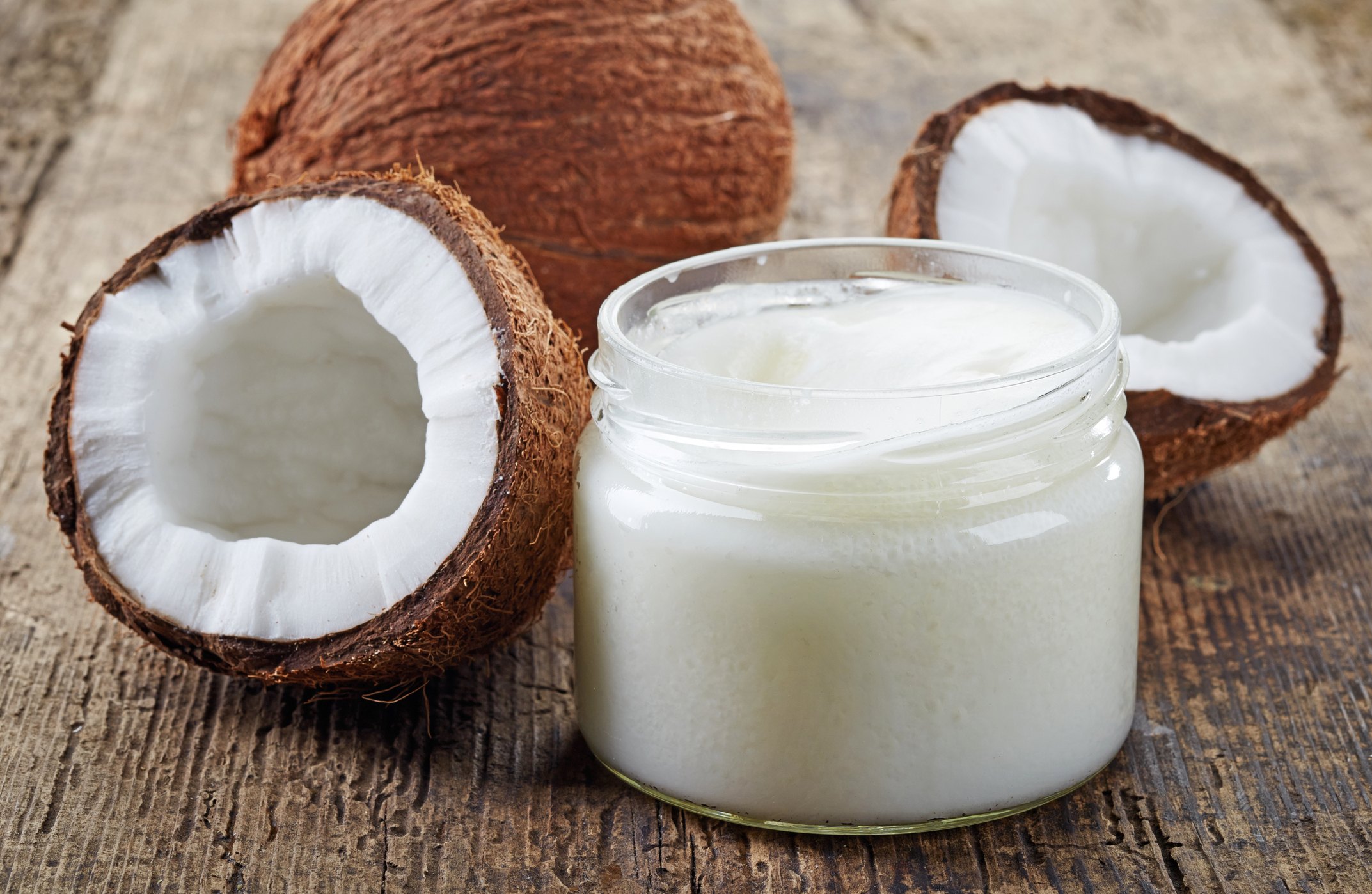
coconut oil and fresh coconuts on old wooden table

(Natural News) Coconut oil is highly regarded for its wide array of uses: From moisturizing skin and clearing up acne to cooking your favorite foods, there’s plenty of reasons why people love coconut oil. But, as you may have noticed, this versatile fat has been getting a lot of bad press lately. For example, the United Kingdom’s Telegraph recently published a hit piece that declared the saturated fat in coconut oil makes it bad for you.

Now, the logic here actually has little to do with the actual composition of coconut oil. When making the claim that coconut oil is bad for you, the Telegraph falls back on the American Heart Association’s general stance on saturated fat as a whole. The argument against saturated fat has been highly contested — and when it comes to coconut oil specifically, this generalization falls short. Why? In addition to the fact that saturated fat is not the enemy it has been made out to be, coconut oil also features a highly beneficial type of saturated fats, called medium-chain fatty acids.

Related: 35 Things You Could Do With Coconut Oil – From Body Care to Health to Household

Saturated fat is not the enemy

Yes, coconut oil does contain a high amount of saturated fat: 87 grams of saturated fat per 100-gram serving. That much is true. First and foremost, saturated fat has long been demonized as a harbinger of any number of diseases. While the war on saturated fat began in the 1950’s thanks to a cherry-picked study by Ancel Keys, the fact is that there is much evidence to the contrary. Saturated fat is not explicitly bad, as we’ve been lead to believe. For example, it is actually very important to keeping your brain healthy.

When it comes to brain health, it’s easy to understand why saturated fat is so important. The myelin sheath, which surrounds nerves and is key to their functionality, is made up almost entirely of saturated fat. The brain itself is primarily made of fat.  As sources explain, in addition to protecting the brain, studies have shown that saturated fat offers protective benefits to the liver, heart, skin and immune system.

Related: Fight Cavities and Gingivitis Naturally With Homemade DIY Oral Health

And, as this 2010 study from the American Journal of Clinical Nutrition concludes, “there is no significant evidence for concluding that dietary saturated fat is associated with an increased risk of CHD [coronary disease] or CVD [cardiovascular disease].” It’s worth noting that the meta-analysis in question featured nearly 350,000 people who were followed for 5 to 23 years; a fairly substantial data set, to say the least.

more recent study, from 2016, also showed that saturated fats could be beneficial for heart health. Norwegian researchers found that in addition to not increasing study subjects’ risk of heart disease, those on a diet high in fat exhibited “substantial improvements in several important cardiometabolic risk factors, such as ectopic fat storage, blood pressure, blood lipids (triglycerides), insulin and blood sugar.” How about that? The fat sources the test patients primarily consumed were also foods with low amounts of processing: Butter, cream and cold-pressed oils. Study subjects on the high-fat diet also exhibited an increase in the “good” cholesterol — HDL. No significant changes were observed in LDL cholesterol levels in the high-fat group, which is contrary to commonly held beliefs.

Coconut oil and medium-chain fatty acids

Medium-chain fatty acids (also known as medium-chain triglycerides) are a specific type of saturated fat that have become highly regarded for their health benefits. Medium-chain triglycerides (MCTs)  are metabolized differently than the long-chain triglycerides seen in animal fats. MCTs are known for being metabolized more readily than long-chain fats. Research has shown that MCTs can help to bolster endurance during exercise, speed up metabolism and help with weight loss and appetite control.

Related: Personal Care Recipes With Coconut Oil

Studies have also indicated that MCTs may play a beneficial role in preventing atherosclerosis, supporting the immune system and more. [RELATED: Learn more about health maintenance at Prevention.news]

To sum it up: Medium-chain fatty acids seem to have a host of health benefits that are not afforded by other types of saturated fats. Approximately 60 percent of the fats in coconut oil are MCTs. Lauric acid, a specific type of MCT in coconut oil, is known for its antimicrobial effects and is a huge component of human breast milk that helps prevent infections in newborn babies.

In addition to modern science getting things wrong about saturated fat as a whole, it is clear that coconut oil has a myriad of health benefits for a number of different reasons. Not only is saturated fat not as bad for you as the media would have you believe, coconut oil in particular has a number of properties that make it stand out from the crowd.

Of Mice, Monsanto and a Mysterious Tumor

(U.S. Right to Know) Call it the case of the mysterious mouse tumor. It’s been 34 years since Monsanto Co. presented U.S. regulators with a seemingly routine study analyzing the effects the company’s best-selling herbicide might have on rodents. Now, that study is once again under the microscope, emerging as a potentially pivotal piece of evidence in litigation brought by hundreds of people who claim Monsanto’s weed killer gave them cancer.

This week tissue slides from long-dead mice in that long-ago research study are being scrutinized by fresh eyes as an expert pathologist employed by lawyers for cancer victims looks for evidence the lawyers hope will help prove a cover-up of the dangers of the weed killer called glyphosate.

Glyphosate, which is the active ingredient in Monsanto’s branded Roundup products, is the most widely used herbicide in the world, and is applied broadly in the production of more than 100 food crops, including wheat, corn and soy, as well as on residential lawns, golf courses and school yards.

Residues have been detected in food and human urine, and many scientists around the world have warned that exposure through diet as well as through application can potentially lead to health problems. The World Health Organization’s International Agency for Research on Cancer (IARC) declared glyphosate a probable human carcinogen in 2015 based on a review of scientific literature, triggering the wave of lawsuits against Monsanto, and pushing California regulators to announce they would add glyphosate to a list of known carcinogens.

What the expert finds, or doesn’t find, is expected to be key evidence in hearings slated for the week of Dec. 11 in dozens of consolidated cases being overseen by a federal judge in San Francisco.

Related: Understanding and Detoxifying Genetically Modified Foods

Rewind to 1983

Monsanto, as well as many other scientists and regulatory bodies, have defended glyphosate’s safety. They say research showing a cancer connection is flawed and hundreds of studies support its safety.

And yet—rewind to July 1983 and a study titled “A Chronic Feeding Study of Glyphosate (Roundup Technical) in Mice.” Following the document trail that surrounds the study offers an illuminating look into how science is not always clear-cut, and the lengths Monsanto has had to go to in order to convince regulators to accept scientific interpretations that support the company’s products.

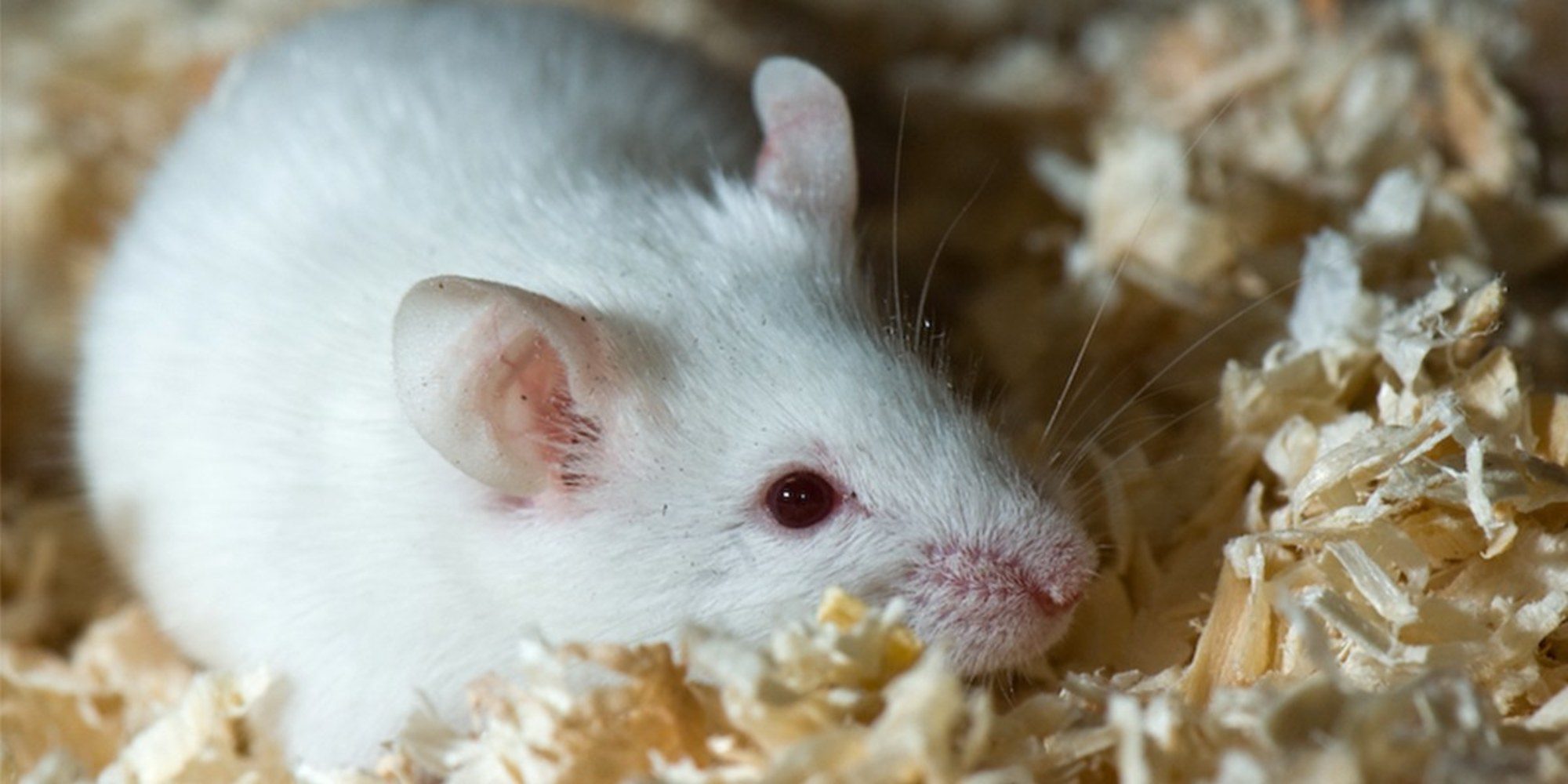
The two-year study ran from 1980-1982 and involved 400 mice divided into groups of 50 males and 50 females that were administered three different doses of the weed killer or received no glyphosate at all for observation as a control group. The study was conducted for Monsanto to submit to regulators. But unfortunately for Monsanto, some mice exposed to glyphosate developed tumors at statistically significant rates, with no tumors at all in non-dosed mice.

February 1984 memo from Environmental Protection Agency toxicologist William Dykstra stated the findings definitively: “Review of the mouse oncogenicity study indicates that glyphosate is oncogenic, producing renal tubule adenomas, a rare tumor, in a dose-related manner.” Researchers found these increased incidences of the kidney tumors in mice exposed to glyphosate worrisome because while adenomas are generally benign, they have the potential to become malignant, and even in noncancerous stages they have the potential to be harmful to other organs. Monsanto discounted the findings, arguing that the tumors were “unrelated to treatment” and showing false positives, and the company provided additional data to try to convince the EPA to discount the tumors.

But EPA toxicology experts were unconvinced. EPA statistician and toxicology branch member Herbert Lacayo authored a February 1985 memo outlining disagreement with Monsanto’s position. A “prudent person would reject the Monsanto assumption that Glyphosate dosing has no effect on kidney tumor production,” Lacayo wrote. ”Glyphosate is suspect. Monsanto’s argument is unacceptable.”

Eight members of the EPA’s toxicology branch, including Lacayo and Dykstra, were worried enough by the kidney tumors in mice that they signed a consensus review of glyphosate in March 1985 stating they were classifying glyphosate as a Category C oncogen, a substance “possibly carcinogenic to humans.”

Must Read: Gluten, Candida, Leaky Gut Syndrome, and Autoimmune Diseases

Research rebuttal

That finding did not sit well with Monsanto, and the company worked to reverse the kidney tumor concerns. On April 3, 1985, George Levinskas, Monsanto’s manager for environmental assessment and toxicology, noted in an internal memorandum to another company scientist that the company had arranged for Dr. Marvin Kuschner, a noted pathologist and founding dean of the medical school at the State University of New York at Stony Brook, to review the kidney tissue slides.

Kushner had not yet even accessed the slides but Levinskas implied in his memo that a favorable outcome was assured: “Kuschner will review kidney sections and present his evaluation of them to EPA in an effort to persuade the agency that the observed tumors are not related to glyphosate,” Levinskas wrote. Notably, Levinskas, who died in 2005, was also involved in efforts in the 1970s to downplay damaging findings from a study that found rats exposed to Monsanto’s PCBs developed tumors, documents filed in PCB litigation revealed.

Kuschner’s subsequent re-examination did —as Monsanto stated it would—determine the tumors were not due to glyphosate. Looking over slides of the mouse tissue from the 1983 study, Kuschner identified a small kidney tumor in the control group of the mice – those that had not received glyphosate. No one had noted such a tumor in the original report. The finding was highly significant because it provided a scientific basis for a conclusion that the tumors seen in the mice exposed to glyphosate were not noteworthy after all.

Additionally, Monsanto provided the EPA with an October 1985 report from a “pathology working group” that also rebutted the finding of the connection between glyphosate and the kidney tumors seen in the 1983 study. The pathology working group said “spontaneous chronic renal disease” was “commonly seen in aged mice.” Monsanto provided the report to the EPA stamped as a “trade secret” to be kept from the prying eyes of the public.

The EPA’s own scientists still did not agree, however. An EPA pathologist wrote in a December 1985 memo that additional examination of the tissue slides did not “definitively” reveal a tumor in the control group. Still, the reports by the outside pathologists brought into the debate by Monsanto helped push the EPA to launch a reexamination of the research.

And by February 1986 an EPA scientific advisory panel had dubbed the tumor findings equivocal; saying that given the tumor identified in the control group by some pathologists, the overall incidences of tumors in the animals given glyphosate were not statistically significant enough to warrant the cancer linkage.

The panel did say there may be reason for concern and noted that the tumor incidences seen in the mice given glyphosate were “unusual.”

The advisory panel told the EPA the studies should be repeated in hopes of more definitive findings, and that glyphosate be classified into what the agency at that time called Group D—“not classifiable as to human carcinogenicity.” The EPA asked Monsanto for a repeat of the mouse oncogenicity study but Monsanto refused to do so.

The company argued “there is no relevant scientific or regulatory justification for repeating the glyphosate mouse oncogenicity study.” Instead, the company provided EPA officials with historical control data that it argued supported its attempt to  downplay the tumor incidences seen in the worrisome 1983 study.

The company said the tumors in mice appear “with some regularity” and were probably attributable to “genetic or environmental” factors. “It is the judgement of Monsanto scientists that the weight-of-evidence strongly supports a conclusion that glyphosate is not oncogenic in the mouse.” Monsanto said repeating the mouse study would “require the expenditure of significant resources… and tie-up valuable laboratory space.”

Feds fold

The discussions between Monsanto and the EPA dragged on until the two sides met in November 1988 to discuss the agency’s request for a second mouse study and Monsanto’s reluctance to do so. Members of the EPA’s toxicology branch continued to express doubts about the validity of Monsanto’s data, but by June of 1989, EPA officials conceded, stating that they would drop the requirement for a repeated mouse study.

By the time an EPA review committee met on June 26, 1991, to again discuss and evaluate glyphosate research, the mouse study was so discounted that the group decided that there was a “lack of convincing carcinogenicity evidence” in relevant animal studies. The group concluded that the herbicide should be classified far more lightly than the initial 1985 classification or even the 1986 classification proposed by the advisory panel. This time, the EPA scientists dubbed the herbicide a Group E chemical, a classification that meant “evidence of non-carcinogenicity for humans.” At least two members of the EPA committee refused to sign the report, stating that they did not concur with the findings. In a memo explaining the decision, agency officials offered a caveat. They wrote that the classification “should not be interpreted as a definitive conclusion that the agent will not be a carcinogen under any circumstances.”

Despite the EPA’s ultimate conclusion, the mouse study was among those cited by IARC for classifying glyphosate as a probable human carcinogen. Indeed, many other animal studies have similarly had questionable results, including a 1981 rat study that showed an increase in incidences of tumors in the testes of male rats and possible thyroid carcinomas in female rats exposed to glyphosate and a 1990 studythat showed pancreatic tumors in exposed rats. But none have swayed the EPA from its backing of glyphosate safety.

Christopher Portier, who was an invited specialist to the IARC review of glyphosate and is former director of the National Center for Environmental Health and Agency for Toxic Substances and Disease Registry at the U.S. Centers for Disease Control and Prevention, believes the evaluations applied to glyphosate data by regulators are “scientifically flawed” and putting public health at risk.

“The data in these studies strongly supports the ability of glyphosate to cause cancer in humans and animals; there is no reason to believe that all of these positive studies arose simply by chance,” Portier said.

Monsanto fought the plaintiffs’ request to view the mouse tissue slides, calling it a “fishing expedition,” but was overruled by U.S. District Judge Vince Chhabria who is overseeing the roughly 60 combined lawsuits under his purvey. Monsanto has confirmed that roughly 900 additional plaintiffs have cases pending in other jurisdictions. All make similar claims – that Monsanto manipulated the science, regulators and the public in ways that hid or minimized the danger posed by its herbicide.

“The importance of the original kidney slides and the re-cut kidney slides is immense to the question of general causation and played a critical role in the EPA’s decision to re-categorize glyphosate…” the plaintiffs’ attorneys stated in a court filing.

Plaintiffs’ attorney Aimee Wagstaff reiterated that in a recent court hearing, telling Judge Chhabria that the events surrounding the 1983 mouse study “sort of dominoed,” and potentially are “extremely relevant” to the cancer litigation.

(First published in Environmental Health News)

Recommended Reading:

More Details Emerge in Organic Dairy Fraud

(Dr. Mercola) U.S. prices of wholesale organic milk have dropped significantly — in some cases by more than 30 percent — in the last year. While this might seem like welcome news for consumers looking for a price break on this premium milk, it comes at a cost to small farmers — some of whom are selling organic grass fed milk at non-organic prices or, worse, being forced to dump it.1

Small farmers risk being forced out of business in this market, even as the organic dairy industry has grown in size. The problem is that as larger industrialized farms have entered the organic market, it’s increasingly pushed the small players by the wayside. The Washington Post reported a glaring reason why: The number of organic cows rose by 13 percent from 2008 to 2015, but the amount of organic milk products produced rose by 35 percent.2

The Northeast Organic Dairy Producers Alliance (NODPA) attributed some of the increase to “better practices,” but others, including an investigation by The Washington Post, suggest skimping on organic practices may be a better description.3 Even NODPA noted the reason behind the large jump is “the increase in those mostly larger herds where the cows are fed in the barn instead of going out to pasture as the organic regulations require.”4

Large Organic Dairies Skimping on Grazing Time

Cows produce more milk, faster, when they’re fed grain in the barn, as opposed to grazing on grass on pasture. Industrialized organic dairies are capitalizing on this by skimping on grazing time, raising thousands of cows in veritable CAFOs (concentrated animal feeding operations), yet still gaining the USDA organic label that suggests otherwise.

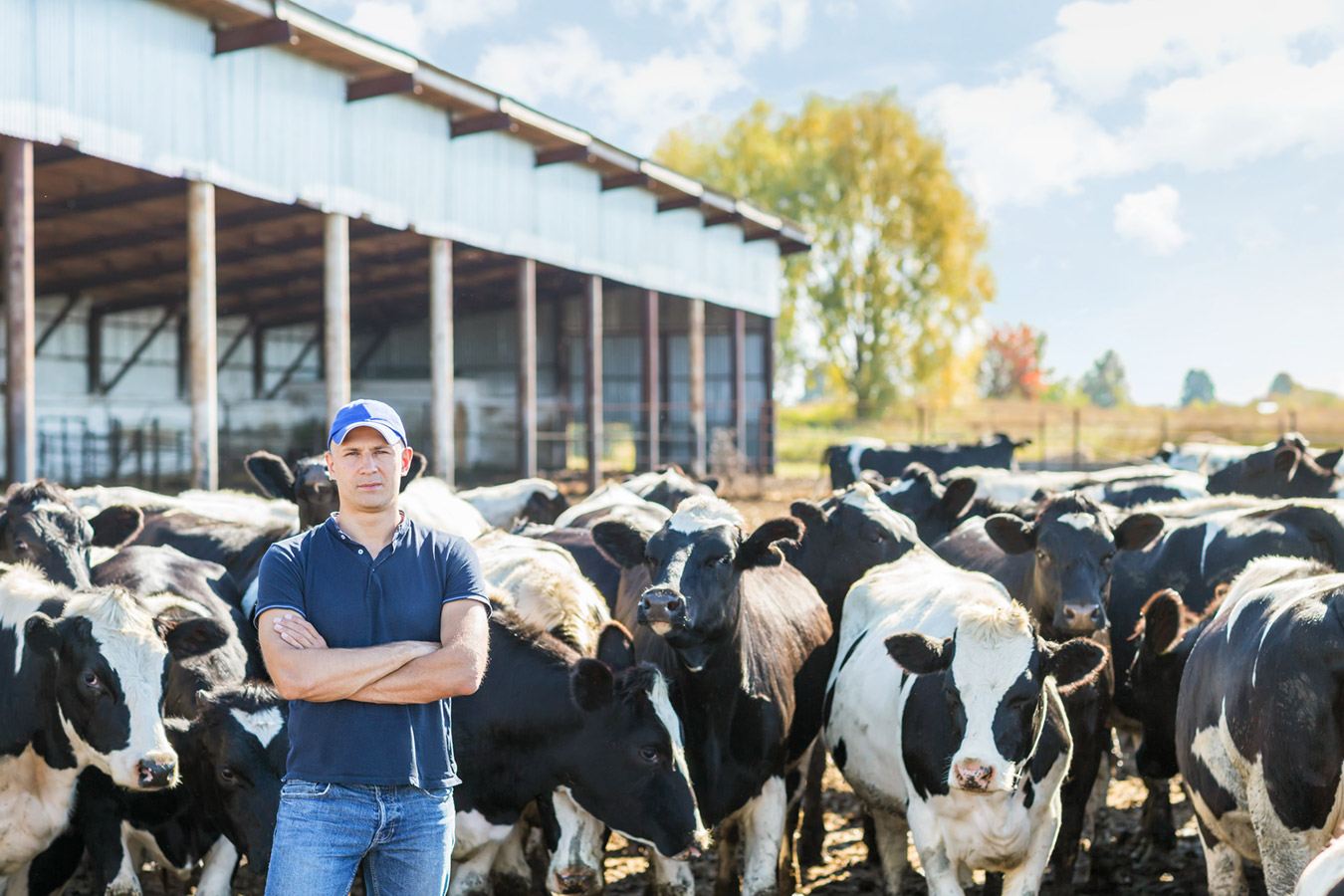
When the Post visited Aurora Organic Dairy in Colorado, the company that provides organic store brands to corporations like Wal-Mart, Target and Costco, a few problems were evident right off the bat. For starters, the farm is massive, housing 15,000 cows, “making it more than 100 times the size of a typical organic herd,” the Post noted. Further, organic standards require that cows have free access to certified organic pasture for the entire grazing season, but there are large loopholes in the requirement.

The Post investigation revealed that Aurora Organic Dairy appears to be stretching the limits of the rule, noting that “signs of grazing were sparse, at best” and “at no point was any more than 10 percent of the herd out.”5

The Post even had samples of Aurora’s organic milk tested for “a key indicator of grass-feeding” (its fatty acid profile), which revealed the milk matched conventional, not organic milk. When raised correctly, organic milk contains about 25 percent less omega-6 fats and 62 percent more omega-3 fats than conventional milk, along with more vitamin E, beta-carotene and beneficial conjugated linoleic acid (CLA).6

Organic Violators Allowed to Keep Operating

Unfortunately, the U.S. Department of Agriculture (USDA) is not doing nearly enough to protect the integrity of its organic label. Farmers hire their own inspection agencies to comply with USDA rules, and even when violations are found, they typically amount to only a slap on the wrist in terms of punishment.

In 2007, for instance, while the USDA sanctioned Aurora Organic Dairy for willfully violating organic standards, the farm was allowed to continue operating after a settlement was reached. Mark Kastel of the Cornucopia Institute told the Post:7

“The USDA has shown a remarkable lack of interest in whether these big organic dairies are really organic … Most times, they don’t even investigate. And when they find a problem, there’s very little punishment, if any. It’s a gross betrayal of the spirit of the organic law.”

The latest Post investigation did prompt some of Aurora’s wholesale customers to look into their practices but so far none, including Wal-Mart and Costco, have decided to change suppliers. Meanwhile, small farmers who allow their herds to graze the right way are unable to compete with the industrialized organic farms that are cutting corners, yet both get rewarded with the same USDA organic label.

Organic Amish farmer James Swantz told the Post, “We know with that high concentration of cows that it’s impossible to meet the grazing rule … They’re not organic. No way.”8

The Cornucopia Institute has engaged with two law firms that are investigating Aurora’s role in creating a glut of organic milk that has driven prices down and pushed many small farmers out of the business. Kastel told Sustainable Food News the law firms are investigating “the gross amount of milk [Aurora Organic Dairy] creates and … the marketplace pressure their customers place on the balance of participants in the industry.” He continued:9

“We are in the exploratory stage right now … It appears that there is a good legal basis to pursue this and we are attempting to develop a plaintiff pool. We just need to have solid and creditable plaintiffs with standing. We have already had a number of farmers who have expressed a willingness to pursue this legal action prior to our outreach …”

Dairy Industry Forced to Make ‘Grass Fed’ & ‘Free-Range’ Claims as Organic Label Damaged

With the organic dairy label under increased scrutiny, the U.K.’s Arla Foods has changed the name of its Arla Organic Farm Milk to Arla Organic Free Range Milk. Studies have shown that many people in the U.K. are unaware that organic milk comes from cows with free access to pasture (or at least is supposed to), which is why Arla is highlighting the fact on its label.

The company claims that its cows are outside for an average of 200 days per year.10 Likewise, in the U.S., Organic Valley also offers a separate Grassmilk brand promoting 100 percent grass fed milk and cows fed no grain. According to the company:11

“Since grazing is a bedrock principle of our organic farming practices, all Organic Valley farmer-owners nationwide do their utmost to maximize fresh and dried forages to maintain the health and well-being of their animals, and because they know that milk produced from grazing cows contains increased levels of beneficial omega-3 and (CLA) fatty acids.”

As for why some Organic Valley milk is 100 percent grass fed and some is not, they explained that not all farms have the land base available to produce enough forage for cows when grains are removed from their diet. In addition, they noted some farms’ soils “are not ready for full conversion to pasture” while “cows must be transitioned slowly from a grain diet, to less grain, to no grain.”12

Similarly, Organic Pastures calls their milk “grass-grazed” as opposed to “grass fed,” the latter of which they point out could mean virtually anything, like “grazed at some point,” leading to milk with questionable nutritional value.13 Unfortunately, even with a claim of grass fed, it’s still a buyer beware market when it comes to choosing dairy. As it stands, dairy can be sold as “grass fed” whether the cows ate solely grass or received silage, hay or even grains during certain times.

Fortunately, the American Grassfed Association (AGA) recently introduced much-needed grass fed standards and certification for American-grown grass fed dairy,14 which will allow for greater transparency and conformity.15 I would strongly advise you to ensure your dairy is AGA certified as grass fed. As reported by Organic Authority:16

The new regulations are the product of a year’s worth of collaboration amongst dairy producers like Organic Valley as well as certifiers like Pennsylvania Certified Organic and a team of scientists.

‘We came up with a standard that’s good for the animals, that satisfies what consumers want and expect when they see grass fed on the label, and that is economically feasible for farmers,’ says AGA’s communications director Marilyn Noble of the new regulations.”

Non-Organic Ben & Jerry’s Continues to Stall on Cleaning Up Dairy

A recent commentary written by Will Allen and Michael Colby, co-founders of the organic advocacy group Regeneration Vermont, for Vermont Digger reveals that ice cream maker Ben & Jerry’s, which is owned by Unilever, is still not living up to their natural and socially responsible reputation. Ben & Jerry’s does some things right, like supporting GMO labeling, and their environmentally friendly image has propelled the ice-cream maker to a $600 million-a-year enterprise — slated to be a billion-dollar-a-year corporation by 2020.17

However, Ben & Jerry’s is a non-organic dairy, and they source their milk largely from CAFOs. In Vermont, more than 200 dairy farms have transitioned to organic and returned their cows to a grass-based diet. Regeneration Vermont is dedicated to bringing sustainable, regenerative agriculture back to Vermont and that includes bringing Ben & Jerry’s into the discussion.

Regeneration Vermont has urged the ice cream maker to source milk from organic/regenerative farmers, which would signal to desperate dairy farmers that there’s another, viable option to the destructive GMO, CAFO method that’s currently considered the norm. Allen’s and Colby’s commentary explains:18

We shared all of our research on labor abuse, animal abuse, farm bankruptcy, water pollution and damaged rural communities with Ben & Jerry’s. We also introduced them to consultants and resources in an effort to convince them that going organic would not only be good for them — practicing what they preach and all — but it would also be an essential lifeline for farmers in the state who wanted to convert to organic but had no market.

Instead of greenwashing, we argued that they could finally advertise their decision to completely clean up their supply chain. They said they would get back to us.”

As of July 2017, however, they have not, and they continue to profit immensely off cheap, inhumanely produced and environmentally destructive milk while passing themselves off as a natural, environmentally responsible company. Allen and Colby continue:

Stalling has been refined to an art form with Ben & Jerry’s social mission and dairy teams. In April 2016, they felt that they would have a decision on changing their dairy sourcing by September/October 2016. When October came, they felt that they would have a decision by December. In December, we were told that February or March would be when they made their sourcing decision …

Finally, April or May was to be the target date for making sourcing decisions. It is now July — still no decision, still no meeting with the CEO. Still stalling … It’s time to stop pretending that Ben & Jerry’s is a socially or environmentally conscious corporation. They know how damaging their milk supply chain is. They know that labor is being abused. They know that cows are burning out before they are [5] years old.

They know that antibiotics were being misused. They know that the dairies that supply their milk are polluting our drinking water and most of the rivers and lakes in Vermont. They can’t pretend that they didn’t know how damaging their supply chain is, because we shared all this data with them. Yet they refuse to act.”

Cornucopia’s Organic Dairy Scorecard Helps Level the Playing Field

How can you tell if your organic milk comes from grass fed cows being raised humanely on a small family farm — or from a pseudo-organic CAFO? Getting your raw milk from a local organic grass fed farm or co-op is best, but if you’re considering milk from another source, check out Cornucopia’s Organic Dairy Scorecard.19 The Cornucopia Institute is an organic industry watchdog whose core constituencies are family farmers across the U.S. and consumers concerned about the availability and quality of organic foods.

Their goal is to empower you to make informed purchasing decisions. You might be surprised to see many big-name organic brands ranking near the bottom of the list, even receiving a “zero” rating. In this case, it’s not worth your money to pay for an “organic” product that’s likely no better than conventional. You’d be better served by supporting the ethical farms that received a “4- or 5-cow” rating instead (meaning their farming practices are either excellent or outstanding).

While you’ll certainly notice the difference in flavor when purchasing truly grass fed, organic dairy, you can even see the difference. Grass fed organic milk tends to be yellowish, not pure white. The coloration comes from the natural antioxidant carotenoids found in the grass, which is a precursor to vitamin A. When cows are raised on dried grass or hay, as opposed to fresh-growing grass, you end up with a whiter product, which is an indication of reduced carotenoid and antioxidant content.

The increased coverage about certain big-name organic brands putting out a sub-par product is important news for consumers, but please don’t let it deter you from supporting the organic farmers raising truly grass fed cows. For more information about finding high-quality farm-fresh foods near you, see the links below:

American Grassfed Association

The goal of the American Grassfed Association is to promote the grass fed industry through government relations, research, concept marketing and public education.

Their website also allows you to search for AGA approved producers certified according to strict standards that include being raised on a diet of 100 percent forage; raised on pasture and never confined to a feedlot; never treated with antibiotics or hormones; and born and raised on American family farms.

EatWild.com

EatWild.com provides lists of farmers known to produce raw dairy products as well as grass fed beef and other farm-fresh produce (although not all are certified organic). Here you can also find information about local farmers markets, as well as local stores and restaurants that sell grass fed products.

Weston A. Price Foundation

Weston A. Price has local chapters in most states, and many of them are connected with buying clubs in which you can easily purchase organic foods, including grass fed raw dairy products like milk and butter.

Grassfed Exchange

The Grassfed Exchange has a listing of producers selling organic and grass fed meats across the U.S.

Local Harvest

This website will help you find farmers markets, family farms and other sources of sustainably grown food in your area where you can buy produce, grass fed meats and many other goodies.

Farmers Markets

A national listing of farmers markets.

Eat Well Guide: Wholesome Food From Healthy Animals

The Eat Well Guide is a free online directory of sustainably raised meat, poultry, dairy and eggs from farms, stores, restaurants, inns, hotels and online outlets in the United States and Canada.

Community Involved in Sustaining Agriculture (CISA)

CISA is dedicated to sustaining agriculture and promoting the products of small farms.

FoodRoutes

The FoodRoutes “Find Good Food” map can help you connect with local farmers to find the freshest, tastiest food possible. On their interactive map, you can find a listing for local farmers, CSAs and markets near you.

The Cornucopia Institute

The Cornucopia Institute maintains web-based tools rating all certified organic brands of eggs, dairy products and other commodities, based on their ethical sourcing and authentic farming practices separating CAFO “organic” production from authentic organic practices.

RealMilk.com

If you’re still unsure of where to find raw milk, check out Raw-Milk-Facts.com and RealMilk.com. They can tell you what the status is for legality in your state, and provide a listing of raw dairy farms in your area. The Farm to Consumer Legal Defense Fund also provides a state-by-state review of raw milk laws. California residents can also find raw milk retailers using the store locator available at www.OrganicPastures.com.

Top baby food brand found LOADED with sugar

(Natural News) An investigation carried out by Channel 4’s Supershoppers program in the U.K. revealed that the country’s top selling baby food brand Ella’s Kitchen manufactures products that may contain up to five teaspoons of sugar per packet. Ella’s Kitchen has been the number one choice for middle-class mothers who want to wean their babies in a “nutritious” way.

The investigation noted that while the company’s red pepper, sweet potato, and apple pouch seemed to be a healthy vegetable product, it was in fact 78 percent apple puree. According to the investigation, Ella’s Purple One smoothie contained more than three teaspoons of sugar. In addition, Ella’s Banana and Apricot baby rice was found to contain nearly five teaspoons of naturally occurring sugar.

Related: Galactagogues Foods, Herbs, and other Ways to Increase Breast Milk Production

Experts have previously cautioned that while natural sugar is healthier than white sugar when eaten as fruit, processing the natural sugar makes it just as unhealthy. Dietician Anna Daniels quipped that once natural sugar is processed, blended, or made into smoothie, it is no longer encapsulated within the plant cell wall. This meant that processed natural sugar could be easily broken down and released into the bloodstream quicker. According to Daniels, processing natural sugars converts them into free sugars, which have a detrimental effect on the body once taken in excess.

However, Ella’s Kitchen dismissed the results of the television investigation and maintained that their products do not contain added sugars. The company also maintained that their products were made from 100 percent whole fruit or vegetable. In addition, Ella’s Kitchen stressed that it never uses fruit juice or concentrates. Moreover, the company questioned the investigation’s use of teaspoon value to measure their products’ sugar content.

Related: 10 Circumcision Myths – Let’s Get the Facts Straight

“Expressing the sugar content in terms of teaspoons is misleading. Using this rationale, 100 ml of breast milk would contain nearly two teaspoons of sugar. The Purple One Smoothie Fruit pouch is a blend of 100 percent fruit and contains the same amount of sugar as if you’d made it at home using fruit from the fruit bowl. Likewise, Banana and Apricot Baby Rice is made from only organic bananas, apricots and rice with a squeeze of lemon juice. A banana from the fruit bowl contains 20 g sugar per 100 g, so again, the sugar content would be similar if you made the product at home,” the company said on The Daily Mail.

Related: How To Detoxify and Heal From Vaccinations – For Adults and Children

Previous study finds baby food products questionable

The recent investigation was not the first one to question the nutritional value of Ella’s Kitchen’s products. In fact, a 2013 study carried out by a team of researchers University of Glasgow revealed that commercial baby foods produced by Ella’s Kitchen, Cow and Gate and Heinz were significantly less nutritious than home-made meals. The study also revealed that many commercial baby food products contain high levels of sugar. (Related: Babies that eat fresh foods instead of processed foods have fewer allergies)

Likewise, the research team found that the products were typically promoted for use from four months of age, a time when babies’ diets should be primarily based on breast or formula milk. In addition, the study revealed that babies should eat twice as many commercial baby foods in order to get the same energy and protein levels found in home-made meals. Moreover, the study showed that commercial baby foods have significantly lower levels of essential minerals such as iron.

Related: Common Bad Parenting Advice You Should Know

“Manufacturers have been dragging their feet, lagging behind current thinking and research evidence that babies don’t generally need solid foods before about six months. It’s time they stopped labelling foods ‘from 4 months. If babies are spoon-fed pureed fruit and vegetables before this time, it can replace the nutrients from milk. Many parents do find jars of food convenient when they are out and about, but babies can eat family foods most of the time. Buying commercial baby foods is also much more expensive than using family foods,” said Rosemary Dodds, senior policy adviser at the National Childbirth Trust.

Related:
Sources:

A common soap and toothpaste ingredient can cause antibiotic resistance, warn researchers

(Natural News) Is a common antimicrobial ingredient contributing to antibiotic resistance in superbugs? According to a study conducted by researchers from the University of Birmingham and Norwich Research Park, that may very well be the case. Through their collaborative efforts, the scientists discovered that triclosan, a chemical used in antibacterial soap, toothpaste, and other personal care products, is making bacteria more immune to antibiotics. To be more exact: bacteria that have been exposed to triclosan were found to be resistant to quinolone antibiotics, reported DailyMail.co.uk.

Quinolones are a group of common antibiotics that are typically used to treat pneumonia, urinary tract infections (UTI), bronchitis, and sinusitis. These antibiotics kill the bacteria that cause these conditions by targeting an enzyme necessary for DNA replication. By preventing that particular strain of DNA from being replicated, the bacteria are unable to divide and then die.

However, the researchers found that bacteria are capable of evolving self-defense mechanisms that make them more resistant to quinolones. One such self-defense mechanism involves mutations that make it more difficult for quinolones to destroy the enzyme involved in DNA replication. These mutations, in turn, also make the bacteria more resistant to triclosan.

Lead study author Dr. Mark Webber stated that the opposite could very well happen: triclosan exposure could result in antibiotic-resistant bacteria.

Related: Heal Cavities, Gum Disease, Naturally with Organic Oral Care – Toothpaste Recipes Included

The phenomenon is known as “cross-resistance”, wherein exposure and resistance to one substance can result in bacteria growing immune to another, similar substance. Webber and his team observed this in Escherichia coli, which are bacteria that are harmless for the most part, but can cause abdominal cramps and bloody diarrhea in more extreme cases.

“The link between quinolone and triclosan resistance is important as triclosan has become ubiquitous in the environment and even human tissues in the last 20 years,” study co-author Professor Laura Piddock remarked of their findings.

Piddock then added: “Given the prevalence of triclosan and other antimicrobials in the environment, a greater understanding of the impact they can have on bacteria and how exposure to these antimicrobials may impact the selection and spread of clinically relevant antibiotic resistance is needed.”

Related: The Toxic Toothpaste Ingredients That You Need To Avoid For Good Oral Health

How to avoid triclosan

In addition to promoting antibiotic resistance, triclosan has been linked to weakened immune systems, reproductive toxicity, and uncontrolled cell growth, the study recently discovered. Moreover, soaps that used triclosan as an ingredient were found to be no more effective at killing bacteria than regular soap, resulting in triclosan being banned in the United States. Although triclosan has been banned by the U.S. Food and Drug Administration (FDA) and the European Union (EU), it can still be found in some soaps, toothpastes, and other household products. Thankfully, minimizing exposure to triclosan is easy to do. Here are some ways to do that:

  • Read the label. Any product that contains triclosan will say so on the list of ingredients.
  • Steer clear of antibacterial products. Anything labeled “antibacterial” or “germ-killing” more often than not contains triclosan. Opt for organic personal care products as much as possible. Soaps that are naturally antibacterial will contain thyme essential oils, tea tree essential oils, grapefruit essential oils, or other essential plant oils.
  • Watch out for triclocarban. This is a common antibacterial compound in solid bar soaps. Like triclosan, triclocarban is a hormone disruptor, and should be avoided at all costs.

Visit MindBodyScience.news for even more stories on health.

Recommended Reading:
Sources include: