Bacillus Subtilis and The Nutritional Benefits of Dirt

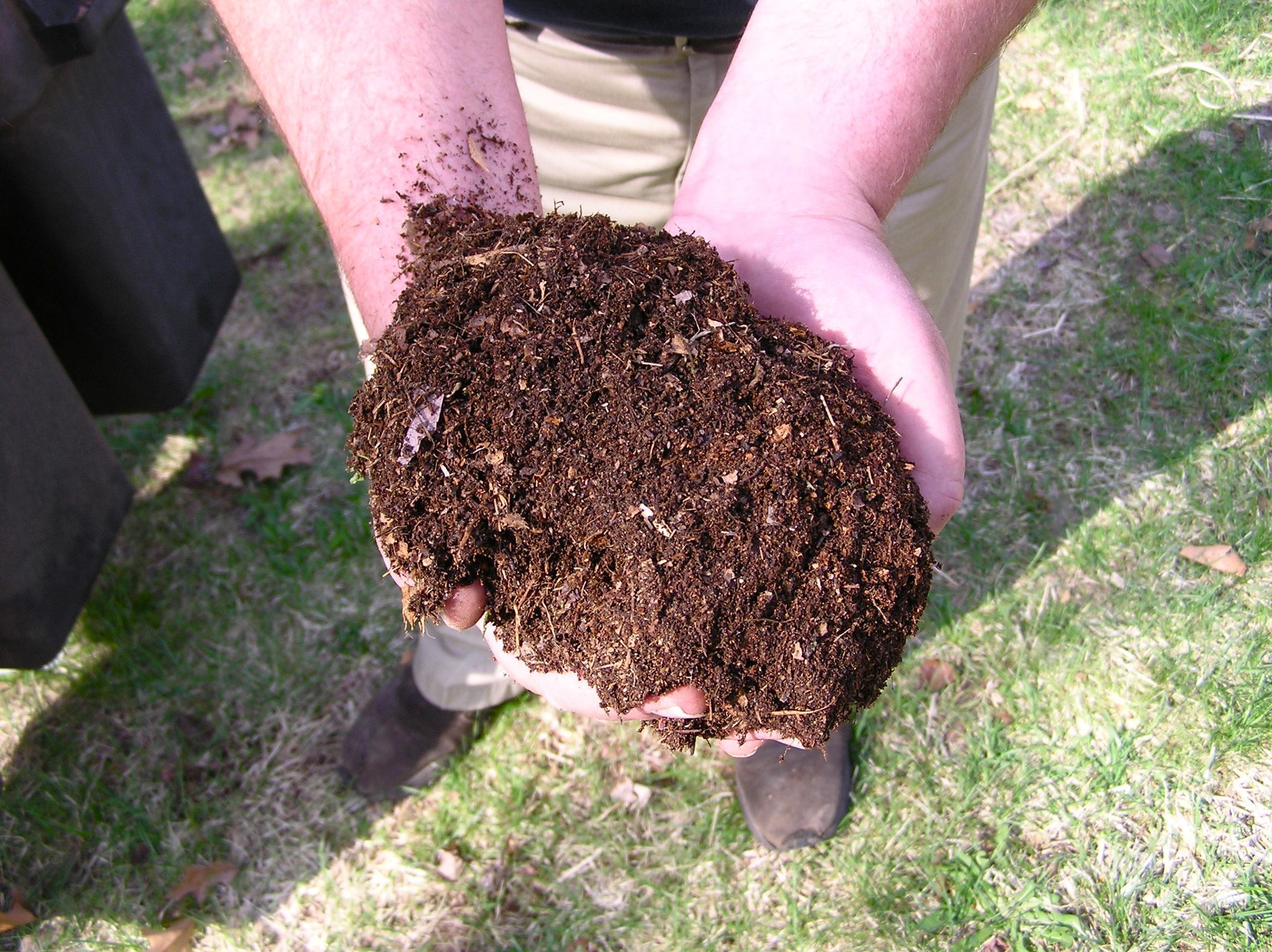
(NaturalNews – Dr. David Jockers) For most of the history of mankind, we lived in close contact with the Earth. The majority of our diet consisted of foods and water that had dirt clinging to it. This dirt was not an inert substance but was a dynamic mineral rich, probiotic infused source of electrochemical energy. The unique soil based probiotic bacillus subtilis was one of the key components that gave the dirt its powerful nutritional benefits.

Humans are the only species on the planet that does not intentionally consume dirt. Our ancestors always had dirt in their diet through picking produce out of the ground and drinking from lakes, rivers and streams. Many original doctors and medicine men would use dirt in their various healing concoctions. Today, we intentionally look to sterilize our food and avoid the consumption of dirt.

Bacillus subtilis and our immune system:

Bacillus subtilis is an ubiquitous bacterium that is commonly found in water, soil, air and decomposing plant residue. This bacterium is called a human soil organism (HSO) and has an extraordinary ability to survive harsh environments. It produces an endospore that allows it to endure extreme conditions of heat, dryness, humidity and acidity in the environment.

B subtilis is fully resistant to bile salts and can handle the harsh stomach acid environment which allows it to get into the digestive system and colonize. It has beneficial effects in the digestive system (1, 2, 3). Research has revealed that supplemental B subtilis improves symptoms of irritable bowel syndrome (4).

B subtilis is able to suppress the growth of harmful pathogens, strengthens the mucosal biofilm and enhance the growth of other good probiotic strains such as lactobacillus species in the gut microflora (5, 6).

Soil based organisms and our innate immunity:

As our ancestors were exposed to trillions of organisms every day through their dirt consumption they were strengthening their microbiome and immune system. They were exposed to many different pathogenic organisms to which their immune system learned how to adapt and destroy.

If the pathogenic load was too strong the individual would get sick and sometimes they would die. This was obviously tragic and was a leading cause of death. However, those who didn’t die often had robust immune systems that were well-adapted to the harsh pathogens around them.

Modern technology and improving immunity:

With modern technology we are not exposed to these natural microbes. The use of our technology can reduce the pathogenic load we are exposed too in order to prevent sickness and infectious fatalities, meanwhile, providing the proper stimulation to our immune system.

One such way to gain these benefits is the inclusion of human soil organisms in our natural diet. This would include growing much of our own food in gardens and consuming it right out of the ground with little cleaning. We could also drink water from clean rivers, lakes, springs and streams.

Finally, one can use naturally fermented foods and supplement with probiotics containing HSO’s such as bacillus subtilis. Most probiotics on the market only contain the lactobacillus and bifido bacterium species. These are fantastic for the health of the small and large intestine but some individuals struggle with a sensitivity to these microorganisms.

It is wise to find a probiotic supplement with HSO’s such as bacillus subtilis which is hyposensitive and easy to tolerate for most individuals.

Sources for this article include:
1) http://www.ncbi.nlm.nih.gov
2) http://www.ncbi.nlm.nih.gov
3) http://www.ncbi.nlm.nih.gov
4) http://www.ncbi.nlm.nih.gov
5) http://www.ncbi.nlm.nih.gov
6) http://www.ncbi.nlm.nih.gov
7) http://organicfitness.com
8) http://www.ncbi.nlm.nih.gov

Grounding Is a Key Mechanism by Which Your Body Maintains Health

Have you ever noticed how good it feels to walk barefoot on a sandy beach, or in a forest? There is a reason for that—it’s called the grounding effect. The reason for this sense of well-being is due to the fact that you’re receiving a surge of potent healing electrons from the ground.

The earth has a slightly negative charge, so when you stand barefoot on that sand, electrons from the earth flow into your body, giving you a virtual “transfusion” of healing power.

The featured documentary, The Grounded 2, is a sequel to the film The Grounded, released in 2013. The sequel features Step Sinatra, the son of cardiologist Stephen Sinatra MD, astronaut Dr. Edgar Mitchell, and yours truly, among many others.

Step was a Wall Street trader until his health suddenly began to decline, bringing him to the brink of death. He credits his ultimate recovery to learning about grounding, along with a switch to an all-organic diet.

In 2010, his father, Dr. Stephen Sinatra released a book on the healing power of grounding called Earthing: The Most Important Health Discovery Ever?, co-authored with Clint Ober, one of the pioneers in this field.

The Ultimate Antioxidant and Anti-Inflammatory

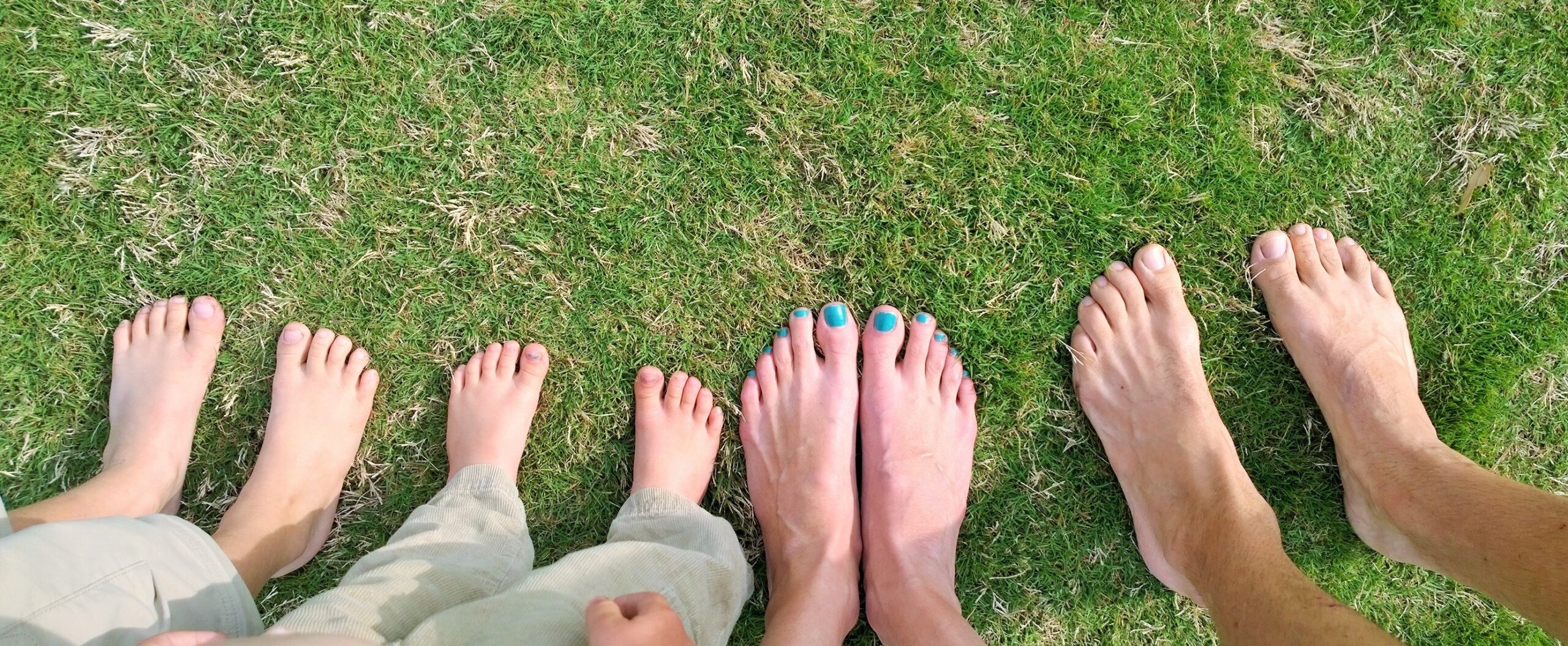
Grounding or Earthing is defined as placing one’s bare feet on the ground whether it be dirt, grass, sand, or concrete (especially when humid or wet). When you ground to the electron-enriched earth, an improved balance of the sympathetic and parasympathetic nervous system occurs.

The earth is a natural source of electrons and subtle electrical fields, which are essential for proper functioning of immune systems, circulation, synchronization of biorhythms and other physiological processes and may actually be the most effective, essential, least expensive, and easiest to attain antioxidant.

Modern science has thoroughly documented the connection between inflammation and all of the chronic diseases, including the diseases of aging and the aging process itself. It is important to understand that inflammation is a condition that can be reduced or prevented by grounding your body to the Earth, the way virtually all of your ancestors have done for hundreds if not thousands of generations.

How the Modern Running Shoe May Be Destroying Your Health

Materials such as metals are electrical conductors. They contain free or mobile electrons that can carry electrical energy from place to place.

Your body is somewhat conductive because it contains a large number of charged ions (called electrolytes) dissolved in water. Your blood and other body fluids are therefore good conductors. Free or mobile electrons can also move about within your body

Other materials, called insulators, have very few free or mobile electrons. Plastic and rubber are good insulators and are used to cover electrical wires to keep the conductors from touching each other and from touching your skin, which could otherwise give you a shock.

Traditionally, shoes were made of leather, which actually conducts electrons and therefore maintains a conductive contact between the earth and your feet. However, modern day rubber and plastics are electrical insulators and therefore block the beneficial flow of electrons from the Earth to your body.

Grounding Is a Foundational Aspect for Optimal Health

Free radical stress from exposure to mercury pollution, cigarettes, insecticides, pesticides, trans fats, radiation, and many others, continually deplete your body of electrons.

This is one of the primary reasons why antioxidants are used, which actually donate electrons back into your body, to help ward off free radical damage to your tissues.

You can also get these electrons by going outside, barefoot. Touching the earth helps neutralize the damaging positive charges of free radicals in your body.

According to Clint Ober, this lack of grounding appears to be an underlying thread in most chronic disease—a phenomenon he calls “electron deficiency syndrome.”

For a visual demonstration of this, review my previous article, which features an experiment conducted by Gary Schwartz, PhD, at the University of Arizona. Using sunflowers, he demonstrates the powerful biological effects of grounding.

The Health Effects of Grounding

When your body is exposed to a lot of free radical stress, your blood tends to thicken, and positive charges accumulate in your body. This causes chronic inflammation, which is a hallmark of most chronic and degenerative diseases.

Grounding effectively helps alleviate inflammation in your body. It also helps thin your blood, by providing your red blood cells with a surplus of electrons so they can effectively repel each other and avoid being sticky, which can lead to blood clots that can cause a heart attack or stroke. Research has demonstrated it takes about 80 minutes for the free electrons from the earth to reach your bloodstream and transform your blood cells.

For example, early (and even some current) birth control pills were notorious for causing heart attacks in women. One of the mechanisms responsible for this increased risk is that synthetic estrogens and progesterones increase blood viscosity. Other biochemical alterations caused by grounding include changes in:

  • Phosphorus
  • Calcium metabolism
  • Fibroid metabolism
  • White blood cells

Grounding also helps calm your sympathetic nervous system, which supports your heart rate variability, which plays an important role in balancing, in your autonomic nervous system. Pain relief, improved sleep, and a generally enhanced sense of well-being are but a few of the health benefits reported by people who try grounding.

Last but not least, when you are grounded to the earth, the negatively charged electrons you receive increase the structure of the water in your cells—just as water increases in structure when a negative charge is introduced by an electrode.

As explained by Gerald Pollack, PhD, author of The Fourth Phase of Water: Beyond Solid, Liquid, and Vapor, living water is negatively charged water. This water can hold energy, much like a battery, and can deliver energy too. In essence, when you ground, you are charging every single cell in your body with energy your body can use for self-healing.

How to Ground, Both Indoors and Outdoors

Walking barefoot is one of the easiest and best ways to get and stay grounded, but you’ll need to do so on the proper surface. Many walking surfaces in today’s modern world will NOT allow for electron transfer between the earth and your body. This includes asphalt, wood, rubber, plastic, vinyl, tar, and tarmac. Surfaces that will allow your body to ground include:

  • Sand (beach)
  • Grass (preferably moist)
  • Bare soil
  • Concrete and brick (as long as it’s not painted or sealed)
  • Ceramic tile

Even indoors, and while flying, there are ways to help you stay grounded. As noted in the film, touching the faucet with one hand while shaving with the other helps you ground. And when flying, you can take off your shoes and place your feet (bare or with socks) on the steel struts of the chair in front of you, as this too will help you stay grounded. There are also grounding pads you can use to sleep or sit on, which can be particularly beneficial if you live in a high-rise building.

Grounding May Be Essential for Life and Health

It’s important to understand that grounding is not a “treatment” or a “cure” for any disease or disorder. Rather, it is one of the key mechanisms by which your body maintains equilibrium and health. The human body evolved in constant contact with the earth, and your body needs this continuous interchange of energy in order to function properly.

Exercising barefoot outdoors is one of the most wonderful, inexpensive and powerful ways of incorporating grounding into your daily life. You can also simply take off your shoes as much as you can when you’re outdoors to take advantage of these natural grounding opportunities.
Bad Breath? It Could Be Coming From Your Gut…

(DrFrankLipman – Katrine van Wyk) Are you experiencing bad breath and brushing your teeth all day is not helping? Chances are your teeth are not the actual problem. Sure, dental hygiene matters, but often the root cause of bad breath lies even deeper, in your gut!

Why do I have bad breath and what can I to do about it?

Gut Bacteria

If the balance between the good and bad bacteria in your gut is off you may start to experience more than just digestive discomforts. Breath that smells less than fresh is a common symptom of dysbiosis – an imbalance between the good and bad bacteria in your gut, as well as yeast or candida in the gut. You may even notice that your bad breath gets worse when you’ve eaten too much sugar. That’s because the yeast, candida and bad bacteria feeds on sugar and thrives when our diet is loaded with the sweet stuff.

Try doing a cleanse to clean out your gut, using gentle herbs and fiber. You can even continue taking antimicrobial herbs for a while after the cleanse to really make sure you’ve killed all the bad guys. You also want to repopulate the gut with good bacteria, known as probiotics.

In Chinese medicine the tongue is an important diagnostic tool that can tell you a lot about your digestive health. A thickly coated tongue is a sign of weak or badly functioning digestion.

Toxic Overload

Bad breath can also be a sign of toxic overload and a good indicator to start cleaning up your diet and avoid chemicals in food and cosmetics. Toxins are a burden on our organs of detoxification including the liver, GI tract and skin. When these get overworked they might not be able to dispose of the toxins properly. Bad breath is one of the common signs and symptoms of toxic overload.

Dry Mouth

Stress and dehydration can also be a factor in bad breath. A side-effect from stress can be dry mouth! In a dry mouth, dead cells tend to stick to the tongue and the insides of the mouth and bacteria feeds on these dead cells producing a bad odor in the process. This is also why many of us experience bad breath in the morning when our mouth has been dry and inactive all night.

Fast-Acting Remedies:

Treating the underlying cause and balancing the gut flora will take a little time, so in addition to cleaning out your gut and taking probiotics, here are some natural remedies you can try to help relieve the symptoms.

1. Probiotics and Fermented Foods

Take a high dose of probiotics to help your body better digest foods, repopulate the gut with a healthy flora and fight off yeast and other troublemakers. Also, include fermented foods like sauerkraut, kim chi and kefir to your diet which all contains lots of delicious and healthy good bacteria.

2. Fiber

Help the detox process and digestive system along by eating enough fiber. It helps you stay regular and actually remove the toxins as they get processed by the body.

3. Oil Pulling

This is an Ayurvedic technique that involves swooshing oil around your mouth for 20 minutes, ideally first thing in the morning. It’s actually believed to help pull out toxins and will at least help remove any dead cells that were built up over night.

4. Tongue Scraper

A tongue scraper is a handy tool to remove the white coating on your tongue where bacteria and food can linger and cause a less-than-fresh breath.

5. Warming Spices

Help boost your digestive function with warming herbs such as ginger, turmeric, fennel and black pepper. Try having a cup of ginger tea 20 minutes before your meal to get all the digestive juices flowing. Also, try chewing on some cloves – a natural anti-bacterial that can help relieve bad breath.

6. Digestive Enzymes

Because a weakened digestive system can cause bad breath try taking digestive enzymes with your meals to assist your body in breaking down the food.

7. Baking Soda

Baking soda is a great toothpaste ingredient, especially if you like to make your own. It helps change the Ph level in your mouth making it a less desirable environment for bacteria to grow. You can also just dip a damp toothbrush in baking soda and brush your tongue with it.

8. Water and Green Tea

Stay hydrated and avoid developing dry mouth by drinking enough water. Also, drinking green tea with its high dose of antioxidants can help fight bacterial growth in the mouth.

Beware of Chemicals in Your Feminine Care Products

(DrFrankLipman – Britta Aragon) Some products have a sort of “halo” around them. We just expect they’ll be made in such a way that we can feel comfortable using them on a daily basis.

Most women consider feminine care products to be in this category. They come near some of the most intimate and fragile parts of our bodies, so surely they’re made of safe ingredients, right?

According to a recent report from Women’s Voices for the Earth (WVE), not necessarily. Here’s more, and why you’ll want to be cautious about which products you choose in the future.

What the Report Says

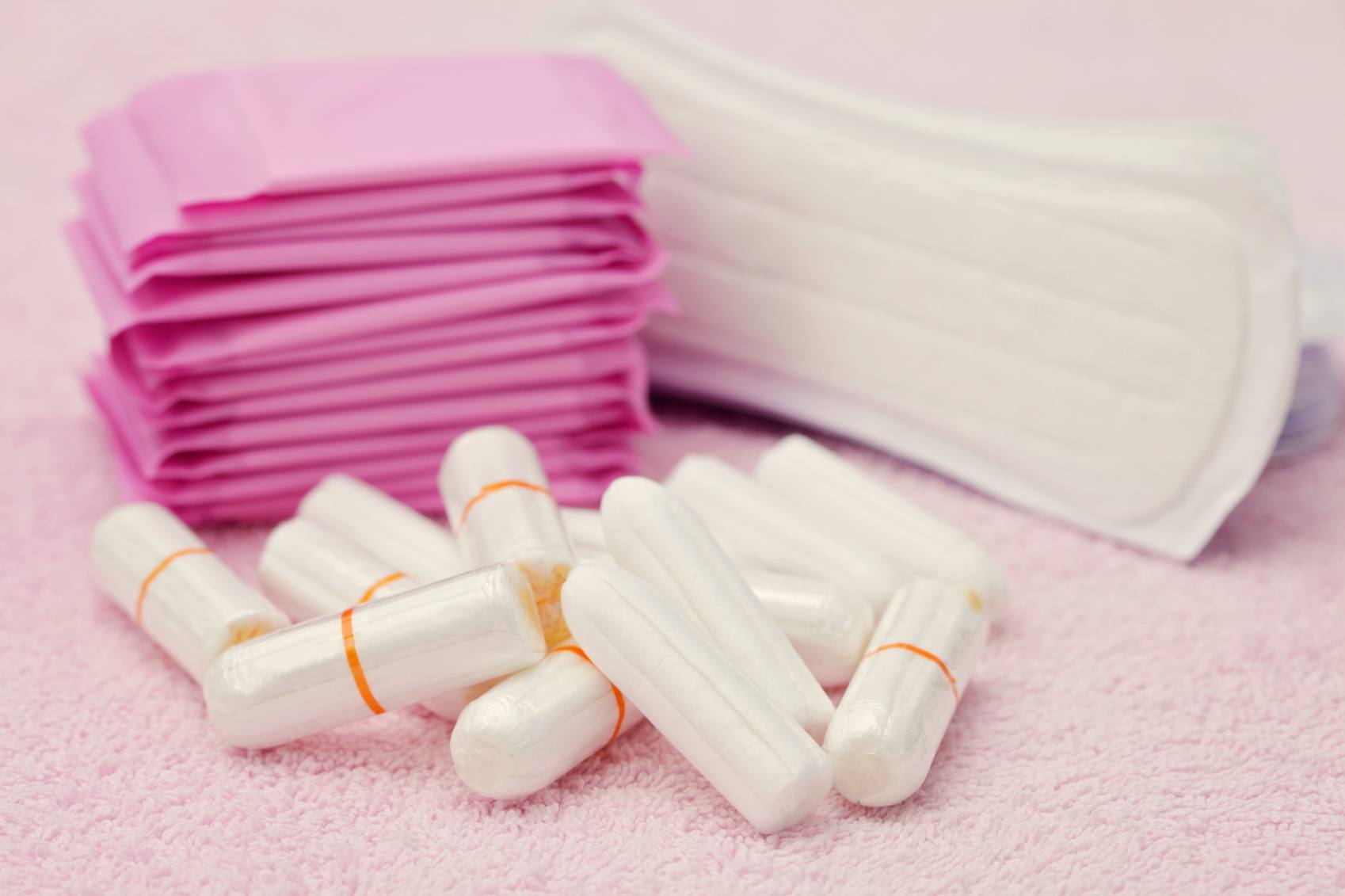
Called “Chem Fatale,” the report notes that some feminine care products—including tampons, pads, douches, wipes, and sprays—may contain potentially toxic chemicals that have been linked with health problems. 

2002 study, for example, found small but detectable levels of dioxins (potential carcinogens) in tampons and other sanitary products. Many feminine care products have heavy fragrances, which are made up of unknown chemicals. Feminine wipes can also contain a number of preservatives, including parabens and quaternium-15, that can be irritating to skin and increase risk of contact dermatitis.

Women are often in the dark when it comes to the ingredients in these products, however, because of current regulations. Pads and tampons, for instance, are considered “medical devices,” which means companies don’t have to disclose any of the ingredients they use in them. Other feminine care products, like sprays and wipes, are regulated as personal care products, which means companies can keep fragrance ingredients secret, as well.

Studies included in the report show:

  • Dioxins, furans, and pesticide residues—which have been linked to cancer, reproductive harm, and hormone disruption—were detected in tampons.
  • Many feminine care products contained formaldehyde-releasing preservatives. Formaldehyde is an expected human carcinogen.
  • Though the FDA considers common chemicals in feminine washes to be safe “for external use only,” it is likely some internal vaginal exposure will occur from regular use.
  • Anti-itch creams commonly contain chemicals that may cause allergic reactions or skin irritations. 

“Feminine care products are not just your average cosmetics,” says Alexandra Scranton, WVE’s director of science and research and author of the report, “because they are used on an exceptionally sensitive and absorbent part of a woman’s body. Greater scrutiny, oversight and research are badly needed to assure the safety of these ingredients for women’s health.” 

How to Protect Yourself

The WVE is asking a number of big manufacturers to disclose ingredients used in their feminine care products, and to remove all toxic chemicals linked to women’s health problems.

Meanwhile, you can take steps to protect yourself from exposure:

  • Read labels and avoid the chemicals listed here.
  • Look for conscientious brands that disclose all ingredients, including those used in fragrances—better yet, choose fragrance-free.
  • Eliminate products that may be unnecessary to a healthy vagina.
  • Choose chlorine-free bleached or unbleached cotton tampons and pads (read more about toxins in tampons here).
  • If you experience a reaction from a feminine care product, call the company and tell them, and report the experience to the FDA at: www.fda.gov/Safety/MedWatch/default.htm. 

For more on the WVE Chem Fatale report, see their website at: www.womensvoices.org/issues/chem-fatale. 

Natural Health Benefits of Adding Beauty in the Home

(NaturalPapa – Regi Waters) Although many people associate the positive health benefits of art with creating it themselves, psychologists and other medical professionals have also indicated that simply viewing art on a regular basis can also provide you with several perks. Therefore, it is a good idea for fathers to consider purchasing art prints to place in their home. Even if you are not very familiar with the art world, you can easily pick out a few eye-catching prints by utilizing an online art store.

Here are a few ways that art can benefit you and your family:

  1. Bright Colors can Increase an Infant’s Cognitive Abilities – According to psychologists, exposing a baby to a wide variety of colors will enable their brain to make more neuron connections than their peers who do not receive the same level of visual exposure. In other words, placing art prints on your walls that contain bright colors can actually help your child become more intelligent. This is definitely a great way to give them a good head start in life, and you can provide them with this important opportunity without needing to spend a lot of money.
  2. Art can Reduce Their Stress Level – Although many people believe that young children do not have a high amount of stress in their lives, it is important to recognize the fact that they do deal with factors on a daily basis that can cause them to feel stressed out. For example, if they have an older sibling, they could feel stress based around the idea that they could be picked on at any moment. Therefore, it is vital to take steps to help reduce the level of stress that is felt by each member of your home.
  3. Viewing Art can Increase Creativity – Having a creative outlet is a great way for a child to relieve their anxiety and increase their self-esteem. Fortunately, research has proven that simply viewing art will enable the viewer to become more creative. In other words, placing art prints on your walls is an investment in your child’s overall future creativity. When you consider how often they will be called upon to be creative in the future, it is easy to understand why you should help them build their level of creativity at a young age.
  4. Art Boosts Mental Health – There have been several studies conducted that have proven that there is a link between viewing art on a regular basis and having a positive mental outlook. In fact, developing an appreciation for art can help the viewer ward off feelings of depression. When you add this to the fact that art can also reduce stress, increase creativity and increase a child’s mental faculties, it is no wonder that so many people make the decision to place colorful art prints in their home.

Now that you understand all the positive benefits of art, it is a good idea to consider purchasing art prints for each child’s room and any shared areas of your home. By doing this, you will help give your child a good basis for positive mental health, and you will also encourage them to develop an appreciation for art and other cultures.