Lyme Disease Now Found in All US States

(By Dr. Mercola) It’s now well-recognized that chronic infection is an underlying factor in many if not most chronic illnesses. Diseases such as Parkinson, multiple sclerosis, cardiomyopathy, gastritis and chronic fatigue are all turning out to be expressions of chronic infections, and Lyme disease appears to be a major, yet oftentimes hidden, player.

According to Centers for Disease Control and Prevention (CDC) statistics released in 2013,1,2 an estimated 300,000 new cases of Lyme disease are diagnosed in the U.S. each year. That’s about 10 times higher than the officially reported number of cases, and is indicative of severe underreporting.

Related: Best Supplements To Kill Lyme and Everything Else You Ever Wanted To Know About Lyme Disease

Lyme Disease Now Found in All 50 States

Lyme disease used to be confined to the area of New England. The disease is actually named after the East Coast town of Lyme, Connecticut, where the disease was first identified in1975.3

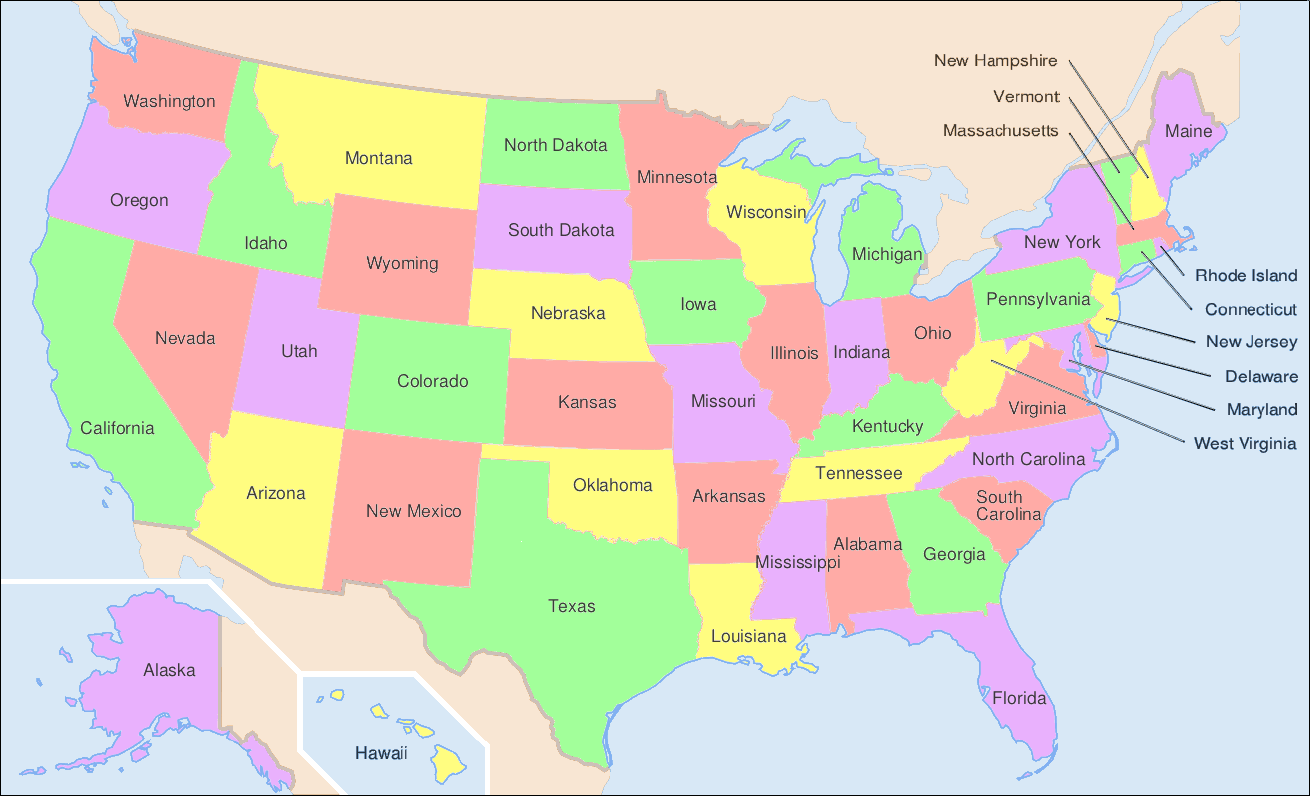
Now, a Quest Diagnostics health trend report4 warns the tick-borne disease has spread and is being diagnosed in every state in the U.S.5,6 Last year, 10,001 cases of Lyme were diagnosed through Quest Diagnostics’ testing in Pennsylvania alone, the state with the highest prevalence.

New England states (Connecticut, Maine, Massachusetts, New Hampshire, Rhode Island and Vermont) accounted for the vast majority — 60 percent — of the cases diagnosed through Quest, numbering 11,549 in total. Between 2016 and 2017, prevalence rose by 50 percent in New England and 78 percent in Pennsylvania.

However, positive tests also rose in areas where Lyme has previously been absent, including Florida and California. Overall, over the past seven years the greatest uptick in positive tests occurred between 2016 and 2017. According to Harvey W. Kaufman, senior medical director for Quest Diagnostics:7

“Lyme disease is a bigger risk to more people in the United States than ever before. We hypothesize that these significant rates of increase may reinforce other research suggesting changing climate conditions that allow ticks to live longer and in more regions may factor into disease risk.”

Lyme Disease 101

Lyme disease refers to illnesses transferred by insects. Although some still attribute transmission exclusively to ticks, the bacteria can also be spread by other insects, including mosquitoes, spiders, fleas and mites. Ticks are blood suckers, and prefer dark crevices such as your armpit, behind your ear or on your scalp.

Related: Holistic Guide to Healing the Endocrine System and Balancing Our Hormones

Once it attaches itself and starts feeding on your blood, it will at some point “spit” its bacterial load into your blood stream. If it carries an infectious organism, the infection spreads to you via this salivary emission. The black-legged tick (Ixodes scapularis, also known as the deer tick) was linked to transmission of the disease in 1977.

In 1982, Willy Burgdorfer, Ph.D., identified the bacterium responsible for the infection: Borrelia burgdorferi8 — a cousin to the spirochete bacterium that causes syphilis. Since then, five subspecies and 300 strains of B. burgdorferi have been identified, many of which have developed resistance to our various antibiotics.

B. burgdorferi is capable of taking different forms in your body (cystic, granular and cell wall deficient forms) depending on the conditions it’s trying to survive in. This clever maneuvering helps it hide and survive. Its corkscrew-shaped form also allows it to burrow into and hide in a variety of your body’s tissues, which is why it causes such wide-ranging multisystem involvement.

The organisms may also live in biofilm communities — basically a colony of germs surrounded by a slimy glue-like substance that is hard to unravel. All of these different morphologies explain why treatment is so difficult, and why recurrence of symptoms occurs after standard antibiotic protocols.

Ticks can also simultaneously infect you with other disease-causing organisms, such as Bartonella, Rickettsia, Ehrlichia and Babesia. Any or all of these organisms can travel with B. burgdorferi (the causative agent of Lyme) and add their own set of symptoms. Many Lyme patients have one or more of these coinfections, which may or may not respond to any given treatment.

Signs and Symptoms of Lyme

Common side effects of tick bites include:

  • An itchy “bull’s-eye” rash (however, while this is the only distinctive hallmark unique to Lyme, this mark is absent in nearly half of those infected, and only 15 to 50 percent of Lyme patients recall a tick bite)
  • Pain
  • Fever
  • Inflammation

A 2014 paper published in the journal Frontiers in Zoology9,10 has argued that ticks should be reclassified as venomous, noting that many of its salivary proteins and their known functions are similar to those found in scorpion, spider, snake, platypus and bee venoms. An estimated 8 percent of tick species are in fact capable of causing paralysis with a single bite.

Symptoms of Lyme disease typically start with unrelenting fatigue, recurring fever, headaches and achy muscles or joints, which may progress to muscle spasms, loss of motor coordination and/or intermittent paralysis, meningitis or heart problems. For a more complete list of symptoms, refer to the Tick-Borne Disease Alliance.11 Lymedisease.org has also created a printable symptom checklist.12

The simplest presentation is the orthopedic form of Lyme disease, which is typically more superficial, affecting the larger joints. When the microbes and associated immune reactions are situated in your connective tissue, the infection presents as a “vague, dispersed pain,” which oftentimes ends up being misdiagnosed as fibromyalgia.

Related: Best Supplements To Kill Candida and Everything Else You Ever Wanted To Know About Fungal Infections

Lyme disease, just as syphilis was, is also known as “the great imitator,”13 as it mimics many other disorders, including multiple sclerosis, arthritis, chronic fatigue syndromefibromyalgia, ALS, ADHDand Alzheimer’s disease. Interestingly enough, despite debilitating symptoms, many Lyme patients outwardly appear quite healthy, which is why Lyme disease has also been called “the invisible illness.”

What’s Causing the Rapid Spread of Lyme Disease?

Over the years, a number of theories have been presented to explain the rapid increase of Lyme, and its geographical spread. According to the CDC, climate change may be part of the equation. The migration of hosts such as deer and rodents due to changes in land use is another. As reported by the Center for Public Integrity:14

“The link between Lyme disease and climate change isn’t as direct as with other vector-borne diseases. Unlike mosquitoes, which live for a season and fly everywhere, deer ticks have a two-year life cycle and rely on animals for transport. That makes their hosts key drivers of disease.

Young ticks feed on mice, squirrels and birds, yet adults need deer … to sustain a population. Rebecca Eisen, a federal CDC biologist who has studied climate’s influence on Lyme, notes that deer ticks dominated the East Coast until the 1800s, when forests gave way to fields.

The transition nearly wiped out the tick, which thrives in the leaf litter of oaks and maples. The spread of the deer tick since federal Lyme data collection began in the 1990s can be traced in part to a decline in agriculture that has brought back forests while suburbia has sprawled to the woods’ edges, creating the perfect habitat for tick hosts.

Eisen suspects this changing land-use pattern is behind Lyme’s spread in mid-Atlantic states like Pennsylvania, where the incidence rate has more than tripled since 2010. ‘It hasn’t gotten much warmer there,’ she says.

But climate is playing a role. Ben Beard, deputy director of the federal CDC’s climate and health program, says warming is the prime culprit in Lyme’s movement north.

The CDC’s research suggests the deer tick, sensitive to temperature and humidity, is moving farther into arctic latitudes as warm months grow hotter and longer. Rising temperatures affect tick activity, pushing the Lyme season beyond its summer onset.”

Rodents Are a Greater Threat Than Deer, and Declining Fox Population May Be a Driving Force

Other research pins the spread of Lyme to rodents, more so than deer. The main predators of mice and rats are fox, birds of prey such as hawks, falcons and owls, and snakes and cats. Agricultural and urban sprawl is killing off habitats for all kinds of animals, including these natural predators.

The red fox, for example, feeds on rodents, but urban and agricultural sprawl, and the competition with coyotes for habitat has caused the fox population to diminish. Hunting cannot be blamed for killing of the fox population today. Fox were overhunted in the early 1900s, but today fox hunting and trapping has either been restricted or banned for decades.

Instead, the vanishing fox population appears to be primarily caused by an increase in coyotes.15 The coyote population is thriving in almost every state now, and is killing off the only predators of rodents left — fox and cats. As a result, Lyme disease is becoming more widespread and prevalent.

Indeed, one study16 confirmed that increases in Lyme disease in the Northeast and Midwest in the past three decades consistently correlated to rangewide declines in red fox. It also found that as fox decrease, rodents increase. Coyotes do not help control small rodents because they prefer larger prey.

Diagnosing and Treating Lyme Disease

For reasons mentioned above, diagnosing Lyme is tricky business. Patience and persistence is required. For more in-depth information, I recommend listening to my previous interview with Lyme expert Dr. Dietrick Klinghardt. Negative test results are common when you have Lyme, as the spirochete has the ability to infect your white blood cells.

Lab tests rely on the normal function of these cells, but when the white blood cells are infected with Lyme, they actually lose the ability to produce antibodies. Hence, nothing shows up on the test. This is known as the “Lyme paradox,” and necessitates putting treatment before diagnosis.

The idea is that by treating the infection, your white blood cells will regain their ability to mount a normal immune response, which can then be picked up by blood tests. According to Klinghardt, the IGeneX Lab in Palo Alto is the gold standard for Lyme testing, as they use two different antigens in their testing.

There’s also a useful indirect test called the CD57 test. “CD-57” is a specific group of natural killer cells that are particularly damaged by the Lyme spirochetes. Therefore, if your numbers drop to a certain level, it is an indirect indicator that you may have Lyme disease, because the only known infection to suppress CD57 is that of B. burgdorferi.

Addressing Electromagnetic Field Exposure Is Crucial if You Have Lyme

As for treatment, Klinghardt is adamant about patients addressing exposure to electromagnetic fields(EMFs) during treatment. In fact, he will not treat you unless you take steps to minimize your EMF exposure, as it can have a truly profound impact on the disease.

He’s convinced the increased virulence we’re now seeing is related to the dramatic increase in EMFs and microwave radiation from cellphones, cell towers, and all manner of wireless technologies. He also believes heavy metal toxicity exacerbates the problem.

“One of my primary treatments for Lyme disease is to put people in protective clothing that shields them from incoming microwaves. We shield the bedside. We turn off the wireless internet at home. We put shielding paint on the houses.

That has been a more successful strategy to treating Lyme disease and to get people neurologically well than any of the antibiotics or any of the antimicrobial compounds,” he says.

For a summarized outline of Klinghardt’s treatment protocol, please see my previous interview with him, hyperlinked above. I’ve also included the video for your convenience, in which his protocol is discussed. You can also learn more about Lyme disease from the International Lyme and Associated Disease Society on ILADS.org.17

A list of nutritional supplements that can be helpful against Lyme can be found in “Lumbrokinase for Lyme.” As suggested by that title, the supplement lumbrokinase is one of them.

Lumbrokinase Helps Break Down Biofilms Associated With Lyme

As mentioned earlier, B. burgdorferi can live and thrive in biofilms inside your body. While conventional treatment typically involves long-term antibiotic use, I encourage you to investigate the natural solutions available, including lumbrokinase, which has been shown to help break down these infected biofilms.

Lumbrokinase is the name of a group of six proteolytic (protein digesting) enzymes derived from earthworms. When pathogenic bacteria hide within biofilms, they can feed and replicate out of the reach of your immune system.

As such, they remain strong and unaffected by any antimicrobial medications such as antibiotics and herbs that you may be taking. The fact that lumbrokinase breaks down fibrinogen is an important aspect of Lyme treatment because the pathogenic bacteria use fibrinogen, which they convert to fibrin, to strengthen their network.

Researchers studying the effects of lumbrokinase18 say earthworms have been used for thousands of years within traditional medicine in countries such as China, Japan and Korea. Dry earthworm powder taken orally has been shown to promote healthy blood circulation.

The group of enzymes in lumbrokinase acts as fibrinolytic agents, meaning they break down clots, making them useful to treat conditions associated with thrombosis. According to the study authors:19

“Earthworms contain many compounds with potential medicinal properties and have been administrated to treat inflammatory, hematological, oxidative and nerve disease. Earthworms also have antimicrobial, antiviral and anticancer properties. Among many properties, earthworms also exhibit fibrinolytic activity. The pharyngeal region, crop, gizzard, clitellum and intestine secret an enzyme that plays a role in dissolving fibrin.”

Lumbrokinase in the Treatment of Lyme

Dr. Miguel Gonzalez, a functional, integrative and holistic medicine specialist from Thousand Oaks, California, and creator of the Lyme People website, suggests lumbrokinase “appears to assist in dissolving the excess fibrin that covers and hides the bacteria, is involved in the regulation of blood clotting and also eliminates the abnormal proteins that are released as a result of the bacteria’s activity.”20

Lyme expert Dr. Marty Ross, integrative medicine specialist and founder of The Healing Arts Partnership in Seattle, also uses lumbrokinase, both alongside antibiotics, and for patients in whom antibiotics fail.21 Describing his treatment, Ross says:22

“… [S]ome of my patients prefer not to use conventional pharmaceuticals or just can’t tolerate them. In that case, I use one or more of four herbal antimicrobials: cumanda, andrographis, teasel and cat’s claw.

I prescribe one 20 milligram (mg) pill of lumbrokinase two times a day. I recommend this for patients who have been stalled for a while on more straightforward treatment and are not improving. I generally start to see improvement once I add in the lumbrokinase.”

If you and your doctor determine lumbrokinase is right for you, be sure to buy a high-quality, reputable brand. Certain brands are available in capsule form at a dose of 600,000 IU (international unit), or 40 mg, which are recommended for Lyme sufferers in the form of a daily dose of 1 to 2 capsules taken in the morning, afternoon and at bedtime.

Generally, lumbrokinase should be taken only under the advisement of your doctor and can be dangerous if taken with blood-thinning medication. In addition, it’s contraindicated in all medical conditions associated with an increased risk of bleeding.

Lyme Prevention Basics

Considering the difficulty of diagnosing and treating Lyme disease, you’d be wise to take preventive measures whenever venturing outdoors. And remember, it really doesn’t matter where you live anymore, since no region of the U.S. is exempt these days. Commonsense prevention strategies include:23

  • Avoid tick-infested areas such as leaf piles around trees. Walk in the middle of trails and avoid brushing against long grasses on path edgings. Don’t sit on logs or wooden stumps, and avoid setting up camp or pitching a tent in areas covered with leaves
  • Wear light-colored long pants and long sleeves to make it easier to see the ticks
  • Tuck your pants into socks and wear closed shoes and a hat, especially if venturing out into wooded areas. Also tuck your shirt into your pants, and wear gardening gloves when gardening or working in the brush
  • Ticks, especially nymphal ticks, are very tiny. You want to find and remove them before they bite, so do a thorough tick check upon returning inside, and keep checking for several days following exposure. Also check your bedding for several days following exposure
  • Your pets can become a host for ticks and may also become infected with Lyme disease, so be sure to check their fur and collars

As for using chemical repellents, I do not recommend using them directly on your skin as this will introduce toxins directly into your body. If you use them, spray them on the outside of your clothes, taking care to avoid inhaling the spray fumes. I recommend avoiding insect repellant containing N,N-Diethyl-m-toluamide, also known as DEET, as it is a known neurotoxin.

The Environmental Protection Agency (EPA) has a list24 indicating the hourly protection limits for various repellents. If you find that a tick has latched onto you, it’s very important to remove it properly. For detailed instructions, please see Lymedisease.org’s Tick Removal page.25 Once removed, make sure you save the tick so that it can be tested for presence of pathogenic organisms.

US The Worst Place In The World To Give Birth, USA Today Investigation

(Natural Blaze by Andrea Germanos) A new USA Today investigation offers a searing indictment of maternal care in the United States, and says the country “is the most dangerous place in the developed world to give birth.”

Deadly Deliveries,” the result of a four-year investigation, references federal data showing that more than 50,000 women are “severely injured” and roughly 700 die during childbirth each year. Perhaps even more staggering is that “half of these deaths could be prevented and half the injuries reduced or eliminated with better care,” the investigation found.

The findings, based on interviews with women and a trove of internal hospital records, “reveal a stunning lack of attention to safety recommendations and widespread failure to protect new mothers.”

Related: Autism Correlates with Circumcision

Such failures often stem from inadequate or delayed responses to hemorrhages and dangerously high blood pressure.

A disturbing trend noted in the report: from 1990 to 2015, in most developed nations the number of maternal deaths per 100,000 births was steady or dropped. Not so in the U.S., where the figure soared. In Germany, France, Japan, England, and Canada the number had fallen to below 10 in the time frame. In the U.S., meanwhile, the figured soared to 26.4.

California, though, is an exception. The state’s maternal death rate fell by half—a drop attributed to it adopting “the gold standard” of safety measures.

Looking at the overall picture in the U.S., though, “it’s a failure at all levels, at national organization levels and at the local hospital leadership levels as well,” Dr. Steven Clark, a leading childbirth safety expert and a professor at Baylor College of Medicine, said to USA Today.

One of the investigative reporters, Alison Young, talked with “CBS This Morning” about the report.

Related: Trump’s Administration Is Not A Fan of Breastfeeding

The investigation follows a related analysis out late last year by ProPublica. Affirming previous studies, its analysis found “that women who hemorrhage at disproportionately black-serving hospitals are far more likely to wind up with severe complications, from hysterectomies, which are more directly related to hemorrhage, to pulmonary embolisms, which can be indirectly related. When we looked at data for only the most healthy women, and for white women at black-serving hospitals, the pattern persisted.”

This article (US the ‘Worst Place in the World’ to Give Birth: USA Today Investigation) appeared at Natural Blaze via Common DreamsIt can be reshared with attribution.  (Photo: steve_h/flickr/cc)

Farmed Salmon Contaminated With Toxic Flame Retardants

(Dr. Mercola) Fish are an important part of the ecosystem and the human diet. Unfortunately, overfishing has depleted many fish stocks, and the proposed solution — fish farming — is creating far more problems than it solves. Not only are fish farms polluting the aquatic environment and spreading disease to wild fish, farmed fish are also an inferior food source, in part by providing fewer healthy nutrients; and in part by containing more toxins, which readily accumulate in fat.

Farmed Salmon = Most Toxic Food in the World

Salmon is perhaps the most prominent example of how fish farming has led us astray. Food testing reveals farmed salmon is one of the most toxic foods in the world, having more in common with junk food than health food.1 Studies highlighting the seriousness of the problem include:

A global assessment2 of farmed salmon published in 2004, which found 13 persistent organic pollutants in the flesh of the fish. On average, polychlorinated biphenyl (PCB) concentrations in farmed salmon was eight times higher than in wild salmon, prompting the authors to conclude that “Risk analysis indicates that consumption of farmed Atlantic salmon may pose health risks that detract from the beneficial effects of fish consumption.”

Related: How to Avoid GMOs in 2018 – And Everything Else You Should Know About Genetic Engineering

The International Agency for Research on Cancer and the Environmental Protection Agency classify PCBs as probably carcinogenic.

According to the U.S. Centers for Disease Control and Prevention, PCBs elicit a significant number of health conditions in animal studies, including cancer, immunosuppression, neurotoxicity and reproductive and developmental toxicity.3 Disturbingly, research suggests contaminated fish is the most common source of PCB exposure, as the chemicals accumulate and build up in the fat tissue.4

A 2005 investigation5 by another group of scientists concluded even relatively infrequent consumption of farmed salmon may be harmful to your health thanks to the elevated dioxin levels in the fish.

Toxicology researcher Jerome Ruzzin, who has tested a number of different food groups sold in Norway for toxins, discovered farmed salmon contain five times more toxins than any other food tested. (In light of his own findings, Ruzzin has stopped eating farmed salmon.)

A 2011 study6 published in PLOS ONE found chronic consumption of farmed salmon caused insulin resistance, glucose intolerance and obesity in mice, thanks to the persistent organic pollutants (POPs) found in the fish.

According to the authors, “Our data indicate that intake of farmed salmon fillet contributes to several metabolic disorders linked to Type 2 diabetes and obesity, and suggest a role of POPs in these deleterious effects. Overall, these findings may participate to improve nutritional strategies for the prevention and therapy of insulin resistance.”

Researchers Warn Farmed Salmon May Contain Fire Retardant Chemicals

Now, researchers warn7,8 farmed Atlantic salmon sold in the U.S. and U.K. may also contain polybrominated diphenyl ethers (PBDEs), toxic POPs that have been restricted or banned in the U.S. and many European countries due to their toxic influence on child development.9 As reported by The Star,10 “[A] new study by the University of Pittsburgh has found evidence of PBDEs in food fed to farmed salmon — even in those in supposedly PBDE-free environments.”

Related: Does Meat Cause Cancer? Yes and no…

PBDEs are a class of chemicals that for years were used as flame retardants, and while restrictions were placed on some of the chemicals in this class in 2004, they can still be found in older products — and in the environment. China, Thailand and Vietnam — three areas that process significant amounts of electronic waste — are known to have higher levels of PBDEs in the environment.

In more recent years, flame retardant pollution has raised serious concern, as these chemicals build up in the environment over time and are in many areas now found in both ground water and open waters.

Health risks associated with these chemicals, including PBDEs, include infertility, birth defects, neurodevelopmental delays,11 reduced IQ,12 hormone disruptions13 and cancer. In fact, flame retardant chemicals have been identified as one of 17 “high priority” chemical groups that should be avoided to reduce breast cancer.14,15

Toxic Fish Food Blamed for Farmed Salmon Toxicity

You’re probably familiar with the saying that “you are what you eat.” However, a key take-home message here is that “you are what your food eats.” In other words, whatever the animal you eat consumed, you consume also, which means you really need to know the source of the animals’ feed as well. In the case of farmed fish, toxins in the fish feed and environmental concentrations of the chemicals have been identified as the two primary culprits.

Related: How Farmed Fish Degrades Our Health and the Environment – Better Options Included

According to the authors, when the fish are raised in areas with high PBDE concentrations in the water, the feed becomes a relatively minor contributor. In PBDE-free waters, on the other hand, elevated concentrations of these toxins in the feed may be high enough to end up on your plate. As noted by lead author Carla Ng, assistant professor of civil and environmental engineering at the University of Pittsburgh’s Swanson School of Engineering:16

“[I]n otherwise clean and well-regulated environments, contaminated feed can be thousands of times more significant than the location of the farm for determining the PBDE content of salmon fillets … The international food trade system is becoming increasingly global in nature and this applies to animal feed as well.

Fish farming operations may import their feed or feed ingredients from a number of countries, including those without advanced food safety regulations. The United States and much of Europe banned several PBDEs in 2004 because of environmental and public health concerns. PBDEs can act as endocrine disruptors and cause developmental effects. Children are particularly vulnerable.”

What Makes the Fish Feed so Toxic?

One of the main ingredients in farmed salmon feed is fatty fish such as eel, selected for their high protein and fat content. The problem is, many toxins readily bind to fat, and the fish feed industry is using fish deemed unfit for human consumption due to elevated toxicity. As you might expect, when the fish used in fish feed contain toxic levels of pollutants, they get incorporated into the feed pellets.

One significant source of fish for farmed salmon feed is the Baltic Sea, which is well-known for its elevated pollution levels. Nine industrialized countries dump their toxic waste into this closed body of water, which has rendered many Baltic Sea fish inedible. In Sweden, fish mongers are actually required to warn patrons about the potential toxicity of Baltic fish.

According to government recommendations, you should not eat fatty fish like herring more than once a week, and if you’re pregnant, fish from the Baltic should be avoided altogether. As mentioned by Ng, fish farms may also import their feed, or individual ingredients from other countries with lax regulations and significant pollution.

Recommended: Best Supplements To Kill Lyme and Everything Else You Ever Wanted To Know About Lyme Disease

Toxic Manufacturing Processes Add to the Problem

Some of the toxicity also stems from the manufacturing process of the feed pellets. The fatty fish are first cooked, resulting in protein meal and oil. While the oil has high levels of dioxins and PCBs, a chemical called ethoxyquin is added to the protein powder as an “antioxidant,” which further adds to the toxicity of the final product. Ethoxyquin, developed as a pesticide by Monsanto in the 1950s, is one of the best kept secrets of the fish food industry — and one of the most toxic.

The use of ethoxyquin is strictly regulated on fruits, vegetables and in meat, but not in fish, because it was never intended for such use. Fish feed manufacturers never informed health authorities they were using this pesticide as a means to prevent the fats from oxidizing and going rancid, so its presence in farmed fish was never addressed. Disturbingly, testing reveals farmed fish can contain levels of ethoxyquin that are up to 20 times higher than the level allowed in fruits, vegetables and meats.

What’s more, the effects of this chemical on human health have never been established. The only research done on ethoxyquin and human health was a thesis by Victoria Bohne, a former researcher in Norway who discovered ethoxyquin can cross the blood-brain barrier and may have carcinogenic effects. Bohne was pressured to leave her research job after attempts were made to falsify and downplay her findings.

Environmental Pollution Is Also Affecting Wild Fish, Including Some Salmon

Salmon is one fish species looked to as an indicator of environmental conditions, and salmon have become increasingly toxic. While farmed salmon is by far the worst, even wild salmon can contain unwanted pollutants. In a study17 of salmon found in Puget Sound, researchers discovered 40 contaminants, including drugs, in the flesh of the fish.

Some of the drugs were found at levels known to interfere with growth, reproduction and behavior. No one knows exactly how this chemical cocktail affects the fish, especially as they are exposed in combination. In all, the study found 81 of 151 contaminants tested for in Puget Sound off the coast of Washington.

Aside from toxins already mentioned above, such as PCBs, PBDEs and other POPs, researchers have also found a long line of pesticides — including the long-banned DDT — at concerning levels in fish off the coast of California.18 And despite the Clean Water Act, enacted nearly 40 years ago, there are areas of the U.S. where the water is so contaminated with mercury that residents are warned to refrain from eating any locally caught fish.19

Microplastic Pollution — Another Increasingly Common Seafood Hazard

The fish you eat may also come with a side order of microplastic,20 as 13 metric tons of plastic enter the waterways every year. Once consumed, microplastic particles tend to remain in the body and accumulate, becoming increasingly concentrated in the bodies of animals higher up the food chain.

Recommended: Best Supplements To Kill Candida and Everything Else You Ever Wanted To Know About Fungal Infections

Scientists are still unsure of the effect this may have on those who eat the fish, but common sense would suggest it might not be entirely harmless, considering the fact that microplastic fibers soak up toxins like a sponge, concentrating PCBs, flame retardant chemicals, pesticides and anything else found in the water.

Evidence also suggests these microscopic particles can cross cellular membranes, causing damage and inflammation inside the cell. According to a 2016 report21 by the British Department for Environment Food and Rural Affairs [DEFRA], microplastics have been found in a wide variety of sea creatures, from zooplankton to whales and everything in between.

According to this report, “microplastics are present in seafood sold for human consumption, including mussels in North Sea mussel farms and oysters from the Atlantic.” Eating six oysters could introduce about 50 plastic microbeads into your body and, according to DEFRA, this kind of contamination may indeed “pose a threat to food safety.” Other studies have found one-third of the fish caught in the English Channel contain microbeads, as do 83 percent of scampi sold in the U.K.22

Nutritional Differences Between Farmed and Wild Salmon

As mentioned at the beginning, farmed salmon is also nutritionally less desirable than wild, which actually ties in with its toxicity. One significant nutritional difference is the fat content. Wild salmon contains about 5 to 7 percent fat, whereas the farmed variety can contain anywhere from 14.5 to 34 percent.

This elevated fat content is a direct result of the processed high-fat feed that farmed salmon are given, and since they contain more fat, they also accumulate higher amounts of toxins. Even when raised in similarly contaminated conditions, farmed salmon will absorb more toxins than the wild fish because of this.

But farmed salmon doesn’t just contain more fat overall; another nutritional travesty is its radically skewed ratios of omega-3 to omega-6 fats.23 Half a fillet of wild Atlantic salmon contains about 3,996 milligrams (mg) of omega-3 and 341 mg of omega-6.24 Half a fillet of farmed salmon from the Atlantic contains just a bit more omega-3 — 4,961 mg — but an astounding 1,944 mg of omega-6;25 more than 5.5 times more than wild salmon.

While you need both omega-3 and omega-6 fats, the ratio between the two is important and should ideally be about 1-to-1. The standard American diet is already heavily skewed toward omega-6, thanks to the prevalence of processed foods, and with farmed salmon, that unhealthy imbalance is further magnified rather than corrected.

A Norwegian report on farmed fish feed ingredients26 talks about the negative impacts of the antinutritional factors of plant proteins and other additives in the feed. Some of the most common ingredients in farmed fish feed include soybeans, rapeseed/canola oil, sunflower meal and oil, corn gluten meal from corn grains, wheat gluten, pulses (dry, edible seeds of field peas and faba beans), palm oil, and peanut meal and oil — none of which are natural wild salmon foods.

Recommended: Holistic Guide to Healing the Endocrine System and Balancing Our Hormones

However, as the Food and Agriculture Organization of the United Nations (FAO) explains,27 Atlantic farmed salmon feeds can also contain animal by-products from poultry, meat meal, blood and hydrolyzed feathers. Additives such as enzymes, crustacean products (to color the salmon flesh), vitamins and selenium are also added — and again, none these are ingredients that any wild salmon has ever encountered and all are about as far from a species-appropriate diet as you can get.

Salmon Farming Is Not a Green Solution

More than half of the fish Americans eat now comes from fish farms.28 Aquaculture promotes itself as a sustainable solution to overfishing, but when you consider it takes 1.5 to 8 kilograms (3.3 to 17.6 pounds) of wild fish to produce a single kilogram (2.2 pounds) of farmed salmon, you start to realize there are significant holes in that claim. In reality, the aquaculture industry is actually contributing heavily to the depletion of wild fish stocks rather than saving it.29

A salmon farm can hold upward of 2 million salmon in a relatively small amount of space. As with land-based factory farms where animals are kept in crowded conditions, fish farms are plagued with diseases that spread rapidly among the stressed fish. Sea lice, pancreas disease and infectious salmon anemia virus have spread all across Norway, yet consumers have not been informed of these fish pandemics, and sale of diseased fish continues unabated.

To stave off disease-causing pests, a number of dangerous pesticides are used, including one known to have neurotoxic effects. Workers who apply this pesticide must wear full protective clothing, yet these chemicals are dumped right into open water, where it spreads with local currents.

Recommended: How to Detox From Plastics and Other Endocrine Disruptors

The pesticides used have been shown to affect fish DNA, causing genetic effects. Estimates suggest about half of all farmed cod, for example, are deformed due to genetic mutations. What’s worse, female cod that escape from farms are known to mate with wild cod, spreading the genetic mutations and deformities into the wild population.

Genetically Modified Salmon May Hit US Grocers by 2019

It’s become quite clear that fish farms are not a viable solution to overfishing. If anything, they’re making matters worse, destroying the marine ecosystem at a far more rapid clip. Consumers also need to be aware that some farmed salmon may be genetically engineered (GE) to boot. AquaBounty salmon, engineered to grow twice as fast as typical farm-raised salmon, received U.S. Food and Drug Administration approval in November 2015, and could be on sale in the U.S. by 2019.

Crazy enough, the FDA is not regulating Aquabounty’s salmon as food. It chose to review it as a drug. All GE animals, it turns out, starting with this GE salmon, will be regulated under the new animal drug provisions of the Federal Food, Drug and Cosmetic Act, “because the recombinant DNA (rDNA) construct introduced into the animal meets the definition of a drug.” Yet the reason given for not requiring the fish to carry some form of GE label is that it’s nutritionally equivalent to conventional farm-raised Atlantic salmon.

The unnatural growth rate was achieved by inserting the DNA from two other fish, a growth-promoting gene from a Chinook salmon and a “promoter” gene from the eel-like ocean pout. This genetic tweaking results in fish with a chronic, continuous release of growth hormone. While a typical salmon might take up to 36 months to reach market size (and grow only in spurts during warm weather), AquaAdvantage GM salmon are ready for market in just 16 to 18 months.

The fish are being grown on land and have several other supposed safeguards in place to prevent both escape and breeding with wild populations but, in nature, nothing is foolproof. This became readily evident last year, when thousands of land-based Atlantic salmon escaped when the pens were broken asunder by a passing storm.30

Are There Any Healthy Seafood Options Left?

So, what’s the answer? Unfortunately, the vast majority of fish — even when wild caught — is frequently too contaminated to eat on a frequent basis. Most major waterways in the world are contaminated with mercury, heavy metals, POPs and agricultural chemicals.

This is why, as a general rule, I no longer recommend eating fish on a regular basis. There are exceptions, however. One is authentic wild-caught Alaskan salmon, the nutritional benefits of which I believe still outweigh any potential contamination. The risk of wild Alaskan salmon accumulating high amounts of mercury and other toxins is reduced because of its short life cycle, which is only about three years.

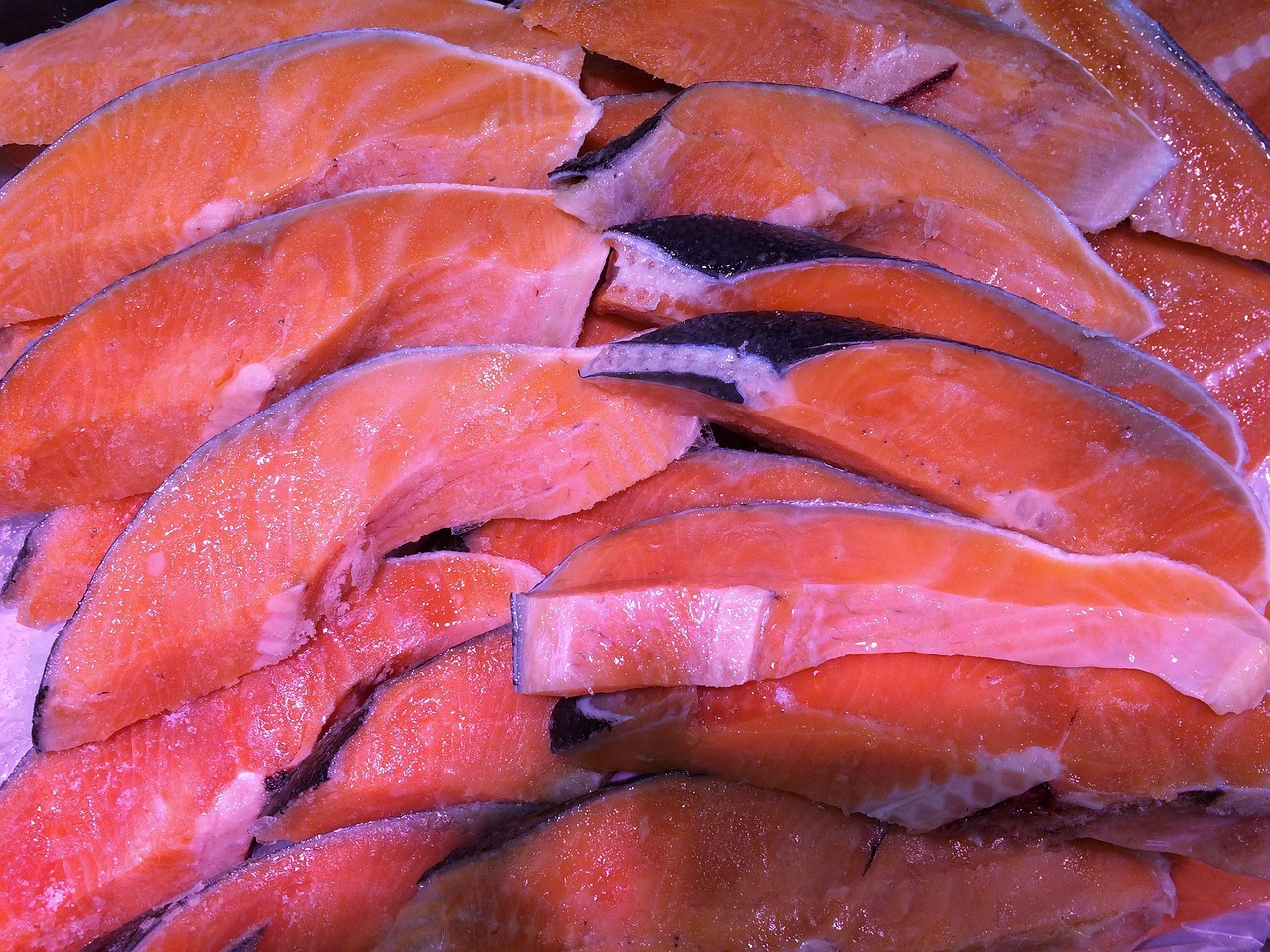
Alaskan salmon (not to be confused with Atlantic salmon) is not allowed to be farmed, and is therefore always wild-caught. Canned salmon labeled “Alaskan salmon” is a less expensive alternative to salmon fillets. Remember that wild salmon is quite lean, so the fat marks — those white stripes you see in the meat — are on the thin side. If a fish is pale pink with wide fat marks, the salmon is likely farmed. Avoid Atlantic salmon, as salmon bearing this label are almost always farmed.

Another exception is smaller fish with short lifecycles, which also tend to be better alternatives in terms of fat content, such as sardines and anchovies. With their low contamination risk and higher nutritional value, they are a win-win alternative. Other good choices include herring and fish roe (caviar), which is full of important phospholipids that nourish your mitochondrial membranes.

Ireland Will Be The First Country to Fully Divest From Fossil Fuels

First, the Church of England fleshes out plans for fossil fuel divestment. That was amazing news. But now Ireland has passed a bill that will have the country sell their more than €300m shares of fossil fuel investments including coal, oil, peat, and gas ‘as soon as practicable’.

The Guardian reports that Ireland passed the fossil fuel divestment bill in the lower house of parliament and the bill is expected to pass the upper house easily. When the law goes into effect the government will be obligated to sell all investments in fossil fuels.

The fossil fuel divestment movement has picked up steam and is growing at a reassuring pace. The Guardian reports that trillions of dollars of investment funds have been divested, including large pension funds and insurerscities such as New Yorkchurches, and universities. While there is evidence that divestment can have unintended consequences, with the multitude of institutions divesting, as Sami Grover at Treehugger puts it, “I feel like we are close to reaching a critical mass where divestment is just seen as sound, fiscal management.”

The [divestment] movement is highlighting the need to stop investing in the expansion of a global industry which must be brought into managed decline if catastrophic climate change is to be averted. Ireland by divesting is sending a clear message that the Irish public and the international community are ready to think and act beyond narrow short-term vested interests.” – Thomas Pringle, independent member of parliament who introduced the bill.

Governments will not meet their obligations under the Paris agreement on climate change if they continue to financially sustain the fossil fuel industry. Countries the world over must now urgently follow Ireland’s lead and divest from fossil fuels.” – Gerry Liston at Global Legal Action Network, who drafted the bill

https://www.youtube.com/watch?v=hThOpH9Xrdc

Whole Foods Withdraws Promise to Label GMOs

(Dr. Mercola) While Whole Foods Market, founded in 1980, has been a leading retailer of organic produce in the U.S. for decades, the company has faced its share of criticism; in later years being accused of operating more like an industrial organic company rather than a local distributor of high-quality organic food.

In 2007, it bought its chief rival Wild Oats — an acquisition initially challenged by the Federal Trade Commission, which said the merger violated federal antitrust laws and provided Whole Foods unilateral market power that could raise prices and lower quality. The issue was eventually settled by selling off the Wild Oats brand and more than 30 physical store locations.1,2

Amazon Now Owns Whole Foods

Last year, Amazon announced its intention to acquire Whole Foods Market and its 465 stores, a $13.7 billion deal that had food manufacturers quaking in their boots, while organic producers worried the deal might compromise and dilute organic food standards even further.3 The acquisition went through on August 28, 2017.4 Within two days of the merger, Whole Foods’ store traffic rose by 25 percent. Within the first month, Amazon made $1.6 million off its online sales of Whole Foods private label products.

Related: How to Avoid GMOs in 2018 – And Everything Else You Should Know About Genetic Engineering

But while the success story of Whole Foods continues, questions about whether it’s really socially commendable to shop at Whole Foods have festered well over a decade.5 The company has faced well-deserved criticism for its effects on employees by refusing unionization, the environment due to its limited supply of local produce, and its selling of questionable products such as items containing MSG and rBGH, making label scrutiny a necessity even here.

Like most large corporations, it has shareholders to contend with, and the company has been accused of cutting corners to make a profit on more than one occasion. This trend is unlikely to change with Amazon at the rudder. As a matter of fact, while Whole Foods has spent the last five years promoting its promise to implement a comprehensive labeling policy6 for genetically modified organisms(GMOs) — a promise that has been a major selling point to entice customer support — that plan has now been laid aside.

Whole Foods Reneges Its Promise to Implement GMO Labeling

As reported by New Food Economy,7 Whole Foods’ GMO labeling policy was scheduled to take effect September 1, 2018. However, in a May 18 email, Whole Foods president and CEO A.C. Gallo announced the company’s labeling requirement is being “paused” in response to concerns from suppliers about having to comply with both Whole Foods’ rules and those proposed by the U.S. Department of Agriculture (USDA). The public comment8 period ended July 3 and the final rule is expected to be delivered July 29.

“As the USDA finalizes the federal regulation in the coming months and the food industry assesses the impact, we do not want our Policy to pose further challenges for you and your business,” Gallo writes. As reported by New Food Economy:

“As currently proposed, the USDA policy would make several substantive changes to the way GMOs have traditionally been defined by the food industry — starting with the terminology itself. The government’s preferred nomenclature is “bioengineered” (BE), which only refers to a food that has had another organism’s genes spliced into it by a process called transgenesis.

Other types of genetic modification, including some produced by gene-editing tools like CRISPR, would not need to be labeled. As currently written, Whole Foods’ requirements would be more stringent than the proposed USDA rules in at least two significant ways.

First, USDA has suggested letting companies label BE ingredients by QR code, meaning that customers would need to be directed to a website via smartphone to find out what’s in their food … Whole Foods has never planned to allow QR codes to count as GMO disclosures …

Second, USDA rules contain perplexing carveouts for meat products, which are regulated under a different system9,10 … Whole Foods now faces a choice: It can move forward with its original plan, or defer to the government’s less comprehensive new rules.”

Is Whole Foods Committing Fraud?

As noted by New Food Economy, “All this begs a question: Is Whole Foods softening its commitment to GMO-labeling transparency?” The company promised its customers it would lead the way by labeling food sold in its stores in a clear and transparent manner. In fact, it was the first national grocery chain to make such a commitment, and many have patiently waited for the implementation of this promise, as it would set a new, higher standard for others to follow.

Related: Best Supplements To Kill Candida and Everything Else You Ever Wanted To Know About Fungal Infections

Transparent GMO labeling is also what more than 8 in 10 Americans want.11 If Whole Foods ends up adopting USDA rules, many GMO-containing foods will remain unlabeled, which is nothing short of unacceptable, especially for a company that claims to be a leader among organics. As noted in the featured article, “It would mean that a company that’s long claimed the moral high ground would be no more transparent, as far as GMO labeling goes, than any other grocery store.”

Whole Foods assured New Food Economy that it remains “committed to providing our customers with the level of transparency they want and expect from us and will continue to require suppliers to obtain third-party verification for non-GMO claims.” But if that’s the case, why has no new deadline for its GMO labeling been announced?

March 8, 2013, Whole Foods issued a statement saying, “by 2018, all products in its U.S. and Canadian stores12 must be labeled to indicate if they contain GMOs. Whole Foods Market is the first national grocery chain to set a deadline for full GMO transparency. ‘We are putting a stake in the ground on GMO labeling to support the consumer’s right to know,’ said Walter Robb, co-CEO of Whole Foods Market.”

To me, it seems incredibly disingenuous to mislead and lie to customers for five years with a promise to be the first to really do the right thing, and then not follow through just because the government is working on rules that in no way, shape or form fulfill customers’ expectations of transparent labeling. It is my sincere hope that some of you will be angered enough to file a class-action lawsuit against them for this injustice.

Recommended: Sugar Leads to Depression – World’s First Trial Proves Gut and Brain are Linked (Protocol Included)

USDA Bioengineered Labeling Is a Joke

The U.S. Department of Agriculture (USDA) released its proposal13 for the labeling of foods containing GMOs May 3 — a bizarre, or to use the word of Sierra Club, “Orwellian,” rule that appears to misdirect and create unnecessary confusion on purpose. Perhaps most problematic is the fact that it’s not clear whether “highly refined foods” will be included in the standard. Not only are a majority of foods sold in grocery stores highly refined, or contain highly refined ingredients, but these foods are also the most likely to contain GMOs.

If highly refined foods will not require GMO labeling, the labeling requirement will be essentially useless, as very few whole foods are genetically engineered. Another significant problem is the absence of the phrases “genetically modified” or “genetically engineered” on the label. Not even the now well-recognized household word “GMO” is to be found anywhere on the USDA’s GMO label. Instead of calling it what it is, and what people now are most likely to understand, the USDA is using the word “bioengineered” or BE for short.

This is a misleading phrase for the simple fact that it sounds far more natural than it is; closer to biodynamic than genetically modified. The proposal also does not address whether foods produced using newer forms of genetic engineering, such as gene editing, CRISPR technology and synthetic biology, will need to be labeled, and/or whether they would require another type of label to distinguish them from in-vitro DNA techniques.

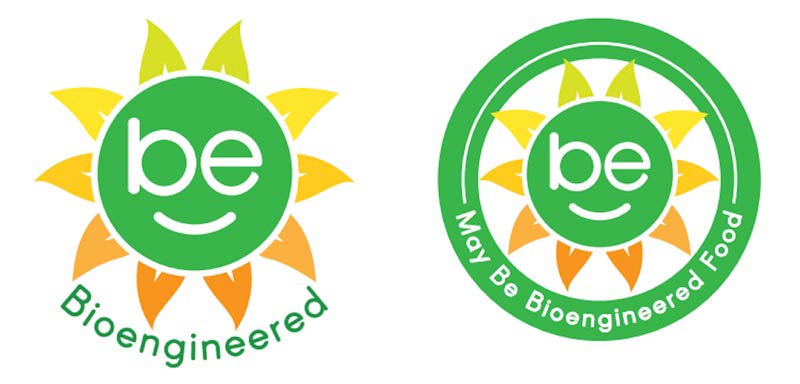
Adding insult to injury, the logo itself is clearly designed to impart a false impression of GMOs as being natural and wholesome. The proposed logo (two versions of which are included here), is the word “be” inside a smiley-face sun. The whole thing smacks of biotech promotion and misdirection. As stated by George Kimbrell, legal director for the Center for Food Safety, “We would support a little circle that said ‘GE’ or ‘GMO’ — something neutral that’s not pro-biotech propaganda.”

bioengineered

Last but not least, the proposed rule does not even include the requirement to use a standardized icon. Rather than mandating an easily recognizable icon or logo, companies would have the option of using:

  • The smiley sun logo (above)
  • Two other “BE” logos (see the proposed rule document14
  • Adding a sentence along the lines of “Contains a bioengineered food ingredient” without logo

Simply including a QR code directing you to the company’s website for more information about the ingredients, which will require you to have a smartphone and reliable connection inside the store, something which one-third of Americans don’t have.

As a result, the use of QR codes has been criticized as being inherently discriminatory against rural, low-income and elderly populations.15 Internet and smartphone availability really should not be a criterion for getting information about what’s in the food you’re holding in your hand and contemplating buying

Why Rename What Everyone Already Knows?

A solid decade has been spent educating Americans about genetically engineered (GE) foods and foods containing GMO ingredients — what they are and that they exist in the first place. With this in mind, the USDA’s decision to ditch the terms GE and GMO and replace them with BE seems extremely suspect.

As noted by Sophia Kruszewski, senior policy specialist with the National Sustainable Agriculture Coalition, the timing is even more suspect “since many companies have responded to consumer desire for transparency and started voluntarily labeling their products. [GMO disclosure] doesn’t seem to pose an enormous challenge.”16

The only reason I can come up with for unnecessarily complicating matters is that the USDA is assisting the biotech industry by making the labeling as obscure as possible. And, if Whole Foods decides to just follow along with this opaque and nonsensical strategy, it stands to lose consumers’ respect, not to mention trust.

The Great GMO Escape

In related news, “missteps by agribusiness giants” have allowed invasive GE grass developed for golf courses to spread across Jefferson and Malheur counties in Oregon.17 The creeping bentgrass developed by Scotts Miracle-Gro and Monsanto a decade ago was engineered to withstand Roundup application, which would be a boon for keeping golf courses pristine and clear of weeds.

The grass was never approved by the USDA. Alas, it spread from old seed fields into areas it doesn’t belong — a perfect example of why GMO test plots should not be allowed outdoors, and why farmers really should have the right to sue companies for contaminating their fields with GE seeds, and not the other way around. (Historically, farmers found growing GE crops without having purchased seed are the ones who have been getting sued for patent infringement).

Some 80 acres of the GE bentgrass was planted in Canyon County, Idaho, and another 420 acres in Jefferson County, Oregon. In late summer 2013, two storms swept through Oregon, scattering the seeds “well beyond the designated control area.” Since then, the grass has become part of the natural environment, with virtually no possibility of getting rid of it. According to High Country News, the grass “thrives in canals and ditches, where it collects sediment and impedes water flow.”

The fact that it’s so hard to kill has become “a headache” for farmers who are already battling a number of other weed problems, and many fear the GE grass will eventually migrate into Willamette Valley, where many of the primary grass businesses in Oregon are located. Don Herb, a seed dealer in Linn County, told Oregon Live,18 “That would be a catastrophic event for Oregon’s grass seed industry. We don’t need Scotts and others to put our industry at risk.”

Scotts was fined $500,000 in 2007 for allowing the grass seeds from its test plots to escape, and the company has reportedly tried to rein in the spread of its unapproved grass but, now, the company will no longer be held liable. “[I]n a series of decisions over the last several years, the USDA has relieved Scotts of future responsibility in return for the company’s promise not to market the grass,” High Country News writes.

This hardly seems like a fair deal, considering estimates suggest it’s costing as much as $250,000 annually to keep up with its removal. Who will pay that bill? State, county government and local growers, most likely. What’s worse, the GE bentgrass also has the potential to impact national forests and grasslands, which would further add to the financial burden caused by Scotts and Monsanto’s carelessness.

Will You Remain Loyal to Whole Foods or Let Them Know How You Feel About Their Deception?

There are many problems associated with GMOs, from environmental problems to human health risks. As such, it’s really imperative for consumers to be fully informed about what they’re buying, especially when it comes to their food. Whether Whole Foods will fulfill its promise to lead the way by requiring GMO foods sold in its stores to be clearly labeled remains to be seen.

At present, it seems to have decided that making it easy for suppliers is more important than fulfilling its promise for labeling to its customers. If you’re a frequent shopper at Whole Foods, you may want to share your views with the company’s leadership. You can find company contact information on the Whole Foods Market customer service page.19