Mental health in America is in decline, and while there is no one-size-fits-all reason for this, doctors and psychiatrists do offer a
one-size-fits-all solution: antidepressants. The number of people who have taken antidepressants has soared some 65% in just the last 15 years, and the numbers continue to rise.
According to the latest statistics,9,10,11,12 use of antidepressants in the U.S. rose by 65 percent between 1999 and 2014. As of 2014:
•Nearly 1 in 8 Americans (13 percent) over the age of 12 reported being on antidepressant medication
•1 in 6 women (16.5 percent) reported antidepressant use compared to 1 in 11 men (9 percent)
•About one-quarter of those who had taken an antidepressant in the past month reported being on them for 10 years or more
•Caucasians were more than three times more likely to use antidepressants than Blacks, Hispanics or Asians (16.5 percent compared to 5.6 percent, 5 percent and 3.3 percent respectively)
In Scotland, researchers also warn that antidepressant use among children under the age of 12 has risen dramatically.13 Between 2009 and 2016, use in this age group quadrupled. Use among children under 18 doubled in the same time frame. [Source]
The Organization for Economic Cooperation and Development (OECD) examined data in 25 countries to determine who uses the most antidepressants, revealing some interesting details. For example, in some countries, usage is also spiking, and of note is the fact that numbers are increasing among children and young adults as well.
In Germany, antidepressant use had risen 46% in just four years. In Spain and Portugal, it rose about 20% during the same period. Iceland led the pack in overall use with about one in ten people taking a daily antidepressant — but that figure may underestimate the actual rate of use, since that calculation isn’t restricted to just adults. [Source]
The United States leads the world in the consumption of antidepressants, followed closely by Iceland.
In the United Kingdom, antidepressants prescribed to children soared a staggering 50% in recent years, highlighting a growing trend.
In the period examined, there was a 54% increase in the number of young people prescribed anti-depressants in the UK.
This is compared with rises of 60% in Denmark, 49 per cent in Germany and just 26 per cent in the US and 17 per cent in the Netherlands, the BBC said. [Source]
Some of the factors that may be contributing to such a dramatic rise are the fact that seeking help for mental health conditions is more socially acceptable, people are more stressed than ever, social media creates an environment of envy, direct manufacturer to consumer marketing of pharmaceuticals, and an increased willingness by physicians to experiment with antidepressants as a remedy for many conditions other than strictly depression.
There are many alternatives to taking antidepressants many of which involve lifestyle changes which are often much more difficult for people to achieve, especially when we’ve been trained to depend on pills as a simple solution for anything that ails us. Some even look at depression as a sickness in spiritual health, although this type of information is unlikely to be offered by typical physicians.
Alex Pietrowski is an artist and writer concerned with preserving good health and the basic freedom to enjoy a healthy lifestyle. He is a staff writer for WakingTimes.com. Alex is an avid student of Yoga and life.
(Dr. Mercola) For most people, an occasional bout of constipation is a minor aggravation. However, this is not the case for the nearly 15 percent of the U.S. population suffering from chronic constipation.1 This means 63 million people have difficulty passing hard, dry, lumpy stool, suffer from feeling bloated, have abdominal pain or feel as if there is something stuck in their rectum or intestines.2
For many, the topic of their bowel movements is a private matter. This makes understanding and learning about the actual mechanics of how stool is produced and eliminated difficult, as many don’t find it a topic they want to discuss, even with their physicians.
The number of stools you have each week is closely linked to the types of food you eat, the amount of exercise you get and your hydration status. While many people may have a bowel movement once a day, the normal amount ranges between four times each week to several times a day.3 What differentiates infrequent stools and constipation is the consistency of the stool, the difficulty in passing it and other symptoms you may experience, such as bloating or feeling full.
Unfortunately, the number of people who suffer from chronic constipation is rising, leading to a characterization of the condition as a “silent epidemic” as those who suffer often suffer in silence.
Number of People Suffering From Chronic Constipation on the Rise
A recent survey by the American Gastroenterological Association4 found 16 percent of Americans suffer from chronic constipation and nearly 33 percent over age 60 experience the condition. This leads to nearly 6 million visits to the doctor’s office or clinic, and nearly 700,000 visits to an emergency room every year.5 Although the condition is normally treated on an outpatient basis, the number of people admitted to the hospital since 1997 has doubled.
One recent study estimated that if the 6 percent of Americans suffering from functional constipation incorporated natural lifestyle changes to improve their condition, $12.7 billion in direct medical costs could be avoided annually.6 The researchers felt this was a conservative estimate as it did not account for lost wages or productivity.
While the recent survey found an increasing number of people suffered from chronic constipation, it was not a study that evaluated the causes behind the problem. There are several controllable factors common to a modern lifestyle that contribute to an increasing risk, and factors over which you have no control. For instance, the number of people who suffer from constipation rises significantly with age.7 This may be related to both lifestyle choices, such as diet and exercise, and to age-related neurogenic dysfunction.8
There are a significant number of choices you make each day that increase your risk of developing chronic constipation. One is learned constipation, as your rectum is flexible and can stretch. In a study using college students, researchers found participants could easily train themselves to evacuate their bowels every 51 hours instead of every 28, leading the scientists to conclude bowel habits may induce constipation.9 Other factors that influence your risk include:10,11,12,13
Low fiber diet
Changes in your routine
Lack of exercise
Avoiding a bowel movement when you have the urge
Drinking insufficient amount of fluid
Certain medications, such as opiates, antidepressants, antacids and anti-hypertensives
Poor nutrition leading to vitamin deficiency, including magnesium deficiency
Iron supplements
Significant Health Problems Linked to Chronic Constipation
Few people realize that chronic constipation, and the daily agony that accompanies the condition, may be dangerous or even deadly. The American College of Gastroenterology believes a diagnosis of chronic constipation warrants further medical workup, as patients may have a higher likelihood of colon cancer, even if they don’t present with colon cancer symptoms, such as GI bleeding, anemia or weight loss.14
When the scientists started the study they didn’t expect too many surprises. Yet, after analyzing the results they found medical conditions they didn’t anticipate would be associated with chronic constipation, including ischemic colitis, diverticulitis and other gastrointestinal cancers.
Chronic constipation is also related to at least one brain disorder: Parkinson’s disease. A number of studies have demonstrated a link between your gut health and your psychological health. A link between an unbalanced microbiome (one symptom of which is constipation) and Parkinson’s disease may be related to proteins from the gut that accumulate in the brain. In one study, 21 days after specific proteins were injected into the stomach and intestines of mice they were found to have migrated as far as the vagus nerve.15
Constipation may also increase your risk of kidney diseases.16 Researchers reviewed medical records of over 3.5 million U.S. veterans and followed their care for seven years. At the start of the study each participant had normal kidney function. Although a causative relationship could not be proven with the method used in the study, those with constipation had a 13 percent increased risk of kidney disease and 9 percent increased risk of kidney failure.
Researchers have also found suffering from constipation may increase your risk of anal fissures, stool incontinence, hemorrhoids and urological disorders.17 The seriousness of the symptoms may vary, depending upon the severity of your constipation. An association has also been found between people suffering rectal prolapse, a condition where part of the large intestines slips out of the anus, and constipation.
Another factor connected with constipation is back pain.18 In some cases, back pain may result in the use of pain medications like opiates that slow your intestinal tract and lead to constipation. In other cases, back pain is the result of your constipation. For instance, irritable bowel syndrome or a fecal impaction may lead to back pain.
Steer Clear of Laxatives
Constipation is a symptom of other conditions and not a disease or illness process itself. Thus, treating just the symptom may mean you’re overlooking another more serious problem. Many people turn to over-the-counter laxatives to immediately relieve the discomfort, but this may have additional consequences that hinder your recovery.
Laxatives come in a variety of forms including pills, capsules, liquid, suppositories and enemas. Although tempting, if you choose to use a laxative, do it with extreme caution. The active ingredient in many enemas draw water from your body into your large intestines, softening the stool. When too much is used it can increase your risk of dehydration, and by altering your electrolyte balance, you risk kidney or heart damage and death.
Stimulant laxatives work by increasing the muscular action in your intestines. This includes senna or cassia laxatives, often marketed as being “natural.” Over time, these types of laxatives damage the function of your intestinal walls and decrease the ability of your muscles to contract on their own.
If you must use something to immediately relieve constipation, consider trying a glycerin suppository that doesn’t contain any stimulants. The suppository often produces results within two hours and works by drawing water into your large intestines directly where your hard stool is located, softening it enough to evacuate your bowels.
Magnesium May Help Constipation and Protect Against Disease
One of the most popular short-term natural supplements that is effective against constipation is magnesium. Magnesium is an essential mineral and a cofactor used in multiple enzymes.19 A deficiency is associated with poor absorption of vitamin D and an increased risk of heart disease, stroke, osteoporosis and diabetes. Supplementation is being used to treat migraine headaches, hypertension and asthma.
Magnesium is important to mitochondrial health, and in the production of energy in every cell in your body. It is estimated that 50 years ago people routinely received nearly 500 milligrams (mg) of magnesium every day from their food. Today, with soil depletion and poor nutritional habits, many may only receive from 100 mg to 300 mg per day. Although organic, unprocessed foods are your best bet; the amount you receive will depend upon the soil the plants were grown in.
The recommended dietary allowance (RDA) for magnesium is between 310 to 420 mg per day, dependent upon your age and sex.20However, these amounts are based on reducing your potential for deficiency and don’t necessarily address the amount you need to maintain optimal health. Some researchers believe you may need between 600 to 900 mg per day. Dr. Carolyn Dean, author of “The Magnesium Miracle,” recommends that you use your body as a marker for your ideal personal dose.
Begin by taking 200 mg of oral magnesium citrate each day and gradually increase the amount until you develop slightly loose stools. Magnesium citrate has a mild laxative effect — whatever your body doesn’t absorb will affect your intestines as it is flushed out through your stool, which helps you identify your personal cutoff point. There is ample evidence demonstrating the effectiveness of using magnesium to naturally improve constipation.21,22,23
Magnesium comes in several forms including chelate, threonate, citrate and sulfate. Citrate is the form that has the most effect on your intestinal tract and helps produce loose stools. However, if you are taking magnesium supplements for other health reasons, my personal preference is magnesium threonate as it appears to more effectively penetrate your cell membranes and boost your mitochondrial health, thus boosting your energy level.
Try Squatting to Enhance Elimination
Sitting on your toilet may be comfortable, but placement of your knees and upper legs at 90 degrees to your abdomen actually pinches off your anal canal and makes having a bowel movement more difficult. On the other hand, when you squat, your knees are brought closer to your abdomen, which changes the relationship of your rectum and sphincter, positioning your organs and muscles in a way that relaxes your rectum. This maximizes the efficiency of your evacuation.
In this position, muscles around your rectum and pubic bones relax. This encourages complete emptying of your rectum and cecum without straining. It also reduces the potential for stagnation of stool in your lower intestines and subsequent accumulation of toxins that impact the growth of your gut microbiome. In many non-Westernized cultures people routinely squat to evacuate their bowels and don’t sit on a toilet.
It is interesting to note that in cultures where people squat daily, people don’t have the high prevalence of bowel diseases experienced in countries where toilets are commonplace. Squatting without support is challenging when you haven’t grown up squatting on a daily basis. A simple and inexpensive method of achieving good body position is to use a small foot stool. This places your organs and muscles in a more natural position and enables easier evacuation.
Fiber, Movement and Other Natural Ways of Reducing Constipation
I list several ways of reducing your risk of constipation below. But, I strongly recommend you incorporate fermented foods to help “reseed” your gut with good bacteria that will help you regain and maintain bowel regularity. The video above includes a short demonstration of how to make your own fermented foods at home. If you don’t eat fermented food, which is your best and least expensive source of probiotics, then I recommend you take a quality probiotic supplement.
In some circumstances these lifestyle choices are not enough to eliminate your constipation. As chronic constipation is one of the hallmark symptoms of hypothyroidism, it is important to discuss your situation with your physician. In many cases though, simple changes to your diet and daily lifestyle will reduce your risk of constipation and improve your gut health, such as:
Swap out processed foods for whole, high-fiber foods, such as leafy green vegetables, almonds, squash and broccoli. These foods feed your gut microbiome, reduce your vulnerability to infection and promote softer stools that keep your intestinal walls intact.24
The American Heart Association recommends eating 30 grams of fiber each day,25 but the average American eats approximately 15 grams each day, which contributes to the growing rate of constipation.26
Remove gluten, artificial sweetener and sugar from your diet as they all damage your intestinal tract.
Regular exercise can also help reduce constipation.27 The physical movement helps increase the motility in your digestive tract and can stimulate the urge to have a bowel movement.
When you feel the urge to have a bowel movement, don’t wait. The longer the stool sits in your colon, the more water is removed and the more difficult it is to pass.
Consider using a foot stool to get into a squatting position to have a bowel movement. This will strengthen the muscles around your rectum and encourages a complete emptying of your bowel without straining.
Stay well hydrated with clean, pure water.
Avoid pharmaceutical drugs that change the speed of your bowel function or cause GI disruptions, such as opiate pain medications, antidepressants, antibiotics, antacids and laxatives.
Address your emotional challenges and life changes using tools, such as Emotional Freedom Techniques (EFT).
Sepsis, bacteria in blood. 3D illustration showing rod-shaped bacteria in blood with red blood cells and leukocytes
(Dr. Mercola) As drug-resistant infections become more prevalent, so are cases of sepsis — a progressive disease process initiated by an aggressive, dysfunctional immune response to an infection in the bloodstream, which is why it’s sometimes referred to as blood poisoning. Unless caught and treated early, the condition can progress to septic shock, resulting in extremely low blood pressure, weakening of the heart, multiple organ failure and death.
An estimated 1 million Americans develop sepsis each year1,2 and up to 50 percent die from the systemic infection.3,4,5 While illnesses such as bronchitis, pneumonia, strep throat, kidney infection or even localized infections can turn septic, sepsis is most commonly acquired in hospital settings.6,7 Unfortunately, conventional treatment often fails, as evidenced by the 50 percent mortality rate.
It’s also costly. According to the Agency for Healthcare Research and Quality, sepsis is the most expensive condition being treated in U.S. hospitals, racking up expenses in excess of $24 billion in 2014.8 There’s good news though. Recently, evidence for not just one but two different nondrug treatments have emerged, both of which show remarkable promise.
Infants Saved by Probiotics
Sepsis can occur in just about anyone, including infants. Recent research9,10 shows feeding newborns probiotics (healthy bacteria) significantly lowers the child’s risk of developing sepsis. The study involved infants in rural India, where sepsis is common. Worldwide, an estimated 600,000 infants die from sepsis, primarily in developing countries.
The bacterial strain selected was Lactobacillus plantarum ATCC-202195 — a kind of lactic acid bacteria found in fermented vegetables such as sauerkraut and kimchi.11 To that, they added the prebiotic fructooligosaccharide “to promote growth and sustain colonization of the probiotic strain.”
The bacterial strain was chosen by methodically prescreening more than 280 strains in preliminary studies. Lactobacillus plantarum was in part chosen for its ability to attach to cells in the gut. According to NPR,12 the team was “shocked by how well the bacteria worked.” In infants given the synbiotic mix (probiotic plus prebiotic) for one week, the risk of sepsis and death dropped by 40 percent, from 9 to 5.4 percent.
A total of 149 villages in Odisha state, India — where infant mortality is the highest in the nation — were included in the study. While the team was initially planning to enroll 8,000 infants, the study was halted after the enrollment of 4,557 babies. Due to the clear evidence of significant benefit, it would have been unethical to continue depriving half of the newborns of the treatment.
Probiotic Also Lowered Other Infection Rates
The probiotic also reduced a number of other common infections. Respiratory infections, for example, were reduced by 34 percent, which was entirely unexpected. Gram-positive bacterial infections were reduced by 82 percent and gram-negative infections (which are more difficult to treat) dropped by 75 percent. Another major benefit is the price. At a cost of about $1 per infant per weeklong course of treatment, it’s incredibly affordable.
The researchers note that probiotics may be more powerful than drugs for a number of reasons. For starters, the beneficial bacteria help control harmful bacteria that may otherwise overtake the baby’s gut. The probiotic also generates compounds that strengthen the intestinal wall, thereby preventing harmful bacteria from entering the bloodstream. It also helps bolster and promote healthier maturation of the baby’s immune system.
Decline in Healthy Gut Bacteria Drives Up Disease Rates
Decades of overprescribing and misuse have made antibiotics a serious threat to human health by reducing healthy bacteria in the human microbiome and producing drug-resistant bacteria. As noted by Dr. Martin Blaser, director of the Human Microbiome Program at the NYU School of Medicine,13,14 “loss of microbes that have long accompanied humans is causing an overall rise in conditions against which our bodies can no longer defend.”
Blaser links declining gut microbes to diseases such as Type 1 diabetes, autism, inflammatory bowel diseases, food allergies and much more, noting that infancy is a critical time in which your gut microbiome is developed. The increasing use of C-sections play a role here, since this deprives the baby of exposure to the mother’s microbiome, which is picked up as the baby pushes through the birth canal.
Lack of breast-feeding adds to the problem, as breast milk helps seed the baby’s gut microbiome with healthy bacteria and indigestible sugars that feed the bacteria. Use of antibiotics during pregnancy and/or shortly after birth also disrupts the balance of bacterial communities, and recent studies suggest taking antibiotics during pregnancy increases the risk of birth defects.15
Antibiotics may also result in permanent alterations in metabolism, increasing the child’s risk of obesity later in life. Many parents are also overzealous in their use of antibacterial products, believing children must be protected against dirt and germs at all costs. This has the unfortunate side effect of weakening rather than strengthening the child’s immune system.16
Getting dirty outside is actually an important part of childhood, from a health perspective, as soil-based organisms help stimulate your immune system, reduce inflammation and even aid in detoxification.
Probiotics in Wound Healing
In related news, probiotics may also lower the risk of infections during wound healing — including sepsis.17 As reported by Medical News Today:18
“Staphylococcus aureus is naturally present in the noses of around 30 percent of the population and mostly does not cause harm. However, when the skin barrier is broken, S. aureus can cause severe infection. S. aureus is notorious for forming biofilms. When this happens, the bacteria attach to a surface — such as the skin …
Biofilms are mostly resistant to antibiotics and are therefore a considerable health risk. If S. aureus spreads to the blood it can cause sepsis, which is a major cause of death in children who have experienced severe burn injuries. Pseudomonas aeruginosa, which is another pathogen known to form biofilms, is often found in infected burn wounds …
[B]oth L. rhamnosus GG and L. reuteri could protect skin cells in the laboratory from infection by S. aureus. This was true when live bacteria were added to the skin cells and when the bacteria were killed and their extracts added instead.”
L. rhamnosus GG was found to promote cell migration, resulting in more rapid wound closure, while L. reuteri increased cell division rates, thereby aiding in the wound healing. The idea of placing live bacteria on an open wound is questionable, but since the extract of killed bacteria proved to have a similar effect, the researchers suggest bacterial extracts may eventually be used in wound care.
Vitamin C, Another Game Changer in Treatment of Sepsis
Another important medical discovery is the use of vitamin C for the treatment of sepsis. Dr. Paul Marik, chief of pulmonary and critical care medicine at Sentara Norfolk General Hospital in East Virginia, found the deadly infection could be effectively and inexpensively treated with a combination of intravenous (IV) vitamin C, thiamine (vitamin B1) and hydrocortisone (a steroid).19,20
Earlier this year, Marik published a small retrospective before-after clinical study21,22,23 showing that giving septic patients this simple IV cocktail for two days reduced mortality nearly fivefold, from 40 percent to 8.5 percent. Of the 50 patients treated, only four died, but none of them actually died from sepsis; they died from their underlying disease.
Vitamin C is well-known for its ability to prevent and treat infectious disease. Previous research has shown it effectively lowers proinflammatory cytokines and C-reactive protein.24,25,26 Influenza,27 encephalitis and measles28 have all been successfully treated with high-dose vitamin C. To investigate the mechanism of action for sepsis, Marik reached out to John Catravas, Ph.D., a pharmacology researcher at Old Dominion University.
At Marik’s request, Catravas performed an independent lab study, which confirmed the effectiveness of the treatment. Interestingly, vitamin C acts like hydrocortisone, yet when either vitamin C or the steroid was administered in isolation, nothing happened. When administered together, however, the infection was successfully eradicated.
The addition of thiamine is also important. Not only is thiamine required for metabolism of some of the metabolites of vitamin C, research has shown many patients with sepsis are vitamin deficient, and when thiamine is given, it reduces the risk of renal failure and mortality.
Nationwide Trial of Marik’s Protocol Is Underway
Sepsis kills more than breast cancer, colon cancer and AIDS combined, and Marik’s protocol has not only been shown to be profoundly effective, it has no side effects, is inexpensive, readily available and simple to administer. Patients and doctors really have nothing to lose by trying it, but to make it standard of care across the U.S., more evidence is needed.
Sentara Norfolk General Hospital, where Marik works, has already made the protocol its standard of care for sepsis, and more than 50 medical centers around the U.S. are following suit. Still, despite the successes seen in clinical practice, many doctors are wary of implementing the protocol without further studies to support it.
To test the theory on a grander scale, Dr. Craig Coopersmith, a leading sepsis researcher at Emory University School of Medicine, is now planning a multicenter trial to put Marik’s vitamin C protocol to the test across the nation. “If this is validated, this would be the single biggest breakthrough in sepsis care in my lifetime,” he told Smithsonian.29
Results from his field trial cannot come soon enough, as current best practices are ineffective at best. For example, recent research shows the standard calling for rapid and substantial infusion of IV fluids have no effect on survival rates,30 and previous guidelines calling for the use of a specific drug turned out to do more harm than good.31 In short, there are few good alternatives available, making Marik’s treatment protocol all the more crucial.
Are You at High Risk for Sepsis?
With sepsis affecting more than a million Americans each year, it’s important to be aware of its signs, symptoms and risks.32 Even health care workers can miss the signs and delay treatment. According to the Centers for Disease Control and Prevention (CDC), you’re at higher risk for sepsis if you have:
Chronic disease. A vast majority — 7 out of 10 — of people who develop sepsis have some kind of chronic health condition. Those with diabetes, lung, kidney or liver disease tend to be particularly susceptible to infection, which raises the risk.
Weakened immune system, AIDS or cancer.
Recently spent time in a hospital, nursing home or other health care facility, as exposure to infection-causing bacteria is common in these places.
Common Sense Strategies to Reduce Your Risk of Sepsis
While health care workers have a responsibility to prevent infections that could potentially turn septic and to educate patients about warning signs of sepsis, you can lower your own risk by:
•Promptly treating urinary tract infections (UTIs). UTIs are the second most common type of infection in the body, sending more than 8 million people to their health care providers every year in the U.S. alone,33 and one-quarter of sepsis cases are related to urinary tract infections.
Conventional treatment typically involves antibiotics, but research shows 90 percent of UTIs can be successfully treated with D-Mannose, a naturally occurring sugar that’s closely related to glucose. To learn more, see “D-Mannose for UTI Prevention Validated in a Clinical Trial.”
•Properly clean skin wounds. About 1 in 10 sepsis cases are due to skin infections, so always take the time to properly clean and care for wounds and scrapes. Wash the wound with mild soap and water to clean out dirt and debris, then cover with a sterile bandage. Diabetics should follow good foot care to avoid dangerous foot infections.
•Avoid infections in hospitals. When visiting a health care facility, be sure to wash your own hands, and remind doctors and nurses to wash theirs (and/or change gloves) before touching you or any equipment being used on you.
If you have to undergo a colonoscopy or other testing using a flexible medical scope, remember to call and ask how they clean their scopes and what kind of cleaning solution they use. If the answer is glutaraldehyde (brand name Cidex), find another hospital or clinic — one that uses peracetic acid. This preliminary legwork will significantly decrease your risk of contracting an infection from a contaminated scope.
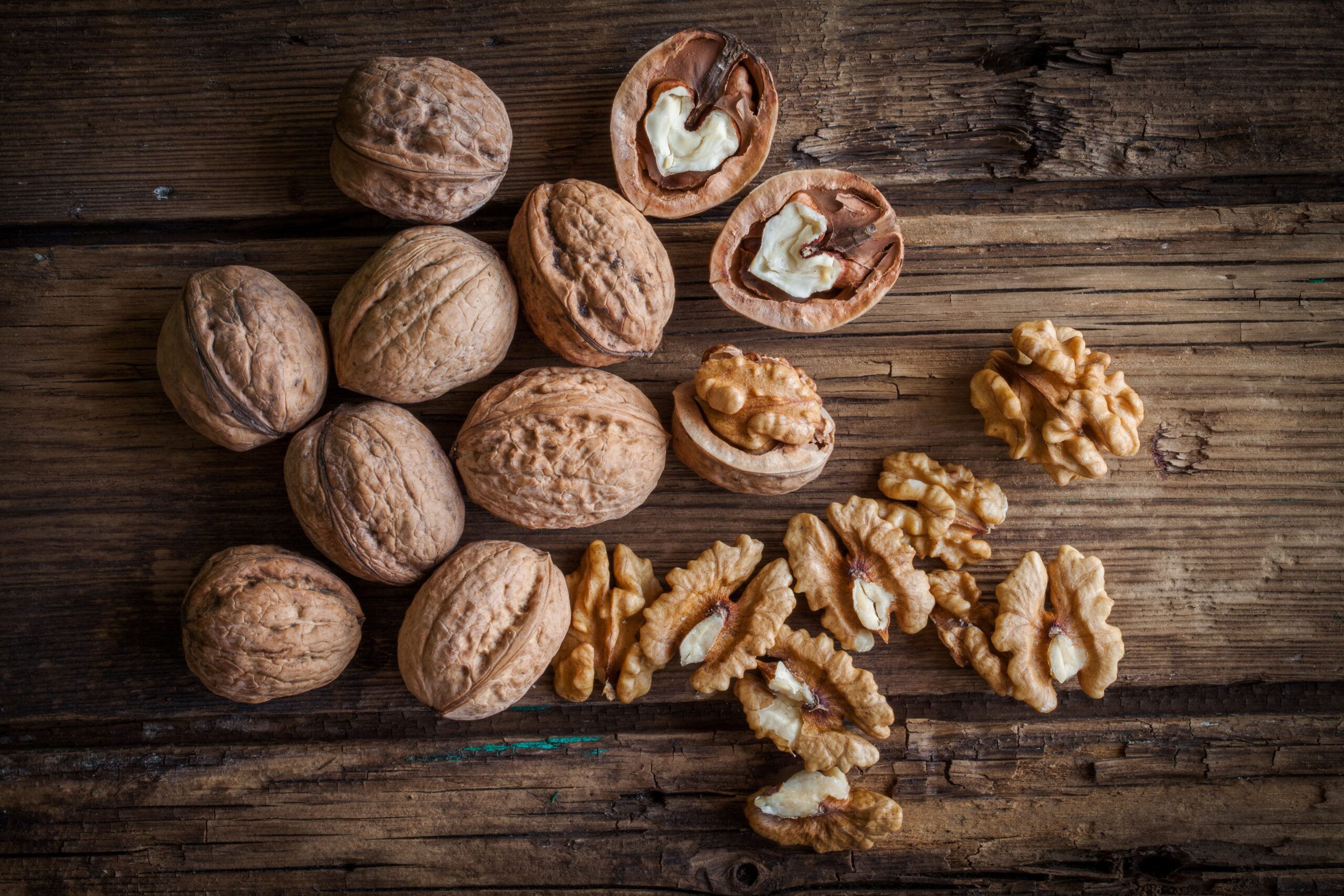
Walnut kernels and whole walnuts on rustic old wooden table
(Natural Blaze by Heather Callaghan) Unique study reveals documented mechanism of just a few walnuts to decrease hunger signals
A recent two- or three-part double-blind study demonstrated that less than half a cup walnuts (0.44 cup or 48 grams to be exact) per day made a significant difference in hunger levels on obese, post-menopausal women. But the study didn’t stop there…
The scientists recruited 10 volunteers with obesity to live in BIDMC’s Clinical Research Center (CRC) for two five-day sessions. The controlled environment of the CRC allowed the researchers to keep tabs on the volunteers’ exact nutritional intake, rather than depend on volunteers’ often unreliable food records — a drawback to many observational nutrition studies.
During one five-day session, volunteers consumed daily smoothies containing 48 grams of walnuts…
[…]During their other stay in the CRC, they received a walnut-free but nutritionally comparable placebo smoothie, flavored to taste exactly the same as the walnut-containing smoothie. The order of the two sessions was random, meaning some participants would consume the walnuts first and others would consume the placebo first. Neither the volunteers nor the researchers knew during which session they consumed the nutty smoothie.
As in previous observational studies, participants reported feeling less hungry during the week they consumed walnut-containing smoothies than during the week they were given the placebo smoothies.
The fMRI scans are what make this study truly unique… Although this was a small study on just a few women, the brain scans can tell no lies…
While in the machine, study participants were shown images of desirable foods like hamburgers and desserts, neutral objects like flowers and rocks, and less desirable foods like vegetables.
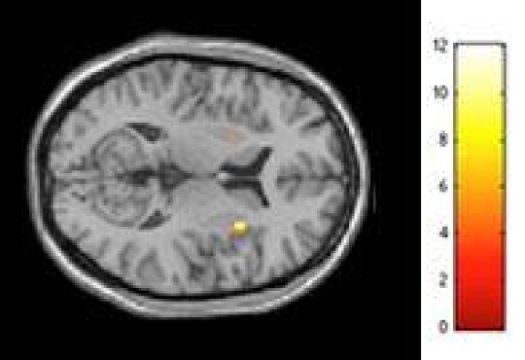
When participants were shown pictures of highly desirable foods, fMRI imaging revealed increased activity in a part of the brain called the right insula after participants had consumed the five-day walnut-rich diet compared to when they had not.
“This is a powerful measure,” said Dr. Christos Mantzoros. “We know there’s no ambiguity in terms of study results. When participants eat walnuts, this part of their brain lights up, and we know that’s connected with what they are telling us about feeling less hungry or more full.”
They think the insula might be involved in cognitive control and salience. Weirdly, they think the region lighting up means that participants were selecting the “less desirable” or healthier options over the more visibly appealing or “junky” foods. Could walnuts help or reset a taste for healthier foods? Only time will tell…
Walnuts are a brain food that has fats that are ideal for a woman’s reproductive system. They contain omega-3 fats like Alpha-lipoic Acid, for instance, that our bodies can potentially convert to DHA and EPA fats.
Some people are sensitive to fats and may wish to limit their consumption to 1-2 ounces of nuts like walnuts. Some people start eating them and cannot stop! But if walnuts can play a role in controlling the factors of obesity like appetite control, then a dietary solution to a dietary problem is an ideal one to consider.
Sources:
Beth Israel Deaconess Medical Center. “In a nutshell: Walnuts activate brain region involved in appetite control: First-of-its-kind study reveals mechanism of walnuts’ documented ability to decrease hunger.” ScienceDaily. www.sciencedaily.com/releases/2017/08/170816181259.htm (accessed August 17, 2017).
(Natural Blaze By Brandon Turbeville) It might seem surprising to some but in 2017 there is still debate in the medical community as to whether or not dental mercury amalgams are safe.
Despite voluminous amounts of evidence suggesting that mercury fillings are incredibly toxic, many dentists and medical doctors maintain that there is no major side effects from their usage. However, an article published in Neuroendocrinology Letters back in 2014 shows that the mercury filling hold outs are standing in stark opposition to the evidence.
The researchers for the article set out to review the evidence surrounding a possible link between mercury exposure from dental amalgams and certain chronic illnesses such as fibromyalgia, chronic fatigue syndrome, anxiety, depression and suicide.
Studies had already previously shown that chronic mercury exposure is directly associated with a variety of health issues, especially depression, anxiety and fatigue. Interestingly enough, these are some of the main symptoms associated with fibromyalgia and chronic fatigue syndrome.
Other studies have shown that the [careful, staggered] removal of dental amalgams have shown an improvement in these symptoms.
Although the issue of amalgam safety is still under debate, the preponderance of evidence suggests that Hg exposure from dental amalgams may cause or contribute to many chronic conditions. Thus, consideration of Hg toxicity may be central to the effective clinical investigation of many chronic illnesses, particularly those involving fatigue and depression.
The fact that there would still be some hold outs despite the wide availability of viable alternatives, calls into question the sanity of some medical professionals. Even the World Health Organization – not known for its revolutionary or natural approach to health – has clearly stated that adverse health effects from mercuryinclude impaired vision and hearing, insomnia, developmental deficits during fetal development, developmental delays during childhood, attention deficit, emotional instability, paralysis, and tremors.