Indian Doctors Talk Aspartame In Soda And Infertility In Men And Women

Diet soda

(Natural Blaze) While a “sedentary lifestyle” is the new modern scapegoat for all that ails us, Indian doctors are pointing fingers at ingredients commonly found in sodas: ingredients in both diet and regular.

At the beginning of summer, India’s biggest independent news network reach out to fertility and gynecological doctors to get their input on carbonated beverages and their effects on fertility in men and women.

Arvind Vaid, an IVF expert said:

Almost all of the soft drinks and sodas contain aspartame which is linked to many health problems including infertility, malformations and miscarriages.

He added that, “Excess consumption leads to hormonal imbalance and fluctuation that causes ovulatory disorders and even worsens PMS.”

Related: Healthy Sugar Alternatives & More

The experts said that the problem was the isolation of two amino acids: phenylalanine and aspartic acid. When not with other amino acids, they say that eating the unaccompanied aminos leads to free radical damage and stimulating healthy cells to death. The byproduct of aspartame actually metabolizes into formaldehyde and accumulates in the tissues of rats for a long time after oral exposure. Substances like this are often called excitotoxins and excite brain cells to death.

“Sperm and ovum, being cells, have 90 percent chance[] of dying when this is consumed in excess. It is advised by many doctors and experts to avoid anything that helps in the formation of free radicals in the body for the significance of reproductive health,” Vaid said.

Additionally, if a substance affects the pituitary-thyroid axis (endocrine system) it stands to reason that it affects sex hormones, maybe not directly, but as it affects the parts of the brain in control of sex hormones.

See: 92 Aspartame Side Effects, Just to Name a Few

They don’t just level caution about diet sodas, however. They find that regular sodas cause harm, too.

Related: Foods That Feed Candida

Rachna Jaiswar, associated with Gynaecology Department of Safdarjung Hospital, notes that sperm cells cannot find enough nutrients in a high pH environment and adds:

Soda is a highly acidic beverage, which alters the pH level of the body with excess consumption.

Moreover Bisphenol-A (BPA), a chemical that reduces the male semen quality, is found in the lining of plastic bottles and most canned goods. Men who consume soft drinks more often are at 4 times the risk of lowering their sperm count, motility and concentration.

Lastly, they take problems with both caffeine and high fructose. IVF expert Radhika Vajpayee says:

Caffeine is known to be a vasoconstrictor that reduces uterine blood flow thereby reducing menstrual bleeding and shortening the duration of menses. Combination of caffeine, aspartame and fructose affects the sex hormones and the hormone receptors, even leading to infertility.

Related: The Toxic Toothpaste Ingredients That You Need To Avoid For Good Oral Health

Interestingly, these experts don’t buy the safety information about artificial sweeteners and even sodas that belches out of America. They don’t pull punches – for a better chance with fertility, it is prudent to find replacements for carbonated beverages such as sparkling mineral water with fruit or kombucha.

Studies Link Heavy Metals To Explosion Of Neurodevelopment Disorders And Declining IQ In Children

(Natural Blaze) A “silent pandemic of neurodevelopmental toxicity” is disabling a generation of children around the world. This is the verdict of neurology experts Philippe Grandjean and Philip Landrigan in a 2014 report in Lancet Neurology. The staggering tsunami of developmental disabilities now affects at least one in six children in the U.S. and millions more worldwide. Two new studies suggest that the most common of these illnesses—autism spectrum disorder (ASD), attention-deficit hyperactivity disorder (ADHD) and tics—are related to each other and may share common causation. The culprit? Environmental toxins, particularly heavy metals.

About 11% (or one in nine 4-17-year-olds) have received an ADHD diagnosis—and in some states, as many as 19%. The most recent ASD estimates in the U.S., from 2014 data, report a prevalence of one in 45 children, representing a “significant increase” compared to 2011–2013.

Adding to the worry, scientists and physicians are increasingly seeing children with multiple neurodevelopmental disorders. Children with “comorbid diagnoses” (i.e., more than one disorder) often have “greater levels of emotional, behavioral and educational impairment and the need for more intensive treatment.” Notably, ASD and ADHD frequently co-occur. The current version of the Diagnostic and Statistical Manual of Mental Disorders (DSM-V) recognizes this trend by allowing for a combined diagnosis, whereas prior versions (DSM-IV and DSM-IV-TR) barred simultaneous ADHD and ASD diagnoses.

Related: Detoxify and Heal From Vaccinations – For Adults and Children

Neurodevelopmental disorders overlap even in the general population

A new UK-based study in the Journal of Attention Disordersexplores undiagnosed ADHD and ASD in a population of mostly female adult volunteers drawn from the general population. The researchers included only participants who had never received a diagnosis of ADHD, ASD, dyslexia or another mental disorder. Participants completed four online questionnaires that measured ADHD and ASD traits.

  • The researchers classified one-fifth (20%) of the participants as having ADHD despite their lack of a prior diagnosis.
  • A substantial proportion (4.3%) of undiagnosed participants also had a score indicative of at least mild autism.
  • The investigators noted considerable overlap between ADHD and ASD traits, particularly for pragmatic language(“knowing what to say, how to say it, when to say it, and generally how to ‘act’ around others during conversation”) and for attention-related skills.
  • An intriguing correlation between seemingly contradictory measures of distractibility (ADHD) and hyperfocus (ASD) prompted the researchers to speculate that “these two extreme manifestations of attention deficits could be controlled by the same mechanism.”

Comorbidities abound

A new Canadian study in the International Review of Neurobiology also found an overlap in neurodevelopmental disorders. The study’s authors note that 85% to 90% of patients with Tourette syndrome and other tic disorders have comorbidities and manifest an overlapping spectrum of “sensory-, behavioral-, cognitive- and sleep-related problems that have a major impact on their functioning and quality of life.” These comorbidities commonly include ADHD, ASD, obsessive-compulsive disorder (OCD) and mood and anxiety disorders. These data support prior studies showing that the rate of Tourette syndrome in autistic children is almost seven times higher (6.5%) than the rate for children drawn from the general population (0.95%).

…share a “common mechanism and represent a comorbid condition” that links nervous system injuries to immune system damage.

Many other studies of comorbidities have suggested that ADHD is comorbid with a wide range of other neurodevelopmental and psychiatric disorders, including dyslexiadepressionoppositional defiant disorder and eating disorders. One group of researchers has even postulated that ADHD and allergic rhinitis share a “common mechanism and represent a comorbid condition” that links nervous system injuries to immune system damage. This suggests that perhaps a single toxic culprit may be causing both kinds of damage simultaneously. All of these studies raise the question of whether these concurrent disorders represent a “neurodevelopmental continuum” that “transcends traditional diagnostic boundaries.”

Related: Increase your IQ with the Right Foods, Herbs, Vitamins, and Exercises for Your Brain

Multiple metals

Multiple studies have pointed to heavy metals as the leading culprit in the cascade of neurodevelopmental disorders. Moreover, the effects of heavy metals on cognition and behavior are synergistic: “Co-exposure to multiple metals can result in increased neurotoxicity compared to single-metal exposure, in particular during early life.” Research indicates, for example, that ADHD and problems such as sleep disturbances are more prevalent in children who live near coal ash (which contains metals such as leadmercury and arsenic); childrenwith ASD have significantly higher blood levels of arsenic and mercury compared to healthy controls; and autistic children have higher levels of mercurylead and aluminum in their hair compared to matched controls.

…environmental toxins are causing widespread brain injury and loss of function across a generation of children.

Where are we headed?

Grandjean and Landrigan believe that environmental toxins are causing widespread brain injury and loss of function across a generation of children. The broad decline in neurological function is not captured by the increasing diagnoses of discrete neurodevelopmental disorders; the UK study of ADHD and ASD seems to bear this out, detecting overlapping ADHD and ASD symptoms in 20% and 4.3%, respectively, of its sample of undiagnosed adults.

This finding suggests that widespread brain damage may be affecting an entire generation without anyone taking official notice. Those indications are supported by the explosion in special education clinics in schools across western nations.

Related: How Candida Leads to Depression, Anxiety, ADHD, and Other Mental Disorders

Referring to the epidemic in childhood brain disorders, Harvard researcher David Bellinger has noted the urgency of paying more attention to “subclinical effects.” For example, many environmental toxins decrease IQ.

Bellinger states, “Even a modest impact that does not push a child’s neurodevelopment into the range of clinical concern cannot be dismissed as benign because, if the exposure is prevalent, the total number of IQ points lost in the population as a whole might be large, and the reduction in the intellectual resources available to a society substantial.” Citing Bellinger’s work, a group of Oregon researchers reports that a 5-point decrease in mean IQ would increase the cognitively impaired population by 57%.

Far from being “little adults,” children are uniquely vulnerable to environmental toxins. Not only is the human brain “exquisitely sensitive to the impacts of environmental toxicant exposures during development,” but it “can serve as ‘the canary in the coal mine’ for such exposures.” Yet even though U.S. children’s catastrophic state of health and neurodevelopment is emblazoned across virtually every set of child health statistics, public health and regulatory agencies continue to turn a blind eye.

Scientists Discover Frightening Amount Of Plastic Fibers In Drinking Water Environment

(True Activist) Researchers all over the world are discovering micro plastic particles in drinking water. Studies from a dozen countries reported plastic fibers in 83% of tap water samples. The United States had the highest number of contaminated samples, with 94% showing the presence of plastic particles.

“Microplastics have been shown to absorb toxic chemicals linked to cancer and other illnesses, and then release them when consumed by fish and mammals,” said Orb Media. Plastic is beyond ubiquitous, and furthermore, it can never biodegrade, it can only be broken down into smaller and smaller pieces.

How plastic gets into the air, water and food is frightening and unavoidable. Car tires release plastic particles during abrasion, synthetic fabrics shed thousands of particles in the washer and dryer, among countless other sources.

These plastics can attract bacteria and become carriers of diseases. According to Dr. Anne Marie Mahon at the Galway-Mayo Institute of Technology, “Some studies have shown there are more harmful pathogens on micro plastics downstream of wastewater treatment plants.”

Water treatment systems cannot filter out all plastic fibers because they are so small.

These nanoparticles of plastic have been shown to travel through the walls of the intestine, ending up in the lymph nodes, lungs, and other organs. Plastic was also found in samples of commercially bottled water in the United States, as well as bottled beer in Germany.

“We are increasingly smothering ecosystems in plastic and I am very worried that there may be all kinds of unintended, adverse consequences that we will only find out about once it is too late,” said Prof Roland Geyer, from the University of California in Santa Barbara, reporting that 300m tonnes of plastic are produced annually and only 20% is recycled or incinerated.

Related Reading:

Large-Scale Study Proves High-Fat Diet Promotes Health and Longevity

(Dr. Mercola) Mitochondria — the tiny energy factories within your cells — generate adenosine triphosphate (ATP), the energy currency your body needs to run its systems. Your mitochondria are also responsible for apoptosis (programmed cell death), and serve as important signaling molecules that help regulate your genetic expression. Hence, the state of your mitochondria plays a key role in health and disease.

Once your mitochondria become damaged and dysfunctional, your energy reserves decrease, leading to a wide variety of symptoms, some of the most common being headache and fatigue, and leaving you increasingly vulnerable to degenerative diseases such as cancer, heart disease, diabetes and neurodegenerative decay.

Unfortunately, mitochondrial damage is more the norm than the exception these days, thanks to the prevalence of processed food diets, inactivity, lack of sun exposure and excessive exposure to toxins and non-native electromagnetic fields from cellphones, routers, cellular towers and more. All of these factors contribute to mitochondrial dysfunction. On the upside, your body can regenerate and renew, regardless of your age — provided it has the proper fuel to do so.

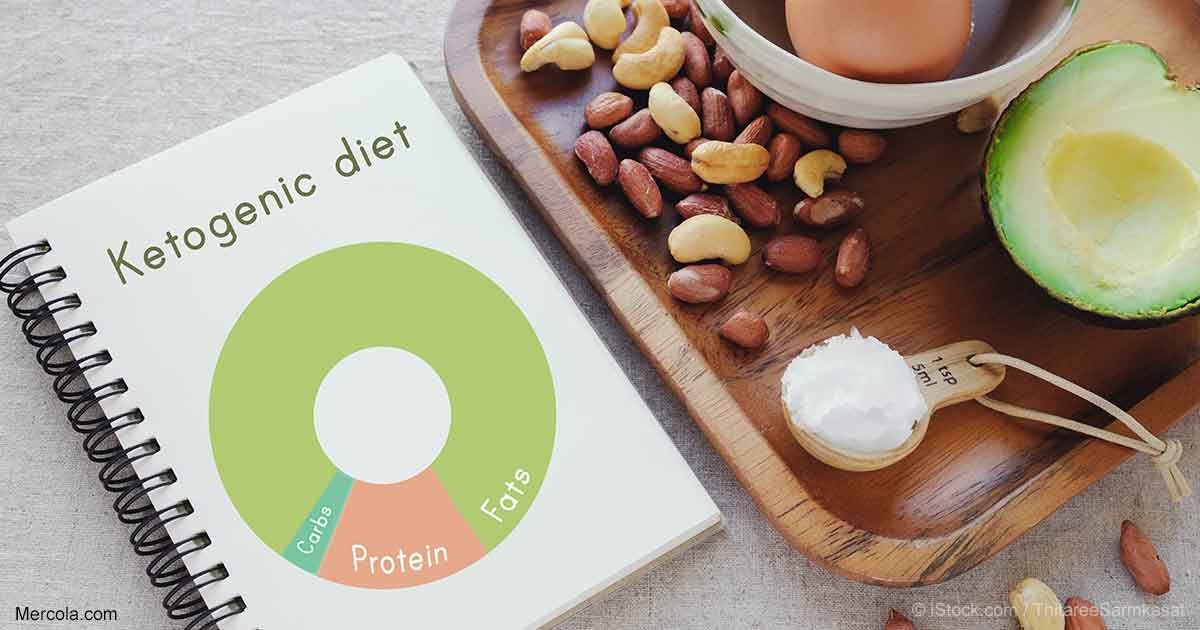
A ketogenic diet — which is very low in net carbohydrates and high in healthy fats — is key for boosting mitochondrial function. Healthy fats also play an important role in maintaining your body’s electrical system.

When your body is able to burn fat for fuel, your liver creates water-soluble fats called ketones that burn far more efficiently than carbs, thereby creating fewer reactive oxygen species (ROS) and secondary free radicals. Ketones also decrease inflammation, improve glucose metabolism1 and aid the building of muscle mass.2

International Study Confirms Fat for Fuel Premise

The benefits of a cyclical ketogenic diet are detailed in my latest bestselling book, “Fat for Fuel.”3 While the book was peer-reviewed by over a dozen health experts and scientists, a new large-scale international study (known as the international Prospective Urban Rural Epidemiology, or PURE, study4,5 ) adds further weight to the premise that high intakes of healthy fats — especially saturated fats — boost health and longevity. As reported by STAT News:6

“Its research team recorded the eating habits of 135,000 adults in 18 countries — including high-income, medium-income, and low-income nations — and followed the participants’ health for more than seven years on average. Among the PURE participants, those with the highest intake of dietary fat (35 percent of daily calories) were 23 percent less likely to have died during the study period than those with the lowest fat intake (10 percent of calories).

The rates of various cardiovascular diseases were essentially the same across fat intake, while strokes were less common among those with a high fat intake. Upending conventional wisdom, the findings for carbohydrate intake went in the opposite direction. PURE participants with the highest carbohydrate intake (77 percent of daily calories) were 28 percent more likely to have died than those with the lowest carbohydrate intake (46 percent of calories).”

Recommended Reading: Healthy Sugar Alternatives & More

Low-Fructose Diet Significantly Reduces Liver Fat in Mere Days

In related news, another recent study found a reduced-sugar diet lowered liver fat by more than 20 percent in just nine days — a reduction co-author Susan Noworolski called “unprecedented.” Processed fructose found in soda, fruit juices and processed food is a major contributor to nonalcoholic fatty liver disease (NAFLD), a condition affecting an increasing number of children. In the past two decades, NAFLD among children has more than doubled.

According to lead author Jean-Marc Schwarz, “Our study clearly shows that sugar is turned into fat, which may explain the epidemic of fatty liver in children consuming soda and food with added sugar. And we find that fatty liver is reversed by removing added fructose from our diet.”

NAFLD raises your risk for Type 2 diabetes. Conventional advice recommends a low-fat diet for Type 2 diabetics, but this and other research refutes that strategy.7 On the contrary, a high-fat, low-carb diet has been shown to improve both blood sugar levels and blood lipids.8

Dr. Robert Lustig (who was not involved in the study but has investigated the role of fructose in disease for many years) commented on the results, saying, “Many people think that fructose provides empty calories. But no, they are toxic calories because they are metabolized only in the liver, and the liver turns the excess into fat.”

Recommended Reading: Everything You Should Know About Fat

American Heart Association Has It All Wrong

In June, the American Heart Association (AHA) shocked health conscious individuals around the world by declaring coconut oil dangerous and urging people to switch from butter to margarine to protect their heart health.9 According to the AHA, replacing saturated fats with polyunsaturated fats such as margarine and vegetable oil might cut your heart disease risk by as much as 30 percent.

This is a remarkable statement when you consider that margarine and refined polyunsaturated vegetable oils10 have been scientifically identified as the fats that actually DO cause heart disease and other health problems, whereas saturated fats have been exonerated. Vegetable oils are particularly hazardous in cooking, as they produce toxic oxidation products like cyclic aldehydes when heated.

They’re also high in damaged omega-6 polyunsaturated fats. In large amounts, these fats cannot be burned for fuel. Instead, they’re incorporated into cellular and mitochondrial membranes where they are highly susceptible to oxidative damage. In short, margarines and vegetable oils are a recipe for metabolic and mitochondrial dysfunction, and there’s nothing heart healthy about that!

The AHA’s Presidential Advisory was sent out to cardiologists around the world, not just to those in the U.S. Overall, the AHA now recommends limiting your daily saturated fat intake to 6 percent of daily calories or less11 — a far cry from the 50 percent or more most people actually need for optimal health. However, it quickly became apparent that the AHA had carefully cherry-picked outdated data to support an outdated view.12

In fact, the AHA bases its ancient recommendation on decades’ old studies. The four studies they decided to focus on all date back to the 1960s and early 1970s — the eras when the low-fat myth was born and grew to take hold.

Moreover, none of these four studies actually involved coconut oil, which means the AHA is flat out making false claims when it’s identifying coconut oil as a dangerous fat. Nutritional science has made significant strides since the ’70s, and studies have repeatedly refuted the idea that high-fat diets promote heart disease. The featured study above is just the latest in a long string of such studies.

Recommended Reading: Best Cooking Oils – Health benefits, Smoke Point, Which to Use and Which to Avoid

Why Is the AHA Clinging to Outdated Science?

As for why the AHA would choose to ignore decades of scientific studies showing saturated fats have no impact on heart health is anyone’s guess, but the timing of this bold vegetable oil promotion does coincide with news about a vaccine to lower cholesterol.13,14 If people would simply eat healthy saturated fats like coconut oil and butter, there would be no need for a vaccine strategy.

Of course, there are other financial incentives as well, not to mention the basic reluctance to admit they’ve led nearly two generations of people astray with their advice, possibly harming millions. As noted by Nina Teicholz, an investigative journalist and author of “The Big Fat Surprise: Why Butter, Meat, and Cheese Belong in a Healthy Diet:”15

“To me, the AHA advisory released in June was mystifying. How could its scientists examine the same studies as I had, yet double down on an anti-saturated fat position? With a cardiologist, I went through the nuts and bolts of the AHA paper, and came to this conclusion: It was likely driven less by sound science than by longstanding bias, commercial interests and the AHA’s need to reaffirm nearly 70 years of its “heart healthy” advice …

That the AHA should be so resistant to updating its view of saturated fats, despite so much legitimate science, could simply reflect the association’s unwavering devotion to a belief it has promoted for decades. Or it could be due to its significant, longstanding reliance on funding from interested industries, such as the vegetable-oil manufacturer Procter & Gamble, maker of Crisco …

More recently, Bayer, the owner of LibertyLink soybeans, pledged up to $500,000 to the AHA, perhaps encouraged by the group’s continued support of soybean oil, by far the dominant ingredient in the “vegetable oil” consumed in America today.”

Mitochondrial Metabolic Therapy

Based on the evidence, there’s no doubt in my mind that saturated fats are vitally important for optimal health. Most people need to eat more of it, not less. In my book, “Fat for Fuel,” I expound on why these kinds of healthy fats are so important, and how implementing a cyclical ketogenic diet may help you address a wide array of ailments.

More than just a diet book, “Fat for Fuel” presents a complete Mitochondrial Metabolic Therapy (MMT) program, complemented by an online course created in collaboration with nutritionist Miriam Kalamian, who specializes in nutritional ketosis. The course, which consists of seven comprehensive lessons, teaches you the keys to fighting chronic disease and optimizing your health and longevity. If you or someone you love has cancer, it will also augment any oncological treatment you might be undergoing.

MMT merges decades of my own research with the latest science on mitochondrial health, all of which has been peer-reviewed. Worksheets, additional reading, meal planning resources and recipes, with guidelines on how to tailor the program to your unique physiology, are all included. You’ll also learn a number of other non-diet related ways to boost your mitochondrial health.

Consider Experimenting With a Water Fast

In all my clinical experience, I have never seen a more effective intervention than multi-day fasts where the only thing you consume is water and mineral supplements, and no other food or drink. I had previously been opposed to fasting if one was already at an ideal body weight. However, I failed to realize that there is metabolic magic that simply won’t occur in any other setting.

Recommended Reading: What’s the Best Water for Detoxifying and For Drinking?

I now view this type of extreme fast as taking out the trash. It allows your body to seriously upregulate autophagy and mitophagy and remove most of the damaged senescent cells in your body. This, of course, would include premalignant cells. It is a magnificent way to help cancer-proof your body. It is also outstanding for helping you achieve optimal body weight, and it can improve your health and extend your lifespan.

I think I have stumbled on an easy way to do it with minimal discomfort. I have been doing 14- to 16-hour daily intermittent fasts for 18 months, but the last two months I increased that to 20- to 21-hour fasts. I don’t think you need to do intermittent fasting for 18 months before trying water-only fasts, but I think a few months would radically decrease any negative side effects.

Interestingly, I experienced no hunger pains. I simply had no food cravings, which is extremely fascinating to me as most people who fast are really hungry on day two. I lost 10 pounds on the fast. My ketones were 5.1 and my blood sugar 45, which doubled the ketone/glucose index threshold Dr. Thomas Seyfried says is necessary to treat cancer. After the fast I feasted and had 130 grams of net carbs with sweet potatoes and fruits and extra protein.

I encourage you to consider a water-only fast. I must admit that I was afraid I would lose muscle mass, but that is not what happens when you do short day-long fasts. I actually stopped losing weight after day three as my thyroid throttled back. I know this because my lowest body temperature the last night of the fast was a full 2 degrees lower. I also had my lowest recorded heart rate that day.

I will be interviewing experts on fasting in the future to go into more detail of all the benefits that are provided, but until then, I would strongly encourage everyone to seriously consider increasing their daily intermittent fasting toward the 18- to 20-hour range so you will be able to painlessly do water fasting and then feast like a king afterward. This in an amazing ability to have, as it gives you enormous power over your environment when you won’t have to worry about eating for four days if problems happen.

The Benefits of a Cyclical Ketogenic Diet

The MMT diet is a CYCLICAL or targeted ketogenic diet, high in healthy fats and fiber, low in net carbs with a moderate amount of protein. This targeted component is important, as long-term continuous ketosis has drawbacks that may actually undermine your health and longevity. One of the primary reasons to cycle in and out of ketosis is because the “metabolic magic” in the mitochondria actually occurs during the refeeding phase, not during the starvation phase.

Related: What is a Cyclic Ketogenic Diet?

Ideally, once you have established ketosis you cycle healthy carbs back in to about 100 to 150 grams on the few days a week you do strength training. MMT has a number of really important health benefits, and may just be the U-turn you’ve been searching for if you’re struggling with excess weight or just about any chronic health condition. Some of the most important benefits of this program are:

Weight loss

By rebalancing your body’s chemistry, weight loss and/or improved weight management becomes nearly effortless. Studies have shown a ketogenic diet can double the weight lost compared to a low-fat diet.16

Reduced inflammation

When burned for fuel, dietary fat releases far fewer ROS and secondary free radicals than sugar. Ketones are also very effective histone deacetylase inhibitors that effectively reduce inflammatory responses. In fact, many drugs are being developed to address immune related inflammatory diseases that are HDAC inhibitors.

A safer and more rational strategy is to use a ketogenic diet, as it is one of the most effective ways to drive down your inflammation level through HDAC inhibition.

Reduced cancer risk

While all cells (including cancer cells) can use glucose for fuel, cancer cells lack the metabolic flexibility to use ketones, while regular cells thrive on these fats. Once your body enters a state of nutritional ketosis, cancer cells are more susceptible to being removed by your body through a process called autophagy. A cyclical ketogenic diet is a fundamental, essential tool that needs to be integrated in the management of nearly every cancer.

Increased muscle mass

Ketones spare branched-chain amino acids, thereby promoting muscle mass.17 However, make sure to implement cyclic ketosis. Chronic ketosis may eventually result in muscle loss as your body is impairing the mTOR pathway, which is important for anabolic growth. mTOR needs to be stimulated, just not consistently, as many people do with high protein diets.

Lowered insulin levels

Keeping your insulin level low helps prevent insulin resistance, Type 2 diabetes and related diseases. Research has demonstrated that diabetics who eat a low-carb ketogenic diet are able to significantly reduce their dependency on diabetes medication and may even reverse the condition.18

Lowering insulin resistance will also reduce your risk of Alzheimer’s. Recent research strengthens the link between insulin resistance and dementia even further, particularly among those with existing heart disease.19,20,21

Mental clarity

One of the first things people really notice once they start burning fat for fuel is that any former “brain fog” lifts, and they can suddenly think very clearly. As mentioned earlier, ketones are a preferred fuel for your brain; hence, the improved mental clarity.

Increased longevity

One of the reasons you can survive a long time without food is due to the process of ketosis, which spares protein breakdown.22 A fairly consistent effect seen in people on a ketogenic diet is that blood levels of leucine and other important structural proteins go up, allowing these proteins to perform a number of important signaling functions.

Ketones also mimic the life span extending properties of calorie restriction23 (fasting), which includes improved glucose metabolism; reduced inflammation; clearing out malfunctioning immune cells;24 reduced IGF-1, one of the factors that regulate growth pathways and growth genes and is a major player in accelerated aging; cellular/intracellular regeneration and rejuvenation (autophagy and mitophagy). 25

Take Control of Your Health — And Help Others Do the Same

Two-thirds of the American population are overweight or obese,26 more than half of all Americans struggle with chronic illness,27 1 in 3 women and half of all men will develop some form of cancer in their lifetime and 1 in 5 deaths in the U.S. is obesity-related.28 It doesn’t have to be this way. The evidence is clear: Excessive net carbohydrate intake is the No. 1 culprit behind skyrocketing obesity, diabetes and chronic disease rates, primarily by decimating your mitochondrial function.

To address this, you need to eat a diet that allows your body to burn fat as its primary fuel rather than sugars. My MMT program will teach you everything you need to know to safely and effectively improve your mitochondrial function, thereby regaining your health and boosting your longevity. It’s also one of the most effective ways to shed excess weight. Weight loss is simply a natural side effect of rebalancing your body’s chemistry.

I’ll be lecturing on this topic at the ACIM conference in Orlando, Florida, November 2 through 4. The event is being held at the Florida Conference and Hotel Center. If you are a physician and want to learn how you can use the ketogenic diet and other therapies for cancer, heart disease, Lyme and neurodegenerative diseases like Alzheimer’s and Parkinson’s, be sure to attend.

There will be a separate and less expensive track available to the public November 3 and 4 at the same location. Be sure to visit the conference page if you want to register for the event.

Mind Hack — How Corporations Took Over Our Bodies and Brains

(Dr. Mercola) The science is in: Processed food is addictive, can make you extremely unhappy and will prematurely kill you. How did this happen? And how have food manufacturers been able to deceive the world about these facts? Dr. Robert Lustig has written a new book, “The Hacking of the American Mind: The Science Behind the Corporate Takeover of Our Bodies and Brains,” in which he explains how and why this occurred.

He is perhaps most well-known for his brilliant research into sugar and obesity, and his previous book, “Fat Chance: Beating the Odds Against Sugar, Processed Food, Obesity, and Disease,” was a New York Times Best Seller. Lustig is an emeritus professor of pediatrics in the division of endocrinology at the University of California, San Francisco, and a member of the Institute for Health Policy Studies. Since the last time I interviewed him, he’s also completed a master’s in public health law.

Related Reading: Gluten, Candida, Leaky Gut Syndrome, and Autoimmune Diseases

https://www.youtube.com/watch?v=PRr0hrPr3xE

The Genesis of ‘Hacking of the American Mind’

The motivation for “The Hacking of the American Mind” began some 30 years ago, while still a postdoctoral fellow in neuroscience at Rockefeller University. There, he learned about the interaction between dopamine and serotonin in the brain. At the time, only basic correlational data existed, but there appeared to be a very specific interaction going on between these two neurochemicals.

“As I was researching the data for ‘Fat Chance,’ four years ago, it became very clear that the data had come in on the role of diet and behavioral health,” Lustig says. “In addition, we also now had neuroimaging studies. I realized everything was falling into place — that this issue, dopamine and serotonin, was actually at the core of what had now become our depression and opiate crises.

At the same time, I was giving Psychiatry Grand Rounds at a U.S. medical school in 2014. The woman who ran their outpatient treatment program took me on a tour of their facility. She was a recovered addict herself. She said something to me that was so jarring. She said, ‘When I was shooting up, I was happy. What my new life has brought me is pleasure.’

I thought to myself, ‘That’s wrong. That’s exactly turned around.’ But I didn’t say anything to her. I went home and talked to some psychiatry friends. They said, ‘Oh yeah, a lot of people seem to get addicted with this concept in mind.’ I said, ‘Well, there’s a book there.’ That was the genesis of this book.”

Related:

Why Processed Food Diets Fuel Depression

Tryptophan, which is the precursor for serotonin, is one of the rarest amino acids in our diet. But it’s a mistake to think the answer to depression is as simple as taking tryptophan to boost serotonin. The reason for this is because most of the tryptophan is converted to serotonin in your gut, and it does not freely travel into your brain. Lustig explains:

“Tryptophan is the only amino acid that can be converted into serotonin. Tryptophan is the rarest amino acid in our diet. Eggs have the most. Certain poultry and other avian species have some [tryptophan]. There’s very little in vegetables. Obviously, carbohydrates have virtually no tryptophan whatsoever.

It’s actually pretty hard to get tryptophan into your body to start with. Take processed food on top of that, then it’s even harder because it tends to be tryptophan-depleted. [Moreover], 99.9 percent of the tryptophan you ingest either gets turned into serotonin in the gut for your gut’s purposes, or it goes into your platelets to help your platelets help you clot. [So] very little tryptophan actually gets to the brain.

Top that off with the fact that tryptophan has to share an amino acid transporter with two relatively common amino acids: phenylalanine and tyrosine, which, by the way, are the precursors for dopamine. You can see that the more processed food you eat, the more dopamine you will make because you will have the precursors for that.

They will actually crowd out the ability to get tryptophan across the blood-brain barrier … Yet, serotonin is the nidus of contentment, of happiness. It explains why diet is so problematic … ”

Face-to-Face Interaction Has Neurochemical Effects

Many try to bolster their happiness through certain food choices, but this actually does not work, and Lustig provides compelling arguments that the foods you crave drive up dopamine and drive down serotonin. Rather, it’s experiences that make you happy. People can make you happy. You can make yourself happy. In his book, Lustig outlines a number of different strategies to become happier.

“Ultimately, the goal is [to increase] your serotonin,” he says. There are four ways to boost your serotonin, and they’re all free. They’re also things your grandmother likely told you to do. First and foremost is making human connections.

“Turns out that Facebook does not count as connection. When we’re talking about interpersonal connection, we’re talking about eye-to-eye,” Lustig says. “The facial emotions of the person you’re talking with activate a set of neurons in your brain called ‘mirror neurons,’ which are the drivers of empathy and specifically linked to serotonin.To be able to generate a feeling of empathy, which ultimately turns into contentment/happiness, you actually have to connect. You can’t do it over the internet. You can’t have a connection with ‘anonymous.’ It just doesn’t work.”

On the contrary, social media generate dopamine, associated with pleasure, and hence can drive addiction. The main problem is that when dopamine goes up, serotonin goes down. So, online communication is actually a major causative factor of unhappiness.

Lustig also elaborates on how companies — both food manufacturers and electronics companies — capitalize on the biology of dopamine versus serotonin to get us addicted to their products. There’s even a book on this topic written by Nir Eyal, called, “Hooked: How to Build Habit-Forming Products.”

Dopamine Versus Serotonin

It’s important to realize that the dopamine (or reward-generating) pathway is the same no matter what your source of pleasure is. It can be a substance, such as nicotine, alcohol, heroin or junk food; or it can be behavior, such as internet surfing, shopping or pornography. The problem, in a nutshell, is that dopamine is an excitatory neurotransmitter, and in excess is neurotoxic.

When dopamine is released, and the neuron on the other side accepts the signal, it can damage that neuron.  Over time, excitatory neurotransmitters can cause cell death. To protect itself from damage, the postsynaptic neuron employs a self-protective mechanism — it downregulates its receptors.

By having fewer receptors, the dopamine cannot do as much damage. So, each time you get a “hit” or rush of dopamine, the number of receptors decrease. As a result, you need increasingly larger doses or “hits” to get the same rush. Eventually, you end up with tolerance, a state where even a large dose produces no effect. Once the neurons start to actually die off, you’re a full-blown addict.

“The point that you need to know is that it takes three weeks for the receptors to repopulate. The cravings can go on for upwards of a year when you’re addicted. This is a long-term process that sometimes requires medical intervention and medical management by physicians who understand addiction medicine,” Lustig says.

Serotonin, on the other hand, is not an excitatory neurotransmitter. When it acts on the serotonin-1a receptor (the “contentment” receptor), no damage occurs. Hence, happiness does not lead to addictive behavior. Keep in mind that dopamine downregulates serotonin, so it’s basically impossible to achieve happiness (related to serotonin) through pleasure-seeking behavior (related to dopamine).

One of the cheapest pleasures that stimulates dopamine is sugar. Many reach for sweet junk food when they feel down, thinking it’ll help them feel better, but neurochemical science reveals this simply cannot happen. Add the stress hormone cortisol to the mix, which downregulates the serotonin-1a receptor, and you have a recipe for both addiction and depression. “That’s what we’re seeing throughout all of civilized society, not just in America, but around the world,” Lustig says.

Other Serotonin Boosters

There are three other ways, besides connecting, that boost serotonin and happiness. The remaining three of the four C’s are:

1.Contribute: Meaning the act of contributing to something greater than yourself; making a contribution to society. “You can get happiness and contentment from your job, but there are certain criteria that have to be met,” Lustig says. “Most people, unfortunately, have a boss who is not contributing to their happiness. The workplace is not usually the best place to achieve meaningful contentment.”

2.CopeLack of sleep, insufficient exercise and multitasking are all causes of unhappiness. Sleep is extremely important for healthy serotonin production. Here, avoiding exposure to electronic screens is important, as blue light inhibits melatonin production, thereby making sleep more elusive. Electronics will also disrupt your sleep and deteriorate your health by exposing you to unnecessary microwaves, discussed in this recent article on depression.

3.Cook: If you cook, you’re likely going to increase your tryptophan, reduce your refined sugar intake, and increase your omega-3 fats (anti-inflammatory) and fiber. Overall, this will result in improved gut health, which has tremendous impact on your mood and mental health.

“Numerous investigators … have shown that your gastrointestinal flora tell your brain what they want through signals that go through the bloodstream, and potentially even neural ones as well. If you do not feed your bacteria, you cannot get happy. Eating real food you prepare yourself is super important,” Lustig says.

Eating Real Food Helps Optimize Tryptophan and Other Vital Brain Nutrients

As mentioned, a big part of the happiness equation is to increase serotonin by optimizing tryptophan. However, the dilemma is that most of the serotonin produced in the gut is used there locally. It does not enter your brain. Lustig explains:

“There are many diversions for tryptophan away from the brain. It can be metabolized in the intestine itself. It can be metabolized in the platelets. It can be turned into kynurenine, which is a secondary metabolite in the liver. It may not be transported across the blood-brain barrier because of phenylalanine and tyrosine taking up the aromatic amino acid transporter.

In addition, of course, your serotonin neurons must be functional. There are things that will kill off serotonin neurons, including party drugs. For instance, MDMA, or Ecstasy, is a famous dopamine and serotonin killer … Once you’ve lost those serotonin neurons, it’s pretty hard to get any sort of happiness signal.”

So, how do you boost systemic tryptophan? One of the keys is to eat real food, and to make sure you include high-tryptophan foods, the highest of which is egg whites. You also need omega-3 fatty acids, especially DHA, which is a component of every cell in your body. More than 90 percent of the omega-3 fat found in brain tissue is DHA.

“Omega-3s are probably the single most beneficial thing you can put in your body. They are anti-inflammatory. They are anti-Alzheimer’s. They increase membrane fluidity. Therefore, they increase neuronal distensibility, which means it’s less likely that any given neuron will die,” Lustig says.

“The problem, of course, is that when we took the fat out of the food, we took ALL the fat out of the food. It’s been a real chore to get the medical cognoscenti to turn around on this. I do want to do a shoutout to the American Heart Association, because they have now debunked their long-standing cholesterol-fat hypothesis.

They now recognize that saturated fat was not the demon they made it out to be, and that there are seven classes of fats, and that you actually have to consume omega-3s. You have to consume monounsaturated fats. In fact, you do have to consume some saturated fat because it’s a major component of membranes.”

The Corporate Takeover

So, how have food companies contributed to the problems of food and drug addiction? According to Lustig, “If you look at the Supreme Court decisions that took place between the mid-‘70s and mid-‘80s, they took away individual rights and loaded up corporate rights in a very distinct fashion.” In his book, he describes four specific Supreme Court decisions, one of which basically deregulated corporate speech.

Corporations can say anything they want, whenever they want, regardless of whether it’s actually true. Our current epidemics of opioid and food addiction are outgrowths of corporate dishonesty.

“We are now seeing the advent of the post-truth society because of how the Supreme Court chipped away at our own individual rights,” Lustig says. “By doing so, corporations have affected our ability to experience pleasure and happiness. They’ve actually inserted propaganda into our limbic system, our reward generating system, so that we constantly seek reward at the expense of our own happiness.

This is why we currently live in the world we live in. The late political philosopher from Princeton, Sheldon Wolin, wrote a poignant book called ‘Democracy Incorporated: Managed Democracy and the Specter of Inverted Totalitarianism,’ [in which] he envisioned that corporations and government … would become one and the same.

If you look at what’s going on in the White House today, you can see that Wolin’s nightmare scenario has been realized. It’s fascism in the sense that we don’t seem to have a voice of our own. It’s not fascism in the sense that it’s corporations that’s told us what to do. It’s that we’ve basically abdicated our own responsibility for our own health and safety.”

The EatREAL Trust Mark

Speaking of living in a post-truth society, you might not realize there’s no regulation against restaurants blatantly lying about what they’re serving you. Larry Olmsted, in his book “Real Food/Fake Food: Why You Don’t Know What You’re Eating and What You Can Do About It,” addresses this. There are no consequences, no regulatory action, for lying to customers. The deception will only enrich them — until or unless they’re publicly outed and perhaps boycotted.

One way to protect your interests when eating out is to make sure the restaurant is affiliated with Responsible Epicurean and Agricultural Leadership, better known as EatREAL, a nonprofit Lustig helped create. It teaches restaurants what they “should be doing,” and provides a trust mark to the public — a green fork.

The High Cost of Added Sugar

Processed fructose, mostly in the form of corn syrup, has become a major contributor to the $3 trillion health care budget in the United States, and there’s clear data linking sugar consumption to de novo lipogenesis — a disease process associated with fat accumulation in the liver, causing insulin resistance, hyperinsulinemia, metabolic syndrome and associated diseases. That includes Type 2 diabetes, hypertension, lipid problems, cardiovascular disease, cancer and dementia.

“We have the mechanism by which this occurs. In fact, our paper in Gastroenterology1 demonstrates that if you take sugar out of the diet of children with metabolic syndrome and substitute starch — calorie for calorie exchange, glucose for fructose exchange with no change in calories … — in 10 days, you can reverse metabolic syndrome.

You can reverse the insulin resistance. You can reverse the liver fat. You can reverse the burden on the pancreas. Basically, all of the metabolic perturbations go away. This is the smoking gun,” Lustig says. “In addition, we have a paper in BMJ Open2 which models what could happen in terms of health care expenditures and disease rates if we reduced our sugar consumption by 20 percent, which is what taxes would do.

Or if we reduce sugar consumption by 50 percent (which is what the United States Department of Agriculture suggested we do), for nonalcoholic fatty liver disease alone … the United States, over the next 20 years, could save $103 billion, just on that disease alone. Ultimately, this is where the money goes. This is why health care will be defunct. This is why Medicare will be broke by the year 2026 …

We have to deal with health. Health is going down the tubes. There’s no amount of health care that can fix what’s wrong with our diet, unless we fix the diet first … The bottom line is we are in trouble. But you can’t fix a problem until you recognize what the problem is. This book, ‘The Hacking of the American Mind,’ demonstrates how the science, how the biology, ultimately has influenced not just our health, but in fact, our policy.”

More Information

In the past, people had a much better understanding of happiness and pleasure. Lustig’s book describes how these terms have been purposely conflated and confused by businesses and governments because it helped sales. To turn the trends of addiction around, you have to understand the difference between the two.

“So, what’s the difference between pleasure and happiness? There are seven differences: Pleasure is visceral; happiness is ethereal. Pleasure is short-term; happiness is long-term. Pleasure is usually achieved alone; happiness is usually achieved in social groupings. Pleasure is taking; happiness is giving. Pleasure can be achieved with substances; happiness cannot be achieved with substances.

The extremes of pleasure all lead to addiction, whereas there is no such thing as being addicted to happiness. Finally, pleasure is dopamine and happiness is serotonin.

Understanding the difference between the two is something, for some reason, that the American public just never got. We have to make them get it in order to turn this problem around. Academics don’t get it. Businesses don’t get it. The federal government certainly doesn’t get it. We have to make them get it. That’s why this book is so crucial.”

I couldn’t agree more, and “The Hacking of the American Mind: The Science Behind the Corporate Takeover of Our Bodies and Brains” will certainly help you understand the distinction between dopamine, serotonin and the variables that help optimize these neurotransmitters. Most importantly, the way he explains it all has the power motivate healthy behavior.

“The bottom line is it’s about the science,” Lustig says. “There will be detractors who will say this is garbage. But the bottom line is there are 600 references to the primary literature to demonstrate that this is not gobbledygook. The science actually predicts the phenomena that we see and the society we’ve become.”