LEGO Reaches 100% Renewable Energy Goal 3 Years Early

LEGO met its goal to power all offices, factories, and stores with 100% renewable energy.

(True Activist by Amanda Froelich)

Victory! After four years and an astonishing investment of $6 billion, the LEGO group achieved its goal to power all of its offices, factories, and stores worldwide with 100% renewable energy. The best part? The monumental goal was met 3 years early.

The company’s most recent investment was buying a 25% share in the Burbo Bank Extension wind farm, when went live yesterday.  Reportedly, the Liverpool, UK-based wind farm will generate clean power for more than 230,000 British households.

Said Bali Padda, CEO of the LEGO Group:

“We work to leave a positive impact on the planet and I am truly excited about the inauguration of the Burbo Bank Extension wind farm. This development means we have now reached the 100% renewable energy milestone three years ahead of target. Together with our partners, we intend to continue investing in renewable energy to help create a better future for the builders of tomorrow.”

To celebrate the achievement, the largest-ever LEGO brick wind turbine – which now holds a Guinness World Records title – was constructed. It is made out of 146,000 LEGO bricks and stands 650 feet tall. Additionally, children around the world have been encouraged to create their own renewable energy solutions.

This Hospital Is Now Dispensing Cannabis Oil To Patients

Because cannabis is safer than alcohol, and because components of the herb have been proven to remedy a number of ailments, this hospital now dispenses cannabis oil to physician-approved patients.

(True Activist by Amanda Froelich) Because marijuana is safer than alcohol and offers medicinal benefits to those who smoke and/or ingest it, Grand Cayman’s CTMH Doctors Hospital and Cayman Pharmacy group now dispense cannabis oil to physician selected patients. CNS Business reports that the establishment recognizes the medicinal applications of the herb, as studies have proven it benefits not only seizures but cancer, chronic pain, neuropathic pain, arthritis, dementia and other health-related problems. As a result, it is now being dispensed out of a Professional Pharmacy.

The hospital stated:

“These advancements in medicinal cannabis have been proven successful in multiple case studies around the world. These case studies reveal life changing results for patients suffering with many conditions such as chronic pain, neuropathic pain and seizures. As with all medications, care and caution must be exercised to minimise risks and maximise health benefits.”

Dennie Warren Jr. can be credited with ensuring patients in the Cayman Islands can receive cannabis oil as a medicine. Reportedly, he lobbied the government to change the misuse of drugs law and allow for components of cannabis to be used. Now, Warren is running for office in George Town West to call for further legislative changes so marijuana might be cultivated in the area.

Until it is legal to grow and sell marijuana in the Cayman Islands, CTMH Doctors Hospital is importing the medicine through CanniMed Therapeutics Inc., an authorized licensed producer of pharmaceutical grade cannabis oils in Canada, and Caribbean Medical Distributors Ltd CMD.
According to a press release, only a limited supply of oil will be dispensed to a small number physician selected patients. The initial phase will focus on engaging and educating the selection of patients and tracking their progress to help them achieve their desired outcomes and minimize effects.

The hospital also explained that specific cannabis oil product information will be circulated by physicians, and Professional Pharmacy will provide free and confidential patient counseling on prescriptions that are dispensed. Officials stated:

“There will be follow-up phone calls from the pharmacists themselves to closely monitor each patient. The pharmacist will also provide feedback for the physicians and together they will work towards an individually tuned treatment plan. Professional Pharmacy will consider prescriptions for cannabis oil from all licensed prescribers. Patients are encouraged to seek medical advice on this therapy directly from their physicians.”

Over 100 studies now exist proving cannabis oil can cure cancer. Additionally, thousands of anecdotes by individuals who have healed their conditions by either ingesting components of the plant (primarily CBD) or smoking it to reduce anxiety and chronic pain abound. Unfortunately, the alcohol and pharmaceutical industries are lobbying against decriminalizing the plant because its legalization would result in massive profit losses.

If you believe marijuana should be available both recreationally and medically, as the war on drugs is obviously not working, costing taxpayers a substantial amount of money, and ruining the lives of people who desire to rely on nature for their cures, share this article and comment your thoughts below!

Why the US does not have universal health care, while many other countries do

(The Conversation) The lead-up to the House passage of the American Health Care Act (AHCA) on May 4, which passed by a narrow majority after a failed first attempt, provided a glimpse into just how difficult it is to gain consensus on health care coverage.

In the aftermath of the House vote, many people have asked: Why are politicians struggling to find consensus on the AHCA instead of pursuing universal coverage? After all, most advanced industrialized countries have universal health care.

As a health policy and politics scholar, I have some ideas. Research from political science and health services points to three explanations.

No. 1: American culture is unique

One key reason is the unique political culture in America. As a nation that began on the back of immigrants with an entrepreneurial spirit and without a feudal system to ingrain a rigid social structure, Americans are more likely to be individualistic.

In other words, Americans, and conservatives in particular, have a strong belief in classical liberalism and the idea that the government should play a limited role in society. Given that universal coverage inherently clashes with this belief in individualism and limited government, it is perhaps not surprising that it has never been enacted in America even as it has been enacted elsewhere.

Public opinion certainly supports this idea. Survey research conducted by the International Social Survey Program has found that a lower percentage of Americans believe health care for the sick is a government responsibility than individuals in other advanced countries like Canada, the U.K., Germany or Sweden.

No. 2: Interest groups don’t want it

Even as American political culture helps to explain the health care debate in America, culture is far from the only reason America lacks universal coverage. Another factor that has limited debate about national health insurance is the role of interest groups in influencing the political process. The legislative battle over the content of the ACA, for example, generated US$1.2 billion in lobbying in 2009 alone.

The insurance industry was a key player in this process, spending over $100 million to help shape the ACA and keep private insurers, as opposed to the government, as the key cog in American health care.

While recent reports suggest strong opposition from interest groups to the AHCA, it is worth noting that even when confronted with a bill that many organized interests view as bad policy, universal health care has not been brought up as an alternative.

No. 3: Entitlement programs are hard in general to enact

A third reason America lacks universal health coverage and that House Republicans struggled to pass their plan even in a very conservative House chamber is that America’s political institutions make it difficult for massive entitlement programs to be enacted. As policy experts have pointed out in studies of the U.S. health system, the country doesn’t “have a comprehensive national health insurance system because American political institutions are structurally biased against this kind of comprehensive reform.”

The political system is prone to inertia, and any attempt at comprehensive reform must pass through the obstacle course of congressional committees, budget estimates, conference committees, amendments and a potential veto while opponents of reform publicly bash the bill.

Bottom line: Universal coverage unlikely to happen

Ultimately, the United States remains one of the only advanced industrialized nations without a comprehensive national health insurance system and with little prospect for one developing under President Trump or even subsequent presidents because of the many ways America is exceptional.

Its culture is unusually individualistic, favoring personal over government responsibility; lobbyists are particularly active, spending billions to ensure that private insurers maintain their status in the health system; and our institutions are designed in a manner that limits major social policy changes from happening.

As long as the reasons above remain, there is little reason to expect universal coverage in America anytime soon.

Recommended Reading:

How to Build a Rain Garden Step-by-Step & Why It Helps Protect the Environment

Rainwater harvesting is one of the most important things anyone can do to help preserve our environment. We don’t have an unlimited amount of fresh water at the moment. Plus, rainwater that runs off your roof is better off being used than running down the drain. Roof rainwater is typically filled with heavy metals and chemicals that leach from roofing materials, animal droppings, and many other pollutants. This polluted water will make its way down the drains and into our rivers.

Rain Gardens Are the Perfect Solution

Rain gardens allow homeowners to collect rainwater, put it to good use by growing beautiful plants, ensure that it is conserved in the ground and filtered before it passes into lakes, rivers, and the groundwater. Water can be diverted from driveways and roofs into the rain garden, plus the way the garden is designed will mean most water in a storm will naturally flow into them instead of ending up in places that could hurt our health.

We’re going to look at the steps you need to take to create one, but first, make sure your tool shed is in order. You’ll need tools, so ensure the clutter is gone so you can find them and they’re all stored away neatly. Once you’re done we’ll proceed to focus on the individual steps you need to take.

A quick Step-by-Step Guide to Building a Rain Garden

1 – Choose Your Location

Make sure your rain garden is at least 10 feet away from your home, plus it should be at a low point in the ground to help it attract water naturally. The downspout on your house and garden shed should be able to reach it too. This can easily be achieved with downspout extenders for short distances and non-perforated drain tile for longer distances. Another option is to collect the water in large barrels or troughs straight from the gutters. The disadvantage is that you’ll have to hand-carry water in smaller buckets to the garden. The advantage is that you won’t have a large volume of water rushing into your garden during a storm, damaging plants, washing away soil and defeating the environmental purposes for your rain garden. Controlled watering from a container with a dispersing head produces gentler watering that is targeted and less wasteful.

  • Downspout extenders ($12-$25 each)
  • A 50-foot coil of drain tile ($24-$30 each)
  • 50-gallon rain barrel with lid ($35-$70)

2 – Ensure It’s Large Enough

When you’re collecting water from a roof it’s going to have a big surface area, so you want your rain garden to handle it easily. You’ll have to work out if the area is large enough while taking the type of soil into account.

3 – Designing Your Rain Garden

You’re not just trying to protect the environment at the expense of your beautiful garden. The rain garden needs to be attractive too, which will mean sitting down with a piece of paper and coming up with the perfect design.

  • Graph paper pad ($4-$6)

4 – Choosing Specific Plants

The same kind of thing applies when you’re choosing plants. You want to pick the ones that will make your garden more aesthetically pleasing. One big piece of advice is to use native plants as they’ll be able to handle the environment. The experts at your local gardening center will assist you in selecting native plants that will do well in local soils. Consider digging a hole and selecting samples from the topsoil and underlying soil layers to take with you for the plant expert to inspect.

5 – Start Mapping It Out

Now you will have to create the shape you plan on using based on your previous design work. It needs to be mapped before you do anything else. It’s also worth finding out at this point if there is anything like pipes underground. In the US and Canada, use the Call 811 service, and someone from the local utility company, usually at no charge, will locate and mark pipes and wiring on your property, so you can avoid the danger and damage of hitting them.

  • 22-foot tape steel tape measure or 50-foot fiberglass tape, depending on the size of your project ($4-$24)
  • Wood marking stakes ($4-$8 per bundle)
  • Sisal for outlining garden boundaries before digging ($3-$5)

6 – Now It’s Time to Dig and Fill

Once you’re sure everything is clear you’ll be able to start digging the soil away. You want to make sure you dig between 4-8 inches deep and measure it just in case. Use some of the soil if you want to build a berm around the edge. If your soil is clayey, this depth will likely be sufficient. If you have sandy soil, especially where your climate is dry, consider digging down 12 inches and lining the bottom of the garden bed with rotting timber from nearby woods or locally purchased firewood. This is an eco-friendly permaculture technique like hügelkultur but in bed form. Timbers absorb water, requiring far less watering of the space should little rainfall. The humus and nutrients produced by the rotting wood encourage plant health too. In sandy soil, a layer of clay can be effective for water retention and for filtering pollutants. Soil scientist Gary M. Pierzynski of Kansas State University says, “Many soil clay particles have a negative charge and will attract any constituents in the water that have a positive charge (e.g., some heavy metals, salts, organic chemicals, and pesticides).”  Minimizing the negative impact of these contaminants on the soil and groundwater is a primary reason for building a rain garden, of course.

  • Locally sourced firewood ($50-$70 per cord, sufficient for a 10’x20’ garden bed)

7 – Getting the Soil Ready

You’ll want to add 2-3 inches of compost into the hole you’ve dug, but it will also need to be mixed in with most of the soil until the ground is level again. You need to ensure you mix everything together properly. The greenest source of compost is your own yard and non-meat food waste. Fruit and vegetable rinds, seeds, egg shells, bread, grass cuttings, tree pruning waste and much more can be composted. Here’s a comprehensive list of things you should and should not compost and instructions to guide you.

8 – Planting Your Flowers

Go back to the design you came up with earlier, and lay your plants in the ground. Make sure they are roughly 12 inches apart. Once they’re safely in the ground you can use your hand trowel to put flowers and grasses into the spaces.

9 – Mulching the Rain Garden

When you’re mulching it’s good to use coarse wood chips as they won’t fly away when the weather gets bad. It should be around 2 inches deep once you’re finished, which will help to lock all the moisture in.

Conclusion

Let’s summarize the many advantages of harvesting rainwater that falls on your roof.

  • The polluted water is diverted from storm drains that empty into lakes and streams
  • It can be filtered through soil before entering groundwater
  • Water can be conserved in a permaculture garden so that fresh water isn’t required for keeping the garden green and growing
  • Research shows that, with specific precautions, harvested rainwater can be used to grow edibles

If you’re looking for a project that is good for people and the planet, planting a permaculture-based garden and watering it with harvested rainwater is a very earth-friendly choice.

Editor’s Note

There are some roofs, even some asphalt roofs, where the water can be collected and then be filtered and used as drinking water. It may be worth some research and lab testing. Before you use rainwater collected from a roof in a food garden, and especially for drinking, it is usually a good idea to get it tested.

Related reading:
Sources:
Compost list:

Ditch Tampons – Sustainable and Healthy Menstrual Cycle Tips

Let’s be real. No one looks forward to getting their period. In all honesty, the entire process is a messy, unpleasant business that leads to overflowing trash cans and last minute runs to the store to stock up on more panty liners. At the end of every cycle it’s all you can do to let out a sigh of relief while waiting for the next visit to strike in a matter of weeks.

If you think the pain of this disposal will only be felt by your trash can, think again. Your period is more expensive than you know. Spending just $5 a month on disposable period products (a very conservative estimate) will cost you close to $3,000 over the course of your menstruating life. My guess is that there are plenty of ways you’d rather spend your hard earned cash than dumping it in the bin.

The Environment and Your Tampon: A Bad Combination

But there’s more to worry about with your period than staining your favorite pair of underwear. In truth, your easy access to modern period-care products is coming at a sinister cost for the environment. The average woman uses more than 16,000 pads and tampons throughout her lifetime, creating more than 300 pounds of plastic that will never truly go away. Multiply that figure by the 3.5 billion woman on the planet today, and you have roughly 12 billion sanitary pads and 7 billion tampons winding up in landfills every year. It doesn’t take a lot of imagination to realize this is a major problem.

The problems with your period products go far beyond their disposal issues. It turns out that many pads contain special chemicals that make them extremely efficient at absorbing fluids, often up to 10 times over their weight. While this is a great way to keep leaks in check, these chemicals come in some crazy combinations, and far too little research has been conducted concerning their effects on the environment, much less your body. Until these chemicals can be thoroughly studied (which is unlikely to happen anytime soon), your best solution is to keep them away from your skin.

Cotton Is Not Your Friend. Here’s Why.

Cotton commercials are amazing, aren’t they? Pretty women dancing in snow-white fields, their cotton skirts twirling in perfect sync with them. Life would certainly be better if this was an accurate depiction of the cotton industry, but the truth couldn’t be more different. Most tampons actually contain rayon, not cotton (a synthetic fiber that is known for drying out the vaginal wall), but the ones made from cotton are hardly better.

In fact, cotton is one of the dirtiest GMO crops on the planet. Four out of the five common pesticides used on cotton have been found to have adverse environmental impacts, and Aldicarb, a common insecticide, is known for being a real nightmare for the natural world when it mixes with wildlife and wetland systems. If these growing conditions aren’t bad enough, commercial cotton goes through some equally damaging post-processing that leaves it chlorinated, bleached, and re-treated with pesticides before you get the pleasure of putting it next to one of the most intimate parts of your body.

Putting Your Body at Risk For No Good Reason

There are an awful lot of weird plastics in pads and tampons, many of which contain chemicals that no one fully understands. Some of these chemicals, like BPA and BPS have been found to change the ways that embryos develop in the womb while also increasing your risk of developing certain types of cancer and even heart disease. Phtalates, a chemical found in many tampons, has been known to affect the way the body expresses genes, and it has occasionally even lead to organ failure.

Take a moment to think about the logic of placing plastic-based, largely untested synthetic products right at the most sensitive part of your body. There’s no way to justify it! The skin around female reproductive organs is extremely thin, meaning your blood vessels run right up against the surface. Skin is surprisingly permeable, which makes it simple for the synthetic chemicals in your pads and tampons to be absorbed into your bloodstream and travel throughout your body. In the same way that a tobacco patch floods your bloodstream with a taste of nicotine, your synthetic pads are slowly leaking a cocktail of chemicals into every corner of your body.

Choosing Natural Alternatives For Your Period

When you look at the facts, there’s not a lot to like about conventional period products. However, the good news is that companies around the world have woken up to this fact and have created a vast array of alternative products that keep your body safe while reducing your impact on the environment. Best of all, most of these products are reusable for months, even years, meaning that you’ll save gobs of money after your one-time investment to buy them.

Are you ready to ditch your disposables and enjoy some alternative period products? Here are some of the latest options.

Period-Safe Underwear

Sometimes it takes a little out of the box thinking to find the best period solution for you. Thankfully, many clothing companies are doing just that, and innovative new underwear is beginning to change the game for good. THINX underwear is designed to be period safe, and its built with an absorbent layer that keeps leaks in check all day long. Different pairs even have different absorbency levels, meaning it’s possible to wear underwear with the carrying capacity of two tampons. Because they look and feel just like any other pair of underwear, period safe undies are a comfortable, discrete way to keep your cycle in check.

Reusable Pads

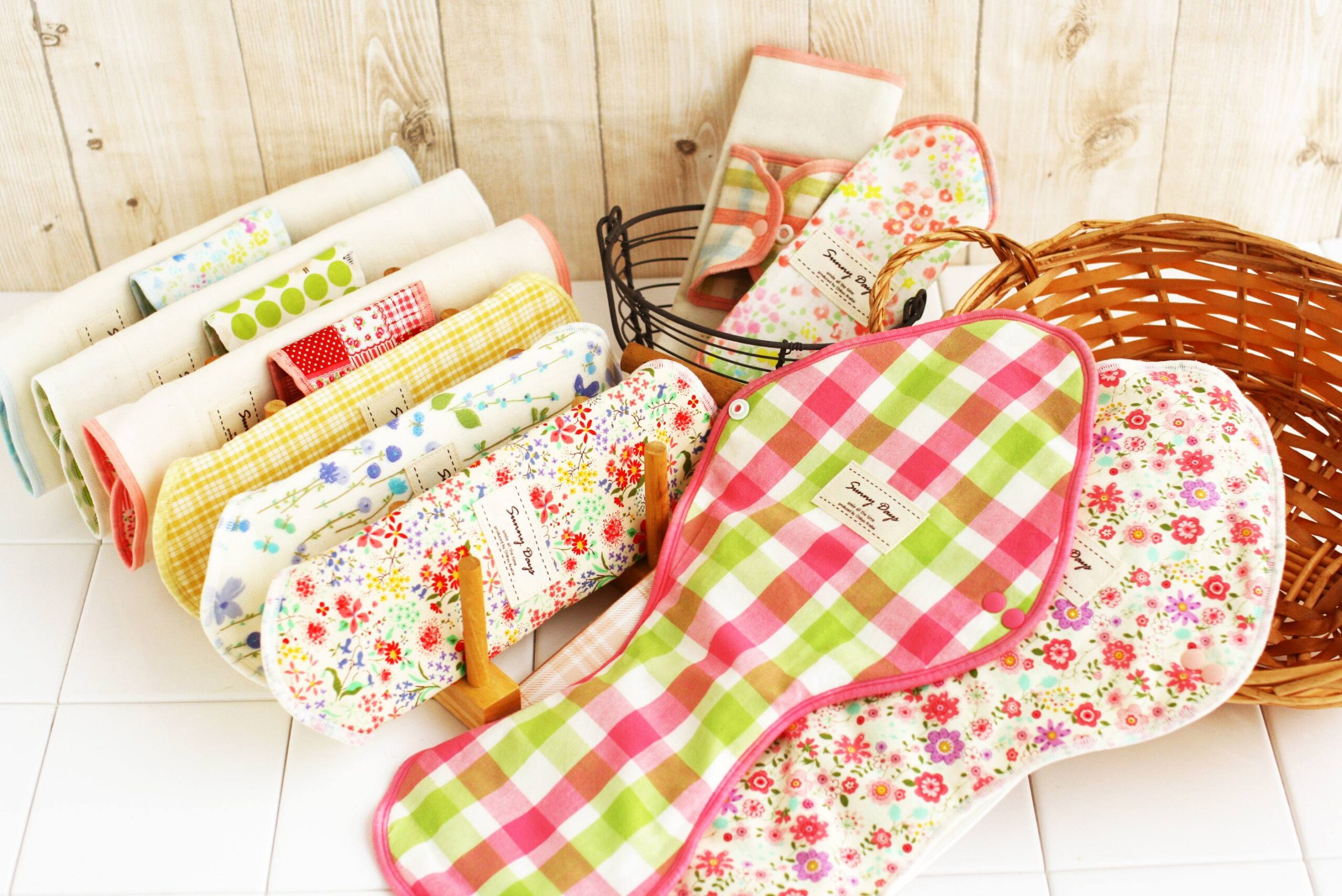
The idea might sound gross at first, but hear it out. Reusable pads are as simple as they seem; they are cloth (often organic cotton) pads that can be washed between uses to keep you stocked up for every occasion. Not only are reusable pads often more absorbent than regular ones, they are far more comfortable. In most cases, reusable pads come in three pieces that include a holder and two inserts, making it simple to change up the absorbency depending on how heavy your cycle is. While it costs a lot to buy enough reusable pads to last throughout your entire period, the money you spend is a one-time investment because these pads can be used for years to come without any extra expense.

While these pads are handy to have available, a big disadvantage is that they need to be carefully washed. Before tossing the liners into the washing machine, they need to be soaked in cold water, and if you find yourself putting off laundry, day you might come up short on supplies by the end of your period.

Menstrual Cups

If you haven’t already been introduced into the wonderful world of menstrual cups, be prepared to change the way you deal with your period forever. While they look like a simple substitute for tampons, menstrual cups are actually far more useful. There are plenty of brands of menstrual cups available, but in most cases they are silicone cups that are easy to fold up and insert right at the base of the vagina. When inserted, menstrual cups create a seal that keeps them in place and allows them to collect period blood without leaking for up to twelve hours. When the cup needs to get changed, all you need to do is pull it out, empty it in the toilet, wash it out and stick it right back in. After a few uses, most women find their menstrual cups as simple to use as tampons once were- and far more convenient.

When you use a menstrual cup, your purse will never again be filled with annoying tampons, and you’ll never need to worry about getting caught unprepared. Small, easily packable and simple to wash at the end of your period, you’ll never want to switch back to regular products. Best of all, most cups cost less than $30 and will last a decade or more. Your wallet will be fuller and landfills will stay a little emptier, thanks to the fact that your dirty pads are no longer landing in them.

Softcups Cups

If you’re eager to try out a tampon alternative but aren’t sure you’re ready to commit for the next ten years, a Softcup is a smart option for trying them out. Like most menstrual cups, softcups are flexible menstrual discs that are worn right at the base of your cervix. Rather than absorbing your flow like a tampon does, softcups collect it and can be dumped out when they get full. Unlike other menstrual cups though, softcups are single use.

While you won’t be reducing as much trash as you would from sticking to strictly reusable products, softcups are a great in-between menstrual option that will allow you to experiment with alternatives without investing in pricy products. Also, because they are made from medical grade material made with elastomers, they eliminate any chance of developing toxic shock syndrome. Best of all, softcups can be worn for more than 12 hours, making it effortless to go hours without thinking about your period.

Conclusion

There’s no reason to pollute the planet every month just because you’re on your period. There are plenty of alternatives to conventional menstrual products that are made from natural products, reusable for years, and so comfortable you’ll forget you’re even on your period. If you’re ready to try out some alternatives to your icky pads and dangerous tampons, take the time to give some of these alternatives a try.

Related Reading:
Sources: