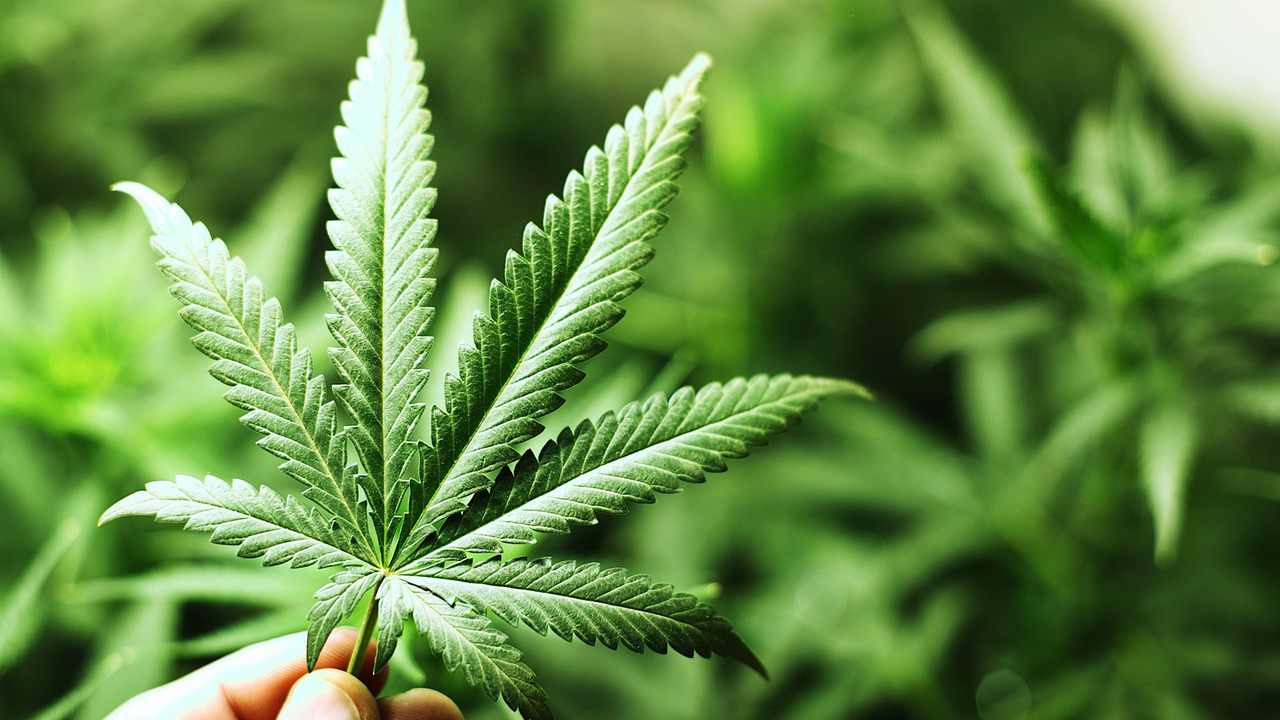
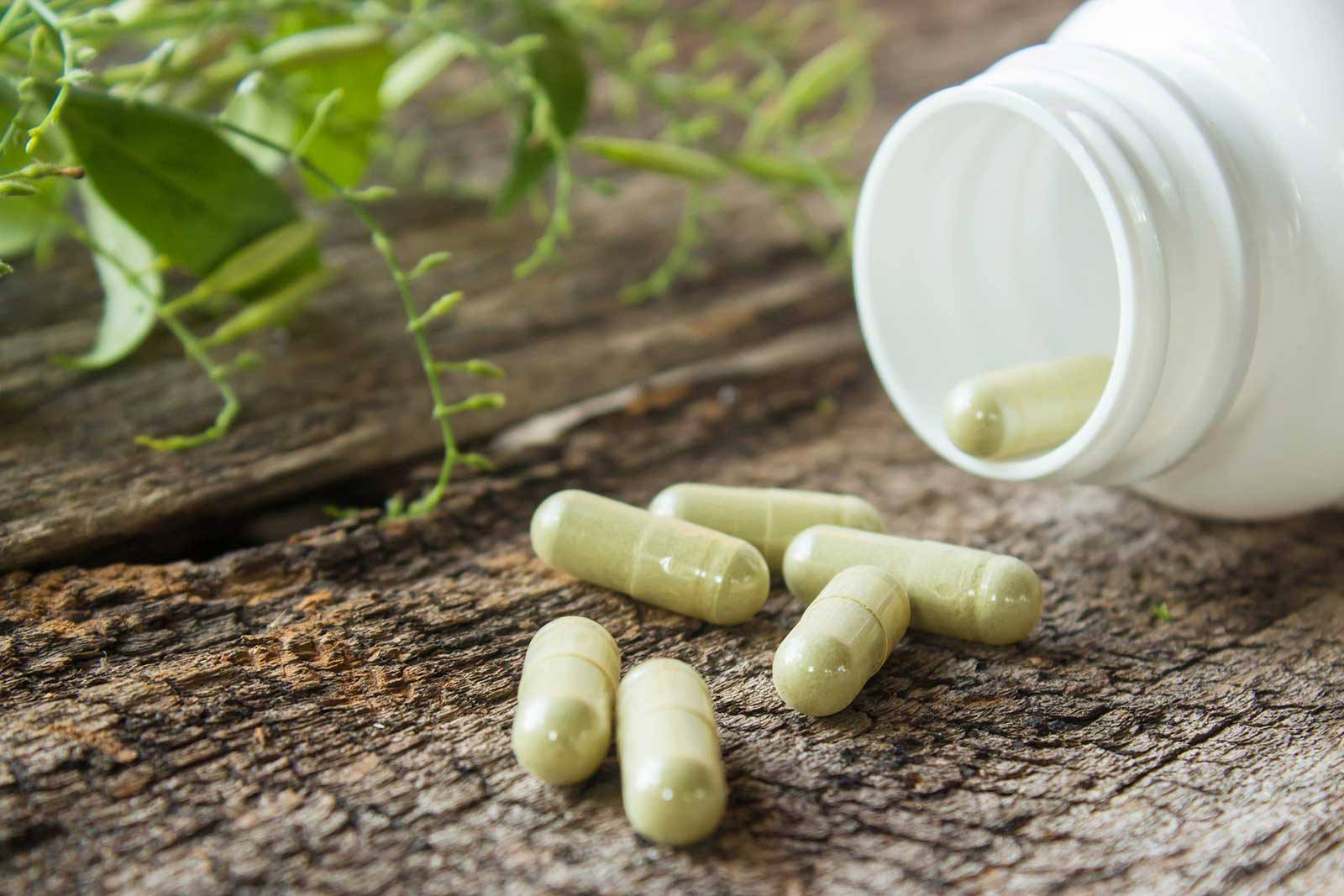
Marijuana Advisor To Sessions Wants To Drug Test Everyone

Drug Test

(Natural Blaze by Heather Callaghan)  “We want [drug screens] to be routine in all medicine…” It’s bad enough in 2018 that the war on drugs still exists in the deluded minds of government higher-ups, just as some states begin to legalize recreational marijuana. And just as they do, Attorney General Jeff Sessions dropped the bomb that the Federal Government ended its leniency toward states’ rights for medical marijuanaThus, we devolve as a nation.

But the biggest blow to Americans was when Sessions’ DEA, although going after marijuana as a dangerous substance – in essence gave a Pharma opioid maker the rights to a partial national monopoly on synthetic THC!

What’s worse, it looks like the War on Drugs has just collided with Mad Medicine.

Herb.co reports:

A top-level advisor to Attorney General Jeff Sessions wants doctors to drug test all their patients, and to force users, they suspect of addiction into rehabilitation against their will. If Robert DuPont gets his way, drug testing could become a required part of your visit to the doctor.

DuPont, 81, is one of a small group of drug-policy “experts” Sessions invited to a closed meeting last month to discuss federal response to marijuana legalization. He is one of the most hardline and influential architects of the Drug War, having started out in the 1970s as a liberal on the drug control issue. But by the 1980s DuPont had taken a hard right turn, popularizing the long-debunked claim that cannabis is a “gateway drug.”

DuPont wants to force people into treatment for up to 5 years.

In an interview last year, DuPont pushed for expanding drug testing. His idea includes having physicians force patients whom they believe to have substance abuse problems to submit to drug tests, or lengthy stays in treatment facilities reportsNewsweek.

“Among other things, he proposed giving doctors the authority to compel suspected substance abusers into treatment against their will,” reportsThe Daily Beast. “Once in treatment, patients could face up to five years of monitoring, including random drug tests.”

“We want [drug screens] to be routine in all medicine,” DuPont said. “Doctors already check for things like cholesterol and blood sugar, why not test for illicit drugs? Right now the public thinks that if we provide treatment the addicts will come and get well … that’s not true. So let’s use the leverage of the criminal justice system.”

It is quite the understatement to say that America has been ejected right off that proverbial slippery slope. Can you imagine anything more invasive when modern medicine and drug laws are already so intrusive?

DuPont doesn’t even want to try treatment but views all drug use as a forbidden crime for which there must be government intervention.

In 2010, he penned a national model bill that “called on cops to test anyone stopped for suspicion of driving under the influence for all controlled substances, and arresting them on the spot if the slightest trace showed up — regardless of the amount. While the bill includes an exemption for drivers with prescriptions, cannabis users would still get busted. Medical-marijuana patients don’t have prescriptions (due to federal law), just doctor recommendations.”

That bill would not only punish legal medical marijuana patients in states which permit its use, but anyone for any substance that is legal to consume – even alcohol or medicine. Any failure of a bodily drug test would constitute possession of the substance!

So with DuPont’s ideas, we could look forward to a nation of forced drug testing, invasive extraction of bodily fluids, zero tolerance of substances including alcohol or cold medicine, instant arrests and federal charges of crimes for any deviation. Bye, bye 4th Amendment.

A few notable things about DuPont:

  • He was the former drug czar to Richard Nixon.
  • Vaguely warned The Washington Post the marijuana would have “horrendous” effects on society.
  • Although serving for the National Institute on Drug Abuse (NIDA) he later had ties to the drug-testing industry. (source)
  • “In 2000, he appeared before the federal Food and Drug Administration, pushing for expanded hair follicle testing.” ! (source)
  • Yes, it is and would be financially gainful for him to continue opposing friendly cannabis legislation. He was a ” paid consultant and shareholder in Psychemedics, which offered costly hair testing analysis.”

What else can we say? Whereas the state laws allowing cannabis freedom were a breath of fresh air in the midst of a war on freedom – we are heading back to the dinosaurs where the breath of aging, drug-war addled elites whispers into the ear of the Attorney General. President Trump is strangely absent from these conflicts.

Recommended Reading:

Who Does The Childhood Vaccine Injury Act Protect?

(Natural Blaze) The laws of a country are, generally, designed to protect its citizens. How this ideal is interpreted is a topic of debate in various circles, but its goal is lofty, if not quite perfect. Of specific necessity are laws aimed at protecting children, including child abuse, welfare, and labor laws. Of zero necessity, in my view, is the National Childhood Vaccine Injury Act(NCVIA), which sounds like it has the best interests of this nation’s young citizens in mind, but actually serves a much different purpose.

Congress passed the NCVIA in 1986, and President Ronald Reagan signed it into law soon after. Taken at face value, the law has some admirable provisions: it established improved communication regarding vaccines across all Department of Health and Human Service agencies; required health care providers who administer vaccines to provide a vaccine information statement to the person getting the vaccine or his or her guardian; and established a committee from the Institute of Medicine to review the literature on vaccine reactions.

 Recommended Reading: How to Detoxify from Vaccinations & Heavy Metals

Dig a little deeper, however, and the NCVIA does less to protect patients than it does drug companies making vaccines. When Reagan signed the NCVIA, he also created the National Vaccine Injury Compensation Program (VICP), which allows anyone—children and adults—who have suffered an injury (or worse) following a vaccination to file a claim. To date, it has paid out nearly $4 billion in compensation since 1988, including the 2008 case of Hannah Poling, whose family received more than $1.5 million in a landmark court award for a vaccine-autism claim.

Lifting liability

While this might sound like a good thing, one must read between the lines. The NCVIA also sets limits on the liability of vaccine manufacturers. They don’t have to pay a dime, in most cases, if someone is injured as a result of a product they make. Is there any other industry afforded such immunity? The pharmaceutical industry makes billions of dollars annually producing, promoting, and injecting a product that is known to injure people in myriad ways, and bears zero responsibility when a child—or an adult—suffers as a result.

The system is broken, and it’s why the founders of the nonprofit National Vaccine Information Center (NVIC), which worked with Congress in the 1980s to get the NCVIA passed, began calling in 2015 for its repeal. In a press release, NVIC co-founder Barbara Loe Fisher noted that the federal vaccine injury compensation program has become “a drug company stockholder’s dream and a parent’s worst nightmare.” In the same document, co-founder Kathi Williams argues that the provisions that their organization helped secure in the law are not being enforced, and most children getting government-recommended vaccines are denied vaccine injury compensation.

That zero liability rests on the vaccine manufacturers is a travesty of epic proportions.
Recommended Reading: How Plumbing (Not Vaccines) Eradicated Disease 

I echo their calls for repeal. Children are given between 53 and 56 vaccine doses containing 177 to 232 antigens between birth and age 18. Vaccine reactions range from a mild fever, muscle/joint pain, and injection site swelling to seizures, trouble breathing, vomiting, and permanent brain damage. Though considered “rare” by the U.S. Centers for Disease Control and Prevention, these more serious effects admittedly occur, and people suffer. That zero liability rests on the vaccine manufacturers is a travesty of epic proportions.

And yet, is anyone truly surprised? This is the same cast of characters that knowingly inserts neurotoxins such as mercury and aluminum into its products, and uses advertising and public awareness campaigns to further enrich themselves and ensure that vaccine injury stories are never shown to the public.

Vaccines and vaccine safety are emotionally charged issues. But setting aside the history of this controversy and its consequences, the passage of NCVIA raises an overarching issue that should concern consumers of any product, vaccine or otherwise.

Perhaps not surprisingly, vaccine safety deteriorated when consumers were no longer able to sue vaccine manufacturers.

Safety vs. profit

 A 2017 study published in the Review of Industrial Organization looked at whether removing the right to sue—called “delitigation”—affects product safety, and highlighted specifically the effects of NCVIA on the vaccine industry. Perhaps not surprisingly, vaccine safety deteriorated when consumers were no longer able to sue vaccine manufacturers.

Author Gayle DeLong, PhD, an economist at Baruch College, attributes this decrease in safety to the expanded array of vaccines allowed by NCVIA, and argues that some vaccines likely never would have been developed at all if consumers had retained the right to sue. Losing the ability to sue companies for bad products results in the production of more bad products, or maybe not as many good ones, because the companies are inoculated from harm.

The VICP is a no-fault program designed specifically and intentionally to shield vaccine manufacturers, rather than protect the people harmed by vaccines. This system has lined the pockets of pharmaceutical companies for decades, while simultaneously giving them the green light to continue making unsafe vaccines that put people—particularly children—at risk for lifelong, serious health problems and even death.

Rewarding bad behavior

Rather than continue under an arrangement that essentially rewards bad behavior, NCVIA should be repealed and eventually replaced with more thoughtful legislation regarding vaccines. Given the sheer number of things with which we inject millions of children on a daily basis in this country, shouldn’t someone be held responsible when things go awry? The knee-jerk reaction of our government shouldn’t be to protect the entity that is hurting people. It should be to clearly and concisely articulate how vaccines can be made safer, and penalize those who don’t comply.

Recommended Reading: Vaccine Propaganda Vs Vaccine Truth

We all try to take personal responsibility in our lives, whether for our own actions or for those of our children. We try to teach them right from wrong, to admit when they’ve done something they shouldn’t have, and show them how to correct it. It’s unfortunate that the same standards that apply to seven-year-olds don’t apply to pharmaceutical companies.

Big Sugar Buried Evidence to Hide Sugar Harms

(Dr. Mercola) A number of recent investigations have revealed a significant truth: The sugar industry has long known that sugar consumption triggers poor health, but hid the incriminating data, much like the tobacco industry hid the evidence linking smoking to lung cancer. The most recent of these investigations, based on unearthed historical documents, found the sugar industry buried evidence from the 1960s that linked sugar consumption to heart disease and cancer.

The research didn’t see the light of day again until Cristin E. Kearns, assistant professor at UCSF School of Dentistry, discovered caches of internal industry documents stashed in the archives at several universities. The unearthing of these documents has resulted in three separate papers showing how the industry has systematically misled the public and public health officials about the dangers of sugar.

Emails obtained by Freedom of Information Act requests have also revealed Coca-Cola’s corporate plan to counter dietary warnings against soda consumption — tactics that include reshaping existing data and creating new studies, working with scientific organizations and influencing policymakers.1 All in all, the evidence clearly reveals that the food industry has but one chief aim, and that is to make money, no matter what the cost to human health.

Related: Fungal Infections – How to Eliminate Yeast, Candida, and Mold Infections For Good

Sugar Industry Influenced Dietary Recommendations

In 2016, Kearns and colleagues published a paper2 in the Journal of the American Medical Association (JAMA) Internal Medicine, detailing the sugar industry’s influence on dietary recommendations. In it, they revealed how the industry has spent decades manipulating, molding and guiding nutritional research to exonerate sugar and shift the blame to saturated fat instead. As reported by The New York Times:3

“The documents show that a trade group called the Sugar Research Foundation, known today as the Sugar Association, paid three Harvard scientists the equivalent of about $50,000 in today’s dollars to publish a 1967 review of research on sugar, fat and heart disease.

The studies used in the review were handpicked by the sugar group, and the article,4 which was published in the prestigious New England Journal of Medicine, minimized the link between sugar and heart health and cast aspersions on the role of saturated fat. Even though the influence-peddling revealed in the documents dates back nearly 50 years, more recent reports show that the food industry has continued to influence nutrition science.”

Kearns also partnered with science journalist and author Gary Taubes to write the exposé “Big Sugar’s Sweet Little Lies.”5 In it, the pair notes that one of the primary strategies used by the industry has been to simply shed doubt on studies suggesting sugar is harmful. This stalling tactic, where more research is called for before a conclusion is made, has worked like a charm for five decades. Industry-funded scientists who served on federal panels also made sure the panels relied on industry-funded studies that exonerated sugar.

Industry Buried Research Linking Sugar to Heart Disease and Cancer

Related: Healthy Sugar Alternatives & More

The latest paper6,7,8 based on the historical documents Kearns unearthed was published in PLOS Biology on November 21. Here, Kearns and colleagues focus on industry research linking sucrose to hyperlipidemia and cancer, and how and why this research was ultimately buried. In 1968, the Sugar Research Foundation, which later became the Sugar Association, funded an animal project to determine sugar’s impact on heart health.

Considering what we know today, it’s no surprise to learn the study showed that sugar promotes heart disease. However, the mechanism of action suggested sugar might also cause bladder cancer. At that point, the study was shut down. The results were never published. Co-author Stanton Glantz, professor of medicine at UCSF, told The New York Times9 this latest report continues “to build the case that the sugar industry has a long history of manipulating science.”

In a public statement,10 the Sugar Association rejected the report, calling it “a collection of speculations and assumptions about events that happened nearly five decades ago, conducted by a group of researchers and funded by individuals and organizations that are known critics of the sugar industry.” According to the association, which confirmed the existence of the study, the research was shut down not because of adverse results, but because of delays that made it go over budget.

Industry Maintains Sugar Is Part of ‘Balanced’ Lifestyle

The Sugar Association also boldly proclaims that, “We know that sugar consumed in moderation is part of a balanced lifestyle …” But is it really though? And what is a “balanced” lifestyle anyway? Half poison, half healthy nutrition? I don’t know about you, but to me that’s not a prescription for a healthy lifestyle. That’s like saying that smoking in moderation is part of a healthy, balanced lifestyle — a claim few would fall for these days.

Here’s just one recent example of what that kind of “balanced” lifestyle achieves. UCSF researchers concluded children who drink sugary beverages have shorter than average telomeres, which is associated with higher risk of chronic disease and reduced life span.11According to the author:

Even at relatively low levels of sugared-beverage consumption, we found that how often these young children drank sugar-sweetened beverages was associated with telomere length, mirroring the relationship that has been found in some studies of adults.”

Big Sugar, Big Tobacco

The 1960s sugar industry campaign aimed at countering “negative attitudes toward sugar” by funding studies showing favorable results was led by John Hickson, a Sugar Association executive who went on to work for the Cigar Research Council. As noted in The New York Times:12

As part of the sugar industry campaign, Mr. Hickson secretly paid two influential Harvard scientists to publish a major review paper in 1967 that minimized the link between sugar and heart health and shifted blame to saturated fat … Hickson left the sugar industry in the early 1970s to work for the Cigar Research Council, a tobacco industry organization.

In 1972, an internal tobacco industry memo on Mr. Hickson noted that he had a reputation for manipulating science to achieve his goals. The confidential tobacco memo described Mr. Hickson as ‘a supreme scientific politician who had been successful in condemning cyclamates, on behalf of the Sugar Research Council, on somewhat shaky evidence.’”

While the Sugar Association claims13 it “has embraced scientific research … to learn as much as possible about sugar, diet and health,” and “will always advocate for and respect any comprehensive, peer-reviewed scientific research that provides insights,” in the real world, the industry has consistently condemned or downplayed evidence of harm, despite the overwhelming amount of such evidence.

Related: How to Kill Fungal infections

Once you know how the game is played, you start seeing pages from the game book in action everywhere you look. Case in point: While concerns about obesity grow, Coca-Cola is now shifting its corporate health initiative from the failed promotion of exercise, back to the solidly refuted idea that “all calories count” and that you can manage your weight by counting of calories.14 Both of these strategies conveniently circumvent the truth that drinking less soda, or none at all, will improve your health, even if you do nothing else.

The fact is, you cannot compare calories from an avocado and calories from soda, and reducing intake of nutritious food to squeeze in sugary beverages while maintaining a certain calorie count is not going to do your health any favors. Soda companies are also eyeing new markets where soda consumption is low,15 now that Western consumers are starting to catch on to the fact that sugar is a major driver of obesity and ill health. This includes China, India and Mexico.16

Failure to Publish Project 259 Hid Carcinogenic Potential

While Hickson was still working for the Sugar Association, studies emerged suggesting sugar calories were more detrimental to health than calories from starchy carbs like grains and potatoes. He suspected this effect might be related to the way gut microbes metabolize sugar and other carbs. To investigate this link, the association launched Project 259, to assess how animals lacking gut bacteria would respond to sugar and starches, compared to animals with normal microbiomes.

The research was led by WFR Pover, a researcher at the University of Birmingham in the U.K, who was paid the equivalent of $187,000 in today’s currency to perform the study. The initial results, detailed in a 1969 internal report, showed that rats fed sucrose produced high levels of beta-glucuronidase, an enzyme associated with both arterial hardening and bladder cancer. According to the internal report, “This is one of the first demonstrations of a biological difference between sucrose and starch fed rats.”

Pover also found that sucrose had an adverse effect on cholesterol and triglycerides, and that, indeed, this was the work of gut bacteria. While animal research carries less weight today than it did back then, federal law at the time banned food additives shown to cause cancer in animals. This means that, had this research been published rather than buried, it could have had very serious ramifications for the sugar industry. As noted in Kearns’ paper:17

“The sugar industry did not disclose evidence of harm from animal studies that would have (1) strengthened the case that the CHD [cardiovascular heart disease] risk of sucrose is greater than starch and (2) caused sucrose to be scrutinized as a potential carcinogen.”

Sugar Industry Influenced Dental Policy as Well

A third report based on Kearns cache of historical records reveal the sugar industry also played a significant role in the creation of dental policy.18,19 As a result of this collusion, dental policy not only downplays the impact that sugar and processed junk food has on dental health, it also ignores the toxic nature of fluoride.

Just like it defended sugar in food by shifting the blame onto dietary fats, the sugar industry made sure sugar did not become a concern within dentistry by shifting the focus onto the need for fluoride. According to this paper,20 published in PLOS Medicine in 2015, the sugar industry’s interactions with the National Institute of Dental Research (NIDR) significantly altered and shaped the priorities of the National Caries Program (NCP), launched in 1971 to identify interventions that would eradicate tooth decay.

Related: Sugar Leads to Depression – World’s First Trial Proves Gut and Brain are Linked (Protocol Included)

As noted in the paper, “The sugar industry could not deny the role of sucrose in dental caries given the scientific evidence. They therefore adopted a strategy to deflect attention to public health interventions that would reduce the harms of sugar consumption rather than restricting intake.” This industry-led deflection strategy included:

  • Funding research on enzymes to break up dental plaque, in collaboration with allies in the food industry
  • Funding research into a highly questionable vaccine against tooth decay. Another failed research goal included developing a powder or agent that could be mixed or taken with sugary foods to lessen the destruction to teeth caused by the Streptococcus mutans bacterium21
  • Forming a task force with the aim to influence leaders in the NIDR (nine of the 11 members of the NIDR’s Caries Task Force Steering Committee, charged with identifying the NIDR’s research priorities, also served on the International Sugar Research Foundation’s Panel of Dental Caries Task Force)
  • Submitting a report to the NIDR, which served as the foundation for the initial proposal request issued for the NCP

Industry Derailed Research That Might Have Led to Sugar Regulations

Omitted from the NCP’s priorities was any research that might be detrimental to the sugar industry, meaning research investigating the role and impact of sugar on dental health. Here, as with Project 259, “The sugar industry was able to derail some promising research that probably would’ve been the foundation for regulation of sugar in food,” co-author Glantz said.22

Even today, Big Sugar is being evasive about fessing up the truth, despite overwhelming evidence showing that excessive sugar consumption — which is part and parcel of a processed food diet — is a key driver of dental cavities. According to the World Health Organization (WHO),23 people across the U.S. and Europe need to cut their sugar consumption in half in order to reduce their risk of tooth decay and obesity.

WHO’s guidelines call for reducing sugar consumption to 10 percent of daily calories or less, which equates to about 50 grams or 12 teaspoons of sugar for adults. Ideally, the WHO says, your intake should be below 5 percent, which is more in line with my own recommendations.

Sugar Labeling Is Long Overdue

We probably will not see sugar being removed from the GRAS (generally recognized as safe) list anytime soon, even though a reassessment would probably be warranted, considering the evidence. Still, there is some good news. The U.S. Food and Drug Administration finalized its new Nutrition Facts rules in May 2016,24 and once the changes take effect, food manufacturers will be required to list added sugars in grams and as percent daily value (based on a 2,000 calorie-a-day diet) on their nutrition facts labels.

By listing the percentage of daily value for sugar on nutritional labels, it will be easier to identify high-sugar foods, and could help rein in overconsumption caused by “hidden” sugars. Unfortunately, we won’t see these changes until January 1, 2020. Manufacturers with annual sales below $10 million will have one additional year to comply.

Sugar Industry Has Lost All Scientific Credibility

Large sums of money have been spent, and scientific integrity has been tossed by the wayside, to convince you that added sugars are a “staple” nutrient that belongs in your diet, and that health problems like obesity, chronic disease and dental caries are due to some other issue — be it lack of exercise, too much saturated fat, or lack of fluoride.

Clearly, the sugar industry’s ability to influence policy for public health and research put us decades behind the eight-ball, as it were. It’s really time to set the record straight, and to stop looking to the industry as a credible source of information about sugar.

To learn more about how sugar affects your health, check out SugarScience.org, created by scientists at three American universities to counter the propaganda provided by profit-driven industry interests. This educational website25 provides access to independent research that is unsoiled by industry interference. This kind of research really is key, and anyone who believes industry-funded research is as trustworthy is deluding themselves.

Case in point: A report26 published in PLOS Medicine in December 2013 looked at how financial interests influence outcomes in trials aimed to determine the relationship between sugar consumption and obesity. The report concluded that studies with financial ties to industry were FIVE TIMES more likely to present a conclusion of “no positive association” between sugar and obesity, compared to those without such ties.
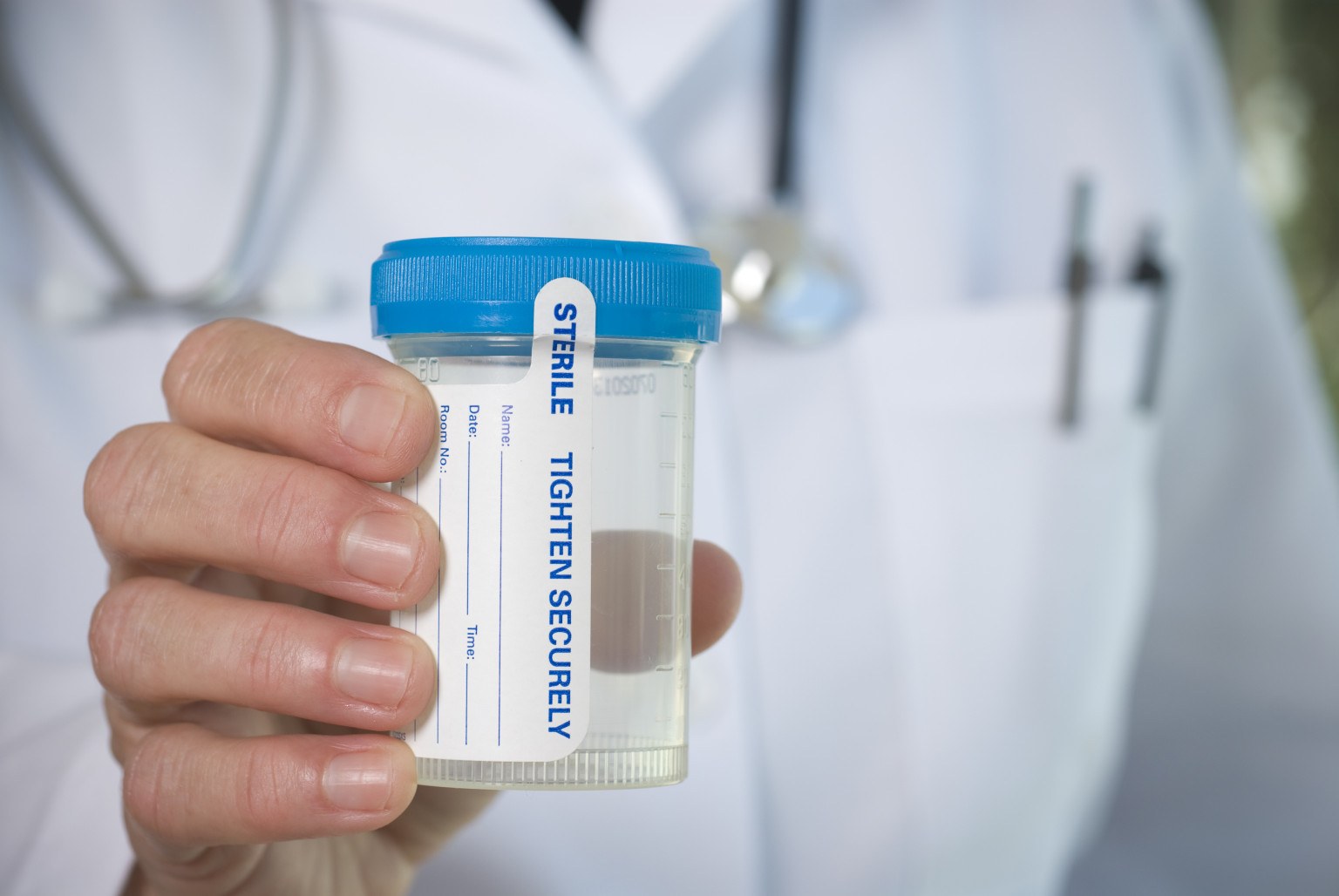
Study Confirms Alcohol Is 10x Deadlier Than Cannabis On The Road

(NaturalBlaze by Vic Bishop) An examination of over 3600 cases concludes that alcohol is ten times deadlier on the road than cannabis, a fact which is just now being confirmed as a result of legalization. Opponents of legalization have long argued that it legal cannabis would be a significant danger on the roads, but as can again confirm, it is indeed much safer than alcohol, a drug which has killed hundreds of thousands of people on America’s roads alone.

Recommended: Studies Show How to Treat & Reduce Recurring UTIs Without Antibiotics

The study was conducted in France, and focused on data from all fatal accidents that occurred in France in 2011.

They estimated the heightened risk of driving under the influence of various substances and found that “drivers under the influence of alcohol are 17.8 times more likely to be responsible for a fatal accident,” when compared to completely sober drivers. Drivers under the influence of cannabis, by contrast, are 1.65 times more likely to be responsible for causing a fatal accident. [Source]

The results of this study are highly relevant to the debate over cannabis legalization, and continue to affirm the arguments made by advocates of legalization.

Recommended: Harvard Immunologist: Unvaccinated Children Pose Zero Risk

Those findings are in line with most recent studies of alcohol and cannabis and driving risk. Earlier this year David Bienenstock investigated the science behind drugged driving estimates, and found that THC-positive drivers have a 5% greater crash risk than drivers with no drugs or alcohol in their system. That figure came from the largest domestic case-control study to date, which was published by the National Highway Traffic Safety Administration, a federal agency. That same study found that drivers with a blood alcohol level of .08, the legal limit in most states, were 293% more likely to be involved in a crash. Texting drivers were 310% more likely to crash. [Source]

In 2015, a then first of its kind study demonstrated that cannabis had little to no significant effect on driving, and included the following four important findings:

Related: CBD Oil – A Comprehensive Guide To Cannabidiol
  1. Drivers under the influence of only cannabis showed little driving impairment when compared to drivers under the influence of alcohol or both substances.
  2. Drivers with blood concentrations of 13.1 ug/L THC (delta-9-tetrahydrocannabinol, which is the active ingredient in cannabis) showed similar impairment to drivers with a .08 breath alcohol concentration, the legal limit in most states. The current legal limit for THC in Washington and Colorado is 5 ug/L.
  3. Drivers who use alcohol and cannabis together weave more on a virtual roadway than ones that used either substance independently, although consuming both does not double the impairment.
  4. Analyzing a driver’s oral fluids can detect recent use of cannabis although it should not be considered a reliable measure of impairment.

Alcohol, however, is widely known for being highly dangerous on the road:

Alcohol is the most common drug present in the system in roadside stops by police; cannabis is the next most common, and cannabis is often paired with alcohol below the legal limits.

We know alcohol is an issue, but is cannabis an issue or is cannabis an issue when paired with alcohol? We tried to find out. ~ Tim Brown, associate research scientist at NADS and co-author of the study. [Source]

Final Thoughts

While this evidence should not be taken as a sign that cannabis-related automotive deaths are insignificant, this research does add weight to the argument that cannabis is far safer than alcohol, in many different ways. This is to support the notion that legalization would have far more positive effects on society than continuing to perpetuate the often terrifying criminalization of this natural plant, over-burdening the justice and prison system.

Read more articles by Vic Bishop.

Vic Bishop is a staff writer for WakingTimes.com and OffgridOutpost.com Survival Tips blog. He is an observer of people, animals, nature, and he loves to ponder the connection and relationship between them all. A believer in always striving to becoming self-sufficient and free from the matrix, please track him down on Facebook.

This article (Study Confirms that Alcohol is Ten Times Deadlier than Cannabis On the Road) was originally created and published by Waking Times and is published here under a Creative Commons license with attribution to Vic Bishop and WakingTimes.com. It may be re-posted freely with proper attribution, author bio, and this copyright statement. Please contact WakingTimes@gmail.com for more info.

FDA, DEA Launch Massive Assault On Kratom – Drug War For Miracle Plant Ramping Up

(Natural Blaze by Brandon Turbeville) To no one’s surprise, the U.S. government, after hysterically declaring a “national emergency” over America’s opioid crisis, is once again setting its sights on Kratom, the non-addictive natural plant that has helped thousands of Americans wean themselves off opioids.

In 2015, the DEA announced its plans to place Kratom on the list of Controlled Substances (in the same scheduling level as heroin to be exact) but, amid public outcry, the agency backed off, deferring to FDA “review” and “advice.” Many optimistic  Kratom activists were tempted to rest on their laurels, trusting that the FDA would prove to be more reasonable in relation to Kratom and hoping the testimonials, overwhelming public support for Kratom, and the science itself would win the day.

As is typically the case in life, the optimists were sorely disappointed.

The FDA, long known to be essentially run by Big Pharma, has now joined the ranks of the DEA (which also placed CBD oil on the list of controlled substances on the same level as heroin) in a scathing attack on Kratom, signalling that the end may be nigh for the miracle plant if activists do not succeed in fighting back both behemoth agencies who act as the enforcement arms of Big Pharma, the private prison industry, and the police state.

Recommended: Besieged by Guilt: Ex-Pharmaceutical Employees Speak Out Against the Industry

As the Washington Post reported,

The Food and Drug Administration issued a strong warning Tuesday to consumers to stay away from the herbal supplement kratom, saying regulators are aware of 36 deaths linked to products containing the substance.
. . . . .

But in a statement, FDA Commissioner Scott Gottlieb said that there is no “reliable evidence” to support the use of kratom as a treatment for opioid-use disorder, and that there are no other FDA-approved uses for kratom.

Rather, he said, evidence shows that the herb has similar effects to narcotics like opioids, “and carries similar risks of abuse, addiction and, in some cases, death.” He said that calls to U.S. poison control centers involving kratom increased tenfold between 2010 and 2015, and that the herb is associated with side effects including seizures, liver damage and withdrawal symptoms.

Virtually none of the scientists who are working with Kratom, however, share the same hysteria and apocalyptic concerns of the FDA, which itself has overseen massive outbreaks of death and addiction as a result of pharmaceuticals it has approved as safe. Indeed, many users of Kratom found the plant in order to ween themselves off the opioids that the FDA so delightfully approved and promoted. Now, with middle America in an alleged “crisis,” the FDA wants to remove one of the few helpful resources to getting clean. The DEA, of course, continues to hunt those same Americans as if they were deer during open season for imprisonment, harassment, fines, and/or on-sight executions.
It should be noted that the FDA’s claims of 36 deaths have been largely disproven before the FDA even made the claims, with many of those deaths attributed to people who had drugs in their system in addition to Kratom or who died of other causes.
Again, as the Washington Post reports,

Jack Henningfield, an addiction specialist who works at the drug policy consulting group Pinney Associates, which has done work for the American Kratom Association, said that surveys have shown that people using opioids to treat pain or satisfy an addiction were able to stop using them by drinking kratom tea. He argued that kratom’s “overall abuse potential and risk of death isn’t anything close to narcotics like opioids” and warned that restricting or banning the substance could drive some people back to opioids or onto the black market to get kratom.

In a study last year for the American Kratom Association, Henningfield, an adjunct professor of behavior policy at Johns Hopkins, found that effectively banning kratom “is not warranted from a public health perspective and is more likely to cause public health problems that do not exist.”

At worst, Kratom is only marginally addictive, with withdrawal symptoms similar to that of caffeine if taken in high doses for long periods of time . . .  maybe. The overwhelming majority of Kratom users, however, do not report “withdrawal” symptoms at all.
Scott Gottlieb’s ridiculous rant about the dangers of Kratom is not based on science. It is based on the bottom line for the police state, Big Pharma, and the private prison industrial complex. Kratom threatens to reduce the amount of Americans slated to fill up jail cells, the dependency on pain medications,  the use of SSRIs and other anti-depressants. Therefore, like marijuana, Kratom has to be stomped out so the gravy train can continue un-interrupted for the pharmaceutical and prison industries.
Recommended: Vaccines & Cognitive Dissonance – Inside the Pro-Vaxxer Mind
Now, as everyone paying attention to the Kratom debate and the current climate in the United States would have expected, an unelected, non-legislative body of totalitarians who claim non-psychoactive CBD oil is the same as heroin and whose entire existence depends on locking up peaceful people for possessing or consuming plants will likely ensure that thousands of Americans will be denied access to a life-saving plant. Once more, many people will turn to heroin and other opioids and the DEA can continue to arrest them. Thousands of others will be forced to seek out permission and dictatorial authority figures that pass for doctors in order to kill pain and get through the day. And once they need more of those painkillers or seek out illegal alternatives, the DEA will be able to arrest them, too.

The American Kratom Association has responded to the FDA statement with a statement of its own saying that, “For years, the FDA has published scientifically inaccurate information on the health effects of consuming kratom, directly influencing regulatory actions by the DEA, states, and various local government entities. It is inconceivable that the FDA would favor a policy that would foreseeably force a patient who [has] been weaned off of opioid [addiction] back to dangerously addictive and potentially deadly opioid prescription medications.”

Already, the FDA is intercepting shipments of Kratom. The hysterical and, quite frankly, idiotic statement from Gottlieb signals dark days ahead for Kratom users, former drug addicts, sufferers of chronic pain and depression. But these will be dark days for more people than Kratom users. Every American citizen forced to live under the stifling anathema to freedom known as the drug war will have no choice but to continue to reside amid mass incarceration, forced medication, and needless suffering and will most likely do so for years to come.

The U.S. government is making America many things but great isn’t one of them.

Support the American Kratom Association in their upcoming legal battle for civil liberties and health freedom. www.AmericanKratom.org